
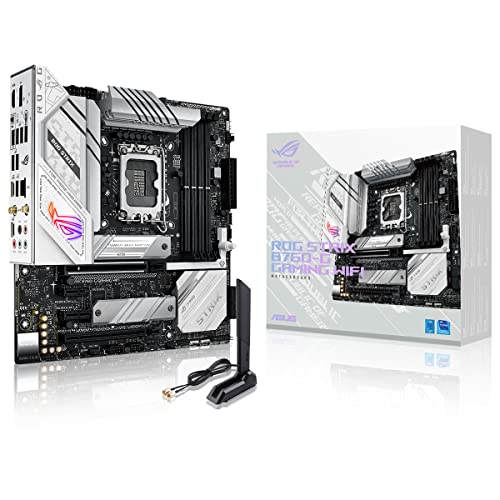
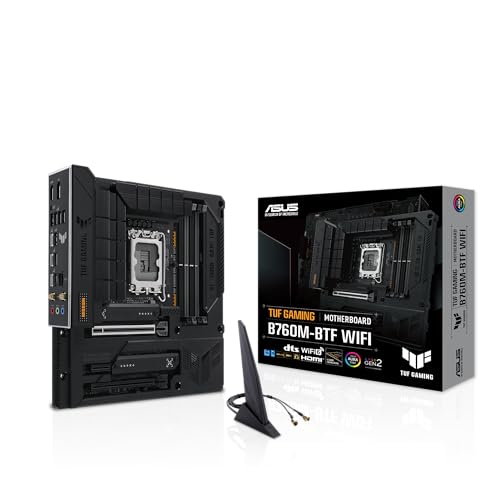
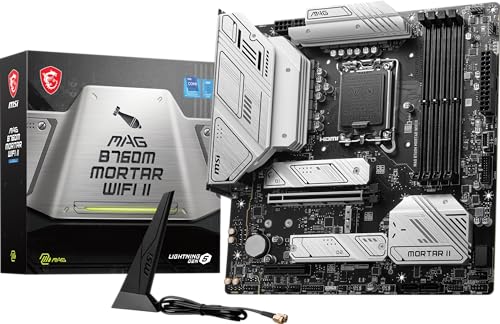
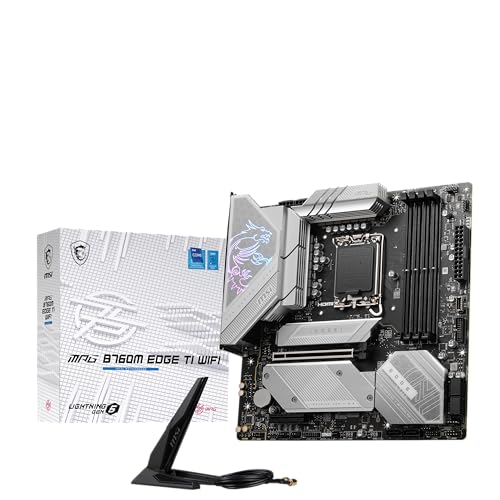
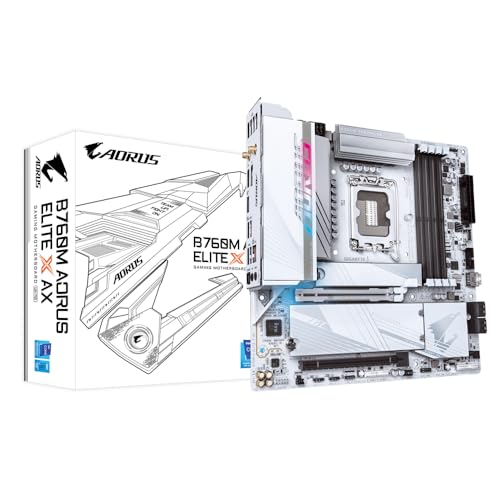
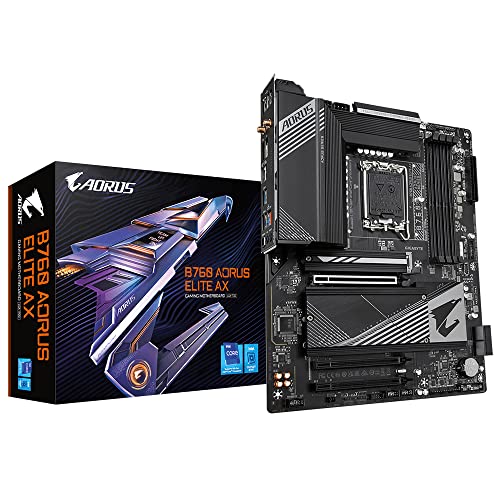
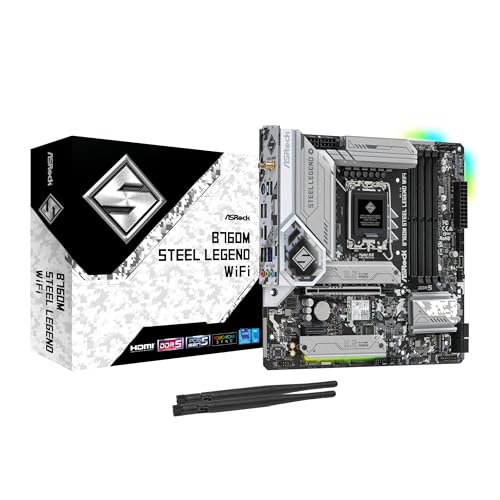
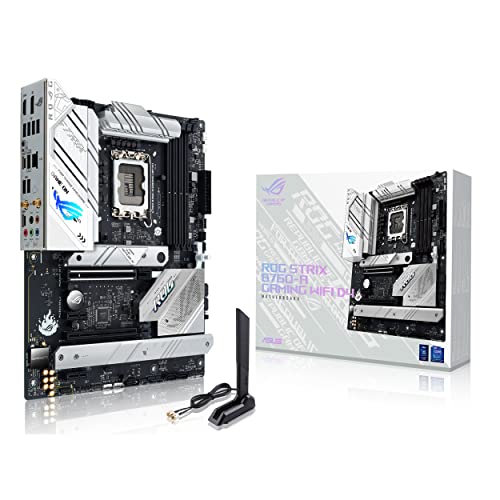
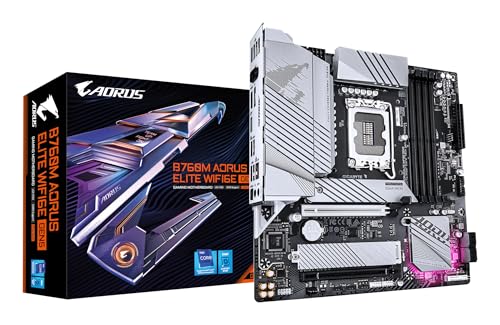
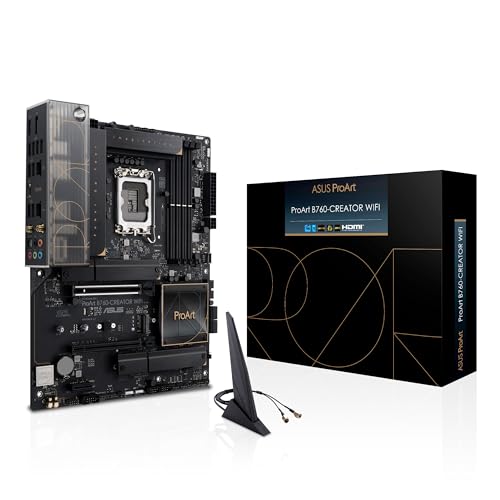
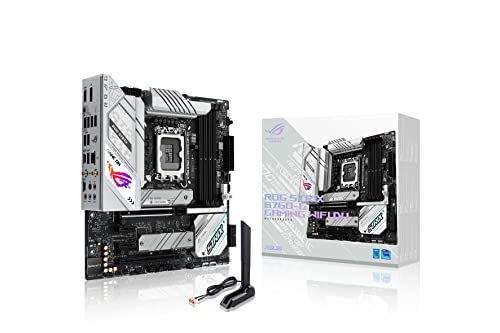
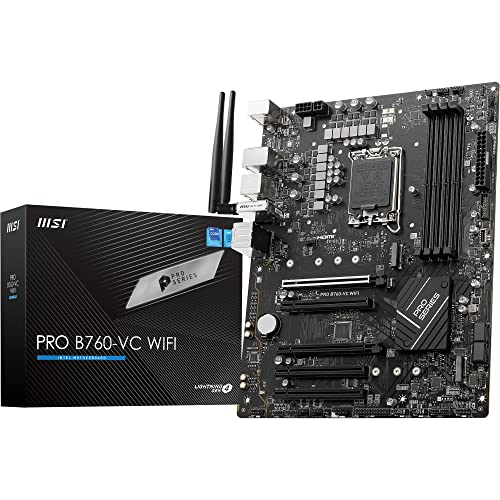
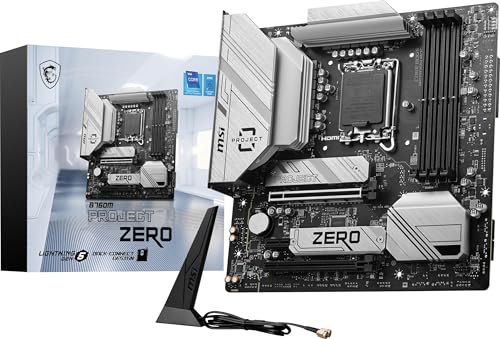
What is an B760 motherboard?
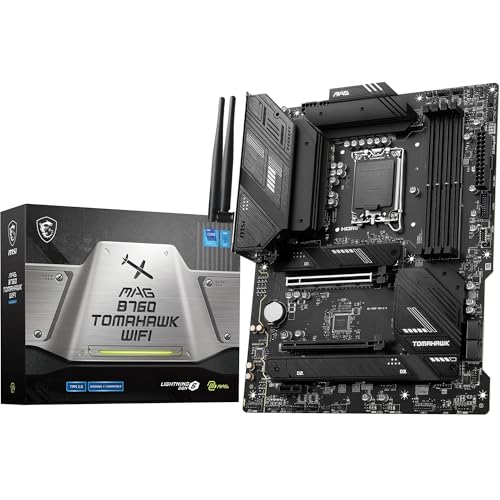
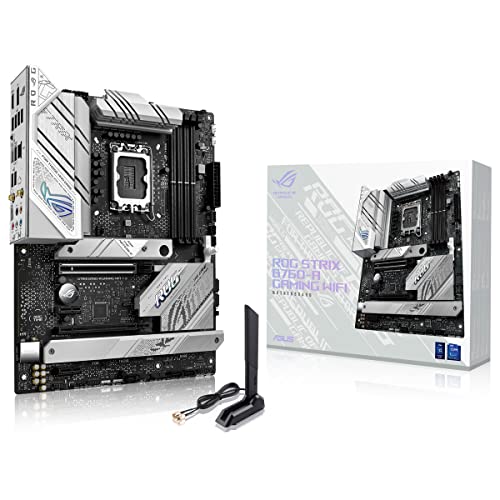
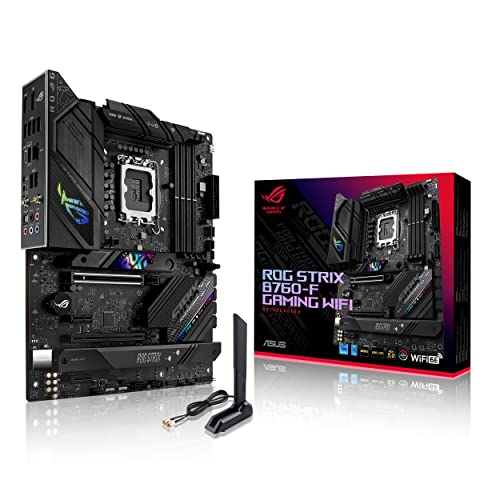
A B760 motherboard is part of Intel’s 700-series chipset family, designed for 13th and 12th generation Core processors using the LGA 1700 socket. Positioned in the mid-range, it balances cost and functionality, making it a popular choice for mainstream users who want solid performance without the higher expense of premium Z-series boards.
It typically supports DDR4 or DDR5 memory depending on the model, PCIe 4.0 lanes for graphics and storage, and a good selection of USB ports, ensuring compatibility with modern peripherals and expansion cards.
Compared to Z-series boards, a B760 motherboard generally lacks CPU overclocking support and offers fewer PCIe lanes or advanced features, but it still delivers strong reliability for gaming, productivity, and general use.
Manufacturers often include robust VRMs, M.2 slots for NVMe SSDs, and networking options like Wi-Fi 6 or 2.5G Ethernet in B760 models, giving users a versatile and future-proof platform at a more affordable price point.
Which brands make the best B760 motherboards?
The best B760 motherboard brands are as follows.
- MSI (Overall score: 7.6 points)
- ASUS (Overall score: 7.5 points)
- Colorful (Overall score: 6.8 points)
The chart below ranks B760 motherboard brands by average overall score.
[horizontal-chart-16377995807178800378020586824997700030584275751654]
How much do B760 motherboards cost?
B760 motherboards cost between £110 and £260 depending on brand, chipset features, and form factor.
Models at the lower end of this range usually come in micro-ATX size with fewer connectivity options, while higher-end versions use ATX layouts with stronger VRMs, more USB ports, and extra M.2 slots.
The B760 chipset supports Intel’s 12th and 13th generation processors and uses DDR4 or DDR5 memory depending on the board. Boards with DDR5 support usually cost more because they target users who want higher memory speeds.
The following chart shows the price distribution of B760 motherboards.
[vertical-chart-09464225050616307554045395025601425797713430986771]
What should you consider while choosing the best B760 motherboard?
When choosing the best B760 motherboard, you should consider the following key factors:
- VRM power delivery design: The motherboard must have a robust VRM solution to handle the power demands of modern processors. High-end B760 boards feature 8+1+1 or 12+1+1 phase hybrid digital VRM designs that can deliver over 300W to the CPU. This design maintains stable voltage regulation and reduces heat generation during intensive tasks.
- Memory and storage compatibility: The board should support DDR5 memory with speeds up to 7000+ MHz for optimal performance. Modern B760 motherboards come with 4 DIMM slots that support up to 128GB capacity. Storage options include multiple M.2 PCIe 4.0 x4 slots for NVMe SSDs and SATA 6Gb/s ports for traditional drives.
- PCIe slots and expansion options: The motherboard needs a PCIe 5.0 x16 slot with reinforcement for modern GPUs and additional PCIe slots for expansion cards. B760 boards typically feature one primary PCIe 5.0 x16 slot with steel armor protection and secondary PCIe 3.0 or 4.0 slots for additional components. Some models include tool-less installation features like EZ-Latch for quick component changes.
- Connectivity and I/O ports: The board should provide comprehensive connectivity options including 2.5Gb Ethernet, Wi-Fi 6E, USB 3.2 Gen 2 Type-C, and multiple USB ports. Modern B760 motherboards include HDMI 2.1 and DisplayPort outputs for integrated graphics, along with advanced audio codecs like ALC897 for high-quality sound output.
- Form factor and thermal management: The motherboard must fit your case size and include proper thermal solutions like VRM heatsinks and M.2 thermal guards. B760 boards come in ATX and micro-ATX form factors with Smart Fan 6 technology that controls multiple temperature sensors and fan headers for optimal cooling.