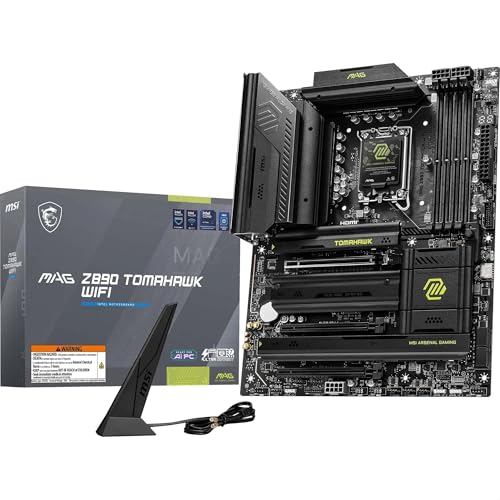
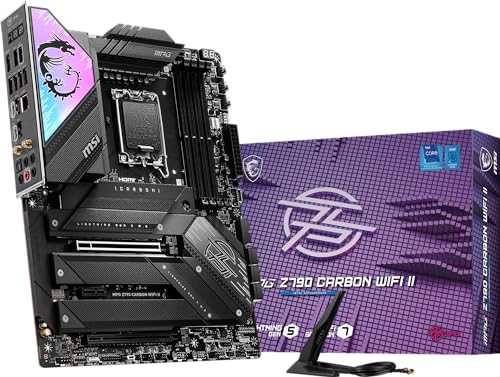
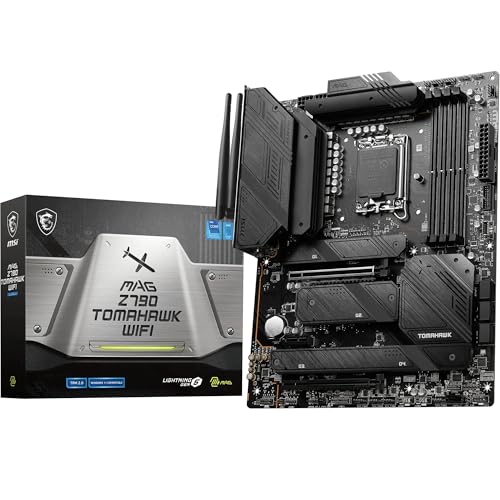
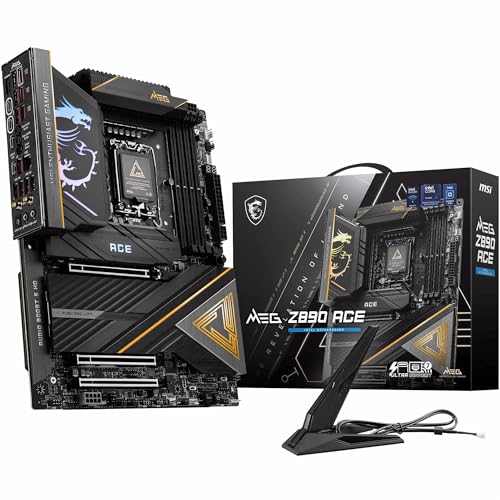
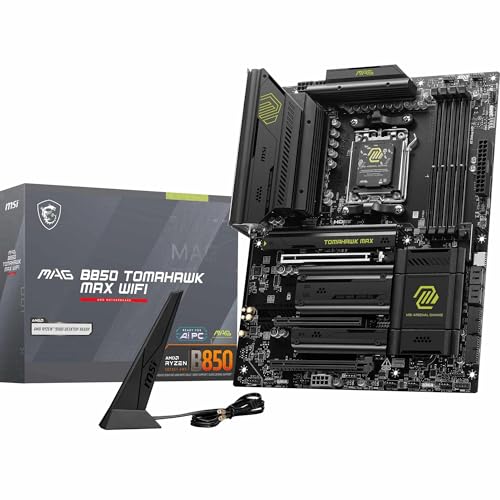
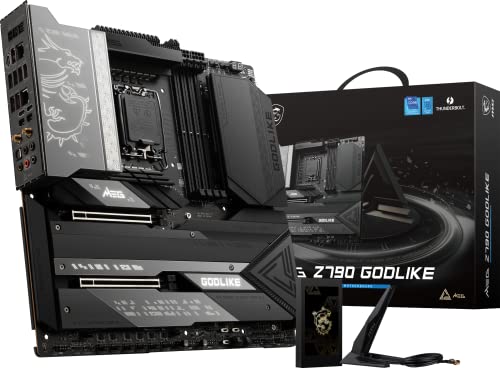
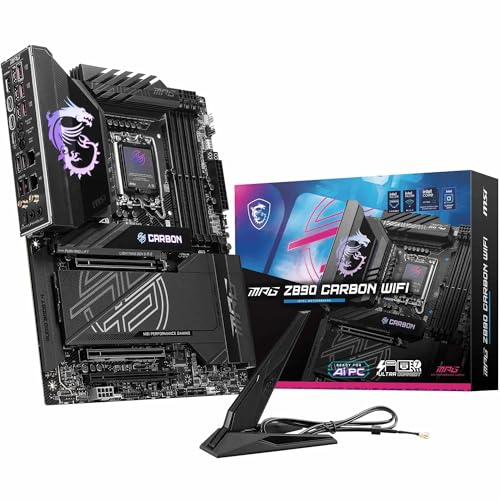
Are MSI motherboards good?
MSI motherboards have an average overall score of 9, ranking #2 among all motherboard brands, and a user rating of 9.2, placing them at #1 based on user reviews.
MSI motherboards are generally well regarded because they balance performance, reliability, and price. They are known for solid power delivery systems, good thermal management, and stable BIOS, which makes them a strong choice for both casual users and PC builders who want consistent performance.
Many models include user-friendly features such as debug LEDs, reinforced PCIe slots, and accessible layouts that make installation easier. MSI also invests in aesthetics, with many boards having RGB lighting and sleek designs that appeal to gamers.
They cover a wide range of segments, from affordable entry-level boards to high-end options aimed at enthusiasts and overclockers. MSI boards usually integrate well with the latest CPUs and RAM standards, which helps extend their lifespan.
The best MSI motherboards are as follows.
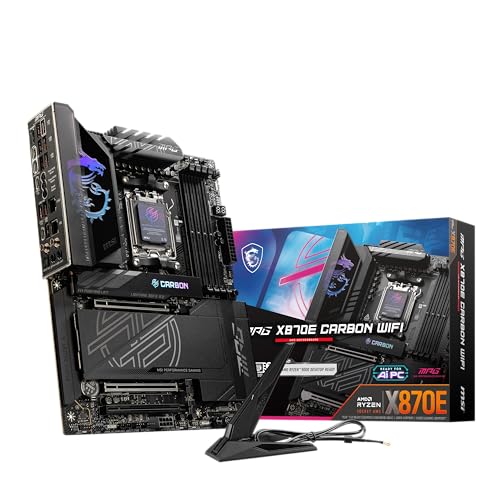
- MSI MPG X870E Carbon WiFi (Overall score: 9.16 points)
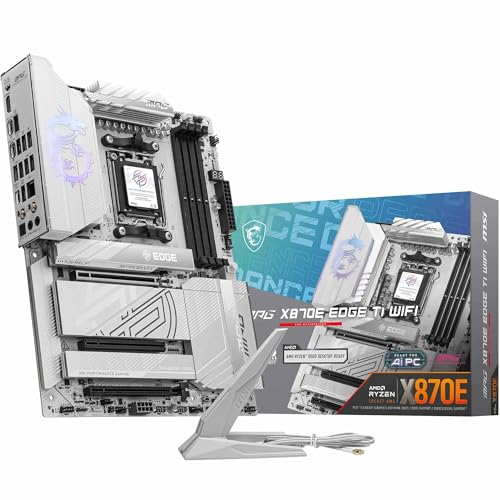
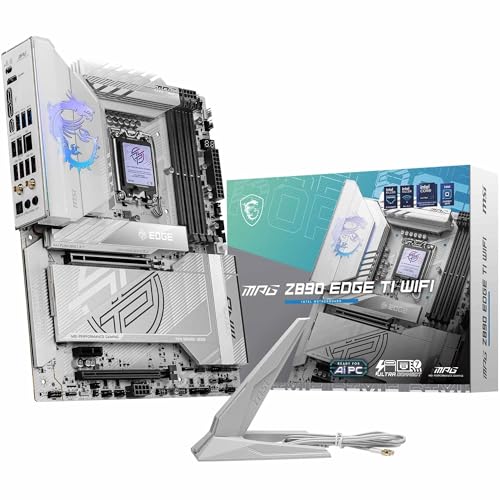
- MSI MPG X870E Edge Ti WiFi (Overall score: 9.12 points)
The chart below ranks motherboard brands by average overall score.
[horizontal-chart-12588743876552819512164314463740724746191265422285]
What are the main advantages of MSI motherboards?
The main advantages of MSI motherboards are the following:
- Strong VRM design: MSI boards often use 12+2 or 16+1 phase power delivery with high-quality chokes and capacitors, which supports stable overclocking on Intel Core i9 or AMD Ryzen 9 CPUs. This gives higher performance under heavy loads without voltage drops.
- Advanced cooling system: Many models integrate extended heatsinks, Frozr heatsinks, and dedicated fan headers (up to 7 PWM/DC) that maintain stable temperatures even with high-end GPUs and multi-core CPUs. This keeps the system consistent under gaming or workstation workloads.
- High-speed connectivity: MSI includes PCIe 5.0 x16 slots on newer boards and multiple M.2 slots with PCIe Gen4 support (often 3–5 slots). This supports graphics cards with 128 GB/s bandwidth and SSD speeds above 7,000 MB/s.
- Networking options: Many models integrate 2.5G LAN or even 10G LAN on premium boards, plus Wi-Fi 6E modules with 6 GHz band support. This gives lower latency in gaming and faster transfer speeds for professional use.
- BIOS and tuning features: MSI BIOS is user-friendly with click-based layout and built-in profiles for RAM overclocking (XMP/EXPO). Some boards include hardware buttons for BIOS flashback and reset, which simplify troubleshooting.
- Strong build quality: Reinforced PCIe Steel Armor slots support heavy GPUs (up to 3 kg), and high-quality PCB layers (6–8 layer design) improve durability and signal stability. This extends motherboard lifespan and system reliability.
What are the main disadvantages of MSI motherboards?
MSI motherboards have the following main disadvantages:
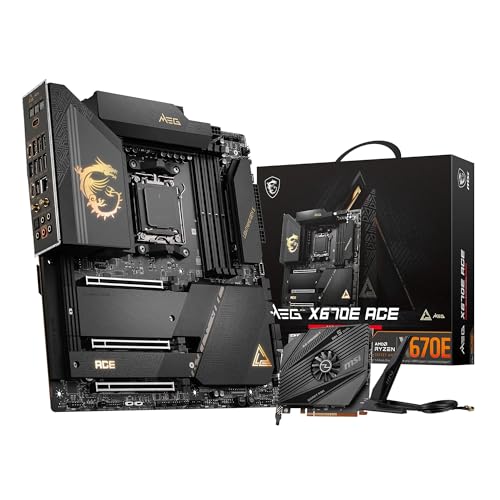
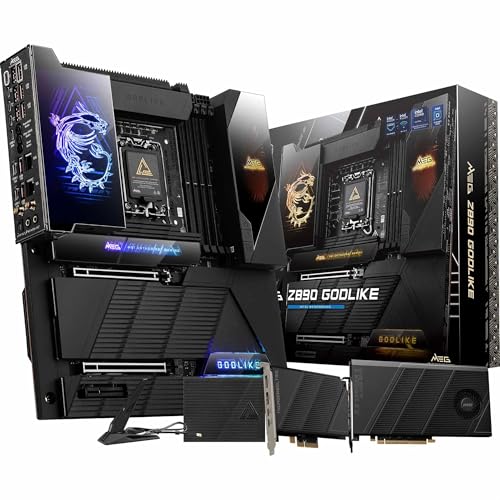
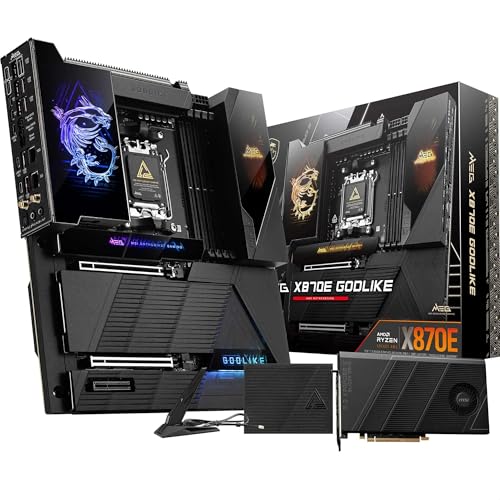
- Higher price on premium models: Top-end boards like the MEG Godlike or ACE often cost 600–£800, which puts them above competitors with similar features.
- RGB software issues: MSI Mystic Light software can conflict with other RGB control apps and sometimes lacks stability compared to ASUS Aura or Gigabyte RGB Fusion.
- Fewer USB ports on mid-range boards: Some MSI B550 and Z690 models have only 6–7 rear USB ports, while competitors often integrate 8–10 ports.
- BIOS update dependency: New CPU generations often require BIOS updates on older MSI boards, and the update process may not always be smooth if the board lacks BIOS flashback.
- Limited bundled accessories: Compared to ASUS or Gigabyte, MSI often includes fewer extra accessories (e.g. fewer SATA cables or no Wi-Fi antenna in some models), which can reduce value in mid-range options.
Who makes MSI motherboards?
MSI motherboards are made by Micro-Star International, a Taiwanese company founded in 1986. The company has its headquarters in New Taipei City, Taiwan, and employs more than 2,000 people worldwide. MSI designs and manufactures its motherboards in Taiwan and China, with production facilities in both countries to cover large-scale demand.
The brand is one of the largest motherboard manufacturers in the world and is known for its gaming and high-performance products. MSI entered the motherboard market in the late 1980s and became a major supplier during the 1990s, as PC gaming and custom-built computers grew in popularity. Today, it remains a top competitor alongside Asus, Gigabyte, and ASRock, with strong presence in Asia, Europe, and North America.
How popular are MSI motherboards worldwide?
MSI motherboards are the second most popular worldwide, with shipments in 2024 estimated at around 25 million units and a global market share close to 22 %, which placed MSI behind Asus but ahead of Gigabyte and ASRock. The MPG and MAG series drove mainstream and gaming sales, while the MEG series targeted high-end enthusiasts.
MSI performed strongest in Asia and Europe, where its share often reached about 20–25 %, while in North America it stayed closer to 18 %.
What are the main MSI motherboard series?
The main MSI motherboard series are as follows.
- MEG Series: This is the flagship line with premium features, strong VRM design, and high overclocking support. It targets enthusiasts and gamers who want maximum stability, high connectivity, and advanced cooling.
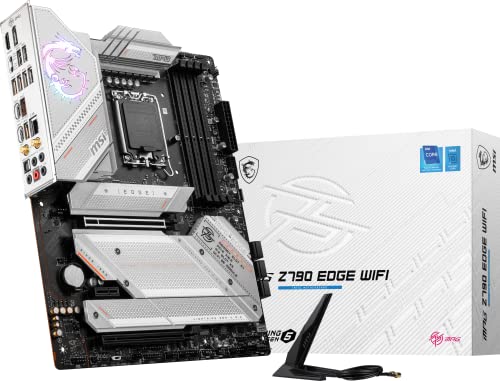
- MPG Series: This series balances performance and aesthetics. It has RGB lighting, solid power delivery, and mid- to high-range features, so it suits mainstream gamers who want both style and speed.
- MAG Series: This line focuses on durability and ease of use. It has robust build quality, military-inspired design, and practical features. It fits users who want reliable gaming performance without a premium price.
- PRO Series: This series targets productivity and everyday use. It has stable performance, simplified designs, and business-focused features. It is aimed at professionals and system builders who need consistent reliability.
- CREATOR Series: This line is designed for content creators and professionals who work with heavy workloads. It integrates advanced connectivity, support for multiple GPUs, and optimized hardware for editing, rendering, and design tasks.
How much do MSI motherboards cost?
MSI motherboards cost between £90 and £600 depending on the chipset, form factor, and features.
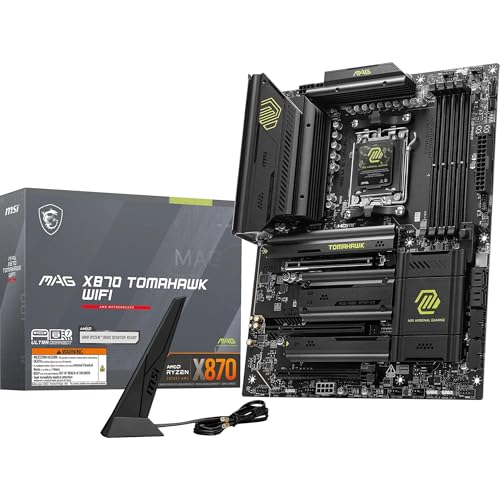
Entry-level boards such as those with Intel B660 or AMD B550 chipsets usually start at around £90 to £130, which fits users who want stable performance without advanced overclocking or premium extras. Mid-range MSI motherboards, like those in the Tomahawk or Gaming Plus series, often range from £160 to £260. These boards typically support more PCIe lanes, better VRMs, faster memory speeds, and additional connectivity such as USB-C or Wi-Fi. High-end MSI motherboards, especially models in the MEG series such as the Godlike or Unify, usually range from £340 to £600
The following chart shows the price distribution of MSI motherboards.
[vertical-chart-14957173565814240748040324345546978197311169352583]
What should you consider while choosing the best MSI motherboard?
When choosing the best MSI motherboard, you should consider the following key factors.
- Socket compatibility: Select a motherboard that matches your CPU socket type as this determines which processors you can install. AMD processors use AM4 or AM5 sockets while Intel uses LGA 1700 or newer sockets, and mismatched sockets prevent CPU installation entirely.
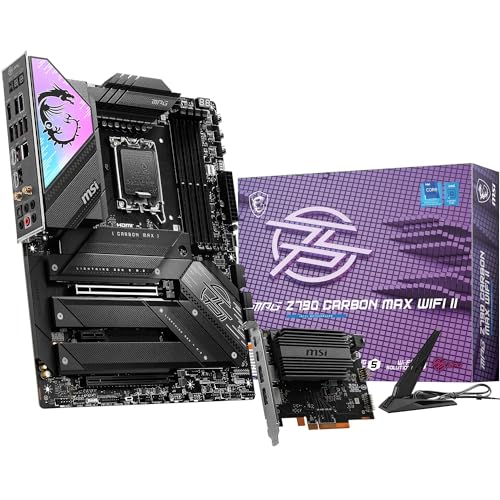
- Form factor: Select between ATX, Micro-ATX, or Mini-ITX based on your case size and expansion needs. ATX boards like the MPG Z790 Carbon provide maximum slots and connections while Micro-ATX models like the B660M Mortar fit smaller cases. Mini-ITX boards work for compact builds but limit expansion options significantly. Standard ATX motherboards measure 12 x 9.6 inches and support the most PCIe slots.
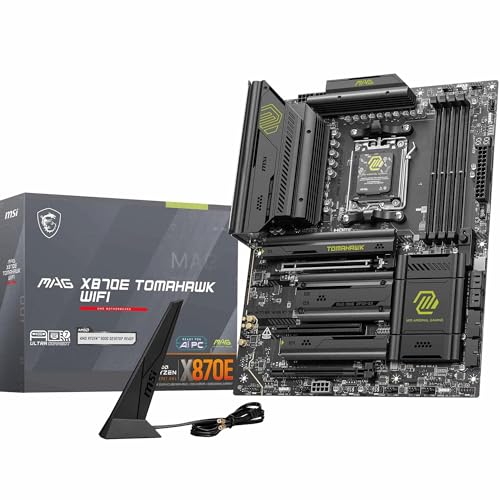
- Series positioning and features: MSI divides motherboards into distinct series tiers with different feature sets. MEG represents the flagship enthusiast gaming series with premium components like 19+1+1 VRM phases and up to five M.2 slots, while MPG serves as the performance gaming middle tier with robust power delivery and solid connectivity options, and MAG functions as the arsenal gaming budget-focused series that emphasizes stability and durability over premium features.
- Power Delivery System: The VRM configuration directly affects CPU performance and overclocking capability. High-end MEG boards feature 19-phase power delivery for extreme overclocking while MPG boards typically use 14-16 phase designs for moderate overclocking, whereas MAG boards provide basic power delivery suitable for stock CPU operation.
- Expansion and storage Options: Evaluate PCIe slots and M.2 connectors based on your graphics card and storage requirements. Premium MEG boards offer up to five M.2 slots with PCIe 5.0 support and multiple full-length PCIe slots, while MPG boards typically include four M.2 slots and adequate PCIe options for most users, and budget MAG boards provide essential expansion with fewer storage options.
- Connectivity and networking: Modern MSI motherboards include Wi-Fi 6E or Wi-Fi 7 capabilities along with various USB ports and networking features. Higher-tier boards feature more USB ports, faster ethernet connections up to 5GbE, and advanced wireless standards compared to entry-level models that focus on basic connectivity needs.