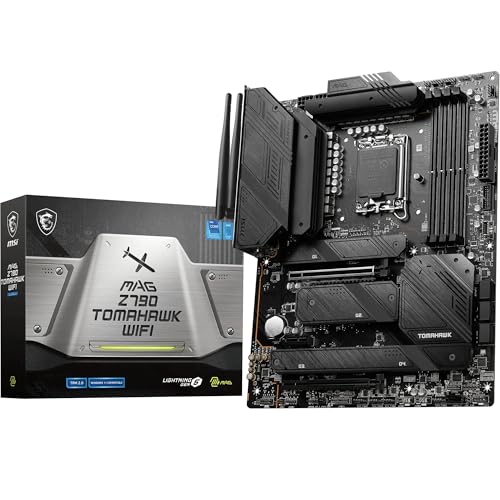
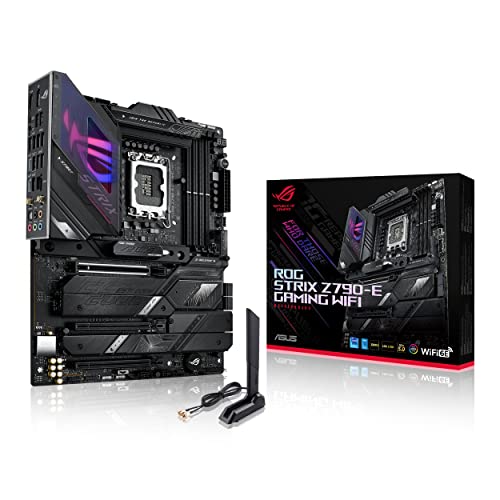
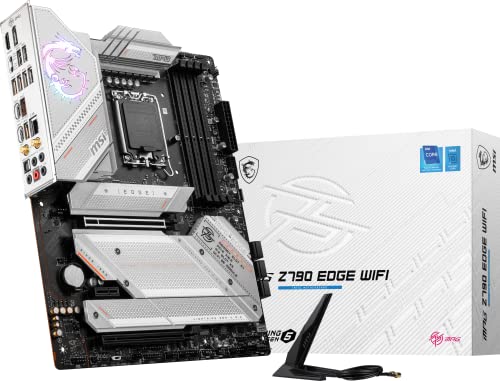
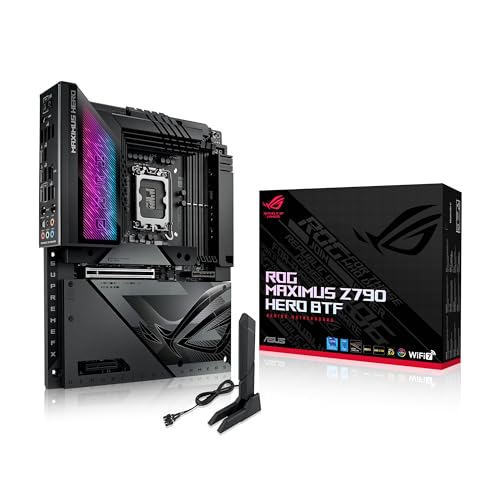
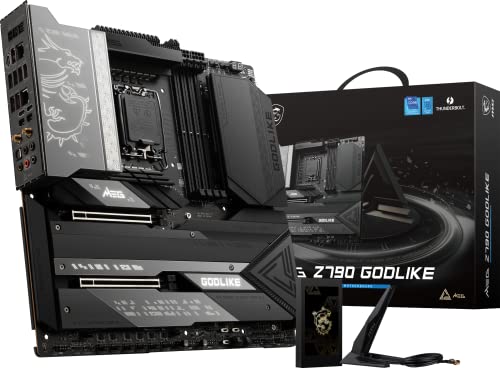
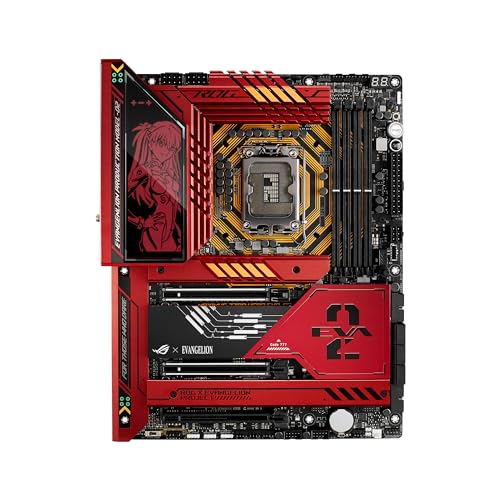
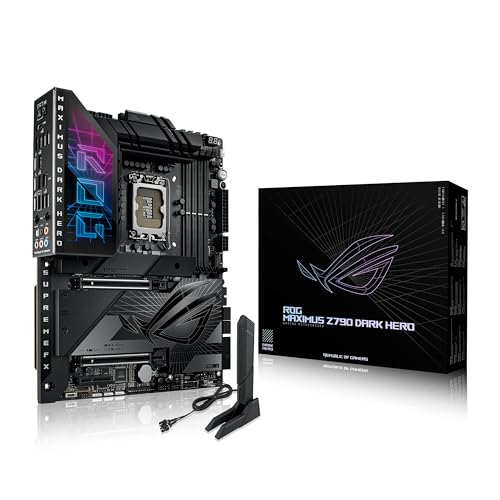
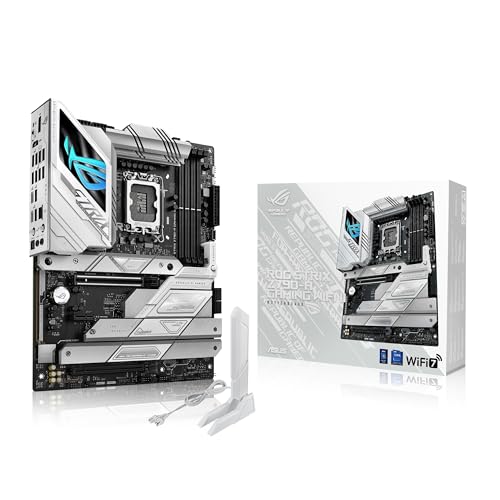
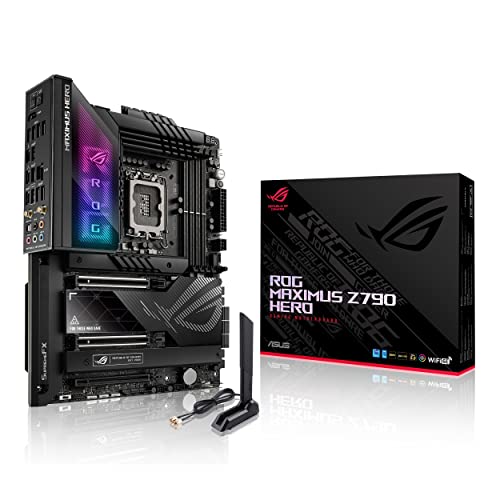
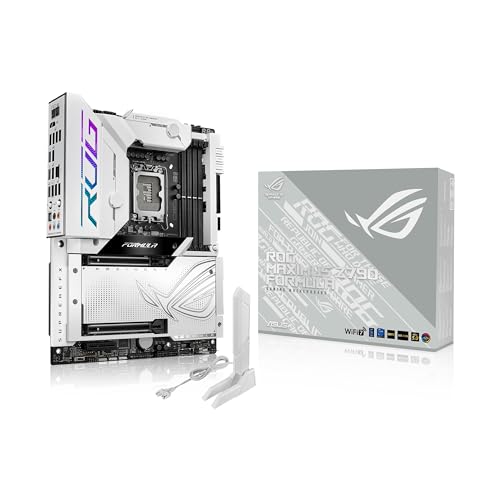
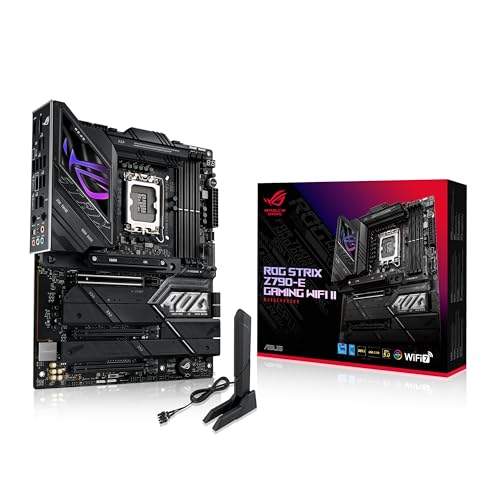
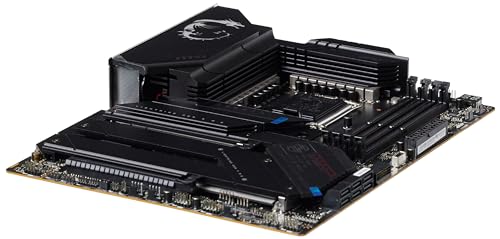
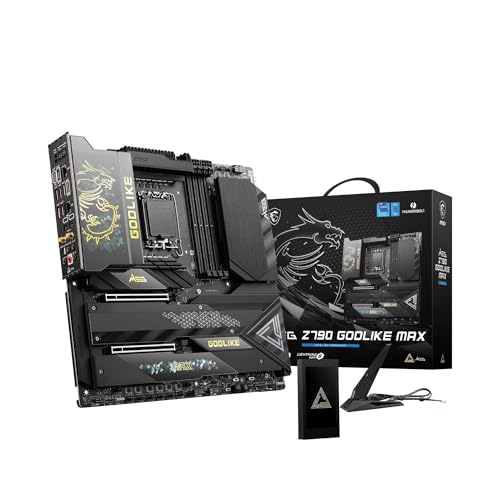
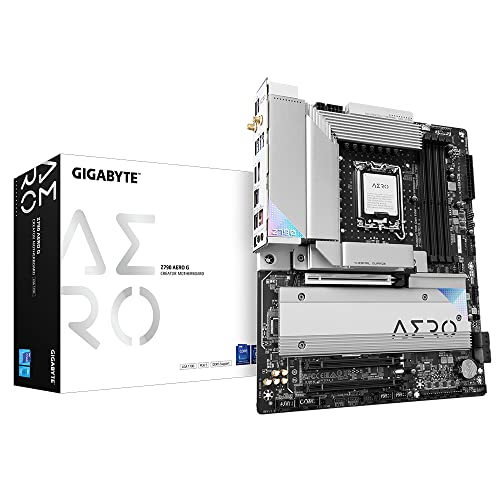
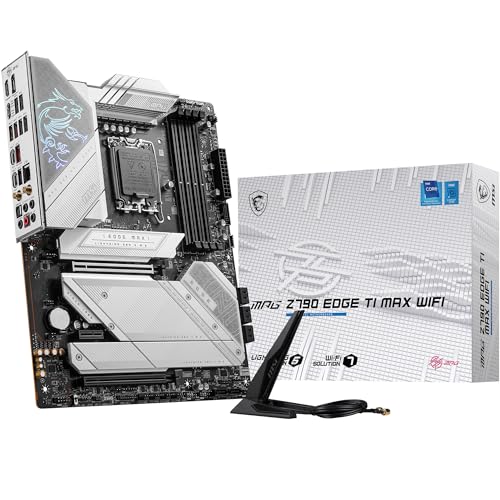
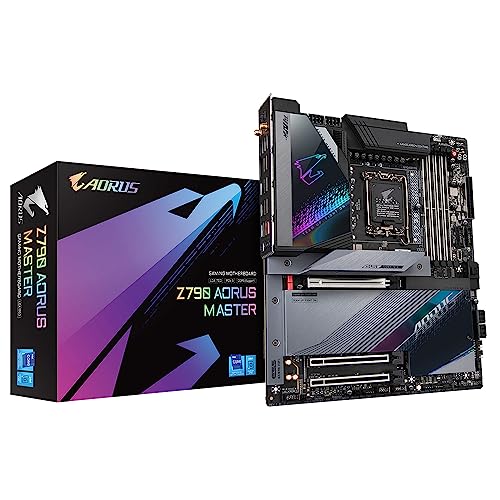
What is an Z790 motherboard?
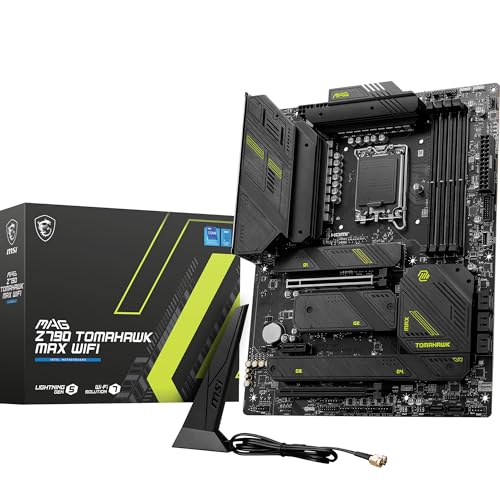
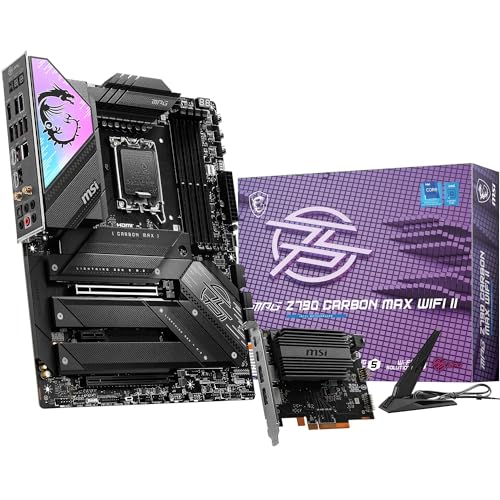
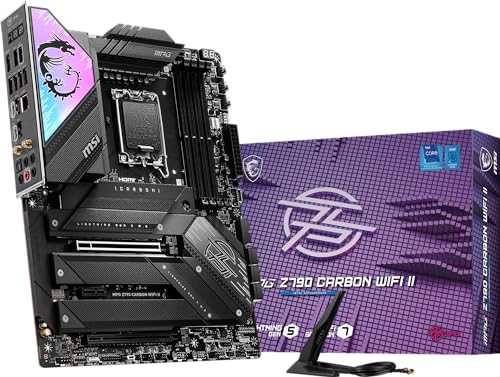
A Z790 motherboard is an Intel chipset platform designed for high-performance desktop PCs, typically paired with Intel’s 12th, 13th, and 14th generation Core processors. It belongs to the enthusiast-level tier of Intel’s chipset lineup, sitting above mid-range options like B760 or entry-level chipsets like H610.
The Z790 chipset supports features such as CPU and memory overclocking, multiple PCIe lanes for graphics cards and storage, and advanced connectivity like PCIe 5.0 slots and high-speed USB ports. It is most often used in gaming PCs, content creation systems, and workstations where performance and expandability are a priority.
Compared to lower-tier chipsets, Z790 motherboards provide broader support for DDR5 memory, higher memory speeds, and more options for tuning system performance. They usually come with stronger power delivery systems, better cooling solutions, and additional features like multiple M.2 slots for NVMe SSDs, integrated Wi-Fi 6E, and robust networking options.
Which brands make the best Z790 motherboards?
The best Z790 motherboard brands are as follows.
- ASUS (Overall score: 8.8 points)
- MSI (Overall score: 8.8 points)
- GIGABYTE (Overall score: 8.5 points)
The chart below ranks Z790 motherboard brands by average overall score.
[horizontal-chart-06768101546130229713058358854063168586290015687358]
How much do Z790 motherboards cost?
Z790 motherboards cost from about £170 to over £600, depending on the brand, chipset features, and build quality.
Entry-level Z790 boards start near £170 and give access to the Intel Z790 chipset, which supports 12th, 13th, and 14th generation Intel processors. Mid-range models usually cost between £260 and £390, which is where most gaming and performance builds fit.
High-end Z790 motherboards can cost £550 or more, as they add premium VRM designs, advanced cooling solutions, and extra connectivity such as PCIe 5.0 slots and faster memory support. Some flagship models pass £600 because they target enthusiasts who need extreme overclocking stability, multiple M.2 slots, or extended I/O for professional workstations.
The following chart shows the price distribution of Z790 motherboards.
[vertical-chart-00995107371770295605024155739589855807072866607623]
What should you consider while choosing the best Z790 motherboard?
You should consider the following factors while choosing the best Z790 motherboard.
- VRM design and power phases: The voltage regulator module configuration directly affects CPU power delivery stability. Most quality Z790 boards feature 16+1+1 phase designs or higher, which handle high-end processors like the 14900K effectively. Premium models can reach 19+1+1 phases, providing extra headroom for overclocking and sustained performance under heavy workloads.
- Memory support and slots: DDR5 compatibility and maximum memory capacity determine system performance potential. Quality Z790 motherboards support DDR5 speeds up to 7800MHz through overclocking, with maximum capacities ranging from 128GB to 256GB. The number of DIMM slots (typically 4) and dual-channel architecture affect memory expansion options and system responsiveness.
- Storage and expansion options: Modern Z790 boards include multiple M.2 slots with PCIe 4.0 or 5.0 support, typically ranging from 3 to 5 slots per board. PCIe expansion slots configuration matters for GPU installation and additional cards, with most boards featuring at least one PCIe 5.0 x16 slot for graphics cards and additional PCIe 4.0 slots for expansion.
- Connectivity features: Network capabilities and I/O ports affect daily usability and future compatibility. Standard features include 2.5 Gigabit Ethernet, WiFi 6E or WiFi 7, multiple USB 3.2 ports, and Thunderbolt 4 support on premium models. The number and type of rear I/O ports, including USB-C connections, determine peripheral compatibility.
- Thermal management and build quality: Effective cooling solutions preserve component longevity and performance stability. Quality Z790 motherboards include VRM heatsinks, M.2 thermal guards, and multiple fan headers for comprehensive system cooling. The board layout, component quality, and additional features like EZ-latch mechanisms for tool-free installation affect long-term reliability and user experience.