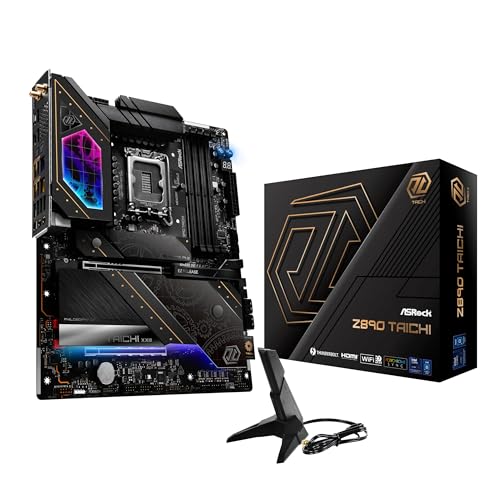

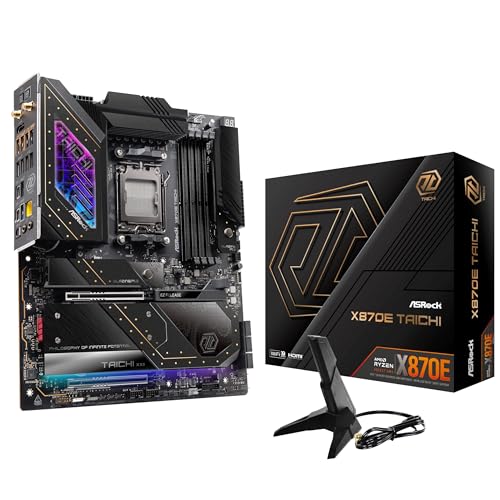
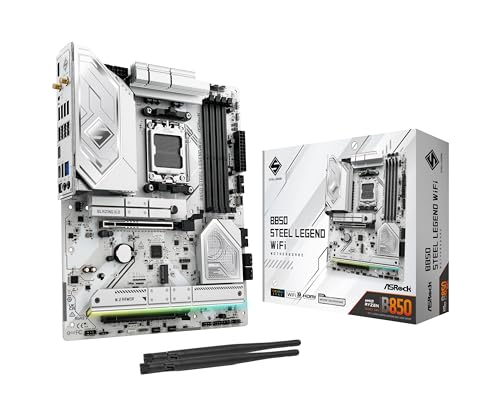
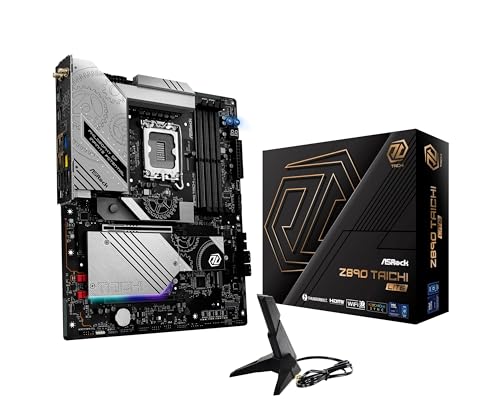
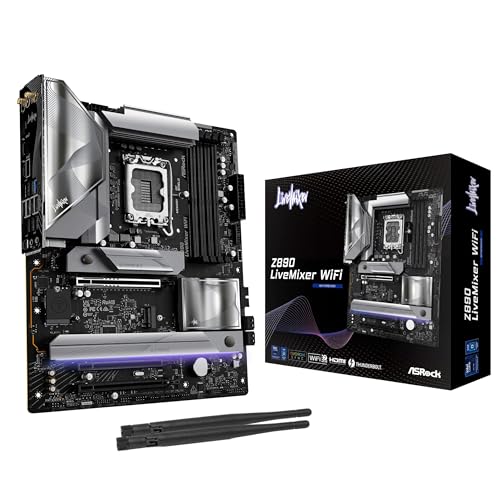
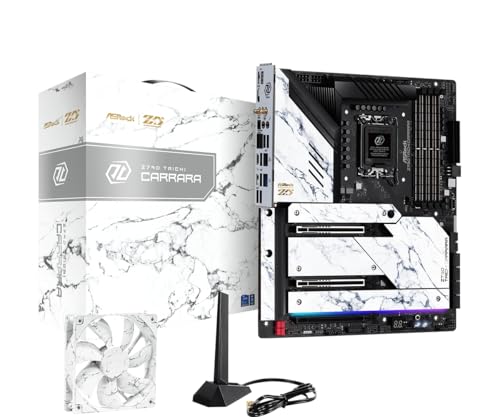
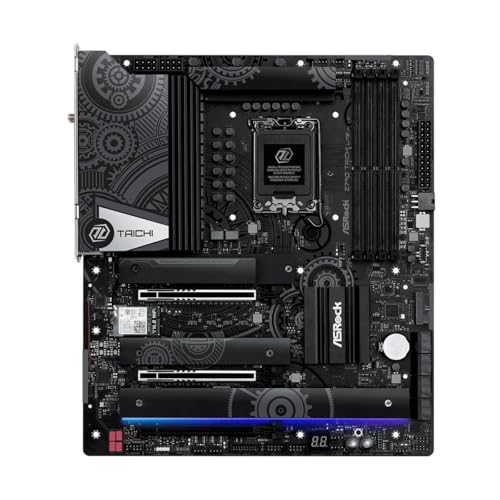
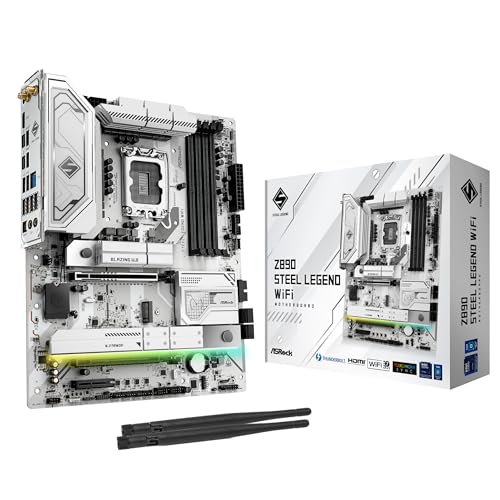
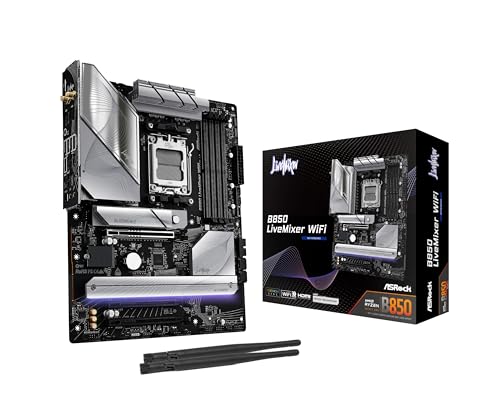
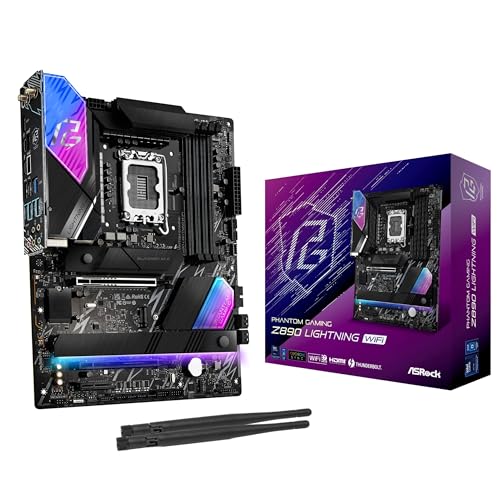
Are ASRock motherboards good?
ASRock motherboards have an average overall score of 8.8, ranking #4 among all motherboard brands, and a user rating of 8.6, placing them at #5 based on user reviews.
ASRock motherboards are generally seen as a solid choice, especially for users who want a balance between price and functionality.
The brand has built a reputation for producing reliable boards with a wide range of features, often at lower prices than some competitors. They are well-suited for both budget builds and more advanced systems, giving users flexibility depending on their needs. Many of their models include good connectivity, stable performance, and BIOS features that appeal to PC enthusiasts.
At the same time, ASRock motherboards may not always reach the same level of premium build quality or advanced features as higher-end brands like Asus or MSI. Some entry-level models can lack durability or extended support for extreme overclocking.
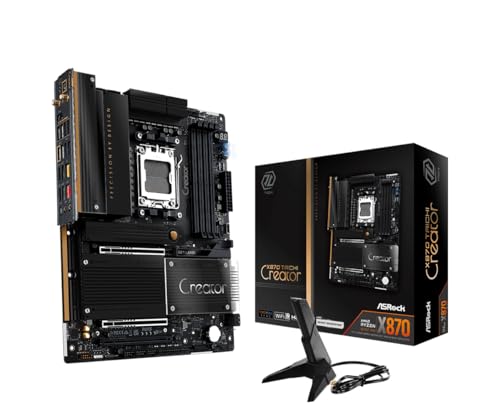
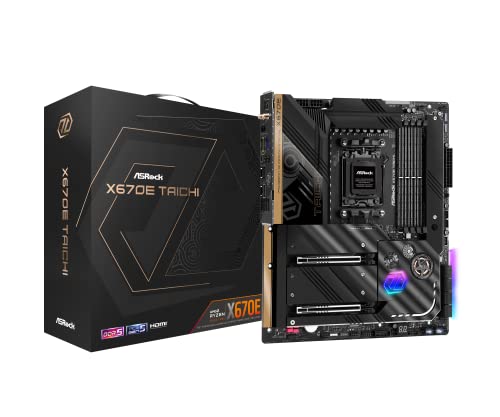
The best ASRock motherboards are as follows.
- ASRock X870E Nova WiFi (Overall score: 9.05 points)
- ASRock X670E Taichi (Overall score: 8.86 points)
The chart below ranks motherboard brands by average overall score.
[horizontal-chart-12588743876552819512164314463740724746191265422285]
What are the main advantages of ASRock motherboards?
The main advantages of ASRock motherboards are the following:
- Wide product range: ASRock has models from entry-level boards under £90 to high-end boards above £430, so it covers budget, mid-range, and enthusiast users with different needs.
- Strong VRM design: Many ASRock motherboards in the X670E, Z790, and B650 series use 14 to 24-phase VRM setups that support stable power delivery for CPUs like Ryzen 9 7950X or Intel Core i9-13900K under heavy loads.
- Memory support: ASRock boards support DDR5 speeds above 7200 MHz on Intel platforms and up to 6400 MHz on AMD, while older DDR4 boards support 5000+ MHz, which is higher than the industry average in many price ranges.
- Connectivity: ASRock often integrates multiple high-speed slots such as PCIe 5.0 x16 and PCIe 5.0 M.2, along with USB 4.0 and 2.5G or 10G LAN on premium boards, giving strong connectivity at different tiers.
- BIOS features: Their UEFI BIOS includes extensive tuning options such as automatic overclock profiles, fan calibration, and memory training, which give users precise control over performance without third-party tools.
- Compact form factors: ASRock produces mini-ITX and micro-ATX boards with high-end features like PCIe 5.0 and Wi-Fi 6E, which is less common among competitors and ideal for small form factor builds.
What are the main disadvantages of ASRock motherboards?
ASRock motherboards have the following main disadvantages:
- Build quality differences: Lower-end ASRock models often use fewer heatsinks and cheaper components compared to ASUS or MSI boards at the same price, so thermal performance can be weaker.
- BIOS consistency: While the BIOS has many features, updates sometimes come later than other brands and stability can vary depending on platform generation.
- Customer support: ASRock has weaker RMA and service networks in some regions compared to ASUS or Gigabyte, which can lead to slower replacement times.
- Audio solutions: Entry-level and mid-range ASRock boards often use older Realtek ALC codecs instead of premium solutions like ALC1220 or ESS DACs, so onboard audio quality may be lower.
- Overclocking headroom: Although the VRMs are solid on high-end boards, mid-range boards sometimes throttle under sustained overclocking of CPUs with 200+ W power draw, so they do not match top ASUS or Gigabyte boards in extreme cases.
Who makes ASRock motherboards?
ASRock motherboards are produced by ASRock Inc., a Taiwanese company founded in 2002. The brand started as a spin-off from ASUS, focused on developing motherboards and related PC hardware for different market segments. Its headquarters are in Taipei, Taiwan, and the company operates worldwide with regional offices in Europe and the United States.
ASRock is known as the third-largest motherboard manufacturer after ASUS and Gigabyte. It employs hundreds of staff in research, development, and sales, and its products target both entry-level users and enthusiasts. The company became publicly listed on the Taiwan Stock Exchange in 2007 and has expanded its product range beyond motherboards into industrial PCs, servers, and small form factor computers.
How popular are ASRock motherboards worldwide?
ASRock motherboards are the fourth most popular worldwide, with shipments in 2024 estimated at around 15 million units and a global market share near 12 %, which kept the brand behind Asus, MSI, and Gigabyte. The Steel Legend and Phantom Gaming series targeted mainstream and gaming users, while Taichi boards remained the flagship line for enthusiasts.
ASRock performed strongest in Asia, where its share often reached about 15 %, while in Europe it stayed closer to 10 % and in North America below 10 %.
What are the main ASRock motherboard series?
ASRock motherboards are divided into the following series:
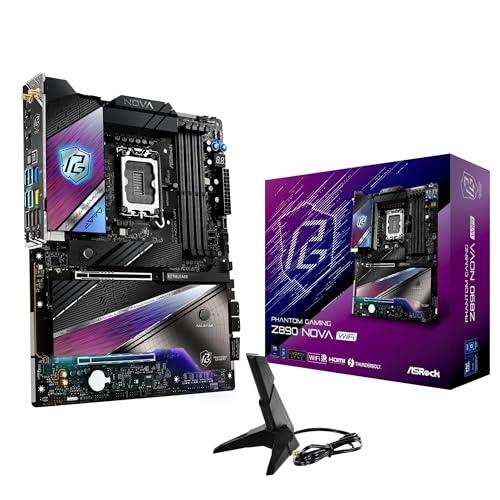
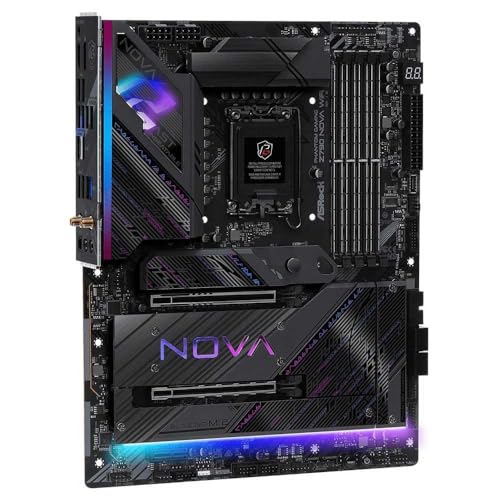
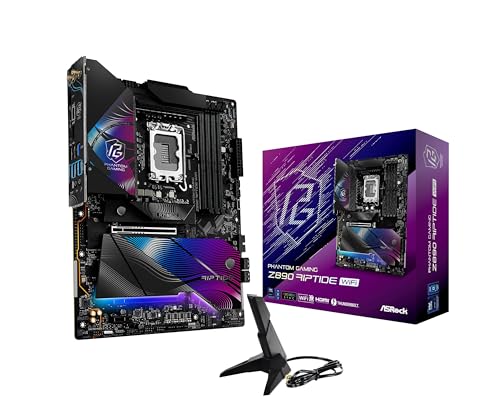
- Phantom Gaming: This series targets gamers with features such as fast networking, strong power delivery, and RGB lighting. It supports high-end CPUs and graphics cards and focuses on stable performance during long gaming sessions.
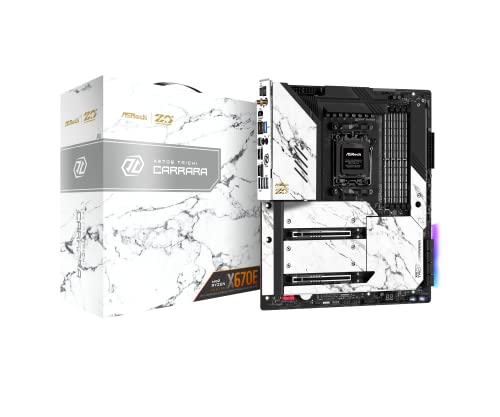
- Taichi: Taichi boards combine strong build quality with advanced connectivity and premium VRM design. They often include Wi-Fi, multiple M.2 slots, and reinforced PCIe slots, so they suit both gaming and productivity builds.
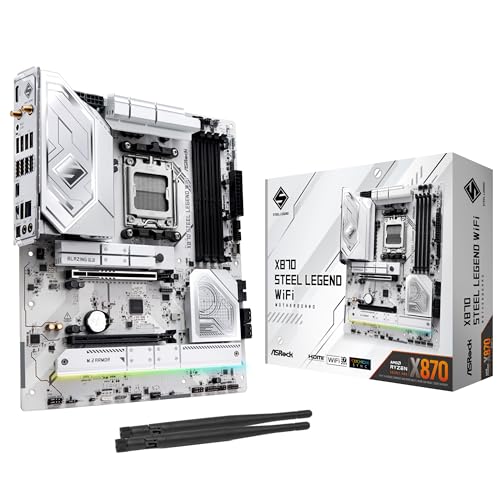
- Steel Legend: Steel Legend boards focus on durability and balance between price and performance. They use high-quality components, have a solid power design, and feature unique aesthetics with digital camouflage patterns.
- Pro Series: The Pro line aims at everyday users and professionals who need stability and reliable connectivity. These boards keep a clean design with enough expansion slots and support for modern processors at a lower cost.
- Extreme Series: Extreme boards sit at the top end with strong overclocking potential and advanced cooling options. They feature powerful VRMs, multiple PCIe slots, and enhanced BIOS support, which target enthusiasts and heavy users.
- Rack/Server: ASRock Rack motherboards are built for servers, workstations, and enterprise environments. They integrate features like IPMI remote management, ECC memory support, and multiple networking options to handle professional workloads.
How much do ASRock motherboards cost?
ASRock motherboards cost between £60 and £550 depending on the chipset, form factor, and feature set.
The lower-priced models usually support entry-level Intel or AMD processors, while the high-end boards target gaming or workstation builds with advanced power delivery and multiple expansion slots.
Most mid-range ASRock boards fall in the range of £110 to £220, which is where you find the balance between price and features. These models often include support for faster memory, PCIe 4.0 or PCIe 5.0, and reinforced slots for graphics cards. High-end ASRock motherboards, such as those in the Taichi series, can reach £430 or more since they integrate robust VRM designs, advanced cooling, and extensive connectivity.
The following chart shows the price distribution of ASRock motherboards.
[vertical-chart-17576741611004432539176394591422887703800652652417]
What should you consider while choosing the best ASRock motherboard?
Choosing the best ASRock motherboard requires evaluation of several key technical factors as follows:
- Socket and chipset compatibility: Match the socket type with your processor and select the appropriate chipset for your CPU generation. ASRock produces boards for AMD AM5 sockets that support Ryzen 7000/8000/9000 series processors, while Intel boards cover LGA 1700 for 12th and 13th generation CPUs. The chipset determines available features like DDR5 memory support, PCIe lanes, and overclocking capabilities.
- Expansion slots and storage: Consider the number and configuration of PCIe slots based on your graphics card and expansion needs. ASRock motherboards feature varying PCIe slot arrangements, with premium models like the X99 OC Formula offering 5 x PCIe 3.0 x16 slots for multi-GPU setups. M.2 slots for NVMe SSDs range from single slots on budget models to multiple slots on higher-tier boards, with some supporting PCIe 4.0 speeds.
- Power phase design and VRM quality: Evaluate the power delivery system which affects CPU overclocking stability and performance. ASRock's premium boards feature robust VRM designs, such as the 12-phase power delivery on X99 series motherboards with premium components like Nichicon capacitors and Ultra Dual-N MOSFETs. Budget models typically use simpler designs like 8+2+1 power phases found on B650M series boards.
- Form factor: Select the appropriate size for your case - ATX for full-featured builds, mATX for compact systems, or mITX for ultra-small form factors. ASRock produces motherboards across all major form factors, with specific models like the Z690 Phantom Gaming-ITX/TB4 designed for Mini-ITX gaming systems. Board layout affects component accessibility, cable management, and cooling airflow within your system.