
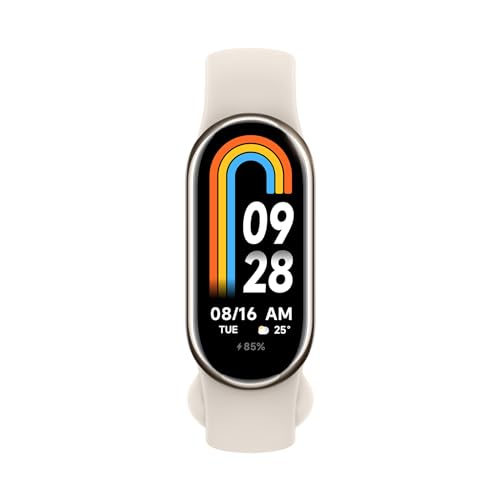
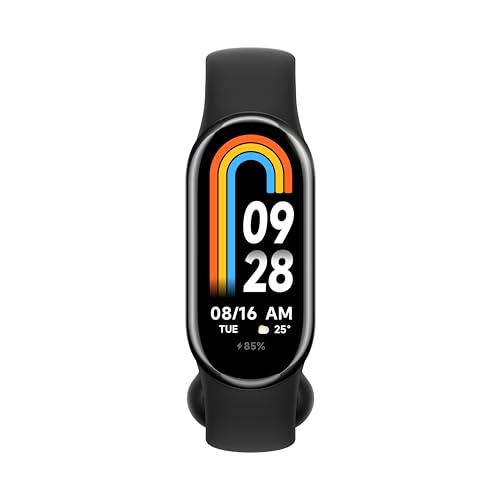
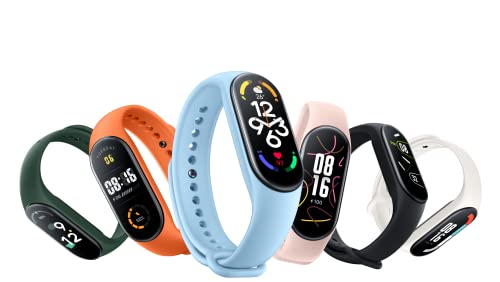
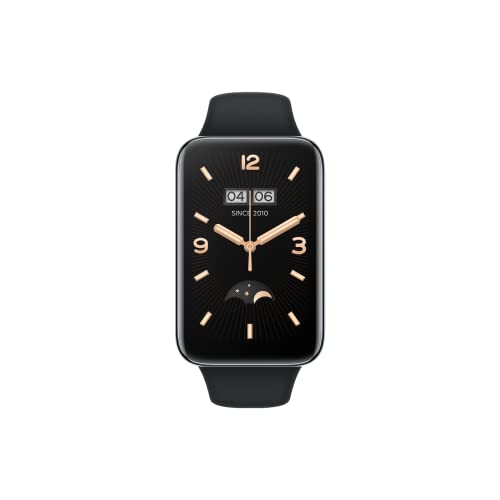
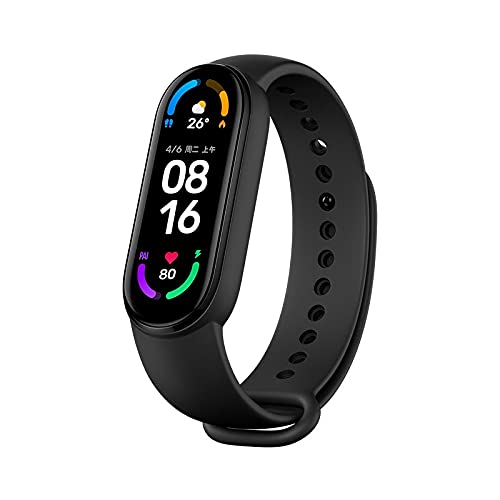
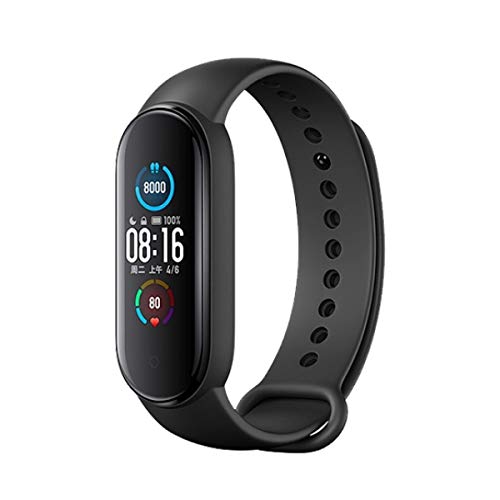
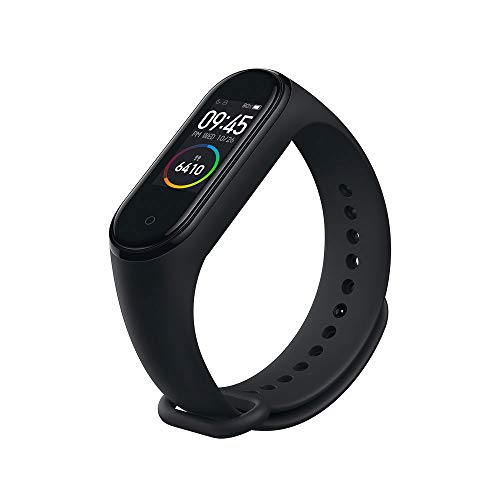
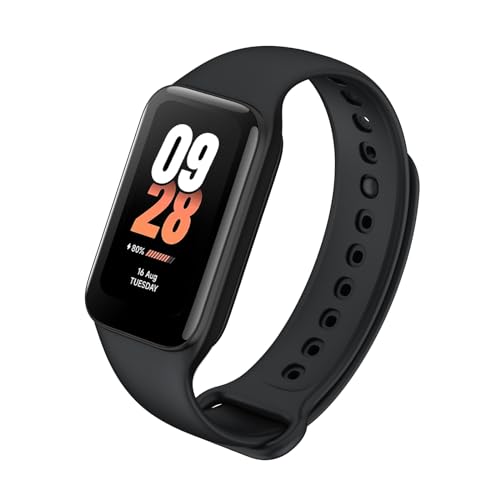
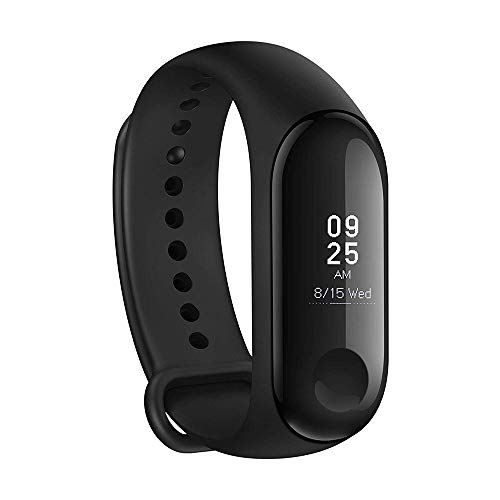
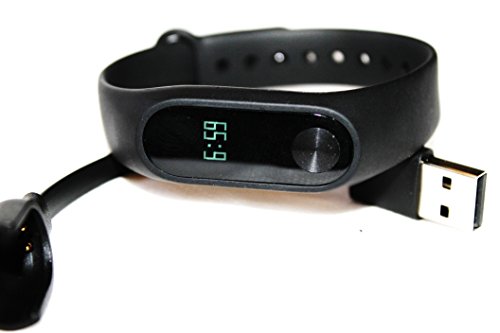
Are Xiaomi fitness trackers good?
Xiaomi fitness trackers have an average overall score of 8.6, ranking #1 among fitness tracker brands, and a user rating of 9, placing them at #5 based on user reviews.
The best Xiaomi fitness trackers are usually light, comfortable, and very strong on value, with bright displays, reliable basic health tracking, long battery life, and enough everyday smart features to cover notifications, steps, sleep, and heart-rate use without costing much. The stronger models also feel smoother and more complete than the cheapest entry bands.
The better Xiaomi options usually add a larger screen, a cleaner interface, or more capable fitness features such as built-in GPS, while still staying relatively affordable. Xiaomi makes the most sense for buyers who want a practical everyday tracker with very good feature-per-euro value, not for those chasing the richest coaching tools or the most premium software experience.
The best Xiaomi fitness trackers are as follows:
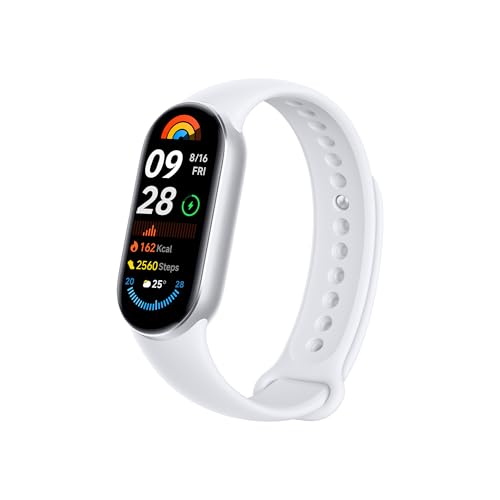
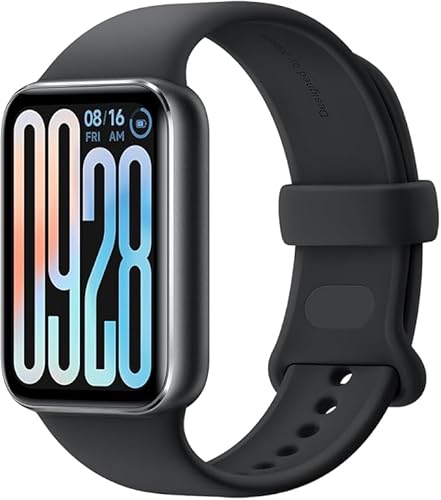
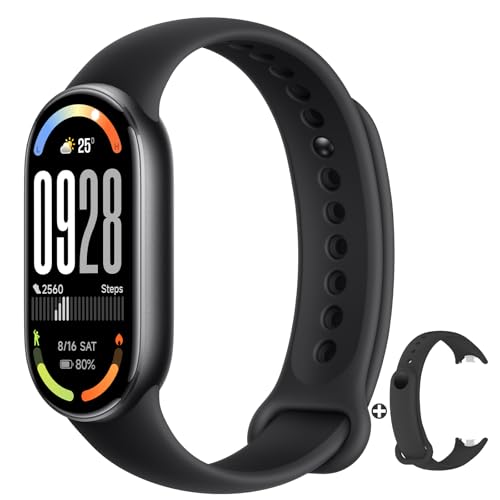
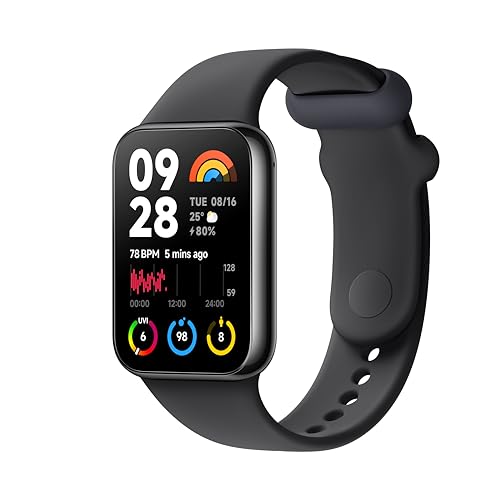
- Xiaomi Smart Band 9 (Overall score: 9.22)
- Xiaomi Smart Band 10 (Overall score: 9.05)
- Xiaomi Smart Band 9 Pro (Overall score: 9.02)
The chart below ranks fitness tracker brands by average overall score and shows where Xiaomi stands.
[horizontal-chart-07058980201927266903015180073336635255260865507628]
What are the main advantages of Xiaomi fitness trackers?
The main advantages of Xiaomi fitness trackers are as follows:
- Very strong budget value: Xiaomi is one of the easiest brands to recommend when the buyer wants a modern tracker without spending much.
- Broad band-style lineup: Xiaomi has many Mi Band, Smart Band, Active, and Pro variants, which gives buyers more budget choice than many competing brands.
- Light comfortable designs: Most Xiaomi tracker models stay slim and easy to wear all day and all night.
- Good feature density for the price: Heart-rate tracking, sleep tracking, notifications, and bright displays are often available at unusually low prices.
- Strong battery expectations: Xiaomi bands usually make sense for buyers who want better battery life than typical app-heavy smartwatches deliver.
What are the main disadvantages of Xiaomi fitness trackers?
The main disadvantages of Xiaomi fitness trackers are as follows:
- Less advanced training depth: Xiaomi is usually a weaker choice than Garmin or stronger sports-watch platforms when the buyer wants deeper training analysis.
- Model overlap: Mi Band, Smart Band, Active, and Pro naming can make the lineup look broader than it really is unless the buyer checks the exact differences carefully.
- Lower premium feel at the top end: Xiaomi is excellent on value, but it is less convincing when the buyer expects a truly premium wearable experience.
- Ecosystem dependence: The app experience is good enough for most casual users, but it is not the clearest reason to choose Xiaomi over every rival.
- Older generations stay in the market: Xiaomi's long-running band history creates value, but it also means many old models remain visible and can confuse buyers.

Who makes Xiaomi fitness trackers?
Xiaomi fitness trackers are made by Xiaomi Corporation, the Chinese consumer-electronics company founded in April 2010 and listed in Hong Kong in 2018. Xiaomi is headquartered in Beijing and builds products across smartphones, smart home devices, tablets, audio gear, wearables, and a wider connected IoT platform, which helps explain why its fitness trackers are positioned as affordable ecosystem hardware rather than as specialist sports devices.
Xiaomi's tracker strategy is built around making mainstream wearable features accessible at low prices. That is why the brand's fitness trackers usually emphasize honest everyday utility, compact hardware, and aggressive pricing more than medical positioning or advanced endurance-sport depth.
Xiaomi also uses adjacent names such as Redmi inside the wider wearable range, so some tracker-like products sit slightly outside the main Xiaomi Smart Band naming while still belonging to the same broader company ecosystem.
What are the main Xiaomi fitness tracker series?
The main Xiaomi fitness tracker series are as follows.
- Mi Band or Smart Band: This is Xiaomi's core tracker family. The naming shifted from Mi Band toward Smart Band, but the main idea stayed the same: slim affordable bands for everyday health tracking.
- Smart Band Pro: Pro versions add a larger display and a slightly more watch-like feel while staying inside Xiaomi's value-first band approach.
- Smart Band Active: Active models are Xiaomi's lower-cost branch, aimed at buyers who want the cheapest modern tracker entry point.
- Redmi Smart Band: Redmi-branded tracker models sit close to Xiaomi's value identity and usually target simple low-cost everyday use.
Hey Plus: Hey Plus is a smaller side branch in this dataset and is less central than the Smart Band line, but it still reflects Xiaomi's broader budget-wearable approach.
How much do Xiaomi fitness trackers cost?
Xiaomi fitness trackers usually cost about £10-£85, with most of the realistic buying choice sitting between about £20 and £45. Around £20-£30, the lineup is mostly about basic or older Mi Band, Smart Band Active, and Redmi-style models. Between about £35 and £45, buyers usually get the strongest mix of display quality, comfort, battery life, and everyday usability, while the larger Pro-style models usually push the brand toward about £60-£85.
Xiaomi pricing works in the brand's favor because it keeps the mainstream tracker experience accessible, and at £20-£45 the brand often looks stronger on pure feature-per-euro value than many competitors. The higher Xiaomi prices only make sense when the buyer specifically wants the larger Pro-style format or the newest generation, so for most people the best-value Xiaomi choices stay well below the category's overall average tracker price.
How do Xiaomi fitness trackers compare with Huawei models?
Xiaomi fitness trackers usually make more sense than Huawei models for buyers who care most about lower entry pricing, broader ultra-budget choice, and maximum value at the £20-£45 level.
Huawei is often the better choice for buyers who want a slightly cleaner mid-range presentation, a narrower but more curated Band lineup, and a brand feel that leans a little more toward polished design than toward raw budget pressure.
The main technical and buying difference is lineup shape. Xiaomi has more tracker models in this category and a much lower average price, so it is stronger when the buyer wants the cheapest sensible option or many small price steps between generations. Huawei is usually more convincing when the buyer is happy to spend a bit more for a tidier range and a slightly more premium-feeling everyday band experience.
What should you consider while choosing the best Xiaomi fitness tracker?
When you choose the best Xiaomi fitness tracker, you should focus on the following key aspects:
- Product line: Start by separating the cheaper Active-style bands, the main Smart Band models, and the larger Pro versions. The mainstream Smart Band line is usually the best place to start for balanced value, while Active models are more about the lowest entry price and Pro models are better if you want a larger screen.
- Screen size and readability: Xiaomi often gives you very good value in display quality, but screen size still changes the experience a lot. Simpler bands can feel compact and easy to wear, while Pro versions with larger screens are better if you read notifications often or want more glanceable workout data. Pick the screen size that fits your daily use, not just the cheapest option.
- Battery life: Battery life is one of Xiaomi's stronger selling points, and many bands land somewhere around 9 to 21 days depending on the model, brightness, and tracking load. The longer-life models are great if you do not want to charge often. Just remember that bigger screens and heavier tracking use usually cut runtime.
- GPS and feature depth: Check whether the exact model includes built-in GPS or only basic health and activity tracking. This matters because Xiaomi's range includes both very simple bands and more complete trackers. If you exercise outdoors without your phone, GPS support should be one of your first checks.
- Health features: Look at heart-rate tracking, blood-oxygen tracking, sleep tools, workout modes, and notification handling, because Xiaomi spreads these features unevenly across the range. The brand is strong when you want a lot of everyday functions for the money, but not every model gives the same depth.
- Value and model age: Xiaomi is usually strongest in the lower and middle price bands, but generation jumps still matter. A newer Smart Band often gives you a better screen, smoother interface, and more polished health tracking than an older one for only a modest price increase. Compare the real upgrade, not just the number on the box.