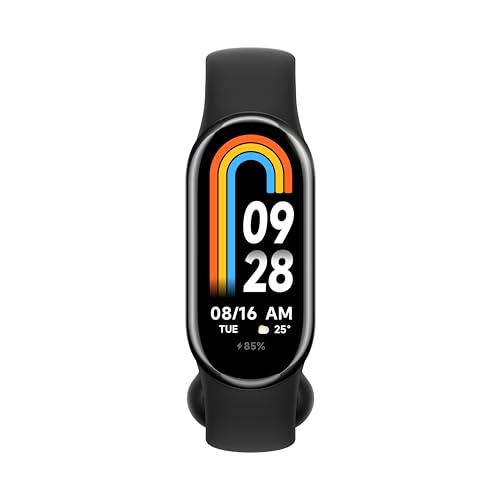
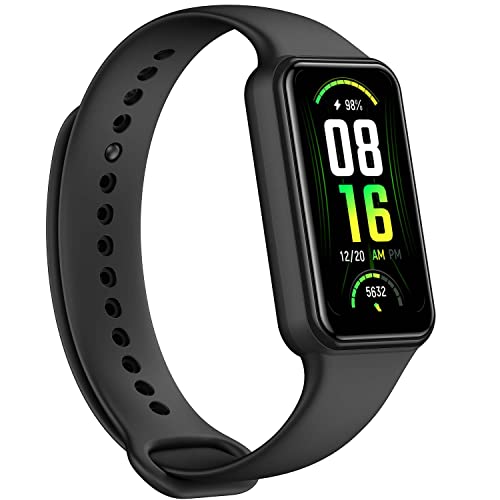
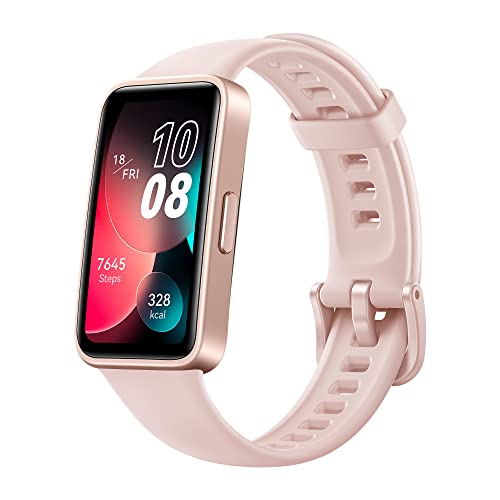
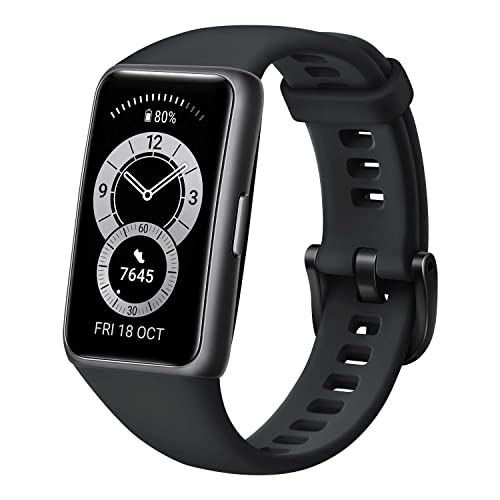
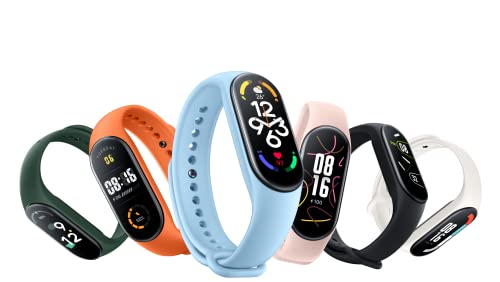
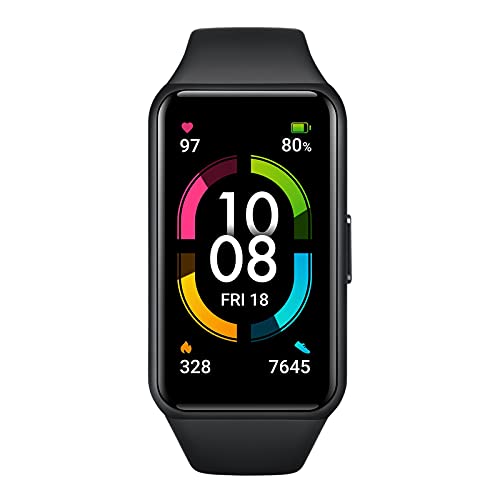
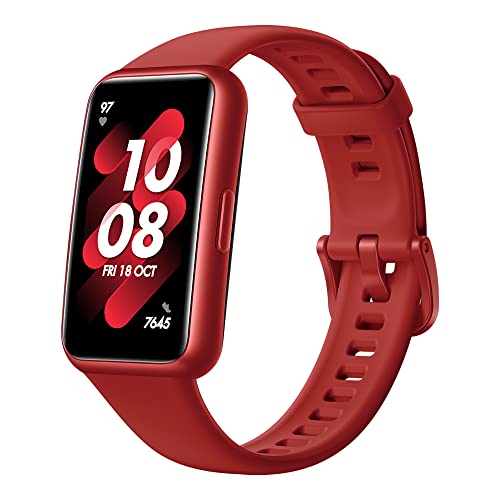
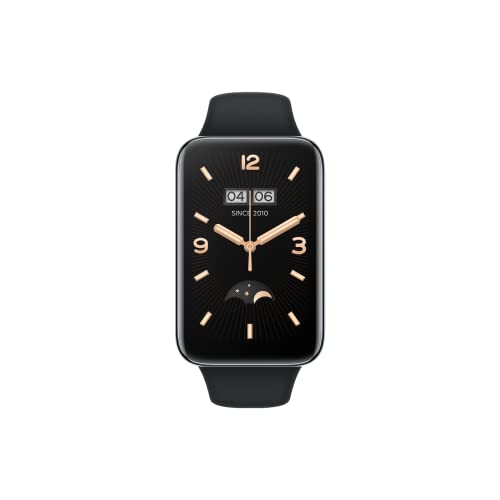
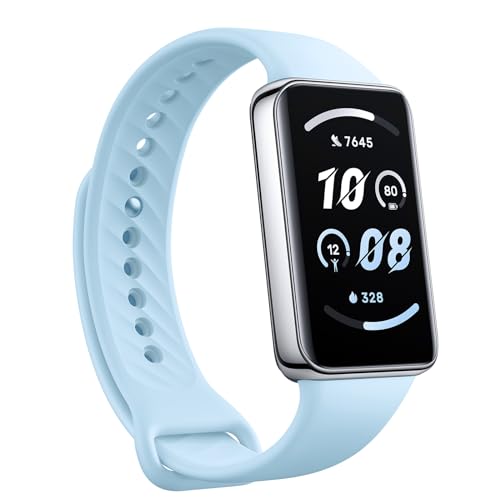
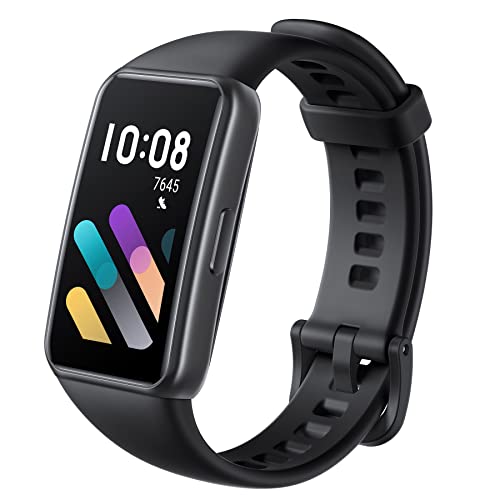
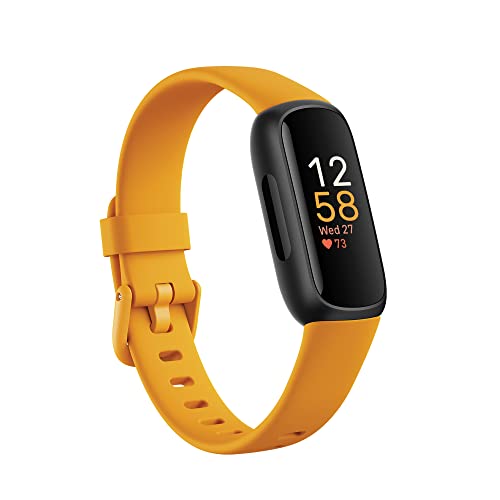
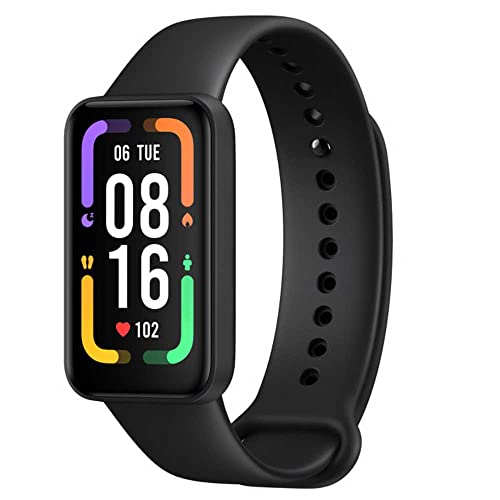
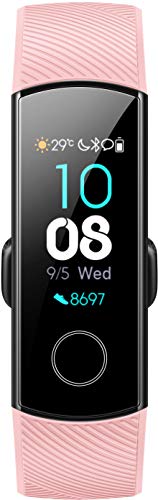
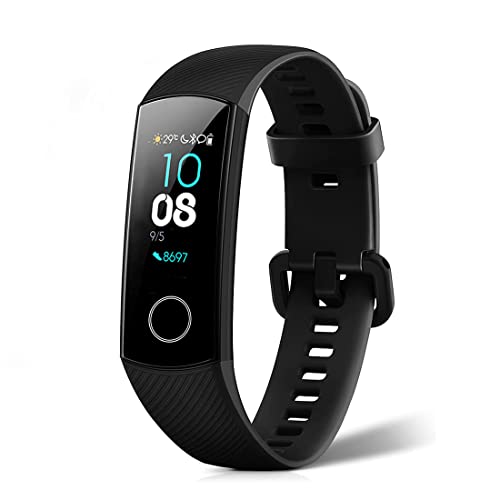
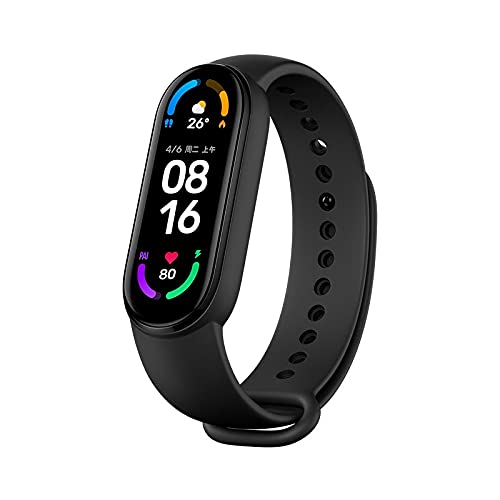
Which brands make the best elegant fitness trackers for women?
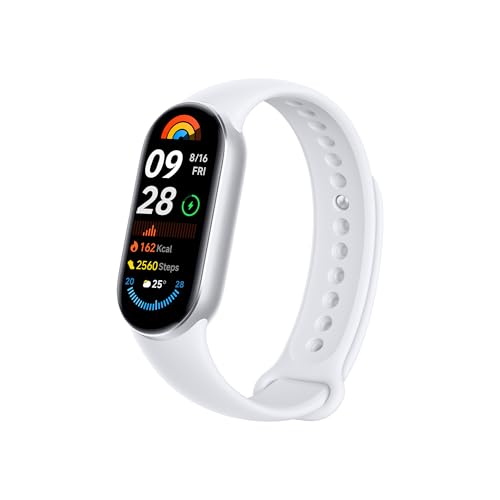
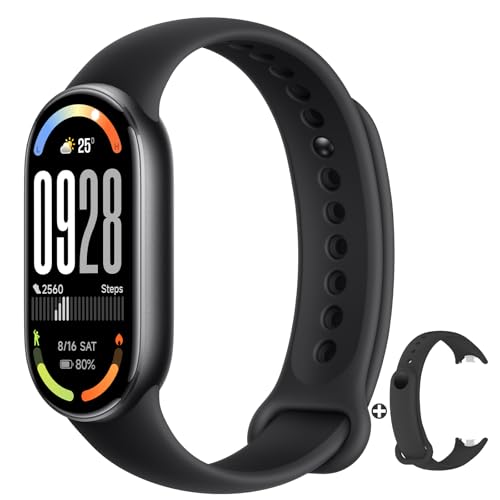
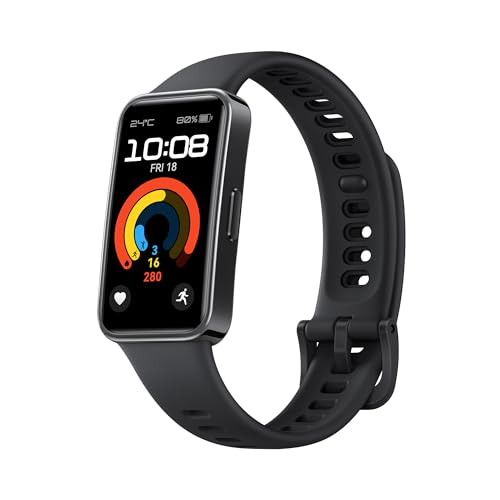
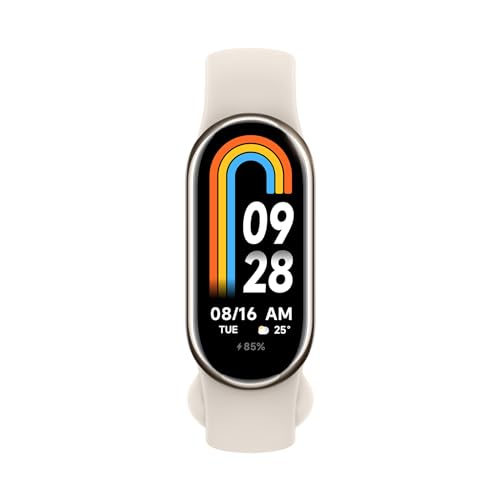
The best elegant fitness tracker brands for women are as follows:
- Honor (Average overall score: 8.3)
- Xiaomi (Average overall score: 8.3)
- Huawei (Average overall score: 7.8)
The chart below ranks elegant fitness tracker brands for women by average overall score.
[horizontal-chart-00893688624285550331113777343253500012960197859513]
What makes a fitness tracker look elegant for women?
A fitness tracker looks elegant for women when it stays slim, visually clean, and easy to pair with everyday clothing rather than looking like a bulky training gadget. The most important design factors are usually the case shape, the width of the band, the finish of the materials, and how seamlessly the screen blends into the body.
Display style matters a lot here, because AMOLED and OLED screens usually feel more premium thanks to darker backgrounds, cleaner contrast, and more refined watch-face styling. Material choices matter too, and elegant fit is just as important as elegant appearance. A tracker can look stylish in product photos, but it will not feel elegant in daily life if it sits too high on the wrist, catches on sleeves, or feels too wide for smaller wrists.
What fitness tracker size and fit feel comfortable?
A comfortable elegant fitness tracker should feel light, narrow, and stable enough to disappear on the wrist during a full day of wear. For most buyers, that means avoiding thick cases and heavy watch-like bodies when the goal is an elegant look rather than a rugged outdoor style.
Fit matters as much as raw weight. A tracker that sits flat and uses a soft silicone, elastomer, or similar flexible strap usually feels better than one that shifts around or presses too hard into the wrist. Elegant models work best when they stay secure for sleep and workouts but still look delicate enough for office wear, dinners, and daily casual use.
Which fitness tracker health features matter most for women?
The fitness tracker health features that matter most for women are the ones that stay useful every day rather than the ones that only sound impressive on a spec sheet. Heart-rate tracking, sleep tracking, step and activity logging, and menstrual-cycle or general wellness support are usually the most practical starting points because they fit normal daily use instead of only niche training scenarios.
Beyond that, the right extra features depend on the buyer. Blood oxygen monitoring, stress tracking, guided breathing, workout profiles, and GPS support can all add value, but elegance-focused buyers should still prioritize accuracy, comfort, and app clarity first. Women's health tracking is most valuable when it stays simple and consistent, so good reminders, clear cycle logging, and readable long-term trends are usually more useful than a long list of advanced metrics that require constant input or feel disconnected from everyday wear.
How long does battery life last on elegant fitness trackers?
Battery life on elegant fitness trackers usually lasts several days to around two weeks, depending on the display type, notification load, and whether GPS is built in. Slim design does not automatically mean weak battery life, but brighter AMOLED-style screens and richer smart features usually shorten endurance compared with simpler low-power bands.
That trade-off matters more in elegant models because buyers often want a tracker they can wear continuously without thinking about charging every night. A good elegant fitness tracker should last long enough for sleep tracking and full-day wear across several days, while buyers who want built-in GPS should expect workout battery figures to drop much faster than the headline daily-use number.
How much do elegant fitness trackers for women cost?
Elegant fitness trackers for women usually cost about £35-£170, with the main differences coming from design finish, display quality, and feature depth rather than from style alone. Around £35-£70, you mostly see simpler slim bands that cover the basics well.
Between about £70 and £120, buyers usually get stronger screens, nicer materials, and a better balance between comfort, looks, and health tracking.
Above that point, the extra money often goes more into premium finish, richer display quality, or broader smartwatch-style features than into basic tracking itself. For many buyers, the most sensible balance sits in the middle of the range rather than at the most expensive end.