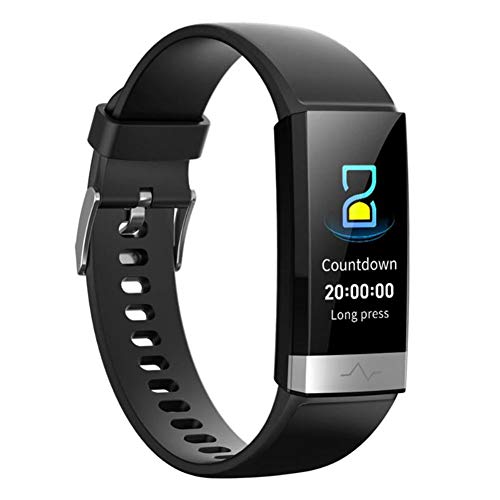
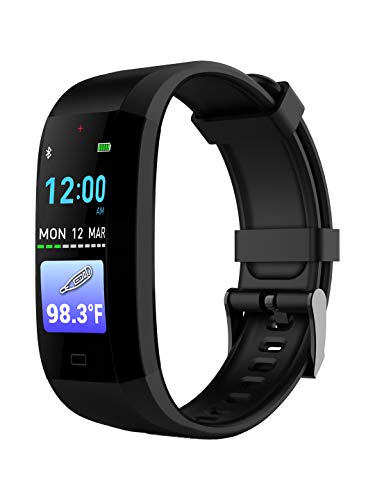
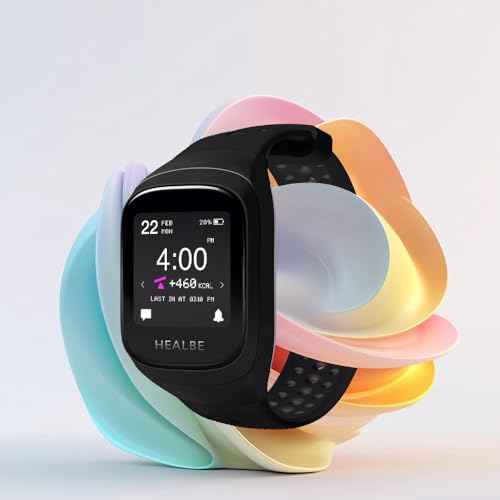
Blood pressure measurement on a fitness tracker usually works by estimating pressure from wrist-based pulse signals rather than by inflating a cuff. In practice, the tracker uses optical sensing to read pulse-wave behavior at the wrist and then applies an algorithm, often after calibration against a separate upper-arm monitor.
That means the tracker is not measuring blood pressure in the same direct way as a standard cuff device. Instead, it is estimating systolic and diastolic trends from how blood-flow signals behave, which is why body position, strap fit, movement, and calibration quality have such a large effect on the result. These trackers work best when the reading routine is controlled, so sitting still, resting first, wearing the tracker snugly, and measuring under similar conditions each time usually matter more than taking more readings.
How accurate is blood pressure measurement on a fitness tracker?
Blood pressure measurement on a fitness tracker is usually much less dependable than a validated upper-arm cuff monitor. Wrist-based readings can be useful for watching trends, but they are far more sensitive to calibration quality, wrist position, movement, skin contact, and the conditions around the measurement.
Accuracy tends to be strongest when the tracker has been calibrated properly and the reading is taken at rest in a controlled position. Even then, buyers should treat the result as an estimate, especially if the reading seems unusual or if health decisions depend on it. Fitness trackers are therefore better for spotting patterns than for confirming a diagnosis, so when blood pressure is a serious medical concern, the safer standard is still a validated cuff-based monitor and professional follow-up when readings look abnormal.
Does a fitness tracker with blood pressure measurement need calibration?
A fitness tracker with blood pressure measurement often does need calibration if it uses a more serious cuff-linked approach. The more credible implementations usually ask the user to compare the watch against an upper-arm monitor during setup and then repeat that calibration periodically to keep the estimates aligned.
Calibration matters because wrist-based blood pressure estimation is highly individualized. The device is trying to interpret pulse-wave behavior at the wrist, so it needs a baseline reference from a proper cuff reading instead of relying only on a generic factory assumption.
A tracker that never explains calibration deserves extra caution. If a device makes strong blood pressure claims but gives no clear setup or recalibration process, buyers should be much less confident in the readings.