
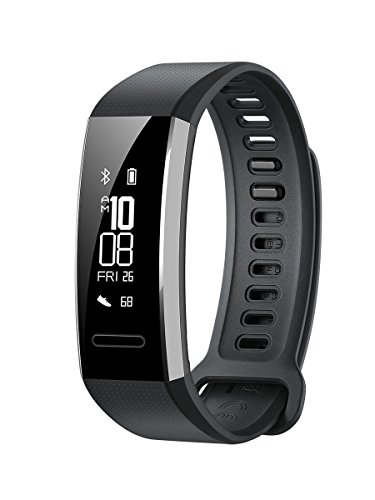
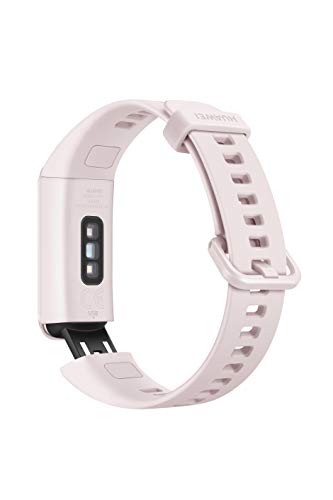
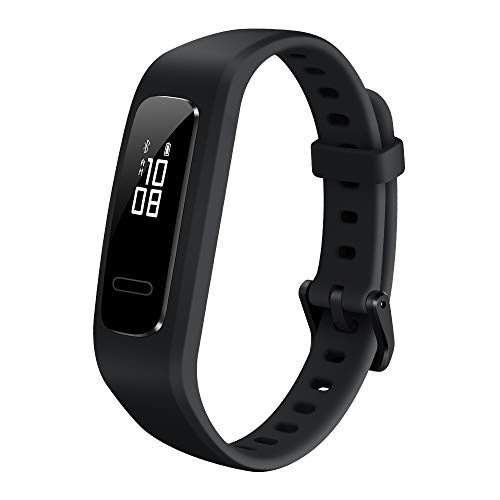
Are Huawei fitness trackers good?
Huawei fitness trackers have an average overall score of 7.9, ranking #4 among fitness tracker brands, and a user rating of 9.2, placing them at #1 based on user reviews.
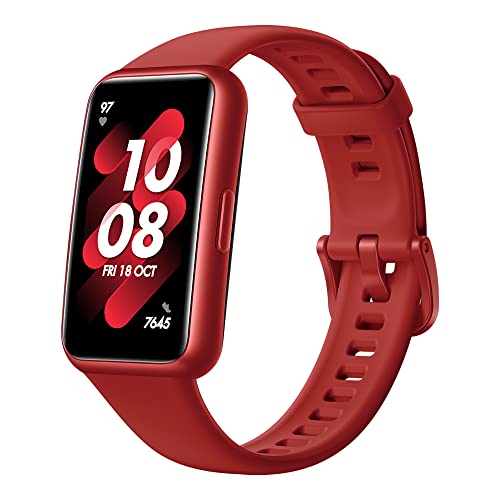
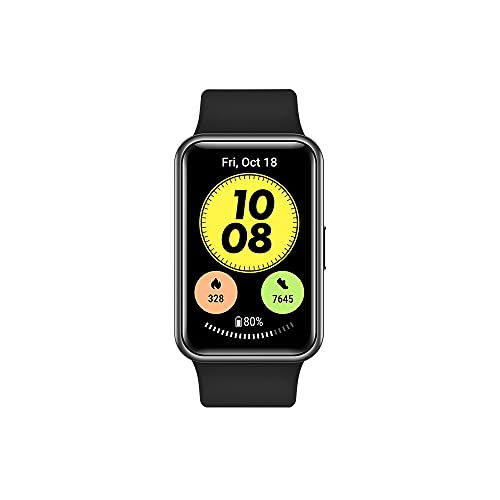
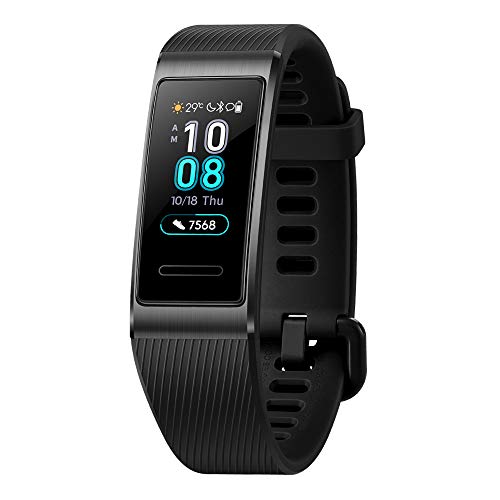
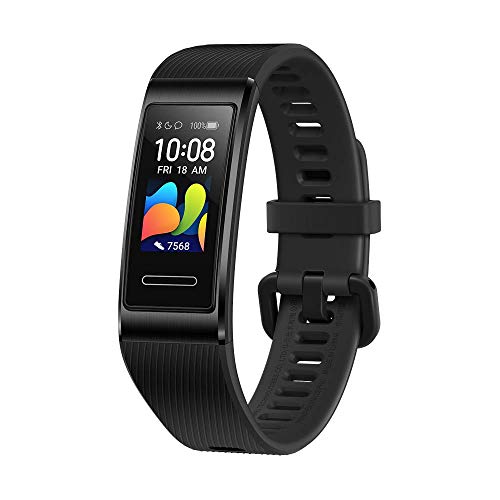
The best Huawei fitness trackers are usually slim, comfortable, and good-looking for the price, with bright AMOLED-style displays, strong battery life, and solid everyday health features such as sleep, heart-rate, and SpO2 tracking. The stronger models also feel more refined than many cheap bands, so they work well when you want something affordable that still looks modern on the wrist.
The better Huawei options are at their best as practical all-day wearables rather than serious training devices. They give buyers a lot of value, but the brand is still less convincing if you want the deepest sports analysis, the most premium app ecosystem, or a broad smartwatch-style feature set beyond core tracking.
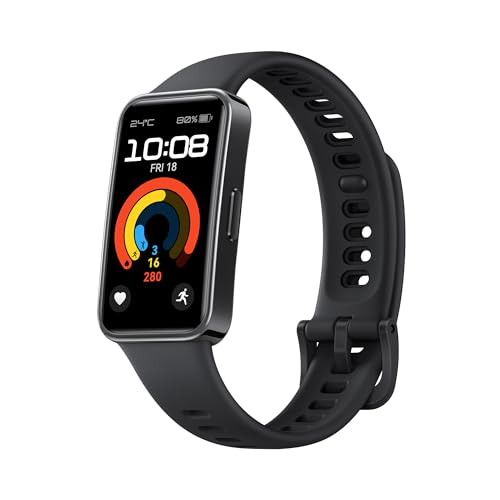
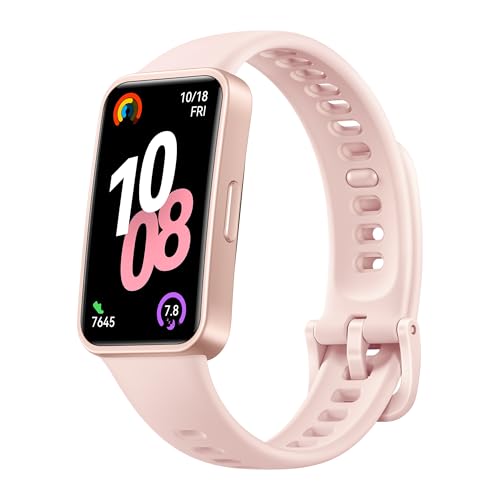
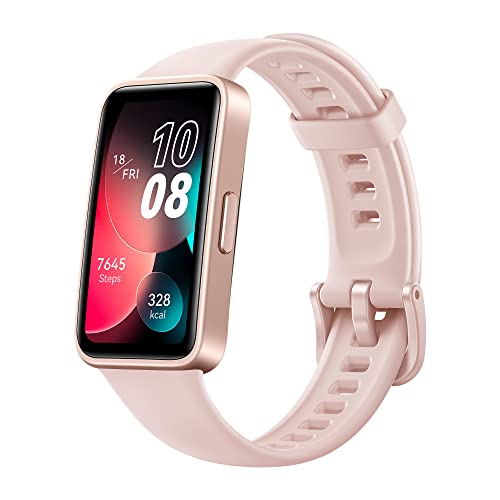
The best Huawei fitness trackers are as follows:
- Huawei Band 10 (Overall score: 8.93)
- Huawei Band 9 (Overall score: 8.93)
- Huawei Band 8 (Overall score: 8.74)
The chart below ranks fitness tracker brands by average overall score and shows where Huawei stands.
[horizontal-chart-07058980201927266903015180073336635255260865507628]
What are the main advantages of Huawei fitness trackers?
The main advantages of Huawei fitness trackers are as follows:
- Strong value pricing: Huawei is one of the easier brands to recommend when the buyer wants a modern tracker without spending much.
- Clear Band-series continuity: Huawei has a real multigeneration fitness-band line, which gives buyers a more understandable upgrade path than brands with scattered one-off models.
- Comfortable design: Huawei bands are usually slim, light, and easy to wear all day, which matters for sleep tracking and daily habit use.
- Better screen feel than many cheap rivals: Several Huawei models move into AMOLED territory, which helps the range feel more polished than a basic bargain tracker.
- Broad entry-to-mid coverage: Huawei covers very cheap bands, mainstream daily trackers, and a few stronger Pro-style options, so the range is not limited to only one budget tier.
What are the main disadvantages of Huawei fitness trackers?
The main disadvantages of Huawei fitness trackers are as follows:
- Less training depth: Huawei is usually a weaker choice than Garmin when the buyer wants a more serious training or outdoor platform.
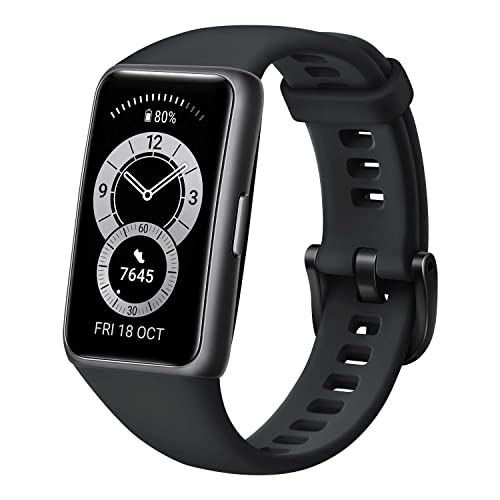
- Model overlap: Band 6 through Band 10 sit close enough in purpose that buyers need to check the exact differences instead of assuming every new generation is a major step forward.
- Uneven advanced features: GPS, richer sensors, and stronger smart extras are not spread evenly across the lineup, so the exact model matters a lot.
- App and ecosystem limits for some buyers: Huawei can be less straightforward than Fitbit or Garmin for buyers who care strongly about the broadest cross-platform app familiarity.
- Legacy models in the range: Older Band 2, Band 3, Band 3E, Honor Band A1, and Huawei Fit entries can make the visible lineup feel wider than the truly current-value selection.

Who makes Huawei fitness trackers?
Huawei fitness trackers are made by Huawei, the Chinese technology company founded in 1987 and headquartered in Shenzhen.
Huawei builds products across phones, tablets, networking hardware, laptops, audio devices, and wearables, which helps explain why its fitness trackers are positioned as part of a wider consumer-device ecosystem rather than as a standalone sports-specialist brand.
Inside that broader portfolio, Huawei fitness trackers usually focus on practical design, mainstream health tracking, and strong price-to-feature value. That background makes the brand feel closer to a large electronics company with a serious wearables branch than to a narrow athletic-platform specialist.
What are the main Huawei fitness tracker series?
The main Huawei fitness tracker series are as follows.
- Band: The Band line is Huawei's main fitness-tracker family. Models such as Band 2, Band 3, Band 4, Band 6, Band 7, Band 8, Band 9, and Band 10 form the core of the brand's lineup and focus on slim daily-use health tracking.
- Band Pro: Models such as Band 2 Pro, Band 3 Pro, Band 4 Pro, and Band 6 Pro represent Huawei's stronger feature branch inside the band range. These are the Huawei models that usually matter most for buyers who want a bit more than a simple entry-level band.
- Band E: Band 3E is Huawei's simpler lower-cost side branch, aimed more at lightweight activity use than at a richer general wellness experience.
- Honor Band and Huawei Fit: Honor Band A1 and Huawei Fit represent older side lines in the broader Huawei tracker family. They matter mainly as legacy references rather than as the center of the current-value lineup.
Huawei series names are useful because the brand has a clearer band-family structure than many rivals, but the exact generation still matters because price and feature depth shift noticeably from one Band model to another.
How much do Huawei fitness trackers cost?
Huawei fitness trackers usually cost about £30-£130, with most of the practical buying choice sitting between about £35 and £70. Around £30-£45, the range is mostly about basic Band, Band E, or older Honor-style models.
Between about £55 and £70, buyers usually get the strongest everyday balance, with better screens, better battery life, and more complete health tracking without jumping into smartwatch pricing.
Above that level, the extra cost usually reflects stronger display quality, slightly more premium finish, or broader smart features rather than a complete change in core tracking ability.
How do Huawei fitness trackers compare with Fitbit models?
Huawei fitness trackers usually make more sense than Fitbit models for buyers who care more about lower entry pricing, lighter value-focused hardware, and a straightforward modern band lineup. Fitbit is often the better choice for buyers who want a more established wellness-app identity, a broader recognized tracker ecosystem, and a slightly stronger premium feel in the dedicated fitness-band space.
At a practical level, Huawei is the stronger budget-value brand and Fitbit is the stronger specialist wellness brand. Huawei bands are easier to justify when price and simple everyday tracking matter most, but Fitbit usually feels more mature if the buyer places more weight on the app experience and brand depth in fitness wearables.
What should you consider while choosing the best Huawei fitness tracker?
When you choose the best Huawei fitness tracker, you should focus on the following key aspects:
- Product line: Start by separating the standard Band models from the stronger Pro versions and the cheaper side branches. The main Band line is the core of Huawei's tracker range, while Pro variants usually matter more if you want better workout support or more advanced features. If you only want a light daily tracker, the standard Band models are often enough.
- Generation differences: Huawei has many close generations such as Band 6, 7, 8, 9, and 10, so do not assume the gap is small. Newer models often improve screen polish, comfort, charging, and sensor behavior even when the basic idea stays the same. Compare the exact generation instead of buying only by brand.
- Display and comfort: Huawei trackers are usually strongest when you want a light band with a relatively polished color display. Many models use larger rectangular screens than older budget bands, which makes notifications and health data easier to read. If you wear the tracker day and night, screen shape and strap comfort matter a lot.
- Battery life: Battery life is one of Huawei's practical strengths, with many Band models reaching roughly 10 to 14 days under lighter use. Actual endurance depends on brightness, heart-rate tracking load, and always-on behavior. If you want fewer charging interruptions, Huawei is often stronger than brands that focus more on flashy interfaces.
- GPS and feature depth: Check carefully whether the model has built-in GPS, stronger workout tools, or only basic health tracking. Pro-level differences matter here more than the Huawei name alone. If you run or train outdoors, the GPS question should be near the top of your checklist.
- App and ecosystem fit: Huawei works best when you want simple practical health tracking at a good price rather than the deepest premium training ecosystem. The app experience, phone compatibility, and daily-use simplicity matter as much as the tracker itself. Make sure the software side fits how you actually use your phone.