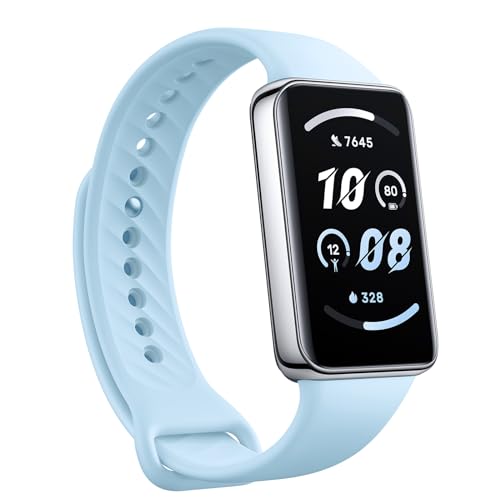
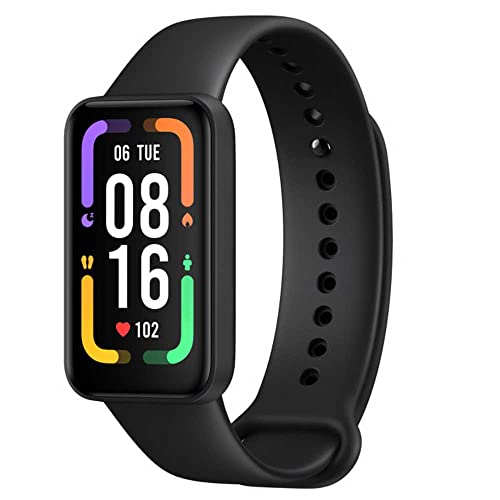
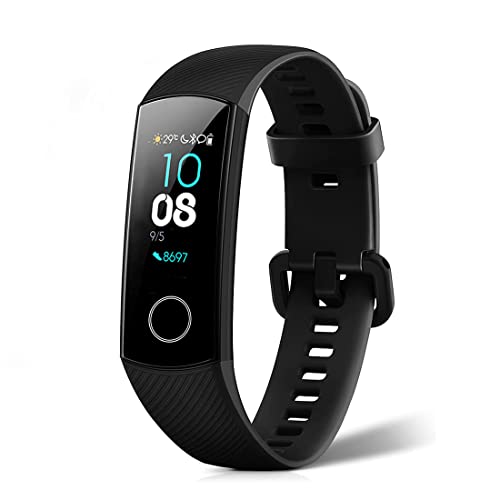
Which brands make the best cheap fitness trackers?
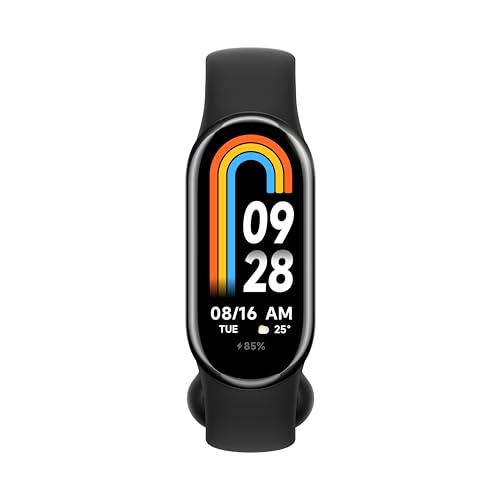
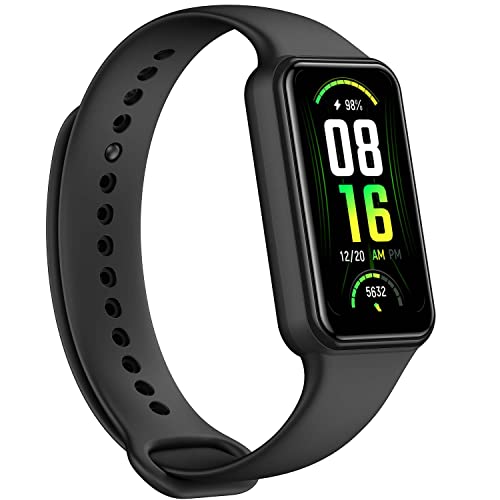
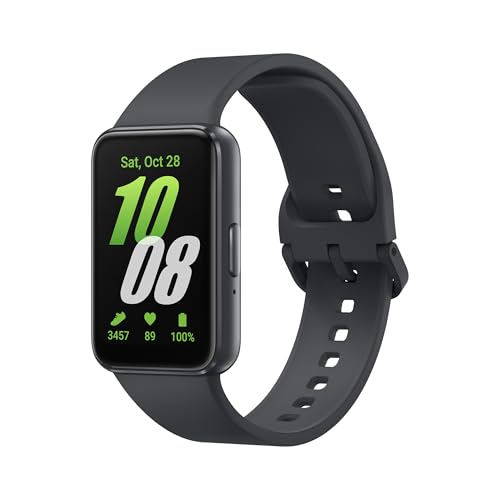
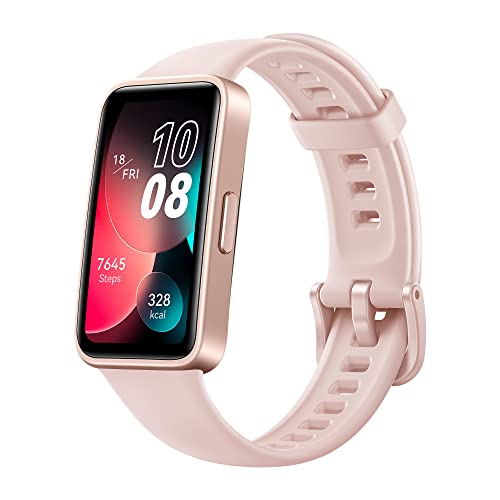
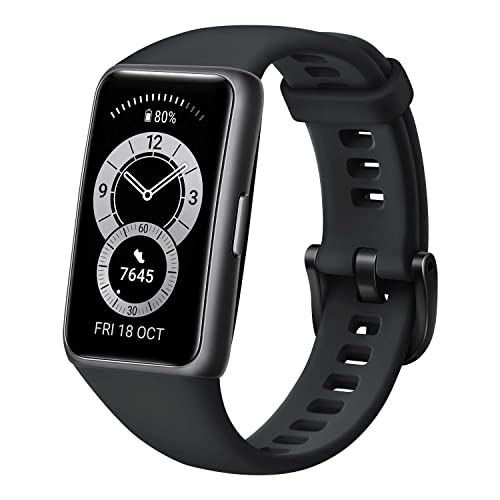
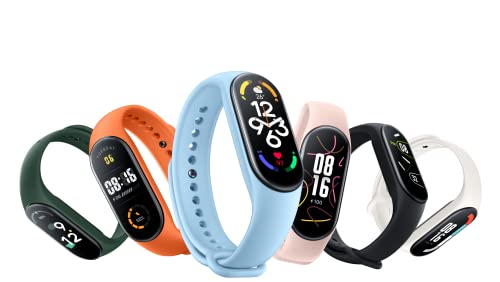
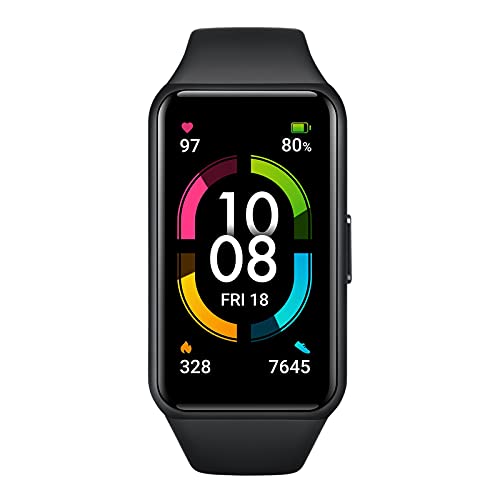
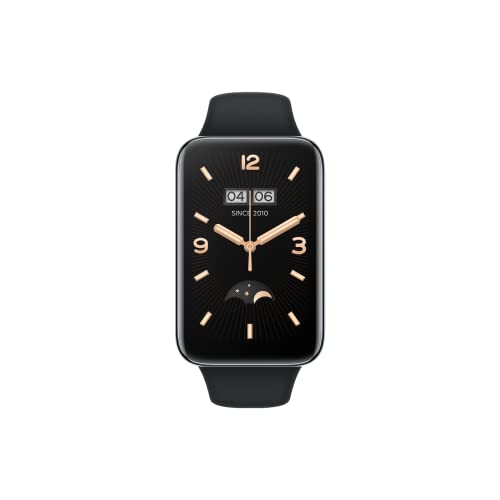
The best cheap fitness tracker brands are as follows:
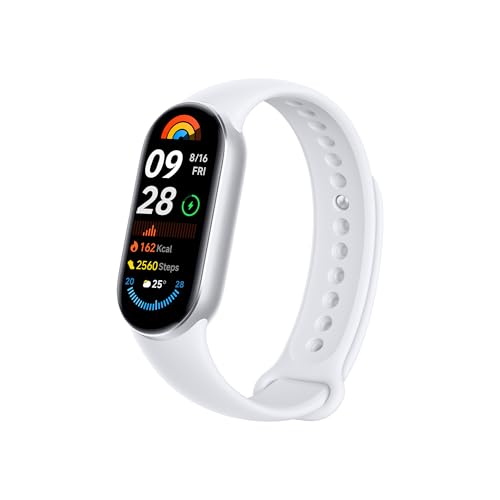
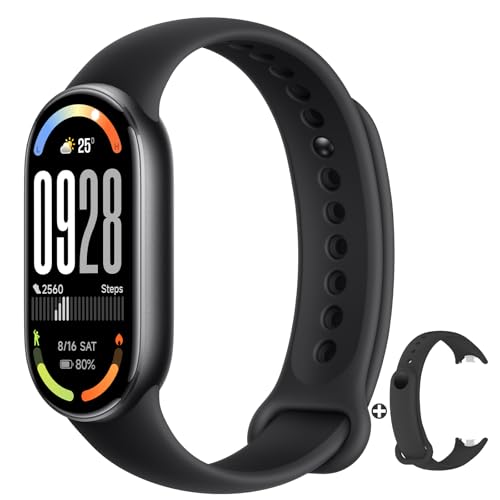
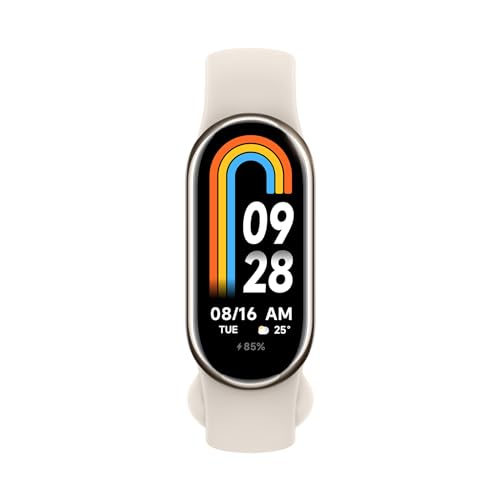
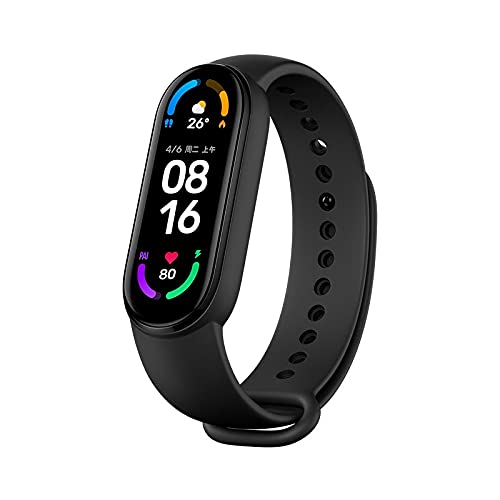
- Xiaomi (Average overall score: 8.6)
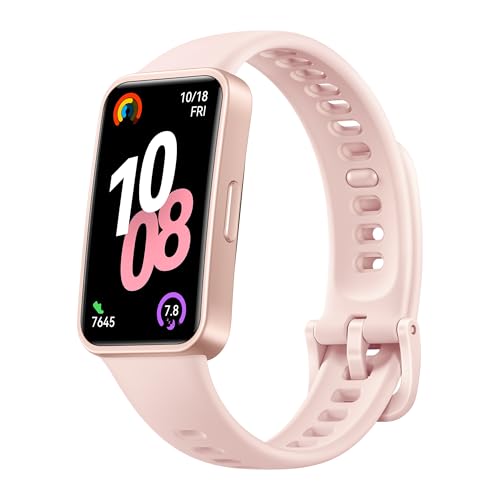
- Huawei (Average overall score: 8.5)
- Honor (Average overall score: 8.3)
The chart below ranks cheap fitness tracker brands by average overall score.
[horizontal-chart-13295897570612245068072984548423973189081522061531]
Are cheap fitness trackers worth buying?
Cheap fitness trackers are often worth buying when the goal is simple daily tracking and the buyer understands the limits of the budget tier. Around £20-£45, a decent band can still track steps, heart rate, sleep, and notifications well enough for casual use without requiring a big spend.
Budget fitness trackers make the most sense for first-time buyers, secondary wearables, or people who mainly want habit tracking instead of detailed training analysis. They are a weaker buy when the user expects the same reliability, app polish, or sensor quality as a much more expensive device, so they are usually worth it for basics but not for top-tier precision or deeper training tools.
What compromises are common on cheap fitness trackers?
The main compromises on cheap fitness trackers are the following:
- Simpler sensor quality: Heart-rate and sleep data can be good enough for daily trends, but it is usually less stable than on stronger mid-range or premium wearables.
- Fewer advanced features: ECG, richer GPS use, deeper training metrics, and broader recovery analysis are often missing or much weaker in the budget tier.
- Narrower app ecosystems: Cheap trackers often depend on one basic vendor app with fewer integrations and less polished long-term reporting.
- Lower build refinement: Materials, straps, buttons, vibration quality, and display responsiveness are usually less premium than on more expensive models.

- More uneven consistency: Budget devices can feel fine on easy days but become less convincing when the buyer expects precise workout tracking or more serious health interpretation.
What health features do cheap fitness trackers offer?
The health features you can usually expect from cheap fitness trackers are the following:
- Heart-rate tracking: Basic all-day heart-rate monitoring is now common even in cheap bands, though workout precision can still vary.
- Sleep tracking: Most budget trackers now log overnight sleep patterns and give simple trend summaries, even if stage analysis is not very sophisticated.
- Step and distance tracking: Cheap trackers usually cover the essential daily-activity basics well enough for habit-building use.
- Blood oxygen support on some models: SpO2 has moved into some cheaper wearables, but buyers should expect wide variation in quality and usefulness.
- Basic stress or wellness extras: Some budget bands add breathing, reminders, or simple wellness scores, but these are usually lighter and less reliable than on stronger devices.
How long does battery life last on cheap fitness trackers?
Battery life on cheap fitness trackers usually lasts about 5-14 days, with many simple bands landing near the middle of that range in normal use. The longer figures usually come from basic displays, lighter sensor use, and limited smartwatch extras rather than from exceptional battery technology.
Budget battery life often looks strong because cheap trackers usually do less. A simpler screen, fewer background features, and lighter GPS or advanced-health use help many of these devices stay alive longer than buyers might expect at the price. Brighter displays, heavier notification flow, or more continuous sensing still reduce endurance, but cheap trackers often compare well on battery simply because simplicity works in their favor.
What app compatibility do cheap fitness trackers support?
Cheap fitness trackers usually support app compatibility in the following ways:
- Android and iPhone support: Most cheap trackers are built to pair with both major phone platforms, even if one side gets better support than the other.
- Brand-specific apps: Cheap bands usually depend on one vendor app, which means the software experience can range from clean and stable to basic and cluttered.
- Health-platform syncing: Some budget trackers sync reasonably well into larger ecosystems such as Apple Health or Google-linked fitness flows, while others stay more isolated.
- Notification and call support: App compatibility often includes message alerts, alarms, and basic call display, but the depth of those features varies widely.
- Third-party limits: Cheap trackers usually offer less mature integration with advanced training or health apps than stronger mid-range and premium wearables do.