Which brands make the best fitness trackers without an app?
The best fitness tracker brands without an app are as follows:
- Garmin (Average overall score: 7.4)
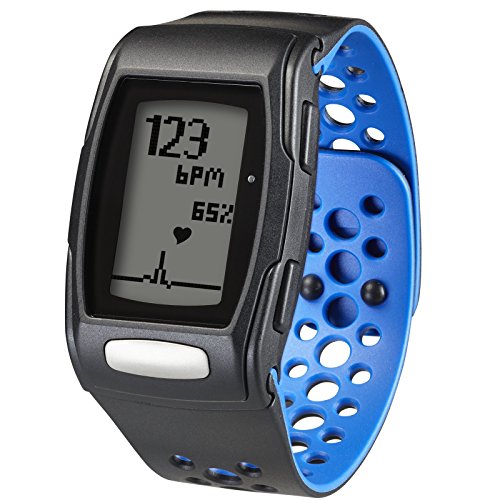
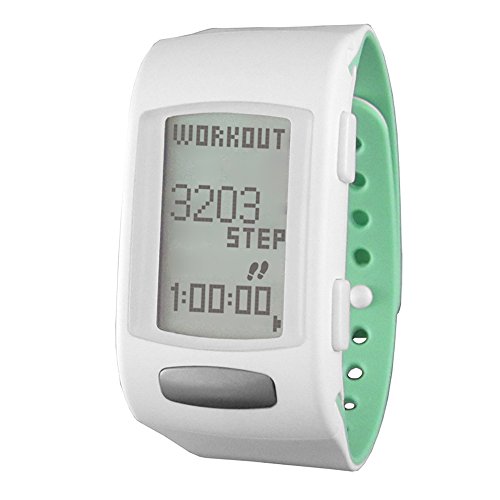
- LifeTrak (Average overall score: 6.9)
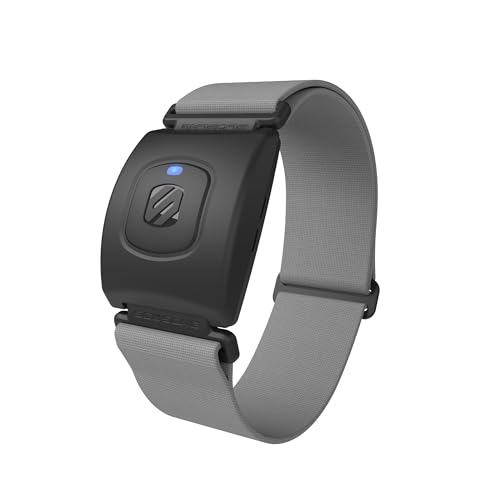
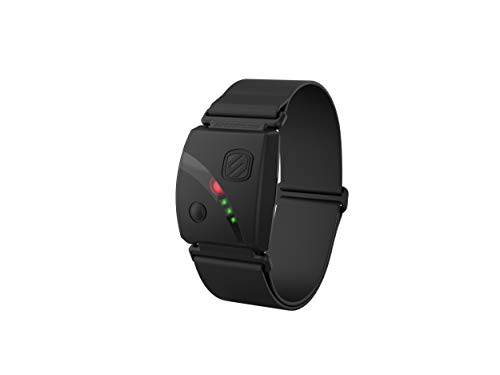
- Scosche (Average overall score: 5.5)
The chart below ranks fitness tracker brands without an app by average overall score.
[horizontal-chart-06195369455136089389024426366106024519200299224836]
How does a fitness tracker without an app work?
A fitness tracker without an app usually works by recording activity locally on the device and showing the main results on its own screen. Steps, heart rate, time, workout timers, and some recent totals can often be viewed directly on the tracker, so the user can still use the core functions without opening a phone every day.
That does not always mean the tracker is completely independent forever. Many wearables can track basic activity alone during normal use, but still rely on a phone app at setup, for firmware updates, for long-term history, or for deeper health breakdowns.
The best no-app trackers are therefore the ones with stronger on-device menus and clearer daily summaries, because the more information the device can show locally, the less dependent the user becomes on the mobile side.
What limitations do fitness trackers without an app have?
Fitness trackers without an app usually lose convenience in the following ways:
- Limited history: On-device memory usually shows only recent totals or short summaries instead of long-term graphs and comparisons.
- Fewer settings: Watch faces, goals, alerts, sensor preferences, and user profile adjustments are often easier or only possible through an app.
- Harder updates: Firmware fixes and feature improvements commonly depend on a phone connection.
- Weaker backup: If the device resets or is replaced, local-only data can be harder to preserve.
- Less health context: Sleep, stress, recovery, and wellness metrics are usually much easier to understand in an app than on a small screen.
Can a fitness tracker without an app work with a phone later?
A fitness tracker without an app can often work with a phone later if the device also supports a companion app or cloud account. In many cases, the tracker can be used on its own for basic daily tracking first and then paired later when the user wants deeper history, notifications, firmware updates, or account backup.
That flexibility is useful because standalone use and app-connected use are not always mutually exclusive. Some trackers are perfectly usable day to day without constant phone involvement, but they become much more informative once the user decides to sync them.
Buyers should still check the setup path carefully, because some wearables support optional later pairing while others quietly depend on the phone app from the beginning even if daily tracking looks independent afterward.
What health features do fitness trackers without an app support?
The health features fitness trackers without an app most often support are the following:
- Step tracking: Daily steps are usually the easiest metric to view and understand directly on the tracker.
- Heart-rate monitoring: Many devices can show current or basic daily heart-rate information on the wrist without needing a phone nearby.
- Sleep tracking: Basic sleep duration or simple nightly summaries may be available, though deeper stage analysis is often much easier to review in an app.
- Calories and activity time: Many trackers can show basic movement totals and workout duration locally.
- Alarms and reminders: Standalone daily-use functions such as vibration alarms, inactivity prompts, or timers are often available even without syncing.
How much do fitness trackers without an app cost?
Fitness trackers without an app usually cost about £20-£70 for basic models, while stronger watches that can do more on-device often land around £85-£255. The price spread mainly reflects screen quality, sensor depth, build quality, and how much information the device can show locally without leaning on the phone.
Cheaper standalone-style trackers are usually better for simple step counting, heart-rate checks, and alarms than for rich health interpretation. As the price rises, the buyer is more likely to get a better screen, more complete menus, stronger workout tools, and more useful on-device summaries. The best-value choice is often a model that stays practical without the phone but still allows optional syncing later, because that gives the buyer a cleaner standalone experience without permanently closing off deeper data access.
Who should consider buying a fitness tracker without an app?
A fitness tracker without an app makes the most sense for people who want simple daily tracking without much phone involvement. It suits buyers who mainly care about steps, time, heart-rate checks, workout timing, and clear on-device summaries rather than long-term dashboards or account-linked ecosystems.
It can also work well for older users, privacy-conscious buyers, children, or anyone who finds constant syncing unnecessary. It is less suitable if you want rich sleep analysis, long-term trends, automatic backup, or broader smart features, because those are usually much better on an app-connected tracker.