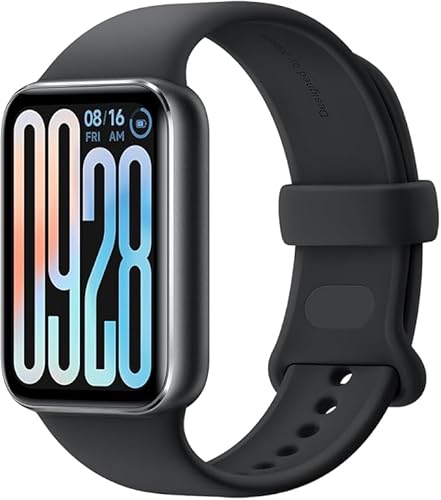
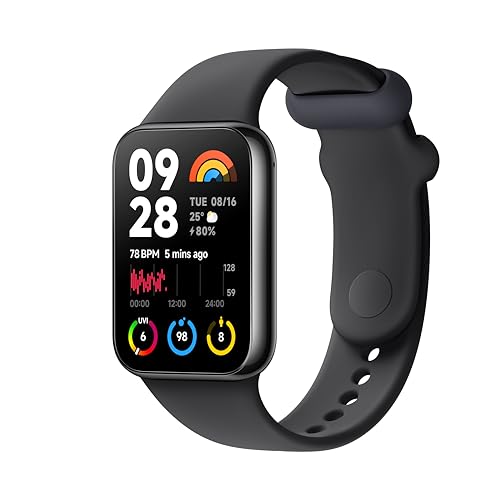
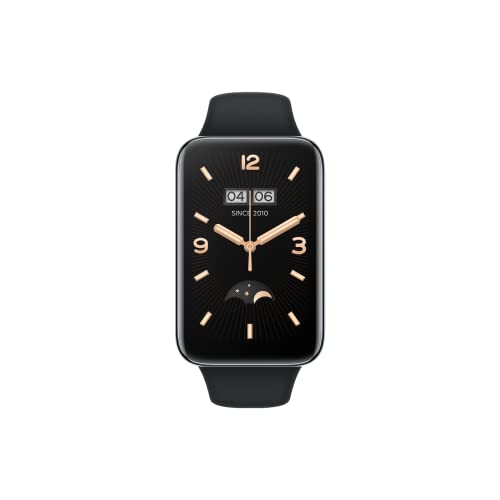
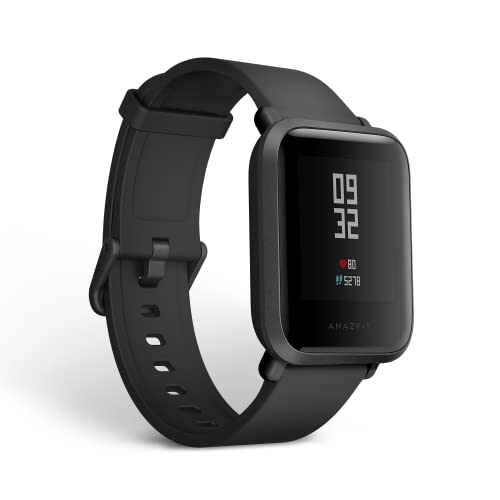
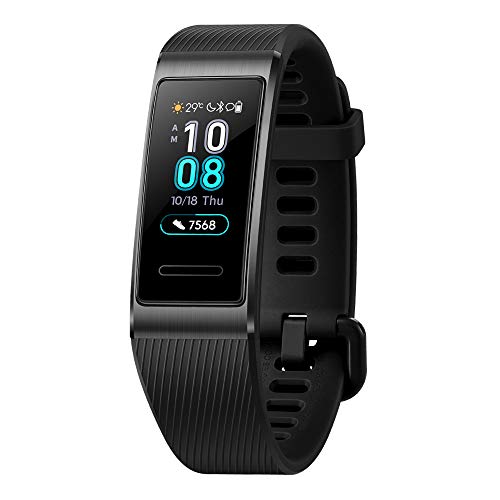
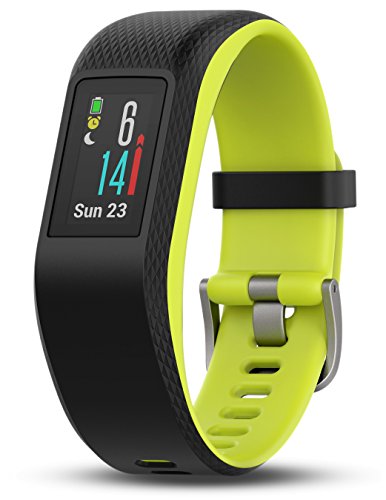
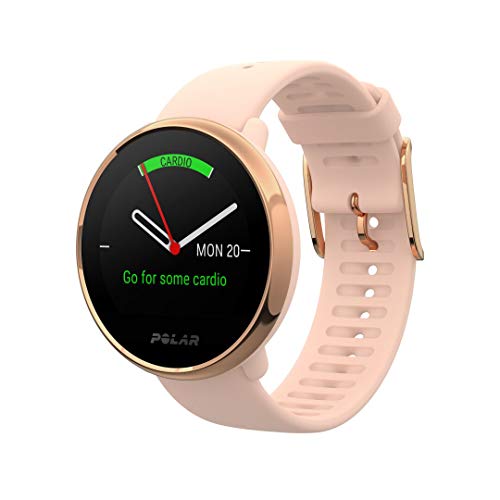
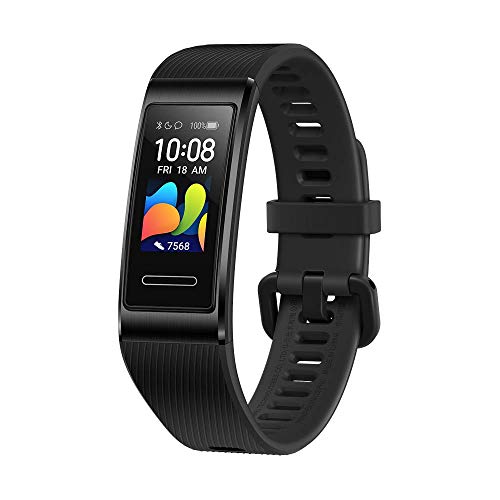
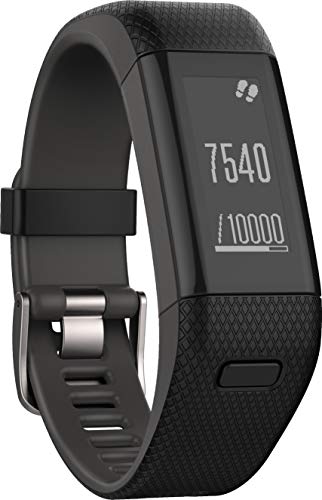
GPS on a fitness tracker usually helps in the following ways:
- Route tracking: GPS draws the path of your run, walk, or ride so you can review where you went afterward.
- Pace and speed: GPS helps estimate current pace and average speed more accurately during moving outdoor workouts.
- Distance measurement: GPS usually improves distance accuracy compared with step-based estimation, especially when stride length changes during hills or interval work.
- Workout records: GPS adds map context to exercise history, which makes comparing outdoor sessions easier over time.
- Training feedback: GPS data helps the tracker or app judge effort, splits, and outdoor consistency more effectively than simple daily activity totals alone.
How accurate is GPS on a fitness tracker?
GPS on a fitness tracker is usually accurate enough for normal running, walking, and cycling, but it is not equally precise in every environment or on every device. Open skies and steady movement usually produce the best results, while tall buildings, heavy tree cover, tunnels, and frequent direction changes can make the track noisier and create noticeable pace drift.
Fitness tracker GPS accuracy depends on several technical factors. A stronger antenna, cleaner lock speed, and support for multiple satellite systems can improve consistency, while smaller band-style hardware often has less room for GPS hardware than a full sports watch. Even when the final route is broadly correct, short-interval pace readings can still jump around by several seconds per kilometer because wrist devices constantly smooth and recalculate movement.
GPS accuracy also depends on how you use the tracker. Waiting a few extra seconds for a proper satellite lock, wearing the band snugly, and training in more open areas usually improves results. Buyers who care about exact race pacing or route precision should expect a good GPS-capable fitness tracker to be useful, but not as clean or as stable as a higher-end dedicated sports watch in difficult conditions.
Does a fitness tracker with GPS work without a phone?
A fitness tracker with built-in GPS can work without a phone, but a fitness tracker that only uses connected GPS cannot. That is one of the most important differences to check before buying, because two trackers may both advertise GPS while only one can record a route completely on its own.
Built-in GPS is the better option for runners, cyclists, and hikers who want to leave the phone behind, because it lets the tracker lock onto satellites directly and record distance, pace, and route on its own. Connected GPS is more common on cheaper or simpler bands, and while it saves space, cost, and battery by borrowing the phone's location signal, buyers who train outdoors without a phone should treat built-in GPS as a must-have feature rather than assuming every GPS label means the same thing.