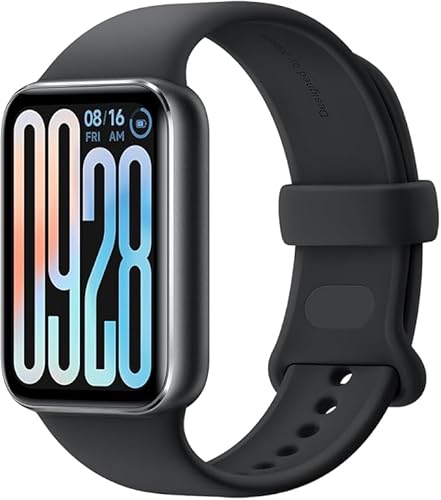
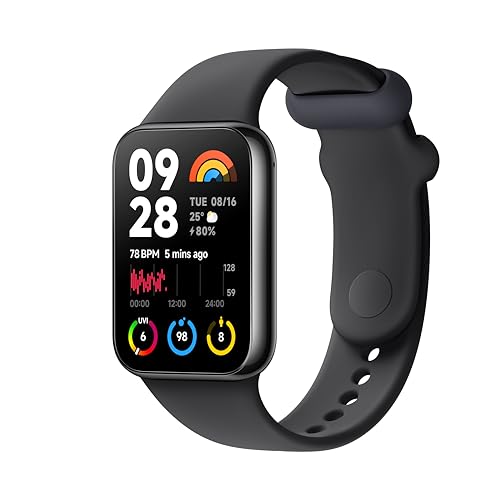
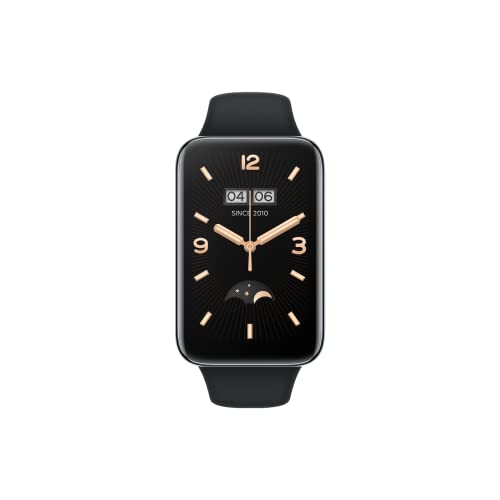
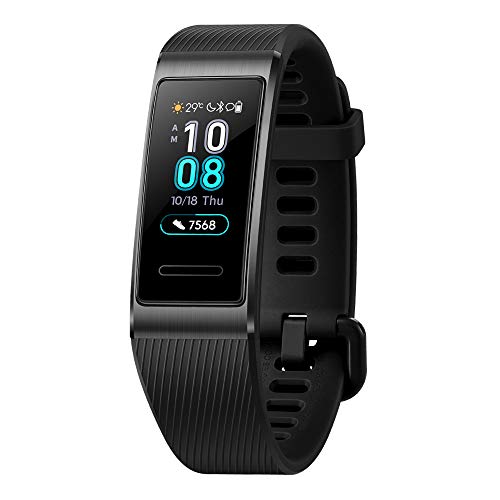
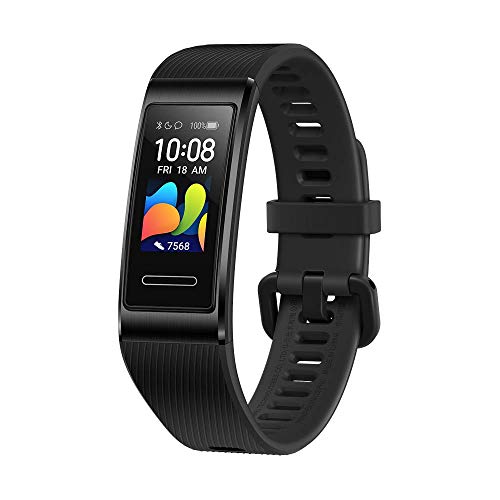
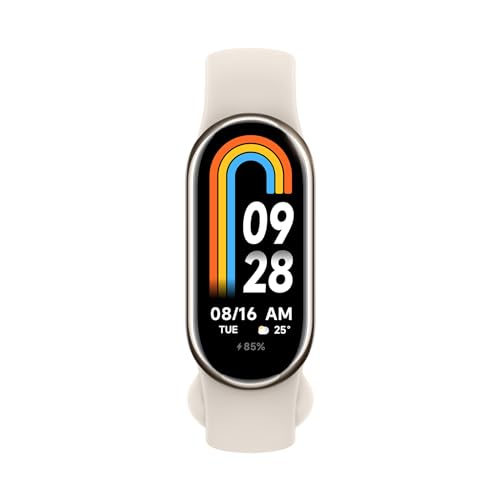
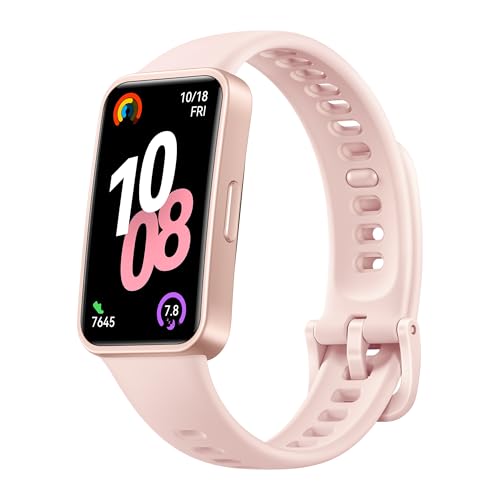
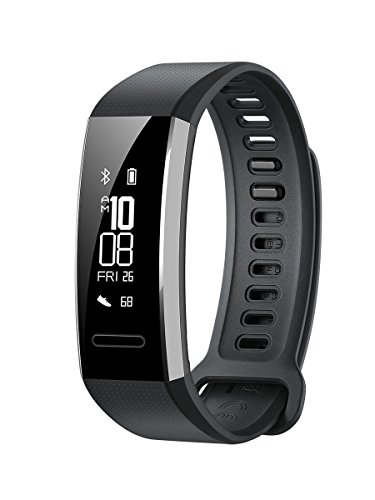
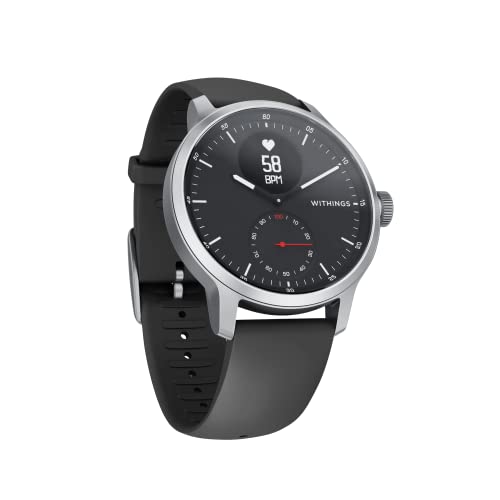
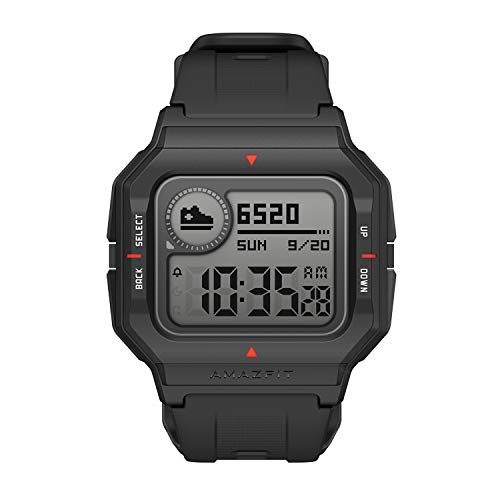
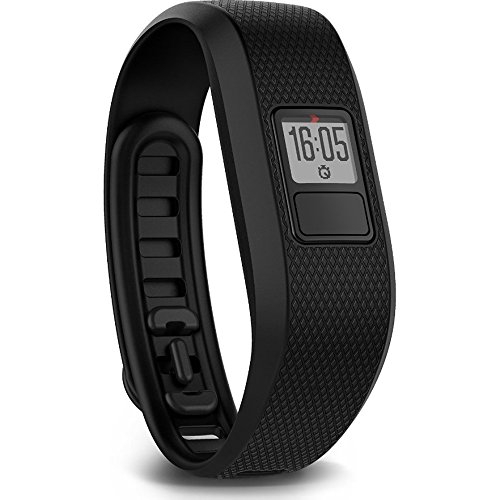
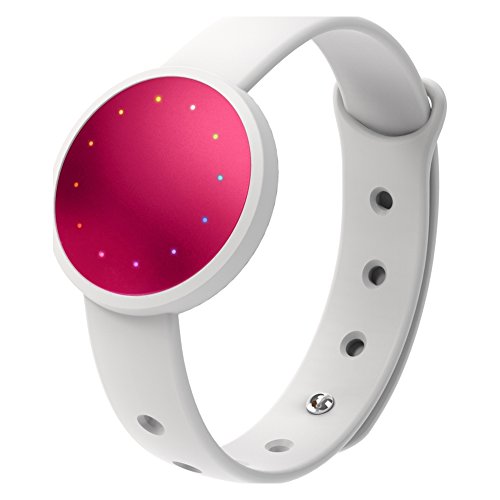
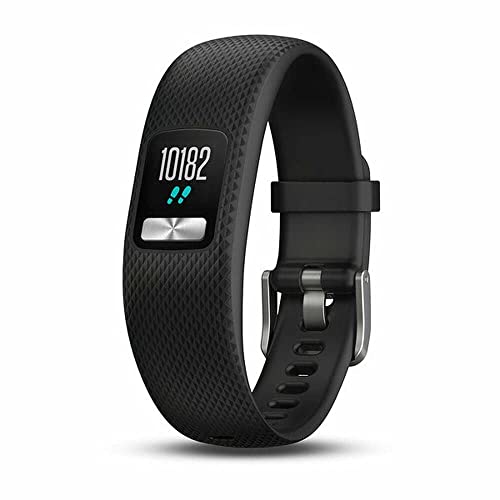
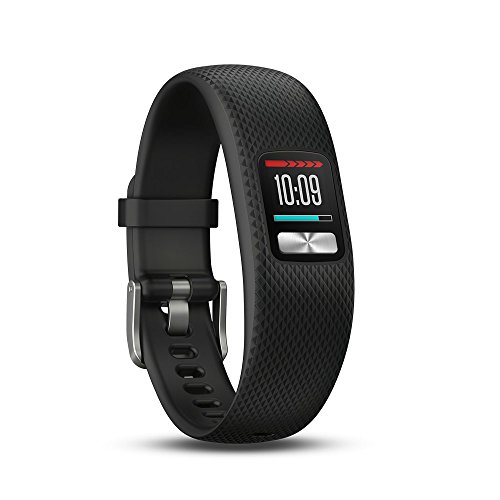
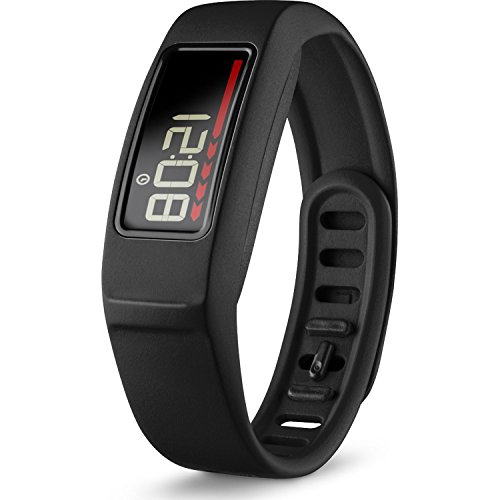
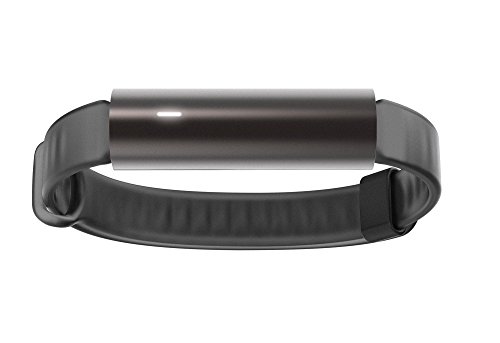
A fitness tracker is suitable for swimming when it can handle repeated pool exposure, stay secure on the wrist, and record useful swim data instead of simply surviving splashes. The core requirement is real swim-ready water resistance, but good swimming trackers also need a strap that does not loosen in the water and a design that stays comfortable through longer sessions.
Swimming also changes what matters in daily use. A tracker that works well on land can still be a poor pool companion if the display is hard to read when wet, if the buttons are awkward around water, or if the device cannot track pool sessions clearly. Pool use and open-water use are also not the same, so buyers who train outdoors should pay more attention to GPS support and how well the device handles longer, less structured workouts.
What water resistance rating should a fitness tracker for swimming have?
A fitness tracker for swimming should usually have at least 5 ATM water resistance, because that is the most reliable baseline for regular pool use. Lower splash-style protection may survive sweat or rain, but it is not the same thing as a tracker built for repeated swimming sessions.
Higher ratings can still be useful, but 5 ATM is already the important threshold where a tracker becomes meaningfully swim-capable for most buyers. Even then, water resistance should not be treated as the only check. A tracker also needs a solid strap, clear manufacturer support for pool use, and a design that can tolerate repeated exposure to water, chlorine, and drying cycles over time.
What swim tracking features matter most in a fitness tracker?
The swim tracking features that matter most in a fitness tracker are the following:
- Lap counting: A good tracker should count pool lengths reliably, because that is the base for almost every useful swim summary.
- Distance tracking: Clear distance totals help you judge session volume without relying on rough memory or manual logging.
- Swim time and pace: Session duration and pace data make it easier to compare swims and spot whether you are getting more efficient over time.
- Stroke recognition: Better swim-focused trackers can identify strokes or at least separate sessions cleanly enough that the data stays useful.
- Clear post-swim summaries: Lap splits, pace trends, and session history matter most when the app makes them easy to review after the workout.