Which brands make the best fitness trackers for men?
The best fitness tracker brands for men are as follows:
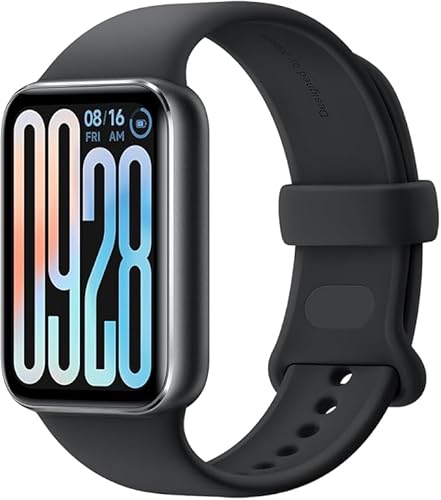
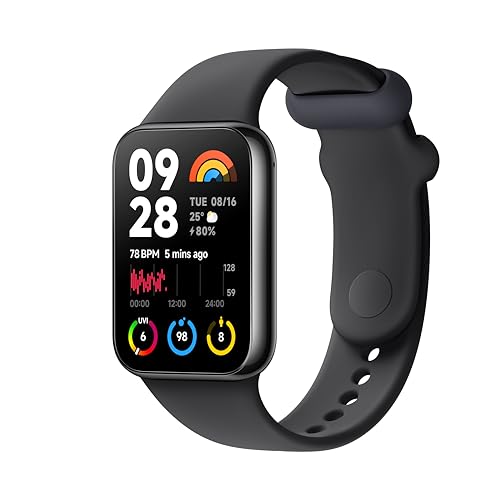
- Xiaomi (Average overall score: 9)
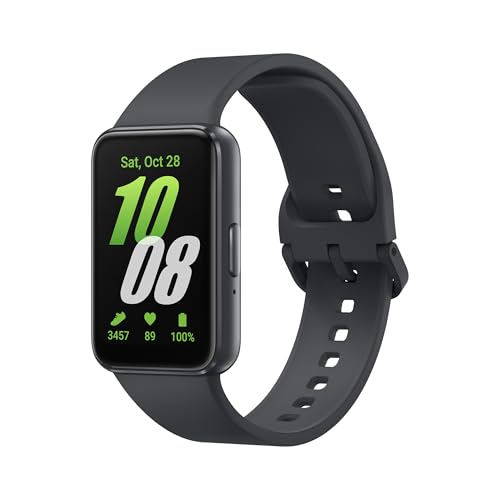
- Samsung (Average overall score: 8.7)
- Amazfit (Average overall score: 8)
The chart below ranks fitness tracker brands for men by average overall score.
[horizontal-chart-15872753675229380232064308546465576340611964984069]
What makes a fitness tracker suitable for men?
A fitness tracker is suitable for men when it combines practical durability, comfortable fit, and enough feature depth for the buyer's training and daily routine. The key point is not that men need completely different tracking technology, but that many buyers in this guide are looking for a design that feels cleaner, tougher, and slightly more substantial on the wrist.
That usually means a tracker with a secure strap, a readable screen, good battery life, and enough water resistance for gym use, outdoor walks, running, and day-to-day wear. The best models also avoid two extremes: they should not feel so delicate that they seem fragile, and they should not become so oversized that they lose the main advantage of a fitness tracker over a smartwatch.
What fitness tracker size and design suit men best?
The fitness tracker size and design that suit men best are usually the ones that feel secure and easy to read without becoming overly heavy. Many buyers will prefer a slightly wider or more defined case than a very narrow fashion-style band, but comfort still matters more than simply choosing the biggest design available.
Good design choices usually include a balanced case shape, a strap that stays stable during workouts, and a screen large enough to read metrics at a glance. Silicone and similar flexible bands often work best because they are comfortable for training and daily wear, while cleaner case finishes in plastic, aluminum, stainless steel, or resin help the tracker feel more solid and versatile.
Which fitness tracker health and training features matter most for men?
The fitness tracker health and training features that matter most for men are the following:
- Heart-rate tracking: This is the core health feature because it supports daily monitoring, workout intensity tracking, and broader fitness trends.
- Sleep tracking: Good sleep data adds real value because recovery, energy, and training readiness are easier to judge when the tracker records sleep consistently.
- Steps, activity, and calorie tracking: These basics still matter because they turn the tracker into a useful everyday device instead of something worn only during workouts.
- Workout modes and GPS: Men who run, cycle, or train outdoors usually benefit most from built-in GPS or at least reliable workout tracking with clear distance and pace data.
- Training extras: Features such as VO2 max estimates, recovery guidance, and structured workout support are most useful for buyers who train regularly and will actually use that extra depth.
How durable are the best fitness trackers for men?
The best fitness trackers for men are usually durable enough for regular workouts, commuting, travel, and normal outdoor use, but durability still varies a lot between simple bands and more premium models. A strong baseline is water resistance around 5 ATM, because that level suits sweat, rain, showers, and swimming better than a basic splash-resistant design.
Durability also depends on materials and construction. Plastic and resin bodies are common because they keep the tracker light, while aluminum, stainless steel, or titanium details can make a model feel stronger and more premium.
Strap quality matters too, because a durable tracker is much less convincing if the band tears, the clasp loosens, or the fit shifts during training.
How long does battery life last on fitness trackers for men?
Battery life on fitness trackers for men usually lasts several days to around two weeks, depending on the screen type, tracking intensity, and whether GPS is built in. In practice, that means a good tracker should be able to cover full-day wear, sleep tracking, and regular workouts without feeling like another device that needs constant charging.
Always-on displays, frequent notifications, and built-in GPS usually shorten endurance the most. Simpler low-power bands can last longer, while display-rich models often trade some runtime for better readability and a more premium feel. Buyers who run or cycle often should pay special attention to the training-mode battery figures, because GPS sessions drain power much faster than normal daily tracking.
How much do fitness trackers for men cost?
Fitness trackers for men usually cost about £35-£170, with the main differences coming from training features, design finish, display quality, and materials. Around £35-£70, the market is mostly about basic daily tracking with simple but useful features.
Between about £70 and £130, buyers usually get a stronger mix of better screens, better apps, nicer design, and more complete health tracking.
Above roughly £130, the price often starts reflecting deeper training support, premium materials, stronger GPS capability, or more smartwatch-like extras rather than just basic tracking quality. Men who mainly want comfortable all-day tracking often do not need the most expensive models, while frequent runners or outdoor users may justify moving higher in the range. For many buyers, the best overall balance sits in the middle of the market rather than at the highest price tier.