
Are Fitbit fitness trackers good?
Fitbit fitness trackers have an average overall score of 7.6, ranking #6 among fitness tracker brands, and a user rating of 9.1, placing them at #3 based on user reviews.
The best Fitbit fitness trackers are usually light, comfortable, and easy to wear all day, with clear sleep tracking, steady heart-rate monitoring, and a simple app that makes daily health trends easy to follow. Better models also add brighter displays, cleaner touch interaction, and enough battery life to feel low-maintenance between charges.
The stronger Fitbit models work best when you want a wellness-first tracker that feels friendly and polished rather than highly technical. Fitbit is a better fit for sleep, steps, everyday exercise, and habit building than for buyers who need the deepest outdoor training tools or the most advanced sports metrics.
The best Fitbit fitness trackers are as follows:
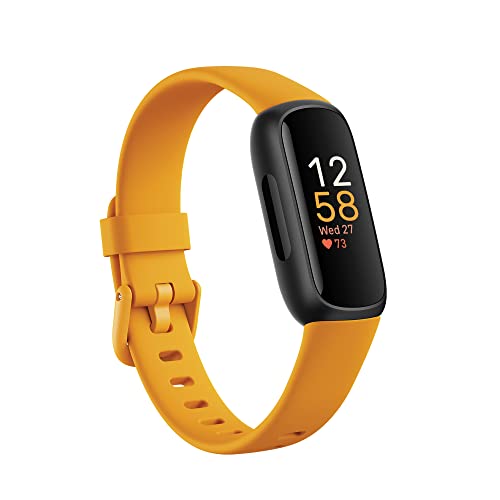
- Fitbit Inspire 3 (Overall score: 8.4)
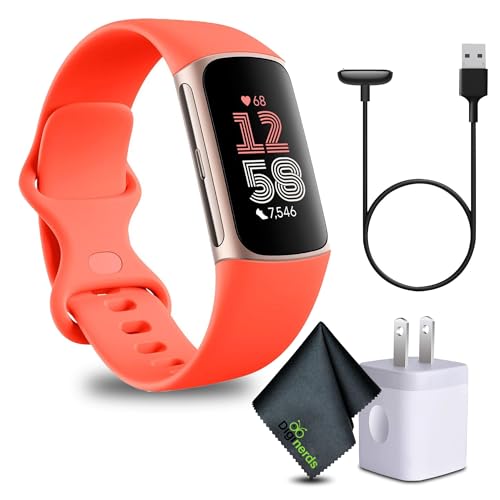
- Fitbit Charge 6 (Overall score: 8.2)
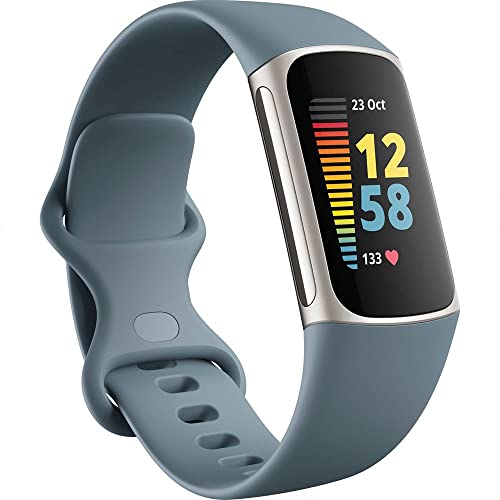
- Fitbit Charge 5 (Overall score: 8.18)
The chart below ranks fitness tracker brands by average overall score and shows where Fitbit stands.
[horizontal-chart-07058980201927266903015180073336635255260865507628]
What are the main advantages of Fitbit fitness trackers?
The main advantages of Fitbit fitness trackers are as follows:
- Easy everyday use: Fitbit is one of the most approachable brands in this category, so the trackers usually feel simpler to wear and understand than more training-heavy alternatives.
- Strong wellness focus: Fitbit bands put sleep tracking, daily activity, heart-rate monitoring, and general health trends at the center of the experience rather than treating them as side features.
- Comfortable design: Many Fitbit models are slim and light, which helps with all-day wear and makes them appealing for buyers who want a tracker that disappears on the wrist.
- Broad lineup: Fitbit covers children, basic activity bands, and more feature-rich wellness bands, so there is usually an easier progression path inside the brand than with smaller fitness-tracker ranges.
- App-driven clarity: Fitbit works well for buyers who value readable summaries, habit tracking, and a smoother wellness-first app experience rather than a more technical training dashboard.
What are the main disadvantages of Fitbit fitness trackers?
The main disadvantages of Fitbit fitness trackers are as follows:
- Less training depth: Fitbit is usually weaker than Garmin or similar brands when the buyer wants a more serious outdoor or performance-focused training platform.
- Uneven advanced features: GPS, NFC, and richer smart extras are not spread evenly across the Fitbit range, so buyers need to check the exact model carefully.
- Overlapping lineup: Fitbit has many closely related bands, which can make it harder to see why one model is worth more than another without checking the details closely.
- Limited ruggedness image: Fitbit models are often more lifestyle-oriented than activity-rugged in design, so they may not appeal to buyers who want a more outdoorsy or hard-use look.
- Older-model drag: The Fitbit lineup includes legacy bands, and those older models can feel dated in sensors, interface smoothness, or overall value compared with newer rivals.
Who makes Fitbit fitness trackers?
Fitbit fitness trackers are made by Fitbit, the health-and-wearables company founded in 2007 by James Park and Eric Friedman. Fitbit was acquired by Google in 2021, so Fitbit trackers now sit inside Google's broader devices and health ecosystem rather than operating as a fully independent hardware brand.
Fitbit built its reputation around step tracking, wellness wearables, and easy everyday health monitoring before the category became as crowded as it is now. That history still shows in Fitbit fitness trackers today, because the brand usually emphasizes accessible health tracking, readable app trends, and comfortable daily use more than hardcore sports-watch logic.
What are the main Fitbit fitness tracker series?
The main Fitbit fitness tracker series are as follows.
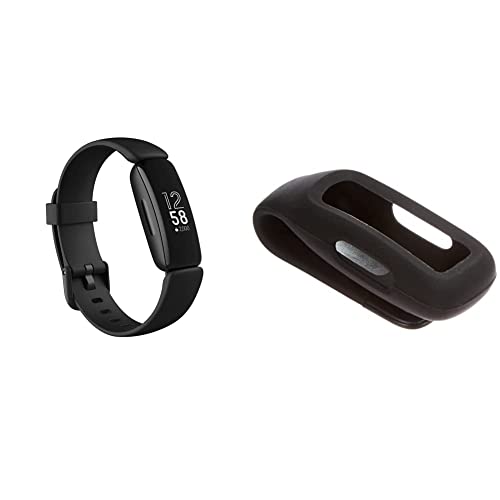
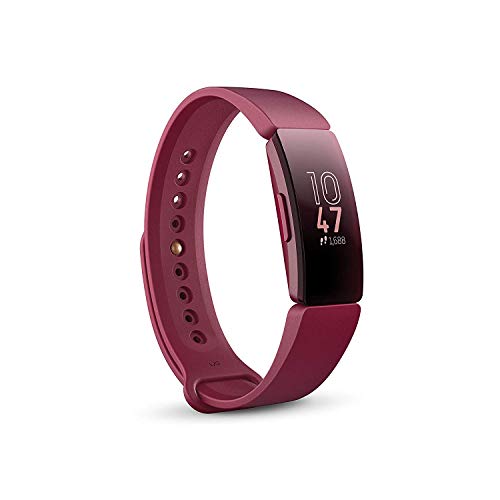
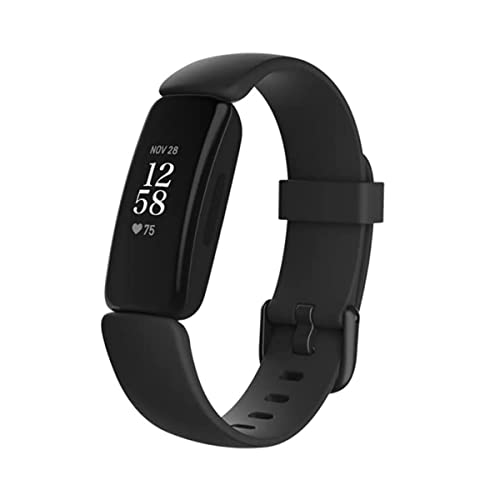
- Inspire: The Inspire line is Fitbit's simple modern wellness-band series. Inspire, Inspire 2, Inspire 3, and Inspire HR focus on lightweight comfort, health tracking, and easy daily use.
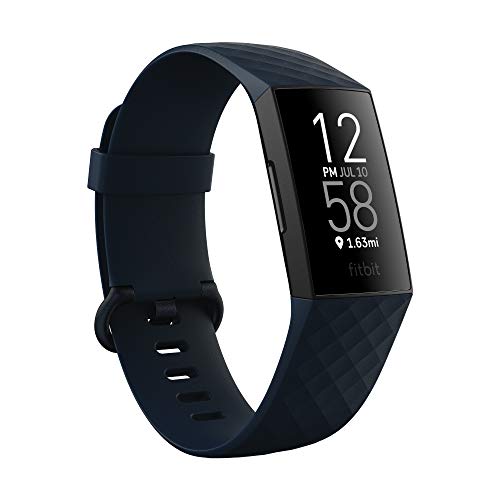
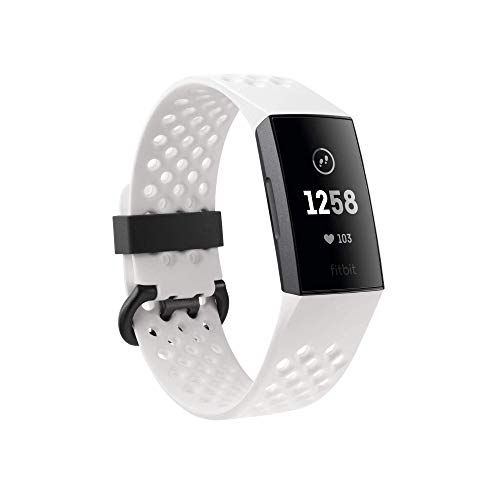
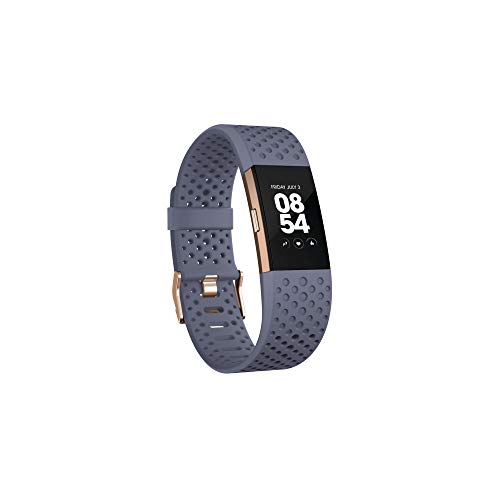
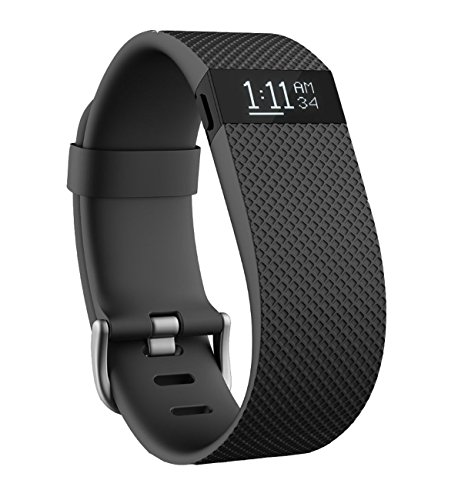
- Charge: The Charge line is Fitbit's more feature-rich mainstream fitness-band family. Charge, Charge 2, Charge 3, Charge 4, Charge 5, Charge 6, and Charge HR sit closer to the center of the brand's lineup and usually combine stronger fitness support with broader health features.
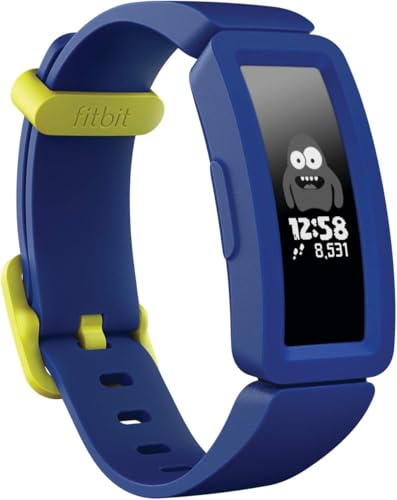
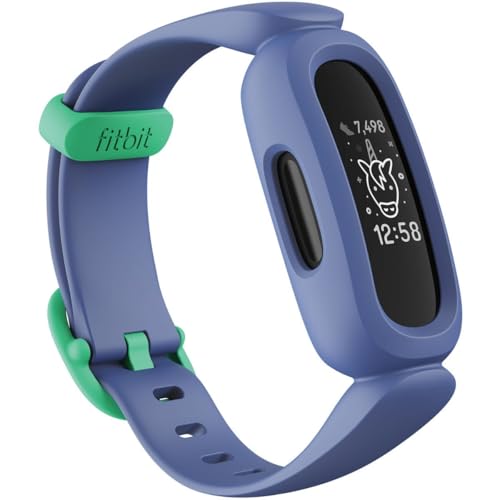
- Ace: The Ace line is Fitbit's child-focused branch. Ace 2 and Ace 3 are built for simpler family-friendly tracking and easier kid use.
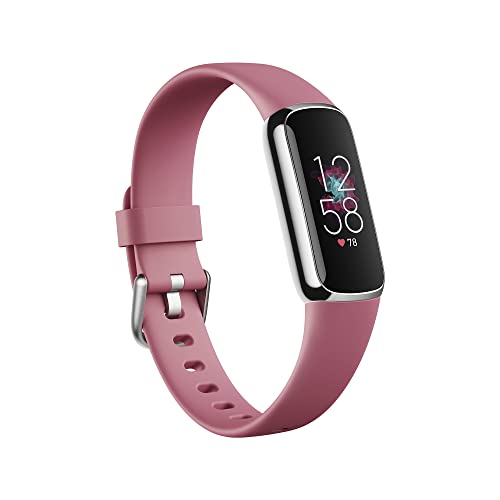
- Luxe: Luxe is Fitbit's more style-conscious slim wellness band, aimed at buyers who want a cleaner and slightly more refined wearable look.
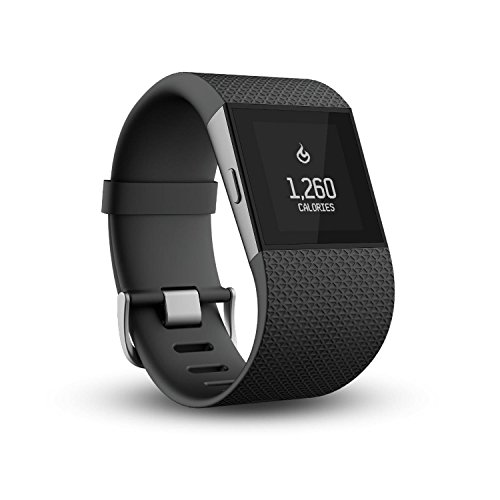
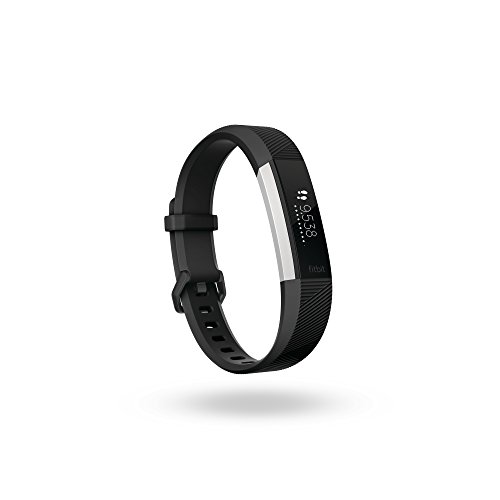
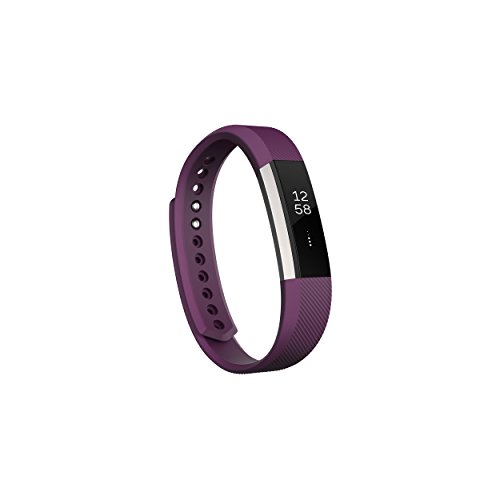
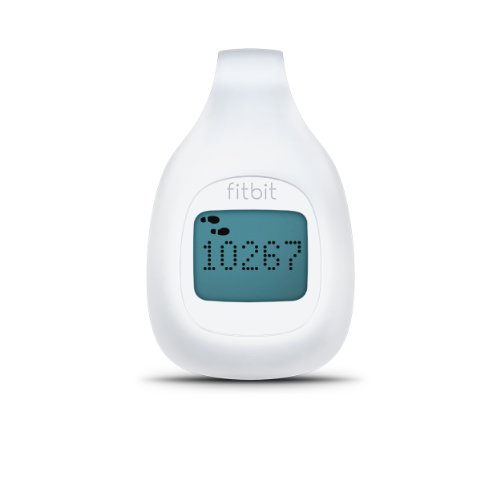
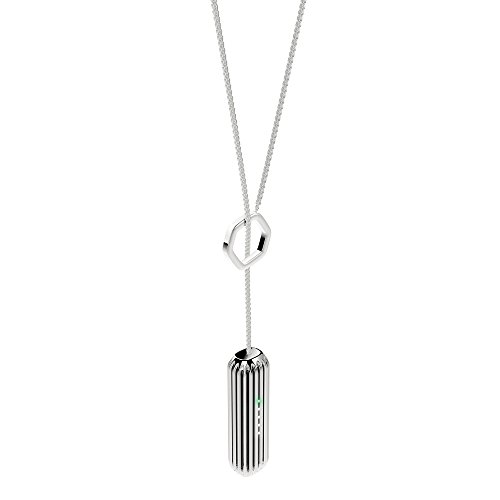
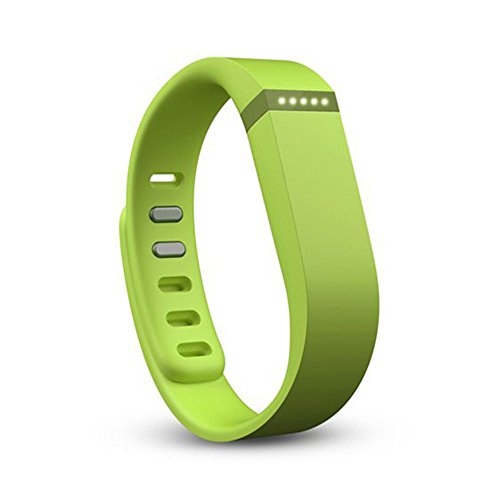
- Flex, Alta, and older legacy bands: Flex, Flex 2, Alta, Alta HR, Zip, One, Force, and Surge represent earlier phases of Fitbit's band history. Some still matter as references in the lineup, but they are more legacy models than current-value benchmarks.
The series name helps show Fitbit's direction, but it is still worth checking the exact model because Fitbit bands differ by generation, sensors, GPS support, screen type, and overall feature depth.
How much do Fitbit fitness trackers cost?
Fitbit fitness trackers usually cost about £55-£190, with most of the practical choice sitting between about £70 and £140. Around £55-£80, the range is mostly about simpler Ace, Flex, Inspire, or Zip-style models. Between about £85 and £130, buyers usually get the strongest mix of comfort, wellness features, and better day-to-day usability, while the upper part of the range pushes closer to Charge, Luxe, or larger-feature Fitbit bands.
Fitbit pricing is usually easiest to justify when you want a smoother wellness-first experience, a more polished everyday design, or a familiar app-centered health ecosystem rather than a training-first tracker. Buyers who mainly want advanced sports depth may find better value elsewhere, but Fitbit often makes sense when comfort and health habits matter more than hard training metrics.
How do Fitbit fitness trackers compare with Garmin models?
Fitbit fitness trackers usually make more sense than Garmin models for buyers who care more about comfort, wellness tracking, and a softer everyday app experience. Garmin is often the better choice for buyers who want stronger training logic, more outdoor focus, and a more serious fitness-first identity.
At a practical level, both brands overlap in the same broad price band, but they feel different on the wrist and in the app. Fitbit leans harder into everyday health habits, lighter wear, and clearer wellness summaries, while Garmin is often more appealing for structured exercise use and a more performance-oriented approach. The better choice depends less on price alone and more on whether the buyer wants a smoother wellness companion or a sharper training tool.
What should you consider while choosing the best Fitbit fitness tracker?
When you choose the best Fitbit fitness tracker, you should focus on the following key aspects:
- Product line: Start by separating Inspire, Charge, Luxe, and Ace. Inspire is the simpler everyday wellness band, Charge is the stronger mainstream fitness option, Luxe adds a more style-focused slim design, and Ace is the child-focused branch. If you want the most complete Fitbit tracker experience, the Charge line is usually the one to check first.
- GPS and feature depth: Look closely at GPS, NFC, and workout tools because they are not available on every Fitbit band. The stronger Charge models make more sense if you want richer exercise tracking or less phone dependence, while the simpler bands are better for light health tracking and all-day comfort.
- Battery life: Fitbit bands often sit around 5 to 10 days per charge depending on the model, screen brightness, and always-on behavior. That is enough for everyday use, but it is not the same as the very long battery life you get from the simplest low-power trackers. If charging frequency annoys you, compare battery claims carefully.
- Display and comfort: Fitbit is strongest when the tracker feels light, slim, and easy to wear all day. Newer models usually give you brighter AMOLED-style screens and cleaner interfaces, while older ones can feel more basic. If you sleep with the tracker on, comfort matters just as much as the screen.
- Health features and app experience: Fitbit makes the most sense when you care about sleep trends, heart-rate patterns, daily activity, and easy health summaries inside the app. If that app experience matters to you, Fitbit can be a better fit than a more training-heavy brand. If you mainly want deeper sport metrics, the software may feel too wellness-first.
- Generation value: Fitbit has many overlapping generations, so model age matters a lot. A newer Inspire or Charge model usually gives you better screen quality, cleaner menus, and better sensors than an older one. Do not assume two Fitbit bands are close just because the names look similar.