
Are Samsung fitness trackers good?
Samsung fitness trackers have an average overall score of 8, ranking #3 among fitness tracker brands, and a user rating of 9.1, placing them at #2 based on user reviews.
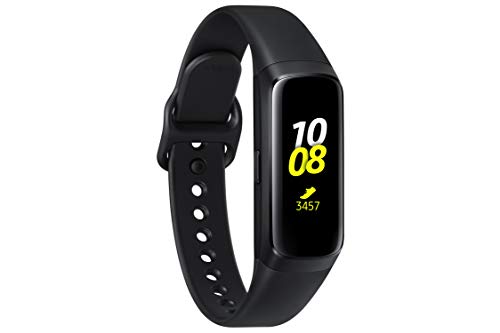
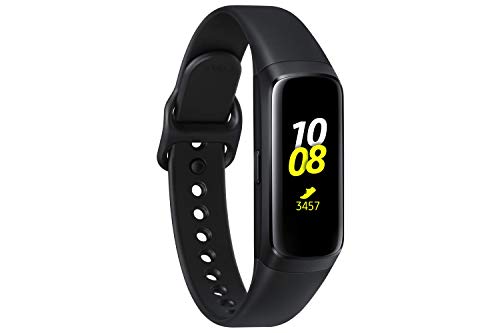
The best Samsung fitness trackers are usually slim, comfortable band-style wearables with bright displays, straightforward health tracking, and a clean mainstream feel that does not demand much setup. The better models cover the basics well, including steps, sleep, heart-rate tracking, and daily activity use, while also feeling a bit more polished than many cheap generic bands.
Where Samsung is more limited is depth. The stronger models are easy to live with, but the lineup is not as broad or as training-focused as Garmin, Fitbit, or even the bigger Huawei and Xiaomi band ranges. Samsung makes the most sense when you want a familiar brand and a simple everyday tracker, not a long ladder of specialist fitness options.
The best Samsung fitness trackers are as follows:
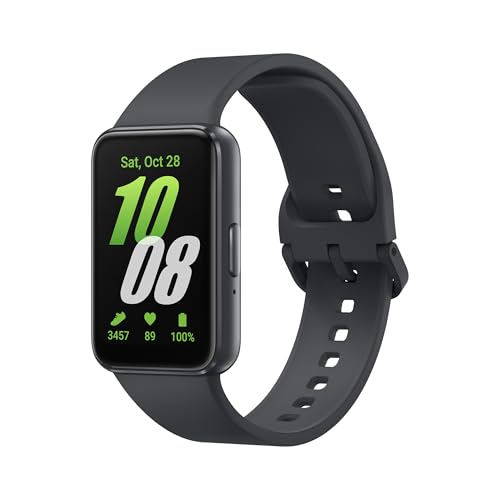
- Samsung Galaxy FIT3 (Overall score: 8.75)
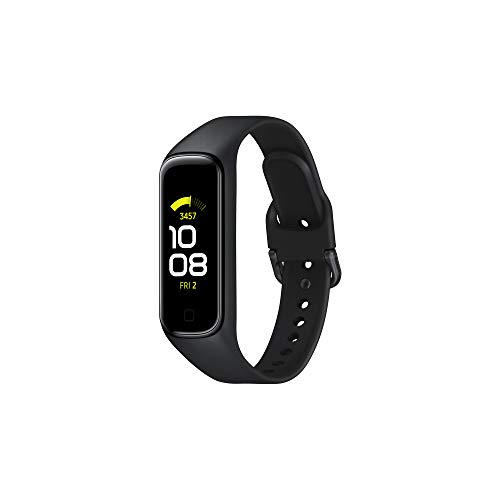
- Samsung Galaxy FIT2 (Overall score: 8.16)
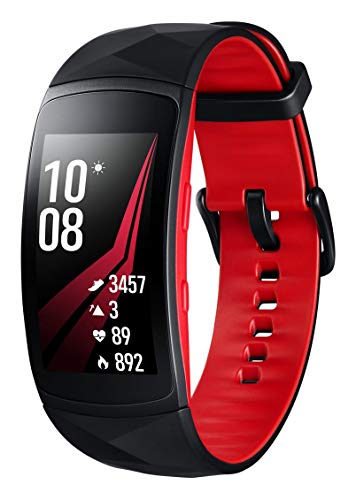
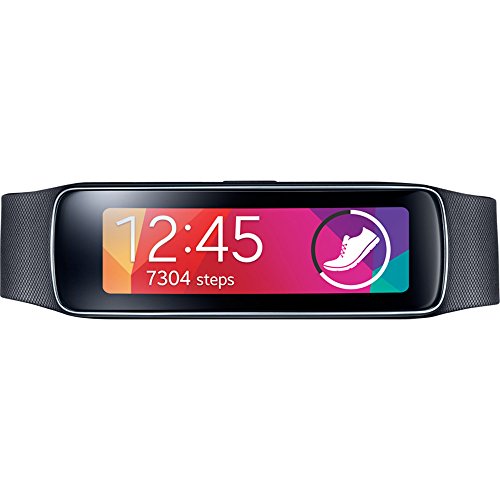
- Samsung Gear FIT2 Pro (Overall score: 8.07)
The chart below ranks fitness tracker brands by average overall score and shows where Samsung stands.
[horizontal-chart-07058980201927266903015180073336635255260865507628]
What are the main advantages of Samsung fitness trackers?
The main advantages of Samsung fitness trackers are as follows:
- Easy Samsung ecosystem fit: Samsung trackers make the most sense for buyers who already use Samsung phones and want a familiar mainstream brand instead of a smaller fitness-only platform.
- Comfortable everyday wear: Most Samsung tracker models are slim and light, which makes them easier to wear all day and overnight than larger smartwatch-style devices.
- Simple health focus: Samsung usually targets the basics well, such as steps, sleep, heart-rate tracking, and general wellness habits, without making the interface feel too technical.
- Clear display direction: Better Samsung models in this category move toward AMOLED-style screens, which helps readability and makes the tracker feel more polished than very basic monochrome bands.
- Premium wellness branch: Samsung also offers the Galaxy Ring at the top of this range, giving buyers a more discreet wellness wearable option than a wrist band.
What are the main disadvantages of Samsung fitness trackers?
The main disadvantages of Samsung fitness trackers are as follows:
- Thin lineup: Samsung has far fewer fitness trackers in this category than Fitbit, Xiaomi, or Garmin, so there is less choice by budget, feature depth, and design style.
- Older-model weight: Several Samsung tracker models here come from older Gear Fit or early Galaxy Fit generations, so the lineup is not as fresh or consistent as stronger tracker brands.
- Limited training depth: Samsung fitness trackers are better for casual health tracking than for serious running, outdoor training, or data-heavy performance use.
- Uneven feature spread: GPS, stronger water resistance, and richer sensor support are not consistent across the range, so the exact model matters a lot.
- Big price jump at the top: The Galaxy Ring sits far above the Fit bands in price, which makes Samsung's range feel split between cheap basics and one premium wellness device rather than a smooth ladder.

Who makes Samsung fitness trackers?
Samsung fitness trackers are made by Samsung Electronics, the South Korean technology company headquartered in Suwon. Samsung Electronics was founded in 1969 and is part of the wider Samsung group, which helps explain why its wearables sit inside a much larger phone, app, and consumer-electronics ecosystem than many specialist tracker brands.
Samsung builds products across smartphones, tablets, TVs, appliances, semiconductors, and wearables. Samsung fitness trackers belong to that broader Galaxy health ecosystem, so the brand usually approaches fitness bands as companion wellness devices for mainstream users rather than as standalone hardcore training tools.
What are the main Samsung fitness tracker series?
The main Samsung fitness tracker series are as follows.
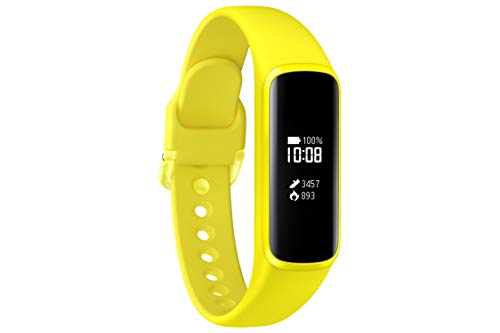
- Galaxy Fit: The Galaxy Fit line is Samsung's main fitness-band family. Models such as Galaxy Fit, Galaxy Fit E, Galaxy FIT2, and Galaxy FIT3 focus on light everyday wear, simple health tracking, and easier mainstream pricing than a smartwatch.
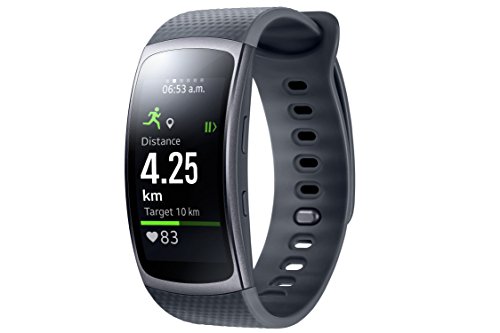
- Gear Fit: Gear Fit, Gear FIT2, and Gear FIT2 Pro represent Samsung's older more fitness-oriented band line. These models sit above the simplest Fit bands and are closer to workout-focused wearables, but they also make the lineup feel older overall.
- Galaxy Ring: Galaxy Ring is Samsung's premium wellness-tracking branch in this category. It is less about a wrist display and more about discreet health tracking for buyers who want Samsung's wellness approach in ring form.
- Activity Tracker and older basic models: Samsung also has very simple tracker entries such as Activity Tracker, which sit at the entry end of the range and mainly cover basic daily activity use.
Samsung series names help show the direction of the product, but the exact model still matters because display quality, water resistance, GPS support, and price vary a lot across this small lineup.
How much do Samsung fitness trackers cost?
Samsung fitness trackers usually cost about £35-£200 for the band-style models, while the Galaxy Ring pushes the brand up to about £385. For most buyers, the realistic Samsung tracker choice sits either around £35-£45 for simple Galaxy Fit bands or around £155-£200 for the older but more ambitious Gear Fit models.
Samsung pricing at £35-£45 is easy to understand because those models are mainly basic health-and-habits trackers with lighter hardware and fewer advanced extras. Higher Samsung prices need more caution, since Gear Fit models sit in a much older upper tier and Galaxy Ring is a separate premium wellness product, so the extra spend only makes sense when you specifically want that design direction rather than the best pure tracker value.
How do Samsung fitness trackers compare with Fitbit models?
Samsung fitness trackers usually make more sense than Fitbit models for buyers who already prefer Samsung's phone ecosystem or want a simpler mainstream wearable path that can also extend into products such as Galaxy Ring.
Fitbit is often the better choice for buyers who want a broader dedicated fitness-band lineup, a clearer wellness-first app identity, and more depth across multiple generations of tracker models.
At a practical level, Fitbit is the stronger specialist tracker brand, while Samsung is the stronger general consumer-electronics brand. Samsung bands are easier to justify when brand familiarity and Galaxy-device fit matter most, but Fitbit usually offers the more balanced tracker range if the buyer is comparing fitness-tracking value on its own.
What should you consider while choosing the best Samsung fitness tracker?
When you choose the best Samsung fitness tracker, you should focus on the following key aspects:
- Main format: First decide whether you want a light wrist band such as Galaxy Fit, an older curved-screen Gear Fit model, or a ring-based wellness device such as Galaxy Ring. These are very different products. If you want the most normal tracker experience, the Galaxy Fit branch is the natural place to start.
- Display and comfort: Samsung trackers usually make the most sense when you want a slim design and a bright AMOLED-style display that is easy to read quickly. Lighter bands are better for all-day wear, while older Gear Fit models can feel bulkier even if they look more distinctive. If comfort is a priority, keep the simpler Fit models in focus.
- Battery life: Samsung fitness trackers usually sit in a moderate battery range rather than a very long one. Many band-style models land around 7 to 13 days depending on screen settings and tracking load, while more advanced or unusual formats can behave differently. If you want maximum battery life, check the exact model instead of assuming the Samsung name guarantees it.
- Feature depth: GPS, richer heart-rate tools, sleep tracking depth, and stronger workout support are not evenly spread across the lineup. Some models are simple daily trackers, while others are closer to fuller wellness wearables. Make sure the extra cost gives you real features you will use.
- Water resistance and durability: Check the exact water rating, because Samsung bands are often bought for workouts, swimming, and everyday wear. Many of the better models sit around 5 ATM and can handle normal fitness use well. Strap comfort and case shape also matter if you plan to wear the tracker during sleep.
- Ecosystem fit: Samsung trackers are easiest to justify when you already use Samsung phones and like Samsung Health. The broader device ecosystem, phone integration, and app familiarity can matter as much as the hardware. If you only care about the deepest training platform, another brand may still fit better.