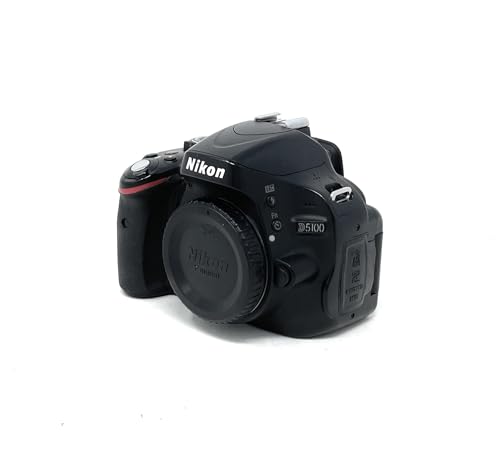
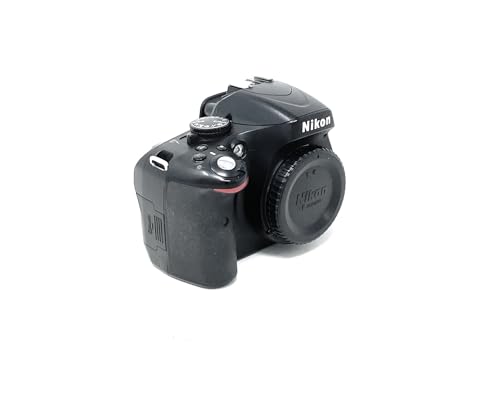
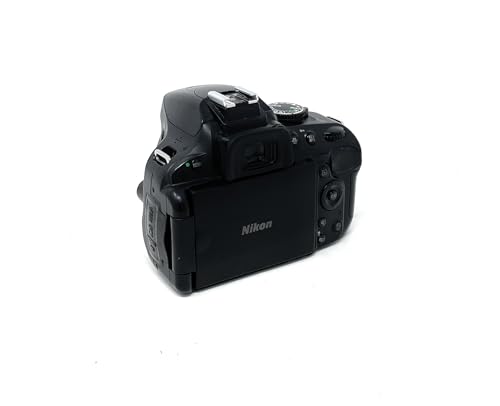
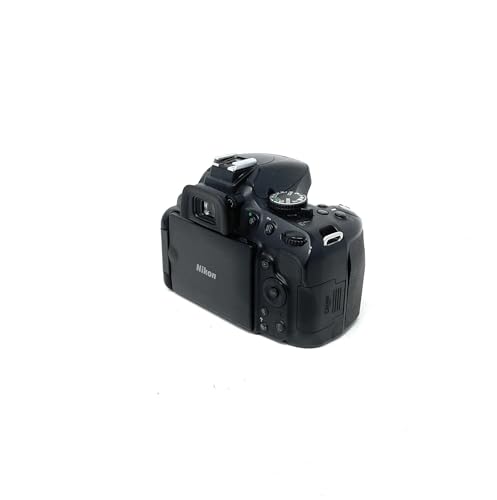
Nikon D5100 Review | 108 Data compared

double-arrow
  • Avg. price in UK: ~£110
  • Avg. price in US: ~$150
  • Sensor size: APS-C
  • Lens mount: Nikon F
  • Main camera pixel size: 4.78 µm
  • Weight: 560 g
  • Battery life (CIPA): 660 shots

Nikon D5100 review. Compare 108 technical specifications and user reviews to see how it ranks among cameras and if it is worth buying.

5.8

Overall score

What it is: An overall evaluation of the camera's quality, based on technical analyses and user reviews.

When it matters: When you need a quick reference to identify the best cameras on the market.

Score components:

90.0%

5.4

Technical Score

10.0%

9.2

User score

Good
5.4

Technical Score

What it is: An assessment of the camera's technical performance, covering eight key areas: image quality, autofocus, video features, stabilization, lens compatibility, connectivity, battery, and design.

When it matters: When you want to compare cameras based on technical performance and available features.

Score components:

28.0%

6.5

Sensor & Image

25.0%

4.7

Photo Features

18.0%

4.7

Video & Audio

14.0%

5.7

Display & Design

8.0%

7.0

Battery & Power

7.0%

2.6

Connectivity & Storage

Good
9.2

User score

What it is: A rating that combines user reviews and the total number of reviews received by the camera.

When it matters: When real-world owner satisfaction and review volume matter to your decision.

Score components:

70.0%

8.9

User reviews

30.0%

10

Popularity

User score:
United Kingdom
amazon
4.6
(722)
amazon
4.4
(328)
amazon
4.5
(283)
amazon
4.1
(240)
amazon
4.1
(195)
amazon
5.0
(3)
United States
Amazon_logo.png
4.6
(862)
Amazon_logo.png
4.4
(327)
Amazon_logo.png
4.5
(325)
Amazon_logo.png
4.4
(233)
Amazon_logo.png
4.2
(188)
Amazon_logo.png
5.0
(3)

(Reviews last updated: July 2026)

Exceptional
  • 5.8
    Professional photography

    Score components:

    25.0%

    8.8

    Sensor size

    20.0%

    5.7

    Main camera megapixels

    20.0%

    1.0

    Dual card slots

    15.0%

    1.4

    N. of focus points

    10.0%

    10

    RAW photo capture

    10.0%

    10

    Phase-detection autofocus (photos)

  • 5.3
    Travel

    Score components:

    35.0%

    5.6

    Weight

    30.0%

    10

    Battery life (CIPA)

    20.0%

    1.0

    Sensor-shift stabilization

    15.0%

    1.0

    GPS

  • 8.2
    Beginners

    Score components:

    30.0%

    9.9

    Price

    20.0%

    5.6

    Weight

    20.0%

    10

    AF tracking

    20.0%

    10

    Battery life (CIPA)

    10.0%

    1.0

    Touchscreen

  • 6.9
    Landscape photography

    Score components:

    30.0%

    5.7

    Main camera megapixels

    25.0%

    8.8

    Sensor size

    20.0%

    9.2

    Main camera pixel size

    15.0%

    1.0

    Sensor-shift stabilization

    10.0%

    10

    RAW photo capture

  • 4.3
    Street photography

    Score components:

    30.0%

    5.6

    Weight

    25.0%

    4.1

    Thickness

    20.0%

    6.7

    AF low-light sensitivity

    15.0%

    1.0

    Sensor-shift stabilization

    10.0%

    1.0

    Eye detection AF (human)

  • 6.1
    Portraits

    Score components:

    30.0%

    8.8

    Sensor size

    25.0%

    9.2

    Main camera pixel size

    20.0%

    1.0

    Eye detection AF (human)

    15.0%

    5.7

    Main camera megapixels

    10.0%

    1.0

    Sensor-shift stabilization

  • 5.0
    Hiking

    Score components:

    30.0%

    5.6

    Weight

    25.0%

    10

    Battery life (CIPA)

    20.0%

    2.8

    Min operating temperature

    15.0%

    1.0

    Sensor-shift stabilization

    10.0%

    1.0

    GPS

  • nikon-d5100
  • nikon-d5100
  • nikon-d5100
  • nikon-d5100
  • nikon-d5100
nikon-d5100
nikon-d5100
nikon-d5100
nikon-d5100
nikon-d5100

Best prices in UK

Best rankings

?

Available: ranking among products currently available (including other versions of this product).
All: ranking among all products in the database.

Verdict

The Nikon D5100 is a versatile DX-format DSLR featuring a 16.2-megapixel CMOS sensor and the EXPEED 2 processing engine, both inherited from the higher-end D7000. Key specifications include an 11-point autofocus system with 3D tracking, a native ISO range of 100–6400 (expandable to 25,600), and 4 fps continuous shooting. Its most prominent physical feature is a 3-inch, 921,000-dot side-articulating vari-angle LCD, which supports Full HD 1080p video recording at up to 30 fps and an external stereo microphone jack. Main pros include exceptional image quality, strong high-ISO performance for its class, and a compact, lightweight body that remains beginner-friendly. However, it lacks an internal autofocus motor (requiring AF-S or AF-I lenses for AF), has a relatively small pentamirror viewfinder with 95% coverage, and lacks dedicated buttons for quick ISO or white balance adjustments.

Technical Specifications of Nikon D5100

Technical Score

What it is: An assessment of the camera's technical performance, covering eight key areas: image quality, autofocus, video features, stabilization, lens compatibility, connectivity, battery, and design.

When it matters: When you want to compare cameras based on technical performance and available features.

Score components:

28.0%

6.5

Sensor & Image

25.0%

4.7

Photo Features

18.0%

4.7

Video & Audio

14.0%

5.7

Display & Design

8.0%

7.0

Battery & Power

7.0%

2.6

Connectivity & Storage

5.4
Nikon D5100 has a technical score of 5.41 points, which is higher than 62.5% of cameras.
User score

What it is: A rating that combines user reviews and the total number of reviews received by the camera.

When it matters: When real-world owner satisfaction and review volume matter to your decision.

Score components:

70.0%

8.9

User reviews

30.0%

10

Popularity

User score:
United Kingdom
amazon
4.6
(722)
amazon
4.4
(328)
amazon
4.5
(283)
amazon
4.1
(240)
amazon
4.1
(195)
amazon
5.0
(3)
United States
Amazon_logo.png
4.6
(862)
Amazon_logo.png
4.4
(327)
Amazon_logo.png
4.5
(325)
Amazon_logo.png
4.4
(233)
Amazon_logo.png
4.2
(188)
Amazon_logo.png
5.0
(3)

(Reviews last updated: July 2026)

9.2
Nikon D5100 has a user score of 9.21 points, which is higher than 91.5% of cameras.
Popularity
What it is: An indicator based on the number of reviews received by the camera.
When it matters: When you want to see which cameras attract the most buyer attention and review activity.
10
Nikon D5100 has a popularity of 10 points, which is higher than 66.1% of products in this category.
Ratio quality/price

What it is: An indicator that combines the camera's overall rating with its cost.

When it matters: When you want to know how much overall quality you get for the price.

Score components:

60.0%

5.8

Overall score

40.0%

9.9

Price

7.0
Nikon D5100 has a quality-to-price ratio of 7 points, which is higher than 89% of products in this category.
Sensor size
What it is: The sensor format value describes the physical light-collecting area.
When it matters: When you shoot in more difficult lighting.

Importance: HIGH

Good value: Full frame or larger

APS-C
Nikon D5100 uses a sensor classified as APS-C; it is larger than the sensor in 57.4% of cameras and the same size as the sensor in 25.7% of cameras.
Main camera megapixels
What it is: The effective resolution of the camera sensor, measured in megapixels (MP). Higher megapixels can capture more detail.
When it matters: When you want high-resolution photos that allow more cropping or larger prints.

Importance: HIGH

Good value: At least 20 MP

16.2 MP
Nikon D5100 has a main camera resolution of 16.2 MP, which is higher than that of 47% of cameras and equal to that of 4.2% of cameras.
Main camera pixel size
What it is: The physical size of individual pixels on the camera sensor, measured in micrometers. Larger pixels typically capture more light for better low-light performance.
When it matters: When you shoot in low light and want reduced noise in your photos.

Importance: HIGH

Good value: At least 3.5 µm

4.78 µm
Nikon D5100 has a main camera pixel size of 4.78 µm which is larger than in 77.4% of cameras and equal to the size in 1.2% of cameras.
Base ISO
What it is: The native ISO setting that delivers the sensor’s standard balance of image quality and dynamic range.
When it matters: When you want the best native image quality and compare cameras at their most optimal sensitivity setting.

Importance: LOW

100
Nikon D5100 has a base ISO of 100 which is higher than that of 20.3% of cameras and equal to that of 52% of cameras.
Max ISO
What it is: The ISO ceiling shows the highest sensor sensitivity available for darker scenes.
When it matters: When you shoot in more difficult lighting.

Importance: MEDIUM

Good value: At least ISO 25,600

6,400
Nikon D5100 reaches a maximum sensitivity of ISO 6,400, which is higher than that of 37.3% of cameras and equal to that of 16.2% of cameras.
Show more
Lens mount
What it is: The mechanical and electronic interface that determines which interchangeable lenses the camera can use.
When it matters: When lens availability, upgrade options, and long-term system compatibility are central to your buying decision.

Importance: LOW

Nikon F
Built-in focus motor
What it is: Indicates whether the camera body includes an internal autofocus motor for driving compatible lenses.
When it matters: When you plan to use older or budget lenses that depend on the camera body for autofocus drive.

Importance: LOW

no
Nikon D5100 does not have a built-in focus motor. 11% of cameras have a built-in focus motor.
N. of focus points
What it is: The total number of selectable autofocus points available for positioning and tracking focus.
When it matters: When you want more flexibility in placing focus precisely or tracking subjects across the frame.

Importance: HIGH

Good value: At least 200 points

11
Nikon D5100 has 11 focus points, fewer than the number offered by 60.4% of cameras and equal to the number offered by 6.5% of cameras.
Phase-detection autofocus (photos)
What it is: Autofocus technology that measures phase differences to lock focus quickly and accurately for still photography.
When it matters: When you want faster and more reliable autofocus for still photos, especially with moving subjects.

Importance: HIGH

yes
Nikon D5100 supports phase-detection autofocus for photos. 37.3% of cameras support phase-detection autofocus for photos.
AF tracking
What it is: An autofocus mode that continuously follows a moving subject to keep it sharp during shooting.
When it matters: When your subjects move unpredictably and you need the camera to keep focus on them automatically.

Importance: MEDIUM

yes
Nikon D5100 supports AF tracking. This feature is available on 88% of cameras.
Show more
Max video resolution
What it is: The highest video resolution the camera can record, defining the maximum level of captured image detail.
When it matters: When you care about recording the highest level of detail for cropping, editing, or future-proof video work.

Importance: HIGH

Good value: At least 3840 px

1920 px
Nikon D5100 supports 1920 px video recording which is higher quality than that of 28.7% of cameras and equal to that of 47.1% of cameras.
Video bitrate
What it is: The amount of video data recorded per second, which affects file size and potential recording quality.
When it matters: When you compare potential video quality and want fewer compression artifacts in demanding scenes.

Importance: MEDIUM

Good value: At least 200 Mbps

18 Mbps
Nikon D5100 has a video bitrate of 18 Mbps which is lower than that of 75.6% of cameras and equal to that of 1.4% of cameras.
Video bit depth
What it is: The number of bits used per color channel in recorded video, affecting gradation smoothness and editing flexibility.
When it matters: When you color grade video and want smoother gradients with fewer banding issues.

Importance: MEDIUM

Good value: At least 10-bit

8 bit
Nikon D5100 supports video at 8 bit, a bit depth higher than that of 7.8% of cameras and equal to that of 80.6% of cameras.
Video chroma subsampling
What it is: The color sampling format used in video recording, indicating how much color detail is retained relative to brightness detail.
When it matters: When color grading, keying, or serious post-production work is important in your video workflow.

Importance: LOW

4:2:0
Nikon D5100 supports 4:2:0 video chroma subsampling which is more advanced than that of 7.8% of cameras and equal to that of 69.9% of cameras.
Video codecs
What it is: The video compression formats the camera can use when recording, affecting compatibility, efficiency, and workflow.
When it matters: When compatibility, editing performance, and file efficiency matter in the way you handle video.

Importance: LOW

H.264
Show more
Type
What it is: The camera type identifies the overall design, such as mirrorless, DSLR, compact, or bridge.
When it matters: When you want a camera style that matches how you shoot, carry, and swap lenses.

Importance: LOW

dslr
Weight
What it is: The total weight of the camera body, which affects comfort while carrying and shooting.
When it matters: When you carry the camera all day, travel often, or prefer a lighter setup.

Importance: MEDIUM

Good value: 500 g or less

560 g
Nikon D5100 weighs 560 g which is heavier than 70.2% of cameras and equal to the weight of 0.4% of cameras.
Width
What it is: The width of the camera body, measured from side to side.
When it matters: When compact packing, grip comfort, or bag fit matters to you.

Importance: LOW

128 mm
Nikon D5100 has a width of 128 mm which is wider than 66.7% of cameras and equal to that of 1.1% of cameras.
Height
What it is: The height of the camera body, measured from top to bottom.
When it matters: When you care about how compact the camera feels in a bag or in hand.

Importance: LOW

97 mm
Nikon D5100 has a height of 97 mm which is taller than 77.2% of cameras and equal to that of 1.7% of cameras.
Thickness
What it is: The depth of the device profile, excluding the camera bump unless specified.
When it matters: When you prefer a sleek, slim profile that slides easily into tight pockets.

Importance: LOW

79 mm
Nikon D5100 has a thickness of 79 mm which is thicker than 76.5% of cameras.
Show more
Battery life (CIPA)
What it is: The official battery endurance estimate measured under CIPA test methodology, usually expressed in shots per charge.
When it matters: When you need realistic expectations for how many shots you can take before carrying a spare battery.

Importance: MEDIUM

Good value: At least 400 shots

660 shots
Nikon D5100 has a CIPA-rated battery life of 660 shots, which is longer than that of 88.9% of cameras and equal to that of 0.1% of cameras.
Battery capacity
What it is: The amount of electric charge the battery can hold, measured in milliampere-hours (mAh).
When it matters: When you want a general idea of how large the battery is physically.

Importance: LOW

Good value: At least 1,500 mAh

1,030 mAh
Nikon D5100 has a battery capacity of 1,030 mAh which is smaller than the batteries in 61.9% of cameras and equal to those in 1.8% of cameras.
Removable battery
What it is: Indicates whether the flight battery can be removed and swapped by the user.
When it matters: When you want to swap batteries quickly between flights.

Importance: LOW

yes
Nikon D5100 has a removable battery, and 98.7% of cameras include one.
USB Power Delivery (PD)
What it is: Support for the USB Power Delivery standard for higher-power charging or external power supply over USB-C.
When it matters: When you want faster USB-C charging or the ability to power the camera externally for longer sessions.

Importance: LOW

no
Nikon D5100 does not support USB Power Delivery. 10.1% of cameras support USB Power Delivery.
Wi-Fi connectivity
What it is: Indicates whether the camera has built-in Wi-Fi for image transfer, remote control, or network features.
When it matters: When you want to transfer photos wirelessly, control the camera from a phone, or use supported network workflows.

Importance: LOW

no
Nikon D5100 does not support Wi-Fi. 47.9% of cameras include this feature.
Wi-Fi version
What it is: The specific generation of Wi-Fi standards supported (e.g., Wi-Fi 6, Wi-Fi 7), determining maximum speed and efficiency.
When it matters: When you have a high-speed router and want faster downloads with less congestion.

Importance: LOW

N/A
Bluetooth connectivity
What it is: Indicates whether the camera supports Bluetooth for pairing, remote control, or file transfer.
When it matters: When you want quick wireless pairing with a phone, remote control, or location syncing.

Importance: LOW

no
Nikon D5100 does not have Bluetooth. 22.7% of cameras support Bluetooth.
Bluetooth version
What it is: The Bluetooth version supported by the camera for wireless pairing and low-power connections.
When it matters: When you want more efficient wireless pairing, better range, or newer Bluetooth features.

Importance: LOW

N/A
USB Type-C
What it is: A modern, reversible connector used for charging, data transfer, and sometimes audio or video output.
When it matters: When you want a reversible cable that handles charging, data, and accessories universally.

Importance: LOW

no
Nikon D5100 does not include USB Type-C. 14.6% of cameras use USB-C.
Show more

Nikon D5100 vs the average camera

  • Phase-detect AF for photos
    Nikon D5100 supports phase-detection autofocus for photos, the average camera does not.
    What it is: Autofocus technology that measures phase differences to lock focus quickly and accurately for still photography.
    When it matters: When you want faster and more reliable autofocus for still photos, especially with moving subjects.

    Importance: HIGH

    Nikon D5100 supports phase-detection autofocus for photos, the average camera does not.
  • Has microphone input
    Nikon D5100 has microphone input, the average camera does not.
    What it is: Indicates whether the camera has a microphone input for connecting an external mic.
    When it matters: When you record video and want better audio than the built-in microphones can provide.

    Importance: LOW

    Nikon D5100 has microphone input, the average camera does not.
  • 330 shots longer battery life
    Nikon D5100 has longer battery life than the average camera (660 shots vs 330 shots). The average camera delivers 330 shots per charge.
    What it is: The official battery endurance estimate measured under CIPA test methodology, usually expressed in shots per charge.
    When it matters: When you need realistic expectations for how many shots you can take before carrying a spare battery.

    Importance: MEDIUM

    Good value: At least 400 shots

    Nikon D5100 has longer battery life than the average camera (660 shots vs 330 shots). The average camera delivers 330 shots per charge.660 shots vs 330 shots
  • Fully articulated screen
    Nikon D5100 has a fully articulated screen, the average camera does not.
    What it is: A fully articulating display that can swing outward and rotate for flexible framing angles.
    When it matters: When you shoot from awkward angles, vlog, or need to see the screen while standing in front of the camera.

    Importance: LOW

    Nikon D5100 has a fully articulated screen, the average camera does not.
  • Sensor cleaning system
    Nikon D5100 includes a sensor cleaning system, the average camera does not.
    Ultrasonic vibration cleaning.
    What it is: A built-in mechanism designed to remove or reduce dust particles from the image sensor surface.
    When it matters: When you change lenses often and want to reduce the chance of dust spots appearing on your images.

    Importance: LOW

    Nikon D5100 includes a sensor cleaning system, the average camera does not.
  • 1.44 µm larger main-camera pixels
    Nikon D5100 has a higher main camera pixel size than the average camera (4.8 µm vs 3.34 µm). The average camera has a main camera pixel size of 3.34 µm.
    What it is: The physical size of individual pixels on the camera sensor, measured in micrometers. Larger pixels typically capture more light for better low-light performance.
    When it matters: When you shoot in low light and want reduced noise in your photos.

    Importance: HIGH

    Good value: At least 3.5 µm

    Nikon D5100 has a higher main camera pixel size than the average camera (4.8 µm vs 3.34 µm). The average camera has a main camera pixel size of 3.34 µm.4.78 µm vs 3.34 µm
  • Higher DxOMark landscape score
    Nikon D5100 has a higher DxOMark landscape score than the average camera (13.6 vs 12.4). The average camera scores 12.4.
    What it is: The DxOMark landscape score, representing the sensor’s measured dynamic range performance.
    When it matters: When you compare dynamic range and want stronger recovery of highlights and shadows in difficult scenes.

    Importance: LOW

    Nikon D5100 has a higher DxOMark landscape score than the average camera (13.6 vs 12.4). The average camera scores 12.4.13.6 vs 12.4
  • Better viewfinder type
    Nikon D5100 uses a more advanced viewfinder than the average camera (optical vs none).
    Pentamirror optical viewfinder.
    What it is: The type of viewfinder the camera uses to frame the shot, such as optical, electronic, hybrid, or none.
    When it matters: When you strongly prefer the clarity of an optical finder, the preview benefits of an electronic one, or no viewfinder at all.

    Importance: MEDIUM

    Nikon D5100 uses a more advanced viewfinder than the average camera (optical vs none).optical vs none
  • Fully articulated screen
    Nikon D5100 has a fully articulated screen, the average camera does not.
  • Better viewfinder type
    Nikon D5100 uses a more advanced viewfinder than the average camera (optical vs none).
  • 1 more customizable buttons
    Nikon D5100 has more customizable buttons than the average camera (1 vs 0). The average camera offers 0 customizable buttons.
  • Sensor cleaning system
    Nikon D5100 includes a sensor cleaning system, the average camera does not.
  • 1.44 µm larger main-camera pixels
    Nikon D5100 has a higher main camera pixel size than the average camera (4.8 µm vs 3.34 µm). The average camera has a main camera pixel size of 3.34 µm.
  • Higher DxOMark landscape score
    Nikon D5100 has a higher DxOMark landscape score than the average camera (13.6 vs 12.4). The average camera scores 12.4.
  • 7 points higher DxOMark sensor score
    Nikon D5100 has a higher DxOMark sensor score than the average camera (80 points vs 73 points). The average camera has a DxOMark sensor score of 73 points.
  • 341 points higher DxOMark Sports score
    Nikon D5100 has a higher DxOMark sports score than the average camera (1,183 points vs 842 points). The average camera has a DxOMark sports score of 842 points.
  • Phase-detect AF for photos
    Nikon D5100 supports phase-detection autofocus for photos, the average camera does not.
  • Has microphone input
    Nikon D5100 has microphone input, the average camera does not.
  • Built-in timelapse
    Nikon D5100 includes timelapse capture, the average camera does not.
  • Supports 24p cinema mode
    Nikon D5100 supports 24p cinema mode, the average camera does not. 44% of cameras support this mode.
  • 330 shots longer battery life
    Nikon D5100 has longer battery life than the average camera (660 shots vs 330 shots). The average camera delivers 330 shots per charge.
  • 5 % lower viewfinder coverage
    Nikon D5100 has a lower viewfinder coverage than the average camera (95% vs 100%). The average camera has viewfinder coverage of 100%.
  • 41.8% heavier
    Nikon D5100 is heavier than the average camera (560 g vs 395 g). The average camera weighs 395 g.
  • 23.1 mm taller body
    Nikon D5100 is taller than the average camera (97 mm vs 73.9 mm). The average camera has a height of 73.9 mm.
  • 33 mm thicker
    Nikon D5100 is thicker than the average camera (79 mm vs 46 mm). The average camera has a thickness of 46 mm.
  • 8.1 mm wider
    Nikon D5100 is wider than the average camera (128 mm vs 119.9 mm). The average camera has a width of 119.9 mm.
  • 2 older
    Nikon D5100 is older than the average camera (2011 vs 2013). The average camera was released in 2013.
    April 2011
  • Worse low-light autofocus
    Nikon D5100 has a worse low-light AF sensitivity than the average camera (-1 EV vs -4 EV). The average camera reaches a low-light AF sensitivity of -4 EV.
  • 1.7 fps slower mechanical burst
    Nikon D5100 has a slower mechanical burst rate than the average camera (4 fps vs 5.7 fps). The average camera shoots at 5.7 fps.
  • 12 fewer AF points
    Nikon D5100 has fewer focus points than the average camera (11 vs 23). The average camera offers 23 focus points.
  • 1 fewer microphones
    Nikon D5100 has fewer microphones than the average camera (1 vs 2). The average camera has 2 microphones.
  • 40% lower video bitrate
    Nikon D5100 has a lower video bitrate than the average camera (18 Mbps vs 30 Mbps). The average camera records at 30 Mbps.
  • 90 mAh smaller battery capacity
    Nikon D5100 has a lower battery capacity than the average camera (1,030 mAh vs 1,120 mAh). The average camera has a battery capacity of 1,120 mAh.
  • Worse low-light autofocus
    Nikon D5100 has a worse low-light AF sensitivity than the average camera (-1 EV vs -4 EV). The average camera reaches a low-light AF sensitivity of -4 EV.
    What it is: The lowest light level at which the autofocus system is rated to work reliably.
    When it matters: When you shoot in dim environments and need autofocus that still locks confidently after dark.

    Importance: MEDIUM

    Nikon D5100 has a worse low-light AF sensitivity than the average camera (-1 EV vs -4 EV). The average camera reaches a low-light AF sensitivity of -4 EV.-1 vs -4
  • 5 % lower viewfinder coverage
    Nikon D5100 has a lower viewfinder coverage than the average camera (95% vs 100%). The average camera has viewfinder coverage of 100%.
    What it is: The percentage of the final image area that is visible through the viewfinder when composing a shot.
    When it matters: When you want the framed view to closely match what will actually appear in the final photo.

    Importance: LOW

    Good value: 100%

    Nikon D5100 has a lower viewfinder coverage than the average camera (95% vs 100%). The average camera has viewfinder coverage of 100%.95 % vs 100 %
  • 1 fewer microphones
    Nikon D5100 has fewer microphones than the average camera (1 vs 2). The average camera has 2 microphones.
    What it is: The number of built-in microphones used to capture audio while recording video.
    When it matters: More built-in microphones can capture broader, clearer sound when you record without an external microphone.

    Importance: LOW

    Good value: At least 2 microphones

    Nikon D5100 has fewer microphones than the average camera (1 vs 2). The average camera has 2 microphones.1 vs 2
  • 41.8% heavier
    Nikon D5100 is heavier than the average camera (560 g vs 395 g). The average camera weighs 395 g.
    What it is: The total weight of the camera body, which affects comfort while carrying and shooting.
    When it matters: When you carry the camera all day, travel often, or prefer a lighter setup.

    Importance: MEDIUM

    Good value: 500 g or less

    Nikon D5100 is heavier than the average camera (560 g vs 395 g). The average camera weighs 395 g.560 g vs 395 g
  • 1.7 fps slower mechanical burst
    Nikon D5100 has a slower mechanical burst rate than the average camera (4 fps vs 5.7 fps). The average camera shoots at 5.7 fps.
    What it is: The maximum burst rate the camera can achieve using its mechanical shutter, measured in frames per second.
    When it matters: When you photograph sports, wildlife, or action and want more chances to catch the exact moment.

    Importance: MEDIUM

    Good value: At least 10 fps

    Nikon D5100 has a slower mechanical burst rate than the average camera (4 fps vs 5.7 fps). The average camera shoots at 5.7 fps.4 fps vs 5.7 fps
  • 40% lower video bitrate
    Nikon D5100 has a lower video bitrate than the average camera (18 Mbps vs 30 Mbps). The average camera records at 30 Mbps.
    What it is: The amount of video data recorded per second, which affects file size and potential recording quality.
    When it matters: When you compare potential video quality and want fewer compression artifacts in demanding scenes.

    Importance: MEDIUM

    Good value: At least 200 Mbps

    Nikon D5100 has a lower video bitrate than the average camera (18 Mbps vs 30 Mbps). The average camera records at 30 Mbps.18 Mbps vs 30 Mbps
  • 2 older
    Nikon D5100 is older than the average camera (2011 vs 2013). The average camera was released in 2013.
    April 2011
    What it is: The month and year when the camera was officially announced or released.
    When it matters: When you want a newer camera with more current features, support, or connectivity.

    Importance: LOW

    Nikon D5100 is older than the average camera (2011 vs 2013). The average camera was released in 2013.2,011 vs 2,013
  • 23.1 mm taller body
    Nikon D5100 is taller than the average camera (97 mm vs 73.9 mm). The average camera has a height of 73.9 mm.
    What it is: The height of the camera body, measured from top to bottom.
    When it matters: When you care about how compact the camera feels in a bag or in hand.

    Importance: LOW

    Nikon D5100 is taller than the average camera (97 mm vs 73.9 mm). The average camera has a height of 73.9 mm.97 mm vs 73.9 mm

Graphic comparison of Nikon D5100 and

Attribute category
Attribute
No results found

Third-party reviews

What customers like about Nikon D5100?

  • Excellent image quality and high ISO performance similar to the higher-end D7000
  • Versatile 3-inch fully articulated (swivel) high-resolution LCD screen
  • Compact and lightweight body design, making it highly portable for travel
  • Remarkable dynamic range and color reproduction, especially when shooting in RAW
  • Availability of an external microphone port for better audio in videos
  • Good overall value, especially as a budget-friendly used option in recent years

What customers dislike about Nikon D5100?

  • No built-in autofocus motor, requiring AF-S lenses for automatic focusing
  • Lack of dedicated buttons for key settings like ISO and White Balance
  • Loud and slow autofocus performance during video recording
  • Small pentamirror viewfinder compared to more advanced models
  • Cluttered or awkward button layout that can be frustrating for beginners
  • Limited manual controls in video mode, such as the inability to adjust aperture while recording

Expert reviews

D
dpreview.com
26/04/2011

The DPReview in-depth review identifies the Nikon D5100 as a compelling upper-entry-level DSLR, highlighting its excellent 16.2MP CMOS sensor inherited from the D7000, which delivers class-leading image quality and outstanding low-noise performance up to ISO 12,800. Key advantages include a fully articulated high-resolution LCD screen, a sophisticated 11-point autofocus system, and...Read more

P
photographylife.com
28/10/2020

The Photography Life review of the Nikon D5100 praises the entry-level DSLR for delivering exceptional image quality, dynamic range, and high-ISO performance, largely due to its 16.2-megapixel sensor. Key advantages include its lightweight design, a user-friendly vari-angle LCD, and an 11-point autofocus system that performs well with modern AF-S lenses. Conversely, the review notes...Read more

K
kenrockwell.com
01/04/2011

Ken Rockwell calls the Nikon D5100 an exceptional, lightweight, entry-level DSLR offering the same 16.2-megapixel image quality as the higher-end D7000. Key pros include a fully articulating, side-hinged LCD screen, excellent technical performance, and user-friendly ergonomics, making it a high-value option for capturing high-quality images. Conversely, the camera lacks an internal...Read more

R
radojuva.com
07/02/2012

The Radojuva review highlights the Nikon D5100 as a high-utility multimedia tool featuring a 16.2-megapixel APS-C CMOS sensor, which offers excellent dynamic range, low noise, 14-bit RAW files, and Full HD 1080p video, along with an articulating 921,000-dot display. It is praised for bringing high-end performance to a compact, consumer-friendly body. Key cons identified include the...Read more

A
amateurphotographer.com
25/05/2011

The Amateur Photographer review highlights the Nikon D5100 as a capable upper-entry-level DSLR featuring the 16.2-megapixel sensor and EXPEED 2 processor from the D7000, ensuring excellent image quality and low-light performance. Key advantages include a lighter, more ergonomic body and a side-hinged, vari-angle screen, which provides improved handling over its predecessor....Read more

W
whatdigitalcamera.com
19/04/2011

The What Digital Camera review rates the Nikon D5100 a recommended 89%, highlighting its competitive, high-quality 16.2-megapixel sensor and superior 1080p video recording capabilities for a mid-level body. The camera is noted for providing top-tier image quality and improved live-view performance over its competition, such as the Canon EOS 600D. However, the review identifies key...Read more

N
naturalexposures.com
19/05/2011

The Nikon D5100 is a lightweight, 16.2-megapixel entry-level SLR camera that balances a highly portable, one-pound-two-ounce plastic body with a durable stainless steel lens mount. In real-world testing, it stands out for its high-value professional custom settings, such as a dedicated back-of-the-camera AF Start button, and a built-in pop-up flash which provides highly effective...Read more

D
dxomark.com
28/04/2011

The DXOMARK review of the Nikon D5100 highlights a massive generational leap for this upper-entry-level DSLR, heavily praising its 16.2-megapixel APS-C sensor for delivering professional-tier performance. The primary sensor pros include a notable leap in the overall performance score from 72 to 80 compared to its predecessor, alongside substantial score increases across portrait,...Read more

D
digital-photography-school.com
17/06/2011

Despite its strengths, the review highlights several distinct drawbacks that might frustrate less-experienced shooters, ultimately labeling it a camera best suited for the "educated user". A major physical omission is the lack of a dedicated ISO button, which compromises quick manual sensitivity adjustments. The reviewer also expresses dissatisfaction with the ergonomic layout,...Read more

P
photographybay.com
18/07/2011

The Nikon D5100 is a lightweight, compact 16.2-megapixel entry-level DSLR that shares its high-resolution APS-C sensor with the more advanced D7000. It excels in still photography, featuring fast and accurate autofocus, a solid 4 frames-per-second continuous shooting speed, and impressive low-light performance that remains highly usable up to ISO 6400. Key hardware strengths include...Read more

R
reviewed.com
03/06/2011

The Nikon D5100 is highlighted as a rock-solid, formidable entry-level DSLR that shares the same excellent 16.2-megapixel Sony image sensor found in the higher-end Nikon D7000. It delivers exceptional still image performance, boasting the best color accuracy results tested for an APS-C camera under $1000, particularly when shooting in its neutral picture style. Additionally, the...Read more

G
greatbigscaryworld.com
25/02/2018

The Great Big Scary World review highlights the Nikon D5100 as an excellent, user-friendly choice for travelers upgrading from point-and-shoot cameras, praising its high-quality imaging, quick start-up, and strong low-light performance. Key design advantages include a fully rotational LCD screen, a dedicated audio jack, and a balance of accessible controls with convenient shooting...Read more

C
chip.de
05/04/2011

Overview The Nikon D5100 is a highly capable mid-range DSLR priced around €700 (body only) that offers top-tier image quality for cameras under €1,000. Sharing the same 16-megapixel CMOS sensor as the more expensive D7000, it excels by delivering an expansive dynamic range of 12 f-stops at ISO 100 and exceptionally low image noise. It captures clean images even at high ISO levels,...Read more

D
digitalkamera.de
11/04/2011

The digitalkamera.de review of the Nikon D5100 highlights a high-quality, well-engineered body featuring a versatile side-hinged, fully articulated LCD screen that improves upon previous models. While the control layout is efficient for right-handed operation, the smaller handgrip can feel cramped, and the optical pentamirror viewfinder is criticized for its small size, limited...Read more

D
dkamera.de
29/07/2019

The Nikon D5100 is evaluated as a solid, well-rounded entry-level DSLR that features a 16.2-megapixel DX-format CMOS sensor borrowed from the higher-tier D7000. The camera delivers impressive image quality, high detail retention, and minimal noise up to ISO 800, remaining highly usable even at ISO 3,200. Performance speeds are a major highlight; it achieves continuous shooting at...Read more

K
kameratester.com
N/A

The Nikon D5100 is an entry-level APS-C digital SLR camera featuring a 16-megapixel crop sensor inherited from the higher-tier Nikon D7000. It is equipped with a fully articulating, swiveling display that allows for easy shooting from high and low angles, a features highly appreciated by the reviewer. The camera offers continuous shooting speeds of up to 4 frames per second and...Read more

C
chip.de
04/05/2011

The CHIP de review positions the Nikon D5100 as a highly recommended mid-range DSLR camera that offers outstanding value for photographers looking for a body priced well under 1,000 Euros. Tested at a body price of around 700 Euros, its standout feature is an exceptional level of image quality. This is heavily supported by the camera’s impressively low image noise and a broad...Read more

L
lesnumeriques.com
22/05/2011

The Nikon D5100 is an entry-level DSLR camera that sits between the D3100 and D7000 models, offering high-quality performance in a compact body weighing 560 grams. Built around a 16-megapixel APS-C CMOS sensor shared with the D7000, it delivers exceptional image quality with excellent electronic noise management up to ISO 3200, making images perfectly usable even at ISO 6400. The...Read more

N
nikonpassion.com
26/04/2011

Nikon D5100 Review Summary The Nikon D5100 is a versatile APS-C (DX format) digital SLR camera tailored for beginners and enthusiasts looking for high performance without the steep price tag of an expert model. Built with the same 16-megapixel sensor and image processor as the higher-end D7000, it delivers exceptional, well-balanced image quality and clean JPEG performance up to ISO...Read more

1
1point2vue.com
05/08/2011

The 1point2vue review outlines the Nikon D5100 as a highly capable, mid-range amateur DSLR positioned between the beginner D3100 and advanced D7000. Key strengths include its 16-megapixel APS-C sensor and image processor shared with the more expensive D7000, delivering identical, high-quality images and excellent noise control up to ISO 800 (and highly usable quality at higher...Read more

D
diisign.com
08/01/2012

The reviewed Nikon D5100 is an entry-level DSLR camera evaluated during an intensive travel testing window across hot and humid environments in Singapore and Cambodia. For still photography, the reviewer highly praises its excellent image quality, lightweight design, and an incredibly effective 11-point autofocus system. It handles low-light environments marvelously, producing clean...Read more

S
s2pmag.ch
09/01/2012

The S2PMag review highlights the Nikon D5100 as an excellent consumer-oriented DSLR that strikes a balance between the entry-level D3100 and the high-end D7000. Equipped with the same 16.2-megapixel CMOS sensor found in the D7000, it delivers exceptional still-image quality with impressive noise management, allowing for clean, fully usable shots up to ISO 3200 and highly acceptable...Read more

L
lesnumeriques.com
20/04/2011

Based on the review by Les Numériques, the Nikon D5100 delivers outstanding electronic noise management, effectively inheriting the highly capable 16.2 MP APS-C CMOS sensor and Expeed 2 image processor from the more advanced D7000. Images captured between 100 and 400 ISO produce beautifully clean details with a grain that remains virtually imperceptible and shows very few stray...Read more

L
lesnumeriques.com
29/04/2011

This review segment from Les Numériques evaluates the Nikon D5100 DSLR camera, focusing specifically on the sharpness and precision of the bundled 18-55 mm f/3.5-5.6 VR kit lens, as well as the color rendering performance of the camera's automatic white balance (AWB) system. The review serves as a detailed component of their comprehensive testing cycle for this amateur-targeted...Read more

E
eyrolles.com
16/01/2012

This review focuses on the textbook Le Nikon D5100 - Réglages, tests techniques et objectifs conseillés by Jean-Marie Sepulchre, published by Éditions Eyrolles. The guide positions the Nikon D5100 as a highly competitive, lightweight, and compact entry-level DSLR engineered for both photographers and videographers. A major pro highlighted in the text is the camera's exceptional...Read more

N
nikonpassion.com
05/04/2011

The Nikon D5100 is a compact, lightweight, and ergonomically stable DX-format DSLR that inherits the excellent 16-megapixel sensor from its larger sibling, the D7000. Designed primarily for photographers who prefer capturing images over adjusting complex parameters, its highly practical rotating LCD screen and solid hinge layout make it an ideal everyday companion for both photos...Read more

C
camerarace.com
26/04/2011

The Nikon D5100, rated 56/100 by Camerarace, is a compact (560g) and highly portable DSLR featuring a 3-inch articulated screen and wide dynamic range, ideal for landscape and daily use. Key advantages highlighted include an external microphone input for improved video, good sensor performance in high-contrast scenes, and a user-friendly design for varied shooting angles....Read more

P
photographiesdelannee.com
20/07/2025

The Photographies de l'année review awards the Nikon D5100 DSLR a score of 17/20, praising it as a reliable, high-performing, and lightweight camera body well-suited for everyday photography and amateur videography. The reviewer details several prominent technical features, including a 16.2 MP CMOS sensor that delivers exceptional image clarity, a 11-point autofocus system, Full HD...Read more

0
01net.com
29/07/2011

The 01net review highlights the Nikon D5100 as a high-performing entry-level DSLR that borrows the excellent 16.2 Mpx APS-C CMOS sensor and processor from its high-end sibling, the D7000. Among its main pros, the reviewer praises its outstanding ISO performance (which remains highly usable up to 6,400 ISO), a highly reliable autofocus tracking system for photography, and a versatile...Read more

R
radojuva.com
07/02/2012

YouTube · The review identifies several cons defining its entry-level status, such as the absence of a dedicated ISO button, lack of high-speed flash sync, and limited RAW buffer capacity, which fills up quickly during continuous shooting. Furthermore, users may encounter significant live-view lag when zooming 1:1, making precise manual focus difficult for fine-tuned photography.

L
lesnumeriques.com
22/05/2011

Assuming you are evaluating the Nikon D5100 as a budget-friendly option for a beginner or hobbyist photographer looking for a versatile DSLR with a reliable sensor and articulating screen. Review Summary The Nikon D5100 is positioned as a versatile mid-range amateur DSLR designed to sit comfortably between the entry-level D3100 and the more advanced D7000. It is equipped with a...Read more

R
radojuva.com
07/02/2012

The Radojuva review characterizes the Nikon D5100 as an excellent, budget-friendly camera featuring the high-performance 16.2-megapixel sensor from the D7000, which delivers superior image quality, vibrant colors, and low-light performance. Key advantages include an articulating screen, full HD video, and efficient in-camera HDR processing, making it a capable tool for enthusiasts....Read more

S
saggiamente.com
15/09/2011

The SaggiaMente review highlights the Nikon D5100 as a top-tier mid-range camera for 2011, boasting excellent image quality, 1080p video, and a highly flexible 3-inch, 920,000-dot articulated LCD screen. Key advantages include inheriting D7000-level video quality, modern H.264 recording, and improved, albeit still moderate, contrast-detection autofocus speeds in Live View. While...Read more

F
fotocamerapro.it
09/06/2015

The Nikon D5100 is an entry-level DSLR camera that features a 16.2-megapixel DX-format CMOS sensor and an EXPEED 2 image processor, sharing the same imaging capabilities as the more expensive D7000. Encased in a lightweight polycarbonate body, it features a redesigned physical layout, including a side-hinged, 3-inch high-resolution vari-angle LCD screen and a top-mounted spring...Read more

F
fotografiastore.it
23/07/2026

The featured review on FotografiaStore.it highlights a detailed laboratory evaluation of the Nikon D5100 performed by the Centro Studi Progresso Fotografico. The review focuses strictly on technical, lab-tested data from this 16-megapixel APS-C DX format digital SLR camera, which was first introduced to the market in 2011. Instead of broad subjective feedback, this specific...Read more

Y
yumpu.com
03/10/2013

The Nikon D5100 is a consumer-grade DSLR that stands out by packing the exact same 16.2-megapixel CMOS sensor and Expeed 2 processor found in the higher-tier D7000, offering professional-grade image quality in an affordable package. Key advantages highlighted in this review include its stellar low-light capabilities with an expandable ISO range up to 25600, a significantly faster...Read more

T
tweakers.net
19/09/2011

The reviewer, a long-time Canon user, bought the Nikon D5100 primarily as a compact DSLR capable of both video recording and high-quality photography. Overall, the camera delivers excellent image quality that matches competitors like the Canon 600D, performing exceptionally well in low-light environments. Standout positive features include its lightweight build, a handy articulating...Read more

F
focus-review.com
01/02/2012

The Nikon D5100 is a highly capable entry-to-mid-level APS-C DSLR equipped with the same 16-megapixel sensor found in the higher-end Nikon D7000. It is physically more compact than its predecessor, the D5000, and introduces a 3-inch, high-resolution articulating screen that flips out to the left for better flexibility. In terms of performance, the camera shines with its image...Read more

M
mixedgrill.nl
05/10/2011

The Mixed Grill review describes the Nikon D5100 as an excellent mid-range digital SLR camera that bridges the gap between entry-level and professional models, offering solid quality for those moving up from compact cameras. A standout feature is its highly flexible, maneuvering rear LCD screen, which encourages photographers to experiment with unique camera angles and creative...Read more

Video reviews

Compare Nikon D5100 with

VS
VS

Compare