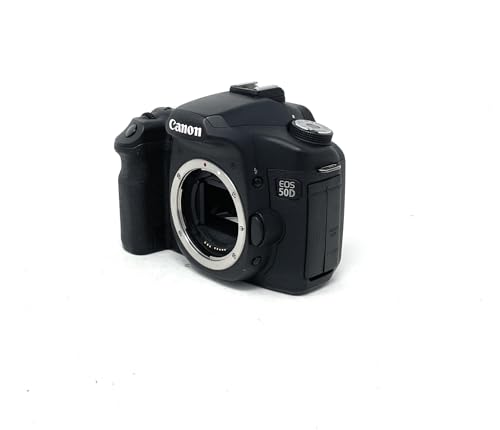
Canon EOS 50D review. Compare 108 technical specifications and user reviews to see how it ranks among cameras and if it is worth buying.
Overall score
What it is: An overall evaluation of the camera's quality, based on technical analyses and user reviews.
When it matters: When you need a quick reference to identify the best cameras on the market.
Score components:
90.0%
Technical Score
10.0%
User score
Technical Score
What it is: An assessment of the camera's technical performance, covering eight key areas: image quality, autofocus, video features, stabilization, lens compatibility, connectivity, battery, and design.
When it matters: When you want to compare cameras based on technical performance and available features.
Score components:
28.0%
Sensor & Image
25.0%
Photo Features
18.0%
Video & Audio
14.0%
Display & Design
8.0%
Battery & Power
7.0%
Connectivity & Storage
User score
What it is: A rating that combines user reviews and the total number of reviews received by the camera.
When it matters: When real-world owner satisfaction and review volume matter to your decision.
Score components:
70.0%
User reviews
30.0%
Popularity
Score components:
25.0%
Sensor size
20.0%
Main camera megapixels
20.0%
Dual card slots
15.0%
N. of focus points
10.0%
RAW photo capture
10.0%
Phase-detection autofocus (photos)
Score components:
35.0%
Weight
30.0%
Battery life (CIPA)
20.0%
Sensor-shift stabilization
15.0%
GPS
Score components:
30.0%
Price
20.0%
Weight
20.0%
AF tracking
20.0%
Battery life (CIPA)
10.0%
Touchscreen
Score components:
30.0%
Main camera megapixels
25.0%
Sensor size
20.0%
Main camera pixel size
15.0%
Sensor-shift stabilization
10.0%
RAW photo capture
Score components:
30.0%
Weight
25.0%
Thickness
20.0%
AF low-light sensitivity
15.0%
Sensor-shift stabilization
10.0%
Eye detection AF (human)
Score components:
30.0%
Sensor size
25.0%
Main camera pixel size
20.0%
Eye detection AF (human)
15.0%
Main camera megapixels
10.0%
Sensor-shift stabilization
Score components:
30.0%
Weight
25.0%
Battery life (CIPA)
20.0%
Min operating temperature
15.0%
Sensor-shift stabilization
10.0%
GPS
Available: ranking among products currently available (including other versions of this product).
All: ranking among all products in the database.
#22 in Best Cheap DSLR Cameras
#25 in Best Canon DSLR Cameras
#47 in Best Canon EOS Cameras
#61 in Best DSLR Cameras
#61 in Best SLR Cameras
#67 in Best Cheap Cameras
#68 in Best Canon Digital Cameras
#77 in Best Cameras under £1000
#121 in Best Cameras under £500
#180 in Best Cameras under £200
#233 in Best Cameras under £300
#299 in Best Cameras
#299 in Best Digital Cameras
#315 in Best Travel Cameras
#340 in Best Cameras for Hiking
What it is: An assessment of the camera's technical performance, covering eight key areas: image quality, autofocus, video features, stabilization, lens compatibility, connectivity, battery, and design.
When it matters: When you want to compare cameras based on technical performance and available features.
Score components:
28.0%
Sensor & Image
25.0%
Photo Features
18.0%
Video & Audio
14.0%
Display & Design
8.0%
Battery & Power
7.0%
Connectivity & Storage
What it is: A rating that combines user reviews and the total number of reviews received by the camera.
When it matters: When real-world owner satisfaction and review volume matter to your decision.
Score components:
70.0%
User reviews
30.0%
Popularity
What it is: An indicator that combines the camera's overall rating with its cost.
When it matters: When you want to know how much overall quality you get for the price.
Score components:
60.0%
Overall score
40.0%
Price
Importance: HIGH
Good value: Full frame or larger
Importance: HIGH
Good value: At least 20 MP
Importance: HIGH
Good value: At least 3.5 µm
Importance: LOW
Importance: MEDIUM
Good value: At least ISO 25,600
Importance: MEDIUM
Importance: MEDIUM
Good value: At least 14-bit
Importance: LOW
Importance: LOW
Importance: LOW
Importance: LOW
Importance: LOW
Importance: LOW
Importance: LOW
Importance: LOW
Importance: MEDIUM
Importance: LOW
Importance: LOW
Importance: LOW
Importance: LOW
Importance: LOW
Importance: HIGH
Good value: At least 200 points
Importance: HIGH
Importance: MEDIUM
Importance: LOW
Importance: LOW
Importance: MEDIUM
Importance: MEDIUM
Importance: HIGH
Good value: At least 5 stops
Importance: LOW
Importance: MEDIUM
Good value: At least 10 fps
Importance: LOW
Importance: LOW
Importance: LOW
Importance: LOW
Importance: LOW
Importance: LOW
Importance: LOW
Importance: LOW
Importance: LOW
Importance: LOW
Importance: LOW
Importance: LOW
Importance: LOW
Importance: LOW
Importance: LOW
Importance: LOW
Good value: At least 200,000 actuations
Importance: LOW
Good value: At least 10x
Importance: HIGH
Good value: At least 3840 px
Importance: MEDIUM
Good value: At least 200 Mbps
Importance: MEDIUM
Good value: At least 10-bit
Importance: LOW
Importance: LOW
Importance: LOW
Importance: LOW
Importance: LOW
Importance: LOW
Importance: LOW
Good value: At least 30 min
Importance: LOW
Importance: LOW
Importance: LOW
Importance: LOW
Importance: LOW
Good value: At least 2 microphones
Importance: LOW
Importance: LOW
Importance: LOW
Importance: LOW
Importance: MEDIUM
Good value: 500 g or less
Importance: LOW
Importance: LOW
Importance: LOW
Importance: MEDIUM
Importance: MEDIUM
Good value: At least 2.36 million dots
Importance: LOW
Good value: 100%
Importance: LOW
Importance: LOW
Good value: At least 120 Hz
Importance: MEDIUM
Good value: At least 3 in
Importance: LOW
Importance: LOW
Importance: LOW
Importance: LOW
Importance: LOW
Importance: LOW
Importance: LOW
Good value: At least 10 m
Importance: LOW
Importance: LOW
Importance: LOW
Importance: LOW
Importance: MEDIUM
Good value: At least 400 shots
Importance: LOW
Good value: At least 1,500 mAh
Importance: LOW
Importance: LOW
Importance: LOW
Importance: LOW
Importance: LOW
Importance: LOW
Importance: LOW
Importance: LOW
Importance: LOW
Importance: LOW
Importance: LOW
Importance: LOW
Importance: LOW
Importance: LOW
Importance: LOW
Importance: LOW
Importance: LOW
Importance: LOW
Importance: HIGH
Importance: MEDIUM
Good value: At least 400 shots
Importance: LOW
Importance: HIGH
Good value: At least 3.5 µm
Importance: MEDIUM
Importance: LOW
Importance: LOW
Importance: LOW
Importance: MEDIUM
Importance: MEDIUM
Importance: MEDIUM
Good value: 500 g or less
Importance: LOW
Good value: At least 2 microphones
Importance: LOW
Good value: 100%
Importance: LOW
Importance: LOW
Importance: HIGH
Good value: At least 20 MP
(Reviews last updated: July 2026)
The Canon EOS 50D is a robust 15.1-megapixel APS-C DSLR featuring a weather-sealed magnesium alloy body, 6.3 fps continuous shooting, and a high-resolution 3.0-inch LCD. Key strengths include improved AF Micro-Adjustment, rapid 9-point cross-type autofocus, and a responsive DIGIC 4 processor. Conversely, high-resolution packing on the sensor results in poorer high ISO noise performance and reduced dynamic range compared to the EOS 40D. Additionally, the camera requires high-end lenses to utilize the sensor fully and exhibits weak automatic white balance under artificial lighting. For the full, detailed review, visit DPReview.
The Canon EOS 50D is a semi-pro digital SLR featuring a significant resolution upgrade to a 15.1-megapixel APS-C CMOS sensor paired with the faster DIGIC 4 image processor, allowing it to maintain a high continuous burst rate of 6.3 frames per second with 14-bit RAW data processing. A major standout feature is its vastly improved 3.0-inch LCD screen boasting a 920,000-dot resolution and anti-glare coatings, which greatly enhances image composition and focus checking in Live View mode. The camera introduces helpful software additions like in-camera Lens Peripheral Illumination (vignetting) Correction, an adjustable Auto Lighting Optimizer, a lens AF micro-adjustment tool to fix front- or back-focusing issues, and a new "Creative Auto" mode to help beginners control background blur. Additionally, it maintains backward compatibility with older EOS 40D accessories, utilizes robust magnesium alloy weather-sealed construction, and delivers incredibly fast autofocus acquisition and low single-point shutter lag times. However, the review highlights several distinct drawbacks, most notably its performance at extended high ISO settings. While standard sensitivities from ISO 100 to 3,200 deliver highly usable, clean results, expanding to H1 (ISO 6,400)...
The-Digital-Picture's review of the Canon EOS 50D highlights a highly responsive mid-range DSLR featuring a 15.1-megapixel APS-C sensor, a robust magnesium alloy chassis, and a fast 6.3 fps continuous shooting rate. Key pros include the high-resolution 3.0-inch LCD screen, AF Microadjustment functionality, and the introduction of sRAW1/sRAW2 file formats for improved workflow. Conversely, the review notes cons regarding high-ISO noise, where image quality degrades at 6400 and 12800, alongside potential softness at the pixel level due to high pixel density. Additionally, the Live View contrast-detection autofocus is characterized as notably slower than traditional phase-detection methods.
The CNET review scores the Canon EOS 50D a 7.8 out of 10, highlighting it as a very good midrange DSLR that offers a compelling, though not quite "must-have," upgrade path for existing Canon users. Powered by a Digic 4 processor, the camera is roughly 30% faster than the previous 40D model, boasting an impressive 0.2-second startup time, 0.4-second autofocus lag in typical conditions, and a 6 frames-per-second continuous shooting burst rate. On the pros side, the review praises the camera's excellent dynamic range, superb image quality up to ISO 3,200, and its solid, weather-sealed physical grip. Key feature upgrades include a crisp 3-inch LCD, a sensor bump to 15 megapixels, support for fast UDMA CF cards, face detection in Live View, and flexible compressed RAW options (7MP and 3.8MP). Conversely, the review notes several distinct cons, emphasizing that the 50D's overall feature set remains relatively basic for its competitive class. It completely lacks a movie or video capture mode, a standard inclusion on many other cameras of its tier. The 50D also recycles an older 9-point autofocus system that...
The Canon EOS 50D, reviewed by Trusted Reviews, is a durable, semi-pro DSLR featuring a solid, rugged construction and fast, high-performance operational speeds. The camera excels with its high-ISO noise control, producing great image quality suitable for demanding environments. However, the review finds the 50D lacks a significant performance advantage over cheaper competitors and offers minimal improvements over the previous EOS 40D, providing little incentive for an upgrade. Combined with a high launch price, the camera faces tough competition in delivering strong value. Trusted Reviews
The Digital Photography School review covers the Canon EOS 50D, a digital SLR camera released in 2008 as a quick follow-up to the popular 40D model. The reviewer, an experienced photographer who uses an older Canon 30D, tests the camera to see if it is a worthy upgrade for enthusiasts. The 50D brings major physical updates, including a tough magnesium alloy body with improved weather sealing and a beautiful 3-inch high-resolution VGA screen that makes checking images much easier. It also introduces a faster DIGIC 4 processor and a 15.1-megapixel APS-C sensor to capture larger image files. When looking at the pros and cons, the camera shines with its snappy performance, robust construction, and accurate 9-point autofocus system. Users love the inclusion of a dedicated Live View button and an HDMI port for easy image sharing. However, the 50D suffers from several notable cons, especially regarding its high-resolution sensor. The increased pixel density causes worse noise performance at higher ISO settings and a tighter dynamic range in shadow areas compared to the older 40D. Reviewers also note poor automatic white...
The Canon 50D is a surprising option for raw video filmmaking when using Magic Lantern custom firmware, acting as a budget-friendly alternative to the expensive 5D Mark III. Released in 2008 without any official video modes, the camera has great physical controls and a strong metal body equal to the higher-end 5D Mark II. Its fast Compact Flash card slot handles the high data speeds needed to shoot beautiful, crisp 14-bit uncompressed raw video. It has great dynamic range, works well in low light, and includes a useful crop mode that delivers clean, highly detailed video. It also works perfectly for quiet timelapse recording without wearing out the mechanical camera shutter. However, this old camera comes with notable downsides. The screen does not tilt and is very hard to see in bright sunlight. When shooting in full sensor mode, the resolution is limited to an odd 3:2 shape, which forces filmmakers to use expensive anamorphic lenses to properly stretch the image into standard widescreen format. Full sensor mode also suffers from visual flaws like wavy lines and rainbow patterns on...
The Canon EOS 50D is a durable and heavy digital SLR camera that delivers impressive image quality, particularly when paired with a high-quality prime lens like the 50mm f/1.4. Its standout features include a massive, vivid rear view-screen with a glare-reducing purplish tint, a backlit monochrome top LCD for rapid setting adjustments, and clean high-ISO performance that minimizes sensor noise in low-light conditions. The reviewer notes that while the camera's full auto mode accurately calculates white balance and lighting without flash, utilizing its advanced capabilities requires a steep learning curve and deliberate physical techniques, such as supporting the heavy body with the left hand to avoid wrist strain. Despite its strong photographic output, the camera is heavily criticized for its poor, inefficient user interface and frustrating Live View execution. A major con is the excessive button-pressing required for basic tasks; for example, users cannot zoom in to check focus immediately after shooting without explicitly pressing the "Review" button first. Additionally, the Live View mode lacks a standard half-press shutter auto-focus, relying instead on a clunky, dedicated AF-ON button and slow...
The Canon EOS 50D, originally launched in 2008, remains a highly capable, stills-only DSLR for budget-conscious photographers and students due to its exceptional, heavy-duty physical build quality and ergonomics. It features a 15.1MP APS-C sensor that delivers usable online imagery and mid-to-large prints, though extracting fine detail requires shooting in RAW and processing with software like Capture One. The camera is highly praised for its classic, highly intuitive physical control layout, featuring a large thumb-operated rear control dial, a dedicated focus joystick, a top LCD status panel, and a unique A-DEP depth-of-field mode. However, its age shows in its limited ISO range (100–3200 native), a basic 9-point autofocus system, a crude live view mode that lacks focus control, and the reliance on legacy CF memory cards. Pros and Cons Breakdown
The Canon EOS 50D, a high-end APS-C DSLR from its era, is praised for a robust magnesium alloy build, a 920,000-dot VGA screen, and a 14-bit RAW workflow powered by a 15 MP sensor and DIGIC 4 processor. Key advantages highlighted include extensive menu customization and a reliable 9-point autofocus system. However, the review notes significant drawbacks, primarily the total lack of video recording functionality and poor high ISO noise performance despite a 100-3200 native range. Other limitations include a reliance on older Compact Flash (CF) cards rather than modern SD, and a 9-point AF system that is outmatched by later models.
Ken Rockwell characterizes the Canon 50D as a serious amateur camera, offering excellent color rendition and robust performance suited for sports photography, largely driven by a 6.3 fps frame rate and a 3.0-inch 920,000-dot LCD screen. Key advantages highlighted include the capability to achieve superior in-camera color saturation, effective high-speed autofocus, and a notable upgrade in screen resolution for image verification. Conversely, the review notes the 15.1-megapixel sensor requires high-quality glass to prevent soft images and mentions that the 1.6x crop factor makes it less suitable for landscapes compared to full-frame alternatives. Rockwell also suggests that many of the camera's features primarily catch up to competitors, rather than introducing ground-breaking technology.
The Canon EOS 50D is a semi-pro DSLR camera that introduces a 15.1-megapixel CMOS sensor alongside a high-performance DIGIC 4 image processor, allowing for fast burst shooting at 6.3 frames per second. It delivers solid image quality with impressive, film-like grain noise control up to ISO 1600, punchy colors, and excellent dynamic range. Key hardware upgrades include a crisp, 3-inch 920,000-pixel LCD screen with an effective anti-reflective coating and live view mode functionalities. It stands as a highly capable and pleasant-to-handle camera, making it an ideal upgrade choice for existing Canon 20D or 30D users. However, the extensive range of functions and electronic features can be overwhelming for users and serves as a major battery drain, making a backup battery essential for day-long shoots. The upgraded LCD monitor is also highly susceptible to smudges and grubby fingerprints, which can drastically reduce overall visibility. Additionally, unsharpened RAW files lack definition in fine details, and the maximum extended ISO settings of 6400 and 12800 suffer from excessive noise. Ultimately, while it boasts a strong and impressive feature set, it is unlikely to...
Canon EOS 50D Review Summary The Canon EOS 50D is a highly responsive DSLR featuring a 15.1 Megapixel APS-C CMOS sensor paired with the powerful DIGIC 4 processor, which delivers a speedy continuous shooting rate of up to 6.3 frames per second (fps). Its 9-point autofocus system uses all cross-type points, keeping moving subjects firmly locked into focus, while the newly introduced AF Micro-adjustment allows users to fine-tune specific lenses. Key software upgrades include Highlight Tone Priority to preserve bright highlights, an adjustable Auto Lighting Optimizer, and built-in Peripheral Illumination Correction to counteract lens vignetting on JPEGs. Furthermore, the camera includes robust anti-dust measures and an impressive bundled EOS Utility software that permits extensive remote control and live view functionality from a computer. On the downside, early users reported occasional "Error-99" communication glitches between the camera body and certain well-used lenses, though Canon issued a firmware update (v1.0.3) to resolve this issue. In terms of hardware limitations, the camera lacks an internal intervalometer, and its USB port cannot supply power, requiring an AC adapter for long-term automated shooting. Additionally, exposure...
Photo Review Australia highlights the Canon EOS 50D as a robust, mid-tier DSLR featuring a 15.1-megapixel APS-C CMOS sensor and a DIGIC 4 processor, bridging the gap between the 40D and 5D Mark II. Key pros include 14-bit image processing, a 6.3 fps continuous shooting speed, and improved ISO performance up to 3200 due to gapless microlenses. Photo Review However, the high-density sensor can produce softer images, requiring high-quality lenses to perform optimally. Additional cons include limited dynamic range compared to older models, struggles with auto white balance, and the lack of a video mode, leading to a verdict that it may not justify an upgrade for 40D owners.
According to Digitalkamera.de, the Canon EOS 50D is a robust, weather-sealed, semi-professional DSLR featuring a 15.1-megapixel APS-C CMOS sensor, the DIGIC 4 image processor, and a high-resolution 3.0-inch LCD. The camera is lauded for its rapid 6.3 frames-per-second continuous shooting and durable magnesium alloy construction. However, the increased pixel density results in worse high-ISO performance and slightly reduced dynamic range compared to the 40D, alongside slow Live View autofocus and poor auto white balance under artificial light. Additionally, the review notes a lack of video functionality, which limits its versatility for modern multimedia use. YouTube
The Canon EOS 50D is a robust, high-performance amateur-class DSLR that claimed the top spot for cameras under €1,000 at the time of its release, delivering 15.1 megapixels of resolution on an APS-C sensor. Designed with a solid, weather-sealed body that is protected against dust and moisture, the camera features an exceptionally ergonomic control wheel, a mini-joystick for menu navigation, and a bright optical viewfinder. Key upgrades over its predecessor include an advanced Digic IV image processor, face detection in Live-View, and an outstanding 3-inch monitor boasting 920,000 pixels with a smooth 30 fps refresh rate. Its standout strength is its blistering speed, clocking a minimal shutter delay of 0.2 seconds and continuous shooting at 6.2 frames per second. Pros and Cons Pros: High image quality, excellent color accuracy, a class-leading high-resolution display, reliable weather-sealed ergonomics, and top-tier burst shooting speeds. Cons: Visible noise reduction and degrading image quality at high-ISO settings (specifically ISO 6,400 and 12,800), an overall resolution output that fails to surpass lower-megapixel competitors despite the sensor upgrade, and the complete lack of an HD video mode....
The Canon EOS 50D is evaluated as a solid, iterative upgrade over its predecessor, the 40D, offering an excellent price-to-performance ratio for a mid-tier DSLR. Built around a highly robust magnesium alloy body, the camera introduces key hardware improvements including a new HDMI output and a vastly enhanced 3-inch TFT monitor featuring 307,000 RGB pixels (920,000 dots), which vastly improves image playback and manual focusing via the Live View 10x zoom magnification. Driven by the DIGIC 4 processor, it captures 15-megapixel images, delivering noticeably higher image resolution, improved dynamic range (9.5 stops up to ISO 800), and lower overall image noise at high sensitivities compared to the 40D. Performance remains snappy with a fast continuous shooting speed of 6.1 frames per second and an incredibly low release delay. DPReview
The Canon EOS 50D is a mid-range digital SLR camera that delivers impressive core performance driven by its 15.1-megapixel sensor and responsive handling. On the positive side, the review highlights its excellent image quality, showcasing high input dynamic range and low image noise up to its standard maximum of ISO 3200. The camera also features a greatly improved, high-resolution 3-inch LCD monitor with 920,000 pixels, which drastically optimizes image previewing compared to its predecessor. Furthermore, it stands out for its versatile flash options—including automatic flash exposure series and long-sync modes—and convenient physical navigation using a rear dial and mini-joystick. Conversely, the review exposes notable downsides, particularly regarding its autofocus usability and the paired kit lens. The Live-View autofocus system was found to be overly cumbersome and unconvincing compared to competing models in its class. The primary bottleneck in performance, however, is the EF-S 17-85mm IS kit lens. It causes extreme barrel distortion at wide angles, a sharp drop-off in brightness toward the image edges, and noticeably low resolution at shorter focal lengths. Ultimately, the review concludes that while the camera...
The Canon EOS 50D is a professional-grade DSLR camera featuring a 15.1-megapixel APS-C CMOS sensor that delivers high-quality, detailed images even in low-light conditions, with ISO performance usable up to 1,600 and expandable to 12,800. The camera stands out for its responsive performance, offering a continuous shooting speed of approximately 5.0 frames per second for JPEGs and an instant start-up time. Additional strengths include a sharp, high-resolution 3.0-inch LCD screen with 920,000 dots that simplifies manual focus during Live View, excellent build quality with intuitive handling via a joystick and control wheels, and a built-in sensor-cleaning system. On the downside, the camera lacks an in-body optical image stabilizer, relying instead on lens-based stabilization. The review notes that the contrast-detection autofocus in Live View is quite slow, and the automatic white balance shows minor regressions compared to its predecessor, the EOS 40D. Furthermore, the optical viewfinder does not offer 100% coverage, and the motorized pop-up flash introduces an unnecessary potential failure point. Finally, while the camera earns a buying recommendation for its value, the reviewer explicitly advises against buying it with...
The Les Numériques review highlights the Canon EOS 50D as a powerful response to competitor cameras in the expert DSLR market. A major strength is its 15-megapixel sensor and a fast continuous burst rate of 6.3 frames per second in both JPEG and RAW modes. The camera also gains praise for its high-quality 3-inch LCD screen, which features 920,000 dots to offer comfortable live-view shooting and easy Quick Menu navigation. Additionally, useful internal tools like automatic brightness, vignetting correction, and micro focus adjustments give users more control over their final shots. However, the review points out that the camera body remains virtually identical to its predecessor, the 40D, offering few physical changes. While the high pixel count sounds impressive, other analyses note that the high density can sometimes result in reduced shadow dynamic range and poorer pixel-level detail unless you pair the camera with expensive, high-end lenses. The standard autofocus system relies on 9 focus points, which can feel limiting compared to newer systems. Finally, the camera lacks any native video recording features, making it strictly a tool for still...
The Canon EOS 50D serves as a powerful, highly reactive DSLR upgrade over its predecessor, the 40D, featuring a boosted 15.1-megapixel APS-C CMOS sensor and an advanced DIGIC 4 image processor. Reviewers highlight numerous pros, including its generous pixel count, excellent overall ergonomics, compatibility with 40D accessories, and a very bright, high-resolution 3.0-inch VGA LCD screen. It introduces notable in-camera enhancements such as automatic peripheral lens illumination (vignetting) correction, a dedicated silent shooting mode in Live View for wildlife photography, and free, functional software like Digital Photo Professional. However, the camera's heavy push for higher resolution brings clear cons, as the pixel density limitations cause a noticeable increase in image noise during high-sensitivity shooting. While it advertises an expanded 12,800 ISO capability, image quality at 3200 and 6400 ISO falls short, proving equal to or slightly worse than the older 40D, with 12,800 ISO generating extreme digital noise. Additional drawbacks include a limited 9-point autofocus system, a lack of protective shielding on the screen making it prone to scratches, and tough competition from rivals like the Nikon D90, which offers...
The reviewer extensively evaluated the Canon EOS 50D during a demanding heli-skiing expedition in Canada, concluding that it is an exceptionally balanced enthusiast-expert camera capable of handling extreme, high-altitude winter elements. On the positive side, the camera offers an outstanding performance-to-weight ratio, packing a 15.1-megapixel APS-C sensor into a relatively lightweight, magnesium alloy body. Additional key strengths include a fast continuous burst rate of 6.3 frames per second—ideal for capturing high-speed winter action—and a vastly upgraded, highly accurate 3-inch, 920,000-dot LCD screen that remains clearly readable even in bright glare without removing sunglasses. The reviewer also praises its highly reliable 9-point cross-type autofocus system and its natural, detailed RAW image output, which handles high-contrast snow environments with excellent highlight roll-off. However, from a professional standpoint, the reviewer notes several distinct drawbacks. The camera suffers from a relative lack of advanced customization options, such as the inability to adjust intermediate burst speeds or fine-tune Auto ISO behavior. Ergonomically, the mode dial lacks a locking mechanism, causing it to frequently slip and accidentally change exposure settings while being carried inside a winter...
The Canon EOS 50D is evaluated as a highly versatile and balanced APS-C camera tailored for demanding expert amateurs and sports or reportage photographers. Designed for extreme fieldwork like backcountry ski photography, it stands out for its robust 15.1-megapixel CMOS sensor, high-speed continuous shooting at 6.3 frames per second, and a beautiful 3-inch high-resolution LCD screen (920,000 pixels) equipped with an anti-reflective coating. The reviewer emphasizes that the camera handles digital noise excellently up to ISO 1000 and remains highly usable up to ISO 3200. Furthermore, its broad compatibility with both lightweight EF-S lenses and professional EF lenses makes it a cost-effective alternative to more expensive setups like the Nikon D300. However, the review highlights several distinct drawbacks and missing features. A major disappointment is the Auto ISO implementation, which is strictly capped at a maximum of ISO 1600 and lacks advanced low/high customization parameters—a sharp contrast to the more flexible options found on competing Nikon bodies. The reviewer critiques Canon's persistent lack of advanced custom menus, noting that the camera body lacks a true weather-proof "tropicalization" rating despite improved...
The Canon EOS 50D is a mid-range DSLR positioned above its predecessor, the 40D, and the entry-level 450D. The review highlights several notable pros, including its upgraded 15-megapixel APS-C CMOS sensor and a fast continuous burst mode of 6.3 frames per second. Users will benefit from a highly detailed 3-inch LCD screen with 920,000 pixels, along with advanced internal processing features like automatic brightness correction, lens vignetting compensation, and precise autofocus micro-adjustments. However, the camera does come with specific cons to consider. According to more exhaustive evaluations of its features, it completely lacks native video recording capabilities, which restricts its use entirely to still photography. Additionally, pushing such a high pixel density (15 megapixels) onto an older APS-C sensor size can cause increased shadow noise and a slightly limited dynamic range when shooting at higher ISO sensitivities. The body is also notably heavy and bulky compared to newer entry-level options, which might reduce its portability for everyday casual use.
The Canon EOS 50D is an expert-level DSLR featuring a high-density 15.1-megapixel APS-C CMOS sensor and the DIGIC 4 processor, which allows for a fast continuous shooting speed of 6.3 fps. A major highlight of the body is the high-quality 3-inch LCD screen with 920,000 dots, which provides a "sumptuous" display for image review and the effective Quick Menu system. While the camera offers impressive noise management up to ISO 1600 and remains usable at ISO 3200, the review notes that the expanded settings of 6400 and 12800 result in significant color noise and loss of detail due to heavy smoothing. The review points out several functional drawbacks, most notably the total absence of a video mode and a very slow contrast-detection autofocus when using Live View. Physical handling is praised for its comfortable proportions, though the battery life is relatively weak at around 450 shots compared to its predecessor. Additionally, the built-in flash lacks an AF assist lamp and cannot wirelessly control external flashes, a feature common among its competitors. Despite these issues, the 50D is recommended for its...
The Canon EOS 50D review highlights a mid-range DSLR engineered for photo enthusiasts and semi-professionals. Officially presented not as a replacement but as a major evolution over the preceding 40D, its core feature is an updated 15.1-megapixel APS-C CMOS sensor combined with a powerful DIGIC 4 processor. This hardware setup enables fast continuous burst shooting at up to 6.3 frames per second (fps), a highly responsive 9-point all-cross-type autofocus system, and an expansive ISO range expandable up to 12,800. The camera is encased in a rugged magnesium alloy body featuring a 3.0-inch high-resolution VGA LCD screen boasting 920,000 dots for crisp image and live view playback. Analyzing its performance, the pros of the Canon EOS 50D center around its excellent build quality, fast operational speeds, and a crisp, high-density display that makes focusing via Live View significantly easier. Image quality is strong at lower sensitivities, delivering highly accurate colors, minimal image noise at ISO 100-200, and comprehensive data retention within its RAW files. On the other hand, the cons include increased image noise when jumping to the highest ISO sensitivity...
The Camerarace review of the Canon EOS 50D highlights a durable, enthusiast-level DSLR featuring a 15.1-megapixel APS-C CMOS sensor, a DIGIC 4 processor, and a rugged magnesium alloy, weather-sealed body. It boasts a 9-point cross-type autofocus system, 6.3 fps burst shooting, and a high-resolution 3.0-inch 920k-dot fixed screen. Limitations stemming from its 2008 design include a complete lack of video recording, restricted Live View functionality without active contrast-detection autofocus, and reliance on CompactFlash (CF) memory cards. The camera also features a fixed LCD screen, lacking the modern, fully articulated displays found on newer models.
The DXOMARK review of the Canon EOS 50D highlights this August 2008 DSLR as a mid-range semi-professional camera option that scores an overall sensor rating of 63. In specific performance sub-scores, the camera achieves 21.8 bits for portrait photography (color depth), 11.4 EV for landscape photography (dynamic range), and a low-light ISO rating of 696 for sports photography. While the review positions it slightly ahead of entry-level options like the Canon EOS 1000D (score of 62), it noticeably lags behind newer or higher-tier sensors from competitors, such as the Nikon D7200 (score of 87) or the Sony A6300 (score of 85). Analyzing the test metrics reveals a distinct set of advantages and drawbacks for the device. On the pros side, the camera offers reliable portrait color response and a capable sports photography capability at its price tier, backed by a robust, professionally-oriented design. However, the prominent cons include a quite restricted low-light ISO threshold (696) and a limited dynamic range performance (11.4 EV) compared to competing modern sensors. These metrics indicate that the sensor struggles significantly with shadow noise and...
The DXOMARK lab testing of the Canon EOS 50D reveals a mid-tier overall sensor performance score of 63, reflecting its release in August 2008. While the camera represented a significant jump to a 15.1-megapixel APS-C CMOS sensor compared to its predecessor, DXOMARK evaluation metrics—such as color sensitivity, tonal range, and dynamic range—show that it lags behind its later cross-brand rivals like the Nikon D7200 (score of 87) and Sony A6300 (score of 85). It does, however, maintain highly competitive metrics in color metamerism, scoring an 87 under daylight conditions (CIE-D50 illuminant) and an 80 under tungsten lighting (CIE-A illuminant), demonstrating a robust capability to interpret color data across different lighting spectrums. The primary pros highlighted by this sensor evaluation include a high color fidelity and strong white balance scales under daylight, alongside a significant resolution boost that offers greater potential for cropping images compared to earlier 10-megapixel models. On the other hand, the cons focus heavily on its limitations in modern shooting environments. Because it packs 15.1 million pixels into an older APS-C sensor architecture, the camera suffers from reduced...
The Xataka Foto review highlights the Canon EOS 50D as a highly competitive digital SLR designed for advanced enthusiast photographers looking to upgrade their camera bodies. Equipped with a high-resolution 15.1-megapixel CMOS sensor and a DIGIC 4 processor, the camera stands out for its impressive speed, capable of reaching continuous shooting bursts of 6.3 frames per second up to 90 JPEG images. Its robust magnesium alloy body delivers excellent ergonomics and weather protection, adding a reassuring sense of safety and durability in the hand. Additional major strengths outlined in the review include a pristine, anti-reflective 3-inch LCD screen with 920,000 pixels, real-time face detection during an improved Live View mode, and excellent low-light noise control with usable images up to ISO 1600 and 3200. On the downside, the review notes that the Canon EOS 50D brings relatively few major advancements when compared directly to its predecessor, the EOS 40D, which shares a very similar design and baseline feature set. Photographers might also find its 9 autofocus points a bit limiting and scarce compared to newer rival models on the market....
The Canon EOS 50D is highlighted as a compelling, mid-range DSLR successor to the 40D, positioning itself as a strong contender in the enthusiast photography market. Driven by a new DIGIC 4 processor, the camera features notable design upgrades including a weather-sealed magnesium alloy body that guards against dust and rain, an integrated body-cleaning system, and a highly improved 3-inch LCD screen boasting a rich 920,000-dot resolution. It delivers snappy performance with a fast continuous shooting speed of up to 6.3 frames per second and covers an expandable sensitivity range spanning from ISO 100 to 12800. YouTube · The camera provides an array of performance pros and cons to weigh carefully: Pros: Robust, Durable Build: Features a highly professional, weather-sealed magnesium alloy body that offers great ergonomic comfort and environmental protection. High-Speed Performance: Boasts an impressive continuous burst rate of 6.3 fps alongside an instantaneous startup time and swift data processing. Upgraded Display: Equipped with a large, ultra-sharp 3-inch VGA resolution display (920k dots) providing clear visibility and wider viewing angles for reviewing focus. Cons: Lack of Video Capabilities: The...
The Canon 50D represents a high-resolution leap over its predecessor, the 40D, by upgrading from 10 to 15 megapixels on an APS-C sensor, which demands high-quality lenses and careful shooting techniques to avoid blur. While its resolution matches the performance of 38 megapixels on a full-frame sensor and enables large prints or deep cropping, the camera suffers from severe noise at its expanded ISO sensitivities. In testing, the top ISO settings of 6400 and 12800 proved entirely unusable, with overall noise levels remaining mostly on par with, or slightly worse than, the cheaper 40D. Additionally, features like its sluggish Live View autofocus and extra sRAW modes offer little practical value, and it completely lacks video recording capabilities. Despite these marketing exaggerations, the 50D stands as a solid DSLR that delivers sharp, detailed images when paired with excellent optics. Its high-resolution 3-inch LCD screen is a major visual upgrade, and the camera body remains considerably lighter, smaller, and more portable than professional full-frame bodies like the 1Ds Mark III. In side-by-side quality comparisons, it holds its ground remarkably well against cameras...
The provided field test of the Canon EOS 50D highlights its performance in terms of spatial resolution and built-in vignette compensation when paired with standard kit lenses. Testing with the EF 17-85mm F/4-5.6 IS USM zoom lens reveals a highly uniform sharp performance across a sensitivity range from 100 to 1600 ISO. However, a notable con of the system is the prominent drop in sharpness at the 85mm telephoto focal length, which requires significant stopping down of the aperture to correct. Additionally, digital artifacts like moiré become a consistent drawback at and above 800 ISO, whereas lower settings like 100 and 400 ISO remain clean and unaffected. On the positive side, a key pro highlighted in the review is the effectiveness of the camera's integrated peripheral illumination correction algorithm. Tested with an EF 18-55mm F/3.5-5.6 IS lens, the in-camera vignettatura limiter successfully recognizes the lens profile and bridges the light fall-off gap between the center and the edges of the frame. Activating this feature provides a precise gain of roughly 0.6 stops of light at the corners. This correction proves...
The Canon EOS 50D review focuses on how this prosumer digital DSLR upgrades the older EOS 40D model. The camera keeps the same outer design as its predecessor but introduces a brand-new 15.1-megapixel APS-C CMOS sensor. Canon built this sensor with "gapless" micro-lenses to reduce the space between photodiodes and improve light gathering. It features nine autofocus points, a fast DIGIC 4 image processor, and can shoot at a swift 6.3 frames per second. The review examines how well this new tech controls noise, handles high ISO levels, and reproduces smooth color tones. The review highlights distinct pros and cons for this mid-range camera. The major pros include its high-resolution sensor and its very fast continuous shooting speed of 6.3 fps, which makes it great for catching action. It also benefits from the speedy DIGIC 4 processor and a sensor designed to minimize pixel gaps. However, a key con mentioned is that the camera body looks identical to the older 40D, offering no external innovation. The review also hints at the ongoing challenge of managing image noise and keeping good...
The Tweakers review characterizes the Canon EOS 50D as a robust, well-engineered mid-range DSLR featuring a new 15.1-megapixel CMOS sensor and DIGIC 4 processor, which delivers high-resolution images, fast startup times, and 6.3 fps burst speeds. Key pros include an exceptional 920,000-dot VGA LCD screen with high legibility, alongside a durable, comfortable magnesium alloy body. However, the 15.1-megapixel sensor shows increased high ISO noise and reduced dynamic range in shadows compared to its predecessor, often requiring high-end glass for optimal sharpness. Additional cons include poor automatic white balance under artificial light and the lack of a native video mode, notes the review.
The Fotografie.nl review by Lars Polder evaluates the Canon EOS 50D, highlighting its transition to a 15-megapixel sensor and a new Digic IV processor. On the positive side, the review praises the camera's excellent 930,000-pixel LCD screen, which is notably sharper than its predecessor's. It also commends the inclusion of contrast-detection autofocus in Live View (preventing image interruption), upgraded weather sealing, a new Creative Auto mode, and a highly practical interactive info screen. Performance-wise, the camera remains incredibly fast, maintaining a high continuous shooting speed of 6.3 frames per second, and features useful in-camera tools like automatic vignetting correction and multi-level noise reduction. However, the review introduces significant criticism regarding the camera's image quality and the "megapixel race". A major con is that the 50% jump in pixels leads to increased noise. This forces heavier noise reduction that ultimately compromises sharpness, leaving the real-world detail rendering on par with standard 12-megapixel cameras rather than offering a true 15-megapixel advantage. Additionally, the review notes that the contrast-based Live View autofocus is slow and hesitant. It also criticizes the Auto Lighting Optimizer...
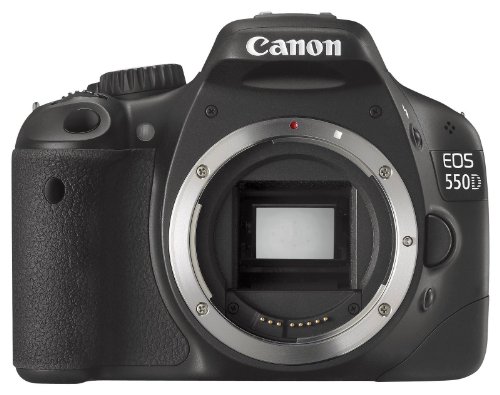
In contrast, the 50D’s primary strengths lie in its robust build and ergonomic design, featuring a magnesium body, a convenient rear scroll wheel, and a secondary top LCD screen. While it displays more noise at high ISOs, the reviewer found that it produced sharper images at 100% magnification compared to the 550D, which can appear slightly "soft". Ultimately, the reviewer preferred the 50D for its professional feel and handling, though they noted the 550D is an excellent, more modern alternative for those not accustomed to higher-end DSLR bodies.
The Canon EOS 50D review highlights the camera as a highly reliable semi-professional DSLR that builds significantly upon its predecessor, the EOS 40D, targeting advanced hobbyists and studio environments. Equipped with a newly designed 15.1-megapixel sensor and a powerful DIGIC IV processor, the camera easily manages large data streams while keeping a snappy operational speed. Key pros mentioned in the review include its excellent image detail, highly useful sRAW options for smaller raw files, and an exceptional VGA-resolution LCD screen that allows for perfect 1-on-1 sharpness checks. Furthermore, it offers lens-specific autofocus micro-adjustments to eliminate front- or back-focusing issues, a silent shutter Live View mode perfect for macro or wedding photography, and a handy HDMI output for high-quality display on televisions. Conversely, the review notes a few notable cons regarding the camera's feature adjustments and specific operations. A main disadvantage is that the 50D sacrifices one of the convenient Custom (C) modes on the mode dial to make room for a new Creative Auto (CA) program, a feature whose value is questioned for advanced users. Additionally, autofocusing while in Live...
This Dutch review provides a detailed evaluation of the Canon EOS 50D DSLR camera body, written from the perspective of an advanced enthusiast who shoots exclusively in RAW using manual and semi-automatic modes (P, Av, Tv, M). The reviewer notes that the 50D bridges the performance gap created during previous generations, successfully placing the mid-range xxD lineup ahead of entry-level series. It is praised as a robustly built, fast camera body with excellent ergonomics, an intuitive menu system, and a handy "My Menu" customization feature. Battery life is solid, yielding between 600 and 1,100 shots per single BP-511 charge depending on screen usage. Key advantages of the 50D include a highly responsive 9-point cross-type autofocus system (especially when paired with high-end Canon L-series lenses), a vibrant 3-inch high-resolution LCD screen, permanent ISO visibility in the viewfinder, and low image noise scaling up to ISO 800 and 1600. However, the reviewer points out several noticeable limitations, concluding that the 15.1-megapixel sensor was not Canon's best creation as the extra resolution often results in softer images that lack sharpness compared to a...
In this review, Patrick Mollema provides a critical assessment of the Canon 50D, highlighting that while it is a well-built camera, it suffers from several functional design choices and limitations related to its high pixel count. On the positive side, Mollema praises the camera's exceptional color reproduction, highly accurate automatic white balance, and an outstanding, true-to-life LCD display that outperforms contemporary Nikon rivals. The physical build is also a major plus, featuring two convenient control dials for independent shutter speed and aperture adjustments, along with a dedicated button for direct access to color settings. He notes that the camera is capable of producing beautiful images with an impressive sharpness fall-off that mimics full-frame bodies.
This review comparison concludes that a head-to-head matchup between the Canon EOS 550D and the Canon EOS 50D results in a tie, as both digital SLRs possess distinct performance trade-offs. The newer 550D utilizes an 18-megapixel sensor paired with an advanced iFCL 63-zone metering system, which delivers fuller, more vibrant color rendition and significantly cleaner images with less noise at high sensitivities like ISO 3200 and 6400. Conversely, the 15-megapixel 50D offers a distinct advantage in raw image sharpness when pixel-peeping at a 100% view, but its major con is heavily pronounced, distracting digital noise at those same high ISO settings. In terms of physical build and handling, the Canon EOS 50D serves as a superior, more durable workhorse thanks to its robust magnesium alloy body, weather sealing against dust and rain, and a long-lasting shutter rated for 100,000 clicks. The 50D also features a highly practical rear command dial, a top LCD settings screen, and more custom settings, making it much more comfortable when balancing heavy telephoto lenses. On the downside, the 550D features a lightweight body that feels...
Compare