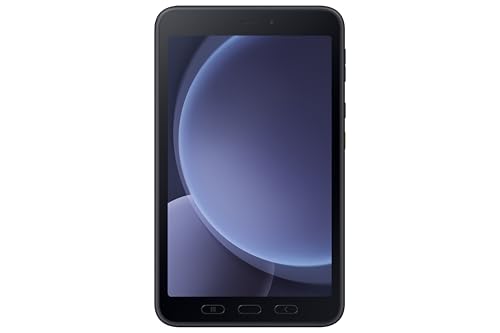
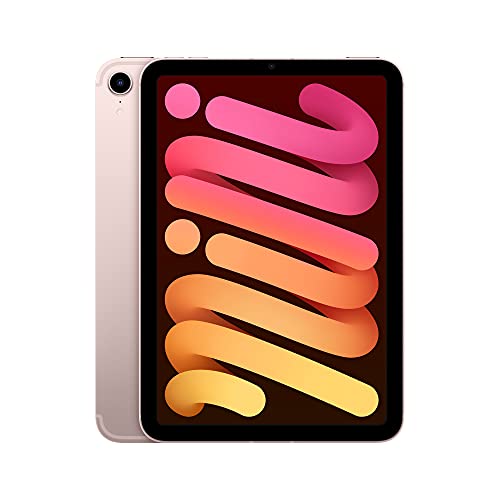
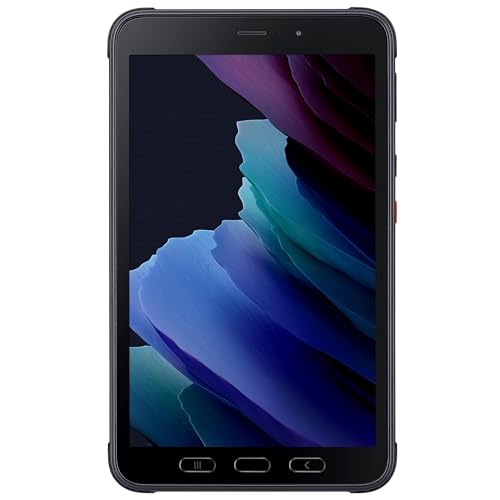
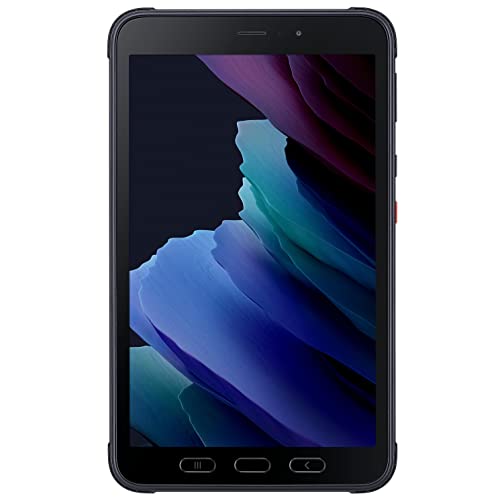
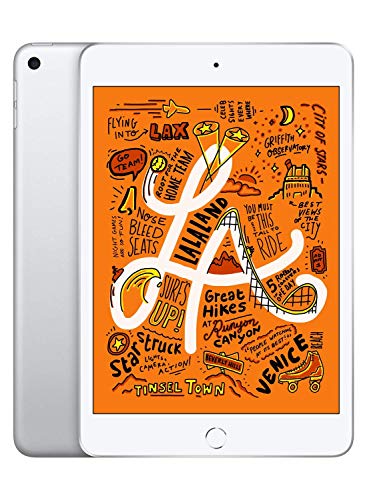
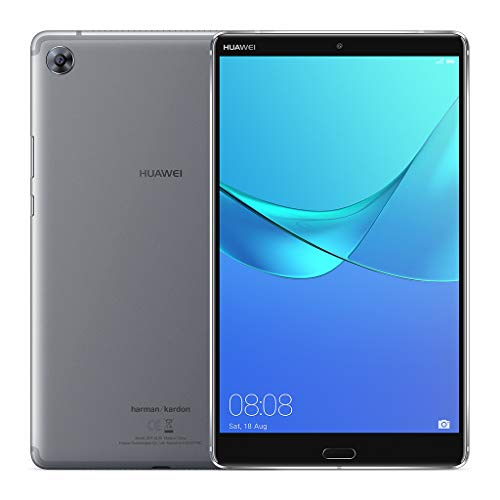
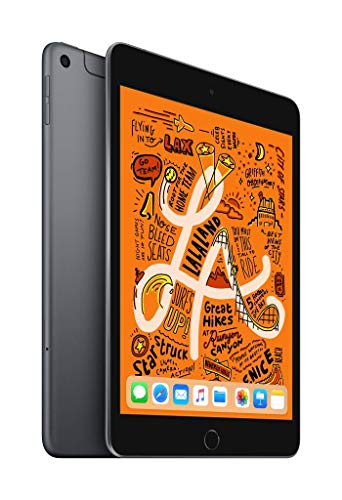
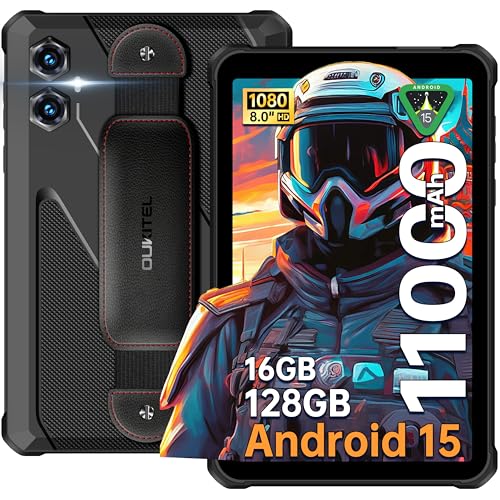
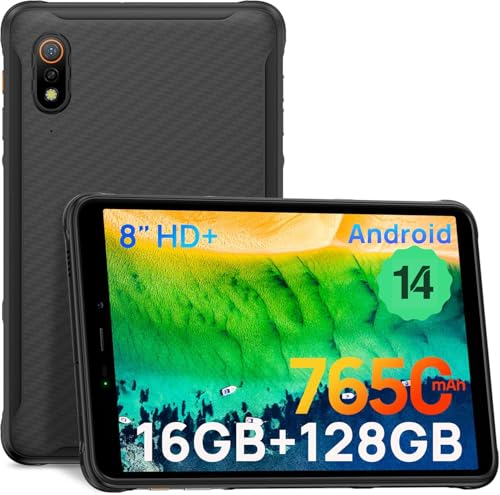
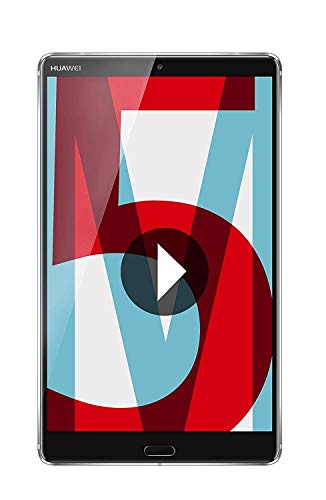
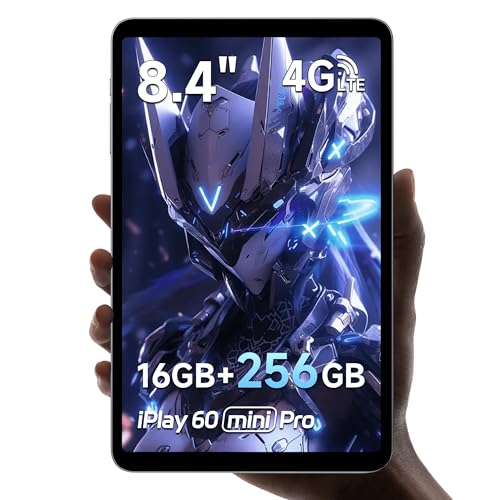
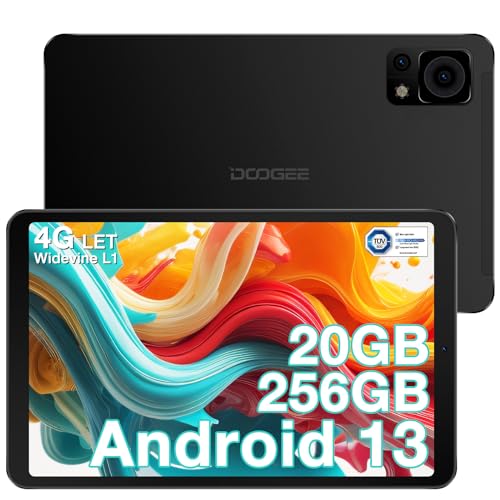
What are 8-inch tablets good for?
8-inch tablets are the best for the following uses:
- Portability: Small size and light weight make them easy to carry in a bag or even in one hand.
- Reading and browsing: The screen is large enough for e-books, articles, and websites, but still compact compared to bigger tablets.
- Video and streaming: The display works well for movies, TV, or YouTube, especially when you hold it close.
- Gaming: Many casual and mid-level games run smoothly on 8-inch tablets, and the size gives a better grip than larger devices.
- Note-taking: The screen supports handwriting and quick notes with a stylus or on-screen keyboard.
- Kids’ use: The balance of screen size and weight suits children for learning apps, cartoons, or games.
- Travel: The battery usually lasts several hours and the device fits well on planes, trains, or cars.
Which brands make the best 8-inch tablets?
The best 8-inch tablet brands are as follows.
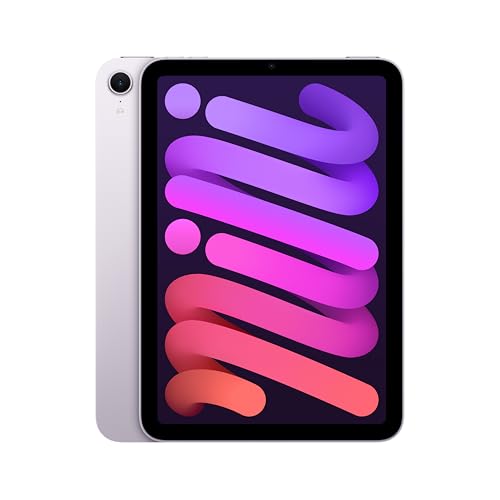
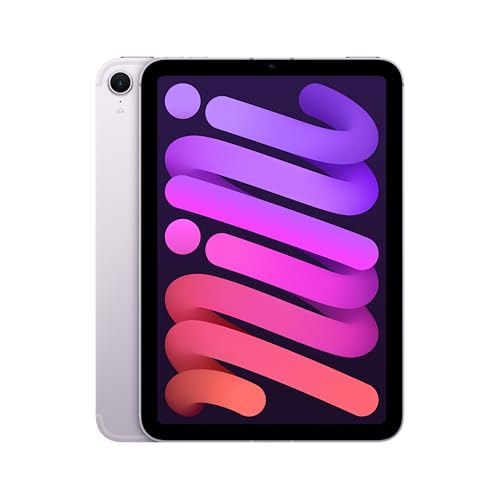
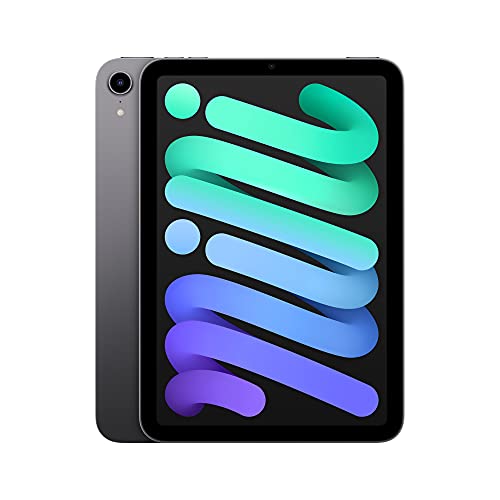
- Apple (Overall score: 7.8 points)
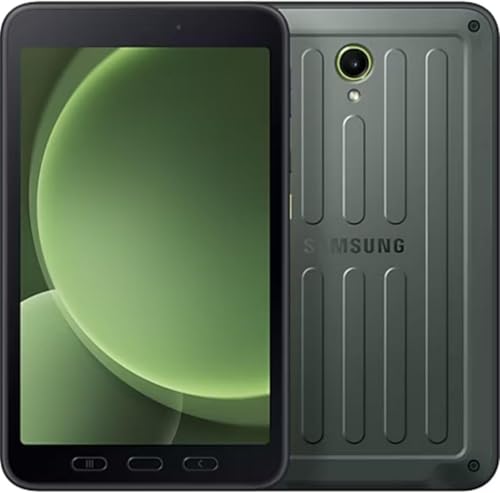
- Samsung (Overall score: 6.4 points)
- Xiaomi (Overall score: 6.2 points)
The chart below ranks 8-inch tablet brands based on their overall scores.
[horizontal-chart-03038685713031161377091153058512551817760168010289]
How much do 8-inch tablets cost?
8-inch tablets cost less than larger models and usually fall into the budget or mid-range price category.
- Basic models with limited storage and standard displays start around £85 and go up to £170. These are good for web browsing, streaming, and simple apps.
- Mid-range 8-inch tablets range between £170 and £340. They often have higher resolution displays, faster processors, and better storage capacity. At this level, tablets can handle multitasking, gaming, and productivity apps more smoothly.
- Premium 8-inch tablets can reach £340 to £510 depending on brand and specifications. These include high-quality displays, stronger processors, and longer battery life.
The chart below illustrates how prices are distributed across 8-inch tablets.
[vertical-chart-04491634791607128957053364911925800833840994128706]
What should you consider when buying the best 8-inch tablet?
When you choose the best 8‑inch tablet, you should look at the following key factors:
- Display quality: The sharpness, brightness and color accuracy of the screen matter a lot on an 8‑inch device because you spend most of your time looking at it. A Full HD (1920x1200) or higher resolution gives crisp text and clear visuals, while an IPS or AMOLED panel improves viewing angles and contrast. Tablets like the Samsung Galaxy Tab A-series use high‑quality displays that handle streaming and reading well.
- Performance and chipset: A strong processor (Snapdragon, Apple A‑series, or MediaTek chips) controls how smooth the tablet feels. If you need basic browsing and eBooks, an entry‑level chip works, but games, multitasking, or work apps need faster processors and more RAM. For example, Apple’s iPad Mini runs applications faster than many Android 8‑inch models because of its A‑series chip.
- Battery life: Long battery life matters because tablets are often used for travel or media. Modern 8‑inch models usually last between 8 to 12 hours of continuous usage. Devices from Lenovo Tab M series or Amazon Fire HD 8 show solid endurance for reading and video without frequent charging.
- Software ecosystem: The operating system controls app selection, updates, and ease of use. iOS on the iPad Mini gives seamless updates and access to optimized apps, while Android tablets from Samsung or Lenovo give more flexibility with microSD support or customized software layers. Amazon Fire OS connects strongly with Kindle and Prime Video but limits app variety.
- Build quality and design: Tablets differ in durability, weight, and ergonomics. Slim metal designs like the iPad Mini feel premium and lighter in the hand, while budget models from Amazon use plastic builds that handle drops better but feel less refined. Weight and grip matter more on an 8‑inch device because people often hold it for long reading sessions.
- Connectivity and storage: You should check if the tablet has expandable storage, headphone jack, or cellular connectivity. Some compact tablets like Samsung Galaxy Tab A8 support microSD expansion for higher storage capacity, while iPads lock you into fixed storage tiers. Connectivity options like USB‑C also affect how quickly you transfer files or charge the device.