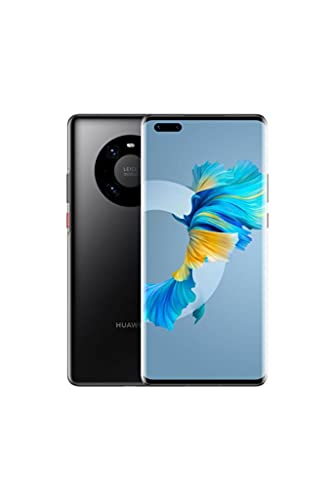
Huawei Mate 40 Pro 5G (8GB + 256GB) review. Compare 197 technical specifications and user reviews to see how this product ranks in the Smartphones category and whether it is worth buying.
Overall score
What it is: An overall evaluation of the smartphone's quality, based on technical analyses and user reviews.
When it matters: When you need a quick reference to identify the best smartphones on the market.
Score components:
90.0%
Technical Score
10.0%
User score
Technical Score
What it is: An assessment of the smartphone's technical performance, covering eight key areas: performance & hardware, software, camera, connectivity, display, battery, audio, and design.
When it matters: When you want to compare smartphones based on technical performance and available features.
Score components:
25.0%
Performance & Hardware
18.0%
Camera
15.0%
Display
15.0%
Battery
10.0%
Software
10.0%
Connectivity
4.0%
Audio
3.0%
Design
User score
What it is: A rating that combines user reviews and the total number of reviews received by the smartphone
When it matters: When you want to know how a smartphone handles daily tasks and how reliable it remains over time according to user feedback.
Score components:
70.0%
User reviews
30.0%
Popularity
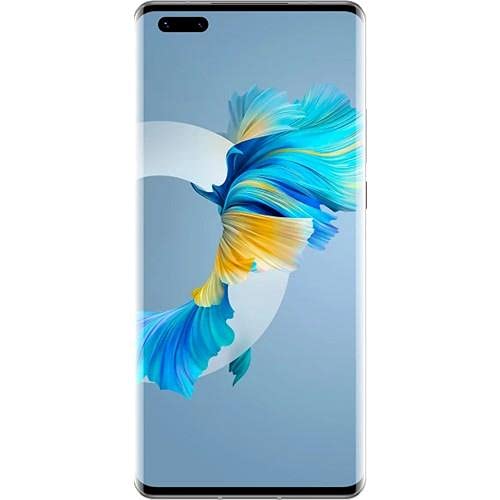
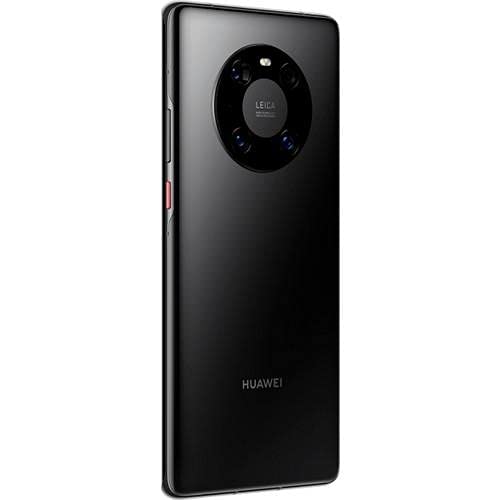
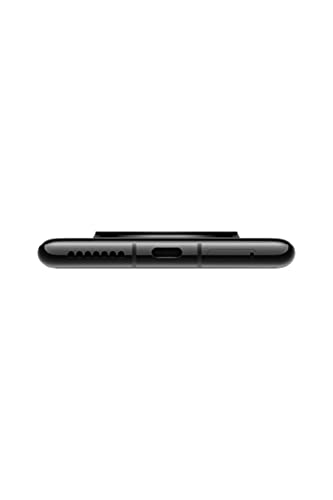
Available: ranking among products currently available (including other versions of this product).
All: ranking among all products in the database.
#11 in Best Huawei Phones
#44 in Best Camera Smartphones
#136 in Best Smartphones Under £400
#139 in Best Mid-Range Smartphones
#170 in Best Smartphones Under £500
#179 in Best Chinese Smartphones
#240 in Best Value Smartphones
#272 in Best Large-Screen Smartphones
#284 in Best Android Smartphones
#300 in Best NFC Smartphones
#306 in Best 5G Smartphones
#310 in Best AI Smartphones
#311 in Best Smartphones
#645 in Best Battery Life Smartphones
What it is: An assessment of the smartphone's technical performance, covering eight key areas: performance & hardware, software, camera, connectivity, display, battery, audio, and design.
When it matters: When you want to compare smartphones based on technical performance and available features.
Score components:
25.0%
Performance & Hardware
18.0%
Camera
15.0%
Display
15.0%
Battery
10.0%
Software
10.0%
Connectivity
4.0%
Audio
3.0%
Design
What it is: A rating that combines user reviews and the total number of reviews received by the smartphone
When it matters: When you want to know how a smartphone handles daily tasks and how reliable it remains over time according to user feedback.
Score components:
70.0%
User reviews
30.0%
Popularity
What it is: An indicator that combines the smartphone's overall rating with its cost.
When it matters: When you are looking for a smartphone with a good balance between quality and price.
Score components:
60.0%
Overall score
40.0%
Price
Importance: LOW
Importance: HIGH
Importance: HIGH
Good value: >12 GB
Importance: MEDIUM
Good value: >256 GB
Importance: MEDIUM
Good value: >3.2 GHz
Importance: LOW
Importance: MEDIUM
Good value: >1500
Importance: LOW
Good value: >4000
Importance: LOW
Good value: 8+
Importance: LOW
Importance: LOW
Good value: >950 MHz
Importance: LOW
Good value: >700
Importance: LOW
Good value: >1000
Importance: LOW
Good value: >2500
Importance: MEDIUM
Good value: >6000
Importance: LOW
Good value: >8000
Importance: MEDIUM
Good value: >12000
Importance: LOW
Good value: >5000
Importance: LOW
Good value: >1800
Importance: LOW
Good value: >3200 MHz
Importance: LOW
Good value: 5
Importance: LOW
Good value: > 50 GB/s
Importance: LOW
Good value: 4
Importance: LOW
Good value: >16 GB
Importance: MEDIUM
Good value: <6 nm
Importance: MEDIUM
Good value: >9 W
Importance: LOW
Importance: LOW
Good value: >8192 KB
Importance: LOW
Good value: >2048 KB
Importance: LOW
Good value: >512 KB
Importance: LOW
Good value: >100000 million
Importance: LOW
Good value: 3.3
Importance: LOW
Good value: 3.2
Importance: LOW
Good value: 2.0/3.0
Importance: LOW
Importance: LOW
Importance: LOW
Importance: MEDIUM
Importance: LOW
Importance: LOW
Importance: LOW
Importance: LOW
Importance: LOW
Importance: LOW
Importance: LOW
Importance: LOW
Importance: LOW
Importance: LOW
Importance: LOW
Importance: LOW
Importance: LOW
Importance: LOW
Importance: LOW
Importance: LOW
Importance: LOW
Importance: LOW
Importance: LOW
Importance: LOW
Importance: LOW
Importance: LOW
Importance: LOW
Importance: LOW
Importance: LOW
Importance: LOW
Importance: LOW
Importance: LOW
Importance: LOW
Importance: LOW
Importance: LOW
Importance: LOW
Importance: LOW
Importance: MEDIUM
Good value: >50 MP
Importance: MEDIUM
Importance: HIGH
Good value: >60
Importance: LOW
Good value: ≥1.2 µm
Importance: MEDIUM
Good value: >2.5x
Importance: MEDIUM
Importance: LOW
Importance: LOW
Importance: LOW
Importance: LOW
Good value: ≥2
Importance: LOW
Importance: LOW
Importance: LOW
Importance: LOW
Good value: >16 MP
Importance: LOW
Importance: LOW
Importance: LOW
Importance: LOW
Importance: MEDIUM
Importance: LOW
Importance: LOW
Importance: LOW
Importance: LOW
Importance: LOW
Importance: LOW
Importance: LOW
Importance: LOW
Importance: LOW
Importance: LOW
Importance: LOW
Importance: LOW
Importance: LOW
Importance: LOW
Importance: LOW
Importance: LOW
Importance: LOW
Importance: LOW
Importance: LOW
Importance: LOW
Importance: LOW
Good value: >130
Importance: LOW
Good value: >120
Importance: LOW
Good value: ≥2
Importance: LOW
Importance: LOW
Importance: LOW
Importance: LOW
Importance: LOW
Importance: LOW
Good value: >5.2
Importance: LOW
Importance: LOW
Importance: LOW
Importance: LOW
Good value: 3.1/3.2
Importance: LOW
Importance: LOW
Importance: LOW
Good value: ≥2
Importance: LOW
Importance: LOW
Importance: LOW
Importance: LOW
Importance: LOW
Importance: LOW
Importance: LOW
Importance: LOW
Importance: LOW
Importance: LOW
Importance: LOW
Importance: LOW
Importance: LOW
Importance: LOW
Importance: LOW
Importance: LOW
Good value: ≥6.6 inches
Importance: MEDIUM
Importance: LOW
Good value: >400 ppi
Importance: MEDIUM
Importance: MEDIUM
Good value: ≥120 Hz
Importance: LOW
Importance: LOW
Good value: >300 Hz
Importance: LOW
Good value: >800 nits
Importance: LOW
Good value: >1300 nits
Importance: LOW
Good value: >1000 nits
Importance: LOW
Importance: LOW
Importance: LOW
Importance: LOW
Importance: LOW
Importance: LOW
Importance: LOW
Importance: LOW
Importance: HIGH
Good value: >5000 mAh
Importance: MEDIUM
Good value: >60 W
Importance: LOW
Importance: LOW
Good value: <45 min
Importance: LOW
Importance: LOW
Good value: >40 W
Importance: LOW
Importance: LOW
Good value: >10 W
Importance: LOW
Importance: LOW
Importance: MEDIUM
Importance: LOW
Good value: >800
Importance: LOW
Importance: LOW
Importance: LOW
Importance: LOW
Importance: LOW
Good value: ≥3
Importance: LOW
Importance: LOW
Importance: LOW
Importance: LOW
Importance: LOW
Importance: LOW
Importance: LOW
Good value: <162 mm
Importance: LOW
Good value: <75 mm
Importance: LOW
Good value: <8 mm
Importance: LOW
Good value: <190 g
Importance: LOW
Good value: <98cm³
Importance: LOW
Importance: LOW
Importance: LOW
Importance: LOW
Importance: LOW
Importance: LOW
Good value: ≥1.5 m
Importance: LOW
Importance: LOW
Good value: >8
Importance: LOW
Importance: LOW
Importance: MEDIUM
Good value: >2.5x
Importance: HIGH
Good value: >60
Importance: MEDIUM
Importance: LOW
Importance: MEDIUM
Importance: LOW
Good value: ≥1.2 µm
Importance: MEDIUM
Good value: >3.2 GHz
Importance: LOW
Good value: >400 ppi
Importance: MEDIUM
Good value: ≥120 Hz
Importance: LOW
Importance: HIGH
Good value: >5000 mAh
Importance: LOW
Good value: >800
Importance: LOW
Importance: LOW
Importance: LOW
Importance: LOW
(Reviews last updated: August 2026)
Dominik Bärlocher’s review on Digitec presents the Huawei Mate 40 Pro as a powerful device that nearly overcomes the lack of native Google services, highlighted by the efficient Kirin 9000 chipset that handles intense workloads without overheating. While the 50MP main sensor and 5x zoom offer top-tier, AI-driven photography, the camera is hindered by a forced blurring filter and unreliable stabilization in low light. Ultimately, the device is considered a capable tool for enthusiasts willing to navigate the limitations of the HMS ecosystem, offering a refined, albeit specialized, user experience. Digitec.ch
The Huawei Mate 40 Pro is a high-end 5G flagship featuring the Kirin 9000 chipset, a 6.76-inch 90Hz OLED display, and a distinctive "Space Ring" camera design. For its S$1,598 price point, it delivers premium hardware including 66W wired and 50W wireless fast-charging, IP68 water resistance, and a highly responsive 240Hz touch sampling rate. Its imaging system, led by a 50MP Ultra Vision camera with an RYYB sensor, produces excellent color and detail even in challenging conditions, though the main lens notably lacks optical image stabilisation (OIS). The most significant drawback remains the absence of Google Mobile Services (GMS), forcing users to rely on Huawei Mobile Services (HMS) and the AppGallery. While the Petal Search tool helps users find unofficial APKs for missing apps like WhatsApp and Instagram, many core services like YouTube, Gmail, and Google Drive do not function properly or require browser-based workarounds. Furthermore, while the AppGallery has improved with local banking and essential apps like TraceTogether, many high-quality games and productivity tools still require manual side-loading, which may be a barrier for less tech-savvy users. Performance-wise, the...
The Huawei Mate 40 Pro features a premium 6.76-inch 90Hz OLED display, a powerful 5nm Kirin 9000 chipset, and industry-leading 66W wired/50W wireless charging. Its camera system is highly capable, featuring a 50MP main sensor, 20MP ultra-wide, and 5x optical zoom, complimented by AI-driven, gesture-based software features. However, the device lacks Google Mobile Services (GMS), which hampers app availability and functionality for users outside China. Tech Advisor
The Huawei Mate 40 Pro is a masterclass in hardware, boasting an exquisite design with a shimmering silver finish and a vibrant 6.76-inch OLED display that curves elegantly at the edges. Its internal power is equally formidable, featuring the Kirin 9000 processor and up to 512GB of storage, ensuring a lag-free experience even with demanding apps. However, this premium build is offset by a notably large selfie camera notch that cuts into the screen and a high price point that makes it a significant investment. The device's photography and battery capabilities are standout features, with the triple-lens rear camera delivering professional-grade results across various conditions. It offers a class-leading 5x optical zoom and an outstanding night mode that uncovers details in near-total darkness. Complementing this is an impressive 4,400 mAh battery that easily lasts over a day and supports ultra-fast 66W wired and 50W wireless charging. Despite the hardware excellence, the phone is severely hampered by ongoing software restrictions due to the lack of Google Mobile Services. Essential apps like Gmail, Google Maps, and YouTube cannot run natively, forcing users...
The ZDNet review highlights the Huawei Mate 40 Pro as a top-tier flagship in terms of hardware, featuring a unique "Space Ring" camera design and the fast 5nm Kirin 9000 chipset. Key strengths include a highly versatile Leica-branded camera system, exceptional low-light performance, and fast 66W wired charging. However, the absence of Google Mobile Services (GMS) makes it difficult to recommend, and a 90Hz display, high price, and large display cutout are noted as drawbacks.
The Galaxus.at review highlights the Huawei Mate 40 Pro as a hardware powerhouse capable of competing with the best flagships of 2020, yet it is significantly hindered by the lack of native Google Mobile Services (GMS). While the Kirin 9000 chipset offers exceptional performance, the reliance on Huawei AppGallery and Petal Search makes it a device primarily for enthusiasts rather than the average user. Pros include an industry-leading camera system featuring a 50MP main sensor, 20MP ultrawide, and a 5x optical telephoto lens that produces excellent, high-detail images. The phone boasts a striking, 6.76-inch "Horizon Display" with curved edges and a 90Hz refresh rate, complemented by a fast 66W wired and 50W wireless charging system. Cons revolve around the software experience; the lack of Google Play Store, Maps, and Gmail is a major obstacle, despite workarounds. While the camera performance is top-tier, the review notes a relatively narrow field of view on the ultrawide lens compared to competitors. This analysis discusses the Huawei Mate 40 Pro's impressive technical specifications and camera capabilities, but also addresses the user experience limitations due...
The Android Central review highlights Pro as a hardware masterpiece featuring a striking "Space Ring" camera module, -inch OLED "Horizon Display" -degree curves, and, crucially, chipset. While the display is vibrant, Hz refresh rate is noted as Hz rivals. A major W wired/ W wireless charging speeds,, mAh battery that offers excellent longevity. Android Central +4Internally, the device is lauded for "blisteringly fast" performance and the, in some cases, preferred return of physical volume buttons. The Leica camera system is praised as one of the best available, particularly in low-light scenarios. However, the, for some, fatal flaw is the lack of Google Play Services, relying instead on the, often, insufficient AppGallery and Petal Search. Android Central +3Ultimately, Pro is described as a "vlogger's dream" that is difficult to recommend in Western markets due to these software limitations, earning the title of "the best phone you can't buy". The review concludes that while the hardware is top-tier, the lack of essential apps makes it a challenging daily driver. Android Central +3
According to a Forbes review, the Huawei Mate 40 Pro features impressive hardware, including the Kirin 9000 chip, a striking 88-degree curved "Horizon Display," and a camera system noted for exceptional low-light and zoom capabilities, potentially offering the best low-light and zoom photography on the market at the time. However, the device's main drawback is the absence of Google Mobile Services due to sanctions, which significantly impacts its usability for average consumers despite Huawei's software innovations.
CNET describes the Huawei Mate 40 Pro as having excellent hardware, including a stunning design, premium build, top-tier Kirin 9000 processor, and a camera system praised for low-light performance. However, the device's major drawback is the lack of Google services and the Play Store, which makes accessing essential apps difficult despite workarounds.
Digital Camera World reviewers describe the Huawei Mate 40 Pro as a hardware masterpiece, particularly highlighting its Leica-branded camera system with a 50MP main sensor for exceptional detail and low-light performance. Pros noted include the stunning curved OLED display, the powerful Kirin 9000 chipset, and rapid 66W wired and 50W wireless charging. The main drawbacks are the lack of Google Play services, a relatively narrow ultra-wide camera field of view, and occasional inelegant camera switching.
According to Tom's Guide, the Huawei Mate 40 Pro features "class-leading" hardware, including a strong camera system capable of competing with the iPhone 12 Pro Max, a vibrant OLED display, and exceptionally fast 66W wired charging. The device's performance is driven by the 5nm Kirin 9000 chipset, which performed strongly in graphics benchmarks. However, the review notes the significant drawback of the lack of Google Play Services due to trade restrictions, making it less suitable for the average user despite Huawei's workarounds.
The Trusted Reviews analysis describes the Huawei Mate 40 Pro as a hardware "beast" featuring a 6.76-inch OLED screen, a Kirin 9000 5G chipset, and a standout camera system. Key pros include the unique industrial design, 66W wired/50W wireless charging, and the 50MP main sensor with a 12MP periscope lens offering 5x optical zoom. While performance is excellent, the review highlights significant cons, most notably the lack of Google Mobile Services (GMS) and a 90Hz display refresh rate that trails competitors.
According to a TechRadar review, the Huawei Mate 40 Pro is a hardware-impressive phone featuring a curved "Horizon Display," a "Space Ring" camera module, and a Kirin 9000 chipset. While it offers exceptional camera performance, particularly in low light, and fast charging, its 90Hz display is noted as a drawback compared to 120Hz competitors. A major downside highlighted is the absence of Google Play Services and apps, significantly impacting the user experience due to the need for workarounds.
The Huawei Mate 40 Pro features a 6.76-inch "Horizon Display" with an 88-degree curve, offering a striking design, though this can lead to unwanted glare. Powered by the 5nm Kirin 9000 5G chipset, the device delivers high performance, complemented by 66W wired and 50W wireless charging speeds. The "Ultra Vision" camera system, including a 50MP main sensor, produces outstanding low-light photos and stable video, despite a narrower field of view on the ultra-wide lens. The primary drawback is the absence of Google Mobile Services, forcing reliance on the Huawei AppGallery and Petal Search.
The Huawei Mate 40 Pro represents a hardware masterpiece featuring the powerful Kirin 9000 chipset, a 90Hz "Horizon Display," and rapid 66W charging, yet its utility is significantly hampered by the absence of Google Mobile Services. While the camera system, developed with Leica, is lauded for top-tier low-light performance and dynamic range, the lack of native app support for key services presents a major obstacle for users. Despite these software limitations, the device stands out for its premium design and exceptional imaging capabilities.
The Huawei Mate 40 Pro represents a hardware triumph featuring a top-tier Kirin 9000 5G chipset and a perfectly calibrated 90 Hz OLED display. It delivers exceptional performance with outstanding autonomy and a rapid 40-minute full charge. The device offers premium build quality with IP68 water resistance, although its 90 Hz display is slightly behind some 120 Hz competitors. Les Numé The Leica-branded camera system stands out for its high-performance 50MP main sensor, excelling in both low-light detail and dynamic range. The camera is regarded as one of the best on the market, particularly for its versatility in different lighting conditions. Despite this, the device suffers from the significant limitation of having no Google services, requiring reliance on the limited Huawei AppGallery. Further drawbacks include the lack of a mini-jack connector and no included USB-C adapter. Les Numé
The Clubic review highlights the Huawei Mate 40 Pro as a hardware triumph featuring a stunning curved OLED "Horizon" display, premium build, and the top-tier Kirin 9000 5G chipset. Pro features include exceptional battery life with 66W wired and 50W wireless charging, alongside a camera system praised for its 50MP main sensor, 20MP ultra-wide, and 5x periscope telephoto lens. However, the device is hindered by the lack of Google Mobile Services (GMS), creating a frustrating experience with limited app access.
The Generation-NT review identifies the Huawei Mate 40 Pro as a hardware masterpiece featuring a 6.76-inch 88-degree curved OLED display and the high-performance Kirin 9000 5G chipset. Photography is a major strength, with the Leica-branded system producing excellent low-light results, while the 4400 mAh battery supports rapid 66W wired and 50W wireless charging.
According to the Le Monde Numérique review, the Huawei Mate 40 Pro is a hardware masterpiece featuring a striking "Space Ring" design, a 6.76-inch curved OLED display, and the powerful Kirin 9000 5G chipset. The device excels in photography with a Leica-engineered 50MP main sensor and 5x optical zoom, complemented by ultra-fast 66W wired and 50W wireless charging. However, the lack of Google Mobile Services (GMS) and reliance on AppGallery severely limits software functionality, making it difficult to recommend despite its top-tier, yet expensive, hardware.
The Huawei Mate 40 Pro is a hardware masterpiece featuring a unique "space ring" camera, a vibrant 6.76-inch OLED "waterfall" display, and elite performance from the 5nm Kirin 9000 chip. Its Leica-developed camera system provides exceptional dynamic range, high-quality 5x optical zoom, and superior video stabilization. Battery management is also a highlight, featuring rapid 66W wired and 50W wireless charging speeds. However, the lack of native Google Mobile Services (GMS) remains a significant drawback, making the absence of the Play Store and various apps a hurdle for average users. Other noted cons include a 90Hz refresh rate, which lags behind competitors using 120Hz panels, and a distracting, large pill-shaped display cutout. Despite these software limitations, the device showcases technical prowess in design and performance.
Journal du Geek describes the Huawei Mate 40 Pro as a hardware masterpiece featuring a premium "Space Ring" design, an 88-degree curved 6.76-inch OLED screen, and the powerful Kirin 9000 chipset. The device excels with top-tier Leica cameras, offering exceptional dynamic range and 50W wireless charging, though the large selfie-camera cutout is a notable drawback. However, the lack of Google Mobile Services (GMS) restricts app access via AppGallery, making it a difficult recommendation for average users despite its elite performance.
The Huawei Mate 40 Pro is identified as a high-performance flagship featuring a striking 6.76-inch "Horizon Display" with 90Hz refresh rate and the powerful 5nm Kirin 9000 5G chipset. Key pros include an exceptional Leica-engineered "Space Ring" camera system and industry-leading charging speeds, supporting 66W wired and 50W wireless, outclassing competitors in power delivery. However, the primary drawback is the complete absence of Google Mobile Services (GMS), making the device, while technically superior, a challenging, niche option for users reliant on the Google ecosystem. For more details, visit 20
The Huawei Mate 40 Pro features a premium design with a 6.76-inch 90Hz "Horizon Display" and a powerful Kirin 9000 5G chipset. While providing exceptional performance, the screen's maximum brightness is lower than some competitors. The camera system, developed with Leica, is highly rated for its 50MP main sensor and outstanding low-light capabilities, though the ultra-wide lens has a relatively narrow field of view. The device boasts strong battery life and extremely fast 66W wired charging, but is severely limited by the absence of Google Play Services.
Xavier Studer hails the Huawei Mate 40 Pro 5G as a hardware masterpiece, specifically praising the "Space Ring" camera design and the powerful Kirin 9000 5G SoC. The device features a 6.76-inch OLED "waterfall" display and offers 66W wired/50W wireless charging, making it a technical standout. Multimedia capabilities are a major pro, highlighted by the Leica triple camera system and superior stereo sound from dual speakers. The design is described as "flamboyant" yet functional, preventing the phone from rocking on flat surfaces. The primary drawback is the absence of Google Mobile Services (GMS), which hinders the user experience despite improvements in AppGallery and Petal Search. Consequently, this high-end device is considered a tough sell for average users, appealing mostly to enthusiasts willing to navigate a Google-free ecosystem.
The Huawei Mate 40 Pro, characterized as a powerful "workaholic" tool, excels with its Kirin 9000 chipset, offering extreme performance and efficient thermal management. Pros include a distinct "Space Ring" camera design and improved usability due to a maturing Huawei ecosystem, though the 90Hz OLED screen lags behind competitors. Despite top-notch Leica camera quality, the device suffers from a lack of Google Mobile Services and potential image processing issues in low-light conditions.
The Huawei Mate 40 Pro is a high-end smartphone featuring a refined design with a 6.76-inch 90Hz OLED "horizon" display and the signature "Space Ring" camera module. Powered by the 5nm Kirin 9000 5G chipset, it delivers top-tier performance for gaming and multitasking, bolstered by 66W wired and 50W wireless charging. The Leica-engineered camera system, including a 50MP main sensor and 5x optical zoom, provides exceptional low-light performance and 4K video stabilization.
The Huawei Mate 40 Pro features a 6.76-inch 90Hz OLED "Horizon Display," the powerful Kirin 9000 5G chipset, and a Leica-engineered camera system that excels in low-light. Key advantages include exceptional build quality with IP68 rating, fast 3D face unlock, and superb battery life with 66W wired/50W wireless charging. However, user experiences are hindered by a slippery design, a large display cutout, and limited The camera array offers incredible dynamic range and top-tier stabilization, though some users report focus issues at high zoom. Performance is blazingly fast, positioning it as a top-tier contender against contemporary flagship devices.
The Huawei Mate 40 Pro is praised as a "marvellous" flagship offering top-tier hardware, including a "Space Ring" design, a curved "Horizon Display," and the efficient Kirin 9000 chipset. Its Leica-branded camera system excels in low-light, while 66W wired and 50W wireless charging provide industry-leading power management. Despite these hardware triumphs, the review deems the device impossible to recommend due to the absence of Google Mobile Services, resulting in a lack of essential apps and a high price tag that cannot overcome software limitations.
The Frandroid review hails the Huawei Mate 40 Pro as a hardware masterpiece featuring a refined "Horizon Display" with 88-degree curves, a premium matte glass finish, and the unique "Space Ring" camera module. Performance is top-tier thanks to the 5nm Kirin 9000 chipset, complemented by excellent battery life, 66W wired charging, and 50W wireless charging. However, the device is severely crippled by the absence of Google Mobile Services (GMS), relying on AppGallery and Petal Search, which makes it hard to recommend for Western users despite its impressive technical capabilities.
The Huawei Mate 40 Pro features a powerful Kirin 9000 5G chipset and a 6.76-inch OLED Horizon Display, representing a significant leap in mobile hardware. Key pros include exceptional low-light photography via a Leica triple-camera system, alongside industry-leading 66W wired and 50W wireless charging. However, a major con is the absence of Google Mobile Services, limiting app availability, paired with a 90Hz refresh rate that falls short of some competitors.
The Sport.es review identifies the Huawei Mate 50 Pro as a top-tier hardware device hampered by significant software limitations, featuring a durable Kunlun Glass design and a 120Hz OLED screen with a large, dated notch. Its XMAGE camera system impresses with a unique physical variable aperture (f/1.4–f/4.0) and a 64MP periscope lens, though the Snapdragon 8+ Gen 1 chip is limited to 4G and suffers from thermal throttling. Despite fast charging and premium construction, the €1,199 price tag is difficult to justify due to the lack of Google Mobile Services (GMS), making it a niche, photography-focused device.
The Huawei Mate 40 Pro holds up as a 2023 powerhouse, featuring a, "Space Ring" camera, a stunning 88-degree curved display, and the "beast-like" performance of the Kirin 9000 chipset. Key strengths include a 50MP Leica-branded camera with exceptional low-light performance, rapid 66W wired/50W wireless charging, and premium features like 3D Face Unlock. However, the device is held back by the lack of Google Mobile Services (GMS), a 90Hz screen that lags behind modern 120Hz standards, and a large front-camera cutout.
The Huawei Mate 40 Pro is described as a hardware masterpiece featuring the powerful Kirin 9000 5G processor and a stunning 6.76-inch OLED Horizon Display. Key pros include the unique "Space Ring" design, exceptional performance, and a top-tier Leica camera system that excels in low-light conditions. However, the extreme screen curvature can cause accidental touches, and the high price point is a notable drawback. The camera system's 50MP main, 20MP ultra-wide, and 12MP periscope sensors provide professional-grade, high-detail imagery. Battery performance is excellent, supported by rapid 66W wired and 50W wireless SuperCharge technologies. The primary, critical limitation is the absence of Google Mobile Services (GMS). While AppGallery and Petal Search provide alternatives, the lack of native YouTube, Gmail, and the Play Store results in a difficult user experience for many Western consumers. Consequently, it is recommended primarily for photography enthusiasts willing to operate outside the Google ecosystem, despite its premium hardware.
The Huawei Mate 40 Pro is a hardware masterpiece featuring a 6.76-inch "Horizon Display," a powerful 5nm Kirin 9000 chipset, and a sophisticated, curved design. While it excels in performance and build, it is significantly hampered by the total absence of Google Mobile Services (GMS), making app access difficult for many users. The Leica-engineered camera system offers exceptional, industry-leading low-light performance and a versatile 50MP main sensor. However, the camera's ultra-wide lens has a narrower field of view than rivals, and the large front-facing camera cutout can be distracting. The device boasts superior, rapid charging capabilities with 66W wired and 50W wireless speeds, paired with a solid 4,400mAh battery. Despite these premium features, the high price point and software limitations mean it is best suited for tech enthusiasts rather than average users. For a detailed analysis based on the GQ Italia review, you can review the product's specifications and performance metrics.
The Huawei Mate 40 Pro features a distinctive 'Space Ring' design, a powerful Kirin 9000 chipset for 5G, and a 6.76-inch OLED Horizon Display, though its 88-degree curved edges make it somewhat slippery. The 4,400 mAh battery supports 66W wired and 50W wireless SuperCharge, providing robust endurance. The Leica-engineered triple-camera system, including a 50MP main sensor and 12MP 5x periscope lens, delivers exceptional low-light performance and dynamic range, alongside high-quality front-facing cameras. A significant limitation noted is the absence of Google Mobile Services, requiring reliance on AppGallery and Petal Search. Running on EMUI 11, the device introduces features like enhanced 'Smart Gesture Control' and 3D face unlock. Despite top-tier hardware, the high price and software limitations position it as a specialized choice, notes TechPrincess.
The Huawei Mate 40 Pro is a hardware powerhouse featuring a premium "glass-sandwich" design, a 6.76-inch "Horizon Display," and the high-performance Kirin 9000 5G chipset. Key strengths include exceptional battery life with 66W wired and 50W wireless charging, alongside a Leica-engineered 50MP main camera that excels in low-light conditions. However, the device is significantly hindered by the lack of Google Mobile Services (GMS), forcing reliance on the limited Huawei AppGallery and complex workarounds, making it a specialized choice rather than a mainstream recommendation.
The Huawei Mate 40 Pro is a 2021 flagship device defined by its "Space Ring" camera, 6.76-inch "Horizon Display," and premium build quality. It features the 5nm Kirin 9000 chipset, offering high-speed 5G performance, and supports 66W wired and 50W wireless charging for its 4,400mAh battery. The device excels with a Leica triple-camera system, featuring a 50MP main sensor for superior low-light, a 12MP periscope zoom, and a 20MP ultra-wide "Cine Camera". While producing high-quality images and stable 4K video, the camera occasionally produces magenta tints and over-brightens scenes. The primary disadvantage is the absence of Google Mobile Services (GMS), limiting access to essential apps despite workarounds like Petal Search.
Andrea Galeazzi describes the Huawei Mate 40 Pro as a hardware "super" evolution, featuring a premium 6.76-inch 90Hz OLED display, the unique "Space Ring" design, and improved usability with the return of physical volume buttons. Powered by the 5nm Kirin 9000 chipset, the device is extremely fast, while the 50MP Leica camera system and stereo speakers set industry benchmarks for performance and media. Despite these strengths, the lack of Google Mobile Services is a significant disadvantage, limiting usability and app availability for a premium-priced device, though it is balanced by exceptionally fast 66W wired and 50W wireless charging.
The TudoAndroid review labels the Huawei Mate 40 Pro a "tragic" masterpiece, pairing exceptional 5nm Kirin 9000 performance and premium, 88-degree curved display design with significant software limitations. Key hardware strengths include a versatile Leica-branded camera system, 66W wired/50W wireless charging, and robust stereo speakers, though the large selfie camera cutout is a noted design drawback. The primary drawback is the complete absence of Google Mobile Services (GMS), which, despite workarounds like Petal Search, makes the €1,200 device difficult to recommend for average users outside China.
The Huawei Mate 40 Pro features a 6.76-inch OLED "Horizon" display and a distinctive "Space Ring" camera design, boasting a stunning aesthetic with a color-shifting finish and the return of physical volume keys. Powered by the Kirin 9000 chipset, it offers top-tier 5G performance, complemented by 66W wired and 50W wireless charging. The camera system is a standout, delivering exceptional, high-quality photos across various sensors, although zoom levels beyond 20x may show noise. Despite the strong hardware, the lack of Google Mobile Services (GMS) and reliance on AppGallery is a major limitation, making it a powerful device hindered by software restrictions.
The TechPulse.be review identifies the Huawei Mate 40 Pro as a top-tier hardware device hampered for Western users by the lack of Google Mobile Services. Despite excellent hardware, the absence of the Google Play Store, YouTube, and Maps makes it difficult to recommend, even with AppGallery and Petal Search alternatives. Pros include the "beast" 5nm Kirin 9000 chipset, a superb Leica camera system, and incredibly fast 66W/50W charging. Cons, besides software, include a 90Hz display, a distracting selfie camera cutout, and a narrower ultra-wide lens.
The Huawei Mate 40 Pro represents a hardware masterpiece with a premium, curved "Horizon Display" and a distinct circular camera module, yet it is severely restricted by the lack of Google Mobile Services. The device offers a high-performance Kirin 9000 5G chipset, an exceptional camera system with 5x optical zoom, and industry-leading 66W wired/50W wireless charging speeds. Significant drawbacks include the absence of the Google Play Store, requiring reliance on the AppGallery, along with a 90Hz screen that lags behind competitor 120Hz panels. For more details, visit Consumentenbond.
The Huawei Mate 40 Pro 5G is a high-end flagship boasting top-tier hardware, featuring a 6.76-inch OLED "Horizon" display, the powerful Kirin 9000 5G chipset, and rapid 66W wired/50W wireless charging. While the design is praised, the 90Hz refresh rate is considered slightly behind 2021 rivals. The Leica-branded camera system is a standout, offering superior low-light, 50MP main, and 5x optical zoom capabilities. However, the device lacks Google Mobile Services, forcing reliance on the AppGallery, which limits app availability and makes the high price hard to justify despite impressive performance.
The Huawei Mate 40 Pro is a technical masterpiece featuring a striking "Space Ring" design, an 88-degree curved OLED display, and the powerful 5nm Kirin 9000 5G chipset. Its top-tier hardware is highlighted by a versatile 50MP main camera, 20MP ultra-wide "Cine Camera," and 12MP telephoto lens, which deliver exceptional dynamic range. Additional benefits include blistering 66W wired/50W wireless charging, dual stereo speakers, and secure 3D face unlock. The primary drawback is the absence of Google Mobile Services (GMS), making app installation difficult for Western users despite improvements in the AppGallery and Petal Search. Other limitations include a 90Hz display refresh rate that lags behind 120Hz rivals and a high price point that may deter general users. The device remains a strong, albeit specialized, option for photography enthusiasts willing to operate without Google services.
The Huawei Mate 40 Pro is a hardware masterpiece, featuring a 6.76-inch "Horizon Display," a striking "Mystic Silver" finish, and the high-performance 5nm Kirin 9000 chipset. Key pros include a Leica-developed camera system with a 50MP main sensor and excellent low-light performance, complemented by rapid 66W wired and 50W wireless charging. The significant, defining con is the lack of Google Mobile Services (GMS), which forces reliance on the AppGallery, making essential app installation challenging for average users. Despite the "technically awesome" hardware, the software limitations make it a niche device, concluded Android Planet.

Compare