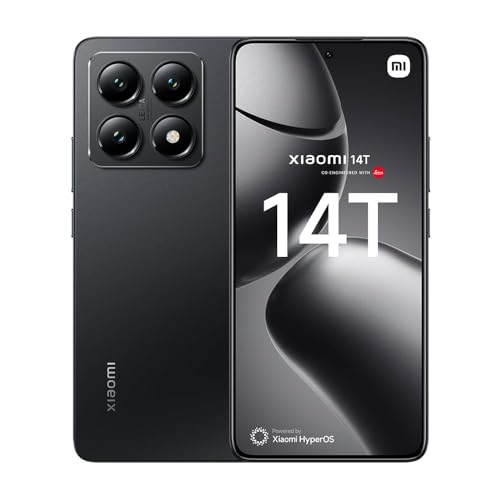
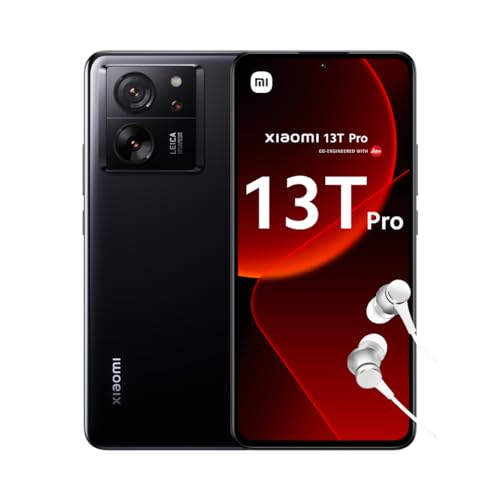
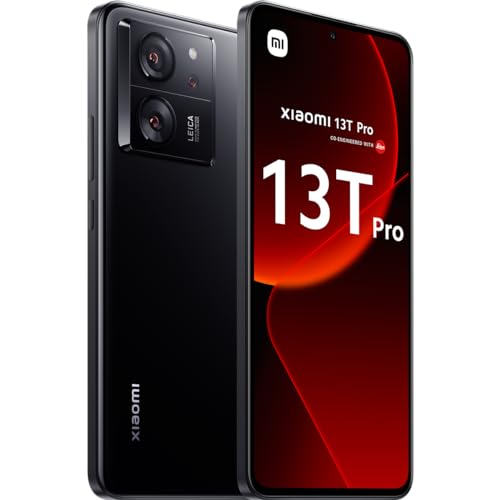
Xiaomi 13T Pro (12GB + 512GB) review. Compare 197 technical specifications and user reviews to see how this product ranks in the Smartphones category and whether it is worth buying.
Overall score
What it is: An overall evaluation of the smartphone's quality, based on technical analyses and user reviews.
When it matters: When you need a quick reference to identify the best smartphones on the market.
Score components:
90.0%
Technical Score
10.0%
User score
Technical Score
What it is: An assessment of the smartphone's technical performance, covering eight key areas: performance & hardware, software, camera, connectivity, display, battery, audio, and design.
When it matters: When you want to compare smartphones based on technical performance and available features.
Score components:
25.0%
Performance & Hardware
18.0%
Camera
15.0%
Display
15.0%
Battery
10.0%
Software
10.0%
Connectivity
4.0%
Audio
3.0%
Design
User score
What it is: A rating that combines user reviews and the total number of reviews received by the smartphone
When it matters: When you want to know how a smartphone handles daily tasks and how reliable it remains over time according to user feedback.
Score components:
70.0%
User reviews
30.0%
Popularity

Available: ranking among products currently available (including other versions of this product).
All: ranking among all products in the database.
#11 in Best Xiaomi Phones
#12 in Best Value Smartphones
#14 in Best Mid-Range Smartphones
#26 in Best Smartphones for Seniors
#29 in Best Chinese Smartphones
#47 in Best Android Smartphones
#53 in Best Smartphones
#53 in Best NFC Smartphones
#53 in Best 5G Smartphones
#53 in Best AI Smartphones
#66 in Best Camera Smartphones
#495 in Best Battery Life Smartphones
What it is: An assessment of the smartphone's technical performance, covering eight key areas: performance & hardware, software, camera, connectivity, display, battery, audio, and design.
When it matters: When you want to compare smartphones based on technical performance and available features.
Score components:
25.0%
Performance & Hardware
18.0%
Camera
15.0%
Display
15.0%
Battery
10.0%
Software
10.0%
Connectivity
4.0%
Audio
3.0%
Design
What it is: A rating that combines user reviews and the total number of reviews received by the smartphone
When it matters: When you want to know how a smartphone handles daily tasks and how reliable it remains over time according to user feedback.
Score components:
70.0%
User reviews
30.0%
Popularity
What it is: An indicator that combines the smartphone's overall rating with its cost.
When it matters: When you are looking for a smartphone with a good balance between quality and price.
Score components:
60.0%
Overall score
40.0%
Price
Importance: MEDIUM
Importance: HIGH
Importance: HIGH
Good value: >12 GB
Importance: HIGH
Good value: >256 GB
Importance: MEDIUM
Good value: >3.2 GHz
Importance: MEDIUM
Importance: HIGH
Good value: >1500
Importance: MEDIUM
Good value: >4000
Importance: MEDIUM
Good value: 8+
Importance: MEDIUM
Importance: MEDIUM
Good value: >950 MHz
Importance: MEDIUM
Good value: >700
Importance: MEDIUM
Good value: >1000
Importance: MEDIUM
Good value: >2500
Importance: MEDIUM
Good value: >6000
Importance: MEDIUM
Good value: >8000
Importance: HIGH
Good value: >12000
Importance: MEDIUM
Good value: >5000
Importance: MEDIUM
Good value: >1800
Importance: MEDIUM
Good value: >3200 MHz
Importance: MEDIUM
Good value: 5
Importance: MEDIUM
Good value: > 50 GB/s
Importance: LOW
Good value: 4
Importance: MEDIUM
Good value: >16 GB
Importance: HIGH
Good value: <6 nm
Importance: MEDIUM
Good value: >9 W
Importance: MEDIUM
Importance: LOW
Good value: >8192 KB
Importance: LOW
Good value: >2048 KB
Importance: LOW
Good value: >512 KB
Importance: MEDIUM
Good value: >100000 million
Importance: LOW
Good value: 3.3
Importance: LOW
Good value: 3.2
Importance: LOW
Good value: 2.0/3.0
Importance: LOW
Importance: MEDIUM
Importance: LOW
Importance: HIGH
Importance: LOW
Importance: HIGH
Importance: LOW
Importance: LOW
Importance: LOW
Importance: LOW
Importance: LOW
Importance: MEDIUM
Importance: LOW
Importance: LOW
Importance: LOW
Importance: LOW
Importance: LOW
Importance: MEDIUM
Importance: MEDIUM
Importance: MEDIUM
Importance: MEDIUM
Importance: MEDIUM
Importance: LOW
Importance: LOW
Importance: MEDIUM
Importance: MEDIUM
Importance: MEDIUM
Importance: MEDIUM
Importance: LOW
Importance: LOW
Importance: LOW
Importance: LOW
Importance: LOW
Importance: LOW
Importance: LOW
Importance: LOW
Importance: MEDIUM
Importance: HIGH
Good value: >50 MP
Importance: HIGH
Importance: HIGH
Good value: >60
Importance: MEDIUM
Good value: ≥1.2 µm
Importance: HIGH
Good value: >2.5x
Importance: HIGH
Importance: LOW
Importance: LOW
Importance: LOW
Importance: LOW
Good value: ≥2
Importance: LOW
Importance: LOW
Importance: HIGH
Importance: HIGH
Good value: >16 MP
Importance: MEDIUM
Importance: LOW
Importance: LOW
Importance: LOW
Importance: MEDIUM
Importance: MEDIUM
Importance: LOW
Importance: LOW
Importance: LOW
Importance: MEDIUM
Importance: LOW
Importance: MEDIUM
Importance: MEDIUM
Importance: MEDIUM
Importance: LOW
Importance: LOW
Importance: LOW
Importance: LOW
Importance: MEDIUM
Importance: LOW
Importance: LOW
Importance: LOW
Importance: LOW
Importance: LOW
Importance: LOW
Importance: MEDIUM
Good value: >130
Importance: MEDIUM
Good value: >120
Importance: MEDIUM
Good value: ≥2
Importance: LOW
Importance: MEDIUM
Importance: HIGH
Importance: HIGH
Importance: MEDIUM
Importance: LOW
Good value: >5.2
Importance: MEDIUM
Importance: LOW
Importance: MEDIUM
Importance: LOW
Good value: 3.1/3.2
Importance: LOW
Importance: LOW
Importance: LOW
Good value: ≥2
Importance: LOW
Importance: MEDIUM
Importance: LOW
Importance: HIGH
Importance: LOW
Importance: LOW
Importance: LOW
Importance: LOW
Importance: LOW
Importance: LOW
Importance: LOW
Importance: LOW
Importance: LOW
Importance: LOW
Importance: LOW
Importance: MEDIUM
Good value: ≥6.6 inches
Importance: HIGH
Importance: HIGH
Good value: >400 ppi
Importance: HIGH
Importance: HIGH
Good value: ≥120 Hz
Importance: HIGH
Importance: MEDIUM
Good value: >300 Hz
Importance: MEDIUM
Good value: >800 nits
Importance: MEDIUM
Good value: >1300 nits
Importance: MEDIUM
Good value: >1000 nits
Importance: MEDIUM
Importance: MEDIUM
Importance: LOW
Importance: LOW
Importance: MEDIUM
Importance: LOW
Importance: LOW
Importance: HIGH
Importance: HIGH
Good value: >5000 mAh
Importance: HIGH
Good value: >60 W
Importance: MEDIUM
Importance: MEDIUM
Good value: <45 min
Importance: MEDIUM
Importance: LOW
Good value: >40 W
Importance: LOW
Importance: LOW
Good value: >10 W
Importance: LOW
Importance: HIGH
Importance: MEDIUM
Importance: MEDIUM
Good value: >800
Importance: LOW
Importance: LOW
Importance: MEDIUM
Importance: LOW
Importance: MEDIUM
Good value: ≥3
Importance: LOW
Importance: LOW
Importance: MEDIUM
Importance: LOW
Importance: MEDIUM
Importance: LOW
Importance: LOW
Good value: <162 mm
Importance: LOW
Good value: <75 mm
Importance: LOW
Good value: <8 mm
Importance: MEDIUM
Good value: <190 g
Importance: LOW
Good value: <98cm³
Importance: LOW
Importance: LOW
Importance: LOW
Importance: LOW
Importance: MEDIUM
Importance: LOW
Good value: ≥1.5 m
Importance: LOW
Importance: MEDIUM
Good value: >8
Importance: LOW
Importance: LOW
Importance: HIGH
Importance: HIGH
Good value: >60 W
Importance: HIGH
Good value: >60
Importance: MEDIUM
Good value: >1300 nits
Importance: HIGH
Good value: >2.5x
Importance: MEDIUM
Good value: >800 nits
Importance: MEDIUM
Good value: >3.2 GHz
Importance: HIGH
Good value: ≥120 Hz
Importance: HIGH
Importance: LOW
Importance: LOW
Importance: MEDIUM
Importance: MEDIUM
Importance: MEDIUM
Good value: <190 g
Importance: LOW
Importance: LOW
Good value: <8 mm
(Reviews last updated: August 2026)
The Xiaomi 13T Pro functions as a high-performance "flagship killer" that competes with elite devices by offering superior battery endurance and 120W fast charging. Key advantages include a responsive in-display scanner, excellent haptics, and a competitive price point, though it lacks direct support from major U.S. carriers and ships with a European charger. While featuring a bright 2,600-nit display, the phone is held back by clunky MIUI software and a camera system that, despite Leica branding, sometimes produces over-brightened images and struggles in low light.
The Xiaomi 13T Pro is a powerful "flagship killer" featuring a Leica-tuned 50MP camera system, a bright 144Hz AMOLED display, IP68 rating, and fast 120W charging. Performance is driven by the Dimensity 9200+ chipset, which provides top-tier benchmark scores, while the design offers options for vegan leather or glass backs. However, the device suffers from lackluster battery life, a weak selfie camera, a somewhat chunky design, and pre-installed bloatware.
The Xiaomi 13T Pro delivers excellent photo and video performance with strong detail preservation, accurate exposure, and effective, fast autofocus in various lighting conditions. Key strengths include a wide dynamic range, good stabilization for video, and improved low-light capabilities compared to its predecessor. However, the camera experiences a noticeable 200ms to 300ms shutter lag, which often results in missed shots of moving subjects. Other cons include inconsistent HDR rendering, occasional inaccurate skin tones in low light, and a tendency for red color casts in backlit scenes. While zooming is solid at short-to-medium ranges, users might encounter artifacts in portrait mode and a loss of fine detail, particularly in document captures. Although the 4K video is highly detailed, some users may find the color rendering less vibrant compared to previous models.
The Xiaomi 13T Pro is positioned as a "flagship killer," prioritizing high-end performance with a MediaTek Dimensity 9200+ chipset and a 144Hz, 2600-nit peak brightness display. The device features a practical, flat design with IP68 water resistance, offering a "BioComfort" vegan leather option on the Alpine Blue model for better grip. Key advantages include 120W fast charging capable of filling the 5,000mAh battery in under 25 minutes and a refined 50MP Leica-engineered camera system. Pocket-lint
In 2024, the Xiaomi 13T Pro remains a high-value "semi-flagship" powered by the MediaTek Dimensity 9200+ chipset, offering 144Hz AMOLED performance that rivals top-tier devices. The device's standout pros include its excellent display, rapid 120W charging, and IP68 rating, though it lacks wireless charging. The Leica-engineered camera system provides high-quality images, but is limited by a 2x telephoto zoom and shaky 8K video stabilization. While the 5,000mAh battery offers all-day endurance, the design includes a bulky camera bump and a plastic frame. Software remains a polarizing aspect, with significant bloatware, despite a promise of four major Android updates and the transition to HyperOS. For a full analysis of this, visit Android Central.
The Xiaomi 13T Pro is presented as an affordable option for Leica-branded mobile photography, featuring a 50MP main camera with OIS and two Leica photographic styles, Vibrant and Authentic. The phone includes a MediaTek Dimensity 9200+ chipset and a 6.67-inch 144Hz AMOLED screen, alongside a 50MP 2x telephoto lens praised for detail and color consistency, and strong video recording capabilities with features like 10-bit LOG and 8K support. However, the review notes drawbacks including a fixed-focus 12MP ultra-wide lens with purple fringing and corner flare, a pixelated 20MP selfie camera, and the absence of wireless charging despite other premium features like IP68 water resistance and fast 120W wired charging.
According to a NextPit review, the Xiaomi 13T Pro is a high-performance device with a 144Hz AMOLED display and a triple camera system co-engineered with Leica. While praised for its powerful MediaTek Dimensity 9200+ chipset and fast 120W charging, the phone is noted for significant pre-installed bloatware, a fingerprint-prone glossy back (except the vegan leather variant), and a lack of wireless charging.
According to a PetaPixel review, the Xiaomi 13T Pro is presented as a strong mid-range contender, featuring a co-engineered Leica camera system and a powerful MediaTek Dimensity 9200+ chipset. While praised for its excellent main camera, bright AMOLED display, and fast 120W wired charging, the phone lacks wireless charging and the ultra-wide lens performance is inconsistent. The MIUI 14 software is noted as being feature-rich but potentially cluttered with bloatware.
The Xiaomi 13T Pro offers significant hardware upgrades with flagship-level specifications at a mid-range price, including a 6.67-inch, 144Hz AMOLED display and an IP68 rating. Key features are the versatile triple-lens Leica camera system with a 50MP main and 50MP telephoto lens, powerful MediaTek Dimensity 9200+ performance, and 120W fast charging. However, drawbacks include cluttered MIUI 14 software with bloatware, mediocre battery life despite the 5,000mAh capacity, lack of wireless charging, and an inconsistent fingerprint sensor.
According to a Wired review, the Xiaomi 13T Pro is positioned as a "flagship killer" offering high-end features like a 144Hz AMOLED display, powerful MediaTek Dimensity 9200+ processor, and IP68 water resistance at a competitive price. Its Leica-engineered triple rear camera system is praised, though the 20MP front camera and ultrawide lens are noted as weaker points. Key compromises include the lack of wireless charging, an uninspired design prone to smudging, and a cluttered MIUI software interface.
The Xiaomi 13T Pro offers high-end features like IP68 water resistance and Leica-tuned optics at a competitive price, featuring a vibrant 144Hz AMOLED display and powerful MediaTek Dimensity 9200+ chipset. Pros include a balanced Leica-engineered camera system with 50MP main and telephoto lenses and 120W HyperCharge that recharges the battery quickly. Cons include the absence of wireless charging and the "overbearing" MIUI 14 software with bloatware.
Trusted Reviews identifies the Xiaomi 13T Pro as a powerful "flagship killer" due to its high-end hardware, 6.67-inch AMOLED display with a 144Hz refresh rate, and MediaTek Dimensity 9200+ chipset, all offered at a competitive price. Pros include a versatile 50MP triple-camera setup co-engineered with Leica, an IP68 rating, and a 120W charger providing a full charge in 33 minutes. However, key cons are the cluttered MIUI 14 software with bloatware, a bulky and plain design, lack of wireless charging, and an inconsistent telephoto lens.
TechRadar describes the Xiaomi 13T Pro as a nearly perfect yet more affordable flagship phone that makes sensible compromises. It offers strong performance from the MediaTek Dimensity 9200+ processor and features a class-leading 6.67-inch AMOLED display with a 144Hz refresh rate. The device provides excellent battery life with its 5,000mAh cell and features incredibly fast 120W wired HyperCharge. However, it lacks wireless charging and reverse wireless charging. The Leica-engineered camera performs well in good light but struggles in low light, and the phone includes some unremovable bloatware in its MIUI software.
The Xiaomi 13T Pro, reviewed by LesMobiles.com, is identified as a "flagship killer" featuring a 6.67-inch 144Hz AMOLED display with 2600 nits peak brightness and the high-performance MediaTek Dimensity 9200+ chipset. Key camera features include a Leica-developed 50MP main sensor with OIS and a 50MP telephoto lens, though the 20MP selfie camera lacks high-end features and the device notably misses wireless charging. While the phone boasts rapid 120W charging for its 5000mAh battery and a full IP68 rating, it is hindered by significant pre-installed bloatware within the MIUI 14 interface.
The CharlesTech review highlights the Xiaomi 13T Pro as a high-performance "flagship killer" featuring a 6.67-inch, 144Hz AMOLED display with 2600 nits peak brightness and robust IP68 water resistance. Powered by the MediaTek Dimensity 9200+ chipset, it offers top-tier speed, supported by a Leica-branded triple camera system and exceptionally fast 120W charging that fills the 5000mAh battery in under 25 minutes. Despite these strengths, the review notes the lack of wireless charging, heavy bloatware in MIUI 14, and a 20MP selfie camera that struggles with over-processing.
The Xiaomi 13T Pro is positioned as a high-performance "flagship killer" featuring a 6.67-inch, 144Hz OLED display and the powerful MediaTek Dimensity 9200+ chipset. Key advantages include a versatile Leica-engineered 50MP main and telephoto camera system, along with IP68 water resistance and rapid 120W charging. Primary drawbacks include a bloatware-heavy software experience, mediocre secondary cameras, and the absence of wireless charging.
The Labo Fnac review characterizes the Xiaomi 13T Pro as a "flagship killer" bridging the mid-range and high-end markets with a 6.67-inch 144Hz AMOLED display, IP68 rating, and a choice of premium finishes. Powered by the MediaTek Dimensity 9200+ chipset, it delivers high-level performance and features a Leica-engineered camera system with 50MP main/telephoto sensors, backed by exceptionally fast 120W charging. Drawbacks identified include the lack of wireless charging, significant pre-installed bloatware in MIUI 14, and potentially underwhelming battery life under intense 144Hz usage.
The Xiaomi 13T Pro is a high-performance "flagship killer" featuring a 6.67-inch 144Hz AMOLED display with 2,600 nits peak brightness and the capable MediaTek Dimensity 9200+ chipset. The device boasts a Leica-engineered camera system with a 50MP main and 50MP 2x telephoto lens, alongside a 5,000mAh battery paired with exceptionally fast 120W wired charging. Key drawbacks include the absence of wireless charging, a large amount of pre-installed bloatware within the MIUI 14/HyperOS interface, and a lacklustre 20MP front-facing camera.
The Xiaomi 13T Pro, identified by NextPit as a "practical semi-flagship," features a 6.67-inch 144Hz CrystalRes AMOLED display with a 2,600-nit peak brightness and improved IP68 water/dust resistance. The device offers strong performance via the MediaTek Dimensity 9200+ chipset and rapid 120W charging, though it lacks wireless charging and includes significant bloatware. Co-engineered with Leica, the camera system delivers natural, balanced photos but suffers from noticeable color fringing on the ultra-wide lens and lackluster selfie performance.
According to the ViserMark review, the Xiaomi 13T Pro features a 5,000 mAh battery delivering roughly one full day of use, though it underperforms compared to rivals like the Samsung Galaxy S23 Plus. While supporting rapid 120W HyperCharge technology for quick 19-minute refills, the device exhibits poor energy efficiency, receiving a 0 out of 5 leaf rating due to its high-power 144Hz display. Key pros include this rapid charging, a 144Hz AMOLED screen, and Leica cameras, whereas significant cons involve the lack of wireless charging and a bulky design. For more details, visit ViserMark.
The Xiaomi 13T Pro is a high-performance, "almost-flagship" device featuring a 6.67-inch 144Hz AMOLED display, IP68 rating, and a distinct, smudge-resistant Alpine Blue vegan leather option. Powered by the MediaTek Dimensity 9200+ chipset, it offers top-tier gaming performance and rapid 120W charging, although it notably lacks wireless charging and has average battery endurance compared to competitors. The Leica-tuned camera system shines with its 50MP main and telephoto lenses, though the 20MP selfie camera is a weak point, and the MIUI 14 software is burdened with bloatware. For more details, visit Leclaireur Fnac.
The Xiaomi 13T Pro is positioned as a high-performance "semi-flagship" featuring a 6.67-inch 144Hz AMOLED display and the MediaTek Dimensity 9200+ chipset. It delivers capable, flagship-level performance with good thermal management. Pros include the impressive 120W charging that fills the 5,000 mAh battery in under 40 minutes, alongside an IP68 rating. However, notable cons include the lack of wireless charging, significant preinstalled bloatware, and a subpar selfie camera. www.nextpit.comFeaturing Leica branding, the camera system provides a 50MP main sensor and a 50MP telephoto with 2x optical zoom, which deliver solid, high-contrast photos. The main camera excels in both day and night scenarios. Despite the Leica partnership, the ultra-wide lens is considered a weak point.
The Xiaomi 13T Pro, reviewed by Journal du Geek, is positioned as a "premium" mid-range smartphone featuring a 6.67-inch AMOLED CrystalRes display with 144Hz refresh rate and up to 2,600 nits peak brightness. It is powered by the MediaTek Dimensity 9200+ processor and features a Leica-branded triple camera system, specifically upgrading to a 50MP Sony IMX707 main sensor and a 50MP telephoto lens for improved photography. While offering rapid 120W charging and an IP68 rating, the device lacks wireless charging, is hindered by pre-installed bloatware in MIUI 14, and can experience heating during intensive use.
The Xiaomi 13T Pro establishes itself as a high-end, sub-€800 competitor, featuring a 144Hz AMOLED display and a powerful MediaTek Dimensity 9200+ chip. Key advantages include a versatile Leica-engineered camera system with a 50MP telephoto lens and incredibly fast 120W charging. The device, which adds a full IP68 rating, offers strong performance, though the battery can drain quickly under intense gaming, according to the 01net review. While the screen is excellent, some users reported issues with lens fogging, and the 2x optical zoom is considered limited. Main drawbacks include significant, pre-installed bloatware within the MIUI software and a lack of wireless charging.
The Xiaomi 13T Pro is positioned as a "flagship killer," offering high-end performance with a MediaTek Dimensity 9200+ processor, a 144Hz AMOLED display, and Leica-partnered cameras at a competitive price. Key advantages include its fast 120W charging, IP68 rating, and versatile, professional-grade photography options. However, the device compromises on software, featuring a heavily pre-installed MIUI, lacks wireless charging, and has a disappointing 20MP selfie camera.
The Xiaomi 13T Pro establishes itself as a robust "flagship killer," offering significant improvements in build quality with IP68 water resistance, eSIM support, and a bright 6.67-inch AMOLED screen (1191 cd/m²). While the 144Hz display lacks fully adaptive LTPO technology, it delivers high-quality, color-accurate visuals. Pros include this refined design, while the lack of LTPO is a minor drawback. Les Numé Performance is a key strength, with the MediaTek Dimensity 9200+ chipset enabling fast, heavy-duty usage, backed by impressive 120W charging that fills the battery in under 30 minutes. However, the device lacks wireless charging, a notable omission at this price point. The battery life is generally considered comfortable for a full day. The Leica-co-engineered camera system features a strong 50MP main sensor and a useful 2x telephoto lens, though it is held back by a disappointing 12MP ultra-wide lens that struggles with edge distortion and low-light performance. Additionally, the 20MP front camera is noted for excessive image processing.
The Xiaomi 13T Pro functions as a high-performance, cost-effective flagship featuring a 6.67-inch, 144Hz AMOLED display capable of 2,600 nits peak brightness, powered by the MediaTek Dimensity 9200+ chipset. Co-engineered with Leica, the camera system provides strong main and telephoto results with distinct color profiles, though the 20MP selfie and 12MP ultra-wide lenses underperform. While it features rapid 120W charging and IP68 water resistance, it lacks wireless charging and is marred by software bloatware in the MIUI interface.
The Xiaomi 12 Lite 5G is a stylish, lightweight mid-range phone featuring a 6.55-inch 120Hz AMOLED display and a 108MP main camera. It offers solid performance via the Snapdragon 778G 5G, 67W fast charging, and a 32MP selfie camera with autofocus. Despite these strengths, it faces drawbacks including mediocre battery life, the lack of an IP rating, no 3.5mm jack, and a poor 2MP macro lens.
According to the Andro4all review, the Xiaomi 13T Pro is positioned as an exceptional value-for-money, near-premium device featuring a highly bright 6.67-inch 144Hz AMOLED display and an IP68-rated design. Performance is driven by the MediaTek Dimensity 9200+ chipset, allowing for high-end gaming, complemented by 120W charging that fully powers the 5,000mAh battery in under 30 minutes. While the Leica-branded cameras are a major strength, the device lacks wireless charging, uses a plastic frame, and includes pre-installed bloatware in the MIUI software. Andro4all
The Xiaomi 13T Pro is a high-performance "quasi-flagship" bridging the gap between mid-range and premium, featuring a 6.67-inch, 144Hz AMOLED display with 2600 nits peak brightness. The device boasts IP68 water resistance and an optional vegan leather design, though the build can feel plain or bulky. Its standout Leica-branded triple camera system offers 50MP main and telephoto lenses, delivering excellent, color-accurate photos in good lighting, but struggles slightly with low-light, portrait artifacts, and a mediocre selfie camera. Powered by the MediaTek Dimensity 9200+ chipset, it offers top-tier performance and 120W, 19–25 minute full-charging capability. However, the device lacks wireless charging and features cluttered MIUI/HyperOS software.
The Xiaomi 13T Pro is a high-performance "flagship killer" featuring a 6.67-inch, 144Hz AMOLED display with 2,600 nits peak brightness and a powerful MediaTek Dimensity 9200+ chipset. Key strengths include a Leica-engineered camera system, boasting excellent color science and sharp, professional-grade images. Additionally, it boasts an IP68 rating for durability and supports 120W fast charging, enabling a full recharge in roughly 20 to 30 minutes. Despite these premium features, the device lacks wireless charging and features a software experience frequently criticized for excessive pre-installed bloatware in the MIUI/HyperOS interface. While the main cameras excel, the 20MP front-facing camera produces average results, and the overall design is noted for a large, bulky camera module. Overall, the 13T Pro delivers on its promise of premium performance and photography at a more competitive price point.
The Xiaomi 13 Pro impresses with a 1-inch Sony IMX989 main sensor and Leica tuning, creating a versatile triple 50MP rear camera system capable of 10cm macro photography. Performance is driven by the Snapdragon 8 Gen 2, which maintains efficient thermal management, while the 6.73-inch 120Hz LTPO AMOLED display reaches a peak brightness of 1,900 nits. Furthermore, the device supports rapid 120W wired charging, achieving full battery capacity in under 25 minutes. However, the user experience is hindered by the MIUI 14 software, which is criticized for excessive pre-installed bloatware and a steep learning curve. The design is marked by a heavy 229g frame and a significant, protruding camera bump. Additionally, the 32MP front-facing camera is considered average compared to its superior rear counterparts, limited to 1080p video recording. Overall, the Xiaomi 13 Pro is a top-tier camera-led flagship with exceptional charging, but it suffers from bulky ergonomics and software bloat.
The Smartworld.it review highlights the Xiaomi 13T Pro as a high-value device, featuring a top-tier 6.67-inch AMOLED display with 144Hz refresh rate and 2,600 nits peak brightness. It offers robust IP68 protection, a comfortable vegan leather back option, and rapid 120W charging that fills the 5,000mAh battery in roughly 25 minutes. Key drawbacks identified include a large, wobbly camera module, a plastic frame, and the absence of wireless charging. SmartWorldPerformance is driven by the MediaTek Dimensity 9200+ chipset, ensuring flagship-level speed, while the Leica-engineered camera system delivers excellent night shots. However, the 50MP telephoto lens only offers a limited 2x optical zoom, and the 20MP selfie camera lacks autofocus and 4K capability. The MIUI interface also includes notable bloatware. SmartWorldDespite these cons, the review emphasizes the value proposition through a promise of four years of Android updates. Ultimately, it is positioned as a strong, fast-charging contender in the sub-flagship market. For more details, visit Smartworld.it. SmartWorld
The Xiaomi 13T Pro is a high-performance, concrete flagship alternative featuring a top-tier 6.67-inch OLED 144Hz display, durable 'BioComfort' vegan leather, and IP68 resistance. Performance is driven by the MediaTek Dimensity 9200+ chipset and 16GB RAM, offering a fluid experience paired with 120W charging that fills the battery in roughly 19 minutes. The Leica-tuned camera system shines with a 50MP main and 50MP telephoto lens, delivering natural, high-quality photos, though battery endurance is average for high-stress days. Key advantages include its excellent display, rapid charging, and versatile camera, while the absence of wireless charging and video output via USB-C are notable drawbacks. The MIUI interface, while stable, feels outdated, and video recording lacks full, seamless lens switching at 4K/60fps. The device is recommended as a solid, powerful, and durable choice, particularly when purchased at a discounted price.
The Xiaomi 13T Pro (512GB + 12GB) is identified as a high-performance "flagship killer" offering premium features at a competitive price point, with a focus on its 144Hz AMOLED display and rapid 120W charging. Powered by the MediaTek Dimensity 9200+ chipset, it delivers flagship-level speed for gaming and intensive tasks, although it lacks wireless charging. The Leica-partnered camera system performs well in most conditions, but the device is criticized for its bloated MIUI/HyperOS software and a somewhat pedestrian design.
The Xiaomi 13T Pro is recognized as a high-performance "flagship killer" featuring a bright 144Hz AMOLED display and the powerful MediaTek Dimensity 9200+ chipset, which maintains stability without significant thermal throttling. Key camera upgrades include a Leica-branded system with a capable 50MP main lens, though the 20MP selfie camera often produces lackluster, over-brightened images. While the device boasts IP68 water resistance and extremely fast 120W wired charging, it lacks wireless charging and features a prominent, somewhat clumsy camera bump. Despite four years of promised software support, the pre-installed MIUI (now HyperOS) is noted for excessive bloatware and aggressive power management.

Compare