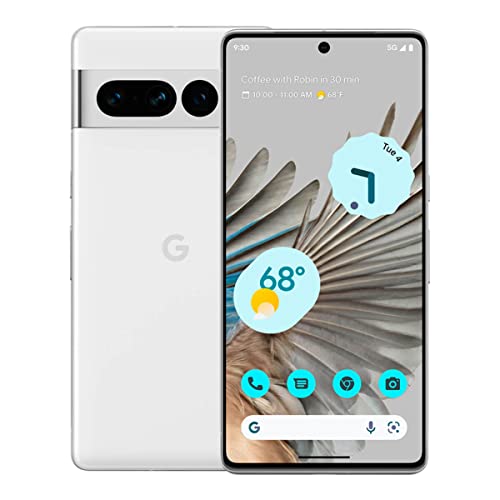
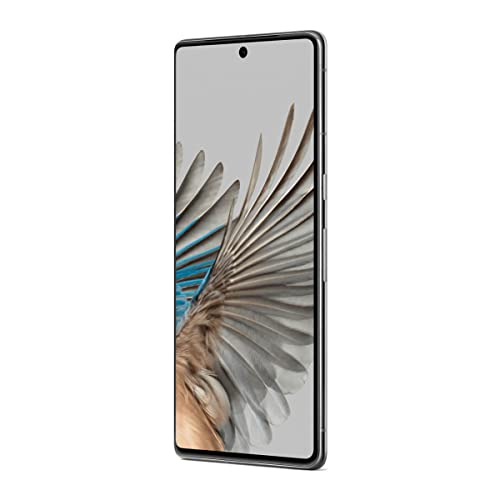
Google Pixel 7 Pro (128GB) review. Compare 197 technical specifications and user reviews to see how this product ranks in the Smartphones category and whether it is worth buying.
Overall score
What it is: An overall evaluation of the smartphone's quality, based on technical analyses and user reviews.
When it matters: When you need a quick reference to identify the best smartphones on the market.
Score components:
90.0%
Technical Score
10.0%
User score
Technical Score
What it is: An assessment of the smartphone's technical performance, covering eight key areas: performance & hardware, software, camera, connectivity, display, battery, audio, and design.
When it matters: When you want to compare smartphones based on technical performance and available features.
Score components:
25.0%
Performance & Hardware
18.0%
Camera
15.0%
Display
15.0%
Battery
10.0%
Software
10.0%
Connectivity
4.0%
Audio
3.0%
Design
User score
What it is: A rating that combines user reviews and the total number of reviews received by the smartphone
When it matters: When you want to know how a smartphone handles daily tasks and how reliable it remains over time according to user feedback.
Score components:
70.0%
User reviews
30.0%
Popularity

Available: ranking among products currently available (including other versions of this product).
All: ranking among all products in the database.
#11 in Best Google Phones
#20 in Best Camera Smartphones
#36 in Best Smartphones Under £400
#48 in Best Smartphones Under £500
#53 in Best Mid-Range Smartphones
#77 in Best Smartphones for Seniors
#94 in Best Value Smartphones
#126 in Best Large-Screen Smartphones
#128 in Best Android Smartphones
#140 in Best NFC Smartphones
#140 in Best 5G Smartphones
#141 in Best Smartphones
#141 in Best AI Smartphones
#552 in Best Battery Life Smartphones
What it is: An assessment of the smartphone's technical performance, covering eight key areas: performance & hardware, software, camera, connectivity, display, battery, audio, and design.
When it matters: When you want to compare smartphones based on technical performance and available features.
Score components:
25.0%
Performance & Hardware
18.0%
Camera
15.0%
Display
15.0%
Battery
10.0%
Software
10.0%
Connectivity
4.0%
Audio
3.0%
Design
What it is: A rating that combines user reviews and the total number of reviews received by the smartphone
When it matters: When you want to know how a smartphone handles daily tasks and how reliable it remains over time according to user feedback.
Score components:
70.0%
User reviews
30.0%
Popularity
What it is: An indicator that combines the smartphone's overall rating with its cost.
When it matters: When you are looking for a smartphone with a good balance between quality and price.
Score components:
60.0%
Overall score
40.0%
Price
Importance: LOW
Importance: HIGH
Importance: HIGH
Good value: >12 GB
Importance: MEDIUM
Good value: >256 GB
Importance: MEDIUM
Good value: >3.2 GHz
Importance: LOW
Importance: MEDIUM
Good value: >1500
Importance: LOW
Good value: >4000
Importance: LOW
Good value: 8+
Importance: LOW
Importance: LOW
Good value: >950 MHz
Importance: LOW
Good value: >700
Importance: LOW
Good value: >1000
Importance: LOW
Good value: >2500
Importance: MEDIUM
Good value: >6000
Importance: LOW
Good value: >8000
Importance: MEDIUM
Good value: >12000
Importance: LOW
Good value: >5000
Importance: LOW
Good value: >1800
Importance: LOW
Good value: >3200 MHz
Importance: LOW
Good value: 5
Importance: LOW
Good value: > 50 GB/s
Importance: LOW
Good value: 4
Importance: LOW
Good value: >16 GB
Importance: MEDIUM
Good value: <6 nm
Importance: MEDIUM
Good value: >9 W
Importance: LOW
Importance: LOW
Good value: >8192 KB
Importance: LOW
Good value: >2048 KB
Importance: LOW
Good value: >512 KB
Importance: LOW
Good value: >100000 million
Importance: LOW
Good value: 3.3
Importance: LOW
Good value: 3.2
Importance: LOW
Good value: 2.0/3.0
Importance: LOW
Importance: LOW
Importance: LOW
Importance: MEDIUM
Importance: LOW
Importance: LOW
Importance: LOW
Importance: LOW
Importance: LOW
Importance: LOW
Importance: LOW
Importance: LOW
Importance: LOW
Importance: LOW
Importance: LOW
Importance: LOW
Importance: LOW
Importance: LOW
Importance: LOW
Importance: LOW
Importance: LOW
Importance: LOW
Importance: LOW
Importance: LOW
Importance: LOW
Importance: LOW
Importance: LOW
Importance: LOW
Importance: LOW
Importance: LOW
Importance: LOW
Importance: LOW
Importance: LOW
Importance: LOW
Importance: LOW
Importance: LOW
Importance: LOW
Importance: MEDIUM
Good value: >50 MP
Importance: MEDIUM
Importance: HIGH
Good value: >60
Importance: LOW
Good value: ≥1.2 µm
Importance: MEDIUM
Good value: >2.5x
Importance: MEDIUM
Importance: LOW
Importance: LOW
Importance: LOW
Importance: LOW
Good value: ≥2
Importance: LOW
Importance: LOW
Importance: LOW
Importance: LOW
Good value: >16 MP
Importance: LOW
Importance: LOW
Importance: LOW
Importance: LOW
Importance: MEDIUM
Importance: LOW
Importance: LOW
Importance: LOW
Importance: LOW
Importance: LOW
Importance: LOW
Importance: LOW
Importance: LOW
Importance: LOW
Importance: LOW
Importance: LOW
Importance: LOW
Importance: LOW
Importance: LOW
Importance: LOW
Importance: LOW
Importance: LOW
Importance: LOW
Importance: LOW
Importance: LOW
Importance: LOW
Good value: >130
Importance: LOW
Good value: >120
Importance: LOW
Good value: ≥2
Importance: LOW
Importance: LOW
Importance: LOW
Importance: LOW
Importance: LOW
Importance: LOW
Good value: >5.2
Importance: LOW
Importance: LOW
Importance: LOW
Importance: LOW
Good value: 3.1/3.2
Importance: LOW
Importance: LOW
Importance: LOW
Good value: ≥2
Importance: LOW
Importance: LOW
Importance: LOW
Importance: LOW
Importance: LOW
Importance: LOW
Importance: LOW
Importance: LOW
Importance: LOW
Importance: LOW
Importance: LOW
Importance: LOW
Importance: LOW
Importance: LOW
Importance: LOW
Importance: LOW
Good value: ≥6.6 inches
Importance: MEDIUM
Importance: LOW
Good value: >400 ppi
Importance: MEDIUM
Importance: MEDIUM
Good value: ≥120 Hz
Importance: LOW
Importance: LOW
Good value: >300 Hz
Importance: LOW
Good value: >800 nits
Importance: LOW
Good value: >1300 nits
Importance: LOW
Good value: >1000 nits
Importance: LOW
Importance: LOW
Importance: LOW
Importance: LOW
Importance: LOW
Importance: LOW
Importance: LOW
Importance: LOW
Importance: HIGH
Good value: >5000 mAh
Importance: MEDIUM
Good value: >60 W
Importance: LOW
Importance: LOW
Good value: <45 min
Importance: LOW
Importance: LOW
Good value: >40 W
Importance: LOW
Importance: LOW
Good value: >10 W
Importance: LOW
Importance: LOW
Importance: MEDIUM
Importance: LOW
Good value: >800
Importance: LOW
Importance: LOW
Importance: LOW
Importance: LOW
Importance: LOW
Good value: ≥3
Importance: LOW
Importance: LOW
Importance: LOW
Importance: LOW
Importance: LOW
Importance: LOW
Importance: LOW
Good value: <162 mm
Importance: LOW
Good value: <75 mm
Importance: LOW
Good value: <8 mm
Importance: LOW
Good value: <190 g
Importance: LOW
Good value: <98cm³
Importance: LOW
Importance: LOW
Importance: LOW
Importance: LOW
Importance: LOW
Importance: LOW
Good value: ≥1.5 m
Importance: LOW
Importance: LOW
Good value: >8
Importance: LOW
Importance: LOW
Importance: MEDIUM
Good value: >2.5x
Importance: HIGH
Good value: >60
Importance: MEDIUM
Importance: LOW
Importance: MEDIUM
Importance: LOW
Importance: LOW
Good value: >400 ppi
Importance: LOW
Good value: ≥1.2 µm
Importance: MEDIUM
Importance: MEDIUM
Good value: >256 GB
Importance: LOW
Importance: MEDIUM
Importance: LOW
Importance: LOW
Importance: HIGH
Importance: LOW
Good value: >8
(Reviews last updated: August 2026)
(Reviews last updated: August 2026)
According to the Android Police review, the Google Pixel 7 Pro acts as a refined successor to the Pixel 6 Pro, highlighting a premium design with a 25% brighter display and the AI-driven Tensor G2 chip. Key strengths include a highly versatile camera system with a 5x telephoto lens and Macro Focus, supported by excellent software features like Photo Unblur. However, the device faces criticisms regarding inconsistent battery life, slow 30W charging, and a tendency for the Tensor G2 chip to run warm under heavy, sustained use.
Paul Thurrott’s review describes the Google Pixel 7 Pro as a refined, highly recommended flagship offering exceptional value over its predecessor. Key pros include a superior three-lens camera system with a 5x optical telephoto lens and an exclusive suite of software features like Photo Unblur and built-in VPN. The device features a premium aluminum design and improved, reliable biometric performance. However, the phone is noted for being big, bulky, and difficult to use one-handed. Critical drawbacks, or cons, include "too-slow" 22-watt maximum charging—lagging behind competitors—and the frustration caused by the device's curved display edges. Despite these physical limitations and the minor nature of the upgrades, the overall improvements make it a recommended, specialized device. Thurrott.com
The CNET review describes the Pixel 7 Pro as a polished refinement of the Pixel 6 Pro, featuring the Tensor G2 chip, enhanced software features, and a competitive price point. Pros highlighted include the impressive 5x optical zoom, specialized camera features like Photo Unblur, and a clean, responsive Android 13 experience. Conversely, cons center on mediocre battery life, a polished aluminum camera bar that scratches easily, and lower-tier night mode performance compared to competitors.
The Google Pixel 7 Pro is framed as a "relentless refinement" of its predecessor, featuring a premium design with an all-metal camera bar and a vibrant 6.7-inch 120Hz AMOLED display. Key improvements highlighted include a significantly improved, faster in-screen fingerprint sensor and exceptional camera performance, particularly with its 5x telephoto lens and AI-driven tools like Photo Unblur. The device is praised for its "astounding" camera system—touted as the best for most users—which excels in daylight, low-light, and video recording. Furthermore, the clean, bloatware-free Android 13 experience offers exclusive, smart features like Clear Calling and improved Recorder capabilities. However, the review notes drawbacks, including only "decent" battery life due to the Tensor G2 chip, slow 30W wired charging, and frustrating accidental edge touches on the display. Despite these cons, the Pixel 7 Pro is recommended for its superior software and camera prowess.
The Google Pixel 7 Pro acts as a refined successor with a more durable design and a 6.7-inch 1440p LTPO OLED display featuring 1,500 nits peak brightness. Key pros include a competitive $890 starting price and a versatile camera system, highlighted by a 5x optical zoom and 30x Super Res Zoom. However, the polished aluminum camera bar is noted to be prone to micro-scratches. Driven by the Tensor G2 chip, the device excels in AI-driven software features like Photo Unblur and improved voice calling tools. Performance is generally smooth, though the chip can experience thermal throttling and weak results during intense 3D gaming. While the 5,000mAh battery provides a full day of typical use, the device remains behind competitors in endurance. Charging speeds are a major drawback, limited to 23W and taking over 90 minutes for a full charge. The addition of 2D Face Unlock is a convenient, faster authentication method compared to the optical fingerprint sensor, though it is not secure enough for banking apps.
The Google Pixel 7 Pro is identified by T3 as a premium "flagship ace" offering high-end features at a competitive price point, featuring a distinctive polished aluminium camera bar that acts as a fingerprint magnet. Key pros include a brilliant 120Hz AMOLED display and an improved, AI-driven Tensor G2 chipset that delivers strong, all-day battery life. However, the device’s design has drawbacks, with the camera bar prone to easy scuffing, and charging speeds are relatively slow at 30W without a charger included. The triple camera system is praised for its reliability and superb 5x optical zoom, alongside effective tools like Photo Unblur, although the Macro Focus feature can be inconsistent. Ultimately, the Pixel 7 Pro stands out for delivering a clean, smart Android experience, but potential users should note the high maintenance of the hardware finish.
The Google Pixel 7 Pro is a highly polished, competitively priced flagship featuring a refined design, a vibrant 120Hz display, and the Tensor G2 chip, according to TechRadar. A major pro is its aggressive value, offering premium performance for less than competitors, along with standout camera capabilities, including a 5x optical zoom and Photo Unblur. While software is a highlight, the review notes cons like average battery life and slow charging speeds. Additionally, the device lacks certain high-end extras like stylus support, and its three-year OS update commitment lags behind some rivals.
Business Insider describes the Google Pixel 7 Pro as an AI-driven flagship with a competitive price, addressing hardware issues of previous models. Key strengths noted include the Tensor G2 chip's "smart" capabilities, premium design (though slippery), and a 120Hz, 1500-nit OLED display. The triple-lens camera system is a standout, particularly the 5x optical zoom and 30x Super Res Zoom, along with AI tools like Photo Unblur and Macro Focus. However, video quality still slightly trails the iPhone. Significant drawbacks include below-average battery life, slow charging speeds, and face unlock being less secure than competitors, only working for the lock screen. The glossy finish also attracts fingerprints.
The Google Pixel 7 Pro is described as a superb flagship due to refinements rather than revolution, featuring a premium design with a notable sharp edge where the metal band meets the display and an aluminum camera bar prone to minor scratches. Its camera excels with 5x optical zoom and 30x digital zoom for sharp images, though low-light performance trails some competitors, while the Tensor G2 chip provides smooth performance for daily tasks and gaming. Battery life is adequate for a full day of mixed use but drains quickly during intensive activities, making the Pixel 7 Pro a strong option for users upgrading from older devices but not necessarily for Pixel 6 Pro owners.
According to a 2022 review, The Google Pixel 7 Pro is described as a "camera champ" offering high-end features like a 5x optical zoom and impressive low-light photography, all at a competitive price. While the 6.7-inch 120Hz OLED screen and AI-driven features like Photo Unblur are highlights, drawbacks include slower charging and battery life that isn't class-leading compared to rivals.
The Google Pixel 7 Pro is a refined, value-driven flagship featuring the Tensor G2 chip, which powers advanced features like Photo Unblur and improved Night Sight. Priced competitively at $899, it offers a premium design with a 6.7-inch 120Hz OLED display and exceptional camera capabilities, including a 50MP main sensor and 5x optical zoom. However, the device suffers from below-average battery life (8 hours and 4 minutes in tests) and lower raw processing power compared to competitors, along with a slippery back and limited three-year software support. Tom'
The Google Pixel 7 Pro is described as a strong flagship contender excelling in photography and software, featuring an exceptional camera system driven by AI, robust AI-centric software tools, and a vivid 120Hz LTPO OLED display. Pros include its advanced photography capabilities and a clean Android experience, while cons involve uneven wireless connectivity and shorter battery life compared to the standard Pixel 7. Positioned as a top choice for photography enthusiasts and Android users, its $899 starting price point offers strong value despite facing competition from rivals like Samsung.
The review from Android-User.de describes the Google Pixel 7 Pro as a refined "Version 2.0" of its predecessor, improving on the 6 Pro with a more premium, integrated aluminum camera bar and better thermal management via the Tensor G2 chip. Key advantages include a significantly brighter 1,500-nit display, a superior camera system with 5x optical zoom and Macro Focus, and faster biometric, including face unlock. Despite these upgrades, the device remains slippery, has only average battery life, and suffers from slow charging speeds compared to competitors.
According to the IMTEST review, the Google Pixel 7 and 7 Pro represent significant refinements over previous models, focusing on enhanced, top-tier photography and smart software features. The Pro variant stands out with a 6.7-inch 120Hz display and a versatile triple-camera system, while the standard Pixel 7 offers a 6.3-inch screen, providing excellent value with the same main 50MP sensor. Both devices are praised for their improved battery efficiency, brighter displays, and the advanced capabilities of the Tensor G2 chip, which powers features like improved Night Sight and Real Tone. Key advantages include industry-leading computational photography and unique software tools such as Photo Unblur, housed in a premium build with IP68 water resistance. However, the review notes that battery life is merely average compared to competitors, particularly under heavy usage. Furthermore, charging speeds are considered a drawback, with the phones trailing behind market leaders in charging efficiency.
The Google Pixel 7 and 7 Pro refine the previous generation's design, featuring the Tensor G2 chip, enhanced,, more durable materials, and improved biometric security with both face and fingerprint unlock. The Pro model offers a 6.7-inch 120Hz LTPO display, while the Pixel 7 features a 6.3-inch 90Hz panel, with both providing high-quality, bright OLED experiences. Photography remains a highlight, with the 50MP main sensor delivering excellent, natural images, further elevated on the Pro by a 48MP telephoto lens with 5x optical zoom and enhanced macro capabilities. www.connect.deDespite strong performance, the devices suffer from slower 30W charging and a Tensor G2 chip that trails competitors in raw benchmarks, focusing instead on AI tasks. Battery life is adequate but not class-leading, and the standard Pixel 7 lacks the telephoto lens and UWB support found on the Pro. Overall, the review highlights top-tier cameras and software features, offset by limited storage options and mediocre,, average battery endurance. www.connect.de
ComputerBase characterizes the Pixel 7 Pro as a refined, "intelligent" device featuring a superior 6.7-inch 1,500-nit LTPO OLED display and a premium, albeit fingerprint-prone, aluminum design. Powered by the Tensor G2, the phone excels in AI-driven photography, particularly with its 50MP main sensor and enhanced 5x optical telephoto lens, complemented by software tools like Photo Unblur and a fluid Android 13 interface. However, notable drawbacks include slow 30W charging, which takes nearly two hours for a full cycle, along with limited battery life during intense gaming and an in-display fingerprint sensor that trails industry leaders.
Tom's Guide France crowns the Pixel 7 Pro the top 2022 "photophone," highlighting its mastery in computational photography driven by the Tensor G2 chip, Photo Unblur, and enhanced Night Sight. Featuring a refined design with a polished aluminum camera bar, the device delivers a premium experience. Pros include exceptional value, a superior 5x optical zoom, and a bright 120Hz LTPO OLED display. However, the review notes significant cons, specifically subpar battery life that struggles to last a full day. Additionally, zoom quality degrades in low light past 8x, and the device is notoriously slippery, requiring a case. Software support is also noted as being limited to three years of OS updates.
According to the Clubic review, the Pixel 7 Pro is a refined flagship featuring a 6.7-inch screen and a premium, polished aluminum camera bar. While praised for its design, the 210g device can be difficult to manage for one-handed use, notes the review. The camera system is identified as a major strength, delivering top-tier point-and-shoot quality with a new 5x telephoto lens, effective macro mode, and "Photo Unblur" software. However, the review highlights that video recording, particularly the "Cinematic Blur" feature, still trails behind Apple's standard. Driven by the Tensor G2 chip, the device provides a smooth experience with advanced AI features like "Clear Calling," though it falls behind competitors in raw processing power. Other drawbacks mentioned include slow charging speeds of roughly two hours and, while sufficient for a full day, the 5,000mAh battery does not offer exceptional longevity.
The Google Pixel 7 Pro is highly praised for its premium design, boasting a bright 6.7-inch OLED screen (1,164 cd/m²) and a sturdy metal camera bar, making it a well-rounded flagship. Powered by the Tensor G2 chip, it offers excellent daily performance and strong gaming capabilities, though the device is noted to heat up during intensive tasks. Despite a 5,000 mAh battery providing solid, day-long longevity, the device suffers from slow 23W charging, taking nearly two hours for a full charge. Les NumériquesPhotography remains a highlight, with the triple-sensor setup featuring a 50MP main camera and a 5x optical zoom that delivers top-tier image quality, aided by AI features like Photo Unblur. While the software experience is fluid, the inconsistent results of certain AI photo tools and the aforementioned charging speed are the primary drawbacks. Les Numé
In a review for La Presse, Karim Benessaieh describes the Pixel 7 and 7 Pro as refined, reliable, and corrected successors to the Pixel 6, featuring improved design with a recycled aluminum camera bar and the specialized Tensor G2 chip, which enhances AI features like voice-to-text and Night Sight. The cameras are highlighted as a major pro, with the 7 Pro boasting a 5x optical zoom and Macro Focus, supported by useful software features like Photo Unblur and the return of facial recognition. While praised for value, the devices face cons, including average battery life, slow charging speeds, and a tendency for the Tensor G2 to run warm under heavy usage.
Frandroid's review of the Google Pixel 7 Pro highlights it as a refined, high-performance flagship with an exceptional 6.7-inch 120Hz LTPO OLED display, capable of reaching up to 1,500 nits for excellent visibility. The design is praised for its sophisticated aluminum band and camera bar, while the camera system shines with its 48MP telephoto lens, offering superior Super Res Zoom at 5x and 10x, complemented by a new Macro Focus mode and AI-driven tools like Photo Unblur. However, the review highlights drawbacks, including the Tensor G2 chip prioritizing AI over raw power, making it less ideal for heavy gaming compared to rivals, and slow 23W charging that takes over 85 minutes for a full cycle. Despite these, it earned an 8/10 for its overall photography performance and user experience, say the reviewers at Frandroid.
The Google Pixel 7 Pro is a highly polished flagship that improves on its predecessor with a superior 6.7-inch 120Hz LTPO OLED display and a refined, durable design featuring a recycled aluminum frame. Key strengths include a versatile camera system with a 50MP main sensor, a 48MP telephoto lens with 5x optical zoom, and AI-driven features like Photo Unblur powered by the Tensor G2 chip. However, the device has a slippery glass back and, despite top performance, is hindered by average battery life, slow charging speeds, and a processor that falls behind competitors in raw benchmarks.
Phonandroid’s review of the Google Pixel 7 Pro highlights it as a refined, premium-built flagship featuring an integrated aluminum camera bar, though the design is noted for being quite slippery. The device features a superior 6.7-inch LTPO OLED display with a 120Hz refresh rate and significantly increased peak brightness. The camera system stands out for its improved 5x optical zoom, 30x Super Res Zoom, and features like Photo Unblur. The Tensor G2 chip drives a smooth, smart software experience with exclusive tools like Clear Calling, while biometric security is improved with faster face unlock and a better fingerprint sensor. However, the phone faces drawbacks in battery life, which lags behind rivals like the Galaxy S22 Ultra, and slow 23W charging speeds. Additionally, the Tensor G2 chip, while efficient for daily tasks, does not match Qualcomm's Snapdragon in raw gaming power and can produce heat under heavy load.
Xavier Studer characterizes the Google Pixel 7 Pro as a "purebred" device offering a refined, bloatware-free Android experience, highlighted by a 6.7-inch 120Hz OLED display. The camera system stands out for its natural color reproduction, powered by a 48MP telephoto lens and 50MP main sensor with advanced AI tools. Despite these pros, the review notes significant drawbacks, including below-average battery life, slow charging speeds, and a tendency to overheat during intensive tasks.
According to Phototrend, the Google Pixel 7 Pro prioritizes computational photography and AI, offering a luxurious design, a high-quality 120Hz LTPO OLED display, and a competitive triple-camera setup for its price point. Key camera strengths include a versatile 5x optical telephoto lens, an effective Macro Focus mode, and smart software tools like Photo Unblur and improved Night Sight. However, the experience is limited by the lack of a native manual/pro mode, while the device is prone to getting warm, and the glossy finish is quite slippery, often requiring a case. Performance-wise, the Tensor G2 chip handles daily tasks well, but the 5,000mAh battery, while offering all-day use, underperforms compared to rivals like the iPhone 14 Pro Max. Furthermore, the 30W charging speed is relatively slow, taking nearly two hours for a full charge.
The Google Pixel 7 and 7 Pro are highlighted by Journal du Geek as top contenders for their refined design, durable aluminum camera bar, and high-end feel. While the Pro offers a 6.7-inch 120Hz display, the standard Pixel 7 provides a compact 6.3-inch 90Hz option; both devices suffer from a potentially unintuitive power button placement. Photography is a major strength, powered by the Tensor G2 chip, with the Pro boasting a superior 48MP telephoto lens with 5x optical zoom and the standard featuring a narrower field of view. The review notes the camera excels in skin tones and includes advanced tools like Photo Unblur, although the fingerprint sensor is considered only average. Performance is stable and fast, avoiding the bugs of previous generations, though the devices can heat up during intense gaming. The main drawbacks are inconsistent battery life and slow charging speeds.
The Google Pixel 7 Pro is refined with a premium, robust design featuring a polished aluminum camera bar, though it can be slippery and prone to scratches. The 6.7-inch 120Hz LTPO OLED display stands out, while the Tensor G2 chip enables smart features like Photo Unblur and Clear Calling. Despite exceptional camera performance, particularly with the 5x telephoto lens, the device can heat up under heavy graphical loads, and the 23W charging is relatively slow.
The Google Pixel 7 Pro is highlighted by 20minutos as a refined flagship focusing on user experience, powered by the Tensor G2 chip, which drives AI features like Photo Unblur and Magic Eraser. It features a 6.7-inch 120Hz display and excellent cameras, including a 50MP main sensor and 5x optical telephoto, though its 212g weight may feel heavy to some users. Key limitations include relatively slow 30W charging, a 5,000mAh battery that may struggle with heavy use, and potential heating during gaming.
The Google Pixel 7 Pro is characterized as a refined, competitive flagship that successfully addresses previous model issues, featuring an excellent 6.7-inch LTPO OLED display and a durable aluminum-framed design. Key pros include a versatile camera system with a 50MP main sensor and 5x telephoto lens, complemented by advanced AI capabilities like Photo Unblur and accurate Real Tone, all powered by a smooth Tensor G2 chip. However, notable cons include subpar battery efficiency, slow 23W charging, and potential thermal throttling during intensive use, alongside a somewhat slippery, large chassis.
The Google Pixel 7 Pro is a refined, premium device featuring a 6.7-inch 120Hz LTPO AMOLED display and a polished, integrated camera design. Key advantages include an advanced triple-camera system with 5x optical zoom, a Macro Focus mode, and AI-driven features like Photo Unblur and Real Tone, alongside fast Face Unlock. Conversely, the 5,000mAh battery can struggle under heavy loads, charging speeds are limited to 23W, and the Tensor G2 chip may run warm. For more details, visit Wired.
The Evosmart.it review describes the Google Pixel 7 Pro as a refined, "complete" experience that fixes previous bugs, with the Tensor G2 chip driving unique AI features like Photo Unblur and Clear Calling. Pros include an upgraded 6.7-inch 120Hz display, excellent photography via the 5x optical zoom, and reliable biometric unlocking. Cons highlighted are the slippery, bulky design, slow 30W charging, and fast battery drain under heavy, high-refresh-rate usage.
The Pixel 7 Pro acts as a refined evolution of its predecessor, utilizing the Tensor G2 chip to enhance machine learning tasks like Photo Unblur, superior voice dictation, and real-time translation, all while featuring a refined aluminum design and a 6.7-inch 120Hz LTPO OLED display. Its camera system excels with a 5x optical zoom, impressive Super Res Zoom up to 30x, and a new Macro Focus mode, although video quality, while improved with 10-bit HDR, still trails industry leaders. While praised for a clean Android 13 experience and overall "smart" functionality, the device is held back by average battery life, slow charging speeds, and a tendency to run warm during intensive tasks.
The Google Pixel 7 Pro is a refined, premium device featuring a polished aluminum camera bar, a bright 6.7-inch 120Hz LTPO OLED screen, and the Tensor G2 chip, which offers smooth daily performance. Key strengths highlighted include exceptional computational photography with a 5x optical telephoto lens, Macro Focus, and Photo Unblur, all supported by a clean Android 13 interface. However, the device suffers from slow 23W charging, thermal issues during intensive tasks, and inconsistent battery life, alongside a less secure 2D face unlock system.
The Google Pixel 7 Pro is identified by TuttoAndroid as a leading, high-value premium smartphone featuring a refined design with a seamless aluminum camera bar. It features a 6.7-inch QHD+ LTPO OLED display with 1500-nit peak brightness, although the review notes a bug where the Always-on Display locks at 60 Hz. Performance is driven by the AI-focused Tensor G2 chip, enabling advanced, "addictive" features like Face Unblur and a significantly improved, faster Night Sight mode. Key strengths of the device include top-tier photography with a 50MP main sensor, significantly enhanced 10-bit HDR video, and a reliable dual-biometric system. The review highlights the user experience, fast Face Unlock, and improved audio separation as major pros. However, the analysis identifies drawbacks, specifically noting video noise in 10-bit HDR on the ultrawide and selfie cameras, along with the aforementioned display refresh rate issue.
The SmartWorld review identifies the Google Pixel 7 Pro as a top-tier "premium phone of the year," praising its refined design, 6.7-inch 120Hz LTPO AMOLED display, and superior 1,500-nit brightness. While the device boasts a high-quality build, the review notes a minor con regarding the glossy aluminium camera bar's susceptibility to micro-scratches. Performance is driven by the Tensor G2 chip, which delivers a "buttery smooth" user experience with unique AI features like Photo Unblur, although it lags behind competitors in raw gaming power and can experience thermal warming. The standout camera system features a 5x optical telephoto lens and enhanced Night Sight, providing excellent, natural-looking photos, alongside a, at times, overly aggressive Cinematic Blur for video. However, a significant drawback is the slow charging speed, which takes nearly two hours, and, while sufficient, the battery life is not considered best-in-class.
In his review of the Google Pixel 7 Pro, Andrea Galeazzi highlights the device as a premium flagship that prioritises software intelligence, a 6.7-inch 120Hz OLED display with 1,500 nits peak brightness, and high-quality build materials over raw hardware benchmarks. Key pros include the Tensor G2 chip, which powers features like Photo Unblur and Magic Eraser, alongside a 50MP main sensor and 48MP telephoto lens with 5x optical zoom. Conversely, the 212-gram device can be slippery, and the 5,000 mAh battery struggles under heavy use, while 30W charging is slow compared to competitors.
The Tweakers review of the Pixel 7 Pro highlights a versatile camera system, featuring a 50MP main sensor with improved laser autofocus, a 12MP ultra-wide with autofocus for macro mode, and a 48MP telephoto lens offering 5x optical zoom. Key strengths include exceptional computational photography, fast Night Sight, and improved "Super Res Zoom" up to 30x, alongside Real Tone for accurate skin tones. While the camera provides top-tier, natural image rendering, drawbacks include a lack of manual "Pro" controls for enthusiasts and the potential for a "painterly" effect at high digital zoom levels.
The Google Pixel 7 Pro is identified as a powerful, value-oriented smartphone photography tool leveraging the Tensor G2 chip, a 50MP main sensor, and a 48MP telephoto lens with 5x optical zoom. Key strengths include the high-quality 30x Super Res Zoom and rapid Night Sight mode, complemented by a bright 6.7-inch 120Hz display. While offering innovative software features like Photo Unblur and Magic Eraser, the camera app lacks a native manual "Pro" mode for direct shutter and ISO control. Performance, while generally lauded, is hindered by average battery life, slow charging speeds, and a slippery body design. Despite these drawbacks, the device delivers significant value compared to flagship competitors.
The Google Pixel 7 Pro is characterized as a nearly perfect, competitively priced flagship, offering exceptional, sharp photography and a clean Android software experience. Standout features include advanced Google Photos tools like the Magic Eraser, with camera performance ranked just below the premium Huawei Mate 50 Pro and above the iPhone 14 Pro. Key drawbacks, however, include underwhelming battery performance and a reliance on specific software features to differentiate its overall hardware package. de Volkskrant
The Google Pixel 7 Pro (Obsidian) is a flagship smartphone featuring a 120Hz LTPO OLED display, the efficient Tensor G2 chip, and a clean Android 13 experience. The device is highly regarded for its premium design, though the glossy back is prone to fingerprints. Key pros include exceptional computational photography, particularly with the 48MP telephoto lens and AI features like Photo Unblur. Cons include below-average battery life, slow 23W charging, and sometimes inconsistent, "aggressive" Cinematic Blur in video.
The Google Pixel 7 Pro acts as a refined successor to the 6 Pro, featuring a 6.7-inch 120Hz LTPO OLED display and a, versatile triple-camera system enhanced by the Tensor G2 chip, including advanced tools like Photo Unblur. It delivers a clean Android 13 experience with exclusive features like Clear Calling and strong AI integration, packaged in a premium, mature design with a seamless camera bar. Despite these strengths, the device suffers from slow charging speeds, mediocre battery life under heavy use, a bulky, slippery build, and a propensity to run warm during intensive tasks.
The Google Pixel 7 Pro remains a top-tier smartphone, with the Tensor G2 chip enabling standout "smart" features like Clear Calling and live translation, paired with a clean, feature-rich Android experience. Its 6.7-inch QHD+ 120Hz display and advanced camera system—noted for natural color, 30x Zoom, and Macro Focus—are major pros, though the curved screen edges can cause usability issues. Despite these strengths, the device faces cons regarding its slower 30W charging, limited battery efficiency compared to rivals, and a polished camera bar that scratches easily.
The Google Pixel 7 Pro acts as a refined successor, featuring a premium design with a 6.7-inch 120Hz LTPO OLED display and a polished aluminium camera bar. Powered by the Tensor G2 chip, the device emphasizes AI-driven software features like "Photo Unblur" and "Clear Calling" over raw performance, supported by a more reliable, faster in-display fingerprint sensor. The camera system is considered a top-tier highlight, offering natural, high-contrast photos, an improved 5x optical zoom, and faster Night Sight processing. Additionally, the device offers a clean,, user-friendly Android 13 experience. However, the phone suffers from some drawbacks, including only average, one-day battery life and frustratingly slow 30W charging speeds. Other cons include the polished aluminium camera bar being prone to scratching and heat generation during intense usage.
The Google Pixel 7 Pro acts as a refined successor, featuring a 6.7-inch QHD+ 120Hz OLED display and a premium, albeit fingerprint-prone, design. Its standout feature is the versatile triple-camera system, offering a 50MP main sensor, 48MP telephoto lens with 5x optical zoom, and advanced AI tools like Photo Unblur. While the Tensor G2 chip enables impressive photography, the device lags in benchmark performance and exhibits average, inconsistent battery life.
Tweakers describes the Pixel 7 and 7 Pro as iterative updates that refine previous weaknesses while introducing some new design quirks, specifically noting a more premium metal camera bar that acts as a "dust magnet". Pros include the Tensor G2 chip enabling faster Night Sight and cleaner software, alongside significantly brighter displays, with the Pro offering a superior 120Hz LTPO panel. While photography is lauded for top-tier quality, including improved Super Res Zoom and Macro Focus, the build of the standard Pixel 7 feels less refined in the hand compared to the Pro. The review highlights disappointing battery life and slow charging as key cons, with longevity only just sufficient for a full day's use. Despite these shortcomings, the devices are praised for their competitive pricing and "pure" Android experience, though they are not deemed necessary upgrades for Pixel 6 owners.

Compare