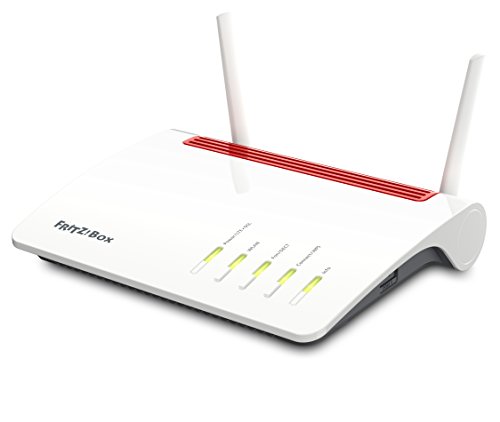

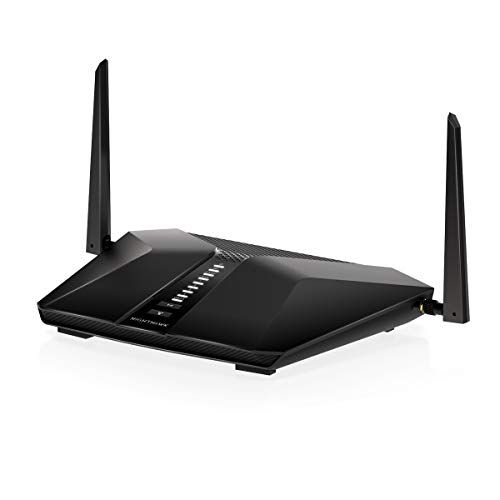
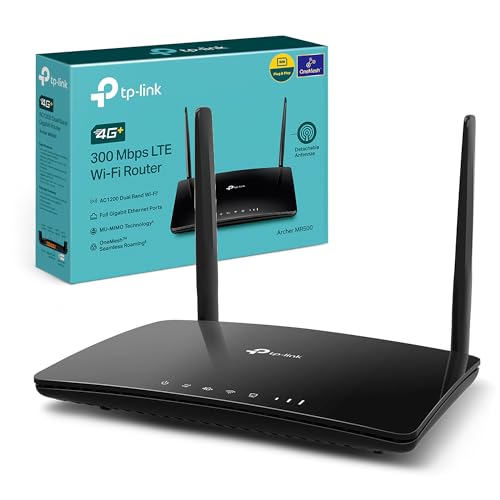
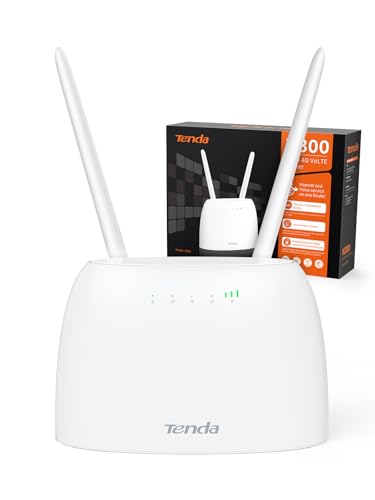
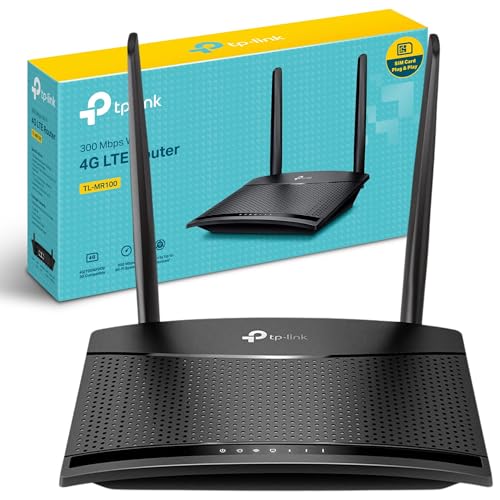
What is a 4G Wi-Fi router with SIM card?
A 4G Wi-Fi router with SIM card is a device that connects to the internet through a mobile SIM card and then shares the connection with other devices over Wi-Fi.
It works in the same way as a standard home router, but instead of using a fixed broadband line, it uses the 4G mobile network. This makes it a portable option for homes without fixed broadband or for people who need internet access while traveling.
The router has a SIM card slot where you insert a mobile SIM card with a data plan. Once connected to the 4G network, the router creates a Wi-Fi hotspot that multiple devices such as laptops, smartphones, or tablets can connect to at the same time. Some models also include Ethernet ports for wired connections, which are useful for devices that need stable speeds.

Which brands make the best 4G Wi-Fi routers with SIM card?
How much do 4G Wi-Fi routers with SIM cards cost?
4G Wi-Fi routers with SIM cards cost between £45 and £260 depending on features and brand.
Budget models from manufacturers like Huawei, TP-Link, and ZTE start at 50-£70 and support basic 4G connectivity with download speeds up to 150 Mbps. These entry-level devices typically connect 10-15 devices simultaneously and include standard Wi-Fi 802.11n technology. Mid-range models cost 100-£160 and feature faster Cat 6 or Cat 12 LTE modems with speeds up to 300-600 Mbps, dual-band Wi-Fi, and external antenna ports for better signal reception.
Premium 4G routers range from 200-£260 and include advanced features like carrier aggregation, MIMO technology, and Wi-Fi 6 support. High-end models from brands like Netgear, Cradlepoint, and Sierra Wireless can connect 30+ devices and reach theoretical speeds up to 1 Gbps in optimal conditions.
This chart visualizes prices for 4G Wi-Fi routers with SIM cards.
[vertical-chart-01223170424916429409154703990967568586511505284592]
What speeds can 4G Wi-Fi routers with SIM cards reach?
4G Wi-Fi routers with SIM cards can reach download speeds between 20-150 Mbps and upload speeds of 10-50 Mbps, depending on network conditions and carrier infrastructure. These speeds vary significantly based on signal strength, network congestion, and the specific LTE technology used by the mobile carrier.
Most consumer-grade 4G routers support LTE Category 4 or higher standards, which theoretically support maximum download speeds up to 150 Mbps, though real-world performance typically ranges from 30-80 Mbps in urban areas with good coverage.
How many devices can connect to 4G Wi-Fi routers with SIM cards?
4G Wi-Fi routers with SIM cards can connect between 10 and 64 devices at the same time. The exact number depends on the model, the strength of the 4G signal, and the router’s internal hardware. Basic models usually support 10 to 15 connected devices, while more advanced routers reach 32 or even 64 connections.
What security features do 4G Wi-Fi routers with SIM cards include?
4G Wi-Fi routers with SIM cards include the following security features.
- WPA2/WPA3 encryption: These protocols protect the wireless network traffic so that only devices with the correct password can connect.
- Firewall protection: The router filters incoming and outgoing data to block unwanted access and possible attacks.
- VPN support: Some routers support VPN connections that hide your IP address and secure your browsing.
- MAC address filtering: This feature lets you limit access to specific devices that you approve by their unique hardware address.
- Guest network: You can create a separate network for visitors so that your main devices stay isolated.
- Remote management controls: Access to router settings can be restricted with passwords and two-step login so that only authorized users can change configurations.
What else should you consider while choosing the best 4G Wi-Fi router with SIM card?
When choosing the best 4G Wi-Fi router with SIM card, you should consider the following factors:
- Network compatibility: Your router must support the frequency bands used by your mobile carrier in your region. Different carriers operate on various LTE bands (such as Band 1, 3, 7, 20, or 28), and your router needs to be compatible with these specific frequencies to achieve optimal performance. Check your carrier's technical specifications and match them with the router's supported band list before purchase.
- Antenna configuration: The number and type of antennas directly affect your signal reception quality and data speeds. Routers with multiple external antennas (typically 2-4) can better capture weak signals and maintain stable connections in areas with poor coverage. Some models feature detachable antennas that you can upgrade or reposition for better signal strength.
- Battery life and power options: Consider how long the router can operate on battery power, especially if you plan to use it while traveling or in locations without constant power supply. Most portable 4G routers run for 6-12 hours on a single charge, while some heavy-duty models can last up to 24 hours. Look for models that support power bank charging or car adapters for extended use.
- Coverage area and range: The Wi-Fi transmission range determines how far your devices can be from the router while maintaining a stable connection. Indoor models typically cover 30-50 meters, while outdoor or high-power versions can reach 100+ meters. Consider the physical space where you'll use the router and choose a model with appropriate coverage capabilities.
- Device management features: Modern 4G routers include web interfaces or mobile apps that let you monitor data usage, manage connected devices, and configure network settings. These tools help you track your monthly data consumption, set usage limits, and control which devices can access your network. Some advanced models also support guest networks and parental controls.