
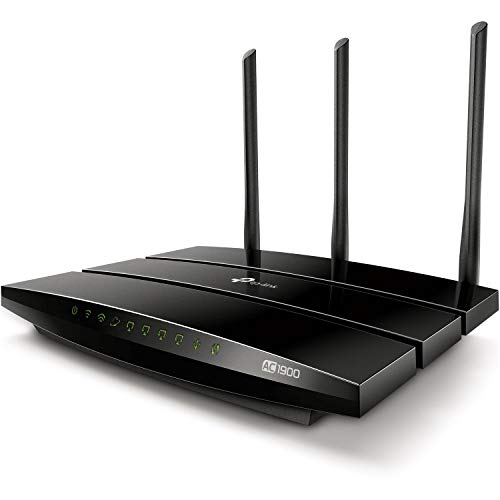
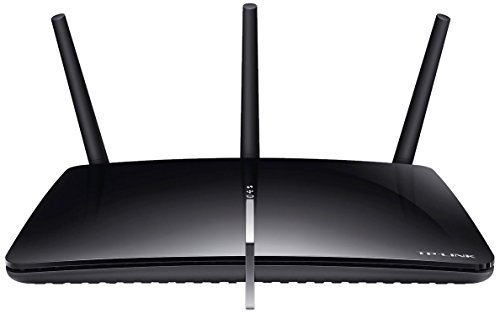
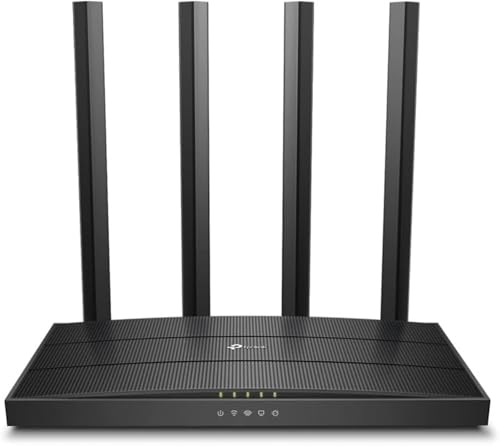
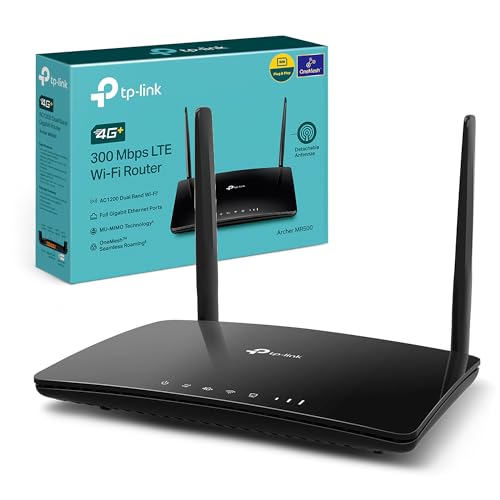
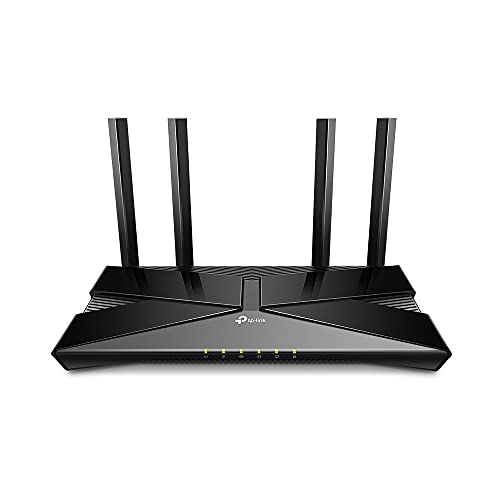
Are TP-Link routers good?
TP-Link routers have an average overall score of 7.5, ranking #(?) among all router brands, and a user rating of 9.1, placing them at #(?) based on user reviews.
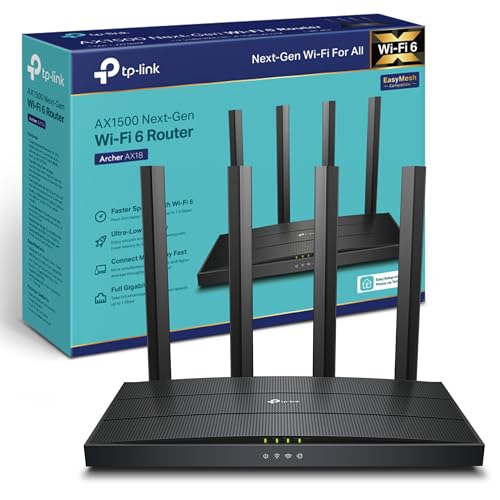
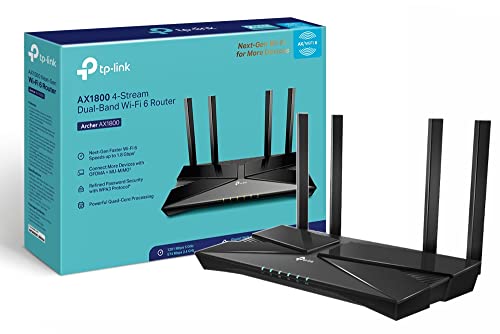
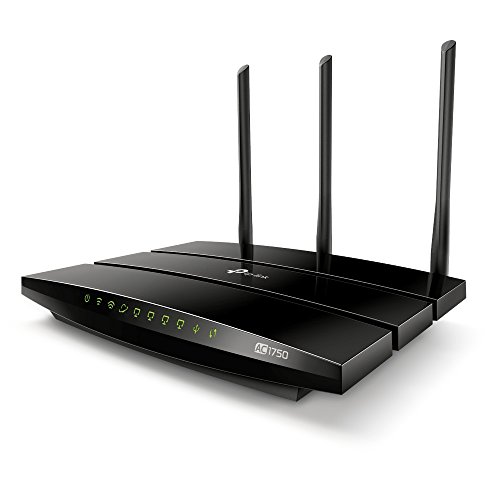
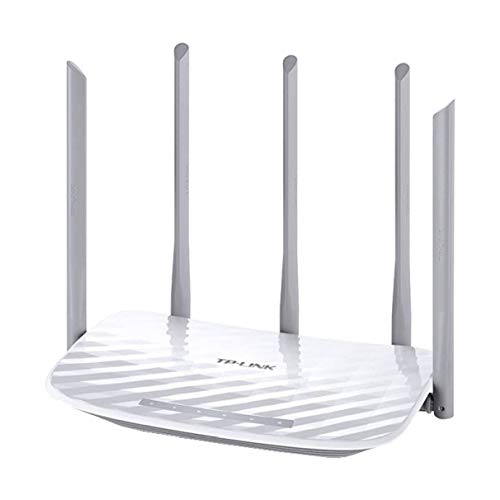
TP-Link routers are generally good budget-friendly networking devices that deliver reliable performance for most home and small business users. The company has established itself as a solid mid-range option in the router market, known for producing devices that balance cost-effectiveness with decent functionality.
TP-Link routers typically feature user-friendly interfaces, regular firmware updates, and support for modern Wi-Fi standards across their product lines. Their build quality is adequate for the price point, and many models include features like parental controls, guest networks, and basic QoS settings.
The best TP-Link routers are as follows.
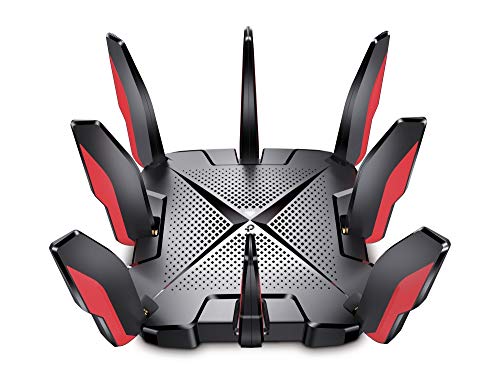
- TP-Link Archer GX90 (Overall score: 8.47 points)
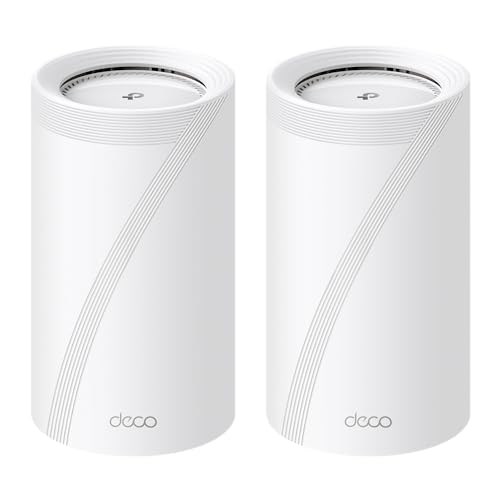
- TP-Link Deco BE75 (Overall score: 8.17 points)
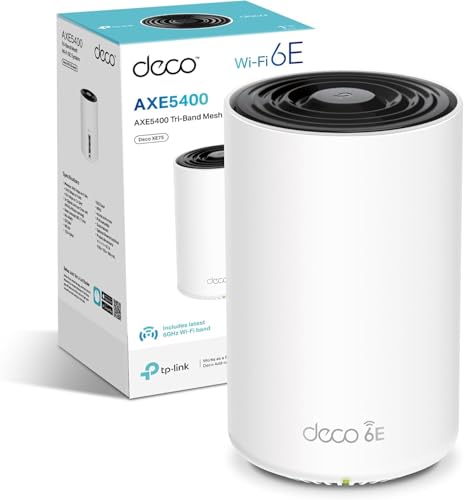
- TP-Link Deco XE75 (Overall score: 7.91 points)
The chart below ranks router brands by average overall score.
[horizontal-chart-12358809363490758653123200512821428302133513557861]
What are the main advantages of TP-Link routers?
The main advantages of TP-Link routers are as follows.
- Wide product range: TP-Link covers entry-level models under £30 up to advanced Wi-Fi 6 and Wi-Fi 7 routers over £260. This range includes budget-friendly devices for basic use and high-performance models for gaming or multi-device households.
- High-speed connectivity: Premium models like the Archer AX11000 deliver tri-band Wi-Fi with speeds up to 10.8 Gbps (4804 Mbps on two 5 GHz bands and 1148 Mbps on 2.4 GHz), which supports simultaneous 4K/8K streaming, gaming, and heavy downloads.
- Strong mesh technology: TP-Link Deco units use mesh networking to cover up to 600 m² with one set, and expansion with extra nodes increases coverage without signal drops. This suits large houses or multi-floor apartments.
- Easy management: The Tether app controls settings such as parental controls, QoS, and guest Wi-Fi. It supports remote access, firmware updates, and device prioritization, which gives users direct control over performance.
- Security features: Models with HomeShield protect against malware, phishing, and intrusion. Features include real-time threat detection, parental filters, and time controls, which strengthen network safety for families.
- Competitive pricing: Compared to Asus or Netgear, TP-Link models deliver Wi-Fi 6 routers with high throughput at lower cost. For example, the Archer AX55 costs around £80, while similar rivals start from £120.
What are the main disadvantages of TP-Link routers?
The main disadvantages of TP-Link routers are as follows.
- The disadvantages of TP-Link routers are as follows:
- Limited advanced features: Some models lack high-end options like advanced VPN clients, link aggregation, or multi-gig LAN ports, which are present in premium brands.
- Shorter warranty: Most TP-Link routers come with only 2 years of warranty in Europe, while brands like Asus often provide 3 years.
- Mixed app performance: The Tether app is simple but lacks the depth of Asus Router or Netgear Nighthawk apps (e.g., fewer customization options for power users).
- Build quality: Entry-level models use more basic plastic shells and antennas, which feel less solid compared to higher-end rivals.
- Firmware updates: TP-Link releases updates regularly, but support period for cheaper routers is shorter compared to premium competitors, so older models lose security updates earlier.

Who makes TP-Link routers?
TP-Link routers are made by TP-Link Technologies Co., Ltd., a Chinese networking equipment manufacturer founded in 1996.
The company is based in Shenzhen, China, and it produces a wide range of devices such as routers, switches, smart home products, and Wi-Fi systems. TP-Link has grown into one of the largest networking brands in the world and distributes its products in over 170 countries.
The company employs more than 20,000 people worldwide and operates research and development centers as well as production facilities in China. TP-Link expanded into the international market in the early 2000s and established TP-Link USA in 2008 to strengthen its presence in North America.
How popular are TP-Link routers?
TP-Link routers are among the most popular worldwide, with shipments in 2024 estimated at over 30 million units and a global market share of about 20 %, which kept TP-Link in first place among router vendors. The Archer AX series led sales in the Wi-Fi 6 segment, while the Deco mesh systems gained strong traction in households.
TP-Link performed best in Asia and Europe, where its share exceeded 25 % in some markets, while in North America it stayed closer to 15 %.
What are the main TP-Link router series?
The main TP-Link router series are as follows.
- The main TP-Link router series are as follows:
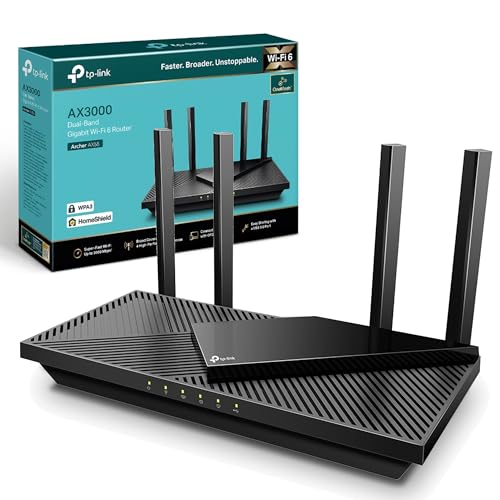
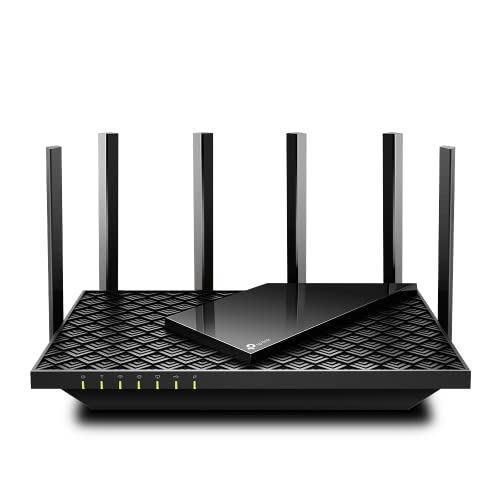
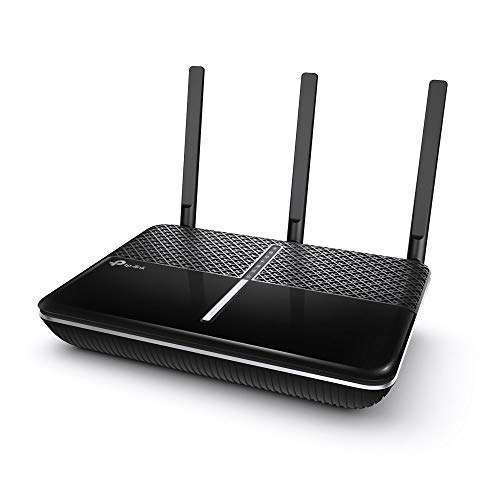
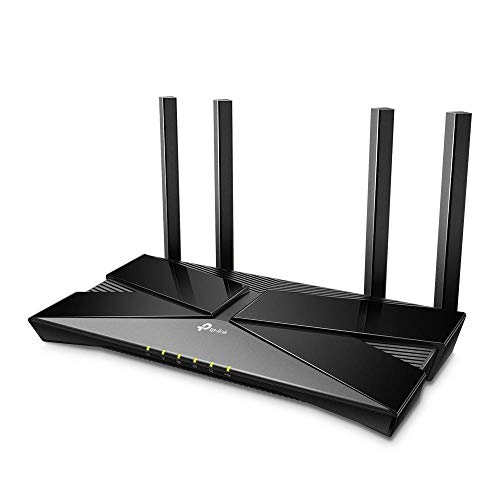
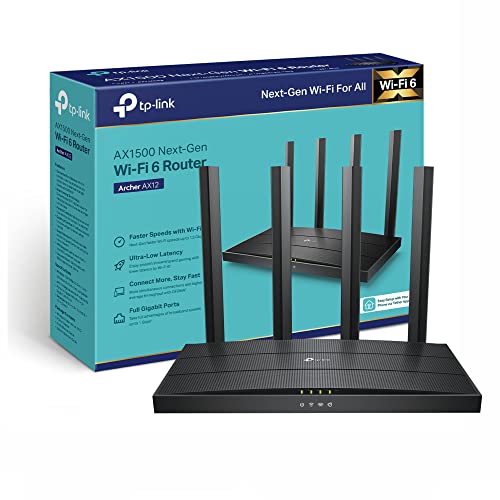
- Archer Series: Focused on home users, it includes dual-band and tri-band Wi-Fi 5, Wi-Fi 6, and Wi-Fi 7 models. It supports high-speed connections, wide coverage, and advanced features such as MU-MIMO and OFDMA.
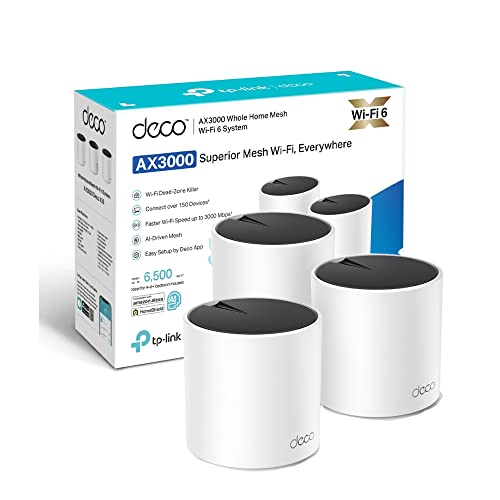
- Deco Series: Mesh Wi-Fi systems designed for whole-home coverage. They combine multiple units to eliminate dead zones and maintain a single seamless network, with features like parental controls and security tools.
- Omada Series: Targeted at businesses, it integrates routers, access points, and switches under centralized cloud management. It supports high device capacity, VLANs, and enterprise-level security.
- SafeStream Series: Routers designed for professional environments, with a focus on VPN functions, firewall protection, and stable wired connections. They are used in offices or small businesses that need strong security.
- TL-WR Series: Entry-level routers for basic home use. They are affordable and cover essential functions such as simple Wi-Fi access and wired connectivity without advanced extras.
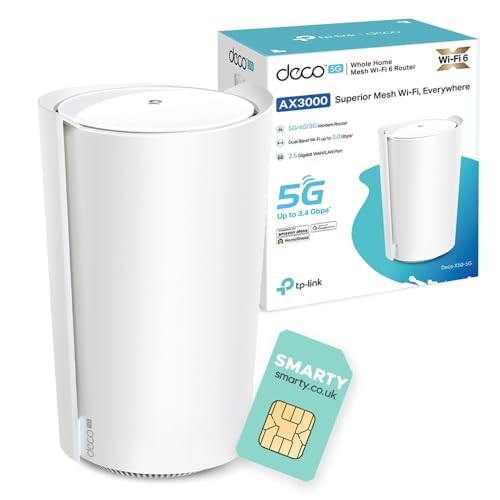
- 5G/4G LTE Series: Routers with integrated SIM card slots that connect to mobile networks. They are practical where wired internet is not available and support both home and portable use.
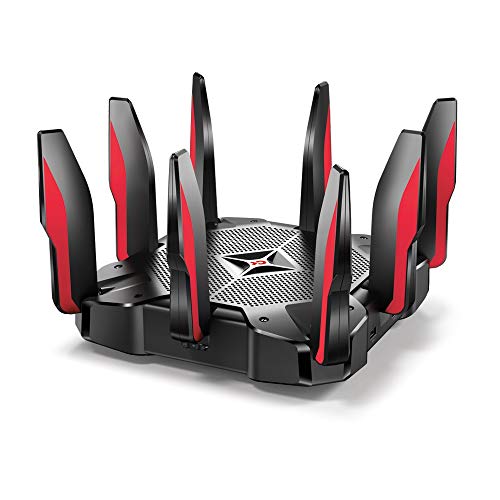
- Gaming Series (Archer GX): Built for gamers, with low latency, traffic prioritization, and high-speed Wi-Fi. They combine strong processors with optimized QoS to keep gaming performance stable.
How much do TP-Link routers cost?
TP-Link routers cost between £17 and £340 depending on the model and features.
Entry-level models for basic home use start at about £17 to £45, which cover standard Wi-Fi needs with limited speed and range. Mid-range TP-Link routers usually cost £60 to £130, and they support dual-band Wi-Fi, higher speeds, and better coverage suitable for larger homes or multiple connected devices. High-end TP-Link routers go from £170 up to around £340, and these models are designed for heavy internet usage such as gaming, 4K streaming, or smart home networks.
The following chart shows the price distribution of TP-Link routers.
[vertical-chart-12703024362281818332082433462061696225722232233040]
What should you consider while choosing the best TP-Link router?
You should consider the following factors while choosing the best TP-Link router.
- WiFi standards: Wi-Fi 6 (802.11ax) routers like the Archer AX series support speeds up to 6 Gbps and handle multiple smart devices better. Wi-Fi 5 (802.11ac) models such as the Archer AC series cost less but work well for smaller households with basic internet needs.
- Compatibility: Your router should match or exceed your ISP speed to maximize performance. Gigabit internet users need high-end models like the Archer AXE300 which supports up to 15.6 Gbps, while 100 Mbps plans work fine with basic dual-band routers.
- Coverage: Traditional routers like the Archer series work well for apartments but large homes need mesh systems. The Deco M5 three-pack covers up to 5,500 square feet while the Archer AX20 covers medium-sized homes with four antennas and beamforming technology.
- Band configuration: Single-band routers (2.4 GHz) cover wider areas but transmit slower speeds. Dual-band models (2.4 GHz + 5 GHz) like the Archer AX20 separate devices better and run faster. Tri-band routers (2.4 GHz + two 5 GHz bands) such as the Archer C5400X handle gaming and streaming-heavy households.
- Management: Wi-Fi 6 routers support MU-MIMO and OFDMA technologies which handle more simultaneous connections. The Deco M5 manages over 100 devices while Archer AX6000 uses a 1.5 GHz quad-core processor for minimal latency.
- Security features: Modern TP-Link routers include WPA3 encryption, built-in VPN clients, and HomeCare antivirus protection. The Archer AXE300 features robust parental controls and malware protection while Deco models block malicious websites automatically.
- Port configuration: Gaming and streaming users need routers with multiple Gigabit Ethernet ports and USB connectivity. The Archer AXE300 includes two 10G ports and a 2.5 Gbps WAN/LAN port for ultra-high-speed connections while standard models like the Deco M5 have two Gigabit ports per unit.
The chart below shows the Wi-Fi speed distribution of TP-Link routers.
[vertical-chart-00001136975957146809175927142675621964312884162714]