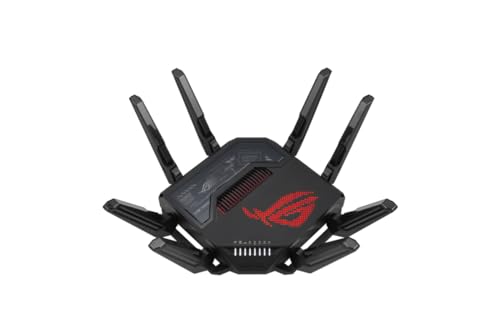

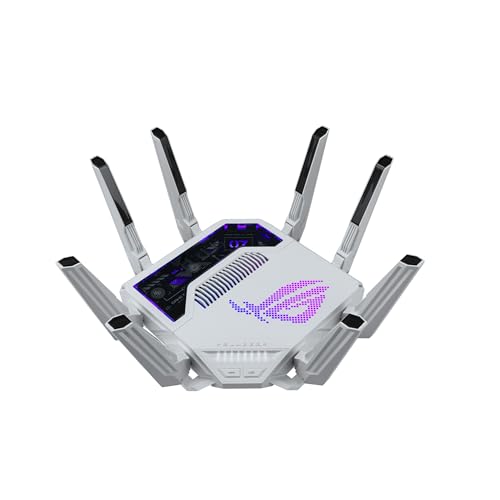
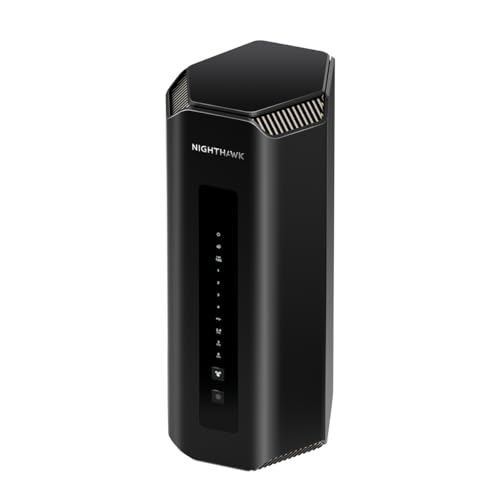
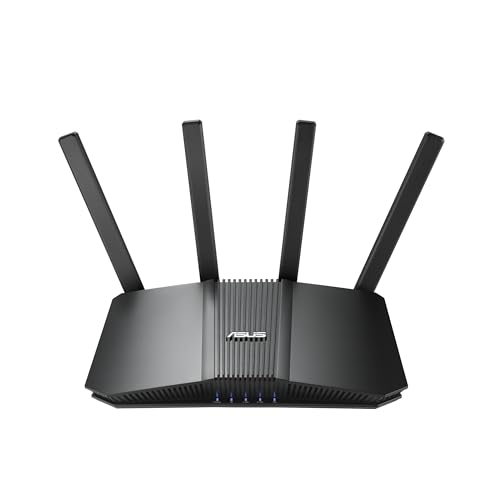
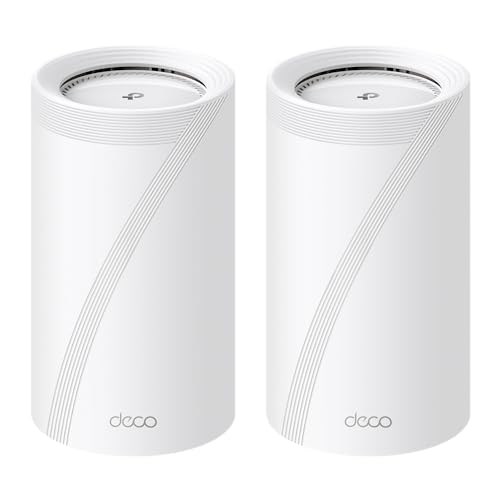
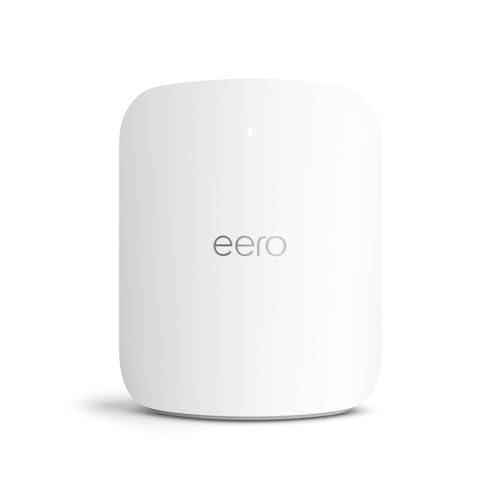
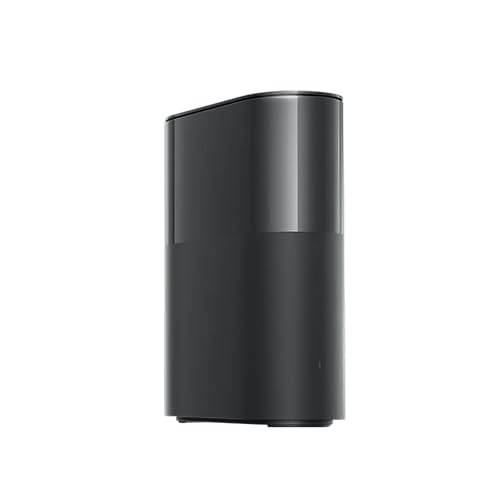
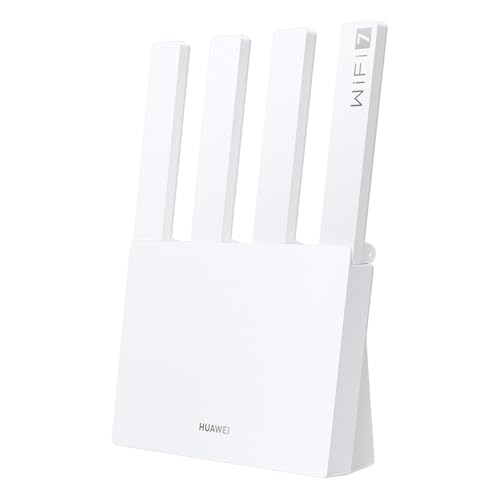
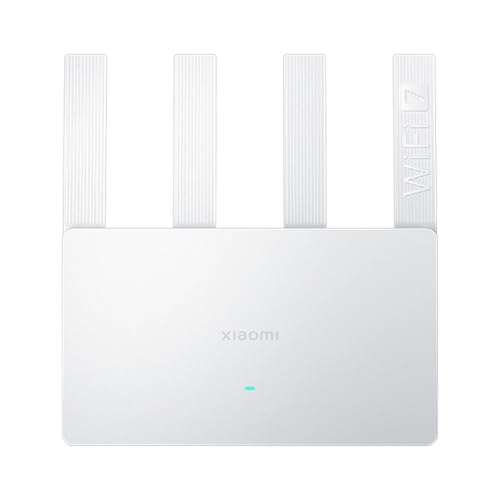
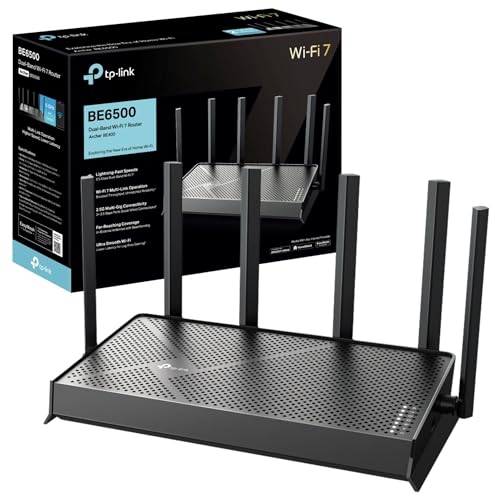
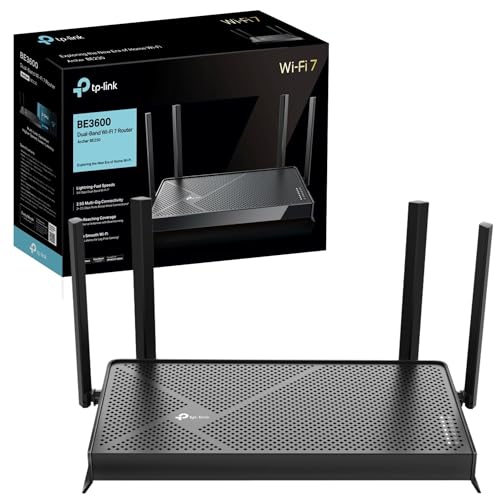
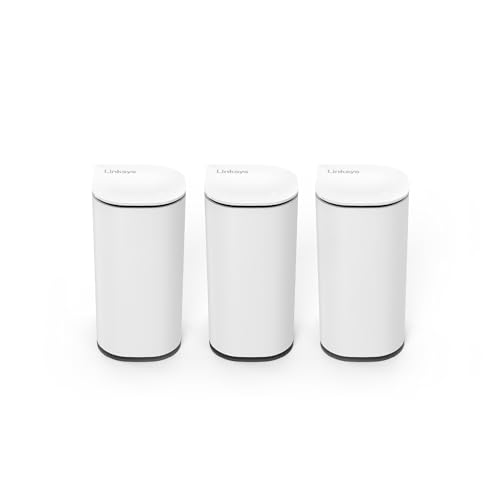
What is a Wi-Fi 7 router?
A Wi-Fi 7 router is a device that supports the new Wi-Fi 7 standard (IEEE 802.11be) and delivers higher wireless speeds, lower latency, and more stable connections than Wi-Fi 6 or Wi-Fi 6E. It works on the 2.4 GHz, 5 GHz, and 6 GHz bands and can use all three at the same time. This increases overall network capacity and improves performance when many devices connect.
Wi-Fi 7 routers use wider 320 MHz channels and advanced modulation (4096-QAM), so they can transfer much more data per second. The standard also supports Multi-Link Operation (MLO), which lets devices connect across multiple bands at once. This reduces latency and creates faster, more consistent speeds.
These routers are designed for high-demand use such as 4K and 8K streaming, online gaming, AR/VR, and smart homes with many connected devices.
Do I need new devices to benefit from a Wi-Fi 7 router?
No, you do not need new devices to benefit from a Wi-Fi 7 router, as all existing Wi-Fi devices can still connect to it.
The router is backward compatible with Wi-Fi 6, Wi-Fi 5, and older standards, so laptops, smartphones, and smart home devices that use previous generations of Wi-Fi will continue to function as usual. This means you can upgrade your router without replacing every device in your home.
However, to experience the full performance of Wi-Fi 7, such as higher throughput, lower latency, and more efficient use of spectrum, you need devices that support Wi-Fi 7. A Wi-Fi 7 smartphone, laptop, or PC can use advanced features like multi-link operation and wider 320 MHz channels, which older devices cannot take advantage of.

Which brands make the best Wi-Fi 7 routers?
The best Wi-Fi 7 router brands are as follows.
- ASUS (Overall score: 8.6 points)
- TP-Link (Overall score: 8.1 points)
- Xiaomi (Overall score: 7.6 points)
The following chart ranks Wi-Fi 7 router brands by average overall score.
[horizontal-chart-04948846450224895981106003279752203796940605817217]
How much do Wi-Fi 7 routers cost?
Wi-Fi 7 routers cost between £260 and £600 for mid-range consumer models and can exceed £850 for advanced devices.
Prices vary by brand, speed rating, and extra features such as multi-gig ports or mesh compatibility. Entry-level models stay closer to £260, while flagship units from major manufacturers reach higher ranges.
High-end Wi-Fi 7 routers target gamers and heavy users, so they include 10 GbE ports, advanced antenna designs, and wide 320 MHz channels. Mesh systems with Wi-Fi 7 support usually start above £550 and scale higher depending on the number of nodes.
The chart below shows the price distribution of Wi-Fi 7 routers.
[vertical-chart-14378094274507217323168333445001427482561338053784]
What speeds do Wi-Fi 7 routers support?
Wi-Fi 7 routers support speeds up to 46 Gbps, which is a major increase compared to Wi-Fi 6E at 9.6 Gbps. They use wider 320 MHz channels, advanced modulation (4096-QAM), and multi-link operation that lets devices transmit across different bands at once. This higher throughput reduces latency and improves stability in dense environments.
The chart below shows the Wi-Fi speed distribution of Wi-Fi 7 routers.
[vertical-chart-13092724538579831528020631173371416787702369331332]
How many devices can Wi-Fi 7 routers handle?
Wi-Fi 7 routers can handle significantly more devices than previous generations, with theoretical capacity reaching up to 512 simultaneous connections per access point. The actual number depends on the specific router model, network configuration, and usage patterns, but most consumer Wi-Fi 7 routers support between 200-300 active devices effectively.
The increased device capacity stems from Wi-Fi 7's advanced Multi-Link Operation (MLO) technology and improved Multi-User Multiple Input Multiple Output (MU-MIMO) capabilities. MLO allows devices to connect across multiple frequency bands simultaneously (2.4 GHz, 5 GHz, and 6 GHz), which distributes network load more efficiently.
The 320 MHz channel bandwidth and 4096-QAM modulation also contribute to better spectrum utilization, enabling more devices to share the available wireless resources without significant performance degradation.
What security features do Wi-Fi 7 routers include?
Wi-Fi 7 routers include the following security features.
- WPA3 encryption: Wi-Fi 7 routers use WPA3, which is the latest Wi-Fi security standard. It protects data with stronger encryption and prevents attacks that try to guess passwords.
- Improved authentication: These routers support advanced authentication methods, so devices connect more safely and reduce the chance of unauthorized access.
- Automatic updates: Many Wi-Fi 7 routers support automatic firmware updates, which keep security protections current against new threats.
- Guest network support: Routers include the option for separate guest networks, which isolate visitors from the main network and protect personal data.
- Enhanced device management: Wi-Fi 7 routers give users more control over connected devices, so they can block suspicious activity or restrict access when needed.
What ports and connectivity options do Wi-Fi 7 routers include?
Wi-Fi 7 routers usually include the following ports and connectivity options.
- Ethernet LAN ports: Most Wi-Fi 7 routers include four to eight wired LAN ports, and stronger models move beyond standard Gigabit to 2.5G or 10G Ethernet for faster local transfers.
- WAN port: The WAN side is often multi-gigabit as well, typically 2.5G or 10G, so the router can actually use very fast fiber or cable plans.
- USB connectivity: USB 3.0 or USB 3.2 ports are common on better models and let you attach storage, share files, or run simple network backup tasks.
- Multi-band wireless: Wi-Fi 7 routers usually combine 2.4 GHz, 5 GHz, and often 6 GHz bands, which improves capacity, lowers congestion, and supports newer high-speed devices.
- Mesh and backhaul support: Many models also support mesh expansion and dedicated or high-speed backhaul links, which matters when you want wider coverage without losing too much throughput between nodes.
The chart below shows the LAN-port distribution of Wi-Fi 7 routers.
[vertical-chart-13431168442279972303049159668866130836821790880050]