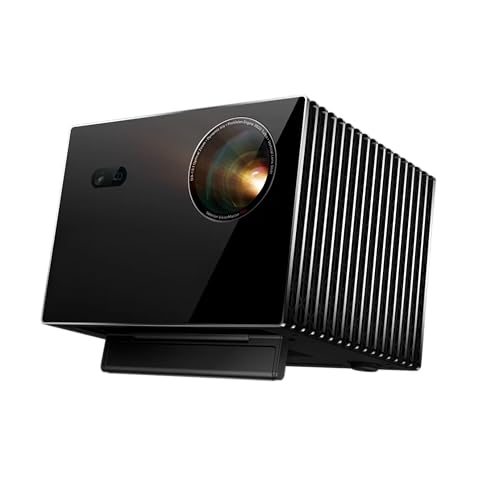
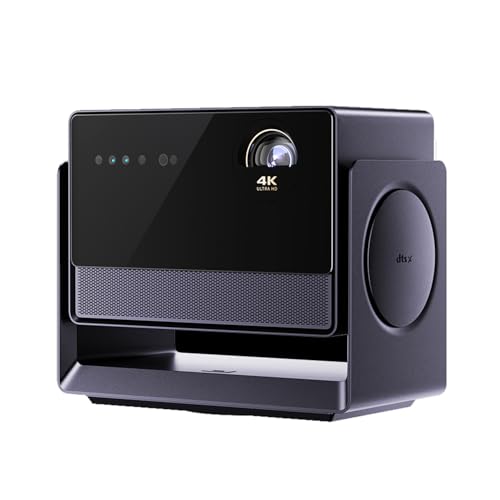
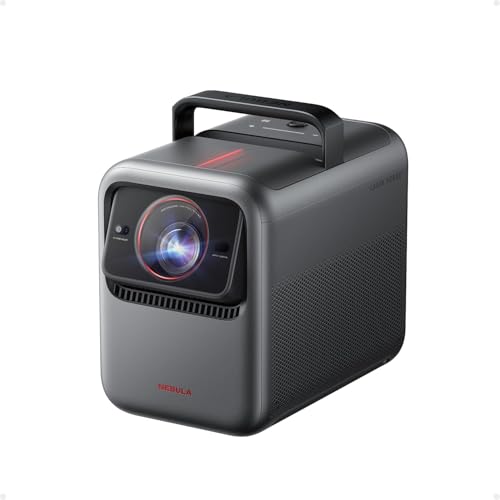
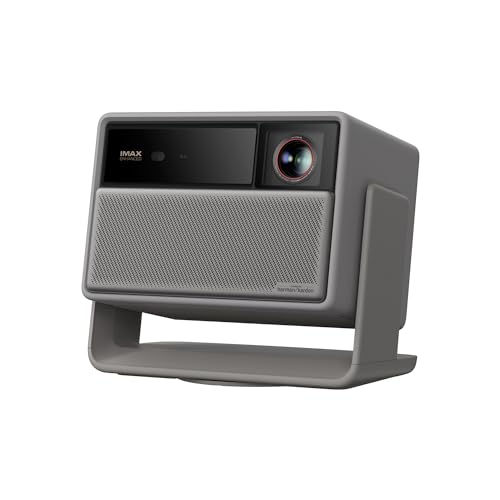
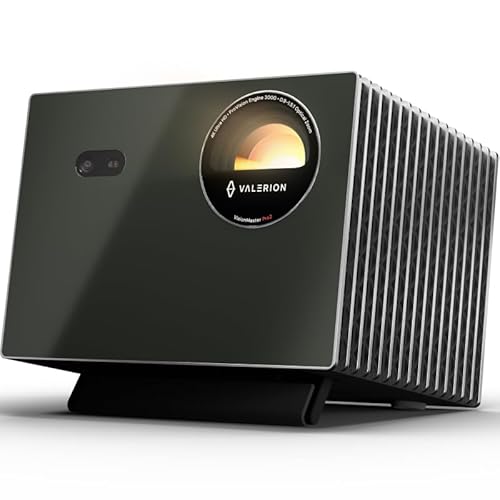
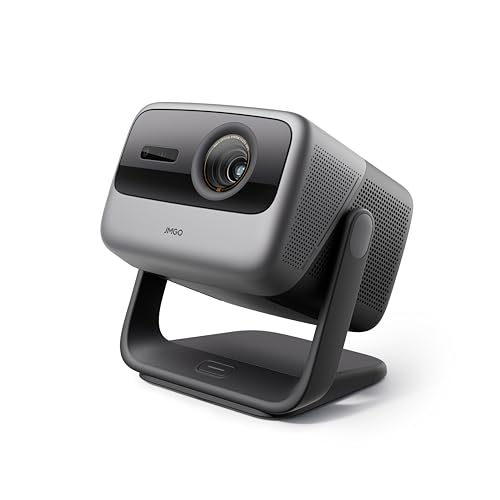
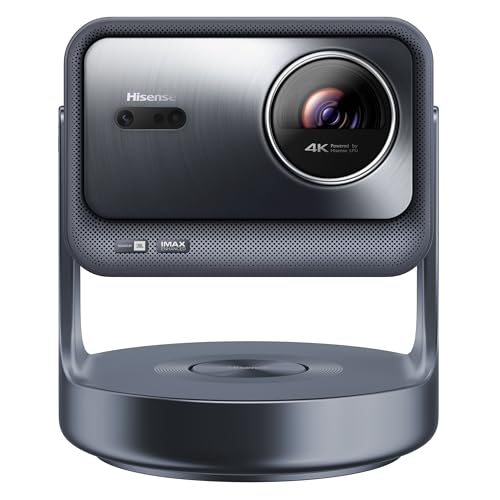
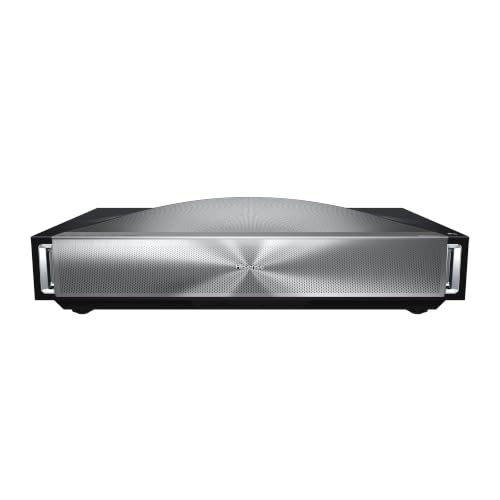
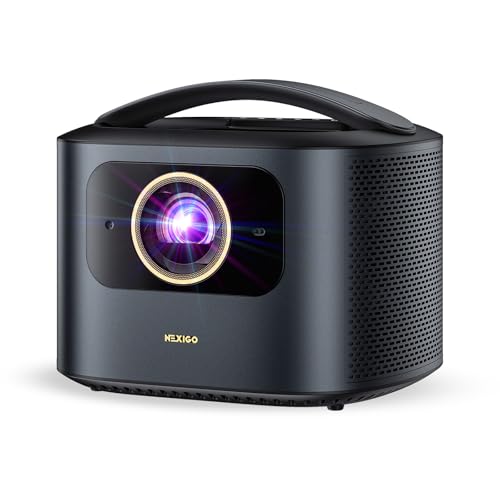
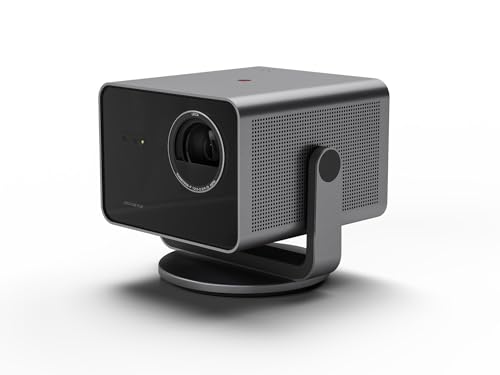
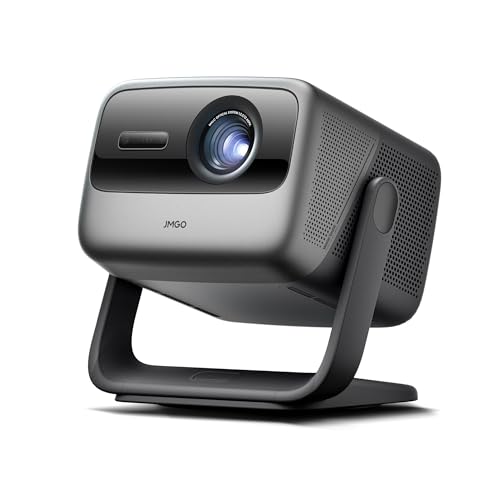
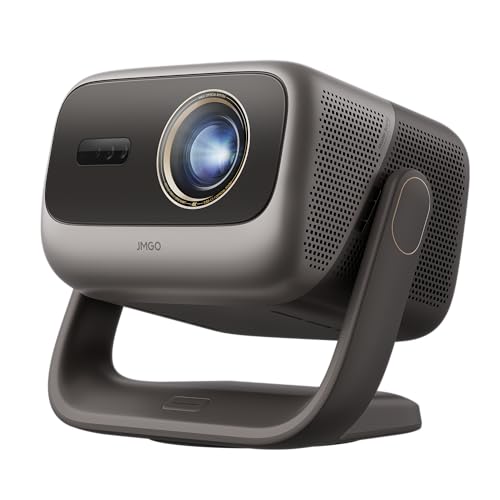
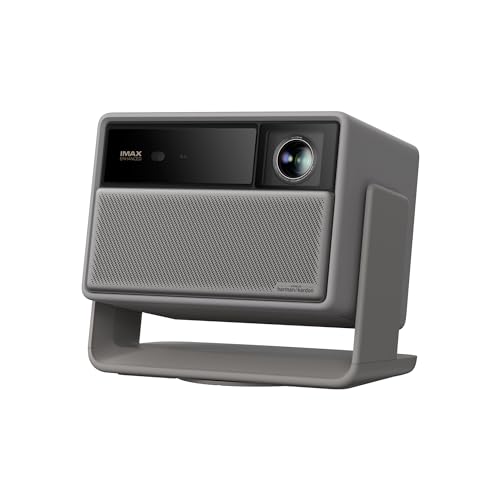
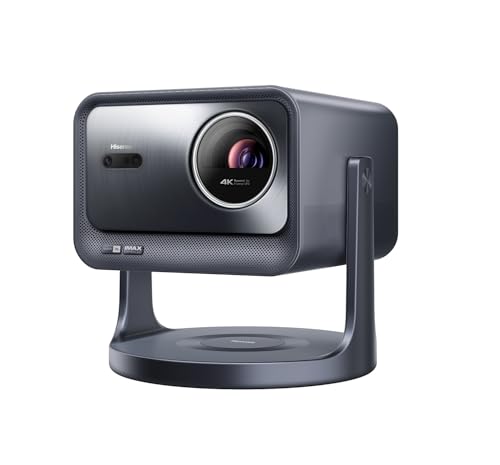
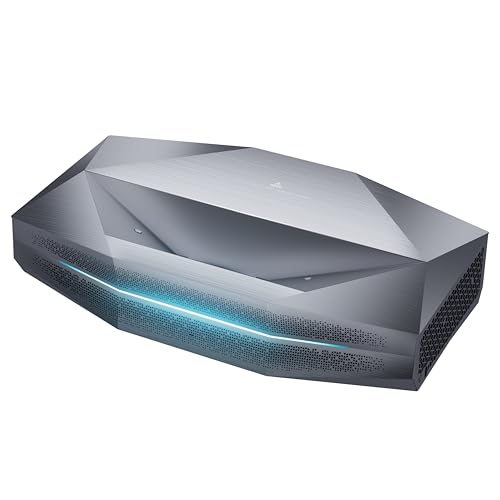
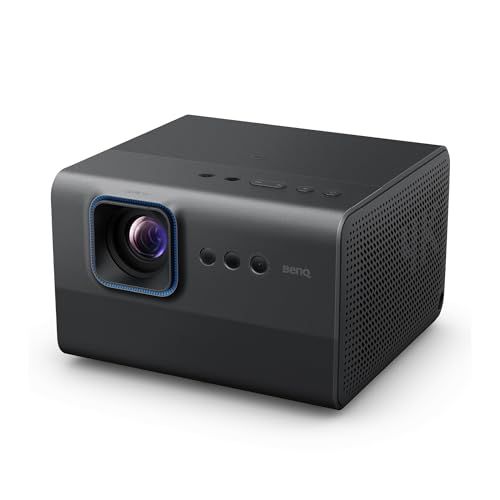
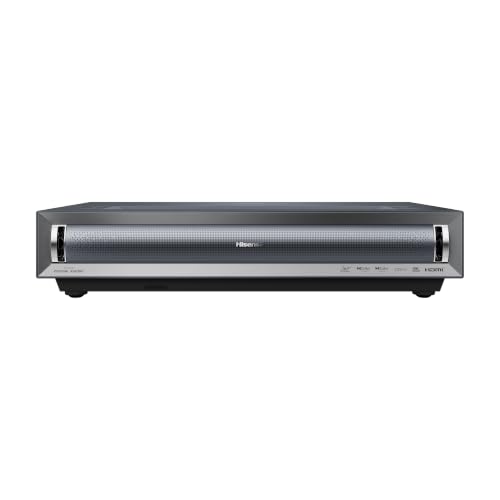
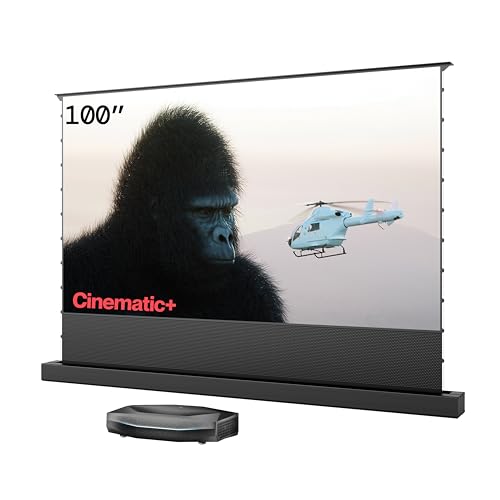
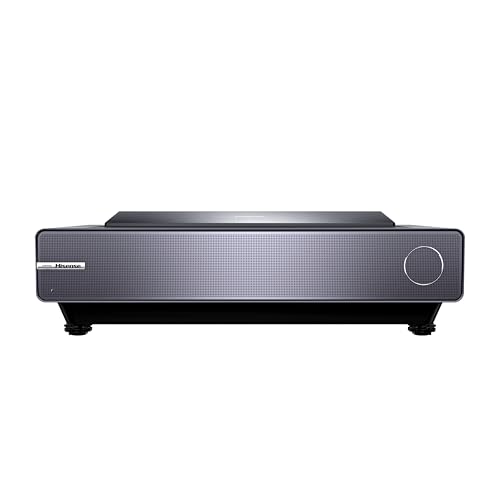
4K resolution on a projector usually means an image close to 3840 x 2160 pixels, which is the UHD format most people expect from modern TVs and streaming services. Some cinema-focused models also reference 4096 x 2160, but for most buyers the real point is that 4K packs far more detail than Full HD.
On a large projected image, that extra resolution helps fine textures, subtitles, and scene detail look cleaner, especially when you sit fairly close. It does not guarantee a better picture by itself, but it gives a strong projector much more detail to work with.
Do 4K projectors use native 4K or pixel shifting?
Most 4K projectors use pixel shifting rather than native 4K panels, especially in the more affordable part of the market. Pixel shifting works by moving lower-resolution imaging chips very quickly so the eye sees a denser 4K-like image, and it can look impressively sharp in real viewing.
Native 4K projectors do exist, but they are rarer and usually more expensive. In practice, a good pixel-shifting projector can still look excellent, so it makes more sense to judge the whole image quality than to focus only on whether the panel is native 4K.
How sharp is a 4K projector in real use?
A good 4K projector looks very sharp in real use, especially on a large 100 to 120 inch screen where fine detail is easier to appreciate than it is on a smaller display. Textures in films, game environments, and subtitles all tend to look cleaner and more stable than they do on ordinary 1080p models.
The catch is that sharpness depends on more than the pixel count alone. Lens quality, focus consistency, motion handling, and the source material all affect how crisp the picture looks, so not every 4K projector feels equally detailed in practice.