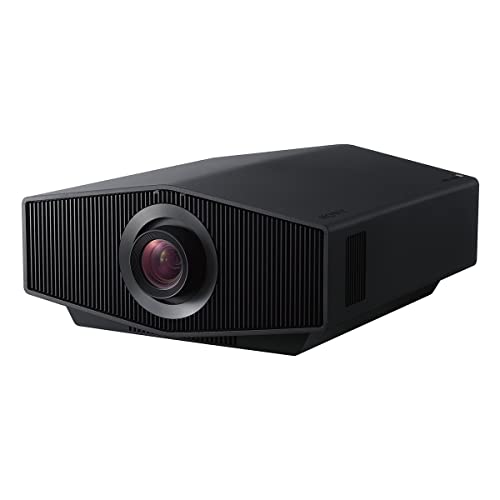
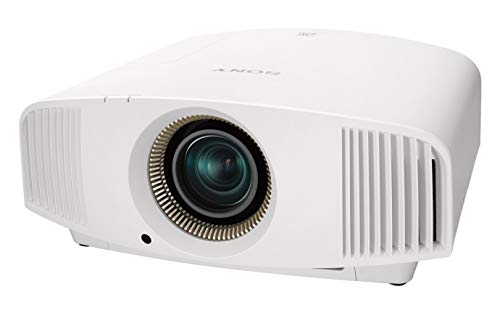
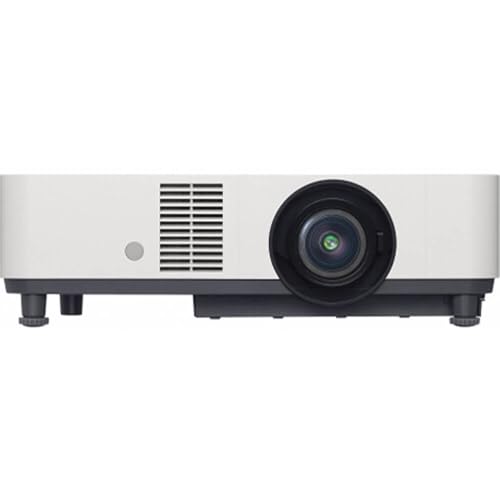
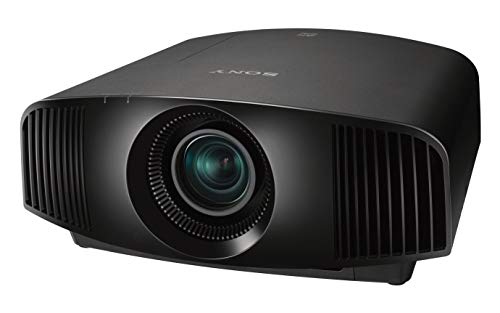
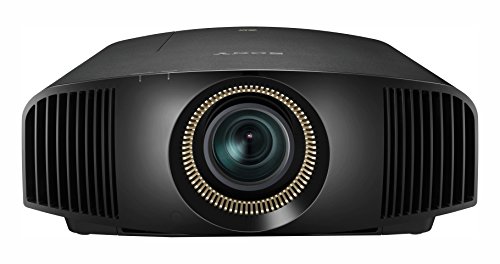
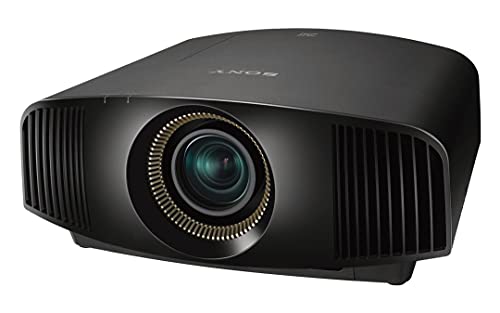
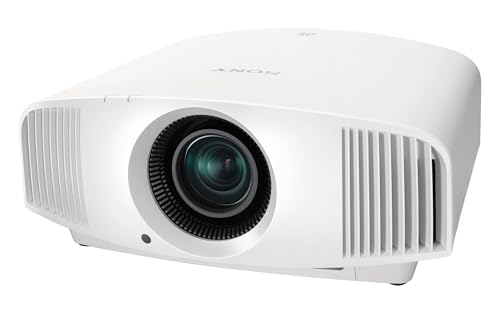
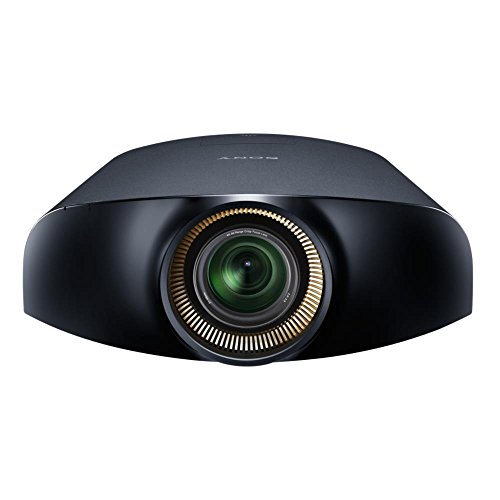
Are Sony projectors good?
Sony projectors have an average overall score of 6.9, ranking #11 among comparable projector brands, and a user rating of 7.9, placing them at #21 in user reviews.
Sony's better home-theatre projectors usually combine strong contrast, convincing HDR processing, precise lens controls, and a more cinematic image than many mid-range competitors. That makes them attractive to buyers building a dedicated film room or high-end media room where black levels and image refinement matter more than portability or built-in apps.
The main drawback is cost. Sony projectors are expensive, the range is relatively narrow, and the brand is not aimed at budget portable use. If you mainly want value, casual streaming, or a projector for mixed bright-room everyday use, Epson, BenQ, or Xgimi often make more financial sense.
The chart below compares projector brands by average overall score.
[horizontal-chart-06222294491359464560168876188160252806382230551488]
What are the main advantages of Sony projectors?
The main advantages of Sony projectors are as follows.
- Native 4K SXRD panels: Sony has been one of the strongest names for true 4K home projection, which helps preserve fine detail without relying entirely on pixel-shifting tricks.
- Excellent contrast and black depth: In dark-room movie setups, Sony models often produce a more cinematic image with richer shadow detail than many brighter but flatter-looking rivals.
- Refined motion processing: Sony is known for smooth motion handling in films and sports, which helps reduce blur and gives the picture a more polished feel.
- High-end lens control: Many Sony home-cinema models offer generous zoom, lens shift, and memory presets, making them easier to install properly in dedicated rooms.
- Strong HDR tone mapping: Sony's premium processing usually does a better job than cheaper models at making HDR content look balanced instead of washed out or overly dim.
What are the main disadvantages of Sony projectors?
The main disadvantages of Sony projectors are as follows.
- Very high prices: Sony projectors sit in a premium bracket, so even entry points are expensive compared with mainstream 4K pixel-shifting alternatives.
- Not much budget or portable choice: The brand focuses on serious home cinema, so buyers looking for mini projectors, battery models, or cheap living-room options will not find much here.
- Less value for bright-room use: If your room has lots of ambient light, a cheaper projector with more raw brightness can be a smarter buy than paying extra for Sony's cinema-first strengths.
- Limited built-in smart platform appeal: Sony's projector line is not mainly sold on TV-style integrated software, so streaming convenience is often weaker than on lifestyle brands.
- Few short-throw or UST lifestyle options: Sony gives buyers far less choice in compact or ultra-short-throw living-room projection than brands such as Samsung, LG, or Hisense.
- Large, installation-oriented designs: Many Sony models are built for shelves or ceiling mounts, not for frequent moving between rooms or fast casual setup.
Who makes Sony projectors?
Sony projectors are made by Sony, the Japanese electronics group best known for its cameras, TVs, PlayStation hardware, and imaging technology. Within projectors, Sony has long focused on premium home-cinema and professional display products rather than low-cost mass-market mini projectors.
That heritage shows in the projector lineup. Sony uses its own imaging expertise, especially around SXRD panel technology and video processing, to target buyers who want serious picture quality. It is much more of a specialist cinema and pro-AV name than a casual lifestyle projector brand.
What are the main Sony projector series?
The main Sony projector series are as follows.
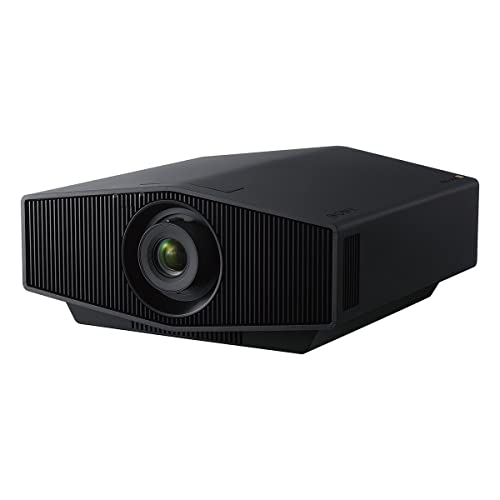
- VPL-XW series: Sony's current flagship home-cinema laser line, aimed at premium 4K movie rooms with strong contrast, advanced optics, and long-life laser light sources.
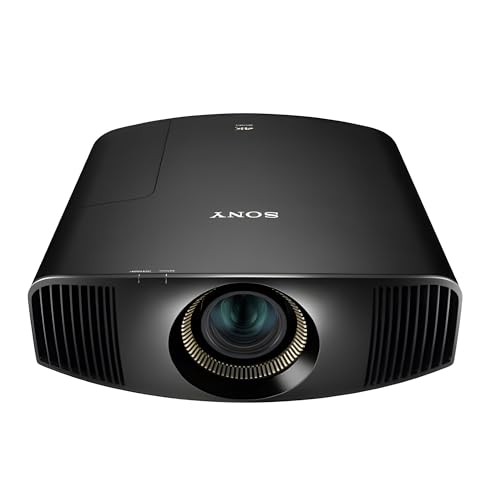
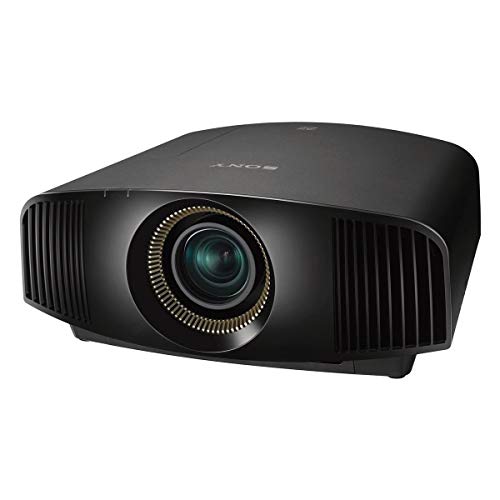
- VPL-VW series: The older but still well-known native 4K home-cinema family that helped define Sony's enthusiast projector reputation.
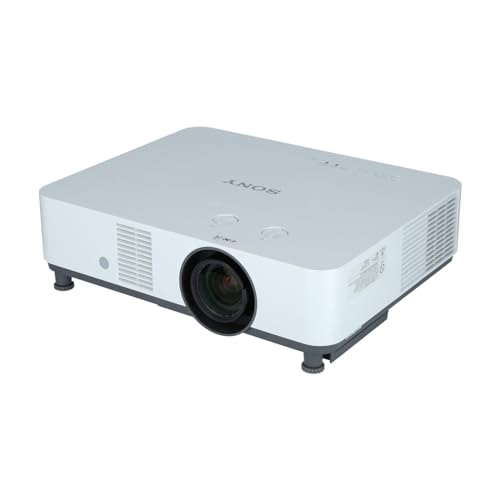
- VPL-PHZ and VPL-FHZ series: Sony's brighter professional and education-oriented laser projectors, built more for installation, signage, and meeting spaces than for living-room cinema.
How much do Sony projectors cost?
Sony projectors usually cost about £2,200 to well over £8,600. The brand tends to be expensive because it focuses on premium home cinema picture quality rather than cheap portable convenience.
\n
There is not really a bargain tier here, because even Sony's entry models aim for strong contrast, smooth motion, and a more serious dark-room image. That means the price floor starts high, but so does the baseline expectation for film performance.
\n
Within Sony's range, extra spend usually buys native 4K panels, brighter laser light sources, better HDR tone mapping, and more advanced lens control. The higher you go, the more the improvements are about refinement and cinematic realism rather than basic usability.
How do Sony projectors compare with Epson projectors?
Sony and Epson both make respected projectors, but they usually win in different ways. Sony is the more premium home-cinema brand, with stronger native 4K credibility, deeper black-level performance, and a more enthusiast-oriented image. Epson is broader and more value-driven, with more options across home, business, and brighter mixed-use setups.
For a dedicated movie room, Sony is often the more aspirational choice. For buyers who need better value, more raw brightness per pound, or a wider product range that includes mainstream 4K pixel-shifting and general-purpose models, Epson is often easier to recommend. Sony is about refinement; Epson is about breadth and practicality.
What should you consider while choosing the best Sony projector?
The main things to compare on a Sony projector are as follows:
- Imaging system: Many Sony home-cinema models use native 4K SXRD panels rather than cheaper pixel-shifting. That matters most on 100- to 150-inch screens where fine detail, cleaner text, and smoother film texture are easier to notice.
- Contrast first: Sony's main strength is black level and tone gradation, so it pays off most in a dark room. If you mostly watch with daylight or lamps on, spending thousands on better contrast can matter less than simply buying more brightness.
- Brightness and HDR: Around 1,500 to 2,000 lumens can look excellent in a dedicated cinema room, but HDR on a very large screen benefits from 2,500 lumens or more. Do not assume a premium Sony automatically solves bright-room viewing.
- Installation: Sony models often offer useful lens shift and zoom, but they are still usually long-throw projectors. Measure throw distance, shelf or ceiling position, and target screen size before buying because they are not as placement-friendly as portable or UST designs.
- Gaming support: Some newer Sony projectors add 4K at 120Hz and lower lag, but older cinema-focused models are bought more for films than competitive gaming. If a PS5 or PC is part of the plan, verify real input lag and HDMI 2.1 bandwidth instead of trusting the brand name alone.
- Budget fit: Sony picture quality can be excellent, but the brand is expensive enough that your room needs to expose the difference. If you do not have a dark room, a proper screen, and a large image, Epson or BenQ can make more financial sense.