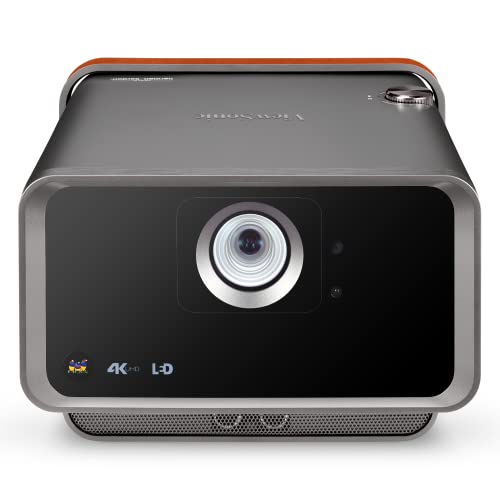
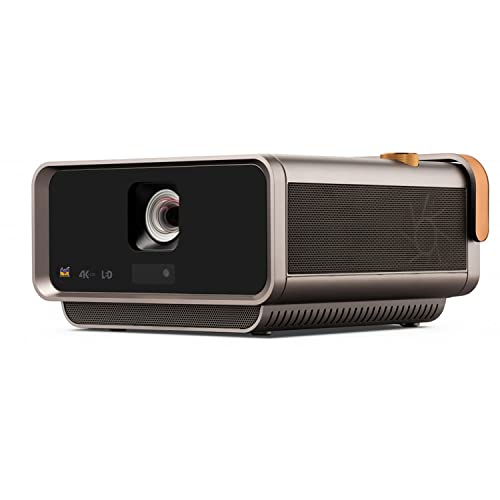
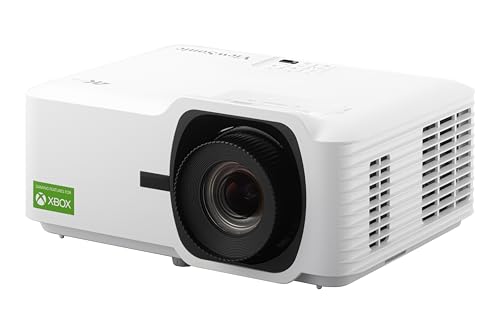
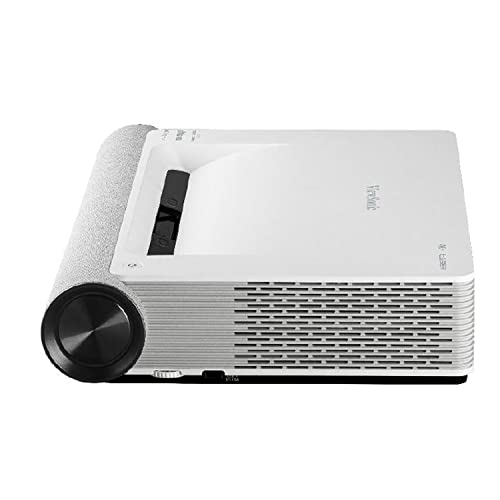
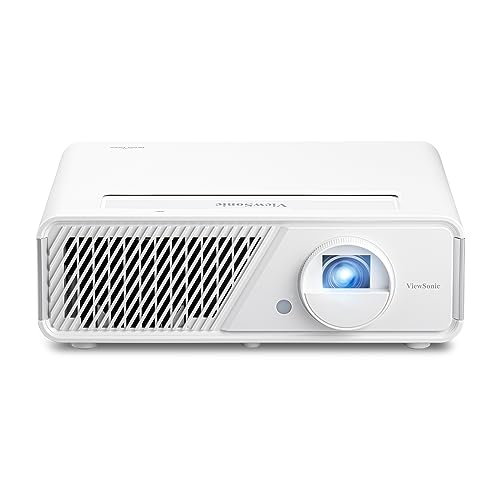
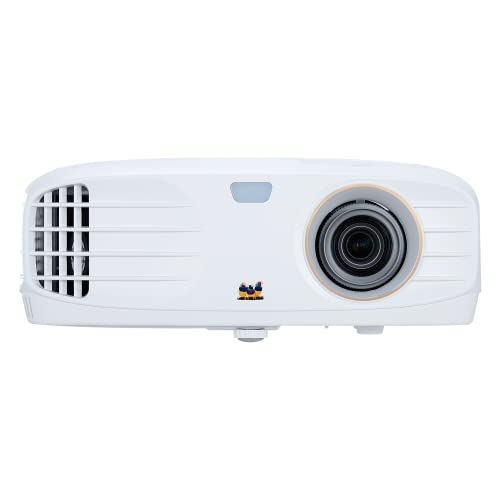
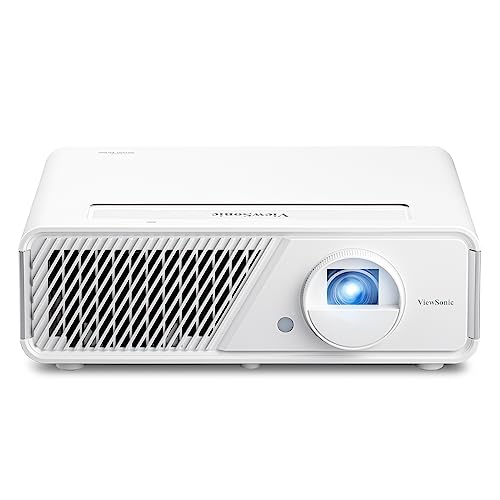
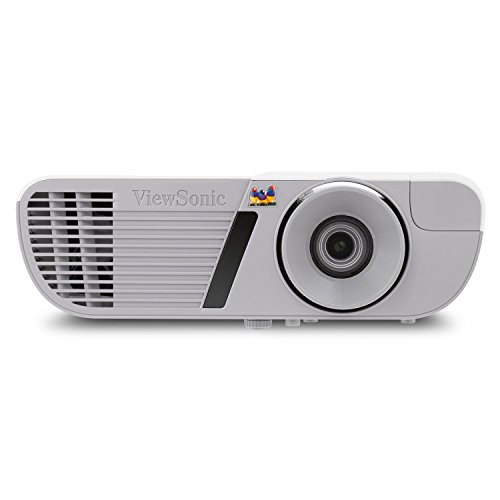
Are ViewSonic projectors good?
ViewSonic projectors have an average overall score of 7.4, ranking #8 among comparable projector brands, and a user rating of 8.6, placing them at #11 in user reviews.
The brand is strongest when brightness, connectivity, or flexible mainstream value matter more than luxury home-cinema credentials. ViewSonic has useful models for classrooms, offices, sports watching, and mixed home use, and some of its gaming and portable products are better than buyers expect from a brand often associated with monitors and projectors for work.
The weaker side is that ViewSonic is not usually the most aspirational projector brand for film purists or design-led living-room buyers. Smart platforms can be basic, speakers are often only adequate, and the best dark-room cinema options are easier to find from Sony, Epson, or BenQ. Still, as a practical projector brand, it is competitive.
The chart below compares projector brands by average overall score.
[horizontal-chart-06222294491359464560168876188160252806382230551488]
What are the main advantages of ViewSonic projectors?
The main advantages of ViewSonic projectors are as follows.
- Good brightness options: ViewSonic sells many projectors designed to stay usable in offices, classrooms, or brighter home spaces where raw light output matters.
- Wide connectivity: The brand often gives buyers the ports and setup flexibility they need for laptops, consoles, media sticks, or presentation sources.
- Broad range of use cases: ViewSonic covers portable entertainment, gaming, business, and education rather than focusing only on one narrow projector niche.
- Useful value in mainstream models: You can often get a practical projector with decent specs from ViewSonic without paying the premium attached to more lifestyle-led brands.
- Established display-company background: ViewSonic's long history in monitors and presentation hardware gives the brand more credibility than many small online-only projector sellers.
What are the main disadvantages of ViewSonic projectors?
The main disadvantages of ViewSonic projectors are as follows.
- Not the strongest cinema prestige: If you care most about dark-room movie contrast and high-end picture finesse, other brands are usually more specialised.
- Smart software is often secondary: ViewSonic projectors are usually more about hardware practicality than about the most polished built-in streaming ecosystem.
- Built-in audio can be basic: Many models work best with external speakers or a soundbar if you want a richer film or sports experience.
- Bulkier work-oriented models: A lot of ViewSonic's lineup is shaped by business and education needs, so not every projector feels elegant in a living-room setup.
- Installation flexibility is limited on many mainstream units: A lot of ViewSonic projectors prioritise straightforward setup over the wider lens controls seen on pricier home-cinema competitors.
- Performance varies across the huge range: Because the catalogue is broad, the best and weakest ViewSonic models are quite different, so exact model choice matters.
Who makes ViewSonic projectors?
ViewSonic projectors are made by ViewSonic Corporation, a long-established display company best known for monitors, commercial displays, and presentation hardware. The brand has been active in projection for years, especially in business, education, and mainstream display use.
That background explains why ViewSonic projectors often feel practical rather than flashy. The company tends to focus on brightness, connectivity, and utility, while still offering selected portable and home-entertainment models for buyers who want an established brand without moving to the very top of the price ladder.
What are the main ViewSonic projector series?
The main ViewSonic projector series are as follows.
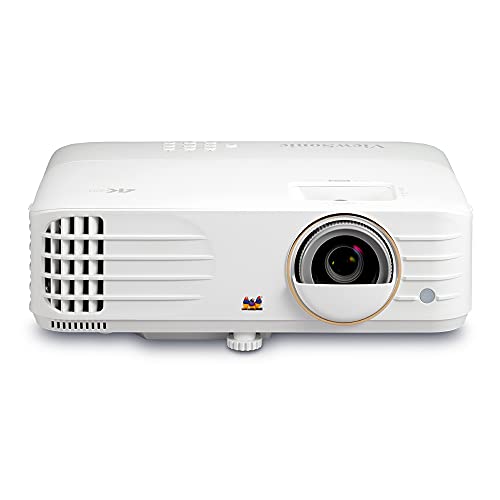
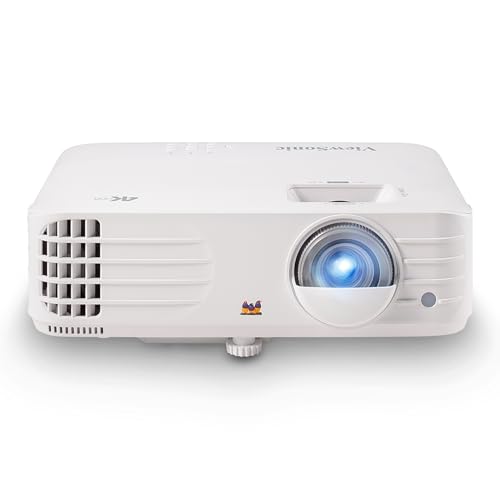
- PX series: Mainstream home-entertainment and gaming-oriented models, often focused on practical brightness and value.
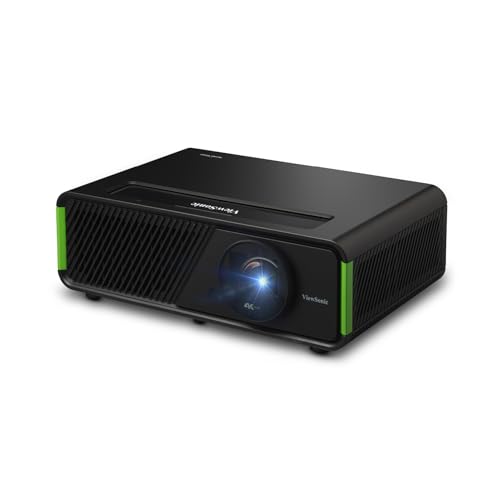
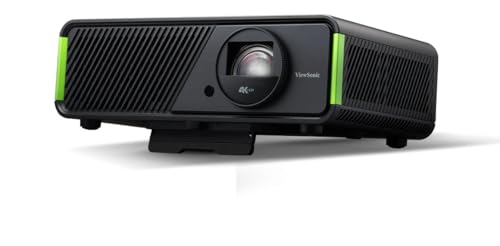
- X series: ViewSonic's more lifestyle-oriented smart projectors for home entertainment and easier everyday use.
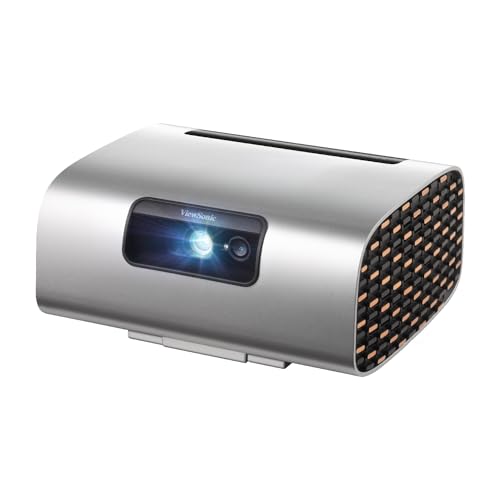
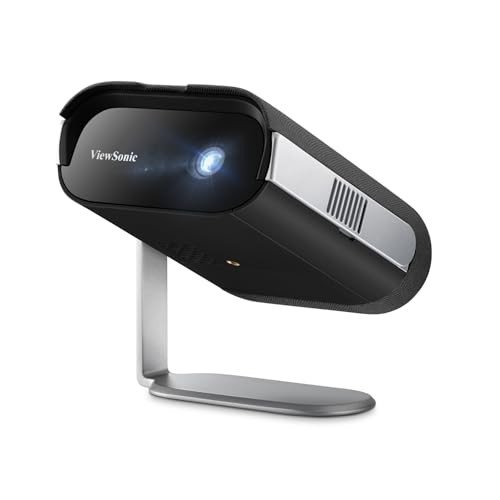
- M series: Portable projectors designed for flexibility, travel, and smaller-space casual viewing.
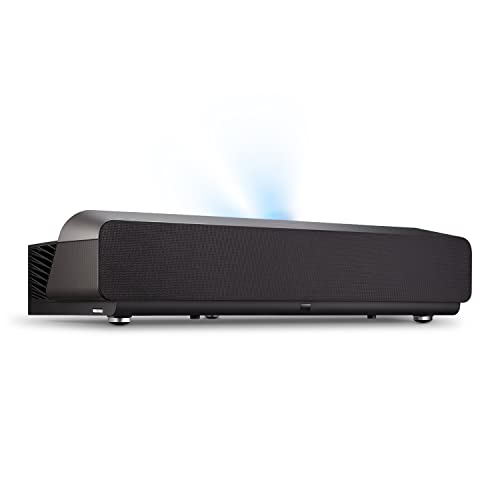
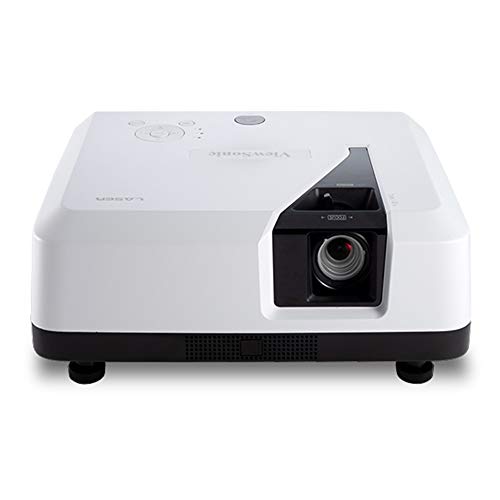
- LS and LX laser/business families: Brighter or more installation-oriented models aimed at classrooms, meeting rooms, and professional display spaces.
How much do ViewSonic projectors cost?
ViewSonic projectors usually cost about £260 to £2,200 with basic office or classroom models at the low end and brighter home-entertainment or laser units higher up. The cheaper part of the range is usually about practical brightness and straightforward setup rather than premium contrast, quiet running, or polished smart-TV features.
\n
A more worthwhile part of the lineup often starts around £600 and runs through roughly £1,300 where you are more likely to get sharper 1080p or 4K-class images, better colour, and a projector that feels more convincing for mixed home use. That middle band is where ViewSonic tends to offer its best balance of value and flexibility.
\n
Past roughly £1,500 ViewSonic begins moving from mainstream value toward brighter laser and more specialist large-screen models. Paying more can make sense if you need extra output or a more serious fixed setup, but for many buyers the mid-range is where the brand stops adding proportional value.
How do ViewSonic projectors compare with BenQ projectors?
ViewSonic and BenQ both compete well in the mainstream projector market, but BenQ usually has the stronger reputation among home-entertainment enthusiasts. BenQ tends to offer clearer gaming and cinema-focused positioning, while ViewSonic is often more obviously practical, with strong brightness and business-display roots feeding into the product range.
If your priorities are home cinema, gaming polish, and a brand with a clearer film-and-play identity, BenQ is often the better fit. If you want a practical projector for mixed use, presentations, brighter rooms, or straightforward value from an established display company, ViewSonic can be the more sensible choice. BenQ is usually more enthusiast-friendly; ViewSonic is usually more utilitarian.
What should you consider while choosing the best ViewSonic projector?
The following points are worth checking when choosing a ViewSonic projector.
- Home or business: ViewSonic covers practical home projectors and presentation-led models, and they are not interchangeable just because the brightness number looks similar. A business projector may be bright enough, yet still weaker on black level, fan noise, and movie colour tuning.
- Brightness mode: Check the brightness figure alongside the viewing mode that actually looks good. Some projectors hit their top lumen number only in harsh picture presets, so a slightly dimmer model with a better cinema mode can be the smarter buy for films.
- Throw and lens shift: Placement flexibility varies a lot across the range. Before buying, work out the screen size you want, the throw distance available, and whether you need optical zoom or lens shift instead of relying on digital correction.
- Gaming features: ViewSonic can offer decent gaming value, but it depends heavily on the exact model. If gaming matters, look for measured lag figures and support for 1080p at higher refresh rates rather than assuming all current models are equally responsive.
- Smart features: Some ViewSonic projectors include built-in streaming or simple smart platforms, but that is not usually the brand's main advantage. If the software looks basic, factor in the cost and convenience of an external streaming stick.
- Light source: ViewSonic sells lamp, LED, and laser models, and that changes both maintenance and long-term value. A cheap lamp model can still be sensible, but frequent use is often easier to justify on LED or laser if the price gap is not too large.