Are LG projectors good?
LG projectors have an average overall score of 7.3, ranking #9 among comparable projector brands, and a user rating of 8.5, placing them at #12 in user reviews.
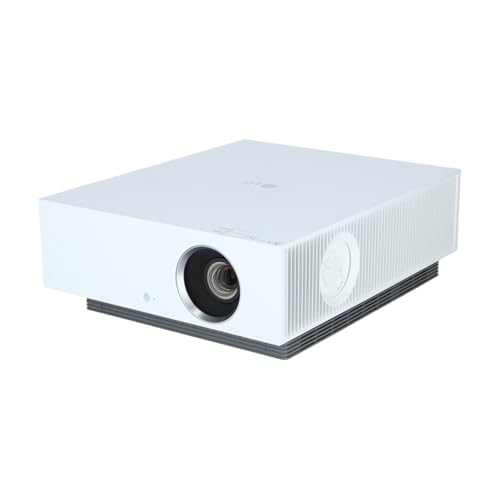
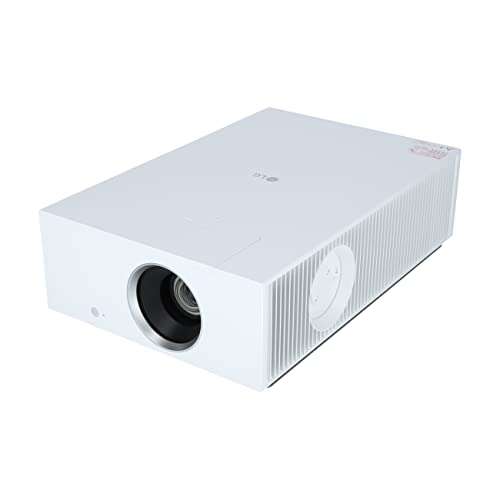
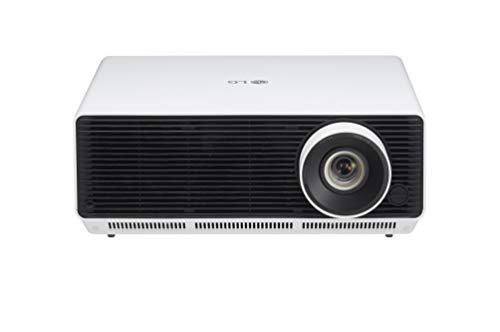
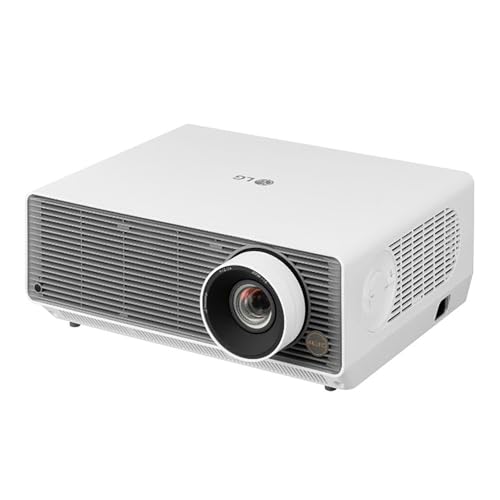
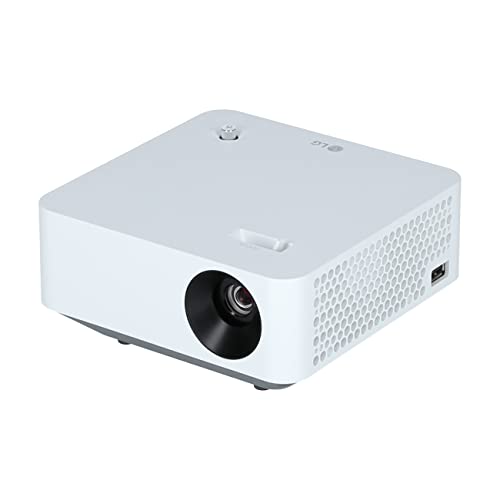
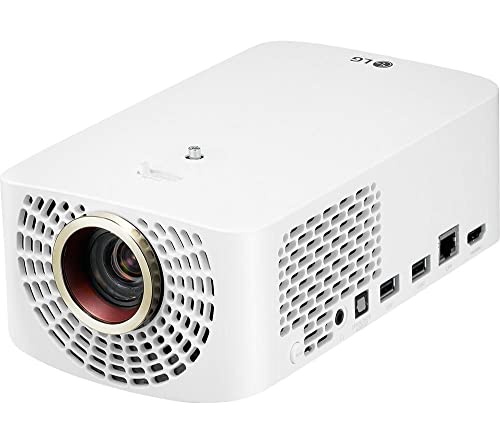
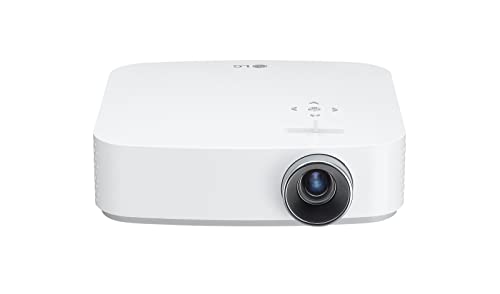
LG's better CineBeam projectors often feel more polished than generic portable rivals. The brand has produced capable laser home models, ultra-short-throw options, and compact projectors with better built-in software than many traditional projector brands. That makes LG attractive to people who want a big-screen experience without turning the room into a full enthusiast setup.
The weaker side is range depth versus projector specialists. LG does not cover every budget or every niche, and some models are expensive for the brightness or gaming features they provide. Buyers focused on pure cinema value or very serious gaming may still prefer Epson, BenQ, or other specialist brands.
The chart below compares projector brands by average overall score.
[horizontal-chart-06222294491359464560168876188160252806382230551488]
What are the main advantages of LG projectors?
The main advantages of LG projectors are as follows.
- webOS smart platform: LG's webOS interface is usually easier and more mature than the app experience on many traditional projector brands or cheap Android clones.
- Clean lifestyle design: Many LG projectors look and feel more refined in a living room or bedroom than bulky office-style projector boxes.
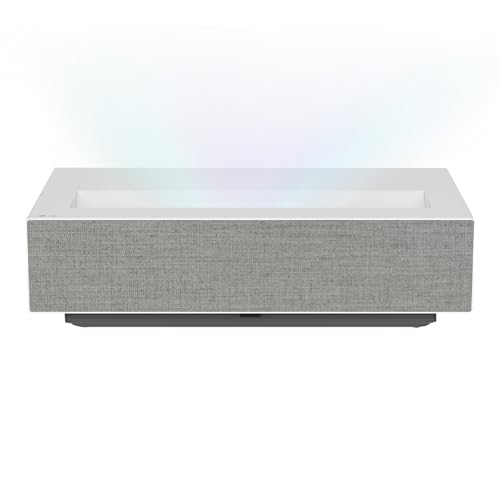
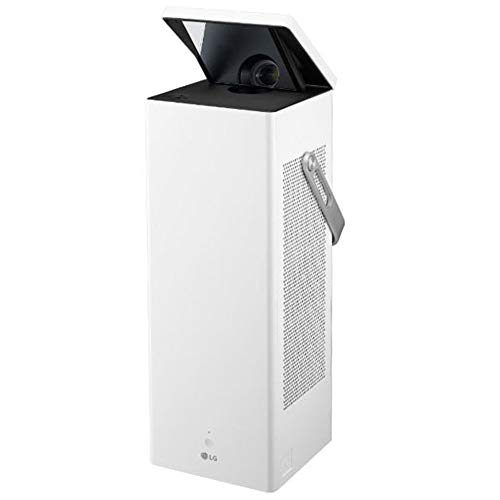
- Strong laser options: LG has offered capable laser and ultra-short-throw CineBeam models that work well for large-screen everyday viewing.
- Good portable and compact choices: The brand has long experimented with smaller projector formats, giving buyers more flexibility than TV-only brands that barely touch projection.
- Better brand trust than many mini-projector sellers: LG's after-sales reputation and hardware consistency are usually more reassuring than obscure marketplace projector labels.
What are the main disadvantages of LG projectors?
The main disadvantages of LG projectors are as follows.
- Prices can be high: LG's better projector models often charge a premium for design and software polish, even when specialist rivals offer stronger raw image performance.
- Not the broadest lineup: Compared with Epson or Optoma, LG covers fewer niches and fewer price points, so there is less choice if you need something very specific.
- Serious home-cinema buyers may want more: LG's strongest identity is living-room convenience, not class-leading dark-room contrast or advanced installation features.
- Gaming focus is mixed: Some LG projectors are perfectly usable for games, but the brand is not as tightly associated with low-lag projector gaming as BenQ.
- Black depth is not always class-leading: LG's cleaner, TV-like lifestyle approach does not always translate into the best shadow detail for dedicated dark-room film viewing.
- Brightness varies a lot on compact models: LG's smaller lifestyle projectors are easy to place, but they can struggle in daylight compared with larger, more traditional chassis.
Who makes LG projectors?
LG projectors are made by LG Electronics, the South Korean consumer-electronics company behind LG TVs, monitors, appliances, and display technology. The projector range sits under LG's wider display and home-entertainment business, with the CineBeam name covering most of the brand's projector lineup.
LG's background in TVs matters because the company treats projectors as part of a smart-home display ecosystem. That is why software, industrial design, and living-room usability play such a big role in its projector identity, often more so than purely enthusiast installation features.
What are the main LG projector series?
The main LG projector series are as follows.
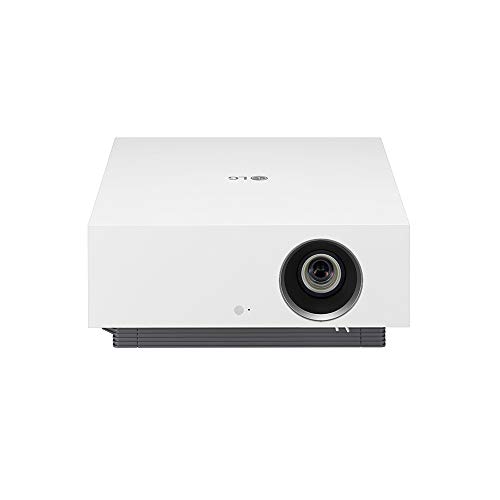
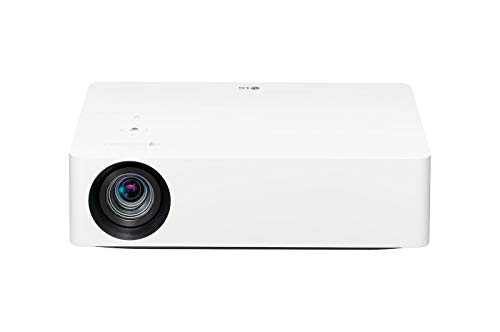
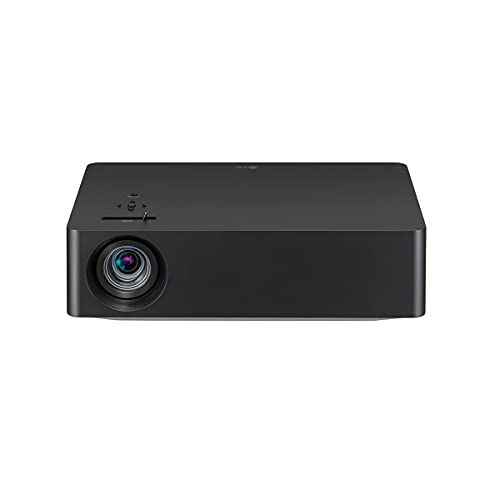
- CineBeam laser home models: LG's mainstream home-entertainment and cinema-focused projectors, often aimed at larger rooms and stronger picture quality.
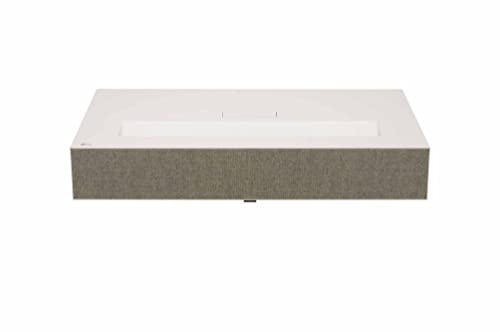
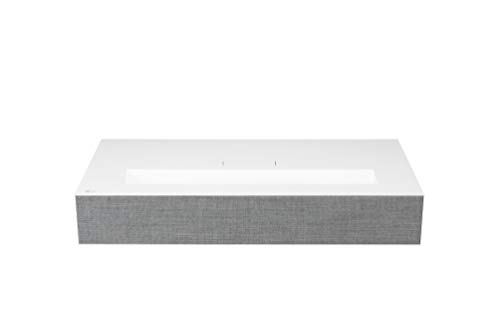
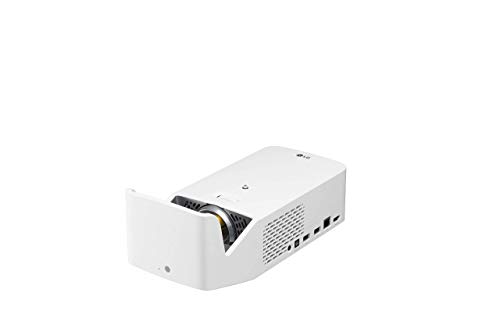
- CineBeam ultra-short-throw models: Living-room-friendly laser projectors designed to sit close to the wall and act more like a TV replacement.
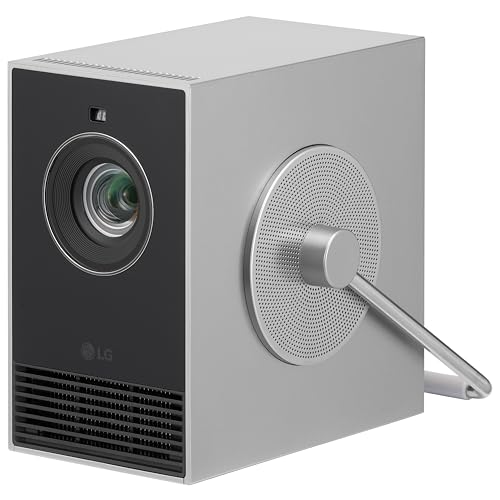
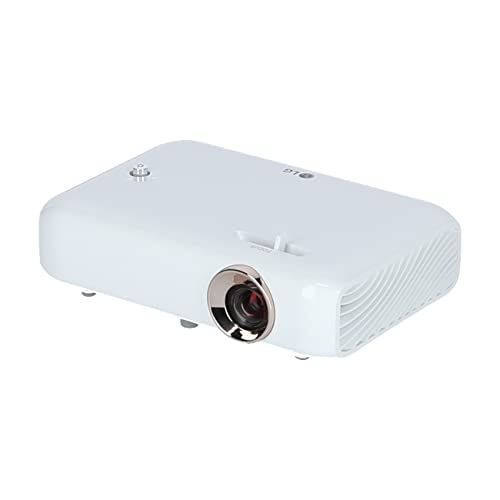
- CineBeam Q and compact lifestyle models: Smaller design-led projectors intended for apartments, bedrooms, and easier day-to-day movement.
- PF and PH portable families: LG's older and lighter portable ranges, built around convenience and casual viewing rather than maximum output.
How much do LG projectors cost?
LG projectors usually cost about £340 to £3,400 covering everything from compact portable models to premium CineBeam laser and ultra-short-throw designs. Even the cheaper end often costs a little more than rival budget projectors because LG is selling software polish, cleaner design, and easier living-room use as much as raw brightness.
\n
A more convincing part of the range tends to begin around £770 and run through roughly £1,700 where brightness, native detail, speakers, and webOS usability start to feel like a real upgrade rather than a convenience-first compromise. That is the point where an LG projector begins to behave more like a proper big-screen TV alternative.
\n
Once prices climb past about £2,200 LG is firmly in premium territory and the extra spend usually goes toward laser light sources, ultra-short-throw hardware, and a more furniture-friendly setup. For many buyers, though, that premium buys lifestyle convenience more than proportional picture gains, so value often peaks before the top end.
How do LG projectors compare with Samsung projectors?
LG and Samsung both sell projectors that feel more like premium display products than purely technical AV gear. LG usually offers slightly broader depth across portable and laser CineBeam models, while Samsung is more tightly focused on a handful of high-profile lifestyle and ultra-short-throw products such as The Freestyle and The Premiere.
If you care most about polished built-in software and a TV-like big-screen experience, both brands are attractive, but they take different routes. Samsung often feels more design-led and flagship-focused, while LG usually gives you a bit more variety and a longer projector track record. LG is often the safer pick for range depth; Samsung is often the flashier pick for lifestyle branding and standout UST models.
What should you consider while choosing the best LG projector?
Use the following factors to compare LG projectors.
- Smart platform: LG's webOS experience is one of the brand's biggest selling points, especially if you want a projector to feel more like a TV. It is most valuable when you plan to stream directly from the projector, not when an external box will handle everything.
- Product type: LG covers small portable models and brighter CineBeam laser units, so decide early whether you want room-to-room flexibility or a more permanent home setup. That choice affects brightness, throw distance, sound, and price more than the badge itself.
- Brightness and room: Compact LG projectors can be convenient, but many are not ideal for a large image in daylight. If you want around 100 inches outside a dark room, look closely at real ANSI lumen figures and be prepared to move toward the brighter laser models.
- Throw and placement: Some LG models are ultra-short-throw while others are standard or portable, so installation needs vary a lot. Measure cabinet depth, wall space, and screen size carefully because a UST can be fantastic in the right room and awkward in the wrong one.
- Audio and connectivity: LG often gives you decent wireless and smart integration, but film use still benefits from external audio. Check HDMI ARC or eARC, Bluetooth behaviour, and the number of HDMI ports if you want a soundbar plus multiple sources.
- Price versus picture: LG sometimes costs more because of webOS, industrial design, and an easier everyday experience. If your main goal is the strongest picture for the money, compare LG directly with Epson, BenQ, or Samsung instead of assuming the software advantage is worth paying for.