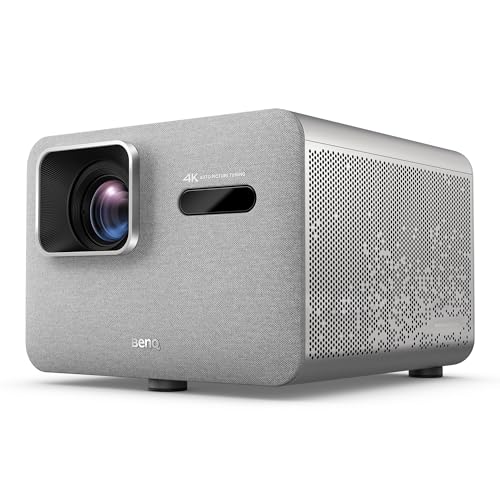
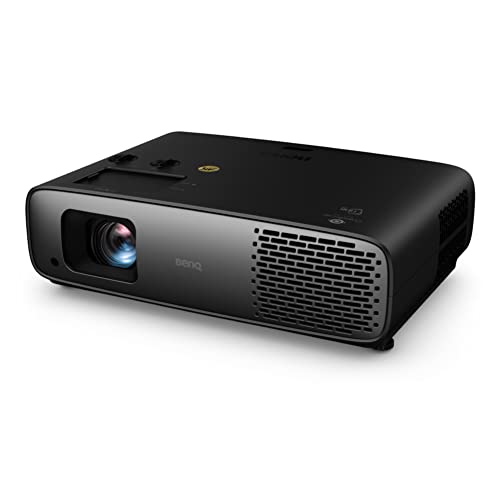
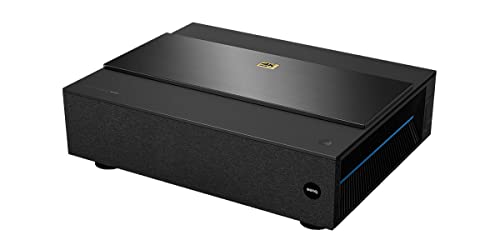
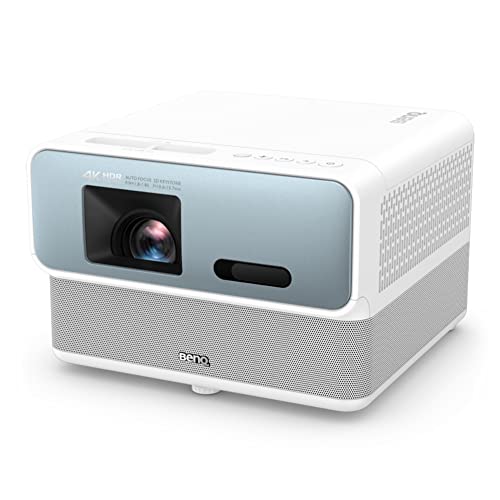
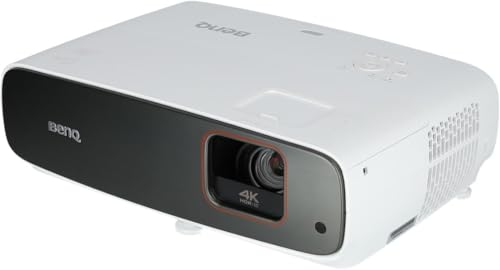
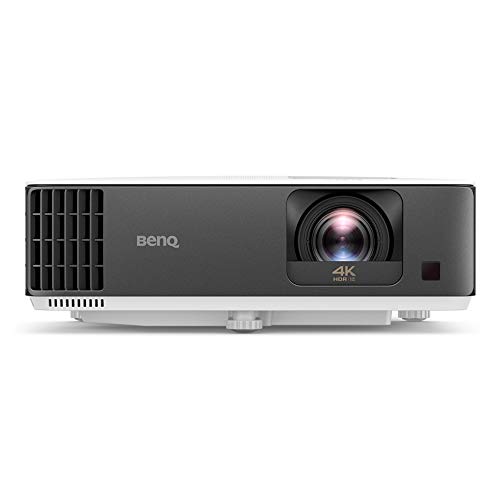
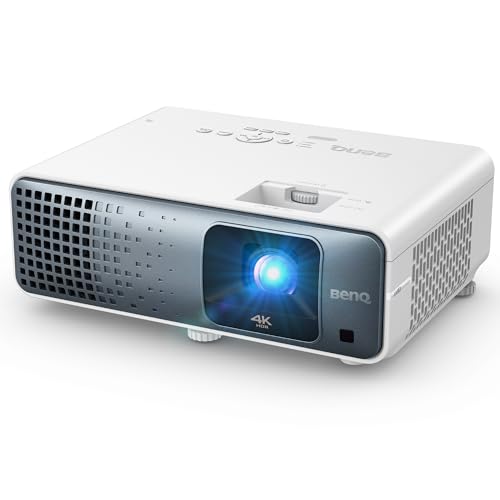
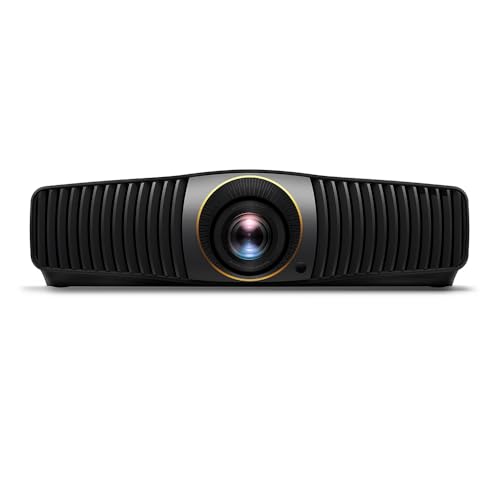
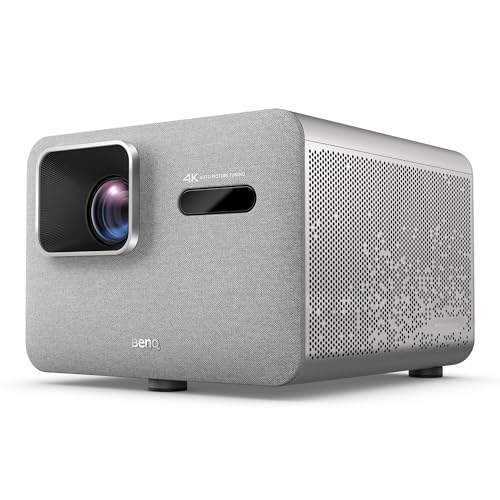
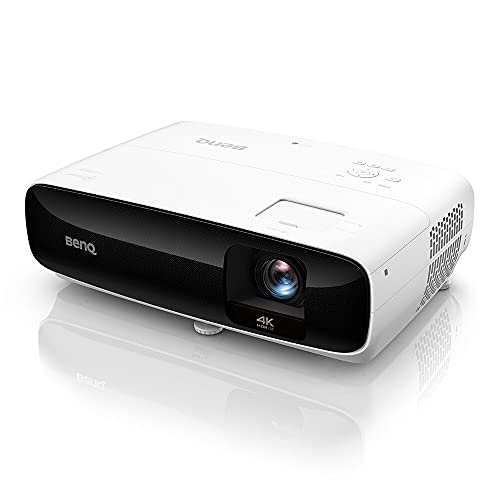
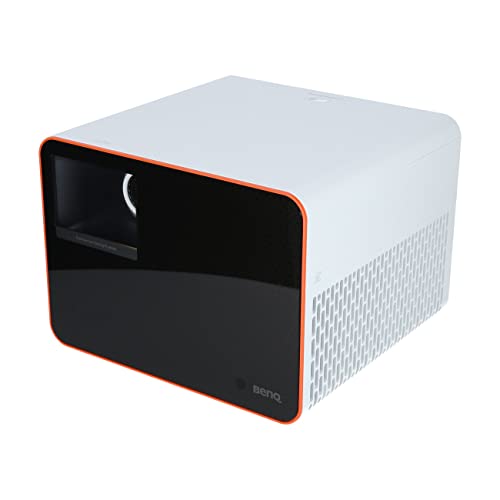
Are BenQ projectors good?
BenQ projectors have an average overall score of 7.7, ranking #5 among comparable projector brands, and a user rating of 9, placing them at #3 in user reviews.
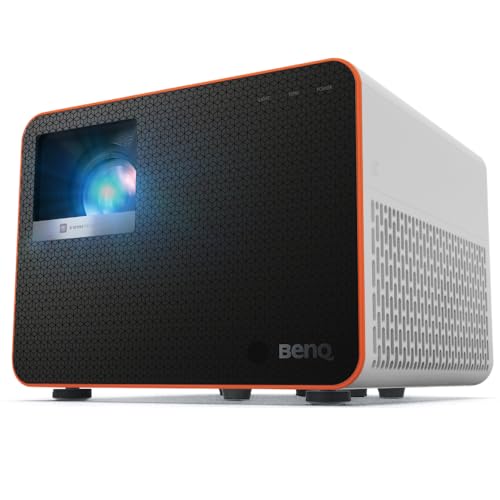
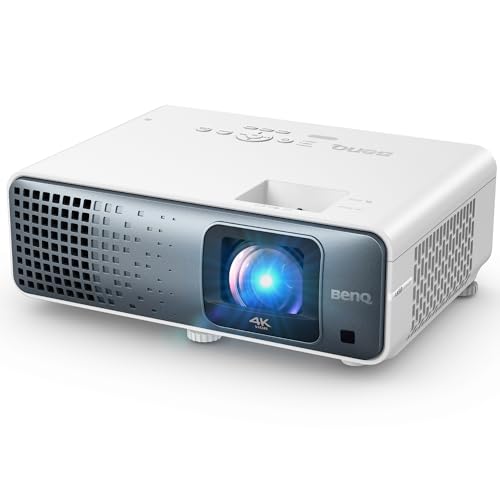
BenQ is particularly competitive when you want low input lag, clean 4K-looking detail through pixel shifting, or a projector that feels more enthusiast-oriented than a cheap smart mini projector. Its better models also tend to offer solid colour tuning, decent factory calibration, and clearer segmentation between home-cinema, gaming, and portable use than many generic brands.
The biggest compromises are the usual DLP trade-offs. Some buyers notice rainbow artefacts, black levels vary by model, and BenQ does not always match Epson for brightness or Sony for premium cinema depth. Even so, for balanced home use, BenQ remains one of the easiest projector brands to recommend.
The chart below compares projector brands by average overall score.
[horizontal-chart-06222294491359464560168876188160252806382230551488]
What are the main advantages of BenQ projectors?
The main advantages of BenQ projectors are as follows.
- Sharp DLP image: BenQ projectors often look very crisp, which helps films, text, and games retain a cleaner sense of detail even when the underlying panel is not native 4K.
- Strong gaming options: BenQ has put real effort into low input lag and high-refresh gaming support on selected models, making the brand more appealing to console and PC players.
- Good home-cinema value: The brand offers several projectors that deliver credible movie performance without needing to jump into Sony-style premium pricing.
- Clear product segmentation: BenQ usually separates its home-cinema, gaming, portable, and business lines well, so it is easier to understand what each model is meant to do.
- Often solid colour tuning: Many BenQ home models have a reputation for respectable out-of-box colour and film-friendly presets compared with cheaper mass-market rivals.
What are the main disadvantages of BenQ projectors?
The main disadvantages of BenQ projectors are as follows.
- Possible rainbow artefacts: Some viewers are sensitive to the colour-wheel behaviour of DLP projectors and may prefer Epson's 3LCD approach.
- Black levels are not class-leading: BenQ can look excellent for the money, but many models do not match premium Sony projectors for dark-scene depth and shadow nuance.
- Brightness is not always best in class: Compared with some Epson, Optoma, or business-first rivals, BenQ may offer less raw punch in bright rooms at the same price.
- Smart features vary a lot: Some BenQ projectors include better dongles or TV integration than others, so the built-in streaming experience is less consistently polished than on Samsung or LG.
- Lens flexibility can be limited on cheaper models: Many affordable BenQ projectors offer modest zoom and little or no lens shift, which makes room placement more restrictive.
- Portable lineup is secondary: BenQ has portable products, but the brand's strongest reputation is still in mainstream home and gaming projection rather than battery-led travel use.
Who makes BenQ projectors?
BenQ projectors are made by BenQ Corporation, a Taiwanese electronics company with long experience in monitors, displays, and digital imaging products. BenQ has been a serious projector brand for years and is much more established in this category than the typical marketplace-only mini-projector seller.
That shows up in the way BenQ organises its lineup. The brand tends to build clearly differentiated ranges for home cinema, gaming, portable entertainment, and business use, which gives buyers more confidence than brands that simply recycle very similar low-cost models under different names.
What are the main BenQ projector series?
The main BenQ projector series are as follows.
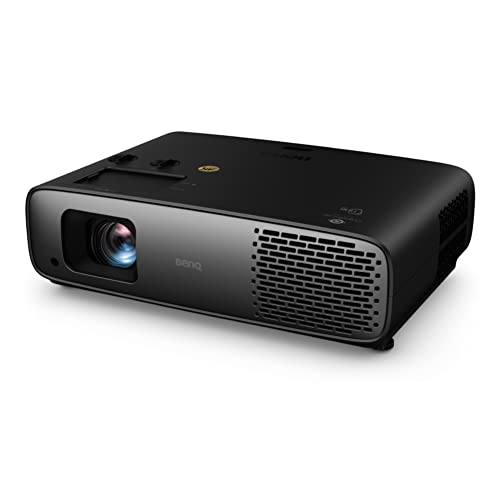
- W series: BenQ's classic home-cinema family, usually aimed at film viewing with better colour tuning and more theatre-focused positioning.
- TK series: 4K-oriented home-entertainment models that balance sharpness, brightness, and price for mainstream living-room and movie use.
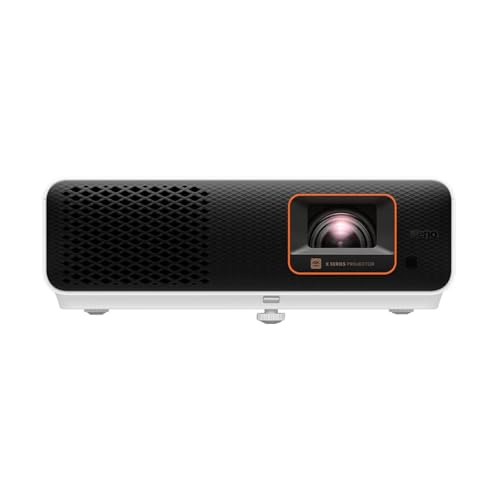
- X series: BenQ's gaming projector line, designed around lower input lag, fast response, and features that matter more to console or PC play.
- GP and GV series: Compact portable smart projectors intended for casual streaming, smaller spaces, and easier movement around the home.
- LU and LH business/laser ranges: Brighter installation or work-focused projectors for offices, education, and venue use rather than film-first home setups.
How much do BenQ projectors cost?
BenQ projectors usually cost about £430 to £2,200 with a few premium home cinema models a little above that. The brand often offers some of its strongest value in the middle, where gaming performance and movie quality meet without huge prices.
\n
BenQ is often easiest to recommend around the mid-range, because low input lag, better colour tuning, and sharper 4K detail become much easier to find there. This is the part of the range where the brand tends to feel most balanced for mixed use rather than specialised cinema only.
\n
Within BenQ's lineup, extra spend usually buys better contrast, more lens flexibility, and a more polished big-screen image rather than just a brighter spec sheet. If you move above the entry models, you are often paying for a projector that feels more complete for both gaming nights and film watching.
How do BenQ projectors compare with Epson projectors?
BenQ and Epson are two of the strongest mainstream projector brands, but they tend to appeal in different ways. BenQ usually leans more on DLP sharpness, gaming-friendly tuning, and enthusiast-style home-entertainment models. Epson leans more on 3LCD brightness, rainbow-free viewing, and a broader spread of use cases from home cinema to classrooms and business spaces.
If you want a crisp-feeling projector for films and games at a sensible price, BenQ is often the more exciting choice. If you want more raw colour brightness, better bright-room practicality, or a brand with wider lineup depth and fewer DLP-specific compromises, Epson often comes out ahead. BenQ is sharper and more gaming-centric; Epson is broader and more forgiving.
What should you consider while choosing the best BenQ projector?
The following points matter most when choosing a BenQ projector.
- Use case: BenQ covers gaming, home cinema, and some portable use, so the first question is what matters most. A gaming-led BenQ may give you very low lag and high refresh support, while a cinema-led model usually puts more of the budget into colour and contrast tuning.
- Throw and placement: Many BenQ projectors use fairly straightforward long-throw optics with limited lens shift. Measure throw distance carefully, because getting the wrong ratio can force digital keystone or leave you with the wrong image size for the room.
- DLP traits: BenQ often uses DLP, which can look crisp and motion-clean, but some people notice rainbow artefacts on bright highlights. If you are sensitive to that effect, it is worth seeing a DLP projector in person before spending serious money.
- HDR and contrast: BenQ can offer strong tone mapping for films at its best, but black level still depends heavily on the model and the room. In a dark cinema setup, better contrast matters far more than in a casual living-room setup.
- Gaming performance: BenQ is often one of the safer projector brands for gaming, but do not stop at the marketing line. For fast console or PC play, look for real input lag below about 20ms and check whether 1080p at 120Hz or higher is supported.
- Light source: BenQ sells lamp, LED, and laser models, and that changes long-term value. Lamps can still be sensible if the purchase price is much lower, but LED or laser is easier to live with if you use the projector several times a week.