Which brands make the best home theatre projectors?
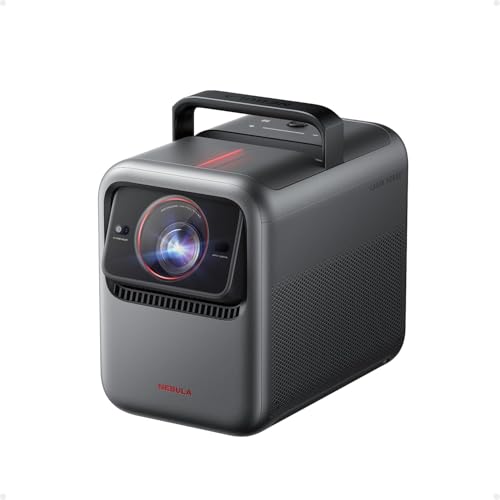
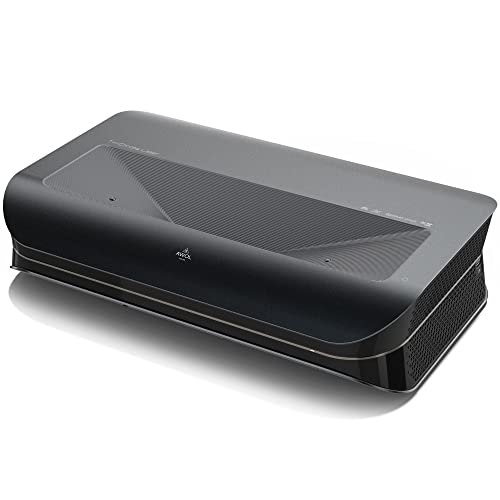
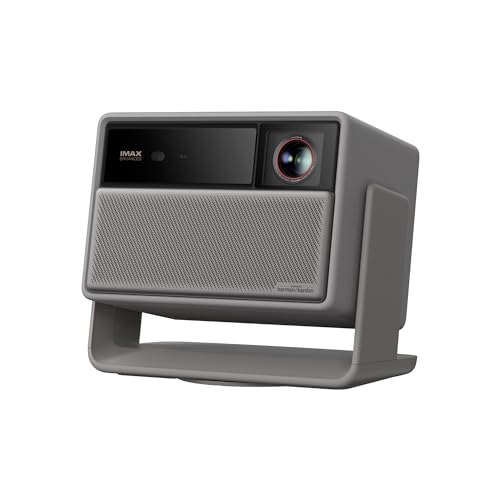
The best home theatre projector brands are as follows.
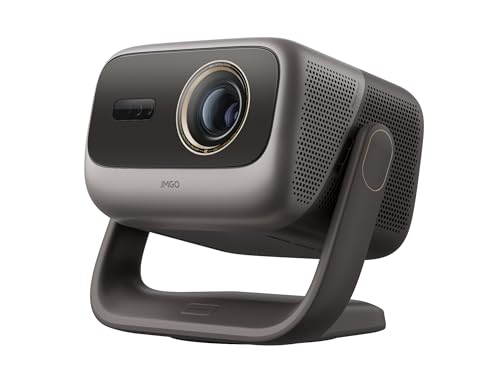
- JMGO (Average overall score: 8.5)
- Dangbei (Average overall score: 8.3)
- XGIMI (Average overall score: 8.1)
The chart below compares home theatre projector brands by average overall score.
[horizontal-chart-16091735702155742631170669311689341114870066844375]
What makes a projector suitable for home theatre?
A projector is suitable for home theatre when it combines the following features:
- 4K-class resolution and usable HDR: Big-screen movie viewing benefits a lot from sharper detail and better HDR tone handling.
- Strong contrast and black levels: A home-theatre projector needs darker shadow performance more than raw office-style brightness.
- Accurate color: Natural-looking skin tones and balanced cinema color matter more here than extreme vividness.
- Quiet operation: Lower fan noise is important in darker film-focused rooms where projector noise is easier to notice.
- Placement flexibility: Lens shift, zoom, and cleaner alignment tools make it much easier to build a polished cinema-style setup.
What resolution suits a home theatre projector best?
For a home theatre projector, 4K is the best-fit resolution if your budget allows it, especially on a large screen where extra detail is easy to appreciate. It gives films, streaming content, and modern games a cleaner and more convincing big-screen look than ordinary 1080p, particularly from closer seating distances.
That said, 1080p can still be a good fit on a tighter budget, especially if the projector has strong contrast and good optics. For home theatre, picture balance matters more than the spec sheet alone, but the best all-round answer today is still 4K.
How important is contrast on a home theatre projector?
Contrast is extremely important on a home theatre projector because it has a huge effect on depth, shadow detail, and how cinematic dark scenes actually look. In a dim room, weak contrast is often more obvious than limited brightness, because black areas turn grey and the whole image feels flatter.
That is why a projector with moderate brightness but stronger contrast can outperform a brighter model for film use. If the goal is proper home theatre rather than casual wall projection, contrast deserves to be near the top of the checklist.
What connections matter on a home theatre projector?
The connections that matter most on a home theatre projector are as follows:
- HDMI: This is essential for Blu-ray players, AV receivers, consoles, and streaming boxes, and two HDMI ports are especially useful in a full setup.
- HDMI ARC or audio routing support: If you are not using an AV receiver, ARC-style support can make it easier to send sound to a soundbar.
- USB power or service ports: These are handy for powering a streaming stick or handling firmware tasks without extra adapters.
- Network or wireless options: They are less important than HDMI here, but they can still help with firmware updates, casting, or app-based control.
How much do home theatre projectors cost?
Home theatre projectors usually cost about £770 to £3,400 before you get into true enthusiast models. Around £770 to £1,300 films can already look very good on a big screen, but black levels, HDR impact, and lens shift are often where the compromises show first.
\n
A lot of buyers end up happiest around £1,300 to £2,600 where 4K detail, contrast, and screen-filling brightness all improve in a more noticeable way. This is also the bracket where placement flexibility, gaming performance, and quieter day-to-day operation become easier to find in one machine.
\n
Beyond roughly £3,400 you are usually paying for refinement rather than a basic jump from bad to good. The extra spend tends to buy deeper blacks, better tone mapping, stronger optics, and a more polished cinema-style image that matters most if you watch in a dark dedicated room.