Are Xgimi projectors good?
Xgimi projectors have an average overall score of 7.8, ranking #4 among comparable projector brands, and a user rating of 9, placing them at #4 in user reviews.
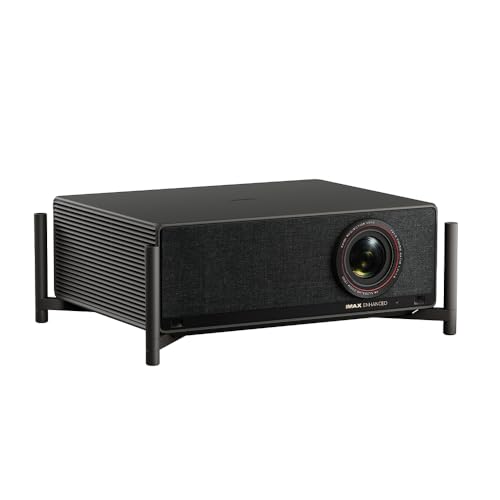
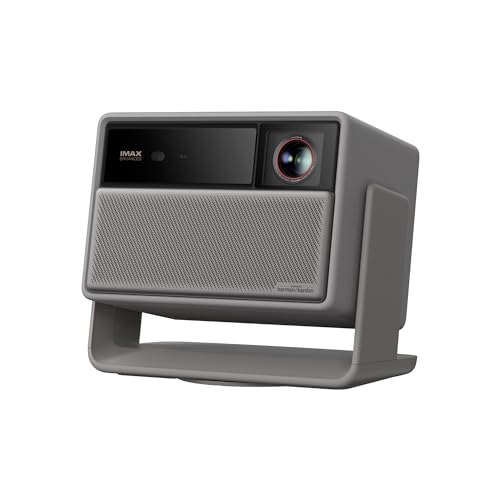
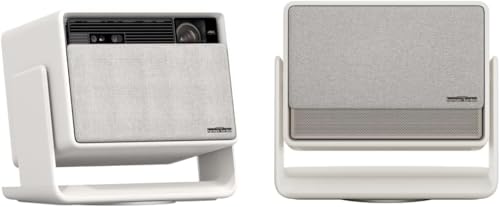
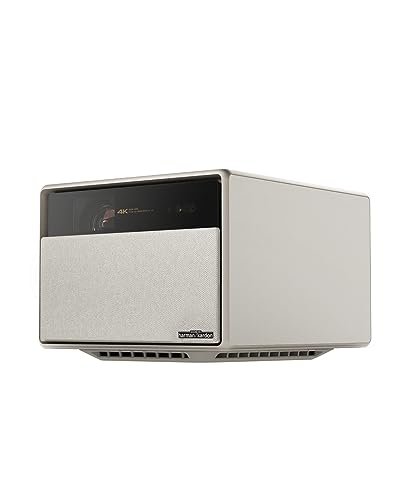
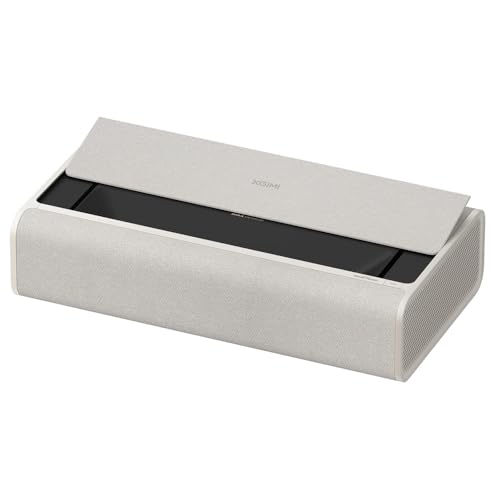
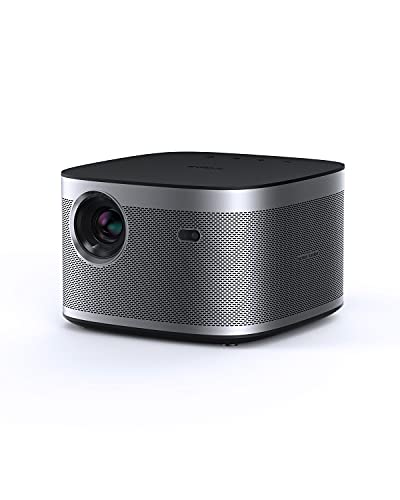
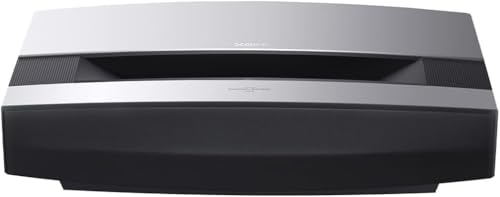
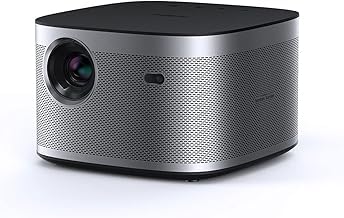
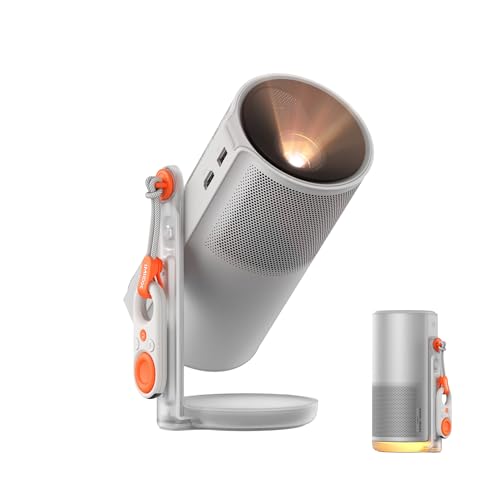
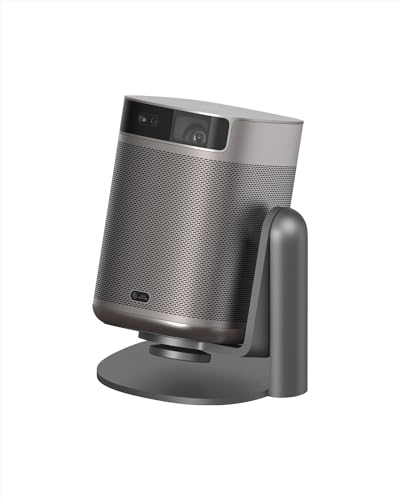
Xgimi is strongest in portable and lifestyle projection. Models such as the MoGo, Halo, Horizon, and Aura families often combine LED or laser light sources, Android TV or Google TV features, autofocus, keystone correction, and tidy industrial design. That makes them easy to recommend for casual films, bedroom use, and apartment-friendly big-screen viewing.
The main limit is that Xgimi is not the last word in deep black levels, installation flexibility, or raw brightness per pound. Serious home-cinema buyers may still prefer Sony, Epson, or BenQ in some price bands. Still, for convenience, compact size, and a more premium portable experience, Xgimi is one of the better brands in this space.
The chart below compares projector brands by average overall score.
[horizontal-chart-06222294491359464560168876188160252806382230551488]
What are the main advantages of Xgimi projectors?
The main advantages of Xgimi projectors are as follows.
- Polished smart experience: Xgimi models often offer a cleaner built-in streaming experience than generic Android projector brands, which makes everyday use less frustrating.
- Excellent auto-setup features: Autofocus, auto-keystone, obstacle avoidance, and screen alignment tools make many Xgimi projectors quicker to position and easier to move between rooms.
- Compact premium design: The brand tends to build smaller, better-finished projectors that suit bedrooms, apartments, and living spaces better than bulky traditional chassis.
- Long-life LED and laser options: Many Xgimi projectors avoid old-school lamp maintenance, which is ideal for buyers who want regular streaming use without extra upkeep.
- Portable and lifestyle depth: Xgimi offers real variety across pocketable, tabletop, and ultra-short-throw home models instead of only one or two token portable products.
What are the main disadvantages of Xgimi projectors?
The main disadvantages of Xgimi projectors are as follows.
- Limited optical flexibility: Most Xgimi models do not offer the kind of lens shift, long zoom ranges, or installation freedom that dedicated home-cinema projectors can provide.
- Black levels are only moderate: For dark-room movie purists, Xgimi usually cannot match higher-end Sony or better home-cinema-focused rivals for contrast and shadow detail.
- Brightness is not always enough for difficult rooms: Portable or compact lifestyle projectors are convenient, but they still struggle against daylight or very large screens compared with bigger home units.
- Gaming focus is secondary: Some Xgimi models are fine for casual play, but the brand is not as aggressively gaming-optimised as BenQ's best low-lag projectors.
- Digital correction can cost image purity: Xgimi's auto-keystone and alignment tools are convenient, but the cleanest picture still depends on more careful physical placement.
- Price can rise quickly on premium lifestyle models: Once you move into the higher-end Horizon or Aura tiers, the convenience is excellent but pure performance-per-pound becomes less clear-cut.
Who makes Xgimi projectors?
Xgimi projectors are made by XGIMI Technology, a Chinese display and smart-projector company that has become one of the better-known names in the global portable-projector market. Unlike many generic low-cost sellers, Xgimi operates as a recognised projector-focused brand with its own clear product families and international presence.
That focus explains why Xgimi often feels more coherent than many budget smart projector brands. The company has concentrated on compact form factors, software usability, and automatic setup features, which has helped it compete strongly in the lifestyle and portable categories.
What are the main Xgimi projector series?
The main Xgimi projector series are as follows.
- MoGo series: Xgimi's compact portable line, aimed at travel, bedrooms, and casual streaming where small size matters more than maximum brightness.
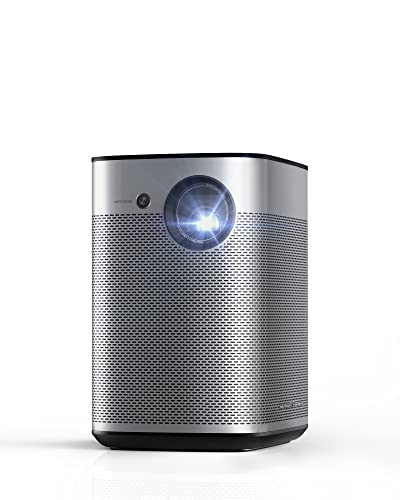
- Halo series: Portable but more powerful models that sit above the MoGo range for buyers who want better sound and more output in a still-movable design.
- Horizon series: Xgimi's mainstream home-entertainment family, intended for buyers who want a more serious living-room projector without going fully traditional.
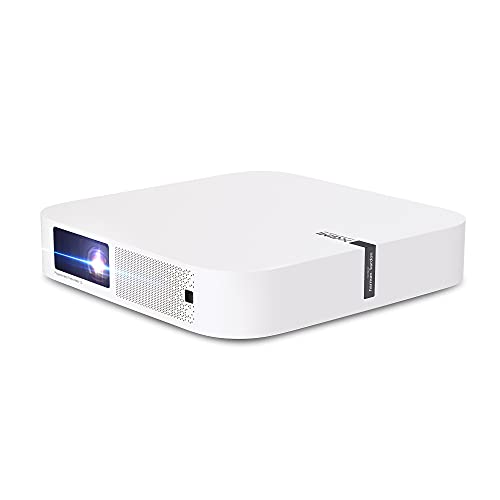
- Elfin series: Slim lifestyle-oriented projectors built for easy placement and everyday streaming in smaller spaces.
- Aura series: Xgimi's premium ultra-short-throw laser family for big-screen living-room use with a more TV-replacement angle.
How much do Xgimi projectors cost?
Xgimi projectors usually cost about £260 to £1,500 with small portable models at the bottom and brighter home units at the top. The brand leans hard into all-in-one convenience, so a lot of what you pay for is easy setup, built-in speakers, and smart streaming.
\n
A lot of Xgimi's appeal lands around £520 to £860 where native 1080p, cleaner autofocus, and enough brightness for regular evening use become more common. That is usually the sweet spot if you want something simple to move around without dropping too far in picture quality.
\n
Within Xgimi's range, extra spending mostly buys sharper 4K detail, more brightness, and a stronger living-room picture while keeping the easy all-in-one feel. The jump up in price is usually about making convenience work in more demanding rooms rather than turning the brand into a pure home-cinema specialist.
How do Xgimi projectors compare with Nebula projectors?
Xgimi and Nebula are two of the strongest lifestyle projector brands, but Xgimi usually pushes a bit harder on picture performance and home use while Nebula often feels even more portable and battery-friendly. Xgimi's Horizon and Aura lines are stronger options when you want a serious living-room smart projector, while Nebula's Capsule and Mars ranges are especially appealing for travel and casual grab-and-go use.
In practice, Xgimi is often the better choice if you care more about image quality, auto-setup polish, and a wider path from portable models up to ultra-short-throw home units. Nebula is often the better choice if portability, built-in batteries, and speaker-first convenience matter most. Xgimi feels more like a smart-projector specialist; Nebula feels more like the easiest portable entertainment brand.
What should you consider while choosing the best Xgimi projector?
The following factors matter most when choosing an Xgimi projector.
- Real brightness: Xgimi is often strongest on compact all-in-one projectors, so brightness matters more than the sleek design. For a genuinely easy 100-inch image, you usually want around 800 to 1,500 ANSI lumens for dark-room use and more if the room is not controlled.
- Smart apps: A lot of Xgimi's appeal comes from built-in Android TV or Google TV style use, but app support still varies by model and region. Check whether Netflix and the other services you use are properly certified instead of assuming every smart projector behaves like a TV.
- Auto setup: Xgimi often gives you autofocus, auto keystone, and obstacle avoidance, which are great for convenience. The catch is that heavy keystone correction can soften the image, so the best result still comes from placing the projector as square to the screen as possible.
- Portability and power: Some Xgimi models are easy to move room to room, but not all of them include a battery. If you want true grab-and-go use, check battery support, charging method, and whether brightness drops heavily in battery mode.
- Audio and ports: Built-in speakers are often better than on cheap rivals, which helps casual viewing, but external sound still matters for films. Make sure the projector has the HDMI, USB, Bluetooth, or audio-out options that fit your setup.
- Value trade-off: Xgimi often charges extra for design, software, and setup convenience rather than raw picture output. If you care more about image per pound than all-in-one ease, compare directly with BenQ, Epson, or ViewSonic before buying.