Are Samsung projectors good?
Samsung projectors have an average overall score of 5.6, ranking #30 among comparable projector brands, and a user rating of 8.8, placing them at #8 in user reviews.
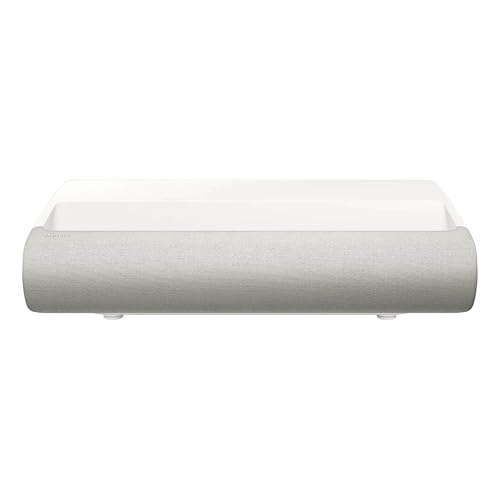
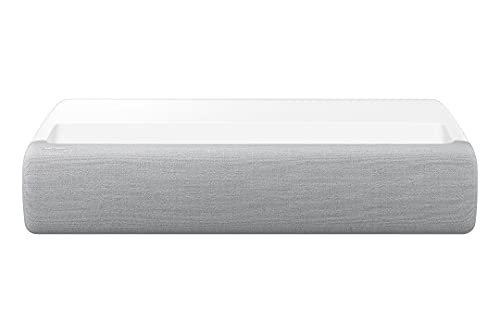
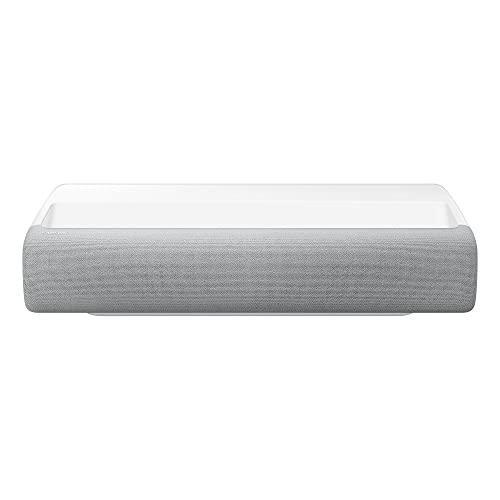
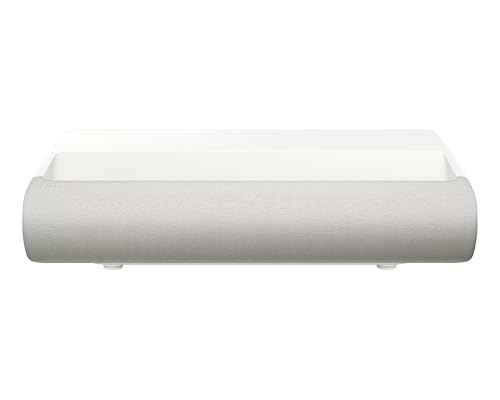
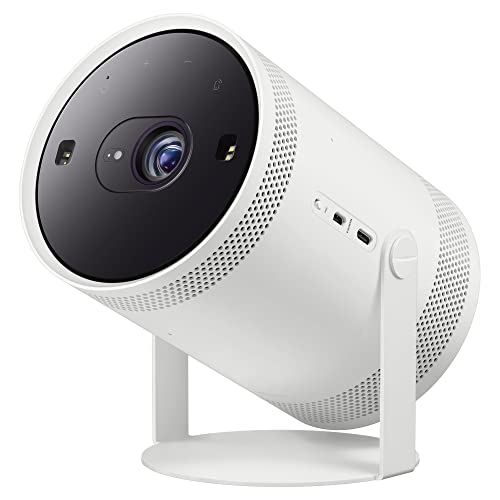
Its best-known models are The Freestyle and The Premiere. Those products typically combine Tizen streaming apps, fast setup, quiet operation, and a TV-like user experience that works well for casual films, sports, and living-room viewing where a very large flat-screen would be impractical.
The trade-off is range and value. Samsung does not offer the deep projector lineup that Epson, BenQ, or Optoma do, so prices can look high for the brightness, placement flexibility, or cinema performance on offer. Buyers who care more about pure home-theatre picture quality or budget value may find stronger alternatives elsewhere.
The chart below compares projector brands by average overall score.
[horizontal-chart-06222294491359464560168876188160252806382230551488]
What are the main advantages of Samsung projectors?
The main advantages of Samsung projectors are as follows.
- Smart TV platform: Many Samsung models use Tizen, which usually gives you a smoother built-in streaming experience than the basic Android forks often found on cheaper projectors.
- Lifestyle-focused design: Products such as The Freestyle are compact, easy to position, and visually cleaner than traditional boxy projectors, which helps in bedrooms and living rooms.
- Strong ultra-short-throw options: The Premiere range lets you place the projector close to the wall while still getting a very large image, making it easier to use in normal homes.
- Low-maintenance light sources: Samsung's LED and laser models avoid frequent lamp replacements and are better suited to frequent everyday viewing.
- Better integrated audio than many rivals: Several Samsung lifestyle models put more effort into built-in sound than entry-level projector brands, so casual viewing is easier without external speakers.
What are the main disadvantages of Samsung projectors?
The main disadvantages of Samsung projectors are as follows.
- Thin product range: Samsung sells far fewer projector models than specialist brands, so there are fewer choices for buyers who need specific brightness, throw, or installation features.
- High price per lumen: You often pay extra for design, software, and brand position, while rival models can offer more brightness or more flexible optics at the same price.
- Limited enthusiast controls: Compared with dedicated home-cinema brands, Samsung typically offers less lens shift, less zoom flexibility, and fewer serious calibration-oriented options.
- Portable brightness limits: The Freestyle-style models are convenient, but they are not ideal for bright rooms or very large screens because compact portable units simply cannot deliver the output of bigger home models.
- Tizen is less flexible for niche app use: Samsung's smart platform is polished, but it is not always as open as Android TV-based rivals for sideloading, odd regional apps, or enthusiast tinkering.
- Not the best value for pure cinema: If your priority is deep blacks, higher native contrast, or sharper enthusiast-grade projection, Sony, Epson, or some BenQ models can be more compelling.
Who makes Samsung projectors?
Samsung projectors are made by Samsung Electronics, the same South Korean company behind Samsung TVs, phones, and other home electronics. The projector range sits within Samsung's wider visual-display and home-entertainment business rather than as a specialist standalone projector division.
That matters because Samsung approaches projectors more as premium lifestyle display products than as a giant every-price-band projector catalogue. In practice, the brand focuses on smart features, industrial design, and living-room usability instead of covering every niche from business classrooms to enthusiast ceiling-mounted cinema rooms.
What are the main Samsung projector series?
The main Samsung projector series are as follows.
- The Freestyle: Samsung's portable lifestyle line, built around compact size, easy setup, auto-adjustment features, and casual streaming rather than maximum brightness.
- The Premiere: Samsung's premium ultra-short-throw laser family, aimed at living-room use with very large images, stronger built-in sound, and a more TV-like replacement role.
- Lifestyle spin-offs and revisions: Samsung sometimes refreshes these core families with updated smart features, gaming tweaks, or bundled accessories rather than launching many totally separate projector sub-brands.
How much do Samsung projectors cost?
Samsung projectors usually cost about £430 to £3,900 mainly because the range jumps from the portable Freestyle to premium Premiere ultra-short-throw models. It is not a brand with much true mid-range coverage, so the gap between casual use and premium living-room use is quite wide.
\n
At the lower end, Samsung is mostly selling convenience, smart TV features, and portable design rather than outright picture value per pound. Once you cross roughly £1,700 the focus shifts toward brighter laser UST models with better sound and a more TV-like setup for everyday living-room viewing.
\n
Within Samsung's range, extra spend usually buys a bigger step up in brightness, sound quality, and furniture-friendly UST design than in subtle cinephile tuning. In other words, paying more often makes the projector easier to live with as a television replacement, not just better on a spec sheet.
How do Samsung projectors compare with LG projectors?
Samsung and LG both target buyers who want smart, living-room-friendly projectors, but Samsung usually leans harder into premium lifestyle positioning while LG tends to offer a slightly broader and more projector-like range. Samsung is strongest when you want Tizen software, slick design, and flagship ultra-short-throw models such as The Premiere, while LG is often easier to shop across portable, laser, and conventional home-use options.
In practical terms, LG projectors more often give you a wider choice of form factors and webOS-based models, while Samsung usually feels more TV-inspired and design-led. If you want the cleanest smart-home experience and a strong UST flagship, Samsung is very competitive. If you want more range depth or a better chance of finding the right compromise between portability, brightness, and price, LG often has the edge.
What should you consider while choosing the best Samsung projector?
When choosing a Samsung projector, compare the following factors.
- Throw type: Samsung spans small portable models and premium ultra-short-throw units, so start by deciding how the projector will sit in the room. A Freestyle-style portable is easy to move but much dimmer, while a UST needs a low cabinet and works best as a living-room TV replacement.
- Brightness: About 500 to 1,000 ANSI lumens can be enough for a small dark-room image, but a 100-inch picture with ambient light usually needs roughly 2,500 ANSI lumens or more. Samsung's biggest price jump often comes from moving into those brighter laser UST models.
- Resolution: Check whether you are getting 1080p or 4K and match it to screen size. On a 100-inch image, 4K matters more if you sit fairly close or want sharper subtitles and sports graphics, while 1080p is easier to justify on the smaller portable models.
- Smart platform: Tizen is one of Samsung's main strengths, but it only adds real value if you plan to stream directly from the projector. If you will use an Apple TV, Fire TV, or console anyway, do not overpay just for the built-in software.
- Audio and ports: Samsung often gives you better built-in speakers than many rivals, especially on lounge-friendly models, but that does not replace proper external sound. Check for HDMI ARC or eARC if you want a soundbar, and make sure you have enough HDMI inputs for your actual setup.
- Value band: Samsung is strongest at the two extremes: compact lifestyle models and expensive laser UST units. If your budget sits in the middle, compare carefully with LG, BenQ, or Epson because Samsung may give you better convenience features rather than the best picture per pound.