Are Nebula projectors good?
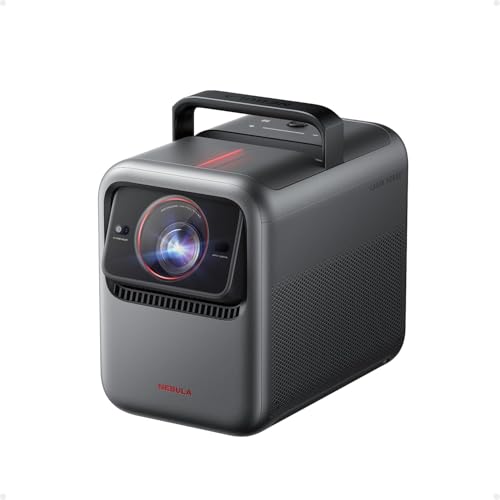
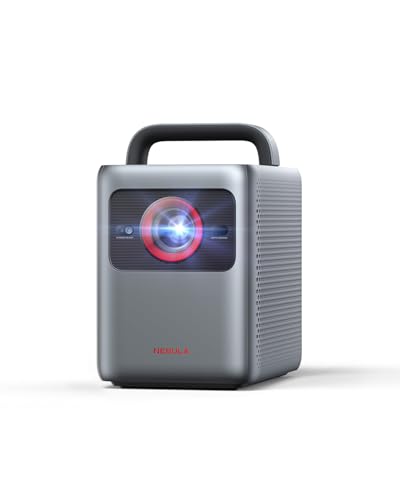
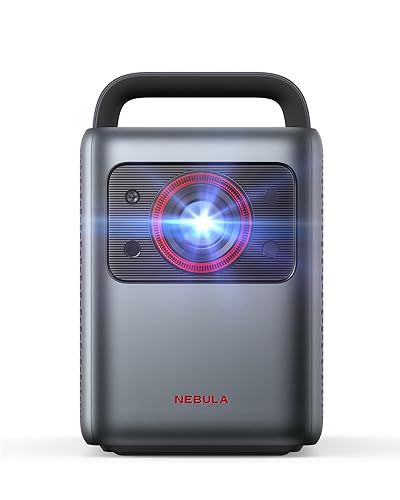
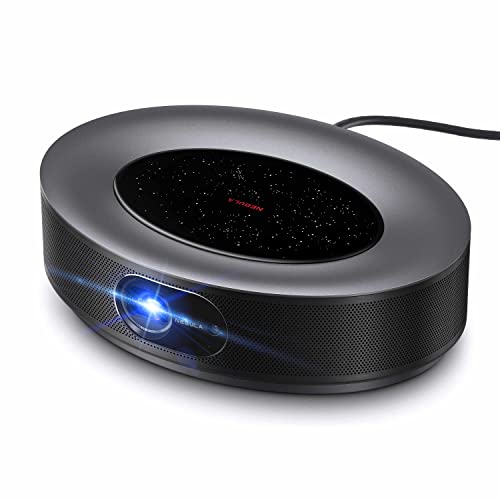
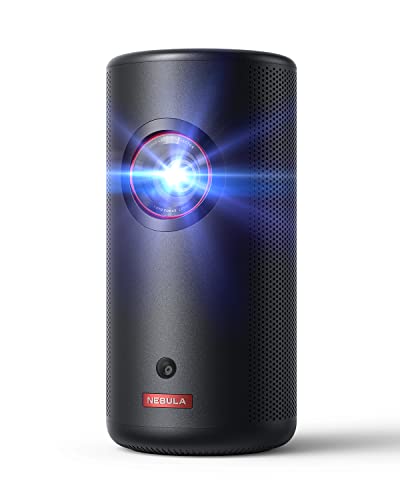
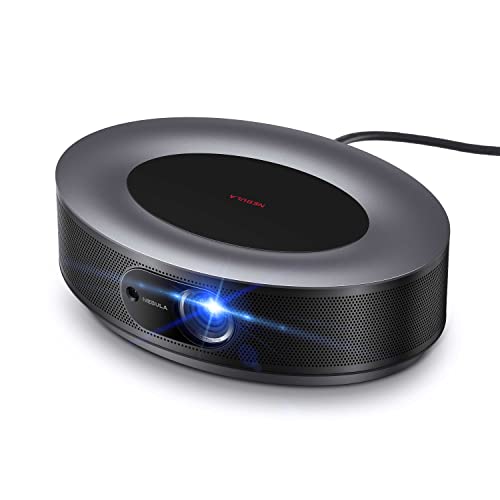
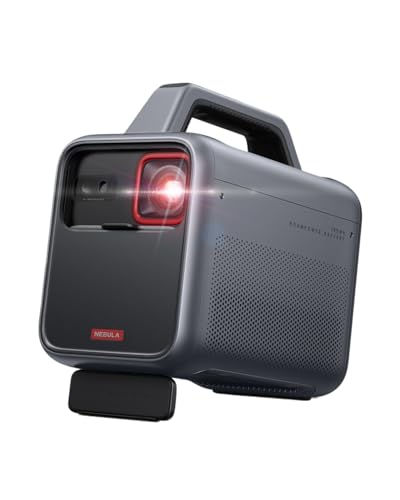
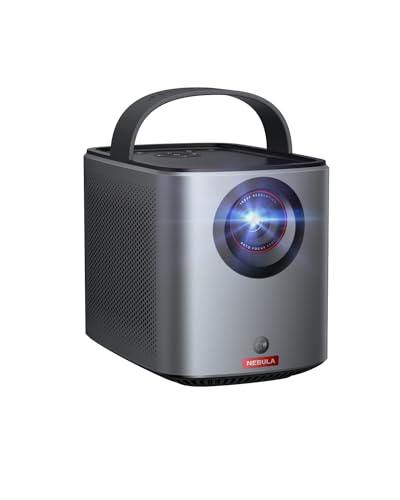
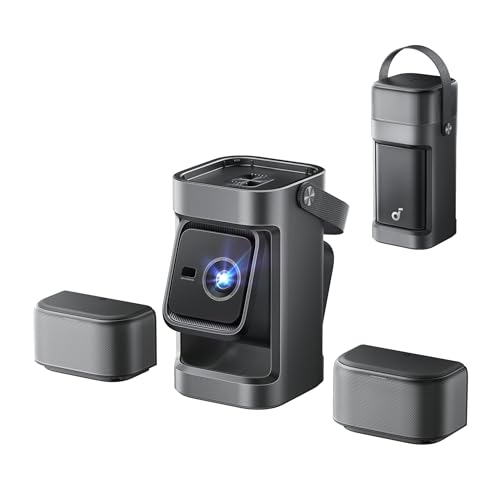
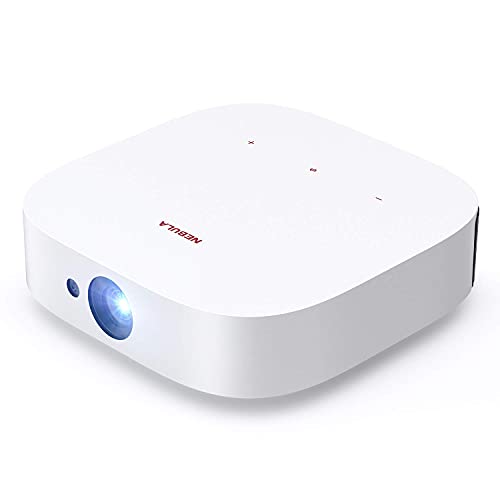
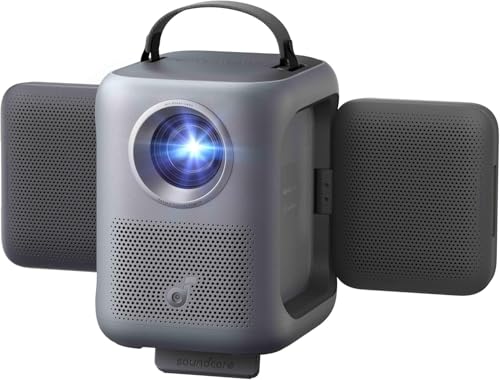
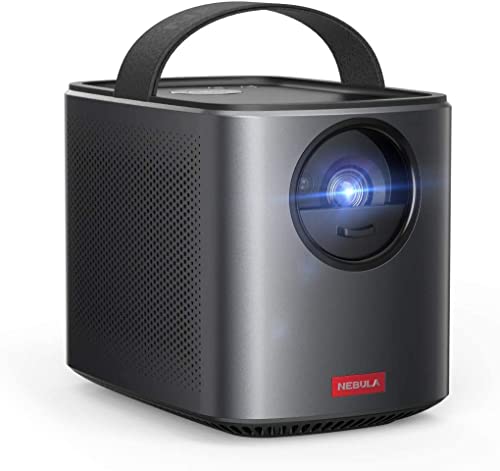
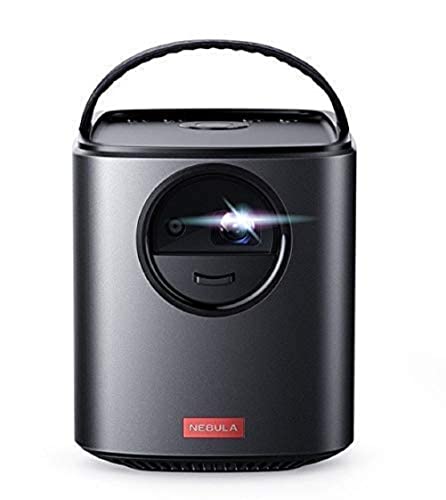
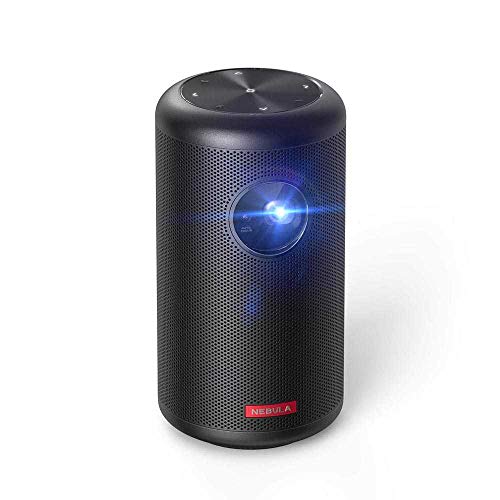
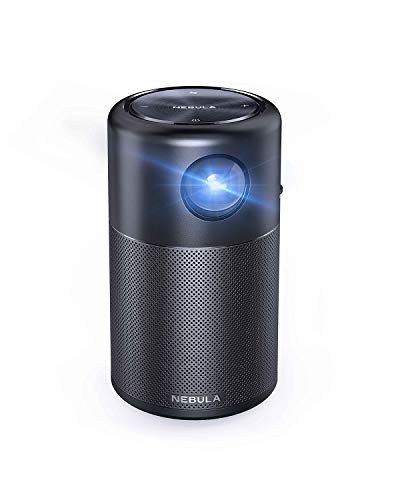
Nebula is a projector line that sits under Anker, and its better models are generally good if you want a portable or lifestyle projector that feels more polished than many generic compact rivals. Nebula's best-known strengths are compact design, solid built-in speakers, good app support on stronger models, and product families such as Capsule, Mars, and Cosmos that are clearly aimed at casual real-world use.
For travel, bedroom viewing, or moving a projector around the house, Nebula often feels more mature than many cheaper portable brands. The lineup is easier to recommend when you care about convenience, integrated streaming, and an all-in-one user experience rather than maximum specification value on paper.
The trade-off is that Nebula is not the best answer for everyone. A lot of the range prioritises portability, speakers, and battery life over raw brightness, optical flexibility, or dark-room cinema depth. If you need maximum screen size in a bright room or more serious home-theatre performance, Xgimi, Epson, BenQ, or LG may serve you better.
What are the main advantages of Nebula projectors?
The main advantages of Nebula projectors are as follows.
- Excellent portability: Capsule-style designs are genuinely easy to move, pack, and use in bedrooms, kitchens, gardens, or on trips.
- Battery-powered convenience: Several Nebula models can run without mains power, which is still unusual among more traditional projector brands.
- Better built-in audio than many mini rivals: Nebula puts meaningful effort into speaker quality, so casual movie watching is easier without adding external sound.
- Clear product families: The brand's Capsule, Mars, and Cosmos lines are easy to understand, which helps buyers pick the right size and performance level.
- Friendly smart experience: Nebula's better models usually provide a smoother streaming and setup experience than cheap Android projector clones.
What are the main disadvantages of Nebula projectors?
The main disadvantages of Nebula projectors are as follows.
- Lower brightness than bigger home projectors: Portable and battery-focused chassis simply cannot match the light output of larger mains-powered projector designs.
- Price per lumen is high: You often pay extra for portability, speakers, and battery features instead of getting the best possible raw image performance for the money.
- Limited installation flexibility: Nebula projectors are designed for easy placement, not for serious ceiling-mount installs, long zoom ranges, or advanced lens shift.
- Not ideal for dedicated cinema rooms: While enjoyable, most Nebula models are not aimed at buyers chasing reference-level contrast, black depth, or large-screen HDR performance.
- App support can vary by model: Streaming certification and app availability are not equally strong across the Capsule, Mars, and Cosmos families, so convenience is not perfectly uniform.
- Model capability varies sharply: Small Capsule units and larger Cosmos models suit very different needs, so brand reputation alone is not enough—you need the right family.
Who makes Nebula projectors?
Nebula projectors are made by Anker Innovations under its Nebula entertainment brand. Anker is best known for chargers, batteries, and mobile accessories, which helps explain why Nebula became especially strong in portable, battery-aware projector design.
Rather than acting like a traditional classroom or cinema projector company, Nebula has focused on making projectors that feel easy to carry, easy to stream from, and easy to enjoy without extra gear. That consumer-electronics approach is a big part of why the brand stands out in the portable projector market.
What are the main Nebula projector series?
The main Nebula projector series are as follows.
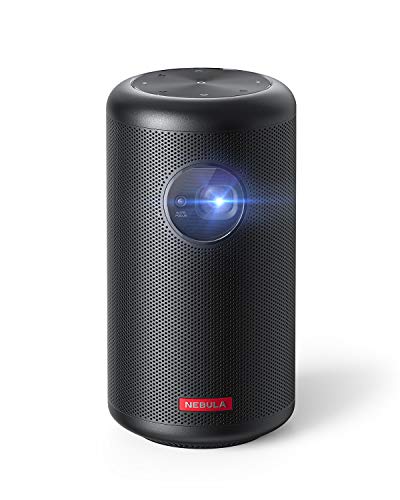
- Capsule series: The iconic soda-can-style portable line focused on maximum convenience, compactness, and battery-powered casual projection.
- Mars series: Larger portable projectors that trade some compactness for better sound, longer sessions, and more capable home use.
- Cosmos series: Nebula's more serious home-entertainment family, aimed at buyers who still want a smart-projector experience but with bigger-screen ambition.
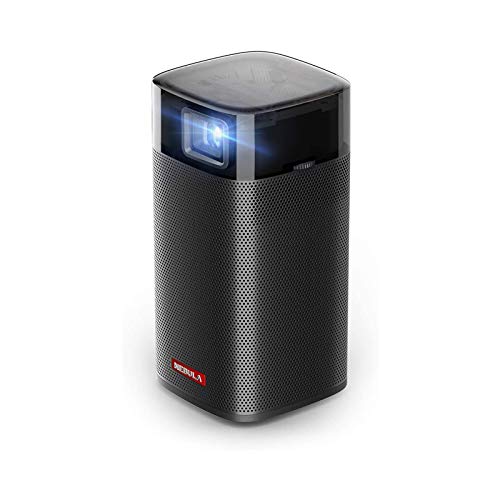
- Apollo and compact lifestyle models: Smaller in-between products for buyers who want portability without always dropping to the tiniest Capsule form factor.
How much do Nebula projectors cost?
Nebula projectors usually cost about £260 to £1,300 with small battery-powered portables at one end and brighter home laser models at the top. A big part of that pricing is convenience, because you are often paying for compact design, speakers, battery use, and smart software rather than for the maximum possible brightness per pound.
\n
The brand feels much more complete around £430 to £770 where native 1080p, better audio, cleaner streaming support, and more reliable autofocus are easier to find. That middle of the range is where Nebula shifts from novelty portability into genuinely comfortable everyday projector use.
\n
Above roughly £860 Nebula starts edging from mainstream portable value toward premium lifestyle projection. Spending more can buy extra brightness and laser light, but it does not transform the core experience as much as the jump from the basic compact models to the better mid-range Capsule, Mars, or Cosmos options.
How do Nebula projectors compare with Xgimi projectors?
Nebula and Xgimi are direct rivals in smart lifestyle projection, but Nebula usually leans more toward portability and built-in convenience. Capsule and Mars models are especially attractive if you want battery power, strong onboard audio, and something easy to take anywhere. Xgimi, by contrast, often pushes further on image quality, auto-setup sophistication, and larger home-use models such as Horizon and Aura.
If you want a projector primarily for travel, flexible casual use, or simple speaker-first entertainment, Nebula often has the advantage. If you want a more serious smart projector for regular living-room viewing with better overall image ambition, Xgimi is often the stronger choice. Nebula is more portable-first; Xgimi is more performance-first within the lifestyle category.
What should you consider while choosing the best Nebula projector?
Compare Nebula projectors using the following points.
- Battery versus brightness: Nebula is strongest in portable and all-in-one designs, but battery-friendly models are usually dimmer. For a large image, portability only helps if the projector is still bright enough for the room you plan to use it in.
- Certified streaming: Nebula buyers often want to stream directly from the projector, so proper app support matters more here than on many projector brands. Check whether Netflix and your other main services are officially supported instead of assuming every model behaves like a smart TV.
- Auto setup: Nebula often gives you autofocus and keystone tools that make casual setup much easier. They are genuinely useful, but image sharpness is still best when the projector is physically centred rather than heavily corrected in software.
- Screen size expectations: A portable projector that looks great at 70 to 90 inches in a dark room may feel flat at 120 inches. Match the brightness to the image size honestly, and remember that evening garden use still needs much more output than bedroom use.
- Ports and power: Check HDMI, USB-C, charging behaviour, and whether the projector can run from mains power while staying at full brightness. Those details decide whether the projector feels flexible or frustrating in real use.
- Audio and fan noise: Nebula often includes better speakers than bargain brands, which helps casual viewing, but small chassis still mean fan noise and limited bass. If films matter, make sure there is a clean path to external audio.