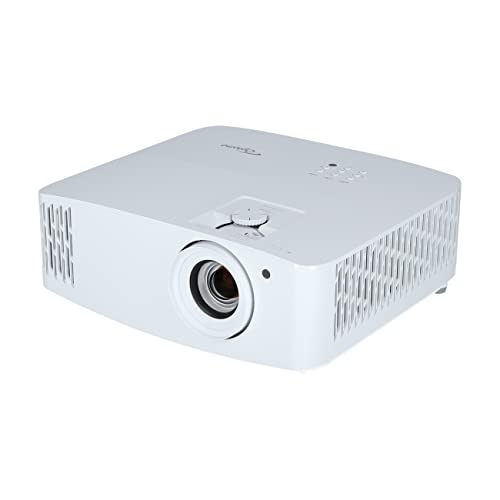
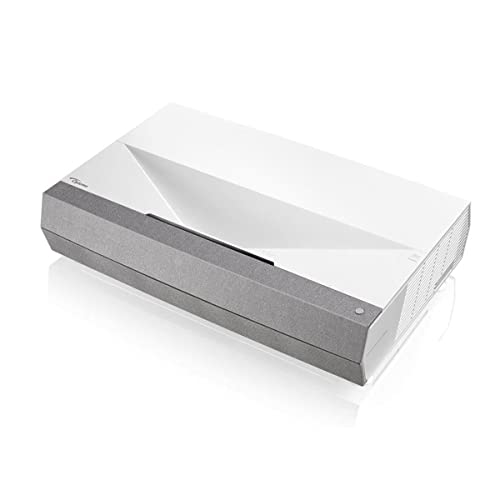
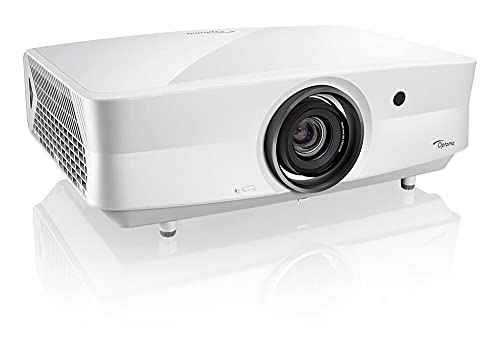
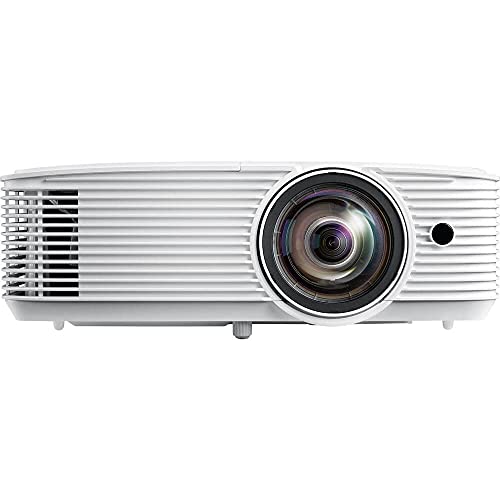
Are Optoma projectors good?
Optoma projectors have an average overall score of 7.5, ranking #7 among comparable projector brands, and a user rating of 8.8, placing them at #7 in user reviews.
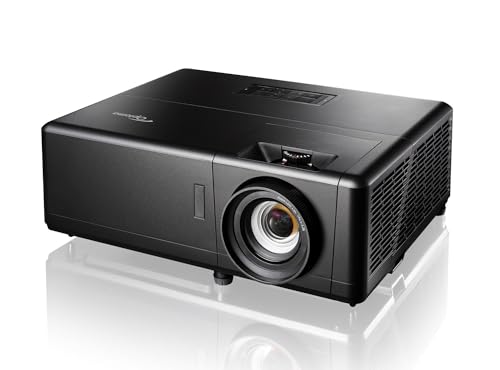
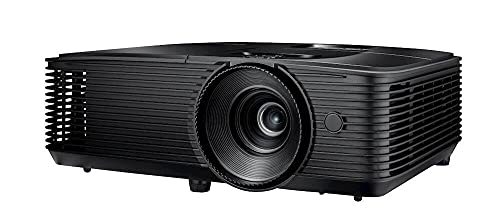
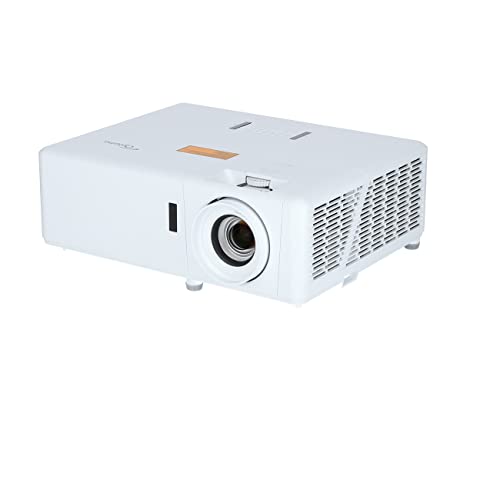
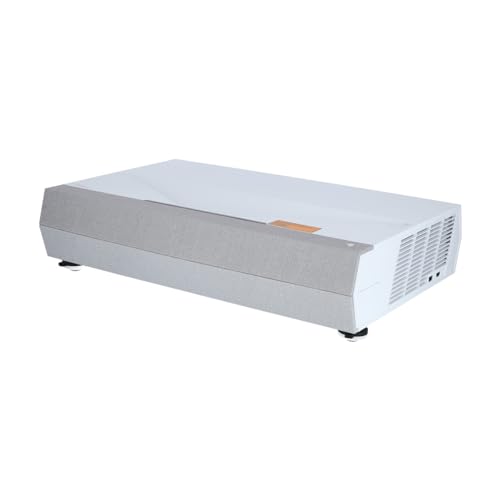
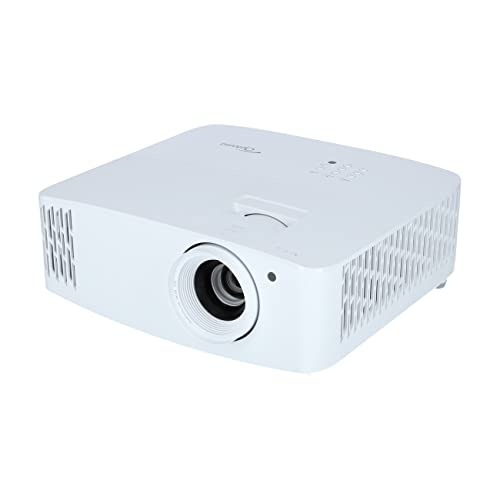
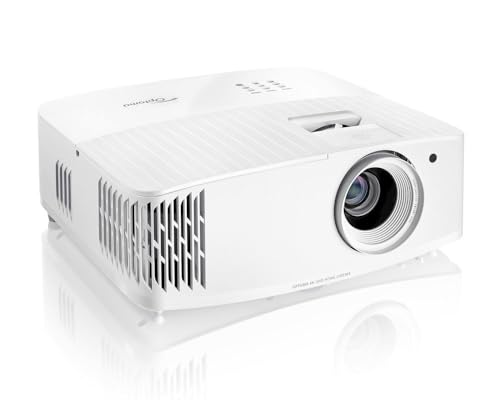
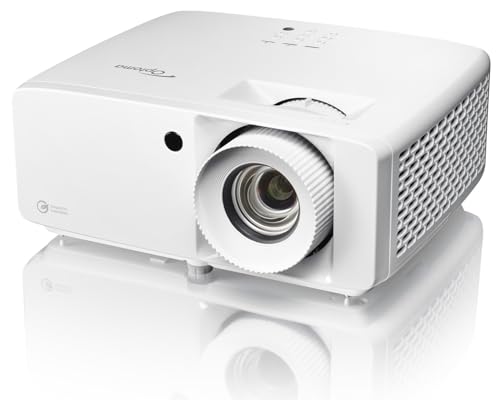
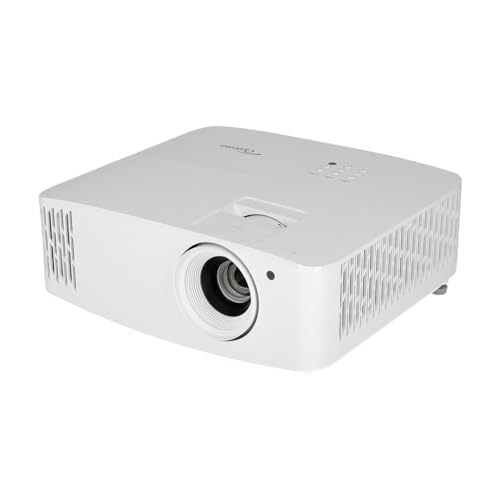
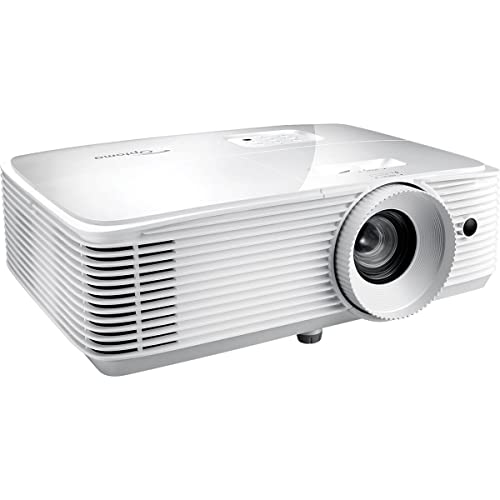
Optoma is especially competitive in brighter DLP models, gaming-friendly projectors, and laser or ultra-short-throw options that need to work in ordinary rooms. The brand often offers strong image punch and practical installation choices, which is useful if you want something more substantial than a portable mini projector.
The trade-offs depend on the model. Some buyers will prefer Epson's rainbow-free 3LCD look or BenQ's more film-friendly tuning in similar price ranges. Optoma is also not the most software-polished brand for built-in streaming. Even so, for sheer projector variety and brightness-led performance, it remains a credible option.
The chart below compares projector brands by average overall score.
[horizontal-chart-06222294491359464560168876188160252806382230551488]
What are the main advantages of Optoma projectors?
The main advantages of Optoma projectors are as follows.
- High brightness options: Optoma offers many models that are easier to use in mixed-light rooms than compact lifestyle projectors, which makes the brand practical for living rooms, offices, and classrooms.
- Strong 4K DLP value: Several Optoma projectors deliver a sharp, detailed 4K-style image at prices well below premium native-4K home-cinema brands.
- Good gaming and short-throw choice: The brand has built a meaningful range of gaming-friendly and short-throw models, which helps buyers who need lower lag or tighter room placement.
- Laser and installation depth: Optoma has long experience with laser light sources and installation-oriented designs, giving buyers more serious projector options than most lifestyle brands.
- Specialist brand experience: Because projectors are a core category for Optoma, its range is usually easier to navigate for buyers with specific brightness or setup requirements.
What are the main disadvantages of Optoma projectors?
The main disadvantages of Optoma projectors are as follows.
- Possible rainbow artefacts: Like other single-chip DLP brands, Optoma can be a poor fit for viewers who are sensitive to rainbow effect.
- Built-in smart features are not a core strength: Optoma is usually better at the projector hardware itself than at creating a Samsung- or LG-style integrated streaming experience.
- Black levels vary a lot by model: Cheaper or brighter Optoma projectors can look punchy, but they are not automatically the best choice for dark-room movie purists.
- Fan noise and chassis size can be more obvious: Many Optoma models are traditional projector boxes rather than quiet lifestyle units, so they can feel less elegant in small rooms.
- Placement flexibility is often limited on mainstream models: Many Optoma projectors do not offer the generous lens shift or zoom freedom that makes permanent installation easier.
- Model-by-model research matters: Optoma's lineup is broad, but that also means performance varies noticeably across budget, gaming, business, and home-theatre products.
Who makes Optoma projectors?
Optoma projectors are made by Optoma, a specialist projector brand within the wider Coretronic Group ecosystem. The company has long focused on projection and display products for home entertainment, education, business, and professional installation.
That specialist background is why Optoma feels different from brands that only sell a handful of smart portable models. It has spent years building deep DLP, laser, short-throw, and venue-oriented lineups, so buyers with specific projection needs often find more options here than with lifestyle-first competitors.
What are the main Optoma projector series?
The main Optoma projector series are as follows.
- UHD series: Optoma's mainstream 4K-oriented home-entertainment range, built around sharp DLP imaging and living-room-friendly brightness.
- UHZ series: Laser-led premium models, including home-cinema and ultra-short-throw options where long light-source life and stronger output matter.
- GT series: Gaming and short-throw projectors designed for tighter spaces and players who care about response times.
- ML portable series: Smaller portable models aimed at casual projection and easier transport rather than maximum screen size or cinema depth.
- Professional installation ranges: Optoma also sells brighter business and venue-oriented families that are more relevant to classrooms, meeting rooms, and commercial spaces.
How much do Optoma projectors cost?
Optoma projectors usually cost about £430 to £2,600 with some basic business models dipping lower and brighter home-cinema or laser models pushing higher. At the bottom of the range, the appeal is usually brightness for the money rather than refined contrast, quiet running, or polished built-in smart features.
\n
The range starts to make more sense around £690 to £1,300 where you are more likely to get sharper 1080p or 4K-class detail, better HDR handling, and gaming-friendly response on the right models. That is also where Optoma's mix of bright DLP output, short-throw options, and more convincing home use becomes easier to appreciate.
\n
Above roughly £1,700 Optoma shifts from mainstream value into more premium laser, ultra-short-throw, and cinema-oriented territory. Spending more there can buy stronger black levels, better optics, and a brighter large-screen image, but the gains are less dramatic for casual viewing than the jump from the entry tier into the solid mid-range.
How do Optoma projectors compare with BenQ projectors?
Optoma and BenQ are close competitors in mainstream DLP projection, but they usually feel different in emphasis. Optoma often gives you more choice in high-brightness, short-throw, and installation-style models, while BenQ more often feels tuned for home entertainment, gaming polish, and film-friendly everyday use.
If your room needs extra punch, tighter throw, or a more traditional specialist-projector catalogue, Optoma can be the better fit. If you want cleaner home-cinema positioning, stronger gaming identity, and often more user-friendly model segmentation, BenQ is frequently easier to recommend. Optoma is broader on projection hardware; BenQ is often more polished for home buyers.
What should you consider while choosing the best Optoma projector?
Look at the following points when comparing Optoma projectors.
- Brightness target: Optoma often looks strong on headline brightness, but you still need to match it to the room and screen size. Roughly 2,500 to 3,500 lumens is useful for a living room or large screen, while a dark-room film setup can prioritise contrast more heavily.
- Throw ratio: Optoma sells everything from standard long-throw units to short-throw models, and the wrong one will be awkward to install. Measure the image size you want and the distance available before you buy, because projector value disappears quickly if placement becomes a compromise.
- DLP character: Many Optoma projectors use DLP, which can give you a sharp, punchy image and good motion, but it can also mean rainbow artefacts for sensitive viewers. If you already know DLP bothers you, that matters more than almost any spec-sheet advantage.
- Gaming modes: Optoma can be a good brand for gaming if you choose carefully. Look for verified low lag figures and check whether the model supports 1080p at 120Hz or 240Hz rather than assuming every bright Optoma is automatically gaming-ready.
- Lamp or laser: A lot of Optoma's value comes from lamp-based models, but lamp life and replacement cost should be part of the buying decision. Laser models cost more up front, yet they are easier to live with if you use the projector often and want faster start-up and steadier brightness.
- Movie balance: Spec-sheet brightness is not the same thing as better black level, quieter operation, or cleaner HDR. If films matter more than presentations or sports, read the contrast, fan-noise, and tone-mapping behaviour at the model level, not just the brand level.