
Are Garmin fitness trackers good?
Garmin fitness trackers have an average overall score of 7.4, ranking #7 among fitness tracker brands, and a user rating of 8.7, placing them at #9 based on user reviews.
The best Garmin fitness trackers are usually accurate, durable, and built for people who exercise regularly rather than just counting steps. Stronger models add reliable GPS, clear workout metrics, solid battery life, and water resistance that makes them easy to wear for running, cycling, swimming, and all-day health tracking.
The better Garmin options stand out by adding more training depth and outdoor usefulness without becoming too awkward for daily wear. Garmin makes the most sense for buyers who want a compact fitness tool with real performance value, not just a simple wellness band or a style-first wearable.
The best Garmin fitness trackers are as follows:
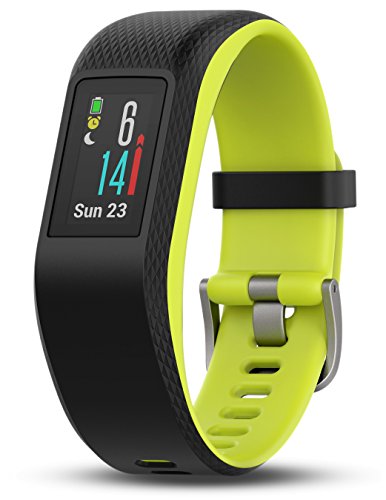
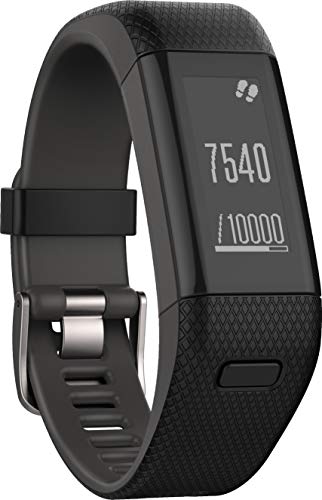
- Garmin vívosport Large (Overall score: 7.98)
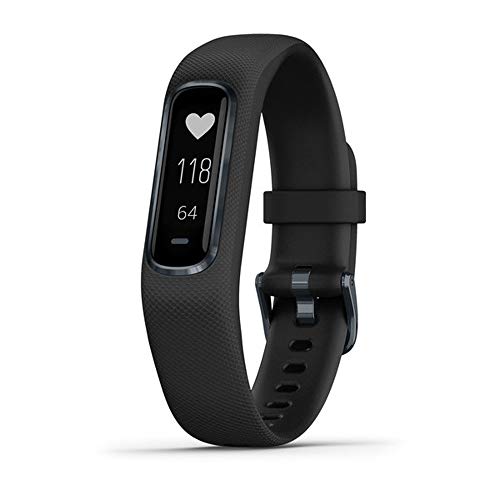
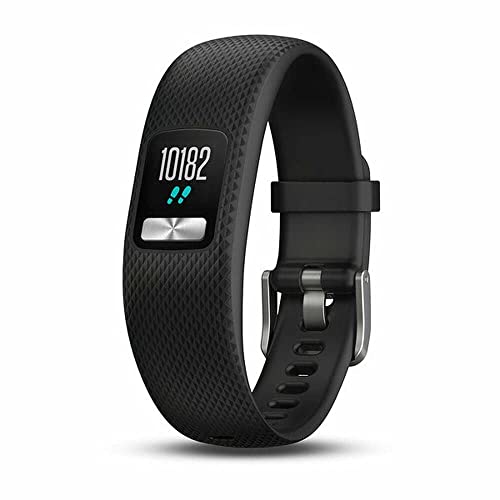
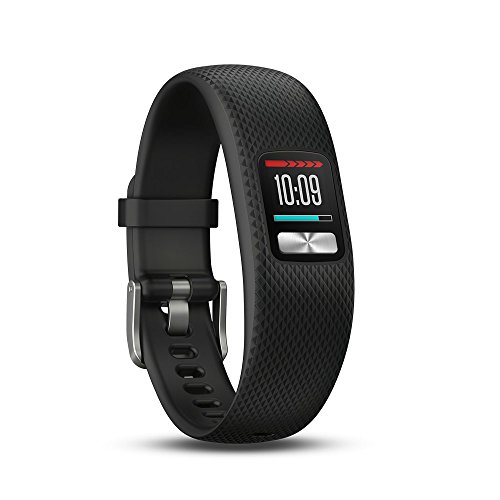
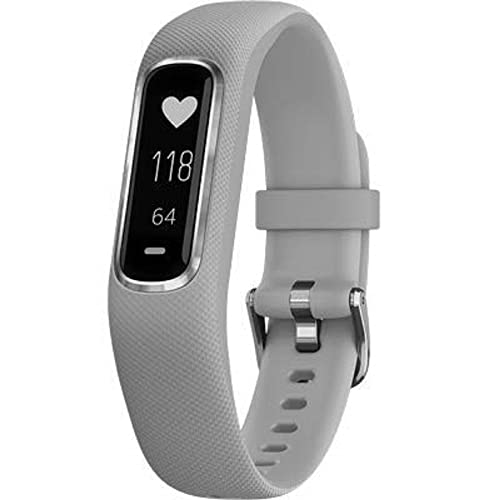
- Garmin vívosmart 4 Large (Overall score: 7.93)
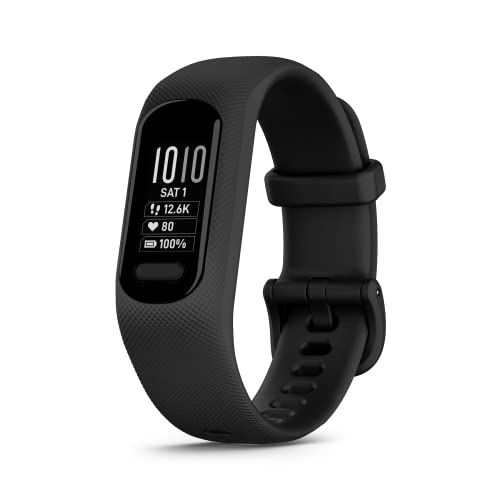
- Garmin vívosmart 5 (Overall score: 7.89)
The chart below ranks fitness tracker brands by average overall score and shows where Garmin stands.
[horizontal-chart-07058980201927266903015180073336635255260865507628]
What are the main advantages of Garmin fitness trackers?
The main advantages of Garmin fitness trackers are as follows:
- Training focus: Garmin is one of the more fitness-led brands in this category, so even lighter band-style models tend to feel more serious about activity tracking than many basic lifestyle trackers.
- Battery efficiency: Garmin trackers often prioritize lower-power displays and practical software, which helps them stay useful for buyers who do not want smartwatch-style charging frequency.
- Water-ready design: Several Garmin bands offer 5 ATM durability, which is a strong baseline for regular workouts, sweat, showers, and swim-friendly use.
- GPS and outdoor support: Selected Garmin models add built-in GPS or stronger outdoor workout support, which gives the brand an advantage over simpler bands that rely only on connected phone tracking.
- Garmin ecosystem: Buyers who already like Garmin's training style, app trends, and structured fitness tools may find the brand easier to grow with over time than a more casual tracker brand.
What are the main disadvantages of Garmin fitness trackers?
The main disadvantages of Garmin fitness trackers are as follows:
- Older-looking displays: Garmin bands often favor endurance and practicality over screen polish, so some models feel less premium than AMOLED-based rivals.
- Uneven smart features: Garmin trackers are usually better at training support than at casual smartwatch extras, which can make them feel limited for buyers who want richer notifications or broader lifestyle tools.
- Functional styling: Several Garmin models look more practical than elegant, so they may not suit buyers who care strongly about jewelry-like or fashion-first design.
- Model age spread: This Garmin lineup includes a number of older bands, which means feature depth, sensor quality, and interface smoothness can vary noticeably from one model to another.
- Value pressure: Garmin is strong when you want training tools, but in some price bands Fitbit, Xiaomi, or Huawei can feel more generous if the buyer mainly wants simple health tracking and everyday comfort.

Who makes Garmin fitness trackers?
Garmin fitness trackers are made by Garmin, the wearable, GPS, and navigation electronics company founded in 1989 by Gary Burrell and Min Kao. Garmin Ltd. is based in Schaffhausen, Switzerland, and the company has long-run operational roots in the United States, especially in Olathe, Kansas.
Garmin builds products across several technology areas, including wearables, fitness equipment, outdoor navigation, marine electronics, and aviation systems. Garmin fitness trackers belong to the brand's broader health and outdoor ecosystem, which helps explain why the company usually emphasizes training tools, GPS-related experience, and durable practical design more than fashion-first smartwatch styling.
What are the main Garmin fitness tracker series?
The main Garmin fitness tracker series are as follows.
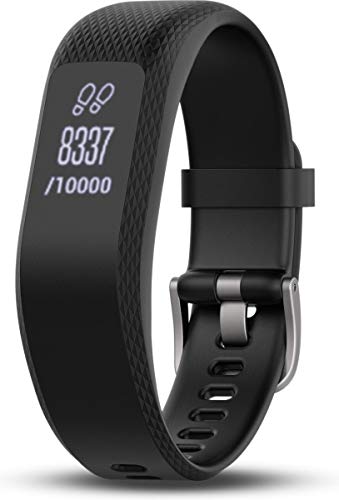
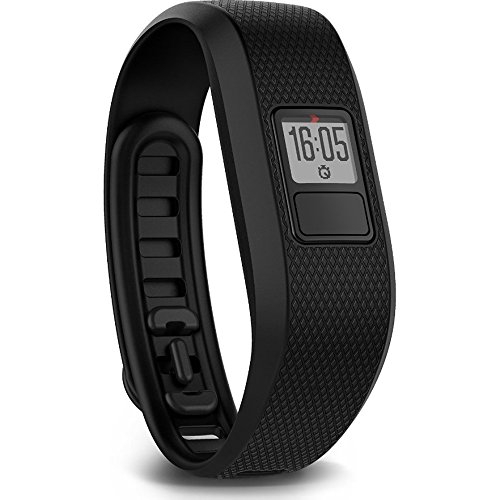
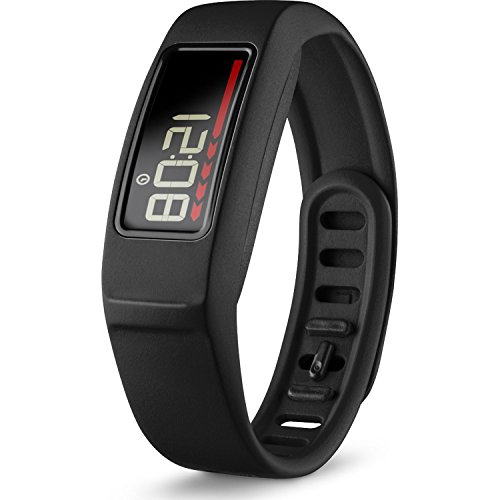
- Vivofit: The Vivofit line is Garmin's simple everyday activity-band series. Models such as Vivofit, Vivofit 2, Vivofit 3, and Vivofit 4 focus on long battery life, step tracking, and low-maintenance daily use more than on advanced smartwatch features.
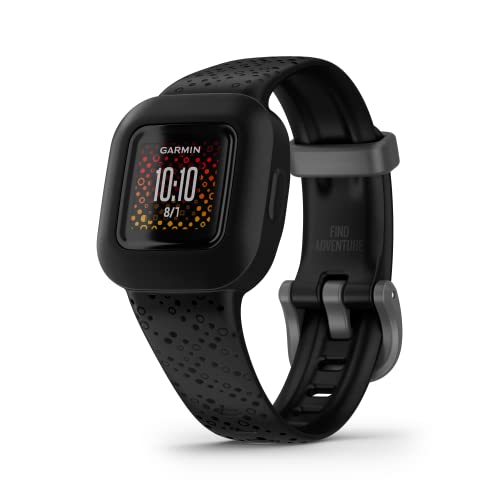
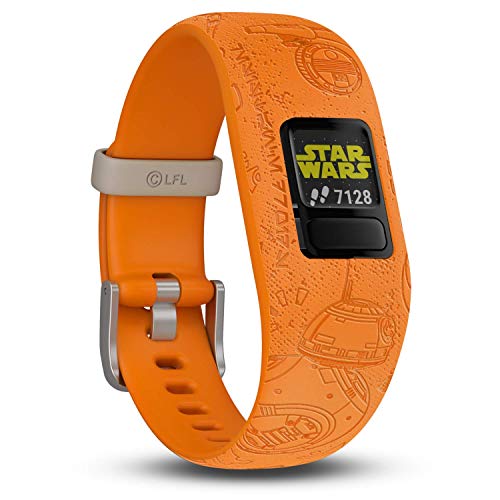
- Vivofit Jr: The Vivofit Jr line is Garmin's child-focused branch. Vivofit Jr 2 and Vivofit Jr 3 are built around simpler activity tracking, colorful kid-oriented styling, and easier family use.
- Vivosmart: The Vivosmart line is the broader health-and-fitness band series. Models such as Vivosmart, Vivosmart 3, Vivosmart 4, Vivosmart 5, and Vivosmart HR Plus add more complete health tracking and a more feature-rich band experience than the basic Vivofit range.
- Vivosport: Vivosport is the more workout-oriented Garmin band line in this set, especially for buyers who want a slimmer tracker with GPS support.
- Vivoki and older niche models: Vivoki sits more on the older wellness and notification side of Garmin's band history. It matters mainly as a legacy line rather than a modern recommendation.
The series name helps explain Garmin's direction, but it is still worth checking the exact model because Garmin bands vary a lot by age, sensors, GPS support, and overall feature depth.
How much do Garmin fitness trackers cost?
Garmin fitness trackers usually cost about £55-£145, with most of the practical choice sitting between about £70 and £130. Around £55-£80, the range is mostly about simpler Vivofit and entry-level bands. Between about £85 and £115, buyers usually get a stronger mix of health tracking and day-to-day usability, while the upper part of the range pushes closer to more feature-complete Vivosmart or GPS-ready options.
Garmin pricing is usually easiest to justify when you want training support, better workout logic, or a more durable fitness-first design rather than just basic step counting. Buyers who only want simple health tracking may find better raw value elsewhere, but Garmin often makes more sense when the extra cost is tied to structured fitness use.
How do Garmin fitness trackers compare with Fitbit models?
Garmin fitness trackers usually make more sense than Fitbit models for buyers who care more about training depth, GPS-oriented exercise support, and a more outdoorsy fitness style.
Fitbit is often the easier choice for buyers who want a softer lifestyle design, a simpler wellness-first experience, and a broader everyday band lineup.
At a practical level, both brands overlap in the same broad price band, but they emphasize different strengths. Garmin leans harder into structured activity use and durable fitness logic, while Fitbit is often more appealing for easier app flow, lighter everyday wear, and a more casual health-tracking feel.
What should you consider while choosing the best Garmin fitness tracker?
When you choose the best Garmin fitness tracker, you should focus on the following key aspects:
- Product line: Start by choosing the right Garmin branch for your use. Vivofit models are the simpler long-battery activity bands, Vivosmart models are the more mainstream health bands, and Vivosport is the more workout-oriented option with stronger training value. If you mainly want step counting and low maintenance, the basic lines are enough. If you care about workouts, the training-oriented models make much more sense.
- GPS and workout tracking: Check carefully whether the tracker has built-in GPS, connected GPS through your phone, or no GPS at all. This matters a lot if you run, cycle, or walk outdoors without your phone. Garmin becomes much easier to justify when the model gives you real workout data instead of just basic daily activity tracking.
- Battery life: Garmin battery life varies a lot by line. Some simpler Vivofit bands can stretch toward year-class replaceable-battery life, while screen-based bands often sit closer to about 5 to 7 days per charge. If you hate charging, battery life should be one of your first filters.
- Display and controls: Decide whether you want a simple low-power display or a brighter, more modern touch screen. Garmin trackers often favor practicality over flashy screens, so some feel more training-focused than style-focused. If you check your tracker often during the day, screen readability matters as much as the sensor list.
- Health and training features: Look at the exact feature set, not just the Garmin name. Heart-rate tracking, sleep tracking, stress tools, Pulse Ox, Body Battery, and guided workout support are not spread evenly across every model. If you want more than steps and calories, make sure the tracker really includes the health tools you care about.
- Build and water resistance: Garmin trackers are usually easy to wear during training, but strap comfort, case size, and water resistance still vary by model. Many sit around 5 ATM, which is a good level for swimming and regular fitness use. If you plan to wear it all day and during exercise, comfort and water resistance both need to be checked.