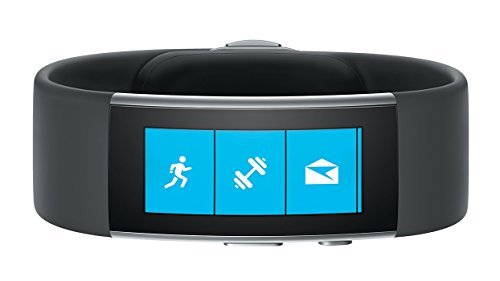
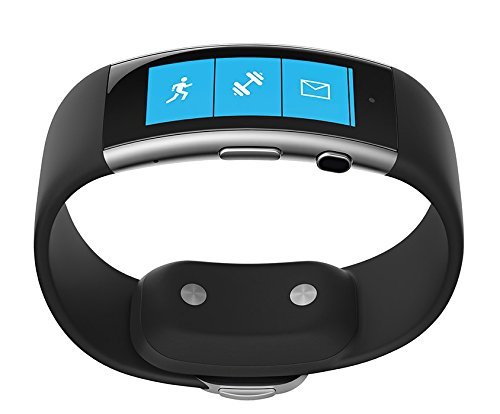
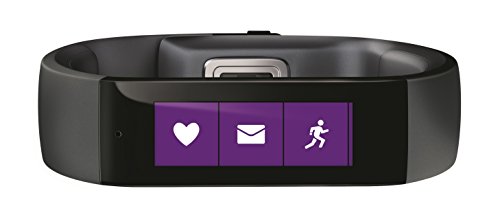
Microsoft Band 2015 Review | 171 Data compared

double-arrow
  • Avg. price in UK: ~£240
  • Avg. price in US: ~$250
  • Form factor: wristband
  • Battery life: 2 days
  • Screen size: 1.45 inch

Microsoft Band 2015 review. Compare 171 technical specifications and user reviews to see how it ranks among fitness trackers and if it is worth buying.

7.4

Overall score

What it is: An overall evaluation of the fitness tracker's quality, based on technical analyses and user reviews.

When it matters: When you need a quick reference to identify the best fitness trackers on the market.

Score components:

80.0%

7.4

Technical Score

20.0%

7.2

User score

Very good
7.4

Technical Score

What it is: An assessment of the fitness tracker's technical performance, covering eight key areas: health tracking, sports features, connectivity, display, battery, smart features, design, and app support.

When it matters: When you want to compare fitness trackers based on technical performance and available features.

Score components:

20.0%

8.4

Sports & Navigation

20.0%

4.1

Battery

18.0%

8.0

Health

18.0%

8.6

Display

8.0%

7.9

Smart Features

8.0%

9.5

App & Wellness

4.0%

8.4

Connectivity

4.0%

4.3

Design & Durability

Very good
7.2

User score

What it is: A rating that combines user reviews and the total number of reviews received by the fitness tracker.

When it matters: When you want to know how a fitness tracker performs in daily use and how reliable it remains over time according to user feedback.

Score components:

70.0%

7.0

User reviews

30.0%

7.8

Popularity

User score:
United Kingdom
amazon
3.5
(134)

(Reviews last updated: Jun 2026)

Very good
  • 3.1
    Swimming

    Score components:

    28.0%

    1.0

    ATM rating

    24.0%

    4.0

    Open-water swim mode

    18.0%

    1.2

    Waterproof depth rating

    15.0%

    10

    GPS

    15.0%

    1.0

    Battery life

  • 3.1
    Kids

    Score components:

    30.0%

    1.0

    Battery life

    25.0%

    1.0

    Weight

    20.0%

    1.0

    ATM rating

    15.0%

    9.5

    Screen size

    10.0%

    9.3

    Price

  • microsoft-band-2015
  • microsoft-band-2015
  • microsoft-band-2015
microsoft-band-2015
microsoft-band-2015
microsoft-band-2015

Best prices in UK

Best rankings

?

Available: ranking among products currently available (including other versions of this product).
All: ranking among all products in the database.

Verdict

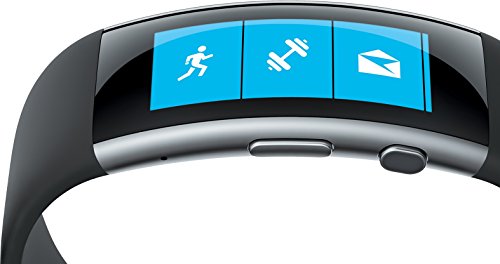
Released in late 2015, the Microsoft Band 2 features a curved 1.28-inch AMOLED display (320 x 128 resolution) protected by Gorilla Glass 3 and powered by an ARM Cortex M4 MCU. This advanced fitness tracker is distinguished by its 11 sensors, including built-in GPS, a continuous optical heart rate monitor, UV sensor, barometer, and galvanic skin response sensor for stress tracking. Its main pros include cross-platform compatibility (Windows, iOS, Android), highly accurate GPS for independent run tracking, and unique guided workouts that provide exercise prompts directly on the wrist. However, significant cons include a rigid, often uncomfortable design, a modest 48-hour battery life that drains quickly with GPS use, and a lack of true waterproofing, being only moisture-resistant.

Technical Specifications of Microsoft Band 2015

Technical Score

What it is: An assessment of the fitness tracker's technical performance, covering eight key areas: health tracking, sports features, connectivity, display, battery, smart features, design, and app support.

When it matters: When you want to compare fitness trackers based on technical performance and available features.

Score components:

20.0%

8.4

Sports & Navigation

20.0%

4.1

Battery

18.0%

8.0

Health

18.0%

8.6

Display

8.0%

7.9

Smart Features

8.0%

9.5

App & Wellness

4.0%

8.4

Connectivity

4.0%

4.3

Design & Durability

7.4
Microsoft Band 2015 has a technical score of 7.38 points, which is higher than 63.9% of fitness trackers.
User score

What it is: A rating that combines user reviews and the total number of reviews received by the fitness tracker.

When it matters: When you want to know how a fitness tracker performs in daily use and how reliable it remains over time according to user feedback.

Score components:

70.0%

7.0

User reviews

30.0%

7.8

Popularity

User score:
United Kingdom
amazon
3.5
(134)

(Reviews last updated: Jun 2026)

7.2
Microsoft Band 2015 has a user score of 7.24 points, which is lower than 85.5% of fitness trackers.
Popularity
What it is: An indicator based on the number of reviews received by the fitness tracker.
When it matters: When you prefer to buy a product chosen and reviewed by many other consumers.
7.8
Microsoft Band 2015 has a popularity of 7.8 points, which is higher than 56.8% of products in this category.
Ratio quality/price

What it is: An indicator that combines the fitness tracker's overall rating with its cost.

When it matters: When you are looking for a fitness tracker with a good balance between quality and price.

Score components:

60.0%

7.4

Overall score

40.0%

9.3

Price

7.9
Microsoft Band 2015 has a quality-to-price ratio of 7.9 points, which is lower than 50.7% of products in this category.
Heart rate monitor
What it is: Sensor that measures heart rate in real time.
When it matters: When you care about live heart-rate feedback during training or resting trends outside of workouts.

Importance: HIGH

yes
Microsoft Band 2015 supports heart rate monitoring. 40.2% of fitness trackers support heart rate monitoring.
Resting heart rate
What it is: Measures heart rate while resting.
When it matters: When deeper insight into sleep quality, recovery, or overall readiness matters more than raw numbers alone.

Importance: MEDIUM

yes
Microsoft Band 2015 supports Resting heart rate. 52% of fitness trackers support Resting heart rate.
Tracks resting heart rate.
Fast/slow heart rate alerts
What it is: Alerts for heart rates that are too fast or too slow.
When it matters: When you want the tracker to warn you about unusual changes instead of only logging them.

Importance: LOW

no
Microsoft Band 2015 does not support high and low heart rate alerts. 33.7% of fitness trackers support high and low heart rate alerts.
Irregular heart rate alerts
What it is: Warns of irregular or abnormal heart rhythms.
When it matters: When you want the tracker to warn you about unusual changes instead of only logging them.

Importance: LOW

?
Blood oxygen sensor
What it is: Sensor that measures blood oxygen saturation.
When it matters: When blood oxygen readings are part of the health picture you want from the device instead of relying on heart rate and step count alone.

Importance: MEDIUM

no
Microsoft Band 2015 does not have a blood oxygen sensor. 26.1% of fitness trackers have a blood oxygen sensor.
Show more
GPS
What it is: Satellite navigation capability for positioning and tracking.
When it matters: When you train outdoors and want pace, distance, and route tracking without depending completely on your phone.

Importance: LOW

yes
Microsoft Band 2015 has GPS. 89.5% of fitness trackers have GPS.
Satellite systems supported
What it is: States which satellite navigation systems the device can use for positioning.
When it matters: When you train outdoors and want stronger positioning, route guidance, and navigation independence from your phone.

Importance: LOW

GPS + GLONASS
Microsoft Band 2015 supports GPS + GLONASS satellite systems which is more versatile than that of 89.3% of fitness trackers and the same as that of 5.1% of fitness trackers.
Multi-GNSS support.
GNSS bands supported
What it is: Number and type of GNSS frequency bands supported.
When it matters: When you train outdoors and want stronger positioning, route guidance, and navigation independence from your phone.

Importance: LOW

yes
Microsoft Band 2015 supports advanced GNSS bands. 91.7% of fitness trackers support advanced GNSS bands.
supports GNSS L1 band.
Galileo support
What it is: Supports Galileo satellite system.
When it matters: When you train outdoors and want stronger positioning, route guidance, and navigation independence from your phone.

Importance: LOW

no
Microsoft Band 2015 does not support Galileo. 4.9% of fitness trackers support Galileo.
Acquires GPS faster
What it is: Shows whether the tracker includes features that help it lock onto satellite positioning more quickly at the start of an outdoor activity.
When it matters: When you train outdoors and want stronger positioning, route guidance, and navigation independence from your phone.

Importance: LOW

no
Microsoft Band 2015 does not support faster GPS acquisition. 7.2% of fitness trackers support faster GPS acquisition.
Show more
Notifications
What it is: Delivers smartphone notifications on the watch.
When it matters: When getting calls, messages, and app alerts on your wrist saves you from checking your phone constantly.

Importance: MEDIUM

yes
Microsoft Band 2015 supports notifications. 27.5% of fitness trackers support notifications.
Vibrating alerts
What it is: Provides vibration-based notifications and alerts.
When it matters: When staying reachable from your wrist helps you avoid checking your phone constantly.

Importance: LOW

yes
Microsoft Band 2015 supports vibration alerts. 16.3% of fitness trackers support vibration alerts.
Call control
What it is: Allows control of phone calls from the device.
When it matters: When staying reachable from your wrist helps you avoid checking your phone constantly.

Importance: LOW

no
Microsoft Band 2015 does not support call controls. 41.1% of fitness trackers support call controls.
Call answering
What it is: Allows answering calls directly from the device.
When it matters: When staying reachable from your wrist helps you avoid checking your phone constantly.

Importance: LOW

no
Microsoft Band 2015 does not support call answering. 1% of fitness trackers support call answering.
Calendar sync
What it is: Syncs calendar events with the connected device.
When it matters: When staying reachable from your wrist helps you avoid checking your phone constantly.

Importance: LOW

yes
Microsoft Band 2015 supports calendar sync. 80.6% of fitness trackers support calendar sync.
Displays agenda events via synced Bluetooth connection.
Show more
Activity reports
What it is: Generates summaries and insights from activity data.
When it matters: When you want the app to motivate you with goals, reports, coaching, or progress feedback over time.

Importance: LOW

yes
Microsoft Band 2015 supports activity reports. 5.7% of fitness trackers support activity reports.
Goal setting
What it is: Allows setting personal fitness or activity goals.
When it matters: When you want the app to motivate you with goals, reports, coaching, or progress feedback over time.

Importance: LOW

yes
Microsoft Band 2015 supports goal setting. 2.4% of fitness trackers support goal setting.
Achievements
What it is: Rewards progress and completed milestones.
When it matters: When you want the app to motivate you with goals, reports, coaching, or progress feedback over time.

Importance: LOW

yes
Microsoft Band 2015 supports achievements. 24.3% of fitness trackers support achievements.
Inactivity alerts
What it is: Alerts when the user has been inactive for too long.
When it matters: When account rules, app costs, exports, or software flexibility affect whether the ecosystem suits you long term.

Importance: LOW

yes
Microsoft Band 2015 supports inactivity alerts. 23.7% of fitness trackers support inactivity alerts.
Coaching
What it is: Provides guided training and workout advice.
When it matters: When you want the app to motivate you with goals, reports, coaching, or progress feedback over time.

Importance: LOW

yes
Microsoft Band 2015 supports coaching. 67.5% of fitness trackers support coaching.
Show more
Bluetooth version
What it is: Version of Bluetooth supported by the device.
When it matters: When wireless stability, pairing quality, and long-term phone compatibility matter more than Bluetooth being a simple checkbox.

Importance: LOW

Good value: >=5.0

4.0
Microsoft Band 2015 supports Bluetooth 4.0 which is newer than in 5.1% of fitness trackers and equal to that in 51.5% of fitness trackers.
Maximum Bluetooth range
What it is: States the maximum Bluetooth connection range supported under normal conditions.
When it matters: When compatibility with your phone, computer, accessories, or wireless setup affects how well the tracker fits into your ecosystem.

Importance: LOW

Good value: >=10 m

9.1 m
Microsoft Band 2015 offers a Bluetooth range of 9.1 m which is lower than that of 86.2% of fitness trackers and equal to that of 2.3% of fitness trackers.
NFC
What it is: Supports near-field communication for contactless features.
When it matters: When compatibility with your phone, computer, accessories, or wireless setup affects how well the tracker fits into your ecosystem.

Importance: LOW

no
Microsoft Band 2015 does not have NFC. 10.1% of fitness trackers have NFC.
Wi-Fi connectivity
What it is: Connects to wireless internet networks.
When it matters: When the tracker should sync, update, or download data directly without always routing everything through the phone.

Importance: LOW

no
Microsoft Band 2015 does not support Wi-Fi. 1.8% of fitness trackers support Wi-Fi.
Wi-Fi version
What it is: Version of Wi-Fi standard supported.
When it matters: When compatibility with your phone, computer, accessories, or wireless setup affects how well the tracker fits into your ecosystem.

Importance: LOW

no
Microsoft Band 2015 does not support modern Wi-Fi. 1% of fitness trackers support modern Wi-Fi.
no Wi-Fi support.
Show more
Battery life
What it is: Total time the battery lasts on a full charge.
When it matters: When the tracker needs to last through travel, sleep tracking, long workouts, or several days between charges.

Importance: HIGH

Good value: >5 days

2 days
Microsoft Band 2015 offers a battery life of 2 days which is shorter than that of 97.5% of fitness trackers and equal to that of 1.5% of fitness trackers.
Battery life with GPS on
What it is: Battery duration when GPS tracking is active.
When it matters: When you want fewer charging breaks during travel, longer workouts, sleep tracking, or continuous use.

Importance: LOW

Good value: >=8 hours

5 h
Microsoft Band 2015 offers a GPS-on battery life of 5 h which is shorter than that of 60% of fitness trackers and equal to that of 33.3% of fitness trackers.
Battery life in training mode
What it is: Battery duration during active training sessions.
When it matters: When you want fewer charging breaks during travel, longer workouts, sleep tracking, or continuous use.

Importance: LOW

5 h
Microsoft Band 2015 offers a training-mode battery life of 5 h which is shorter than that of 74.1% of fitness trackers and equal to that of 22.2% of fitness trackers.
Continuous GPS during training.
Battery life in power-saving mode
What it is: Battery duration when using power-saving mode.
When it matters: When you want fewer charging breaks during travel, longer workouts, sleep tracking, or continuous use.

Importance: LOW

?
Battery capacity
What it is: Energy storage capacity of the battery.
When it matters: When you want rough battery context behind the runtime claim instead of trusting the advertised hours alone.

Importance: MEDIUM

Good value: >=100 mAh

185 mAh
Microsoft Band 2015 has a battery capacity of 185 mAh which is higher than that of 73.9% of fitness trackers.
source range 170-200 mAh.
Show more
Display
What it is: Main interface showing information and metrics.
When it matters: When easier reading at a glance and better day-to-day screen comfort matter to you.

Importance: LOW

yes
Microsoft Band 2015 has a display. 24.1% of fitness trackers have a display.
Screen size
What it is: Physical size of the device’s display measured diagonally.
When it matters: When easier reading at a glance and better day-to-day screen comfort matter to you.

Importance: MEDIUM

1.45 inch
Microsoft Band 2015 has a screen size of 1.45 inch which is larger than that of 74.8% of fitness trackers.
Display type
What it is: Technology used for the screen, such as AMOLED or LCD.
When it matters: When display technology affects contrast, color quality, power efficiency, or how premium the screen feels.

Importance: MEDIUM

AMOLED
Microsoft Band 2015 uses AMOLED display technology which is more advanced than that of 75.3% of fitness trackers and the same as that of 24.8% of fitness trackers.
Screen resolution
What it is: Total number of pixels displayed on the screen.
When it matters: When easier reading at a glance and better day-to-day screen comfort matter to you.

Importance: MEDIUM

128 x 315
Microsoft Band 2015 has a screen resolution of 128x315 which is higher than that of 81.3% of fitness trackers.
Pixel density
What it is: Number of pixels per inch determining screen sharpness.
When it matters: When easier reading at a glance and better day-to-day screen comfort matter to you.

Importance: LOW

Good value: >=280 ppi

255 ppi
Microsoft Band 2015 has a pixel density of 255 ppi which is higher than that of 51% of fitness trackers.
Show more
Form factor
What it is: Overall physical design and shape.
When it matters: When materials, shape, and build details affect comfort, durability, or how discreet the device feels.

Importance: LOW

wristband
Hybrid design
What it is: Combines analog and digital display elements.
When it matters: When materials, shape, and build details affect comfort, durability, or how discreet the device feels.

Importance: LOW

no
Microsoft Band 2015 does not support Hybrid design. 2.4% of fitness trackers support Hybrid design.
Designed for kids
What it is: Indicates whether the fitness tracker is explicitly designed for children, with child-focused sizing, branding, safety limits, or kid-oriented activity features.
When it matters: This matters when you want a tracker that is genuinely child-focused rather than just a smaller adult model.

Importance: LOW

no
Microsoft Band 2015 is not designed for kids. 2.4% of fitness trackers are designed for kids.
No child-specific positioning found.
Replaceable watch band
What it is: Ability to replace the wristband with other styles.
When it matters: When strap comfort, fit, or the ability to swap bands matters for sport, style, or replacement.

Importance: LOW

no
Microsoft Band 2015 does not have a replaceable watch band. 76.1% of fitness trackers have a replaceable watch band.
Band width
What it is: Width of the strap where it connects to the watch.
When it matters: When strap comfort, fit, or the ability to swap bands matters for sport, style, or replacement.

Importance: LOW

?
Show more

Microsoft Band 2015 vs the average fitness tracker

  • Always-on display
    Microsoft Band 2015 has an always-on display, while the average fitness tracker does not. 25.7% of fitness trackers have an always-on display.
    What it is: Screen remains visible continuously without turning off.
    When it matters: When you want to check time or key stats instantly without waking the screen first.

    Importance: LOW

    Microsoft Band 2015 has an always-on display, while the average fitness tracker does not. 25.7% of fitness trackers have an always-on display.
  • Built-in GPS
    Microsoft Band 2015 has GPS, while the average fitness tracker does not. 11% of fitness trackers have GPS.
    What it is: Satellite navigation capability for positioning and tracking.
    When it matters: When you train outdoors and want pace, distance, and route tracking without depending completely on your phone.

    Importance: LOW

    Microsoft Band 2015 has GPS, while the average fitness tracker does not. 11% of fitness trackers have GPS.
  • Measures VO2 max
    Microsoft Band 2015 supports VO2 max tracking, while the average fitness tracker does not. 22.5% of fitness trackers support VO2 max tracking.
    App estimate.
    What it is: Measures maximum oxygen uptake during exercise.
    When it matters: When deeper insight into sleep quality, recovery, or overall readiness matters more than raw numbers alone.

    Importance: LOW

    Microsoft Band 2015 supports VO2 max tracking, while the average fitness tracker does not. 22.5% of fitness trackers support VO2 max tracking.
  • Lower resting heart rate
    Microsoft Band 2015 supports Resting heart rate, while the average fitness tracker does not. 48.2% of fitness trackers support Resting heart rate.
    Tracks resting heart rate.
    What it is: Measures heart rate while resting.
    When it matters: When deeper insight into sleep quality, recovery, or overall readiness matters more than raw numbers alone.

    Importance: MEDIUM

    Microsoft Band 2015 supports Resting heart rate, while the average fitness tracker does not. 48.2% of fitness trackers support Resting heart rate.
  • Touchscreen
    Microsoft Band 2015 has a touchscreen, while the average fitness tracker does not. 43.8% of fitness trackers have a touchscreen.
    What it is: Ability of the display to recognize touch input.
    When it matters: When smooth touch response and quicker on-screen interaction matter during workouts or daily use.

    Importance: LOW

    Microsoft Band 2015 has a touchscreen, while the average fitness tracker does not. 43.8% of fitness trackers have a touchscreen.
  • Smart alarm
    Microsoft Band 2015 supports a smart alarm, while the average fitness tracker does not. 28.1% of fitness trackers support a smart alarm.
    30-minute wake window.
    What it is: Alarm that adjusts wake-up time based on sleep cycle.
    When it matters: When you want more discreet or more context-aware alerts than a standard alarm gives you.

    Importance: LOW

    Microsoft Band 2015 supports a smart alarm, while the average fitness tracker does not. 28.1% of fitness trackers support a smart alarm.
  • Coaching features
    Microsoft Band 2015 supports coaching, while the average fitness tracker does not. 32.8% of fitness trackers support coaching.
    What it is: Provides guided training and workout advice.
    When it matters: When you want the app to motivate you with goals, reports, coaching, or progress feedback over time.

    Importance: LOW

    Microsoft Band 2015 supports coaching, while the average fitness tracker does not. 32.8% of fitness trackers support coaching.
  • 68.2% larger battery capacity
    Microsoft Band 2015 has a higher battery capacity than the average fitness tracker (185 mAh vs 110 mAh). The average fitness tracker has 110 mAh of battery capacity.
    source range 170-200 mAh.
    What it is: Energy storage capacity of the battery.
    When it matters: When you want rough battery context behind the runtime claim instead of trusting the advertised hours alone.

    Importance: MEDIUM

    Good value: >=100 mAh

    Microsoft Band 2015 has a higher battery capacity than the average fitness tracker (185 mAh vs 110 mAh). The average fitness tracker has 110 mAh of battery capacity.185 mAh vs 110 mAh
  • Measures VO2 max
    Microsoft Band 2015 supports VO2 max tracking, while the average fitness tracker does not. 22.5% of fitness trackers support VO2 max tracking.
  • Lower resting heart rate
    Microsoft Band 2015 supports Resting heart rate, while the average fitness tracker does not. 48.2% of fitness trackers support Resting heart rate.
  • Built-in temperature sensor
    Microsoft Band 2015 has a temperature sensor, while the average fitness tracker does not. 10.2% of fitness trackers have a temperature sensor.
  • Tracks skin temperature
    Microsoft Band 2015 supports skin temperature tracking, while the average fitness tracker does not. 11.3% of fitness trackers support skin temperature tracking.
  • Sweat tracking
    Microsoft Band 2015 supports sweat tracking, while the average fitness tracker does not. 7.7% of fitness trackers support sweat tracking.
  • EDA sensor
    Microsoft Band 2015 has an EDA sensor, while the average fitness tracker does not. 6.6% of fitness trackers have an EDA sensor.
  • Built-in GPS
    Microsoft Band 2015 has GPS, while the average fitness tracker does not. 11% of fitness trackers have GPS.
  • Tracks elevation
    Microsoft Band 2015 supports elevation tracking, while the average fitness tracker does not. 27.2% of fitness trackers support elevation tracking.
  • Built-in gyroscope
    Microsoft Band 2015 has a gyroscope, while the average fitness tracker does not. 26.4% of fitness trackers have a gyroscope.
  • Built-in barometer
    Microsoft Band 2015 has a barometer, while the average fitness tracker does not. 10.7% of fitness trackers have a barometer.
  • Built-in route tracker
    Microsoft Band 2015 supports route tracking, while the average fitness tracker does not. 49.8% of fitness trackers support route tracking.
  • Golf-ready design
    Microsoft Band 2015 is designed for golf, while the average fitness tracker is not. 1.4% of fitness trackers are designed for golf.
  • Advanced GNSS band support
    Microsoft Band 2015 supports advanced GNSS bands, while the average fitness tracker does not. 8.8% of fitness trackers support advanced GNSS bands.
  • Auto lap
    Microsoft Band 2015 supports auto lap, while the average fitness tracker does not. 19.9% of fitness trackers support auto lap.
  • Broad satellite support
    Microsoft Band 2015 supports more satellite systems than the average fitness tracker (GPS + GLONASS vs no). The average fitness tracker supports no satellite systems.
  • 68.2% larger battery capacity
    Microsoft Band 2015 has a higher battery capacity than the average fitness tracker (185 mAh vs 110 mAh). The average fitness tracker has 110 mAh of battery capacity.
  • Low power mode
    Microsoft Band 2015 supports low power mode, while the average fitness tracker does not. 24.4% of fitness trackers support low power mode.
  • Always-on display
    Microsoft Band 2015 has an always-on display, while the average fitness tracker does not. 25.7% of fitness trackers have an always-on display.
  • Touchscreen
    Microsoft Band 2015 has a touchscreen, while the average fitness tracker does not. 43.8% of fitness trackers have a touchscreen.
  • 0.41 inch larger screen size
    Microsoft Band 2015 has a higher screen size than the average fitness tracker (1.5 inch vs 1.04 inch). The average fitness tracker has a screen size of 1.04 inch.
  • Color display
    Microsoft Band 2015 has a color display, while the average fitness tracker does not. 37.9% of fitness trackers have a color display.
  • Branded damage-resistant glass
    Microsoft Band 2015 uses branded damage-resistant glass, while the average fitness tracker does not. 22.2% of fitness trackers use branded damage-resistant glass.
  • Ambient light sensor
    Microsoft Band 2015 has an ambient light sensor, while the average fitness tracker does not. 15.8% of fitness trackers have an ambient light sensor.
  • Durable display glass
    Microsoft Band 2015 uses more durable display glass than the average fitness tracker (Gorilla Glass 3 vs glass). The average fitness tracker uses glass display glass.
  • Windows compatible
    Microsoft Band 2015 is compatible with Windows, while the average fitness tracker is not. 22.3% of fitness trackers are compatible with Windows.
  • Mac OS X compatible
    Microsoft Band 2015 is compatible with Mac OS X, while the average fitness tracker is not. 27.5% of fitness trackers are compatible with Mac OS X.
  • Smart alarm
    Microsoft Band 2015 supports a smart alarm, while the average fitness tracker does not. 28.1% of fitness trackers support a smart alarm.
  • 2 more physical buttons
    Microsoft Band 2015 has a higher physical buttons than the average fitness tracker (2 vs 0). The average fitness tracker has 0 of physical buttons.
  • High voice commands
    Microsoft Band 2015 supports voice commands, while the average fitness tracker does not. 5.4% of fitness trackers support voice commands.
  • Voice assistant support
    Microsoft Band 2015 supports voice assistants, while the average fitness tracker does not. 7% of fitness trackers support voice assistants.
  • Calendar sync
    Microsoft Band 2015 supports calendar sync, while the average fitness tracker does not. 19.8% of fitness trackers support calendar sync.
  • Camera remote control
    Microsoft Band 2015 supports camera remote control, while the average fitness tracker does not. 38.6% of fitness trackers support camera remote control.
  • Gesture control
    Microsoft Band 2015 supports gesture controls, while the average fitness tracker does not. 40.8% of fitness trackers support gesture controls.
  • 2x larger internal storage
    Microsoft Band 2015 has a higher internal storage than the average fitness tracker (0.1 GB vs 0.032 GB). The average fitness tracker has 0.032 GB of internal storage.
  • 28 mm lower height
    Microsoft Band 2015 is shorter than the average fitness tracker (12.8 mm vs 40.8 mm). The average fitness tracker has a height of 40.8 mm.
  • Coaching features
    Microsoft Band 2015 supports coaching, while the average fitness tracker does not. 32.8% of fitness trackers support coaching.
  • Third-party app support
    Microsoft Band 2015 supports third-party apps, while the average fitness tracker does not. 3.3% of fitness trackers support third-party apps.
  • No automatic activity detection
    Microsoft Band 2015 does not support automatic activity detection, while the average fitness tracker does. 50.3% of fitness trackers support automatic activity detection.
  • 8 days shorter battery life
    Microsoft Band 2015 has a lower battery life than the average fitness tracker (2 days vs 10 days). The average fitness tracker has 10 days of battery life.
  • 2 h shorter GPS battery life
    Microsoft Band 2015 has a lower battery life with GPS on than the average fitness tracker (5 h vs 7 h). The average fitness tracker has 7 h of battery life with GPS on.
  • 3.5 h shorter training-mode battery life
    Microsoft Band 2015 has a lower battery life in training mode than the average fitness tracker (5 h vs 8.5 h). The average fitness tracker has 8.5 h of battery life in training mode.
    Continuous GPS during training.
  • Lower screen resolution
    Microsoft Band 2015 has a lower screen resolution than the average fitness tracker (128x315 vs 194x368). The average fitness tracker has a screen resolution of 194x368.
  • 0.9 m shorter Bluetooth range
    Microsoft Band 2015 has a shorter Bluetooth range than the average fitness tracker (9.1 m vs 10 m). The average fitness tracker offers a Bluetooth range of 10 m.
  • 49 m lower waterproof depth rating
    Microsoft Band 2015 has a lower waterproof depth rating than the average fitness tracker (1 m vs 50 m). The average fitness tracker has a waterproof depth rating of 50 m.
  • 2.4x heavier
    Microsoft Band 2015 is heavier than the average fitness tracker (60 g vs 25 g). The average fitness tracker weighs 25 g.
  • 5 ATM lower water resistance rating
    Microsoft Band 2015 has a lower ATM rating than the average fitness tracker (0 ATM vs 5 ATM). The average fitness tracker has an ATM rating of 5 ATM.
    Not waterproof.
  • No replaceable watch band
    Microsoft Band 2015 does not have a replaceable watch band, while the average fitness tracker does. 75.7% of fitness trackers have a replaceable watch band.
  • 1.8 mm thicker design
    Microsoft Band 2015 is thicker than the average fitness tracker (12.8 mm vs 11 mm). The average fitness tracker has a thickness of 11 mm.
  • 10 °C higher minimum operating temperature
    Microsoft Band 2015 has a higher minimum operating temperature than the average fitness tracker (-10 °C vs 0 °C). The average fitness tracker supports a minimum operating temperature of 0 °C.
  • Not compatible with smart scales
    Microsoft Band 2015 is not compatible with smart scales, while the average fitness tracker is. 67% of fitness trackers are compatible with smart scales.
  • 8 days shorter battery life
    Microsoft Band 2015 has a lower battery life than the average fitness tracker (2 days vs 10 days). The average fitness tracker has 10 days of battery life.
    What it is: Total time the battery lasts on a full charge.
    When it matters: When the tracker needs to last through travel, sleep tracking, long workouts, or several days between charges.

    Importance: HIGH

    Good value: >5 days

    Microsoft Band 2015 has a lower battery life than the average fitness tracker (2 days vs 10 days). The average fitness tracker has 10 days of battery life.2 days vs 10 days
  • No automatic activity detection
    Microsoft Band 2015 does not support automatic activity detection, while the average fitness tracker does. 50.3% of fitness trackers support automatic activity detection.
    What it is: Automatically recognizes and records physical activities.
    When it matters: When you want common workouts captured even on days when you forget to start tracking manually.

    Importance: MEDIUM

    Microsoft Band 2015 does not support automatic activity detection, while the average fitness tracker does. 50.3% of fitness trackers support automatic activity detection.
  • 49 m lower waterproof depth rating
    Microsoft Band 2015 has a lower waterproof depth rating than the average fitness tracker (1 m vs 50 m). The average fitness tracker has a waterproof depth rating of 50 m.
    What it is: Maximum depth the device can withstand underwater.
    When it matters: When you plan to swim, shower, dive, or use the tracker regularly around water.

    Importance: LOW

    Good value: >=50 m

    Microsoft Band 2015 has a lower waterproof depth rating than the average fitness tracker (1 m vs 50 m). The average fitness tracker has a waterproof depth rating of 50 m.1 m vs 50 m
  • 2.4x heavier
    Microsoft Band 2015 is heavier than the average fitness tracker (60 g vs 25 g). The average fitness tracker weighs 25 g.
    What it is: Weight of the device including strap.
    When it matters: When overall size, thickness, or weight affects comfort during all-day wear, sleep, or exercise.

    Importance: LOW

    Good value: <25 g

    Microsoft Band 2015 is heavier than the average fitness tracker (60 g vs 25 g). The average fitness tracker weighs 25 g.60 g vs 25 g
  • 5 ATM lower water resistance rating
    Microsoft Band 2015 has a lower ATM rating than the average fitness tracker (0 ATM vs 5 ATM). The average fitness tracker has an ATM rating of 5 ATM.
    Not waterproof.
    What it is: Water resistance depth measured in atmospheres.
    When it matters: When you plan to swim, shower, dive, or use the tracker regularly around water.

    Importance: LOW

    Good value: >=5 ATM

    Microsoft Band 2015 has a lower ATM rating than the average fitness tracker (0 ATM vs 5 ATM). The average fitness tracker has an ATM rating of 5 ATM.0 ATM vs 5 ATM
  • 2 h shorter GPS battery life
    Microsoft Band 2015 has a lower battery life with GPS on than the average fitness tracker (5 h vs 7 h). The average fitness tracker has 7 h of battery life with GPS on.
    What it is: Battery duration when GPS tracking is active.
    When it matters: When you want fewer charging breaks during travel, longer workouts, sleep tracking, or continuous use.

    Importance: LOW

    Good value: >=8 hours

    Microsoft Band 2015 has a lower battery life with GPS on than the average fitness tracker (5 h vs 7 h). The average fitness tracker has 7 h of battery life with GPS on.5 h vs 7 h
  • No replaceable watch band
    Microsoft Band 2015 does not have a replaceable watch band, while the average fitness tracker does. 75.7% of fitness trackers have a replaceable watch band.
    What it is: Ability to replace the wristband with other styles.
    When it matters: When strap comfort, fit, or the ability to swap bands matters for sport, style, or replacement.

    Importance: LOW

    Microsoft Band 2015 does not have a replaceable watch band, while the average fitness tracker does. 75.7% of fitness trackers have a replaceable watch band.
  • 3.43x more expensive
    Microsoft Band 2015 is more expensive than the average fitness tracker (£240 vs £70).
    Microsoft Band 2015 is more expensive than the average fitness tracker (£240 vs £70).£240 vs £70

Graphic comparison of Microsoft Band 2015 and

Attribute category
Attribute
No results found

Third-party reviews

United Kingdom

(Reviews last updated: Jun 2026)

What customers like about Microsoft Band 2015?

  • Comprehensive sensor suite including GPS, UV sensor, and continuous heart rate monitoring
  • Cross-platform compatibility with Windows Phone, Android, and iOS
  • Helpful guided workouts and integration with Microsoft Health software
  • Effective smart notifications for emails, texts, and calendar alerts
  • Useful lifestyle features like the built-in Starbucks payment tile
  • Responsive and customizable color touchscreen interface

What customers dislike about Microsoft Band 2015?

  • Uncomfortable, bulky, and rigid design that can be awkward for all-day wear
  • Screen is highly susceptible to scratching and scuffing without a protector
  • Mediocre battery life, typically lasting only 2 days or less with GPS active
  • Not waterproof; cannot be worn for swimming or in the shower
  • Inconsistent heart rate accuracy during high-intensity activities
  • Limited functionality for non-Windows Phone users, such as lack of Cortana support

Expert reviews

A
allaboutwindowsphone.com
01/05/2015

The Microsoft Band is a cross-platform fitness tracker and smartwatch hybrid designed to be worn innovatively with its flat, 320 x 106 resolution colour display facing on the inside of the wrist. Priced at £170 in the UK, its primary strength lies in its extensive array of nine built-in sensors—including an optical heart rate sensor, GPS, UV sensor, and galvanic skin response—which...Read more

T
t3.com
18/08/2015

Conversely, the physical design is a major drawback, described as a stiff, unyielding, and highly unattractive "handcuff" that is uncomfortable to wear, especially while sleeping. Performance-wise, the tracker is weighed down by less-than-stellar heart rate accuracy that fails to satisfy elite athletes, slow GPS satellite lock-on times, and an excess of pointless hardware like...Read more

N
neowin.net
10/11/2014

The Microsoft Band is described as a highly capable, feature-packed wearable with robust sensors—including accurate GPS and heart rate monitoring—alongside a stable cross-platform software ecosystem that supports Windows, iOS, and Android. Despite its $199 price point providing good value, the device suffers from a bulky, rigid design that fails to contour to the wrist, causing...Read more

T
trustedreviews.com
11/06/2015

The Trusted Reviews analysis of the Microsoft Band highlights a feature-rich, cross-platform health tracker boasting a sharp touchscreen, integrated GPS, and excellent value for fitness tracking, despite an underwhelming design. However, the device is criticized for being uncomfortable to wear due to its bulky, stiff, and flat construction that fails to conform to the wrist. While...Read more

P
pocketnow.com
17/11/2014

The Microsoft Band is a fitness-oriented wearable that doubles as a basic smartwatch, acting as a hardware showcase for Microsoft’s health platform. It stands out for its high density of body sensors, including an optical heart rate sensor, GPS, a UV radiation sensor, and a galvanic skin response sensor. Key pros highlighted in the review include its platform-agnostic syncing...Read more

Z
zdnet.com
13/11/2014

The Microsoft Band is a highly customizable, data-dense wearable that serves as an activity tracker, smartwatch, GPS sports watch, and heart rate monitor all in one. It stands out as the only wearable capable of working across Windows Phone, iOS, and Android platforms. Its responsive touch display, accurate heart rate tracking, and specialized coached bodyweight workouts make it an...Read more

T
telegraph.co.uk
17/03/2015

The Telegraph review describes the original Microsoft Band as a surprisingly good, comfortable hybrid device with excellent cross-platform compatibility and robust, detailed fitness tracking via integrated GPS and heart rate monitoring. Despite its utilitarian, less-than-appealing aesthetic, the device excels as a capable, reasonably priced alternative to dedicated running watches....Read more

W
wired.com
18/05/2015

Microsoft Band Review Summary The Microsoft Band is a highly capable but visually unappealing fitness tracker and notification system that struggles to balance advanced utility with everyday wearability. On the positive side, the device boasts an impressive array of 10 sensors—including built-in GPS, a heart-rate monitor, a skin temperature sensor, and a galvanic skin response...Read more

W
wsj.com
04/11/2014

In a Wall Street Journal review, Joanna Stern outlines significant ergonomic and durability flaws in the first-generation Microsoft Band, describing its wide, flat design as awkward and highlighting that the bezel is highly susceptible to scratching. While the device includes a clever sliding metal clasp for a better fit, the hardware’s overall uncomfortable, rigid build is listed...Read more

T
theguardian.com
15/04/2015

The Microsoft Band is reviewed by Samuel Gibbs as a highly accurate, sensor-packed fitness tracker that successfully undercuts major competitors like the Fitbit Surge in price, retailing at £170. It is heavily praised for its cross-platform compatibility with Android and iOS devices, alongside a robust and intuitive Microsoft Health app that provides highly detailed charts and...Read more

C
cnet.com
12/11/2014

The Microsoft Band represents an ambitious but flawed attempt to merge a comprehensive fitness tracker with a feature-rich smartwatch. On the positive side, it stands out for its extensive cross-platform compatibility, functioning smoothly across Android, iOS, and Windows Phone devices. It provides a highly robust notification system that successfully channels calls, texts, emails,...Read more

U
uk.pcmag.com
11/11/2014

The Microsoft Band is an ambitious but flawed hybrid fitness tracker and smartwatch that packs an impressive array of features into its design, though it ultimately falls short in everyday wearability. It stands out for its built-in GPS functionality, allowing users to accurately track running routes, distances, and split times without needing a smartphone. Additionally, it provides...Read more

T
theverge.com
11/11/2014

The Verge's review of the 2014 Microsoft Band praises the device for its extensive data tracking capabilities, featuring robust GPS, heart-rate monitoring, and broad cross-platform compatibility. However, the wearable is heavily criticized for its uncomfortable, rigid design, awkward screen orientation, and a cluttered user interface that makes daily navigation difficult.

G
geekwire.com
30/10/2014

In this hands-on first impressions review from GeekWire, journalist Todd Bishop evaluates the initial setup, design, and capabilities of the original Microsoft Band wearable. Retailing for $199, the device is positioned as a cross-platform companion featuring 10 sensors and basic messaging capabilities linked to the Microsoft Health platform. Bishop praises the device's...Read more

F
fortune.com
09/12/2014

The Fortune review characterizes the Microsoft Band as a highly capable, data-rich fitness tracker that falters as a functional smartwatch, offering robust health-monitoring metrics and detailed daily activity tracking. Key positives include its comprehensive suite of sensors, such as heart rate, GPS, and UV monitoring, that provide significant, actionable health data. However, the...Read more

T
techadvisor.com
28/04/2015

The Microsoft Band is a solid activity tracker with helpful smartwatch features that works seamlessly across Windows, iOS, and Android platforms. On the positive side, it features an accurate GPS for tracking runs or bike rides, a continuous heart-rate monitor for precise calorie calculations, and a snappy, highly responsive colour touchscreen. Its smartwatch notifications—such as...Read more

T
trainingarunner.com
29/04/2015

The Microsoft Band provides a comprehensive suite of hardware features and precise data logging, making it a viable entry-level alternative to dedicated running watches. Its main advantages lie in its massive array of integrated sensors, featuring a highly accurate optical heart rate monitor and a standalone GPS module that matched a dedicated TomTom sports watch down to the metre....Read more

C
coolsmartphone.com
25/05/2015

Conversely, the review identifies significant drawbacks (cons) related to its physical build and platform limitations. The most severe design issue is the rigid, unyielding form factor; the device feels excessively tight during weightlifting, yet loosening it stops the heart rate sensor from recording correctly. Furthermore, the sensor unit covers physically pulled out arm hair,...Read more

H
huffingtonpost.co.uk
20/04/2015

The Microsoft Band is evaluated as a powerful, indestructible, and highly capable fitness tracker rather than a stylish smartwatch. The Huffington Post UK review highlights several major performance advantages, particularly for fitness enthusiasts looking to train without a smartphone. A standout feature is the built-in GPS tracking and continuous heart-rate monitoring, which...Read more

P
pocket-lint.com
16/04/2015

The Microsoft Band is a multi-platform fitness tracker compatible with Windows Phone, iOS, and Android that functions more like a dedicated training aid than a basic step counter. On the positive side, it stands out for its extensive array of on-board sensors, including a heart-rate monitor, skin temperature tracking, UV light exposure measurements, and built-in GPS that allows...Read more

F
forbes.com
26/05/2015

Ewan Spence's Forbes review describes the Microsoft Band as a feature-rich, sensor-packed wearable that excels in health tracking—featuring continuous heart rate, GPS, and cross-platform compatibility—but suffers from a rigid, "brutal" design. While offering extensive data, the device is criticized for being uncomfortable to wear for long periods, having mediocre battery life, and...Read more

P
pcmag.com
11/11/2014

The PCMag review characterizes the original Microsoft Band as a feature-rich, ambitious, yet physically flawed activity tracker and smartwatch hybrid. Key strengths include built-in GPS for phone-free tracking, on-wrist workout coaching, actionable mobile notifications, and a customizable color touchscreen. However, significant drawbacks include a rigid, uncomfortable design that is...Read more

C
cityam.com
29/04/2015

However, the reviewer highlights significant drawbacks, focusing heavily on its cumbersome physical design and software limitations. The band is thick (7mm), heavy, made of inflexible rubber, and highly uncomfortable, making it an awkward spectacle on the wrist. Despite having built-in GPS, it fails to be a true standalone device because it lacks the ability to upload a music...Read more

F
focus.de
18/06/2015

The FOCUS online review evaluates the first-generation Microsoft Band as a mid-range entry into the wearable market, priced at $199. Structurally, it features a plastic casing with highly compact dimensions of 19 x 8.7 mm and an impressively thin profile of 7.9 mm. It is equipped with an ARM Cortex M4 MCU, 64 MB of internal storage, and an elongated 1.4-inch display sporting a 320 x...Read more

S
sports-insider.de
30/05/2015

The Microsoft Band is evaluated as a highly functional, sensor-packed health companion that bridges the gap between a standard activity tracker and a smartwatch. A standout feature is its multi-platform compatibility, performing exceptionally well not only with Windows Phone but also across iOS and Android devices via its companion app. The device features a vibrant, high-resolution...Read more

W
worldofppc.com
17/11/2014

Microsoft Band The Microsoft Band stands out as a pioneering, platform-agnostic wearable that bridges the gap between a fitness tracker and a smartwatch, operating seamlessly across Windows Phone, Android, and iOS. The reviewer praises its highly reliable notification system, which aggregates alerts like emails, texts, and social media updates, alongside a unique barcode feature...Read more

T
trentejours.com
19/07/2015

The Microsoft Band serves as a sensor-rich fitness tracker featuring a built-in GPS and a built-in heart rate monitor, making it a decent option for running without a smartphone. The device seamlessly syncs with the Microsoft Health companion application, which provides users with vital metrics such as session summaries, route maps, and split times paired with heart rate data. Key...Read more

G
geeksandcom.com
26/01/2015

The Microsoft Band is a highly versatile and sensor-rich smartband that effectively serves as both a fitness tracker and a smartwatch. Retailing at $199 in the United States, it offers excellent value for money by including uncommon features like a built-in GPS, UV exposure sensors, and skin temperature monitoring. A major strength of the device is its cross-platform compatibility,...Read more

F
frandroid.com
14/01/2015

The Microsoft Band review from Frandroid highlights the device as a highly ambitious first attempt at a multi-platform fitness tracker, earning a final rating of 7 out of 10. A major strength of the device is its cross-platform compatibility, integrating smoothly across Android, iOS, and Windows Phone, alongside its ability to pull full smartphone notifications from third-party apps...Read more

E
es.gizmodo.com
30/10/2014

The Gizmodo en Español review highlights the Microsoft Band as an ambitious, highly capable fitness tracker priced at $199 that sets a new standard by translating raw biological data into useful, actionable health guidance. A major pro emphasized by the reviewer is the device's advanced tracking capabilities powered by 10 distinct sensors, including an optical heart rate monitor and...Read more

T
tweakers.net
24/12/2014

The Tweakers community review by user makooy details the Microsoft Band (2014) Large Zwart, giving it an overall rating of 4 out of 5 stars. The reviewer notes that while the wristband takes some getting used to for a first-time watch wearer, it stands out as an excellent, sensor-packed option for tech enthusiasts. Purchased via Marktplaats to bypass direct US import routes, the...Read more

I
id.nl
20/03/2015

The Microsoft Band acts as a versatile, cross-platform hybrid bridging the gap between activity trackers and smartwatches, featuring extensive compatibility with Android, iOS, and Windows Phone via Bluetooth. It offers an impressive array of sensors, including integrated GPS for tracking runs without a phone, and provides sharp notifications with high data density. However, the...Read more

Video reviews

Compare Microsoft Band 2015 with

VS
VS

Compare