Leica CL review. Compare 108 technical specifications and user reviews to see how it ranks among cameras and if it is worth buying.
Overall score
What it is: An overall evaluation of the camera's quality, based on technical analyses and user reviews.
When it matters: When you need a quick reference to identify the best cameras on the market.
Score components:
90.0%
Technical Score
10.0%
User score
Technical Score
What it is: An assessment of the camera's technical performance, covering eight key areas: image quality, autofocus, video features, stabilization, lens compatibility, connectivity, battery, and design.
When it matters: When you want to compare cameras based on technical performance and available features.
Score components:
28.0%
Sensor & Image
25.0%
Photo Features
18.0%
Video & Audio
14.0%
Display & Design
8.0%
Battery & Power
7.0%
Connectivity & Storage
User score
What it is: A rating that combines user reviews and the total number of reviews received by the camera.
When it matters: When real-world owner satisfaction and review volume matter to your decision.
Score components:
70.0%
User reviews
30.0%
Popularity
Score components:
25.0%
Sensor size
20.0%
Main camera megapixels
20.0%
Dual card slots
15.0%
N. of focus points
10.0%
RAW photo capture
10.0%
Phase-detection autofocus (photos)
Score components:
35.0%
Weight
30.0%
Battery life (CIPA)
20.0%
Sensor-shift stabilization
15.0%
GPS
Score components:
30.0%
Price
20.0%
Weight
20.0%
AF tracking
20.0%
Battery life (CIPA)
10.0%
Touchscreen
Score components:
30.0%
Main camera megapixels
25.0%
Sensor size
20.0%
Main camera pixel size
15.0%
Sensor-shift stabilization
10.0%
RAW photo capture
Score components:
30.0%
Weight
25.0%
Thickness
20.0%
AF low-light sensitivity
15.0%
Sensor-shift stabilization
10.0%
Eye detection AF (human)
Score components:
30.0%
Sensor size
25.0%
Main camera pixel size
20.0%
Eye detection AF (human)
15.0%
Main camera megapixels
10.0%
Sensor-shift stabilization
Score components:
30.0%
Weight
25.0%
Battery life (CIPA)
20.0%
Min operating temperature
15.0%
Sensor-shift stabilization
10.0%
GPS
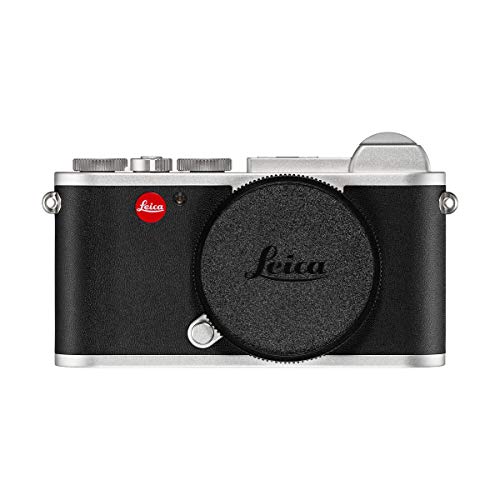
Available: ranking among products currently available (including other versions of this product).
All: ranking among all products in the database.
#6 in Best Leica Cameras
#89 in Best Mirrorless Cameras
#98 in Best 4K Cameras
#148 in Best Cameras
#148 in Best Digital Cameras
#442 in Best Travel Cameras
#442 in Best Cameras for Hiking
What it is: An assessment of the camera's technical performance, covering eight key areas: image quality, autofocus, video features, stabilization, lens compatibility, connectivity, battery, and design.
When it matters: When you want to compare cameras based on technical performance and available features.
Score components:
28.0%
Sensor & Image
25.0%
Photo Features
18.0%
Video & Audio
14.0%
Display & Design
8.0%
Battery & Power
7.0%
Connectivity & Storage
What it is: A rating that combines user reviews and the total number of reviews received by the camera.
When it matters: When real-world owner satisfaction and review volume matter to your decision.
Score components:
70.0%
User reviews
30.0%
Popularity
What it is: An indicator that combines the camera's overall rating with its cost.
When it matters: When you want to know how much overall quality you get for the price.
Score components:
60.0%
Overall score
40.0%
Price
Importance: HIGH
Good value: Full frame or larger
Importance: HIGH
Good value: At least 20 MP
Importance: HIGH
Good value: At least 3.5 µm
Importance: LOW
Importance: MEDIUM
Good value: At least ISO 25,600
Importance: MEDIUM
Importance: MEDIUM
Good value: At least 14-bit
Importance: LOW
Importance: LOW
Importance: LOW
Importance: LOW
Importance: LOW
Importance: LOW
Importance: LOW
Importance: LOW
Importance: MEDIUM
Importance: LOW
Importance: LOW
Importance: LOW
Importance: LOW
Importance: LOW
Importance: HIGH
Good value: At least 200 points
Importance: HIGH
Importance: MEDIUM
Importance: LOW
Importance: LOW
Importance: MEDIUM
Importance: MEDIUM
Importance: HIGH
Good value: At least 5 stops
Importance: LOW
Importance: MEDIUM
Good value: At least 10 fps
Importance: LOW
Importance: LOW
Importance: LOW
Importance: LOW
Importance: LOW
Importance: LOW
Importance: LOW
Importance: LOW
Importance: LOW
Importance: LOW
Importance: LOW
Importance: LOW
Importance: LOW
Importance: LOW
Importance: LOW
Importance: LOW
Good value: At least 200,000 actuations
Importance: LOW
Good value: At least 10x
Importance: HIGH
Good value: At least 3840 px
Importance: MEDIUM
Good value: At least 200 Mbps
Importance: MEDIUM
Good value: At least 10-bit
Importance: LOW
Importance: LOW
Importance: LOW
Importance: LOW
Importance: LOW
Importance: LOW
Importance: LOW
Good value: At least 30 min
Importance: LOW
Importance: LOW
Importance: LOW
Importance: LOW
Importance: LOW
Good value: At least 2 microphones
Importance: LOW
Importance: LOW
Importance: LOW
Importance: LOW
Importance: MEDIUM
Good value: 500 g or less
Importance: LOW
Importance: LOW
Importance: LOW
Importance: MEDIUM
Importance: MEDIUM
Good value: At least 2.36 million dots
Importance: LOW
Good value: 100%
Importance: LOW
Importance: LOW
Good value: At least 120 Hz
Importance: MEDIUM
Good value: At least 3 in
Importance: LOW
Importance: LOW
Importance: LOW
Importance: LOW
Importance: LOW
Importance: LOW
Importance: LOW
Good value: At least 10 m
Importance: LOW
Importance: LOW
Importance: LOW
Importance: LOW
Importance: MEDIUM
Good value: At least 400 shots
Importance: LOW
Good value: At least 1,500 mAh
Importance: LOW
Importance: LOW
Importance: LOW
Importance: LOW
Importance: LOW
Importance: LOW
Importance: LOW
Importance: LOW
Importance: LOW
Importance: LOW
Importance: LOW
Importance: LOW
Importance: LOW
Importance: LOW
Importance: LOW
Importance: LOW
Importance: LOW
Importance: LOW
Importance: MEDIUM
Good value: At least ISO 25,600
Importance: MEDIUM
Importance: MEDIUM
Good value: At least 10 fps
Importance: HIGH
Good value: At least 3840 px
Importance: LOW
Importance: HIGH
Good value: At least 20 MP
Importance: MEDIUM
Good value: At least 200 Mbps
Importance: LOW
Importance: LOW
Importance: MEDIUM
Good value: At least 400 shots
Importance: LOW
Importance: LOW
Importance: LOW
Importance: LOW
(Reviews last updated: July 2026)
The Leica CL is positioned as a traditional, EVF-equipped alternative to the TL-series, offering excellent image quality from its 24MP APS-C sensor and a highly capable, pocketable system when paired with the 18mm pancake lens. Key advantages include its intuitive, physical control dials and a high-resolution electronic viewfinder, which directly address handling issues found in earlier Leica touchscreen models. However, the review notes significant usability drawbacks, including frustratingly sensitive touchscreen controls and an autofocus point that is frequently shifted by the user's nose while using the EVF. Additionally, while compact, the 18mm lens produces subpar off-center sharpness, and the camera's rear-only dials offer less control than a front-dial configuration.
about adding this camera to your setup, let me know: Do you already own Leica M or TL lenses, or are you looking to buy into the ecosystem fresh? What genres of photography (e.g., street, portraits, travel) do you plan to use it for? Are you comparing it against a specific full-frame alternative? I can help you weigh whether its unique handling is worth the investment for your specific shooting style.
Leica CL Review Summary The Leica CL is a classic-styled, APS-C mirrorless camera that balances an exceptionally clean aesthetic with innovative, streamlined physical controls. It is highly praised for producing incredibly sharp, neutral-colored 24.3-megapixel images without an antialiasing filter, alongside featuring a big, bright, and comfortable electronic viewfinder. Its customized dual-dial configuration offers seamless, rapid access to broad shooting parameters, and its autofocus response provides a fast, snappy performance that benefits street photography. Additionally, the camera supports 4K UHD video recording and exhibits light-handed noise reduction at high ISO sensitivities, preserving crucial details even though it introduces noticeable graininess.
In the WIRED review, writer Michael Calore awards the Leica CL an excellent 9/10 rating, defining it as a highly capable, rangefinder-style mirrorless compact camera built around a 24-megapixel APS-C sensor and a Maestro II image processor. The camera earns praise for its stunning dapper design, featuring black anodized aluminum panels and a magnesium body wrapped in fine-grain leather. Performance-wise, the reviewer highlights the camera's blazing fast 49-point autofocus, pristine image quality, and 4K video capabilities. A major standout feature is the superior electronic viewfinder (EVF) equipped with an eye sensor, which completely transforms the shooting experience compared to earlier touchscreen-only models like the TL2. Additionally, testing it alongside the flat, stealthy 18mm f/2.8 "super pancake" lens yields phenomenal detail in portraits and landscapes, while the programmable menus provide an extra layer of custom usability. However, the Leica CL comes with notable downsides, primarily centered on its prohibitive pricing and ergonomics. At $2,795 for the body alone—or $3,795 for the tested lens kit—the price tag is heavily criticized, considering consumers could buy multiple high-quality competing compact setups (such as the...
The Leica CL is a digital mirrorless camera that honors the aesthetic DNA of Leica’s vintage 39mm thread-mount line, offering stellar build quality and exceptional ergonomics. It excels as a streamlined, photographer-oriented tool featuring an intuitive dual-dial interface and a highly customizable, simple menu system. When paired with native TL lenses, its autofocus is remarkably fast and reliable, and it provides a seamless auto-to-manual focus override assisted by clear focus peaking. The 24-megapixel sensor delivers excellent image quality, strong high-ISO performance, organic color rendition, and great flexibility for black-and-white conversion, making it a powerful contender for street photography. Despite its strengths, the camera has notable physical and operational downsides. Its battery and SD card compartment cover is disappointingly flimsy given the premium price point. Additionally, using the camera with adapted, non-native Leica M wide-angle lenses results in a clunky, unbalanced handling experience, frustrating manual aperture workflows, and diminished corner performance. The body also lacks any built-in or in-lens anti-shake image stabilization. Ultimately, the reviewer notes that the CL is not a true "mini-M" alternative or a replacement for the full-frame...
Leica CL Mirrorless Camera Review Summary The Leica CL is a classic, highly responsive APS-C mirrorless camera that provides an intuitive, streamlined photography experience reminiscent of a "mini M" format. Built with high-quality milled aluminum and magnesium alloy, the camera offers excellent, uncomplicated ergonomics featuring a remarkably clean layout with only three buttons, a directional pad, and two customisable top scroll wheels. Performance-wise, it features a 24.2 MP sensor without an anti-alias filter and a Maestro 2 processor, producing incredibly sharp, detailed images with natural color rendering and impressive high ISO performance up to 6400. Its 49-point contrast-based autofocus system is fast and accurate enough for street photography, and the built-in 2.36 MP EyeRes electronic viewfinder (EVF) provides an expansive, lag-free view. Additionally, it excels with manual focus M-mount lenses via an adapter, boasts a satisfying mechanical shutter sound, and supports 4K video recording and Wi-Fi connectivity. Despite its strong performance, the camera has notable design and financial drawbacks. On the technical side, it lacks weather sealing, internal image stabilization, and a tilting mechanism for its 3-inch LCD touch screen....
However, the camera has notable flaws, most notably a fixed 3-inch touchscreen LCD that frustratingly lacks any tilting mechanism, forcing uncomfortable shooting positions from ground level. The premium build quality is further let down by a flimsy, cheap plastic battery door that stands out negatively against the otherwise premium aluminum top and bottom plates. Additionally, the camera's out-of-the-box JPEGs suffer from heavy contrast and clipped highlights, making raw shooting almost mandatory. Finally, its launch price of $2,795 for the body alone makes it a tough consumer value proposition, especially when competing full-frame systems offer double the resolution and better low-light performance for a similar cost. If you'd like to dive deeper into this system, let me know: Are you looking to pair it with native TL crop lenses or adapted manual M-mount glass? What specific type of photography (e.g., street, travel, landscape) do you plan to use it for? Are you comparing it against a specific alternative camera system, like Fujifilm or Sony?
The digital Leica CL is a highly capable and portable APS-C mirrorless camera that continues to serve as an exceptional backup or standalone travel body years after its May 2022 discontinuation. In real-world use, its primary strengths include a robust, lightweight, and compact body design with intuitive menus, making it physically smaller than Leica M bodies and ideal for travel. It provides built-in autofocus capabilities for Leica L-mount lenses, an Electronic Viewfinder (EVF) that simplifies precise manual focusing, and a 1.5x crop factor that grants lenses extra reach. Furthermore, pairing the camera with a Light Lens Lab M-L close focus helicoid adapter turns it into an exceptional tool for vintage screw mount (LTM) and rangefinder lenses, effectively overcoming their traditional close-focusing limitations. However, the camera does carry notable limitations that buyers should consider, particularly on the used market where prices have steadily risen to around £1500–£2500. Its 24MP APS-C crop sensor means it lacks the full-frame look, meaning it cuts off the edge vignette and wide bokeh of full-frame lenses, while effectively turning a 35mm lens into a 52mm focal...
In his 2017 review, Steve Huff highlights the Leica CL as a highly capable and inspiring 24-megapixel APS-C digital camera that revives the spirit of the classic 1970s analog CL within a modern, TL-mount mirrorless system. A major standout feature of the camera is its minimalist design and intuitive dual-dial top controls, which prioritize simplicity and keep the focus entirely on still photography. Among its notable pros are the long-awaited integrated electronic viewfinder (EVF), exceptionally snappy autofocus when using native lenses, and remarkable compatibility with adapted M-mount glass, which features an effortless manual focus magnification aid. Furthermore, it delivers excellent color accuracy, punchy out-of-camera JPEGs, solid low-light performance up to ISO 10,000, and a versatile electronic shutter speed reaching 1/25,000 of a second to easily shoot fast lenses wide open in bright sunlight. Despite its strong imaging performance, the review outlines several distinct cons, most notably the high price barrier typical of the brand, with the body costing $2,795 and native TL lenses being heavily overpriced, such as the $1,295 18mm f/2.8 lens which Huff notes feels somewhat cheap and...
The Macfilos review highlights the digital Leica CL as a small, well-formed 24-megapixel APS-C system camera that evokes the philosophy of its 1970s film namesake. Sharing the same sensor and processor as the TL2], it delivers excellent image quality, natural colours, and strong high-ISO performance up to 6400]. A major advantage is its native L-mount, providing compatibility with TL and SL lenses, as well as M and R lenses via adapters]. Reviewer Jonathan Slack praises the camera's tactile ergonomics, minimal and logical menu system], integrated electronic viewfinder (EVF)], and improved autofocus speed with prime lenses compared to previous models]. Furthermore, its sensor cover glass is optimized to minimize edge-vignetting and smearing when shooting with manual M-mount lenses]. Leica Blog (Matt Osborne) However, the review details several notable drawbacks and missing features. On the hardware side, the compact body lacks sensor-based image stabilization, a built-in flash], weather sealing], and physical data or charging ports like HDMI or USB 3]. It also relies entirely on SD cards, discarding the internal storage option found in the TL2]. In terms of performance, the contrast-detect...
The Leica CL is a tactile, mirrorless camera featuring a 24.2-megapixel APS-C sensor, robust build quality, and a highly intuitive control setup with an exceptional electronic viewfinder. It delivers outstanding, high-resolution RAW images with excellent color accuracy and sharpness, making it a desirable, albeit premium, tool for enthusiast photographers. However, the camera's extremely high price tag, often five times that of similar competitors, is a major drawback alongside its lack of in-body image stabilization. Other cons include limited video exposure controls and an overlapping control design where touch-focus conflicts with viewfinder usage.
Thorsten Overgaard’s review of the Leica CL centers on its standout feature: a brilliant, crisp, and high-contrast built-in electronic viewfinder (EVF) that allows for corner-to-corner viewing even when wearing glasses. The camera delivers impressive, clean file quality up to 12,500 ISO, boasts a highly accurate, fast autofocus system with a manual fine-tuning option, and includes a uniquely secure, locking diopter adjustment wheel. Its 24MP APS-C sensor yields excellent overall image quality, maintaining a simple, uncluttered control layout that bypasses the need for bloated menus. Furthermore, firmware updates have introduced helpful fixes like an instant button lock, customized dial mapping, and streamlined Wi-Fi transfers directly to smartphones.
Summary of the Leica CL vs. Leica M240 After 12 months of side-by-side testing, the author surprisingly shifted from using the Leica M240 rangefinder to the digital Leica CL as their primary camera body. The Leica CL offers major operational advantages, most notably an electronic viewfinder (EVF) that provides an exact exposure preview and highly reliable focus peaking. This eliminates the classic rangefinder risk of missing focus due to physical camera misalignment. Additionally, the author found that the CL delivers vastly superior low-light performance, boasting up to two stops of improved high-ISO capability with no sensor banding at ISO 6400, alongside better dynamic range that prevents highlight clipping. The camera is also more affordable (over £1,000 cheaper), significantly more compact, features optional autofocus lens compatibility, and easily accommodates wider lenses without the extra cost and bulk of an external hotshoe viewfinder. Despite these strengths, the Leica CL has distinct drawbacks when compared to the full-frame sensor of the Leica M240. Because the CL uses a 1.5x crop APS-C sensor, all mounted lenses feel 1.5 times longer, requiring wider lenses (like...
The Leica CL mirrorless crop-sensor camera excels in user experience, exceptional image quality, and extensive lens compatibility. The reviewer, a knitwear designer and photographer, noted that the camera delivers a "glorious" rendering of skin tones and fabric textures with fewer issues like blown highlights or colour fringing in challenging light. A major benefit is its versatile lens compatibility; using lens adapters, it seamlessly integrates vintage Zeiss lenses, Leica M-mount lenses, and older screw-mount lenses. Furthermore, despite the reviewer's preference for analogue gear, the electronic viewfinder and programmable focus-assist features significantly improved focusing accuracy and reduced eye strain. Conversely, the camera suffers from a frustrating initial setup and a few functional limitations. The reviewer found the official setup instructions highly unhelpful, requiring hours of third-party YouTube videos to make the camera usable. Aesthetic and physical drawbacks include a modern, minimalist look that lacks the charm of vintage analogue systems. Performance-wise, the reviewer struggled to achieve the bright, noise-free high ISO results in low-light conditions praised by other reviewers. Finally, the camera lacks a physical remote shutter port, forcing reliance on a...
The Leica CL is a traditional, compact APS-C mirrorless camera that blends the design philosophies of the SL and M10 into a small, impeccably built body suited for street and travel photography. It shares the same 24-megapixel sensor and processor as the TL2, delivering natural color, strong dynamic range, and high-quality ISO performance up to 6,400. A major standout of the CL is its exceptional compatibility with Leica M lenses; it suffers from minimal vignetting and no visible smearing compared to its competitors, largely due to a thin sensor cover glass and the lack of an anti-aliasing filter. Additionally, the camera's contrast-detect autofocus is fast, accurate, and dramatically reduces hunting when paired with Leica prime lenses, while its mechanical and electronic shutters reach impressive speeds of 1/8000 and 1/25000 respectively. However, the camera leaves out several modern conveniences to maintain its small size and minimalist "Essence" philosophy. Its primary downsides include a complete lack of ports—meaning no HDMI, USB 3, or USB charging capabilities—as well as no internal storage, no built-in flash, and no sensor-based image stabilization. The camera is...
The Macfilos review evaluates the Leica CL system as a landscape and travel setup based on winter testing in Assynt, Scotland. The camera excels in portability, offering a lightweight, compact, and minimalist form factor with premium build quality. It provides excellent raw image quality via flexible DNG files that retain substantial latitude for pushing shadow detail. Coupled with the TL 18-56mm and 55-135mm zoom lenses, the system matches the performance of Leica M primes at landscape apertures without requiring frequent lens changes, which also keeps the sensor clean from dust. The camera also demonstrates solid low-light capability, achieving sharp, clean astrophotography results at ISO 1600 when paired with a fast manual M-mount lens. However, the review details several prominent drawbacks, particularly regarding software quirks and physical performance in harsh climates. In freezing temperatures (-3°C), battery life drops drastically, yielding only 86 shots with one bar remaining. The camera suffers from firmware bugs, such as unexplained changes in focus mode from "Field" to "Touch AF" and erratic file naming bugs when numbers roll over past 999. Additionally, the touch screen cannot...
The Leica CL is an elegant APS-C mirrorless camera that balances a luxury, vintage-inspired design with excellent imaging performance. Drawing strong aesthetic cues from the iconic M-series, its lightweight 400g magnesium-aluminium body is highly portable while integrating premium features like a sharp 2.4-million subpixel electronic viewfinder and a functional top shoulder display. The camera excels significantly in image quality; its 24-megapixel sensor delivers exceptional sharpness and fine detail retention even at high ISO levels up to 6,400. Furthermore, it boasts rapid continuous shooting speeds of up to 9.6 frames per second, improved autofocus in low-light environments, and beautiful Ultra-HD video capabilities.
The Leica CL is a compact, puristic mirrorless APS-C system camera that prioritises mechanical controls over the touch-centric layout of its sibling, the TL2. Key advantages of the camera include a high-quality 2.4-million-dot electronic viewfinder with an automatic eye sensor, a physical status display on the top plate, and excellent burst performance that reaches 10 frames per second for over 500 JPEGs or 34 RAW files. Furthermore, Leica addressed several functional shortcomings of previous models by allowing the silent electronic shutter to operate at all exposure times (up to 1/25,000s) and introducing helpful interval, panorama, and HDR modes. Autofocus response is similarly snappy, yielding a very short release lag of 0.3 seconds when paired with the 18mm pancake lens. Despite these improvements, the Leica CL falls short in image quality and physical connectivity when compared to more affordable rivals from Fujifilm and Sony. Laboratory testing revealed a subpar maximum resolution efficiency of just 67% up to ISO 800—far below the 90%+ scores of competing cameras—alongside heavy image noise and a dropping dynamic range at ISO 3200 and higher. On the...
The DigitalPHOTO review awards the Leica CL mirrorless system camera a "VERY GOOD" laboratory and practical test score of 88.2%, highlighting its premium construction and excellent usability. Weighing only 343 grams, the camera stands out for its high-performing APS-C sensor, which delivers clear details and sharp images up to ISO 1600. Performance is another major strength, as the camera boasts 9 frames-per-second continuous shooting and quick, reliable autofocus. Testers notes that it outperforms its sister model, the TL2, and serves as a highly portable, more affordable alternative to the full-frame Leica M10 flagship. However, the review cautions that the camera sacrifices many features to stay true to Leica's minimalist design philosophy. Despite including a high-resolution electronic viewfinder, 4K video capabilities, and a touch display, the camera's feature list leaves much to be desired. The physical build completely lacks standard connectivity options, as there are no USB or HDMI ports, nor is there an integrated flash or a tiltable screen. Ultimately, with a body price of €2,490, the review concludes that the Leica CL fails to offer good value for money....
The Leica CL is a premium APS-C system camera that successfully blends a classic, lightweight aesthetic reminiscent of the Leica M10 with modern digital performance. Weighing just 403 grams for the body, it delivers high-quality 24-megapixel images characterized by exceptionally natural color reproduction at low ISO settings, and captures 4K video at up to 30 frames per second. Reviewers praised its intuitive button-and-dial operation—which avoids complex menu-diving—alongside its large, bright electronic viewfinder that mirrors the view magnification of a full-frame DSLR. Additionally, it achieves continuous shooting speeds of up to eight frames per second, handling 30 RAW images or up to 370 JPEGs in a single high-speed burst. Despite these strong features, the camera has notable limitations regarding low-light performance and autofocus versatility. At high ISO settings (above ISO 1600), JPEGs exhibit visible noise and a loss of sharpness, necessitating the use of DNG RAW files for optimal image quality. Furthermore, its contrast-detection autofocus operates well in typical daylight conditions (taking roughly 0.27 seconds) but falls short for fast-paced action sports and exhibits a distinct tracking delay during video recording....
The Qimago review by Elmar Egner praises the Leica CL (Typ 7323) as an exceptionally joyful, compact travel and street camera that feels like a modern, digital evolution of the classic Leica M series. A major highlight is its premium haptic build quality, which feels solid and safe, featuring tactical control wheels that click satisfyingly. The camera shines in its user interface, utilizing customizable dials with top buttons that make navigating the menus largely unnecessary. It is highly celebrated for its performance with adapted M-mount lenses, boasting a clean, exceptionally clear electronic viewfinder (EVF) with smooth focus peaking that makes a viewfinder loupe redundant. Furthermore, its 24 MP APS-C sensor delivers outstanding image quality with high detail retention in shadows and highlights, alongside highly stable low-light performance at ISO 3200 and 6400. However, the reviewer highlights a few distinct downsides that disrupt the overall seamless user experience. Most notably, the Leica CL completely lacks a dedicated physical button to toggle between the EVF and the rear display, forcing users into the main menu when trying to shoot from unusual, blind...
Based on the provided review, the digital Leica CL (priced at 2,850 francs) is a compact APS-C sensor camera that effectively revives a 1970s classic by emphasizing a minimalist, highly intuitive physical interface over touchscreens. The reviewer heavily praises its exceptionally solid build quality, non-wobbly dials, and snappy buttons, alongside a clever top-plate mini-display for aperture and shutter speed that allows users to shoot completely without the main screen. Its greatest strength lies in its intelligent automatic modes and stellar out-of-camera color rendition—particularly when paired with the 35mm f/1.4 lens—which produces beautiful, balanced images that require absolutely no post-processing. Despite these high marks for usability, colors, and sensor performance, the camera carries a steep financial barrier. The required 35mm lens alone costs an additional 2,530 francs, pushing the total investment to over 5,000 francs. The reviewer notes this pricing as the primary disadvantage, stating that for the same amount of money, competitor brands offer a complete, fully equipped photography setup, which ultimately makes the Leica CL an expensive luxury reserved strictly for passionate hobbyists with a significant budget.
The digitalkamera.de review of the Leica CL highlights the mirrorless camera's sleek, minimalist design, exceptional build quality, and a highly integrated 2.36 million-dot electronic viewfinder. Its 24.2-megapixel APS-C sensor, paired with the Maestro II processor, delivers sharp, high-contrast imagery, while the L-mount system offers excellent adaptability for various lenses. Key advantages include the intuitive, customizable top-dial interface for manual control and the excellent integration of the EVF. Conversely, the review notes significant drawbacks regarding inefficient energy management, stating the battery can drain entirely in 12 hours if left in standby mode. The camera also experiences high operational temperatures during extended use and has a low CIPA rating of around 220 shots per charge. Other limitations mentioned include the lack of a tilting rear screen and a somewhat rigid touch interface.
The Leica CL is a highly polarizing, premium APS-C camera tested as a potential companion to the full-frame Leica Q. It stands out for its exceptional, high-quality build that feels great in the hand, immediate "fun factor," and a 24-megapixel sensor capable of producing excellent images. It features an electronic viewfinder (EVF) positioned on the left side in a classic rangefinder-style layout. However, it comes with a steep price tag of approximately €5,000 when paired with the Summilux TL 35mm f/1.4 lens. It does not offer unique functional capabilities over much cheaper competitors, such as the €1,300 Fujifilm X-E3 setup, which yields virtually indistinguishable print results. The camera requires several design and functional compromises that may deter some photographers. On the downside, the Leica TL lenses lack physical aperture rings, are comparatively bulky, and the camera body features a less extensive feature set than its rivals. For instance, it lacks a standard microphone input, whereas the competing Fujifilm X-E3 includes a microphone port, a more comprehensive feature set, and access to a more affordable, faster lens ecosystem. Ultimately, while the...
The Leica CL is an APS-C mirrorless camera featuring a 24.3-megapixel sensor that balances a classic aesthetic with modern capabilities. Testing reveals a highly responsive system that achieves continuous shooting speeds of up to 10 frames per second using the electronic shutter, backed by a generous buffer memory capable of holding 33 RAW files. Key advantages include excellent overall image resolution up to ISO 3,200, a large and bright 2.36-million-subpixel electronic viewfinder, and a robust magnesium and aluminium build. Additionally, the autofocus system responds swiftly in 0.25 seconds for static subjects, the startup time is a crisp 1.17 seconds, and the device captures high-quality 4K videos at 30fps and Full HD at 60fps. On the downside, the default in-camera JPEG processing leaves room for improvement due to conservative sharpening and noise reduction algorithms, meaning shooting in RAW is highly recommended for optimal results. Ergonmically, the body lacks a pronounced grip, requiring expensive optional accessories like an external handgrip or thumb rest for secure handling. Furthermore, the camera suffers from significant limitations in connectivity and video functionality, completely omitting built-in flash,...
The Leica CL mirrorless system camera is a practical, classically designed tool featuring a 24-megapixel APS-C sensor and an L-mount system. The review highlights its exceptional metal build quality—earning it the "Kauftipp Verarbeitung" (Purchase Tip for Workmanship) award—as well as its excellent integrated electronic viewfinder (EVF) and intuitive, puristic control layout. Image quality is outstanding up to ISO 800, boasting high resolution and superior texture preservation when using the RAW (DNG) format. Additionally, the contrast-detect autofocus system is highly responsive, recording continuous shots at 10 frames per second and capturing video up to 4K at 30 fps. On the downside, the camera entirely lacks built-in or lens-based optical image stabilization, which severely impacts its performance in shaky conditions. Ergonomically, the sleek body finish could offer a more secure grip without purchasing an additional hand rest. The review also criticizes the 3-inch touchscreen for being completely fixed and non-adjustable. Furthermore, connectivity is highly limited as the body lacks any physical USB or HDMI ports, meaning the 1,200 mAh battery (which lasts for a somewhat meager 220 shots) cannot be charged inside...
The Leica CL is an elegant and compact APS-C mirrorless camera body featuring a 24-megapixel sensor, exceptional build quality, and an intuitive control scheme tailored for traditional photography. A key highlight is its built-in OLED electronic viewfinder, which delivers a sharp, bright, and natural view that remains highly comfortable even when manually focusing adapted Leica M-mount lenses. Performance is generally responsive, boasting a swift 10 frames-per-second burst rate and crisp UHD 4K video capture. Image quality is strong up to ISO 6,400 with great dynamic range, though users must shoot in RAW (.DNG) to bypass the overly soft and heavily processed default JPEG output. Despite its luxury design, the camera suffers from notable handling flaws, including a slippery, grip-free exterior that necessitates purchasing expensive add-on accessories. Mechanically, the lightweight plastic battery and memory card door feels cheap and starkly contradicts the premium status of the body. In terms of functionality, the EVF loses fluid motion in low light, the autofocus locks on the first frame during burst shooting (lacking tracking capability), and the touchscreen is vastly underutilised. Furthermore, the camera...
The Leica CL is an APS-C mirrorless camera designed as an elegant, more accessible entry point into the Leica ecosystem, echoing the philosophy of its 1970s analog predecessor. Built as a more traditional, tactile alternative to the smartphone-like TL2, the CL utilizes the same 24-megapixel CMOS sensor and image processor but distinguishes itself by adding tactile physical dials and a high-quality, rangefinder-style built-in electronic viewfinder. Its standout strengths include a premium, minimalist design with a pleasing leatherette texture, a fast 10 frames-per-second continuous burst rate, and 4K video capabilities. Furthermore, its German-engineered signal processing delivers beautiful low-light performance, maintaining a faithful color palette and generating an organic, film-like digital grain rather than aggressive, artificial smoothing. However, the camera suffers from several notable drawbacks, particularly its lack of in-body image stabilization and an outdated autofocus system that relies strictly on contrast detection, making it slower and prone to hunting in low light compared to phase-detection rivals from Sony and Fujifilm. From an ergonomic perspective, the body completely lacks a native handgrip—forcing users to purchase expensive accessories for a secure hold—and omits...
The Leica CL mirrorless camera earns a 54 iCamRank score on CameraRace, noted for its compact 403-gram, 131 x 78 x 45 mm design, making it highly suitable for street photography. Key advantages highlighted include fast burst shooting, built-in wireless connectivity, and a convenient LCD screen. Conversely, CameraRace analysis indicates the camera offers only average technical performance within its class, resulting in a middle-of-the-pack ranking. Despite premium branding, the model is associated with a high price, lack of image stabilization, and limited video capabilities, according to technical reviews.
The forum discussion regarding the "Chasseur d’Images" (C.I.) review of the Leica CL camera indicates that the camera is a highly functional tool rather than just an unusable luxury item, which makes it accessible for everyday photographers. Reviewers highlight several strong points, including a premium design with a user-friendly layout, a dedicated electronic viewfinder, and an intuitive system menu. It shares reliable component technologies via Leica's partnership with Panasonic—such as utilizing Panasonic-based battery models—while maintaining an authentic Leica custom-built firmware, processor, and sensor setup. At the time, the standalone body was priced at €2,490, offering a more approachable price point into the Leica brand compared to the significantly more expensive flagship M-series. However, the discussion emphasizes prominent drawbacks, particularly regarding the camera's value proposition and optical performance. The kit lens option, the Elmarit-TL 18mm f/2.8, significantly increases the package price to €3,490 but receives harsh criticism from the magazine for not being worth its premium price or the prestigious Leica branding. The review notes that the 18mm lens lacks sharpness, delivering optical quality that is only sufficient for printing up...
The Leica CL (2017) review by Les Numériques highlights a premium APS-C mirrorless camera that resurrects a legendary 1970s film moniker in digital form. It shares key internals with the Leica TL2, pairing a 24-megapixel APS-C sensor with a Maestro II data processor to deliver excellent image sharpness. On the positive side (Pros), the camera boasts a beautiful classic look reminiscent of a mini-M series with superb physical finishes, highly fluid top-plate control dials, and an incredibly useful automatic backlit monochrome top LCD screen. Performance highlights include a fast continuous burst shooting rate of 10 frames per second, 4K video recording at 30 fps, and a large, fluid built-in OLED electronic viewfinder with 2.36 million dots and 0.74x magnification. However, the review details several notable drawbacks (Cons) concerning ergonomics and physical connectivity. Architecturally, the camera suffers from an inconsistent design language, featuring an awkward hump around the viewfinder and flash hot shoe, alongside a cheap plastic battery and SD card door that clashes with the body's luxury metal finish. Functionally, the 7.6 cm touch screen remains entirely fixed and non-tiltable....
The Leica CL is a compact and lightweight 24.2-megapixel APS-C mirrorless camera designed specifically for street and travel photography, combining classic 1970s aesthetics with modern digital features. It features a Leica L-mount, a fast Maestro II image processor, a high-quality 2.36-million-dot electronic viewfinder, and a 49-point contrast-detection autofocus system. The review highlights its exceptional, robust build quality, minimalist and functional control layout, and extraordinary image sharpness due to the lack of an anti-aliasing filter. It also delivers smooth bokeh, especially when paired with lenses like the Summicron-TL 23mm f/2 ASPH, and offers a fast 10 fps continuous shooting mode. However, the camera has notable limitations, starting with a lack of built-in image stabilisation and highly limited, mostly automatic options for its 4K video recording. Its low-light performance is restricted, showing significant noise at sensitivities above ISO 6,400, and the automatic white balance can be inconsistent. Additionally, the review notes that the camera lacks an ergonomic grip on its smooth metal body—requiring an external accessory for secure one-handed shooting—and offers only average battery life, making a spare battery necessary for full...
The Leica CL is an APS-C mirrorless camera featuring a 24-megapixel Maestro II sensor and the L-mount system, making it highly portable and physically durable. Key pros highlighted in the review include its premium, lightweight aluminum build (weighing just 403g), natural color reproduction, and smooth performance when navigating menus. Users benefit from physical customization via two top dials, an integrated top LCD screen for parameter tracking, and versatile lens options through the L-Mount Alliance with Sigma and TTArtisans. Furthermore, its low-light performance is highly capable, delivering excellent, clean results up to ISO 6400. Conversely, the camera suffers from several notable cons and technical omissions. It completely lacks sensor-based or in-body image stabilization (IBIS), relying instead on an internal exposure calculation to force higher shutter speeds to combat hand shake. It features zero physical ports—missing a headphone jack, microphone input, HDMI output, and even a direct USB charging port. This design forces users to rely exclusively on the Leica FOTOS app over Wi-Fi for all image transfers. Additionally, its compact size feels unbalanced with larger lenses, the camera lacks weather sealing,...
Despite its premium construction, the camera has notable limitations, including a heavy, stiff shutter speed dial and a vertical focal-plane shutter restricted to a modest 1/60 flash synchronization speed. The physical viewfinder suffers from a very short eye-relief point, forcing users to press their eye uncomfortably close to see the full frame and information scale. The shutter button lacks a safety lock mechanism, which would have been preferable to avoid accidental exposures. Finally, the camera operates on fully manual exposure with no option for aperture priority automation.
The Leica CL is a compact mirrorless digital camera that blends a minimalist, premium-built magnesium and aluminium body with modern technology, featuring a 24.2MP APS-C sensor and a Maestro II processor. Highly tailored for manual shooting, street photography, and documentary work, it introduces an innovative dual-dial tactile system for exposure control alongside a top-facing settings display. Key performance highlights from the review include an excellent, high-resolution 2.36 million-dot built-in electronic viewfinder (EVF), a speedy 10 fps burst mode, and spectacular RAW (DNG) image quality boasting exceptionally natural colour replication. However, the review details several prominent drawbacks, starting with its steep €3,990 price tag and a complete lack of in-body image stabilization (IBIS). Furthermore, the camera is poorly suited for videography due to locked exposure parameters, a cropped recording area, and a total omission of physical USB, HDMI, or microphone ports. Other physical and functional limitations include a fixed 3-inch LCD touchscreen that cannot tilt, a laggy display-to-EVF switching sensor, a poorly built battery door, limited menu navigation controls, and rapid image quality deterioration due to heavy digital noise above ISO...
The Fotografi Digitali review highly praises the Leica CL's exceptional image quality, stating that its 24-megapixel APS-C sensor effectively competes with 35mm full-frame cameras of the same resolution thanks to outstanding TL lenses. The camera achieved a normalized MTF resolution score of 0,425 cycles/pixel, outperforming many prominent 35mm DSLRs with low-pass filters. Additional strengths include a well-controlled alias despite missing a low-pass filter, a reliable exposure meter unaffected by the autofocus point, and clean details with consistent color rendering up to ISO 1600, maintaining acceptable quality up to ISO 12,500. Conversely, the review highlights several critical weaknesses, noting that the camera cannot match full-frame signal-to-noise ratios and degrades progressively at higher ISO steps. The RAW files are remarkably soft, requiring aggressive sharpening during development to reach full potential, which penalizes JPEG shooters who are left with uninspiring, flat out-of-camera files. Additionally, the Elmarit TL 18mm kit lens exhibits noticeable sharpness loss and visible lateral chromatic aberrations at the edges of the frame. Finally, while the auto white balance is generally correct, it can fail catastrophically under specific artificial lights, resulting...
The Leica CL is a unique rangefinder camera born from a 1970s collaboration between Leitz and Minolta to lower production costs by manufacturing in Japan. Despite contemporary critics dismissing it as outdated compared to emerging Japanese electronic SLRs, the reviewer highlights that it was a massive sales success, outperforming contemporary M-series cameras like the M4 and M5. However, Leitz prematurely discontinued the camera after three years and 65,000 units, officially blaming low sales, but realistically fearing that its low price and cheaper lenses (the 40mm Summicron and 90mm Elmar) would cannibalise their highly profitable, premium German-made M-system ecosystem. The reviewer notes several specific pros and cons regarding the system's performance and design. On the positive side, the camera serves as a highly portable, lightweight "mini-system" ideal for mountain photography, offering a sharp, brilliant, and three-dimensional image rendering typical of Leitz quality. It features an innovative vertical shutter and reliable TTL light metering. Conversely, the main cons include an extremely short 19.5mm rangefinder base that limits lens interchangeability and excludes fast, wide-aperture lenses. The standard lenses suffer from visible vignetting at...
The Leica CL is a compact, mechanical film camera produced by Minolta for Leica in the 1970s, highly praised for being nearly half the weight and size of classic M-series cameras while retaining the versatile Leica M-bayonet mount. Its standout features include an accurate rangefinder mechanism and an intelligent TTL metering system that reads exposure via a cell on a retractable arm. However, the reviewer notes a few drawbacks, such as a front-mounted shutter speed dial that lacks ergonomic comfort when looking through the viewfinder, the absence of an automatic lens-framing selection, and a top shutter speed that tops out at 1/1000 of a second with the longest mechanical time stopping at half a second. The Agfa Rondinax 35U is a classic daylight film processing tank that completely eliminates the need for a darkroom or a changing bag by allowing users to load and process 35mm film entirely in broad daylight. The core advantage of this system is its sheer convenience and portable, "plein air" operation, yielding perfectly developed negatives free from air bubbles. On the downside, the system demands...
Compare