Fujifilm X-T100 review. Compare 108 technical specifications and user reviews to see how it ranks among cameras and if it is worth buying.
Overall score
What it is: An overall evaluation of the camera's quality, based on technical analyses and user reviews.
When it matters: When you need a quick reference to identify the best cameras on the market.
Score components:
90.0%
Technical Score
10.0%
User score
Technical Score
What it is: An assessment of the camera's technical performance, covering eight key areas: image quality, autofocus, video features, stabilization, lens compatibility, connectivity, battery, and design.
When it matters: When you want to compare cameras based on technical performance and available features.
Score components:
28.0%
Sensor & Image
25.0%
Photo Features
18.0%
Video & Audio
14.0%
Display & Design
8.0%
Battery & Power
7.0%
Connectivity & Storage
User score
What it is: A rating that combines user reviews and the total number of reviews received by the camera.
When it matters: When real-world owner satisfaction and review volume matter to your decision.
Score components:
70.0%
User reviews
30.0%
Popularity
Score components:
25.0%
Sensor size
20.0%
Main camera megapixels
20.0%
Dual card slots
15.0%
N. of focus points
10.0%
RAW photo capture
10.0%
Phase-detection autofocus (photos)
Score components:
35.0%
Weight
30.0%
Battery life (CIPA)
20.0%
Sensor-shift stabilization
15.0%
GPS
Score components:
30.0%
Price
20.0%
Weight
20.0%
AF tracking
20.0%
Battery life (CIPA)
10.0%
Touchscreen
Score components:
30.0%
Main camera megapixels
25.0%
Sensor size
20.0%
Main camera pixel size
15.0%
Sensor-shift stabilization
10.0%
RAW photo capture
Score components:
30.0%
Weight
25.0%
Thickness
20.0%
AF low-light sensitivity
15.0%
Sensor-shift stabilization
10.0%
Eye detection AF (human)
Score components:
30.0%
Sensor size
25.0%
Main camera pixel size
20.0%
Eye detection AF (human)
15.0%
Main camera megapixels
10.0%
Sensor-shift stabilization
Score components:
30.0%
Weight
25.0%
Battery life (CIPA)
20.0%
Min operating temperature
15.0%
Sensor-shift stabilization
10.0%
GPS
Available: ranking among products currently available (including other versions of this product).
All: ranking among all products in the database.
#25 in Best Cameras under £200
#33 in Best Fujifilm Cameras
#38 in Best Cameras for Beginners
#68 in Best Cameras under £300
#137 in Best Mirrorless Cameras
#151 in Best Cameras for Portraits
#154 in Best 4K Cameras
#178 in Best Cameras
#178 in Best Digital Cameras
#715 in Best Travel Cameras
#730 in Best Cameras for Hiking
What it is: An assessment of the camera's technical performance, covering eight key areas: image quality, autofocus, video features, stabilization, lens compatibility, connectivity, battery, and design.
When it matters: When you want to compare cameras based on technical performance and available features.
Score components:
28.0%
Sensor & Image
25.0%
Photo Features
18.0%
Video & Audio
14.0%
Display & Design
8.0%
Battery & Power
7.0%
Connectivity & Storage
What it is: A rating that combines user reviews and the total number of reviews received by the camera.
When it matters: When real-world owner satisfaction and review volume matter to your decision.
Score components:
70.0%
User reviews
30.0%
Popularity
What it is: An indicator that combines the camera's overall rating with its cost.
When it matters: When you want to know how much overall quality you get for the price.
Score components:
60.0%
Overall score
40.0%
Price
Importance: HIGH
Good value: Full frame or larger
Importance: HIGH
Good value: At least 20 MP
Importance: HIGH
Good value: At least 3.5 µm
Importance: LOW
Importance: MEDIUM
Good value: At least ISO 25,600
Importance: MEDIUM
Importance: MEDIUM
Good value: At least 14-bit
Importance: LOW
Importance: LOW
Importance: LOW
Importance: LOW
Importance: LOW
Importance: LOW
Importance: LOW
Importance: LOW
Importance: MEDIUM
Importance: LOW
Importance: LOW
Importance: LOW
Importance: LOW
Importance: LOW
Importance: HIGH
Good value: At least 200 points
Importance: HIGH
Importance: MEDIUM
Importance: LOW
Importance: LOW
Importance: MEDIUM
Importance: MEDIUM
Importance: HIGH
Good value: At least 5 stops
Importance: LOW
Importance: MEDIUM
Good value: At least 10 fps
Importance: LOW
Importance: LOW
Importance: LOW
Importance: LOW
Importance: LOW
Importance: LOW
Importance: LOW
Importance: LOW
Importance: LOW
Importance: LOW
Importance: LOW
Importance: LOW
Importance: LOW
Importance: LOW
Importance: LOW
Importance: LOW
Good value: At least 200,000 actuations
Importance: LOW
Good value: At least 10x
Importance: HIGH
Good value: At least 3840 px
Importance: MEDIUM
Good value: At least 200 Mbps
Importance: MEDIUM
Good value: At least 10-bit
Importance: LOW
Importance: LOW
Importance: LOW
Importance: LOW
Importance: LOW
Importance: LOW
Importance: LOW
Good value: At least 30 min
Importance: LOW
Importance: LOW
Importance: LOW
Importance: LOW
Importance: LOW
Good value: At least 2 microphones
Importance: LOW
Importance: LOW
Importance: LOW
Importance: LOW
Importance: MEDIUM
Good value: 500 g or less
Importance: LOW
Importance: LOW
Importance: LOW
Importance: MEDIUM
Importance: MEDIUM
Good value: At least 2.36 million dots
Importance: LOW
Good value: 100%
Importance: LOW
Importance: LOW
Good value: At least 120 Hz
Importance: MEDIUM
Good value: At least 3 in
Importance: LOW
Importance: LOW
Importance: LOW
Importance: LOW
Importance: LOW
Importance: LOW
Importance: LOW
Good value: At least 10 m
Importance: LOW
Importance: LOW
Importance: LOW
Importance: LOW
Importance: MEDIUM
Good value: At least 400 shots
Importance: LOW
Good value: At least 1,500 mAh
Importance: LOW
Importance: LOW
Importance: LOW
Importance: LOW
Importance: LOW
Importance: LOW
Importance: LOW
Importance: LOW
Importance: LOW
Importance: LOW
Importance: LOW
Importance: LOW
Importance: LOW
Importance: LOW
Importance: LOW
Importance: LOW
Importance: LOW
Importance: LOW
Importance: HIGH
Importance: LOW
Importance: MEDIUM
Importance: LOW
Importance: LOW
Importance: LOW
Importance: HIGH
Good value: At least 3840 px
Importance: LOW
Importance: LOW
Importance: LOW
Importance: MEDIUM
Good value: 500 g or less
Importance: LOW
The Fujifilm X-T100 is identified as an attractive, compact, and competitively priced mirrorless camera offering excellent, sharp 24MP still image quality, rich JPEG colors, and effective high-ISO noise reduction. The review highlights its robust build, three control dials, a unique 3-way articulating screen for selfies, and a respectable 430-shot battery life. Conversely, the camera is labeled sluggish in operation, plagued by an unusable continuous autofocus system that fails at tracking, along with slow menu navigation. Furthermore, video performance is significantly compromised, with 4K restricted to a choppy 15fps and 1080p suffering from poor processing, making the unit best suited only for casual, static photography.
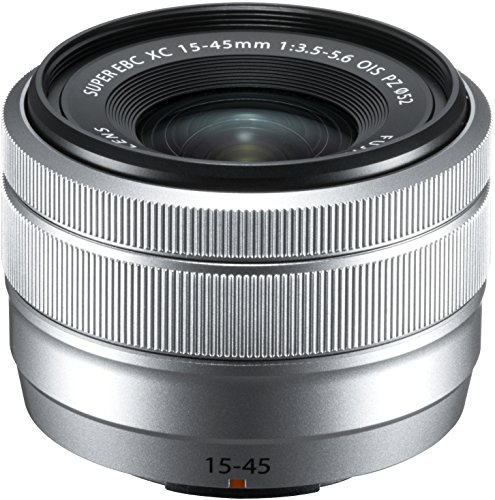
Fujifilm X-T100 Review Summary The Fujifilm X-T100 is a budget-friendly mirrorless camera designed to bring a DSLR-style viewfinder experience to novices and enthusiasts without the premium price tag of higher-end models. Built with a classic, understated anodised aluminium top panel, it pairs an effective control layout featuring three command dials with a unique 3.0-inch 2-axis tilting touchscreen that flips 180 degrees for selfies. Its standout features include top-drawer image quality powered by a 24.2MP APS-C CMOS sensor, celebrated Film Simulation modes, and an ultra-compact retracting XC 15-45mm power zoom kit lens that provides a wider-than-average field of view and excellent macro close-up capabilities. However, the camera suffers from several functional drawbacks, most notably a 4K video recording capability limited to an unusable 15 frames per second and an average autofocus speed that lacks responsiveness. Its standard CMOS sensor lacks Fujifilm's advanced X-Trans technology, and the continuous shooting buffer maxes out at just 26 JPEGs during 6fps bursts. Users may also encounter handling annoyances, such as a strong tendency for the exposure system to overexpose scenes when shooting into the light,...
The Fujifilm X-T100 is a compact, entry-level mirrorless camera designed for beginners, social media content creators, and vloggers. It features a 24-megapixel APS-C sensor with embedded phase-detect autofocus, a built-in 2360k-dot OLED electronic viewfinder, and an articulating touchscreen that can flip sideways to face forward for selfies. While it uses a traditional Bayer colour filter array instead of Fujifilm's higher-end X-Trans design, it still delivers exceptional out-of-camera JPEG image quality using 11 built-in Film Simulations. The camera body is highly portable, offers three control dials for manual adjustments, includes built-in Wi-Fi and Bluetooth connectivity, and boasts an impressive battery life rated for 430 shots per charge. The camera presents a distinct mix of advantages and limitations depending on whether you shoot stills or video. On the positive side, its primary strengths include excellent photo quality with effortless JPEGs, a side-flipping screen that does not block the hotshoe for accessories, and the inclusion of a mic input. On the negative side, its biggest drawback is its 4K video recording, which is limited to an unusable 15 frames per second, making 1080p...
The Fujifilm X-T100 is a retro-styled, user-friendly entry-level mirrorless camera featuring a high-performing 24.2-megapixel APS-C CMOS sensor, exceptional color reproduction, and a versatile 15-45mm kit lens, notes the ePHOTOzine review. The camera also features a practical, removable handgrip that improves handling. However, the review highlights significant drawbacks, including a nearly unusable 4K video mode limited to 15fps and a sluggish autofocus system. Additionally, the electronic viewfinder's low resolution and the slow autofocus performance are cited as notable downsides, says the ePHOTOzine review.
The Amateur Photographer review highlights the Fujifilm X-T100 as a stylish, robust entry-level mirrorless camera featuring a premium, weighty build with an aluminum top plate and a versatile three-way tilting touchscreen. It offers excellent image quality, rich, out-of-camera JPEG colors via film simulations, and a highly customizable, tactile shooting experience. However, the camera suffers from sluggish overall operation, a laggy menu interface, and underperforming autofocus, making it less suitable for fast-moving subjects. Furthermore, the 4K video is limited to a virtually unusable 15 frames per second, and the flat, grip-less front design can feel uncomfortable, setting it apart from the higher-tier X-T20.
The Fujifilm X-T100 is an entry-level mirrorless camera that stands out for its gorgeous, premium industrial design, solid metal top plates, and an attractive range of colours including Black, Graphite, and Champagne Gold. Unlike higher-end Fujifilm bodies, it utilizes a standard 24.3 MP Bayer array sensor instead of an X-Trans sensor, which yields excellent image quality with vibrant colours while completely avoiding Lightroom "worm" artifacts in post-processing. Designed to be highly portable and travel-friendly, it introduces a versatile, three-way tilt touchscreen that can flip outwards for selfies. Additionally, it features a highly capable, AI-driven SR+ Advanced Auto mode that optimizes settings automatically, making it incredibly easy for beginners and family members to capture well-exposed images. However, its entry-level positioning comes with several notable performance trade-offs. The camera lacks a dedicated autofocus joystick and uses standard PSAM dials alongside two unlabelled top dials, which requires customization if you prefer traditional, manual exposure dials. Video capabilities are severely restricted, as 4K recording is capped at an unusable 15 frames per second, though 1080p recording works well at higher framerates. Due to processing...
The SLR Lounge review highlights the Fujifilm X-T100 as a stylish, entry-level mirrorless camera that offers great value for beginner and amateur photographers. It features a 24.2-megapixel APS-C sensor and comes at an affordable price of $499 when bundled with a 15-45mm kit lens. A major highlight of the camera is its retro, vintage design and excellent build quality, which includes an intuitive physical layout featuring three top control dials. Reviewer David J. Crewe notes that the camera packs several user-friendly pros, such as a fantastic 430-shot battery life, a fully articulating 3-inch touchscreen LCD that flips 180 degrees for vlogging, a built-in OLED electronic viewfinder (EVF), and seamless connectivity with the Fujifilm wireless app. However, the review details some noticeable performance limitations that require user patience. The biggest drawback is the camera's slow autofocus system, which struggles and hunts when tracking moving subjects like cars or athletes. Additionally, the camera lacks in-body image stabilization, which can lead to shaky footage in windy or low-light conditions. While the device advertises 4K video capability, it is heavily criticized for being restricted...
The Fujifilm X-T100 is an entry-level mirrorless camera designed for beginners who want a simple, budget-friendly option without sacrificing image quality. It features a compact and lightweight body with an anodised aluminium top cover, and it is available in dark silver, champagne gold, and black. A major highlight is the 2.36 million-dot electronic viewfinder (EVF), which makes framing shots easy in bright sunlight. The camera also includes a three-way tilting LCD touchscreen that can flip around for selfies, built-in Bluetooth for easy photo sharing, and an impressive battery life that yields up to 430 shots per charge. Furthermore, its 24MP APS-C sensor delivers sharp, highly detailed images with excellent colour rendering, allowing users to experiment with 11 Film Simulation modes and 17 Advanced Filters. Despite its strengths, the reviewer notes a few notable drawbacks. The autofocus system can be slow and occasionally hunts for focus, particularly in low-light or nighttime conditions. Additionally, because the body is so compact, it can feel awkward to hold; however, Fujifilm helpfully mitigates this by including a free detachable grip in the box. The review...
However, the review highlights a few limitations to consider before purchasing. Unlike its more advanced or newer siblings in the Fujifilm lineup, the X-T100 restricts its longest manual shutter exposure to 30 seconds rather than 15 minutes, which may limit certain long-exposure night photography styles. The reviewer also hints that while it matches the older Fujifilm X-E3 in size and functionality, it does not quite reach the feature depth of higher-end, more expensive bodies. Despite these minor constraints, its excellent autofocus, great image quality, and affordable price point—retailing with a 15-45mm kit lens for under AUD$799 at the time of review—make it a powerful tool for novices to learn and grow with.
The FUJIFILM X-T100 is highly praised as a lightweight, compact, and retro-styled mirrorless camera perfect for daily documentation and travel. Built around a 24-megapixel APS-C sensor, it captures high-quality images with beautiful color reproduction. The reviewer emphasizes its exceptional low-light performance, noting its capability to shoot at ISO speeds up to 12,800 with minimal image noise, alongside strong performance in tricky backlit situations. Key design advantages include an intuitive layout of menus and dials, a useful electronic viewfinder, a 3-inch touchscreen LCD that tilts and rotates 180 degrees outward for selfies, and an excellent facial recognition autofocus system. Additionally, it features useful connectivity perks like built-in Wi-Fi and Bluetooth, a built-in flash, classic film simulation modes, and an interchangeable lens system that accommodates future growth. Despite these strengths, the review highlights notable limitations, particularly regarding its video functionality. While the camera is capable of shooting 1080p Full HD video at a smooth 60 frames per second (60p), its 4K video recording capability is heavily constrained to just 15 frames per second (15p). This low 4K frame rate makes it less...
In his review for The Australian Financial Review, John Davidson highlights the Fujifilm X-T100 as an entry-level mirrorless camera that offers an attractive blend of retro style and solid performance for everyday photography. The review praises its excellent image quality derived from a 24.2-megapixel APS-C sensor, which produces vibrant, detailed out-of-camera JPEGs and highly malleable RAW files. Additional primary advantages include the inclusion of Fujifilm’s popular Film Simulation modes for creative shooting, an articulating three-way touchscreen display that can flip forward for selfies, and a built-in electronic viewfinder (EVF) that is a significant step up from a smartphone screen. Its lightweight, compact body also features multiple tactile control dials, making it highly intuitive for beginners. YouTube ·The However, the camera comes with notable compromises due to its scaled-down, budget-conscious processing hardware. The most glaring deficiency is its poor video capability, specifically its 4K video capture which is severely restricted to a choppy 15 frames per second, functioning more like a burst photo mode than smooth footage. Furthermore, the review notes that the overall performance can feel sluggish, displaying noticeable processing...
The Fujifilm X-T100 is an entry-level, DSLR-styled mirrorless camera that sits below the X-T20 and features a 24.2-megapixel APS-C Bayer-filtration sensor rather than Fujifilm's proprietary X-Trans sensor. Weighing just 448 grams with the battery and SD card included, the camera stands out for its diminutive size, robust anodised aluminium top cover, and tactile knurled dials. It features an intuitive menu layout shared with higher-end X-T models, a three-way tilting 3-inch touchscreen LCD, and a 2,360k-dot OLED electronic viewfinder (EVF). A major highlight for casual users is the enhanced "SR+" auto mode, which utilizes 58 distinct situational presets and unique features like a multi-level "Buddy Mode" and "Smile Shutter". Performance is snappy with a startup time of 0.4 to 0.8 seconds, reliable face and eye-detection autofocus, and an improved buffer system that is double the capacity of its sibling, the X-A5. The reviewer highlights several distinct pros and cons regarding the camera's overall utility. Pros include its exceptionally competitive pricing, premium build quality with an included screw-on grip, a built-in pop-up flash, and native compatibility with the extensive lineup of X-mount...
The DPReview evaluation of the Fujifilm X-T100 awards the entry-level mirrorless camera a 79% score, highlighting its 24MP APS-C sensor for excellent still image quality and, for the era, a high-quality 2.36M-dot OLED EVF and 180-degree touchscreen. Key advantages include impressive 430-shot battery life, capable raw file flexibility, and, for stills photography enthusiasts, easy access to Fujifilm’s popular Film Simulation modes.
The Fujifilm X-T100 is a consumer-level mirrorless camera that sits between the X-A5 and X-T20, offering a premium build with a physical electronic viewfinder (EVF) and unique customizable features. A major standout attribute is its 3.0-inch three-way articulating touch screen, which can flip entirely forward for selfies, group photos, and video production. It is built around a 24.2MP APS-C CMOS Bayer-type sensor that omits an anti-aliasing filter to deliver highly sharp images and signature Fujifilm colour science via 11 built-in film simulations. Additionally, the camera boasts excellent battery performance, yielding up to 430 shots per charge, and allows extended Full HD 1080p recording up to 30 minutes alongside a dedicated 2.5mm external microphone input. However, the X-T100 has notable performance limits due to a less powerful processor compared to Fujifilm's higher-end models. Its 4K video capabilities are heavily restricted to a choppy 15 frames per second, and its autofocus algorithms do not match the speed or tracking agility of the X-T20 or X-E3. To achieve its lower price point, the body also sacrifices several physical controls, missing a dedicated focus...
The Fujifilm X-T100 is a budget-friendly, DSLR-styled mirrorless camera that stands out for its exceptional image quality, courtesy of a 24-megapixel Bayer-pattern APS-C sensor that delivers punchy JPEGs and raw files with high dynamic range and low noise. It features a decent battery life of around 500 shots per charge, a highly flexible rear LCD that tilts and flips 180 degrees into a selfie position, a built-in electronic viewfinder (EVF), and compatibility with Fujifilm's excellent lens lineup. Its attractive price point makes it an appealing entry-level option for casual users and beginners who prioritize high-quality static photography.
The Fujifilm X-T100 review from digitalkamera.de presents an entry-level mirrorless camera with high-quality 24.2 MP APS-C imaging, a 3-way tilting screen, and an excellent 2.36M-dot viewfinder. Pros include its compact, retro design, intuitive controls, and robust wireless connectivity, though it uses a Bayer sensor rather than X-Trans. YouTube · Significant drawbacks identified by digitalkamera.de include poor 4K video functionality, capped at an unusable 15 frames per second, alongside sluggish autofocus and slow memory card write times. Additionally, the tripod mount's location obscures the battery and memory card slot, hindering efficiency for photographers using accessories. YouTube
The Fujifilm X-T100 is a solid entry-level mirrorless camera that blends a premium retro design with highly capable hardware for photographers on a budget. It features a 24-megapixel APS-C CMOS sensor with a traditional Bayer filter, delivering excellent image quality and rich detail with very low noise up to ISO 1,600, and remaining highly usable even at ISO 6,400. Additional prominent strengths include one of the best electronic viewfinders in its class, a high-resolution 3-inch touch display that tilts in three directions (making it perfect for self-portraits), numerous physical control dials, and the exceptionally small and lightweight Fujinon XC 15-45mm kit lens. However, the camera comes with several notable performance trade-offs. Its video capabilities are highly restrictive, as the 4K recording mode is barely usable due to a severely reduced frame rate of just 15 frames per second and slow video autofocus. The overall operational speed is also a bit sluggish; the autofocus takes 0.34 seconds to lock on, and while continuous shooting hits an acceptable 6 frames per second, the buffer drops sharply to 1.8 frames per second after...
The Fujifilm X-T100 is an entry-level mirrorless camera that blends a 1960s-inspired SLR retro design with modern photography tech. It features a 24-megapixel APS-C sensor that delivers highly detailed, crisp, and high-quality images, even showing strong performance under low-light conditions up to ISO 6400. The camera is exceptionally compact and lightweight, weighing just 573 grams when paired with its standard XC 15-45mm kit lens. Key usability perks include a highly intuitive user interface, built-in Wi-Fi and Bluetooth for seamless smartphone connectivity, and an innovative dual-axis tilting display that can flip 180 degrees forward for selfies.
However, the camera suffers from notable performance limitations, most significantly a sluggish hybrid autofocus system that logs a slow 0.56-second shutter delay in laboratory testing. The 4K video functionality is heavily compromised by a choppy 15 frames per second capture rate, though useful for advanced multi-focus and focus-stacking features derived from 4K bursts. Additionally, selecting autofocus points via the touchscreen proves laggy and awkward when using the viewfinder, as the touch area automatically disables whenever the user's nose contacts the monitor. In terms of raw sensor performance, the X-T100 yields a lower overall resolution and higher susceptibility to moiré artifacts than its X-Trans-equipped siblings like the X-T20.
The Fujifilm X-T100 is a compact, retro-styled entry-level mirrorless camera that delivers exceptional image quality, matching the performance of its more expensive siblings. Equipped with a 24-megapixel APS-C sensor, it produces highly detailed and sharp images even when paired with the affordable XC 15-45mm kit lens. Its low-light performance is highly commendable, maintaining clarity until reaching very high ISO settings like ISO 6400, where sharpness begins to noticeably decline. Additional physical pros include its lightweight and highly portable build—weighing just 573 grams with the lens and battery—and a unique double-hinged display that flips 180 degrees forward for seamless selfies. Wireless connectivity is also robust, utilizing dual Wi-Fi and Bluetooth to seamlessly fetch smartphone GPS data and allow for remote control. However, the camera exhibits notable trade-offs in speed and performance due to its entry-level processor. A major con is its 4K video capability, which is limited to a sluggish 15 frames per second, causing jarring motion stutter during camera pans or fast-moving action. The camera's operational speeds are also slow; it suffers from a tedious two-second startup or wake-up delay,...
The FOTO HITS Magazin review highlights the Fujifilm X-T100 as an impressive entry-level mirrorless camera that effectively fixes the major flaws of its sister model, the X-A5. Internally, it features a 24-megapixel APS-C sensor with a traditional Bayer color filter array rather than Fujifilm’s proprietary X-Trans sensor. The core strengths (pros) identified in the review include its excellent overall image quality with sharp details, natural skin tones, smooth color gradients, and clean performance up to ISO 3200. Furthermore, handling is greatly enhanced by the inclusion of a high-resolution 2.36 million-dot electronic viewfinder and a highly versatile 3-way tilting and flipping touchscreen that accommodates both selfie-shooters and vloggers. The expanded internal buffer also enables unlimited continuous JPEG shooting at up to 6 frames per second. On the downside, the review notes several significant weaknesses (cons). Due to the camera's highly compact form factor, certain control elements—such as the "Fn" button and the video trigger—are layouted too closely together and are frustratingly small to operate comfortably. Additionally, while its photographic performance is stellar, the video capability suffers from severe electronic over-sharpening, which...
The Fujifilm X-T100 is an entry-level mirrorless camera that stands out for its high-end build, beautiful retro design, and impressive Fuji-typical color and image quality. Priced around 600 francs, it feels significantly more expensive than it is and appeals greatly to beginners and social media enthusiasts due to its excellent, creative built-in digital film filters. Another major strength is its robust, articulating screen that tilts up and down, making it highly functional for unique photography angles. Additionally, it provides access to Fujifilm's extensive ecosystem of high-quality lenses, offering a solid long-term upgrade path if users decide to transition to more premium Fuji camera bodies later on. However, the camera comes with notable downsides, particularly regarding its slow and sometimes unreliable autofocus performance, which struggles with moving subjects and makes the automatic mode less dependable in low-light environments. The video capabilities are also highly disappointing; while it technically supports 4K recording, it is restricted to a stuttering 15 frames per second, making it practically unusable for smooth footage. Furthermore, its connectivity options feel outdated, relying on a Micro-USB charging port instead...
A Saldo test evaluating eight mirrorless cameras, in collaboration with ICRT, found that the most expensive model (Nikon, 2,400 CHF) delivered the best results, though some cheaper alternatives also performed well. Tested on image quality, low-light performance, and handling, the top model offered superior sharpness and color precision, while some budget options suffered from visible image noise and poor ergonomics.
The reviewed article by Austrian consumer champion KONSUMENT highlights a strategic shift among digital camera manufacturers who are countering falling sales figures—driven by smartphone competition—by equipping newer models with high-end tech like powerful full-frame sensors, high-focal-length zoom lenses, built-in Wi-Fi, and 4K video capabilities. Mirrorless system cameras continue to dominate the market over traditional DSLRs, though this technological leap comes with a steep price hike, with top-tier mirrorless models from Sony and Panasonic costing around €2,500. In their testing, only the full-frame mirrorless Sony Alpha 7 III and the Fujifilm X-H1 managed to secure the elusive "very good" rating, proving how advanced mirrorless systems have become at capturing high-quality images and video even under challenging, low-light conditions. The review details specific pros and cons for various camera categories evaluated by their experts. For premium mirrorless systems and high-end compacts like the Sony Cyber-shot DSC-RX100 VI, the major pros include excellent low-light performance, highly effective image stabilisation, sharp electronic viewfinders, and rapid continuous shooting or slow-motion video modes. However, their primary cons are the restrictive retail prices, expensive accessories, and the...
Fujifilm X-T100 The Fujifilm X-T100 is a stylish, entry-level mirrorless camera that successfully ports the premium, retro aesthetic and intuitive handling of Fujifilm’s high-end models into an affordable package. It delivers outstanding image quality for its price segment, featuring an APS-C sensor that excels in low-light conditions up to ISO 3,200 and provides a wide dynamic range for RAW post-processing. Users benefit from highly natural color reproduction in JPG mode and access to signature built-in "Film Simulations" that allow for creative filters on the go. Key hardware strengths include an exceptionally long CIPA-rated battery life of 430 shots, a highly articulate 3-way tilting screen that serves as a selfie display, a high-resolution electronic viewfinder (2.36 million pixels), and an abundant three physical control dials alongside a helpful screw-on grip. However, the camera falls significantly short in speed and video functionality, making it highly frustrating for dynamic shooting. Its hybrid autofocus system relies on just 91 points (only 35 phase-detection points) covering a narrow 40% central area of the sensor, resulting in sluggish, unreliable tracking that yields mostly blurry photos of...
Based on the review, the FUJIFILM X-T100 is an ideal companion for city trips due to its lightweight and compact design, which allows for spontaneous street photography without the burden of heavy equipment. A major highlight is the practical tilt display, which the reviewer found essential for achieving accurate framing and focus when shooting from low angles or at wide apertures like f/1.4. Additionally, the camera performs impressively in low-light conditions, producing high-quality results even at ISO 1600 while exploring nighttime markets. While the review is largely positive, it highlights some technical challenges that require user adaptation. For instance, the reviewer noted that "shooting from the hip" often resulted in blurry images or poor framing due to the specific sensor and focal lengths used, necessitating a shift to using the screen or viewfinder for precision. Furthermore, to achieve the best visual results, the photographer relied heavily on RAW-format shooting and post-processing in Lightroom to correct exposure errors and create a consistent "warm" look. Despite these points, the X-T100's portability and the quality of its pairing with lenses like the FUJINON...
The Fujifilm X-T100 is a compact, entry-level mirrorless camera that blends a stylish, retro mini-reflex design with an interchangeable X-mount system, allowing users access to the extensive range of XF and XC lenses. Its standout features include a high-quality 2.36 million-dot electronic viewfinder (EVF), a versatile 3-axis tilting touchscreen display optimized for selfies, and a useful detachable grip that greatly improves handling and comfort. Equipped with a traditional 24.2-megapixel APS-C CMOS Bayer matrix sensor, the camera delivers impressive image quality, excellent exposure metering, and highly appealing built-in film simulation modes, maintaining strong noise control up to ISO 3200. However, the camera falls short significantly in terms of responsiveness and speed. The autofocus system is slow, often produces blurry photos, and struggles with tracking moving subjects, earning a low reactivity rating of 1 out of 5 from the publication. Additionally, it suffers from a sluggish startup time of over 2.5 seconds and features an unusable 4K video mode capped at only 15 frames per second. While the touchscreen is useful for selecting focus points, users cannot use it to navigate the...
The Fujifilm X-T100 is a compact, retro-styled APS-C mirrorless camera designed for beginners transitioning into the mirrorless ecosystem. It opts for a standard 24.2-megapixel CMOS sensor rather than Fuji's traditional X-Trans technology, delivering highly satisfactory JPEG image quality with nuanced contrast and good dynamic range. Key advantages include its lightweight, highly portable build weighing just 448 grams, an excellent built-in OLED electronic viewfinder, and strong ISO performance that cleanly manages electronic noise up to ISO 6,400. Additionally, users benefit from intuitive physical control dials, a three-way tilting screen, and built-in film simulation filters. However, the camera suffers from significant performance bottlenecks, most notably a sluggish hybrid autofocus system that struggles to track moving subjects, making it entirely unsuitable for sports photography. It is slow to start up, taking around 3 seconds with the power-zoom kit lens, and features a shallow buffer that quickly saturates during its 6 fps burst shooting mode. Furthermore, the camera's 4K video capabilities are heavily bottlenecked at a nearly unusable 15 frames per second, its touch screen functionality is strictly limited to selecting focus points, and...
The Fujifilm X-T100 is an entry-level mirrorless camera that offers a balance between beginner-friendly automation and advanced manual controls through its traditional PASM mode dial. It delivers excellent image and sharpness quality from its 24-megapixel Bayer-matrix sensor, performing comparably to higher-end models like the X-T20, and boasts great high-ISO performance up to 12,800 manual ISO. Key design advantages include a robust aluminium and plastic body, a high-quality electronic viewfinder identical to the X-T20, an external microphone port for video creators, and a unique multi-axis tilting touchscreen that flips out entirely for vlogging and selfies. Additionally, its 6 frames-per-second continuous burst shooting is highly usable due to a reliable 25-frame buffer and an autofocus system that features phase detection.
The Fujifilm X-T100 is an affordable, lightweight APS-C mirrorless camera that offers excellent value for beginners and travellers seeking a retro-styled interchangeable-lens system. Boasting a 24-megapixel sensor, the camera delivers great color management and high-quality JPEG images straight out of the camera. Key strengths highlighted in the review include its compact form factor, an intuitive three-dial physical layout, a high-quality electronic viewfinder, and a versatile three-way tilting touchscreen that can rotate 180 degrees for selfies. Users will also benefit from beginners-friendly features like 4K Photo mode for capturing fast action and multiple-focus modes, alongside a unique retro-style integrated flash toggle. However, the camera has notable drawbacks, particularly its lackluster 4K video capabilities which are limited to an unusable 15 frames per second, forcing users to drop down to Full HD at 60fps for smooth video recording. While the internal menus are simple, they are somewhat austere and lack touch control navigation. The autofocus system can also struggle to track fast-moving, turbulent children effectively. Additionally, the body lacks internal image stabilization—though this is mitigated if paired with stabilized kit lenses like...
The Xataka Foto review evaluates the Fujifilm X-T100 as an entry-level mirrorless camera designed for smartphone upgraders and budget-conscious DSLR users. On the positive side, the camera boasts a solid, high-quality build that closely resembles the more expensive X-T20. It features an attractive retro design, three top control dials (two customizable), and an electronic viewfinder. Furthermore, its horizontal-tilt touchscreen LCD is versatile enough for selfies. The 24.2 MP APS-C CMOS sensor delivers a high level of detail and impressive JPEG image quality up to ISO 1600–3200. Helpful built-in functions like in-camera time-lapse creation and low-energy Bluetooth photo syncing add to its appeal. However, the reviewer highlights several notable drawbacks, particularly regarding the performance of the pre-production unit tested. The camera feels heavier than expected and exhibits a sluggish autofocus system that creates a noticeable delay when pressing the shutter. While it includes 4K video recording, it is limited by a heavily cropped frame rate. The touchscreen interface proved frustratingly unstable during use—frequently triggering unwanted settings while failing to register focus points. Additionally, the non-X-Trans sensor leaves images with a slight...
The Fujifilm X-T100 is an entry-level mirrorless camera designed to attract smartphone users and DSLR upgraders with its blend of simplicity, lightweight design, and high image quality. Standout positive features highlighted in the review include its premium build quality with metallic top plates, highly firm and solid dials, and a highly customizable top-left control dial. The camera also earns praise for its bright and high-refresh-rate OLED electronic viewfinder, a flexible 3-axis articulating touch screen perfect for selfies and vlogging, a surprising 2-second RAW continuous shooting buffer, and excellent overall JPEG image quality with vibrant colors up to ISO 3200. On the downside, the review notes significant limitations stemming from its less powerful processor, which results in slower startup times, a sluggish eye-sensor response, and underwhelming autofocus performance that struggles in action scenes or tracking scenarios. The touchscreen functionality is highly frustrating, with gesture controls successfully registering only about a third of the time. Furthermore, the electronic shutter suffers from severe "rolling shutter" jelly effects that distort moving subjects. Physically, the rear directional buttons feel flimsy compared to higher-end models, the...
summary of the review: The Fujifilm X-T100 is an entry-level mirrorless camera paired with the Fujinon XC 15-45mm f/3.5-5.6 OIS PZ kit lens, targeted at beginner photographers and travellers who prioritize a lightweight, compact system. In terms of performance, the camera boasts an excellent APS-C sensor that delivers exceptional sharpness when paired with high-quality lenses, clean ISO performance up to 6400 with great detail retention, and beautiful, accurate colour reproduction directly from the Velvia film simulation profile. Additionally, the reviewer praised the camera's highly robust build quality and its versatile three-way tilting screen, which proves useful for difficult shooting angles and selfies. However, the camera suffers from notable usability and technical limitations. The ergonomics are heavily compromised by a minuscule grip that makes it impossible to hold with the whole hand, and it lacks enough dedicated physical buttons for quick setting adjustments without diving into menus. The 15-45mm kit lens, while decent, fails to unlock the sensor's full potential. More critically, the reviewer experienced a sluggish autofocus system that resulted in several missed shots, a frustrating touchscreen interface that accidentally...
The Fujifilm X-T100 is a compact, retro-styled entry-level mirrorless camera praised for its 24-megapixel resolution, excellent color reproduction, and a versatile three-way tilting touchscreen ideal for vlogging. While portable, the camera suffers from significant drawbacks, including a sluggish processor, slow autofocus tracking for moving subjects, and unusable 4K video recording limited to 15 frames per second.
The Fujifilm X-T100 is an entry-level mirrorless camera designed to attract beginners with its budget-friendly price point of €599 for the body only or €699 bundled with the Fujinon XC 15-45mm kit lens. On the positive side, it features a high-quality electronic viewfinder identical to premium models like the X-T20, an advanced autofocus algorithm from higher-tier cameras, and Bluetooth connectivity for automated smartphone pairing. Its standout hardware trait is a versatile 3-inch touchscreen with an innovative 3-axis articulation system that tilts up to 180 degrees horizontally for easy vlogging and selfies. Furthermore, its 24.2-megapixel conventional Bayer sensor operates efficiently, boosting battery life to an impressive 450 shots per charge and ensuring hassle-free RAW processing compared to Fujifilm’s standard X-Trans sensors. However, the camera makes notable compromises, particularly in its processing power and performance due to the lack of the X-Processor Pro engine. While its burst shooting is decent at 6 frames per second, its buffer depth is heavily limited, offering only a third of the buffer space found in the X-T20. Video capabilities are also a major drawback; although it...
The Fujifilm X-T100 is an entry-level mirrorless camera that blends a stylish, 1970s-inspired vintage aesthetic with satisfying image quality for photographers entering the digital world. Built from a mix of aluminum and polycarbonate, it features a 24.2-megapixel APS-C Bayer sensor and a central 2.36-million-dot electronic viewfinder. Its standout features include excellent ISO performance (native 200–12800), iconic film simulation modes (such as Classic Chrome), a three-way tilting touchscreen LCD, and a strong battery capacity yielding about 430 shots per charge. Additionally, it provides solid wireless capabilities with Wi-Fi and Bluetooth, allowing easy geo-tagging via smartphone connection. However, the camera falls short in processing power, resulting in a sluggish user interface, slow menu navigation, and occasional frame drops in the viewfinder. The 91-point hybrid autofocus system is notably slow and inconsistent compared to similarly priced DSLRs or higher-tier mirrorless bodies, making it ill-suited for sports or moving subjects. Video capabilities are also heavily bottlenecked; while advertised with 4K recording, it is restricted to a virtually unusable 15 frames per second, forcing users to rely on Full HD at 60fps for smooth motion....
The Saggiamente review highlights the Fujifilm X-T100 as an entry-level X-A5 masquerading as a higher-end camera, praising its 24.2MP APS-C sensor for excellent JPEG color science, a flexible three-way tilting screen, and solid battery life. While the build quality is lauded for its lightweight, premium feel, the camera's performance is hindered by a 15fps cap on 4K video, sluggish autofocus, and a flat front design lacking a substantial handgrip.
The SmartWorld review evaluates the Fujifilm X-T100 as a highly capable entry-level mirrorless camera that wraps premium photographic performance inside a compact, vintage-style aluminum body. The camera excels at photography due to its 24.2 MP APS-C CMOS sensor and X-Processor Pro, which deliver exceptional JPEG image quality, superb skin tones, and low noise even at high ISO ranges. Additional design and hardware highlights include a highly robust 3-way tilting touchscreen (perfect for vlogging), a sharp electronic viewfinder (EVF), an included detachable mini-grip, above-average battery life (roughly 450 shots), and built-in Wi-Fi and Bluetooth connectivity. However, the review details clear performance compromises made to keep the device budget-friendly. The most significant flaw is the video department; while it features a rare 2.5mm external microphone jack, its 4K video recording is limited to an unusable 15 fps, effectively reducing it to a 1080p camera. Furthermore, the 91-point hybrid autofocus system is inconsistent, proving slow and inaccurate when tracking moving subjects or shooting in low light. Lastly, the physical interface presents a learning curve because the control dials lack physical markings and cannot...
The Tutto Digitale review positions the Fujifilm X-T100 as a highly capable, entry-level mirrorless camera that punches well above its weight class in photographic performance. Boasting an elegant retro design with an anodised aluminium top plate, it features a 24.2 MP APS-C sensor that delivers excellent image quality, accurate skin tones, and low noise even at high ISO levels up to 12800. The camera excels during long exposures by processing images instantly without annoying wait times. Reviewers particularly praised its innovative three-way articulating touch screen—which supports gesture controls for added customisation—its crisp 2.4-million-dot OLED viewfinder, 11 integrated classic film simulation profiles, and a highly robust battery capable of lasting 430 shots. However, the review details serious shortcomings regarding its video capabilities and tracking performance. While Full HD recording at up to 60 fps is highly satisfactory, the heavily advertised 4K recording is heavily crippled at an unusable 15 frames per second, resulting in choppy footage marred by a pronounced rolling shutter effect. Furthermore, there is no physical mode dial position dedicated to video, and the electronic image stabilizer noticeably crops...
The Fujifilm X-T100 is a compact, budget-friendly 24.2-megapixel APS-C mirrorless camera that provides excellent image quality and vibrant colours without needing extensive post-processing. It features a phase-detection autofocus system with 91 focus points, an electronic viewfinder, and a highly versatile touchscreen that tilts in three directions, making it a functional tool for beginners, hobbyists, and vloggers. Additional pros include an impressive battery life capable of shooting 430 photos per charge, a built-in flash with a 1/180s sync speed, and a creative suite of 17 filters and 11 film simulations for quick artistic shooting. However, the camera has several performance limitations that might deter professional creators. Its compact body restricts the thumb rest, making it less comfortable to hold than bulkier DSLRs. While it offers 4K and Full HD video recording, it lacks internal image stabilisation, requiring an stabilized lens or external gimbal for smooth footage. Furthermore, the autofocus takes nearly a second to lock onto a selected point, and processing speeds are noticeably slow when shooting in RAW. A strict buffer limit of 26 images at 6 frames per second...
The Fujifilm X-T100 is an entry-level mirrorless camera that blends the hardware of the X-A5 with the reflex-styled body design and electronic viewfinder of the X-T20. It features a 24-megapixel CMOS sensor with a traditional Bayer color filter and an older generation image processor, meaning it lacks both the X-Trans sensor architecture and the popular "Acros" black-and-white film simulation found in higher-end models. Key highlights include a highly versatile touchscreen that articulates in three directions (horizontal, vertical, and sideways) for seamless vlogging or selfies, and a reliable SR+ intelligent automatic mode that uses scene recognition to optimize settings for beginners. It also supports built-in Wi-Fi and energy-efficient Bluetooth LE for automated background image transfers to smart devices. In terms of performance, the camera delivers excellent JPEG image quality with minimal noise and sharp details up to ISO 1600, along with accurate, natural color rendering via its built-in film simulations. The phase-detection autofocus system is generally snappy and accurate, though it noticeably slows down in dark conditions. The biggest drawback lies in its video department; while marketed with 4K resolution, it...
The digifoto Starter review highlights the Fujifilm X-T100 as an attractive, retro-styled mid-range mirrorless camera that successfully balances features for both beginners and advanced amateurs. Designed to resemble the classic 1971 ST701, the camera weighs 445 grams and comes bundled with a highly recommended detachable grip to improve handling, especially when using larger lenses. Its stand-out features include an excellent 2.36 million-dot OLED electronic viewfinder (EVF) that performs brilliantly in bright sunlight, a high-quality image sensor delivering superb photo quality, and a robust 1.04 million-dot tilting/vlogging LCD touchscreen. It also provides physical control dials—such as a dedicated left dial for film simulations—which allow advanced users to quickly adjust shutter speeds, aperture, and color contrast without diving into complex menus. However, the reviewer notes several strict performance limitations where Fujifilm cut corners to maintain its budget-friendly price point. The 91-point autofocus system is carried over from lower-end models, resulting in decidedly slow focusing speeds and poor subject tracking if you attempt to shrink the focus zone down to a single point. Video performance is another major downside; while it offers 4K...
Compare