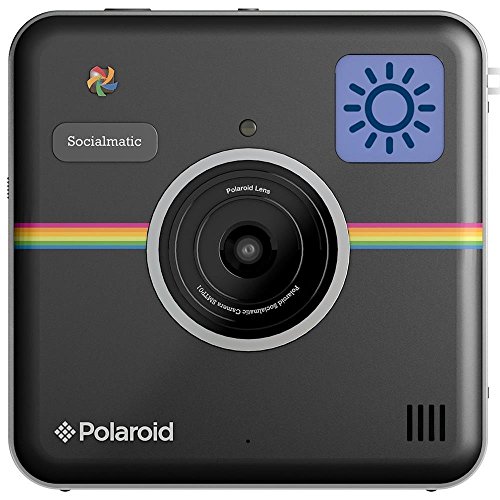
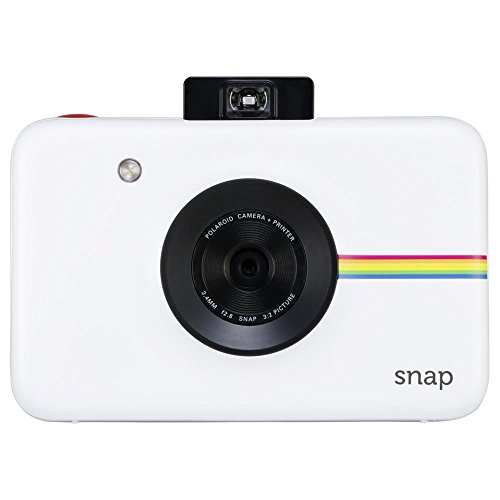
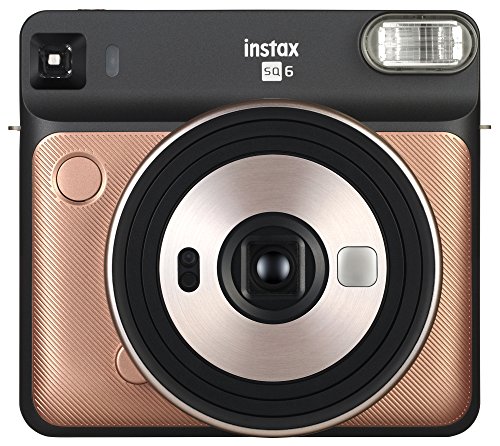
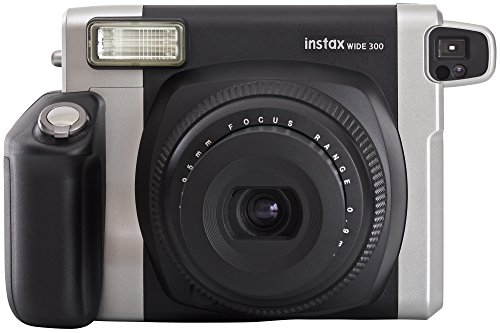
An instant camera is a camera that produces a physical print shortly after the shutter is pressed, either by developing self-contained film or by printing a digital capture onto instant photo paper. Traditional cameras expose a sheet inside a sealed film pack, and the chemicals spread through the image as it ejects and develops over several minutes.
Hybrid instant cameras capture the image digitally first and may let the photographer preview, edit, save, or reprint it before using ZINK or dye-sublimation paper. They waste fewer sheets and can make duplicates, but they behave more like compact digital cameras with built-in printers than classic one-shot film cameras.
How do instant cameras differ from standard cameras?
Instant cameras differ from standard cameras by making a small physical photograph immediately instead of treating a digital file or a roll of film as the main output. The print format, fixed or limited-focus lens, simple exposure system, and per-shot consumable cost shape the experience more than resolution or interchangeable lenses.
A standard digital camera normally provides a larger sensor, more accurate autofocus, broader dynamic range, stronger low-light performance, and files that can be edited or shared without paying for every exposure. Traditional instant film is less predictable: temperature, development time, flash distance, and handling can change color and contrast, while the optical viewfinder may not show the exact close-range framing.
Instant cameras are therefore best when the physical object and social experience matter more than technical perfection. Hybrid models narrow the gap by allowing previews, digital storage, filters, and selective printing, although their small sensors and compact printer mechanisms still prioritize convenience over conventional-camera image quality.
What film sizes are common on instant cameras?
The common instant-camera film and paper sizes are as follows:
- Fujifilm Instax Mini: The image area is about 62 × 46 mm on a card-sized 86 × 54 mm sheet. It is the most portable Instax format and works well for wallets, guest books, and casual portraits, but the small image gives groups and landscapes limited room.
- Fujifilm Instax Square: The exposed image is approximately 62 × 62 mm on an 86 × 72 mm sheet. Its balanced square composition offers more area than Mini without making the camera and film packs as large as the Wide system.
- Fujifilm Instax Wide: The image measures about 62 × 99 mm on an 86 × 108 mm sheet. It suits group photographs and environmental scenes, although compatible cameras are bulkier and the film is less pocketable.
- Polaroid i-Type and 600: Both formats produce the familiar square image of roughly 79 × 79 mm within a 107 × 88 mm frame. The physical dimensions match, but i-Type packs omit the battery required by vintage 600 cameras, so film compatibility must be checked rather than assumed.
- Polaroid Go: The compact frame is about 67 × 54 mm with an image near 47 × 46 mm. It makes the camera easier to carry, but the noticeably smaller picture is less suitable when fine detail or larger writing space is important.
- 2 × 3-inch ZINK paper: Hybrid digital instant cameras commonly print borderless sheets around 76 × 51 mm. ZINK is smudge-resistant and adhesive-backed on many products, but it is printer paper rather than chemically developing instant film and its color character differs from Instax or Polaroid.