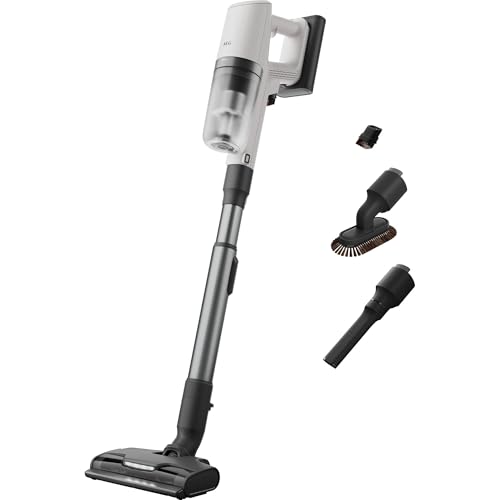

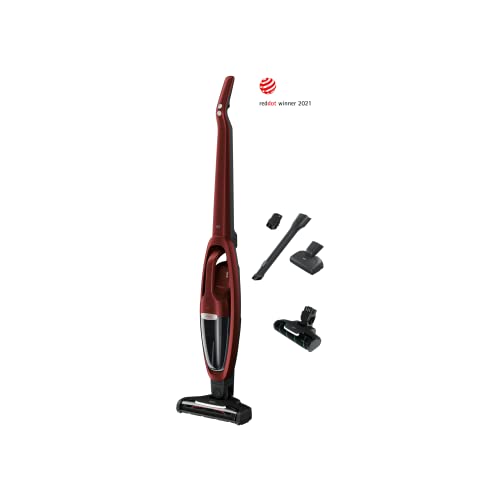
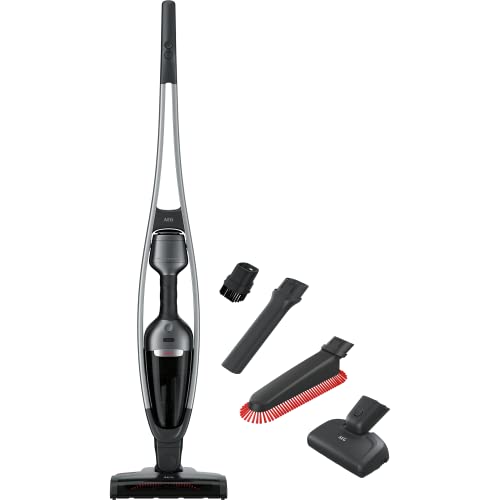
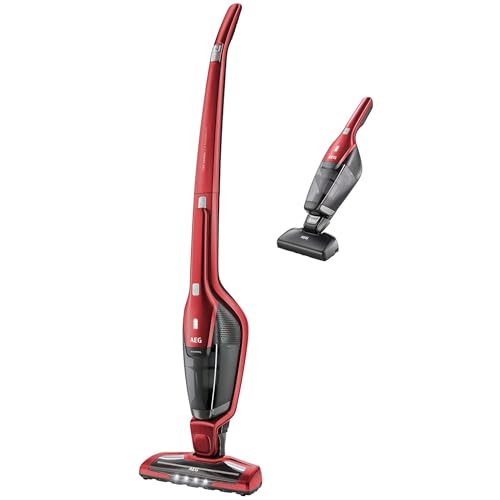
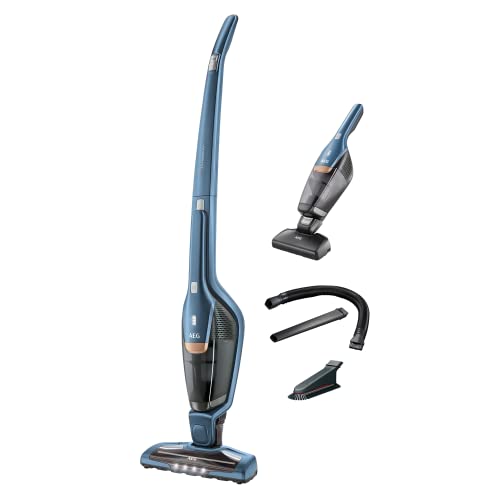
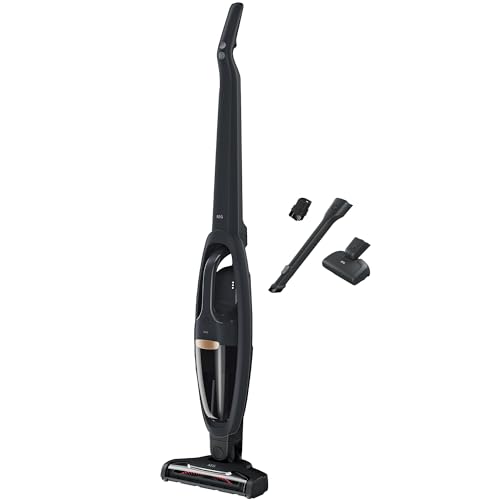
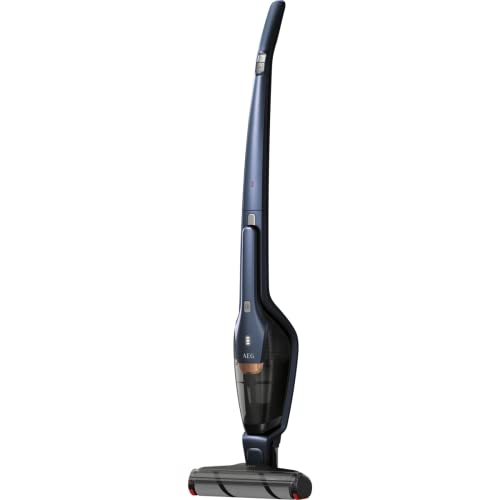
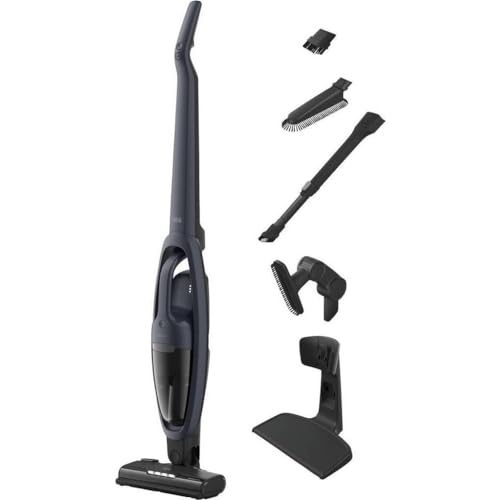
When should you consider buying an AEG cordless vacuum?
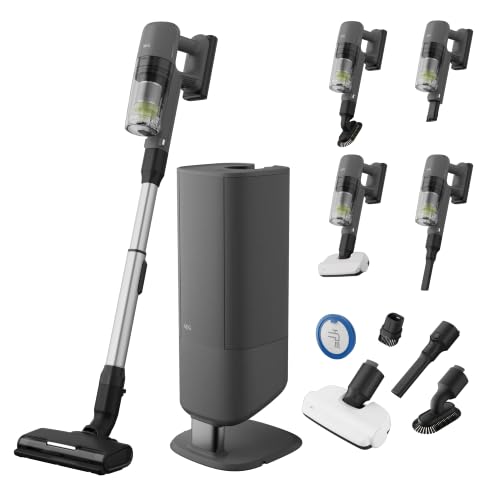
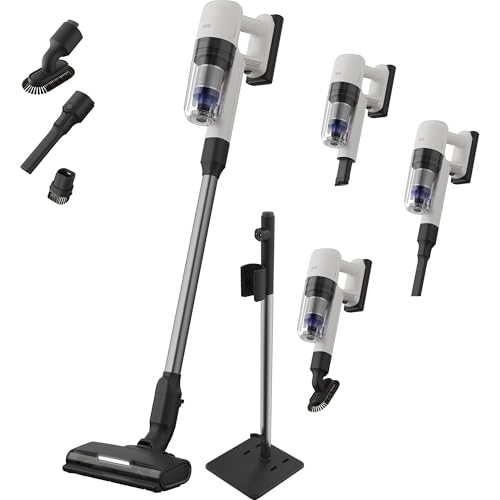
An AEG cordless vacuum suits homes that clean frequently, move between floors and want a self-standing or easily stored machine. CX7 and QX models are convenient for kitchens and quick handheld work, while 7000/8000 models are better candidates for a main vacuum on mixed floors.
Animal packages are useful when they add a mini motorised head and an accessible anti-tangle roller. For carpets, the powered brush and high-mode runtime matter more than battery voltage alone.
Choose a corded VX or LX canister if a 0.3–0.5 L bin would fill repeatedly or if long deep-cleaning sessions exceed the battery. Eco claims near an hour do not represent continuous maximum suction.
Which AEG vacuum series include cordless models?
The AEG vacuum series that include cordless models are as follows:
- CX7: This is the established two-in-one family with a detachable handheld unit and roughly 45 minutes of lower-mode runtime. It suits frequent everyday cleaning.
- QX6, QX7, QX8 and QX9: These tiers refine the self-standing two-in-one concept with different batteries, filters and Animal packages. Higher numbers generally add equipment rather than a completely different layout.
- 5000 Series: This is AEG’s accessible current cordless line. It provides the straightforward route into the newer numbered range.
- 7000 Series: The 7000 moves to a lighter modular design with stronger head and removable-battery options. It suits buyers who prioritize handling and flexibility.
- 8000 Series: These models sit at the top with higher-capacity packs and premium automatic controls. ÖKO variants emphasize recycled materials but still need comparison by battery, head and runtime.
How much do AEG cordless vacuums cost?
AEG cordless vacuums generally cost about £110-£390. CX7, 5000 and basic QX models occupy roughly £110-£190, while QX8/QX9 and entry 7000 packages sit around £200-£300.
Premium 7000 and 8000 versions cost about £340-£390. At that level, require a lighter body, removable battery, stronger powered head or automatic mode that improves real cleaning rather than only a newer number.
The chart below shows the price distribution of AEG cordless vacuums.
[vertical-chart-02980592769234787655047666633821031645160355429749]
What should you check before buying an AEG cordless vacuum?
Consider the following factors before buying an AEG cordless vacuum:
- Body design: CX/QX provides a detachable handheld and self-standing body; 7000/8000 uses a modular main unit and wand. Test both on stairs and under furniture.
- Runtime by mode: Lower-mode claims are generally 40–60 minutes. Obtain the powered-head and maximum-mode figures, which can fall to roughly 10–20 minutes.
- Battery: Check voltage, capacity, removability and replacement cost. AEG generations use different packs, and a four-hour charge makes a fixed depleted battery inconvenient.
- Bin: Capacity is usually 0.3–0.5 L. Pet hair can fill that volume quickly, so examine emptying and cyclone access.
- Floorhead: Require useful carpet agitation, edge pickup and simple roller cleaning. Animal or Ultimate suffixes should add the tools needed for the actual floors.
- Weight and noise: Expect roughly 2.5–3.5 kg ready to clean and about 75–80 dB on many models. Balance can matter more than a small difference in total weight.
- Product number: Verify the PNC, charger, head, filter and included battery. CX, QX and numbered-series accessories are not universally interchangeable.