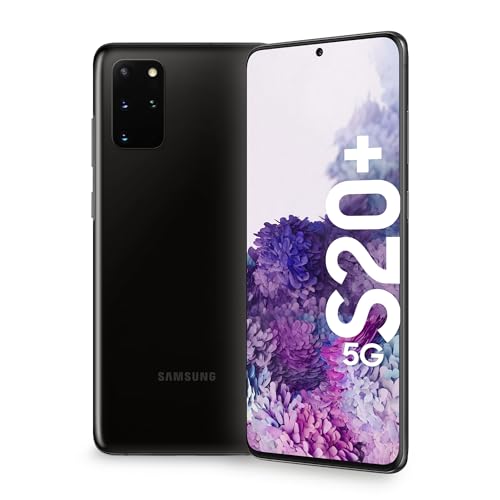
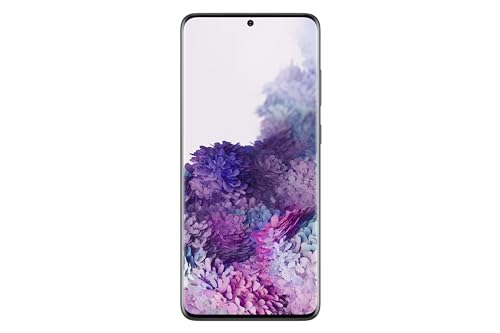
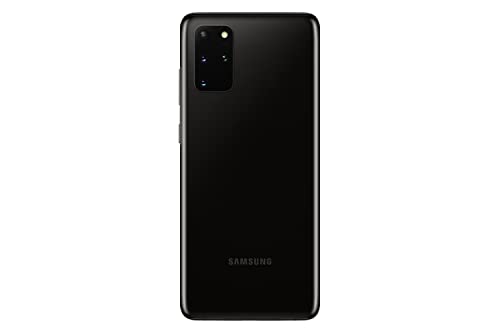
Samsung Galaxy S20 Plus 5G (12GB + 512GB) review. Compare 197 technical specifications and user reviews to see how this product ranks in the Smartphones category and whether it is worth buying.
Overall score
What it is: An overall evaluation of the smartphone's quality, based on technical analyses and user reviews.
When it matters: When you need a quick reference to identify the best smartphones on the market.
Score components:
90.0%
Technical Score
10.0%
User score
Technical Score
What it is: An assessment of the smartphone's technical performance, covering eight key areas: performance & hardware, software, camera, connectivity, display, battery, audio, and design.
When it matters: When you want to compare smartphones based on technical performance and available features.
Score components:
25.0%
Performance & Hardware
18.0%
Camera
15.0%
Display
15.0%
Battery
10.0%
Software
10.0%
Connectivity
4.0%
Audio
3.0%
Design
User score
What it is: A rating that combines user reviews and the total number of reviews received by the smartphone
When it matters: When you want to know how a smartphone handles daily tasks and how reliable it remains over time according to user feedback.
Score components:
70.0%
User reviews
30.0%
Popularity
Available: ranking among products currently available (including other versions of this product).
All: ranking among all products in the database.
#24 in Best Samsung Phones
#51 in Best Smartphones Under £400
#72 in Best Smartphones Under £500
#72 in Best Mid-Range Smartphones
#103 in Best Value Smartphones
#159 in Best Android Smartphones
#159 in Best Large-Screen Smartphones
#176 in Best NFC Smartphones
#176 in Best 5G Smartphones
#178 in Best Smartphones
#178 in Best AI Smartphones
#574 in Best Battery Life Smartphones
What it is: An assessment of the smartphone's technical performance, covering eight key areas: performance & hardware, software, camera, connectivity, display, battery, audio, and design.
When it matters: When you want to compare smartphones based on technical performance and available features.
Score components:
25.0%
Performance & Hardware
18.0%
Camera
15.0%
Display
15.0%
Battery
10.0%
Software
10.0%
Connectivity
4.0%
Audio
3.0%
Design
What it is: A rating that combines user reviews and the total number of reviews received by the smartphone
When it matters: When you want to know how a smartphone handles daily tasks and how reliable it remains over time according to user feedback.
Score components:
70.0%
User reviews
30.0%
Popularity
What it is: An indicator that combines the smartphone's overall rating with its cost.
When it matters: When you are looking for a smartphone with a good balance between quality and price.
Score components:
60.0%
Overall score
40.0%
Price
Importance: LOW
Importance: HIGH
Importance: HIGH
Good value: >12 GB
Importance: MEDIUM
Good value: >256 GB
Importance: MEDIUM
Good value: >3.2 GHz
Importance: LOW
Importance: MEDIUM
Good value: >1500
Importance: LOW
Good value: >4000
Importance: LOW
Good value: 8+
Importance: LOW
Importance: LOW
Good value: >950 MHz
Importance: LOW
Good value: >700
Importance: LOW
Good value: >1000
Importance: LOW
Good value: >2500
Importance: MEDIUM
Good value: >6000
Importance: LOW
Good value: >8000
Importance: MEDIUM
Good value: >12000
Importance: LOW
Good value: >5000
Importance: LOW
Good value: >1800
Importance: LOW
Good value: >3200 MHz
Importance: LOW
Good value: 5
Importance: LOW
Good value: > 50 GB/s
Importance: LOW
Good value: 4
Importance: LOW
Good value: >16 GB
Importance: MEDIUM
Good value: <6 nm
Importance: MEDIUM
Good value: >9 W
Importance: LOW
Importance: LOW
Good value: >8192 KB
Importance: LOW
Good value: >2048 KB
Importance: LOW
Good value: >512 KB
Importance: LOW
Good value: >100000 million
Importance: LOW
Good value: 3.3
Importance: LOW
Good value: 3.2
Importance: LOW
Good value: 2.0/3.0
Importance: LOW
Importance: LOW
Importance: LOW
Importance: MEDIUM
Importance: LOW
Importance: LOW
Importance: LOW
Importance: LOW
Importance: LOW
Importance: LOW
Importance: LOW
Importance: LOW
Importance: LOW
Importance: LOW
Importance: LOW
Importance: LOW
Importance: LOW
Importance: LOW
Importance: LOW
Importance: LOW
Importance: LOW
Importance: LOW
Importance: LOW
Importance: LOW
Importance: LOW
Importance: LOW
Importance: LOW
Importance: LOW
Importance: LOW
Importance: LOW
Importance: LOW
Importance: LOW
Importance: LOW
Importance: LOW
Importance: LOW
Importance: LOW
Importance: LOW
Importance: MEDIUM
Good value: >50 MP
Importance: MEDIUM
Importance: HIGH
Good value: >60
Importance: LOW
Good value: ≥1.2 µm
Importance: MEDIUM
Good value: >2.5x
Importance: MEDIUM
Importance: LOW
Importance: LOW
Importance: LOW
Importance: LOW
Good value: ≥2
Importance: LOW
Importance: LOW
Importance: LOW
Importance: LOW
Good value: >16 MP
Importance: LOW
Importance: LOW
Importance: LOW
Importance: LOW
Importance: MEDIUM
Importance: LOW
Importance: LOW
Importance: LOW
Importance: LOW
Importance: LOW
Importance: LOW
Importance: LOW
Importance: LOW
Importance: LOW
Importance: LOW
Importance: LOW
Importance: LOW
Importance: LOW
Importance: LOW
Importance: LOW
Importance: LOW
Importance: LOW
Importance: LOW
Importance: LOW
Importance: LOW
Importance: LOW
Good value: >130
Importance: LOW
Good value: >120
Importance: LOW
Good value: ≥2
Importance: LOW
Importance: LOW
Importance: LOW
Importance: LOW
Importance: LOW
Importance: LOW
Good value: >5.2
Importance: LOW
Importance: LOW
Importance: LOW
Importance: LOW
Good value: 3.1/3.2
Importance: LOW
Importance: LOW
Importance: LOW
Good value: ≥2
Importance: LOW
Importance: LOW
Importance: LOW
Importance: LOW
Importance: LOW
Importance: LOW
Importance: LOW
Importance: LOW
Importance: LOW
Importance: LOW
Importance: LOW
Importance: LOW
Importance: LOW
Importance: LOW
Importance: LOW
Importance: LOW
Good value: ≥6.6 inches
Importance: MEDIUM
Importance: LOW
Good value: >400 ppi
Importance: MEDIUM
Importance: MEDIUM
Good value: ≥120 Hz
Importance: LOW
Importance: LOW
Good value: >300 Hz
Importance: LOW
Good value: >800 nits
Importance: LOW
Good value: >1300 nits
Importance: LOW
Good value: >1000 nits
Importance: LOW
Importance: LOW
Importance: LOW
Importance: LOW
Importance: LOW
Importance: LOW
Importance: LOW
Importance: LOW
Importance: HIGH
Good value: >5000 mAh
Importance: MEDIUM
Good value: >60 W
Importance: LOW
Importance: LOW
Good value: <45 min
Importance: LOW
Importance: LOW
Good value: >40 W
Importance: LOW
Importance: LOW
Good value: >10 W
Importance: LOW
Importance: LOW
Importance: MEDIUM
Importance: LOW
Good value: >800
Importance: LOW
Importance: LOW
Importance: LOW
Importance: LOW
Importance: LOW
Good value: ≥3
Importance: LOW
Importance: LOW
Importance: LOW
Importance: LOW
Importance: LOW
Importance: LOW
Importance: LOW
Good value: <162 mm
Importance: LOW
Good value: <75 mm
Importance: LOW
Good value: <8 mm
Importance: LOW
Good value: <190 g
Importance: LOW
Good value: <98cm³
Importance: LOW
Importance: LOW
Importance: LOW
Importance: LOW
Importance: LOW
Importance: LOW
Good value: ≥1.5 m
Importance: LOW
Importance: LOW
Good value: >8
Importance: LOW
Importance: LOW
Importance: MEDIUM
Importance: MEDIUM
Importance: LOW
Importance: LOW
Good value: ≥1.2 µm
Importance: MEDIUM
Good value: >256 GB
Importance: LOW
Good value: >400 ppi
Importance: HIGH
Good value: >12 GB
Importance: MEDIUM
Importance: LOW
Importance: LOW
Good value: >950 MHz
Importance: HIGH
Good value: >5000 mAh
Importance: HIGH
Importance: LOW
Importance: LOW
Good value: >5.2
Importance: MEDIUM
Good value: <6 nm
Importance: LOW
(Reviews last updated: August 2026)
(Reviews last updated: August 2026)
TechRadar describes the Samsung Galaxy S20 Plus as offering a strong balance of features with a notable 6.7-inch AMOLED 120Hz display and extensive 5G compatibility. Its camera system features a 64MP telephoto lens with 3x hybrid optic zoom and includes features like "Single Take" mode and 8K video recording. However, drawbacks include a high launch price, uninspiring design, a finicky in-screen fingerprint sensor, removal of the headphone jack, and significant battery drain with 120Hz or 5G use.
The Galaxy S20 Plus is positioned as the ideal, well-balanced choice in the S20 lineup, featuring a 6.7-inch 120Hz AMOLED display and a lightweight, ergonomic design. It offers top-tier performance with a Snapdragon 865, 12GB of RAM, and reliable all-day battery life. Despite these strengths, the review notes cons including an inconsistent fingerprint sensor, aggressive camera smoothing, and the lack of a headphone jack.
The Samsung Galaxy S20 Plus is positioned as the ideal balance in the S20 lineup, featuring a 6.7-inch 120Hz Dynamic AMOLED display for smooth visuals, though the high refresh rate is limited to 1080p and impacts battery life. It boasts a capable quad-camera system with a 64MP telephoto lens offering 3x hybrid zoom and a powerful Snapdragon 865 processor. Downsides noted include its high price, a sometimes inconsistent in-display fingerprint sensor, a design prone to smudges, and reduced battery performance when using the 120Hz display mode.
PCMag identifies the Samsung Galaxy S20 Plus as the best overall choice in the S20 series due to its balance of size, price, features, and full 5G frequency support. The review highlights the 6.7-inch 120Hz Super AMOLED display, Snapdragon 865 processor, and a reliable multi-camera system with 8K video as pros. Drawbacks include its high launch price, the absence of a headphone jack, reduced battery life at 120Hz, a finicky fingerprint sensor, and 64MP images being less sharp than 12MP.
CNET reviews the Samsung Galaxy S20+ 5G as a strong Android contender featuring excellent performance and a remarkable 120Hz AMOLED display. While praised for its top-tier processor, fast charging, IP68 water resistance, and full multi-band 5G support, its high price and specific camera limitations were noted as drawbacks. The review found the main and ultrawide cameras good in bright light, with an impressive 3x hybrid optical zoom and a useful "Single Take" feature, but criticized the soft selfie camera, underwhelming low-light performance compared to rivals, and choppy 8K video recording. The device's high cost, a less-than-perfect in-screen fingerprint sensor, and lack of a headphone jack were highlighted as cons, with CNET concluding it's a very good update but lacks a standout feature to dominate the market.
According to a March 2020 review, The Verge characterizes the Samsung Galaxy S20 Plus as the "just right" phone in the S20 lineup, offering a polished, high-end experience unlike the more experimental S20 Ultra. Pros include an exceptional 120Hz display, a reliable camera with fast autofocus, a balanced 6.7-inch design, and comprehensive specs like the Snapdragon 865 and 5G support. However, cons highlighted were the high price tag, limited software support with only two major OS updates, the removal of the headphone jack, and average ultrasonic fingerprint sensor performance.
According to Android Authority, the Samsung Galaxy S20 Plus serves as the "goldilocks" model in the S20 series, balancing powerful performance with a manageable size and featuring a stunning 120Hz Dynamic AMOLED display as a key pro. However, a significant con is that the 120Hz refresh rate is limited to Full HD+ resolution, preventing simultaneous high refresh rate and Quad HD+ sharpness. Despite minor camera cons like occasional shutter lag and a high launch price of $1,200, the review concludes it was Samsung's most well-rounded flagship at the time.
According to Business Insider, the Plus is a flagship smartphone balancing high performance with a practical design, -inch Quad HD AMOLED Hz refresh rate GB of RAM. Pros include a camera system capable of sharp photos, x Space Zoom ( x), 5G connectivity ( and mmWave), water resistance, and fast charging. Cons include a high starting price of $1,, low-light photography that doesn't Pro, potentially unproven security of the fingerprint sensor and facial recognition, and zoom x.
The Samsung Galaxy S20+ is a well-rounded 6.7-inch flagship offering a smooth 120Hz Dynamic AMOLED display and reliable performance via its 4,500mAh battery and fast charging capabilities. The device features a 12MP main sensor and a 64MP telephoto lens, delivering high-quality, versatile photography without the extreme specs of the Ultra model. Key benefits include the premium display, fast processing speeds, One UI 2.1 software, and useful features like IP68 water resistance and expandable storage. Downsides include the lack of a 3.5mm headphone jack, 120Hz functionality restricted to lower resolution, inconsistent fingerprint sensor performance, and 8K video being limited by high storage usage and 24fps.
The Samsung Galaxy S20 5G is rated by Consumer Reports as an excellent flagship, offering a 6.2-inch display with high resolution and superior outdoor readability, alongside very fast processing capabilities. Its 12-megapixel main rear camera delivers top-tier, accurate photos, while the battery lasted 37 hours in lab tests. However, the 120Hz display refresh rate can significantly reduce battery life, and the device lacks a headphone jack. The device demonstrated high durability, passing, for example, 100-drop tests and water submersion tests. While performance remains strong, potential buyers should consider that as of April 2025, the device has reached its end-of-life for official software and security updates.
The Samsung Galaxy S20 Plus serves as a balanced option in the S20 lineup, featuring high-quality materials, excellent ergonomics, and a vibrant 6.7-inch Dynamic AMOLED 2X display with a 120 Hz refresh rate. While the screen offers superior visuals, users must choose between high refresh rates and maximum resolution. The device provides fast performance, though the 120 Hz mode significantly impacts battery life. The camera system excels in daylight with reliable autofocus, using a 64 MP telephoto lens and a ToF sensor. However, low-light photos can suffer from noise, and the "Space Zoom" feature lacks consistency at high magnifications. Additionally, 8K video recording lacks the stabilization found in 4K, limiting its practical use. Key downsides include an inconsistent ultrasonic fingerprint sensor and the absence of a headphone jack. Furthermore, as an older flagship, the device is no longer receiving the latest Android software updates, impacting long-term usability.
The ComputerBase review characterizes the Samsung Galaxy S20+ and S20 Ultra as impressive "superlative" devices featuring an extraordinarily bright 120Hz OLED display, though a major con is that the 120Hz mode is restricted to lower resolutions. The S20 Ultra's 108-megapixel sensor and ultra-wide-angle lens are highlighted as camera pros, but the device suffers from autofocus weaknesses, inconsistent night photography, and a gimmicky "100x Space Zoom". While performance is strong, the European models' Exynos 990 chipset and the phones' large, hard-to-handle dimensions and high prices are noted as drawbacks.
The Labo Fnac review characterizes the Samsung Galaxy S20 5G as a robust, compact flagship featuring an exceptional 6.2-inch Dynamic AMOLED display with a 120Hz refresh rate that scored 4.6/5 for quality. Performance is driven by the Exynos 990/Snapdragon 865 chipset and 12GB RAM, while the versatile triple-lens camera supports 8k recording and precise 64MP telephoto shots. Key pros include the high-end screen, fast charging (rated 4.5/5), and future-proof 5G capabilities. Conversely, the review identifies significant limitations, most notably in battery endurance, which received a low score of 2.5/5, particularly when the 120Hz mode is enabled. Other drawbacks include diminished performance under heavy, complex usage scenarios and the absence of a 3.5mm headphone jack. The device is ultimately deemed a powerful, yet power-hungry, compact option.
The Samsung Galaxy S20 Plus offers a balanced 2020 flagship experience with a 6.7-inch 120Hz display, combining excellent, smooth visuals with a more comfortable design compared to the S20 Ultra. Performance is driven by the Snapdragon 865 or Exynos 990, capable of handling intensive tasks, though it requires a trade-off between 120Hz at FHD+ or 60Hz at QHD+ resolution. The quad-camera system, featuring a 64MP telephoto lens, excels in daylight and night photography, while the 4,500mAh battery provides reliable full-day endurance. However, the device is hindered by an inconsistent ultrasonic fingerprint sensor and aggressive image post-processing that sometimes over-smoothes details. Despite a somewhat uninspired design, the S20 Plus provides premium build quality with IP68 protection, making it a top contender despite the high, premium price point. The 128GB base storage is noted as a potential limitation for some users. For more details, visit Phandroid.
The Samsung Galaxy S20 is a compact flagship with a high-end, ergonomic design and an exceptional Dynamic AMOLED 120Hz display, notes Les Numériques. It offers powerful performance with an Exynos 990 chip, 12GB of RAM, and a capable, versatile triple-camera system. However, the review highlights significant drawbacks, specifically poor battery life and the inability to use the 120Hz refresh rate at maximum resolution, alongside mediocre low-light zoom performance. Les Numé
The Journal du Geek review identifies the Samsung Galaxy S20 Plus as the most balanced option in the 2020 lineup, offering refined ergonomics and a 6.7-inch display featuring a 120Hz refresh rate for enhanced smoothness. While praised for its performance, the device is criticized for limiting this high refresh rate to FHD+ resolution and for a design deemed somewhat uninspired compared to rivals. Equipped with top-tier processors and 12GB of RAM, the handset excels in multitasking and 5G capability. The camera system delivers high-quality photos, specifically with the 64MP telephoto lens, though the 8K video recording functionality is noted more as a marketing feature than a practical tool. The 4,500 mAh battery provides solid performance, yet activating the 120Hz mode results in a 20-25% reduction in battery life. Despite the high launch price and a slightly finicky fingerprint sensor, the device is ultimately recommended for those seeking a premium, manageable flagship experience.
According to the CNET France review, the Samsung Galaxy S20 is a top-tier Android device, boasting an excellent 6.2-inch Dynamic AMOLED screen with a 120Hz refresh rate and a compact, ergonomic design, though the high-refresh-rate mode causes noticeable battery drain. It features a versatile 64-megapixel camera system, 5G connectivity, and strong, high-end performance, yet it faces criticism for its high price point and the omission of a headphone jack. Overall, while it is a powerful, well-designed phone, the battery limitations and high cost make it a significant investment.
Presse-Citron identifies the Samsung Galaxy S20 and S20+ as the most balanced, "true star" models of the 2020 lineup, offering premium, ergonomic designs over the more expensive Ultra. The 120 Hz refresh rate delivers superior, smooth visuals, though it requires a compromise between that high rate and maximum Quad HD+ resolution. Key advantages include the compact, lightweight form factor of the S20, excellent battery life on the S20+, and versatile cameras with robust 8K video. Despite positive performance, the devices may experience overheating during intensive tasks, such as high-resolution video recording. Additionally, the ultrasonic fingerprint sensor is noted to be slightly less responsive than competing biometric methods. While the S20+ includes a Time-of-Flight (ToF) sensor, it offers limited real-world advantages over the standard S20 for photography. Nevertheless, the review concludes these models represent the best value in the series.
The Samsung Galaxy S20 Plus strikes a balance between its siblings, featuring a 6.7-inch Dynamic AMOLED display with a 120Hz refresh rate that offers, according to TechRadar, an exceptionally smooth, albeit high-cost, user experience. While the design is noted as somewhat uninspiring for its price, it boasts a premium, lightweight build, high-performance Snapdragon 865/Exynos 990 processors with 12GB of RAM, and comprehensive 5G support. The camera system, featuring a 64MP telephoto lens and "Single Take" AI, is a highlight, but the battery life suffers when utilizing the 120Hz mode, which can increase drain by up to 33%.
The Samsung Galaxy S20 Plus is positioned as a balanced flagship featuring a 6.7-inch 120 Hz AMOLED display and a slim, ergonomic design. Key strengths include the fluid display, capable cameras with a versatile 64 MP "hybrid" zoom, and fast 25W charging, while notable drawbacks are the limitation of 120 Hz to Full HD+ resolution and the high launch price. Performance is generally smooth, though the Exynos 990 processor can experience overheating under heavy loads and offers inferior battery life compared to its 60 Hz setting, with 120 Hz reducing usage to roughly 9 hours.
The NextPit review characterizes the Samsung Galaxy S20 Plus as a balanced, slim, and premium flagship featuring a standout 6.7-inch Dynamic AMOLED 2X display with a 120 Hz refresh rate. While lauded for its ergonomics and smooth performance, the device features a 64 MP "hybrid" zoom that is criticized for lacking true optical telephoto capabilities. Battery life is robust, lasting a day and a half on 60 Hz, though the high refresh rate reduces longevity, and the device lacks a 3.5mm headphone jack. For more details, visit NextPit.
The Samsung Galaxy S20 Plus serves as a balanced, high-end alternative to the Ultra model, featuring a praised 6.7-inch 120Hz Dynamic AMOLED display and a more manageable, premium design. Its versatile quad-camera system delivers excellent daylight performance and useful "Single Take" mode, although the Exynos 990 variant is noted for higher battery consumption, especially at 120Hz, alongside potential heating issues. Key pros include the display and design, while cons center on battery drain, Exynos performance, and a sometimes finicky fingerprint sensor.
Following three weeks of use, the Samsung Galaxy S20 5G is praised for its compact design, 6.2-inch Dynamic AMOLED screen, and 120Hz refresh rate, though it lacks the ability to run QHD+ resolution and 120Hz simultaneously. The device offers strong performance via the Exynos 990 chip, 12GB of RAM, and 5G, but faces criticism for lacking a 3.5mm headphone jack and having an occasionally unreliable in-screen fingerprint sensor. While the triple-camera system provides excellent 64MP and 8K capabilities, the 4,000mAh battery drains quickly at 120Hz, and the 30x "Space Zoom" offers poor image quality.
El Español's El Androide Libre review positions the Samsung Galaxy S20+ as the most balanced, "sweet spot" option in the lineup, offering a 6.7-inch Dynamic AMOLED display with a fluid 120Hz refresh rate (at FHD+). Performance is stellar with the Exynos 990/Snapdragon 865, while the camera excels with versatile sensors and the "Single Take" mode, although 8K video is considered a gimmick. Despite praise for its ergonomic, lightweight design, drawbacks include only average battery life, a finicky fingerprint sensor, and the lack of a 3.5mm jack. For the full, in-depth analysis, read the original article at El Español.
The Samsung Galaxy S20 Plus, described as the balanced "crown jewel" of its series, features a 6.7-inch Dynamic AMOLED screen with a 120Hz refresh rate that offers superior fluidity and an ergonomic, lightweight design. Its camera system shines with a 64MP telephoto lens, 3x hybrid zoom, and impressive 8K video capabilities, complemented by a robust 4,500 mAh battery. While praised for performance, the device faces criticism for its high launch price, the omission of a headphone jack, inconsistent fingerprint sensor, and the limitation of not running 120Hz at maximum resolution.
The Samsung Galaxy S20 5G is characterized as a high-end, compact device featuring a 6.2-inch Dynamic AMOLED display with a 120Hz refresh rate and an Exynos 990 processor with 12 GB of RAM. Key advantages include its ergonomic design, 8K video capabilities, and the versatility of its triple-lens camera system, which includes a top-tier ultra-wide sensor. However, the device has limitations, notably that the 120Hz mode requires reducing screen resolution to 1080p, along with slight overheating issues during intensive use. Additionally, while functional, the 4,000 mAh battery does not offer multi-day endurance, and the screen size may feel small for heavy multimedia users.
The Samsung Galaxy S20 Plus is positioned as the balanced, "middle-child" choice of the 2020 lineup, offering a 6.7-inch AMOLED display with a 120Hz refresh rate and comprehensive 5G support (mmWave and sub-6). Key pros include its high-performance capabilities, a versatile camera system with 30x Space Zoom and 8K video recording, and a more comfortable design compared to the S20 Ultra. However, the review notes significant cons, specifically a high price point compared to its predecessor and a somewhat plain, functional design. Further drawbacks include a slow in-screen fingerprint sensor, the removal of the 3.5mm headphone jack, and noticeable vibration from the rear glass at high speaker volumes.
Digital Trends identifies the Samsung Galaxy S20 Plus as the most balanced option in the 2020 lineup, offering a 6.7-inch Dynamic AMOLED screen with a 120Hz refresh rate and strong performance. The device features robust 5G support, a capable 4,500mAh battery that lasts a full day, and versatile cameras with effective Super Steady video stabilization. However, drawbacks include a somewhat bland, slippery design, a "dreary" camera bump, and inconsistent portrait mode edge detection.
The G is identified as the balanced choice lineup, X display Hz refresh rate. processor ensures snappy performance, it runs warm, and the premium design, certification, is described as an iterative update. Camera performance is a major strength, MP telephoto lens providing sharp, high-quality zoom capabilities and an improved Night Mode. Conversely, K video recording is considered impractical for daily use due to heavy storage usage and significant image cropping. Key pros include the excellent display, refined user interface, and highly versatile camera, while cons highlight underwhelming Hz and the mm headphone jack. G is deemed a polished, ergonomic flagship, according to the review at Profesional Review.
The Samsung Galaxy S20 Plus, identified as the most balanced in its lineup, features a premium 6.7-inch 120Hz display, though this high refresh rate is limited to FHD resolution. While design is ergonomic, its slippery build often necessitates a case. Performance is strong, but the 4,500 mAh battery struggles with 120Hz, causing a 20–25% drop in endurance. Camera performance is a key strength, with the 64MP telephoto lens and 12MP main sensor producing vibrant, detailed photos, supported by a Time-of-Flight (ToF) sensor for improved, accurate portrait, or "Live Focus," effects. The device features robust low-light capabilities via an enhanced Night Mode, although 8K video recording remains limited by large file sizes and lack of stabilization. Key, recurring complaints include the absence of a 3.5mm headphone jack and a finicky ultrasonic fingerprint sensor. Despite these, the inclusion of a 25W fast charger and overall high-end performance make it a strong contender. For more details, watch the full review at YouTube.
The Samsung Galaxy S20 Plus is identified as the optimal balance in its series, featuring a 6.7-inch 120Hz AMOLED display that provides an exceptionally smooth, albeit FHD-restricted, viewing experience. Despite a somewhat understated design, it offers a premium, compact feel with minimal bezels and an unobtrusive camera cutout. Performance-wise, the device is a top-tier performer, supporting both 5G frequencies and handling demanding apps with ease, alongside a capable 64MP telephoto camera. However, drawbacks include the removal of the 3.5mm headphone jack and 8K video recording, which is viewed more as a marketing gimmick than a practical feature. Battery life from the 4,500mAh cell is competent for a full day, though 120Hz mode drains it faster, and the in-screen fingerprint sensor is noted as less responsive than competitors. Overall, it is considered a superior, more ergonomic alternative to the S20 Ultra, justifying its premium price point.
The Samsung Galaxy S20 Plus, deemed the true successor to the S10 Plus, offers a superior balance of size and performance compared to the S20 Ultra, featuring a 6.7-inch 120Hz Dynamic AMOLED display that is limited to FHD+ resolution at high refresh rates. Powered by the Exynos 990, it delivers top-tier performance, though it is prone to heating up under heavy, 12GB RAM-intensive use. The device boasts a versatile quad-camera system with 64MP telephoto and 8K video recording, producing excellent daylight photos, though sometimes over-smoothing, with low-light performance trailing competitors. While the 4,500mAh battery offers solid endurance, the 120Hz mode significantly impacts longevity. Key, notable drawbacks include an inconsistent ultrasonic fingerprint sensor, the lack of a 3.5mm headphone jack, and a high initial price point. Despite these, the S20 Plus is considered the most balanced model in the series, featuring a premium glass design with IP68 resistance.
Eight months post-launch, the Samsung Galaxy S20 Plus remains a balanced flagship featuring a superior 6.7-inch 120Hz display and excellent ergonomics, according to TuttoAndroid. The camera system offers high versatility with detailed imaging, complemented by a mature, feature-rich One UI software experience. Key drawbacks include the heat-intensive Exynos 990 processor, compromised battery life when using the 120Hz mode, and an inconsistent in-display fingerprint sensor.
In his review, Andrea Galeazzi highlights the Samsung Galaxy S20 Plus as a well-balanced flagship that excels in ergonomics despite its large 6.7-inch display, praising its light, thin design over the Ultra model. The 120Hz Dynamic AMOLED display offers a fluid experience, though a key drawback is the limitation to use either 120Hz or maximum QHD+ resolution, but not both. Powered by the Exynos 990, the device offers fast performance, though it is noted to run warm during intensive tasks. The 4,500 mAh battery delivers adequate, though not exceptional, all-day life, sometimes struggling under heavy usage. The camera system is a major strength, featuring a 64MP telephoto lens and high-quality 8K video, though, as noted by Galeazzi, the sharpness can sometimes fall short of competitors. Overall, the S20 Plus is deemed the most 'sensible' choice in the lineup for its balanced, comprehensive features.
The ID.nl review identifies the Samsung Galaxy S20+ as the ideal "golden mean" in the 2020 lineup, offering a 6.7-inch 120Hz Dynamic AMOLED display and more balanced ergonomics compared to the Ultra. It features the Exynos 990 chipset with 12GB of RAM for high performance and includes a versatile camera setup with 8K recording, providing better, more usable zoom results than the Ultra model. However, the 4,500mAh battery struggles to last a full day with the 120Hz mode active, and the device lacks a 3.5mm headphone jack. Other cons include an occasionally slow fingerprint sensor and a tendency for over-saturated, over-smoothed selfies.
The Samsung Galaxy S20+ 5G is identified by Tweakers as a highly capable all-rounder featuring a 6.7-inch Dynamic AMOLED display with a 120Hz refresh rate, which is praised for offering an exceptionally smooth experience, though the overall design is noted to be somewhat conservative. Performance and battery life represent significant upgrades over the S10+, with 12 GB of RAM ensuring seamless multitasking, although enabling the high 120Hz refresh rate significantly increases battery consumption. While the camera system is versatile and produces high-quality images, the in-display fingerprint sensor is described as less fluid and fast compared to competing devices. Key advantages of the device include its excellent display and strong performance, while notable drawbacks focus on battery drain at maximum settings and an uninspiring design.
The AndroidWorld.nl review identifies the Samsung Galaxy S20 Plus as the best-balanced model in the lineup, highlighting its 6.7-inch 120Hz OLED display, high-performance Exynos 990 processor, and versatile camera system. While praised for its premium build, the device faces criticism for its safe design and a high price point that makes its flaws more pronounced. Key drawbacks mentioned include inconsistent biometric authentication, a lack of a 3.5mm headphone jack, and a battery life that can be tight for heavy users. Androidworld.nl

Compare