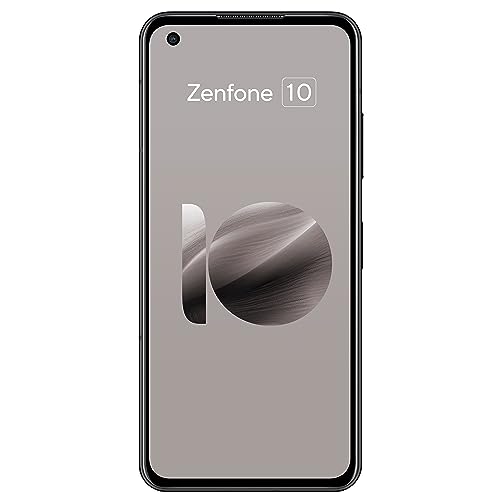
Asus Zenfone 10 (8GB + 256GB) review. Compare 197 technical specifications and user reviews to see how this product ranks in the Smartphones category and whether it is worth buying.
Overall score
What it is: An overall evaluation of the smartphone's quality, based on technical analyses and user reviews.
When it matters: When you need a quick reference to identify the best smartphones on the market.
Score components:
90.0%
Technical Score
10.0%
User score
Technical Score
What it is: An assessment of the smartphone's technical performance, covering eight key areas: performance & hardware, software, camera, connectivity, display, battery, audio, and design.
When it matters: When you want to compare smartphones based on technical performance and available features.
Score components:
25.0%
Performance & Hardware
18.0%
Camera
15.0%
Display
15.0%
Battery
10.0%
Software
10.0%
Connectivity
4.0%
Audio
3.0%
Design
User score
What it is: A rating that combines user reviews and the total number of reviews received by the smartphone
When it matters: When you want to know how a smartphone handles daily tasks and how reliable it remains over time according to user feedback.
Score components:
70.0%
User reviews
30.0%
Popularity
Available: ranking among products currently available (including other versions of this product).
All: ranking among all products in the database.
#7 in Best Compact Smartphones
#10 in Best 6-Inch Smartphones
#11 in Best Asus Phones
#203 in Best Android Smartphones
#218 in Best NFC Smartphones
#221 in Best 5G Smartphones
#223 in Best Smartphones
#223 in Best AI Smartphones
#593 in Best Battery Life Smartphones
#673 in Best Value Smartphones
What it is: An assessment of the smartphone's technical performance, covering eight key areas: performance & hardware, software, camera, connectivity, display, battery, audio, and design.
When it matters: When you want to compare smartphones based on technical performance and available features.
Score components:
25.0%
Performance & Hardware
18.0%
Camera
15.0%
Display
15.0%
Battery
10.0%
Software
10.0%
Connectivity
4.0%
Audio
3.0%
Design
What it is: A rating that combines user reviews and the total number of reviews received by the smartphone
When it matters: When you want to know how a smartphone handles daily tasks and how reliable it remains over time according to user feedback.
Score components:
70.0%
User reviews
30.0%
Popularity
What it is: An indicator that combines the smartphone's overall rating with its cost.
When it matters: When you are looking for a smartphone with a good balance between quality and price.
Score components:
60.0%
Overall score
40.0%
Price
Importance: LOW
Importance: HIGH
Importance: HIGH
Good value: >12 GB
Importance: MEDIUM
Good value: >256 GB
Importance: MEDIUM
Good value: >3.2 GHz
Importance: LOW
Importance: MEDIUM
Good value: >1500
Importance: LOW
Good value: >4000
Importance: LOW
Good value: 8+
Importance: LOW
Importance: LOW
Good value: >950 MHz
Importance: LOW
Good value: >700
Importance: LOW
Good value: >1000
Importance: LOW
Good value: >2500
Importance: MEDIUM
Good value: >6000
Importance: LOW
Good value: >8000
Importance: MEDIUM
Good value: >12000
Importance: LOW
Good value: >5000
Importance: LOW
Good value: >1800
Importance: LOW
Good value: >3200 MHz
Importance: LOW
Good value: 5
Importance: LOW
Good value: > 50 GB/s
Importance: LOW
Good value: 4
Importance: LOW
Good value: >16 GB
Importance: MEDIUM
Good value: <6 nm
Importance: MEDIUM
Good value: >9 W
Importance: LOW
Importance: LOW
Good value: >8192 KB
Importance: LOW
Good value: >2048 KB
Importance: LOW
Good value: >512 KB
Importance: LOW
Good value: >100000 million
Importance: LOW
Good value: 3.3
Importance: LOW
Good value: 3.2
Importance: LOW
Good value: 2.0/3.0
Importance: LOW
Importance: LOW
Importance: LOW
Importance: MEDIUM
Importance: LOW
Importance: LOW
Importance: LOW
Importance: LOW
Importance: LOW
Importance: LOW
Importance: LOW
Importance: LOW
Importance: LOW
Importance: LOW
Importance: LOW
Importance: LOW
Importance: LOW
Importance: LOW
Importance: LOW
Importance: LOW
Importance: LOW
Importance: LOW
Importance: LOW
Importance: LOW
Importance: LOW
Importance: LOW
Importance: LOW
Importance: LOW
Importance: LOW
Importance: LOW
Importance: LOW
Importance: LOW
Importance: LOW
Importance: LOW
Importance: LOW
Importance: LOW
Importance: LOW
Importance: MEDIUM
Good value: >50 MP
Importance: MEDIUM
Importance: HIGH
Good value: >60
Importance: LOW
Good value: ≥1.2 µm
Importance: MEDIUM
Good value: >2.5x
Importance: MEDIUM
Importance: LOW
Importance: LOW
Importance: LOW
Importance: LOW
Good value: ≥2
Importance: LOW
Importance: LOW
Importance: LOW
Importance: LOW
Good value: >16 MP
Importance: LOW
Importance: LOW
Importance: LOW
Importance: LOW
Importance: MEDIUM
Importance: LOW
Importance: LOW
Importance: LOW
Importance: LOW
Importance: LOW
Importance: LOW
Importance: LOW
Importance: LOW
Importance: LOW
Importance: LOW
Importance: LOW
Importance: LOW
Importance: LOW
Importance: LOW
Importance: LOW
Importance: LOW
Importance: LOW
Importance: LOW
Importance: LOW
Importance: LOW
Importance: LOW
Good value: >130
Importance: LOW
Good value: >120
Importance: LOW
Good value: ≥2
Importance: LOW
Importance: LOW
Importance: LOW
Importance: LOW
Importance: LOW
Importance: LOW
Good value: >5.2
Importance: LOW
Importance: LOW
Importance: LOW
Importance: LOW
Good value: 3.1/3.2
Importance: LOW
Importance: LOW
Importance: LOW
Good value: ≥2
Importance: LOW
Importance: LOW
Importance: LOW
Importance: LOW
Importance: LOW
Importance: LOW
Importance: LOW
Importance: LOW
Importance: LOW
Importance: LOW
Importance: LOW
Importance: LOW
Importance: LOW
Importance: LOW
Importance: LOW
Importance: LOW
Good value: ≥6.6 inches
Importance: MEDIUM
Importance: LOW
Good value: >400 ppi
Importance: MEDIUM
Importance: MEDIUM
Good value: ≥120 Hz
Importance: LOW
Importance: LOW
Good value: >300 Hz
Importance: LOW
Good value: >800 nits
Importance: LOW
Good value: >1300 nits
Importance: LOW
Good value: >1000 nits
Importance: LOW
Importance: LOW
Importance: LOW
Importance: LOW
Importance: LOW
Importance: LOW
Importance: LOW
Importance: LOW
Importance: HIGH
Good value: >5000 mAh
Importance: MEDIUM
Good value: >60 W
Importance: LOW
Importance: LOW
Good value: <45 min
Importance: LOW
Importance: LOW
Good value: >40 W
Importance: LOW
Importance: LOW
Good value: >10 W
Importance: LOW
Importance: LOW
Importance: MEDIUM
Importance: LOW
Good value: >800
Importance: LOW
Importance: LOW
Importance: LOW
Importance: LOW
Importance: LOW
Good value: ≥3
Importance: LOW
Importance: LOW
Importance: LOW
Importance: LOW
Importance: LOW
Importance: LOW
Importance: LOW
Good value: <162 mm
Importance: LOW
Good value: <75 mm
Importance: LOW
Good value: <8 mm
Importance: LOW
Good value: <190 g
Importance: LOW
Good value: <98cm³
Importance: LOW
Importance: LOW
Importance: LOW
Importance: LOW
Importance: LOW
Importance: LOW
Good value: ≥1.5 m
Importance: LOW
Importance: LOW
Good value: >8
Importance: LOW
Importance: LOW
Importance: MEDIUM
Importance: LOW
Importance: MEDIUM
Good value: >6000
Importance: MEDIUM
Good value: >1500
Importance: MEDIUM
Good value: >3.2 GHz
Importance: HIGH
Good value: >60
Importance: LOW
Good value: >700
Importance: MEDIUM
Importance: MEDIUM
Importance: LOW
Good value: ≥6.6 inches
Importance: LOW
Importance: HIGH
Good value: >5000 mAh
Importance: LOW
Importance: LOW
Importance: LOW
Good value: >40 W
(Reviews last updated: August 2026)
The ASUS Zenfone 10 is praised by ePHOTOzine as a powerful, compact flagship offering excellent one-handed usability, a 3.5mm headphone jack, and strong battery life. While the six-axis gimbal system provides steady video, the camera performance is mixed, with some images appearing over-processed and lacking a dedicated telephoto lens. Ultimately, the review recommends this device for users prioritizing size, though notes that the price point is high for its feature set.
The Asus Zenfone 10 is a compact 5.9-inch flagship featuring a Snapdragon 8 Gen 2 processor, a 144Hz AMOLED display, and a 3.5mm headphone jack. The device offers exceptional battery life, 15W wireless charging, and 6-axis gimbal stabilization for video, making it a powerful, one-handed option. However, drawbacks include only two years of major Android updates and the lack of a dedicated telephoto lens, alongside relatively slow 30W charging.
The Asus Zenfone 10 is praised by Uswitch as a compact 5.92-inch flagship, offering high-end performance in a lightweight, one-handed design featuring a grippy, fingerprint-resistant back. Key pros include a vibrant 144Hz AMOLED display, the inclusion of a 3.5mm headphone jack, and top-tier speed from the Snapdragon 8 Gen 2 processor, though the smaller body can heat up during intense gaming. While battery life is generally strong, the 30W charging is considered slow compared to rivals. UswitchThe camera system, featuring a 50MP main sensor and 6-Axis Hybrid Gimbal Stabilizer 2.0, provides excellent, stable, and sharp imagery in good lighting conditions. However, the, camera hardware is largely unchanged from its predecessor, leading to underwhelming low-light performance. Additionally, the phone is limited to only two major OS updates, which is a downside for long-term usability. Uswitch
The Asus Zenfone 10 delivers a compact 5.9-inch flagship experience, praised for its 144Hz AMOLED display, Snapdragon 8 Gen 2 performance, and a 4,300mAh battery that provides all-day endurance. Key pros include the addition of 15W wireless charging, a 3.5mm headphone jack, and a highly customizable software experience that offers a choice between stock Android and Zen UI. However, the device is held back by inconsistent auto-brightness, a finicky side-mounted fingerprint sensor, and a relatively short two-year OS update promise. Pocket-lintThe camera system is a notable drawback, featuring a strong 50MP main sensor with 6-axis gimbal stabilization but a weak 13MP ultrawide lens that produces noisy, inconsistent images in low light. The lack of a dedicated telephoto lens limits zoom capabilities, resulting in poor image quality beyond 2x. Despite these drawbacks, the review concludes the Zenfone 10 is the premier compact Android device for users prioritizing portability and performance.
The Android Police review characterizes the ASUS Zenfone 10 as a "tiny beast" and one of the last high-quality compact flagships, powered by the top-tier Snapdragon 8 Gen 2 processor. Pros include an ergonomic, textured design, a 3.5mm headphone jack, 144Hz AMOLED display, and impressive battery life, while adding 15W wireless charging. However, cons center on limited software support (two OS updates), less-than-premium build aesthetics, and a main camera that lacks a telephoto lens and doesn't fully outclass competitors.
The EFTM review praises the ASUS Zenfone 10 as a powerful "pocket rocket" featuring a compact 5.92-inch 144Hz AMOLED display, a grippy bio-polycarbonate back, and a rare 3.5mm headphone jack. Powered by the Snapdragon 8 Gen 2, it delivers top-tier performance and impressive battery life, now with added 15W wireless charging, though the 30W wired charging is slower than rivals. While the 6-axis Hybrid Gimbal Stabilizer 2.0 provides excellent video, the device lacks a telephoto lens, suffers from occasional image oversaturation, and offers a limited two-year software update cycle.
The ASUS Zenfone 10, reviewed by ePHOTOzine, is a high-performance compact smartphone featuring a 5.92-inch AMOLED display, Snapdragon 8 Gen 2 processor, and a 3.5mm headphone jack. Key pros include excellent one-handed usability, robust battery life, and superior video stabilization provided by its 6-axis gimbal system. However, the device lacks a dedicated telephoto lens, offers limited 144Hz refresh rates, and features a restrictive 30W charging speed. The camera system shines with its 50MP main sensor for sharp, stabilized, and low-light shots, though it relies on digital zoom for magnification. Some users may find the 5.92-inch screen small, and the ultrawide camera, while functional, lacks the versatility found in other, larger flagships. Despite these limitations, it is a formidable choice for users prioritizing size and, for more details, visit ePHOTOzine.
According to ePHOTOzine, the ASUS Zenfone 10 is a compact flagship praised for its pocketable design, bright 5.92-inch AMOLED display, powerful Snapdragon 8 Gen 2 chipset, and the inclusion of a 3.5mm headphone jack and IP68 rating. However, the review notes the display can feel small for some tasks and the price point may be a barrier for potential buyers. The camera system is described as mixed, offering good results from the 50MP main sensor with effective gimbal stabilization, but suffers from the lack of a telephoto lens and overly aggressive HDR processing on the ultrawide camera.
Laptop Mag describes the Asus Zenfone 10 as a powerful and compact flagship ideal for small phone enthusiasts, balancing top performance and exceptional battery life with notable camera limitations and shorter software support. Pros include a unique, lightweight design, a Snapdragon 8 Gen 2 chip, a 144Hz AMOLED display, a 3.5mm headphone jack, IP68 water resistance, and wireless charging; cons include a weak ultra-wide camera lens, no telephoto lens, slow charging speeds, and a commitment to only two major OS updates and four years of security patches.
The Asus Zenfone 10 is described as the best small phone of 2023, offering flagship hardware like the Snapdragon 8 Gen 2 chipset, up to 16GB of RAM, and features such as 15W wireless charging, a 3.5mm headphone jack, and IP68 water resistance in a compact design. While it features a 144Hz AMOLED display and a user-friendly Zen UI, a notable drawback is Asus's commitment to only two major Android OS updates and four years of security patches, less than competitors. The camera system, while reliable with a 6-axis Hybrid Gimbal Stabiliser, lacks a telephoto lens and has a downgraded ultrawide camera, and its low-light performance does not match the Pixel 7a.
The ASUS Zenfone 10 is presented as a leading compact Android option, maintaining its 5.9-inch size with hardware upgrades like 15W Qi wireless charging and enhanced ergonomics. It features a Snapdragon 8 Gen 2 chipset and a 144Hz AMOLED display, delivering strong performance and impressive battery life. However, the camera system, despite a 6-axis gimbal on the main sensor, lacks a telephoto lens and shows inconsistent quality compared to rivals, and the commitment to only two major OS updates is a notable drawback.
According to a Forbes review by Ewan Spence, the ASUS Zenfone 10 is a "workhorse phone" appreciated for its compact size, ergonomic design, and practical features like a 3.5mm headphone jack and a 6-axis gimbal stabiliser. While powered by the capable Snapdragon 8 Gen 2 chipset, the review notes weaknesses in camera image processing compared to competitors and the absence of a telephoto lens.
According to CNET, the Asus Zenfone 10 is a compact, powerful small phone that includes top-tier specifications like a Snapdragon 8 Gen 2 processor, up to 16GB of RAM, and IP68 water resistance, along with excellent battery life and a 3.5mm headphone jack. However, it presents compromises, notably its poor camera system lacking a telephoto lens, slow 30W wired charging compared to rivals, and limited software support with only two years of OS updates and four years of security updates.
WIRED reviewed, / and praising its compact size, powerful performance, and exceptional battery life. Key pros include its one-handed design, mm headphone jack, water resistance, processor, and near two-day battery life. Cons include disappointing camera performance, particularly with high-contrast scenes and the ultrawide lens, W charging, limited software support (two years of OS updates), and a screen that can be hard to view in sunlight. is recommended for users prioritizing a small form factor and performance over camera quality and long-term software updates.
According to TechRadar, the Asus Zenfone 10 is a powerful, compact phone with high-end specs, but it is also an iterative update with a high price point and average camera performance compared to rivals. Pros include its small size, durable design with IP68 rating, headphone jack, wireless charging, top-tier performance, excellent battery life, and clean software. Cons include flat edges in the design, the bio-plastic back not feeling premium, heating during intense gaming, slow charging speeds, mixed camera quality without a telephoto lens, and limited OS updates. For more details, visit TechRadar.
Tom's Guide reviews the Asus Zenfone 10 as a top compact Android phone with strong performance and battery life, despite camera limitations and less robust software support compared to competitors. Pros include its 5.9-inch size, Snapdragon 8 Gen 2 chip, exceptional battery life, 3.5mm headphone jack, IP68 rating, bright 144Hz AMOLED display, clean software, ZenTouch button, and wireless charging. Cons noted are its camera's inconsistency and lack of a telephoto lens, only two major Android updates promised, and slower 30W wired charging.
The Asus Zenfone 10 is praised by PCTipp as a powerful 5.9-inch "pocket rocket" flagship, featuring a 144Hz AMOLED display and the Snapdragon 8 Gen 2 processor. Key advantages include exceptional battery life, the addition of 15W wireless charging, and a unique, grippy bio-based back. Furthermore, the device retains desirable features like a 3.5mm headphone jack and a responsive side-mounted fingerprint sensor. The 50MP main camera is highlighted for its 6-axis hybrid gimbal stabilizer, which delivers stable, high-quality video and sharp low-light images. However, the review notes significant drawbacks, particularly the lack of a dedicated telephoto lens for zoom, thick screen bezels, and only two major Android updates. For some users, the compact display might also feel too small for media consumption.
The Asus Zenfone 10 is a compact 5.92-inch flagship offering high-end performance, featuring a 144Hz AMOLED display, a unique grippy back, and a 3.5mm headphone jack. Pros include top-tier speed with the Snapdragon 8 Gen 2, great battery life, and effective gimbal stabilization, while cons feature a limited two-year software update policy and the lack of a dedicated telephoto lens. Though it supports 15W wireless charging, the 30W wired charging is slower than competitors, and the camera bump causes the device to sit unevenly.
The NextPit review of the Asus Zenfone 10 identifies it as a premier compact flagship, praised for combining top-tier Snapdragon 8 Gen 2 performance with a 5.9-inch 144Hz AMOLED display in a manageable, one-handed design. Key pros include exceptional battery longevity, a unique 6-axis gimbal stabilizer for stable video, and the retention of a 3.5mm headphone jack alongside new 15W wireless charging. However, the device is criticized for thick, asymmetrical screen bezels and a lack of a dedicated telephoto camera lens. Furthermore, the review notes limited longevity due to only two major Android updates, a significant con compared to market rivals.
The ASUS Zenfone 10 is praised in the PC-WELT review as a powerful, compact "pocket rocket" featuring the Snapdragon 8 Gen 2 chip and up to 16GB of RAM for high-end performance. Key advantages include exceptional battery life with the addition of 15W wireless charging, along with a 5.9-inch 144Hz AMOLED screen and a user-friendly, grippy design that supports one-handed use. Despite its strengths, the device has notable drawbacks, including thick, asymmetrical screen bezels and a side-mounted fingerprint sensor that can be difficult to use. The camera system, while featuring 6-axis gimbal stabilization for video, lacks a dedicated telephoto lens and falls short in low-light performance compared to competitors. Furthermore, the limited software support, with only two Android OS updates promised, is considered a significant disadvantage.
The Asus Zenfone 10, analyzed on heise.de, is a compact 5.9-inch flagship featuring a Snapdragon 8 Gen 2 chipset, offering high performance and a fluid 120Hz/144Hz AMOLED display. While praised for its, one-handed usability and top-tier speed, the device can heat up during intense gaming sessions. The 4,300 mAh battery provides excellent longevity, with the addition of 15W wireless charging improving upon its predecessor, though wired charging is limited to 30W. The camera system stands out with a 50MP sensor and a 6-axis Hybrid Gimbal Stabilizer 2.0 for superior, stable video recording. Key, drawbacks noted include the absence of a dedicated telephoto zoom lens and, according to the review, a relatively short two-year software update promise. Despite these limitations, it is positioned as a powerful, pocketable alternative to larger devices.
The Asus Zenfone 10 is reviewed as a "pocket powerhouse," offering top-tier performance in a compact 5.92-inch form factor suitable for one-handed use. Key strengths include the powerful Snapdragon 8 Gen 2 processor, efficient 4300 mAh battery life, IP68 rating, and a 3.5mm headphone jack. However, the device is limited by a short, two-year software support window and the absence of a dedicated telephoto lens. Despite lacking a telephoto lens, the main camera features excellent gimbal stabilization, though the 144Hz refresh rate is restricted to specific gaming scenarios rather than general use. Additionally, the 30W charging speed is slower compared to contemporary competitors.
The Asus Zenfone 10 reaffirms its position as a top-tier compact flagship, featuring a 5.9-inch AMOLED display, a Snapdragon 8 Gen 2 processor, and new 15W wireless charging. It boasts an ergonomic design with a grippy back and a multi-functional side-mounted sensor, while delivering high-end performance, 144Hz gaming, and impressive battery life. Notable compromises include limited two-year software support, slower 30W charging, and weaker secondary cameras compared to competitors, though it retains a 3.5mm jack and excellent gimbal stabilization.
The Asus Zenfone 10 is highlighted as a rare, high-performance compact smartphone featuring a 5.9-inch 144Hz AMOLED display, ideal for one-handed use with its grippy design and 3.5mm headphone jack. Powered by the Snapdragon 8 Gen 2 chipset, it delivers top-tier performance for gaming and multitasking, while adding 15W wireless charging and solid battery life. However, the compact 5.9-inch screen can feel restrictive, the camera lacks a dedicated telephoto lens, and the device only offers two years of major OS updates.
The Asus Zenfone 10 is lauded by Tech Advisor as a premier compact flagship, featuring a 5.92-inch 144Hz AMOLED display, the powerful Snapdragon 8 Gen 2 chipset, and a 3.5mm headphone jack. Key pros include exceptional battery life surpassing larger competitors, fast performance, and practical, one-handed ergonomics. While the gimbal-stabilized main camera is competent, the device lacks a dedicated telephoto lens and suffers from over-saturated image processing. Other limitations highlighted are the 30W wired charging speed and a restrictive software update policy of only two major Android versions.
The Asus Zenfone 10 stands out as a "pocket powerhouse," offering top-tier performance with a Snapdragon 8 Gen 2 chipset, exceptional one-handed usability via its 5.92-inch display, and a 3.5mm headphone jack. However, the compact design brings compromises, including the lack of a telephoto lens, limited 144Hz refresh rate, and the removal of autofocus on the ultrawide and selfie cameras. Furthermore, limited software update support and high pricing compared to competitors are notable drawbacks.
The Asus Zenfone 10 is praised as a 5.9-inch "pocket rocket" that delivers high-end performance without sacrificing portability. Key strengths include the powerful Snapdragon 8 Gen 2 processor, a 144Hz AMOLED display, and a unique textured back for improved grip. The device also retains desirable features such as a 3.5mm headphone jack and IP68 water resistance. On the downside, the review notes the lack of a dedicated telephoto lens, limiting zooming capabilities. Additionally, camera processing can sometimes produce over-saturated images, and the screen's peak brightness is not as competitive with larger flagship rivals. Despite these drawbacks, the Zenfone 10 is positioned as a top choice for fans of compact smartphones.
According to Clubic, the Asus Zenfone 10 reaffirms its position as the premier compact flagship of 2023, featuring a 5.9-inch display, a new bio-based polycarbonate, and added 15W wireless charging. Driven by the Snapdragon 8 Gen 2, it delivers top-tier performance and impressive battery life, while maintaining niche features like a 3.5mm headphone jack and enhanced 6-axis stabilization. Key downsides noted include the lack of a telephoto lens, average screen brightness, and a limited, two-year Android update policy.
The Asus Zenfone 10 maintains its position as a top compact Android flagship, combining high-end performance from the Snapdragon 8 Gen 2 processor with a 5.9-inch form factor. Key advantages include superior one-handed ergonomics, the inclusion of a 3.5mm headphone jack, and the addition of 15W wireless charging. Additionally, the device delivers a 144Hz AMOLED display and solid battery life that often lasts over a day. However, the camera system lacks a dedicated telephoto lens, and the ultra-wide lens does not feature autofocus, limiting macro capabilities. A significant drawback noted is the limited software support policy, which offers only two years of major Android updates.
The ASUS Zenfone 10 is characterized as a "pocket-sized powerhouse" featuring a 5.9-inch 144Hz AMOLED display and a unique, durable bio-based polycarbonate back, according to the Fnac Labo review. Performance is driven by the Snapdragon 8 Gen 2 processor, which delivers top-tier results in multitasking and gaming, while the 4300mAh battery provides excellent endurance. Key advantages include 15W wireless charging, a 3.5mm headphone jack, and 6-axis hybrid gimbal stabilization, though the device lacks a dedicated telephoto lens and has lower peak screen brightness compared to competitors. The review notes that while the 50MP main sensor performs well, images can sometimes appear overly processed, and low-light photography struggles with moving subjects. A major limitation for long-term usage is the limited, two-year Android OS update support, which is short for a premium device. Despite these drawbacks, it remains a rare, high-performance compact Android option.
The Asus Zenfone 10 maintains its position as a top-tier compact flagship, featuring the powerful Snapdragon 8 Gen 2 chipset and up to 16GB of RAM, ensuring exceptional performance in a 5.9-inch, one-handed form factor. The 144Hz AMOLED display provides a smooth, vibrant visual experience, while the unique polycarbonate back offers a distinctive, grippy texture. Les Numé Key strengths highlighted in the review include superior battery efficiency and functional design, such as the inclusion of a 3.5mm headphone jack and added wireless charging. The 4,300mAh battery delivers impressive longevity, making it a reliable choice for extended, daily use. Les Numé However, the Zenfone 10 has notable limitations, specifically a camera system that lacks a dedicated telephoto lens, limiting versatility in varied shooting conditions. Additionally, the device falls short in software longevity, with only two years of guaranteed major OS updates, which is a key drawback compared to competitors. Les Numé
The Asus Zenfone 10 is praised by Frandroid as a rare, ultra-compact 5.9-inch flagship that balances high-end performance with excellent ergonomics. Driven by the Snapdragon 8 Gen 2 processor, it delivers exceptional speed, though the 144Hz AMOLED display features somewhat thick, asymmetrical bezels. Key advantages include the 6-axis gimbal stabilization for smooth video, a 3.5mm jack, and 15W wireless charging, while the lack of a telephoto lens and limited two-year OS update support are noted drawbacks.
The Asus Zenfone 10 is highlighted as a premium 5.9-inch "underdog flagship," featuring excellent ergonomics with a matte, bio-based polymer back, robust IP68 water resistance, and a 3.5mm headphone jack. It is powered by the Snapdragon 8 Gen 2 chipset with up to 16GB of RAM and a 144Hz AMOLED display, delivering high-end gaming performance alongside exceptional battery life, often lasting over a day and a half. However, the device has a slow USB 2.0 port, relatively thick bezels, lacks a dedicated telephoto camera, and only offers two years of major Android updates, a significant drawback compared to competitors. For more details, visit CharlesTech.
The Asus Zenfone 10 stands out as a top-tier 5.9-inch compact flagship, featuring the powerful Snapdragon 8 Gen 2 processor, up to 144Hz refresh rates, and a durable, grippy design that includes a 3.5mm headphone jack. Its camera system excels with a 6-axis Hybrid Gimbal Stabilizer 2.0 for stable, sharp video, while the 4,300mAh battery provides excellent longevity paired with new 15W wireless charging capabilities. However, the device falls short with only two major Android OS updates, lacks a dedicated telephoto camera lens for optical zoom, and relies on relatively slow 30W wired charging compared to modern standards. For a detailed review, see the analysis at YouTube.com.
The Asus Zenfone 10 features a compact 5.9-inch AMOLED display and durable design, offering excellent one-handed ergonomics with IP68 resistance. Powered by the Snapdragon 8 Gen 2 processor with 144Hz refresh rate, it delivers high-end performance, a reliable 4,300 mAh battery, and retains a 3.5mm headphone jack. However, compromises include a limited camera system lacking a dedicated telephoto lens and relatively slow 30W charging, alongside a short two-year OS update policy.
The Asus Zenfone 10 is a compact 5.9-inch flagship offering top-tier performance with a Snapdragon 8 Gen 2 processor, high-refresh-rate AMOLED display, and excellent battery life, making it a standout for one-handed use. It maintains premium features like a 3.5mm headphone jack, IP68 rating, and introduces a more sustainable, grippy back panel. Despite its strengths, the device is limited by a lack of a telephoto lens, relatively slow 30W charging, and a short, two-year Android support policy. For more details, visit Tom's Guide.
The Asus Zenfone 10, analyzed on Noticias3D, is presented as a top-tier compact flagship featuring a Snapdragon 8 Gen 2 processor that provides a 40% performance boost over its predecessor and a 144Hz AMOLED display. Key advantages include its ergonomic, grippy design, excellent 6-axis gimbal stabilization for video, 15W wireless charging, and the inclusion of a 3.5mm jack. However, the device lacks a telephoto lens, features an outdated USB 2.0 port, and offers only two major Android updates, making it a powerful but compromised option.
The Asus Zenfone 10 is a compact 5.9-inch flagship featuring a grippy, sustainable design, a 3.5mm headphone jack, and IP68 water resistance. While praised for its ergonomic, one-handed usability, the device features relatively thick bezels and a short two-year major Android update policy. Performance is exceptional due to the Snapdragon 8 Gen 2 chipset and efficient thermal management. However, the device falls short with slower 30W wired charging and 15W wireless, along with the lack of a dedicated telephoto camera lens. The 50MP main sensor with 6-axis gimbal stabilization provides smooth, sharp, and vivid results, although some images may appear overly processed. For a detailed review, see the analysis at Profesional Review.
The Root-Nation review highlights the ASUS Zenfone 10 as a powerful 5.9-inch "compact flagship" featuring a 144Hz Super AMOLED display, a Snapdragon 8 Gen 2 processor, and a durable, grippy bio-based polycarbonate back. Pros include excellent battery life lasting up to two days, a 3.5mm headphone jack, IP68 resistance, 15W wireless charging, and a 6-axis gimbal stabilizer for smooth video. Key cons center on a basic camera system lacking a telephoto lens, limited two-year software support, no eSIM, and 30W charging that feels slow compared to competitors.
The Asus Zenfone 10 is praised for its compact 5.9-inch design, offering a "pocket-sized powerhouse" experience powered by the Snapdragon 8 Gen 2 processor and a 144Hz AMOLED display. The device excels in performance and comfort, making it a rare, top-tier, one-handed smartphone. Key advantages include the 6-axis Hybrid Gimbal Stabilizer 2.0, which delivers superior video stabilization, along with the addition of Qi wireless charging and the retention of the 3.5mm headphone jack. The battery life is robust, providing enough power for a full day of use. However, the Zenfone 10 lacks a dedicated telephoto lens and the ultra-wide lens is only average, limiting its photographic versatility. Furthermore, the two-year software update commitment is limited compared to competitors, and the display bezels are relatively thick.
The Asus Zenfone 10 is reviewed as a top-tier, compact Android flagship featuring a 5.9-inch display and Snapdragon 8 Gen 2 chipset, offering exceptional one-handed usability and high-performance gaming. Key pros include improved battery life, 15W wireless charging, and the inclusion of a 3.5mm headphone jack, although the 30W wired charging speed is considered slow by modern standards. The device is equipped with a capable 50MP main camera featuring a 6-axis gimbal stabilizer for superior video, yet it lacks a dedicated telephoto lens and only promises two years of major Android updates.
These reviews detail the advantages and disadvantages of the Asus Zenfone 10, particularly its pocket-sized flagship status:Recensione Asus Zenfone 10, c'è ancora spazio per gli...Sep 27, 2023 — Coraggiosa e in controtendenza. Così definiremmo Asus per la scelta fatta con la linea Zenfone negli ultimi anni. Asus Zenfone 10,macitynet.itAsus Zenfone 10 Review: Dinky Do-It-All - Tech AdvisorJul 4, 2023 — Verdict. The Zenfone 10 is an impressive phone with a spec sheet rammed full of everything you could possibly ask for. It's got am...Tech AdvisorASUS Zenfone 10 Phone Review - Verdict - ePHOTOzineASUS Zenfone 10 Verdict. The ASUS Zenfone 10 is a compact smartphone that easily fits in a pocket but the display feels a bit too...ePHOTOzineAsus Zenfone 10 review: A mighty mini phone - Laptop MagJun 29, 2023 — Despite its small stature, the Zenfone 10 will outlast the majority of its flagship rivals with nearly 13 hours of battery life in...Laptop Mag
The Sky TG24 review highlights the ASUS Zenfone 10 as a high-performance "pocket" flagship featuring an ergonomic 5.9-inch design, a Snapdragon 8 Gen 2 processor, and "incredible" 4,300 mAh battery life. Its 6-Axis Hybrid Gimbal Stabilizer 2.0 provides excellent video stabilization, although the camera system lacks a telephoto lens and struggles with low-light noise compared to rivals. While featuring a clean, near-stock Android 13 interface with a 144Hz screen, the device is limited by a short, two-year software support cycle and noticeable, asymmetrical display bezels.
The Asus Zenfone 10, reviewed by Wired Italy, is a compact 5.92-inch smartphone that refines its predecessor with a 144Hz AMOLED display and a 6-axis hybrid gimbal stabilizer, designed for one-handed use and superior video stabilization. Powered by the Snapdragon 8 Gen 2 chipset, it delivers flagship performance, further supported by efficient battery life lasting up to two days and the addition of 15W wireless charging. While praised for its, ergonomic design and the inclusion of a 3.5mm headphone jack, the device is criticized for lacking a dedicated telephoto camera, mediocre night mode, and a limited two-year software update policy.
The Corriere della Sera review characterizes the Asus Zenfone 10 as a "near-perfect" 5.9-inch compact flagship designed for one-handed use, featuring a 144Hz AMOLED display and a grippy, bio-based polycarbonate back. Powered by the Snapdragon 8 Gen 2 processor, the device offers top-tier performance alongside unique features like a 3.5mm headphone jack and IP68 water resistance. While praised for its 6-axis hybrid gimbal 2.0 for stable video and "marathon" battery life, the phone is limited by only two years of major Android updates, a lack of a dedicated telephoto lens, and slower 30W wired charging.
The ASUS Zenfone 10 is highlighted as a premier 5.9-inch compact Android flagship, featuring a 144Hz AMOLED display, a textured bio-polymer back, the Snapdragon 8 Gen 2 chipset, and a 3.5mm headphone jack. It is designed for high-performance, one-handed usability. Key pros include exceptional battery life, 15W wireless charging, and an improved 6-axis hybrid gimbal stabilizer for the 50MP main camera, delivering smooth, high-quality photos and videos. Cons include the absence of a dedicated telephoto lens, heating issues during intense gaming, and a limited software support policy of only two major Android updates.
The Asus Zenfone 10 is characterized as a "pint-sized powerhouse," offering a rare combination of a compact 5.9-inch ergonomic design and a powerful Snapdragon 8 Gen 2 processor. Key pros include excellent one-handed usability with a tactile back panel, a 6-axis Hybrid Gimbal Stabilizer 2.0 for superior video, a 3.5mm headphone jack, and solid all-day battery life. However, the device has limitations, specifically the lack of a dedicated telephoto lens, restricted 144Hz refresh rate, and only two years of major Android updates, which fall behind some competitors.
The Asus Zenfone 10 is praised for its ergonomic 5.9-inch 144Hz AMOLED display and comfortable one-handed use, driven by the powerful Snapdragon 8 Gen 2 processor. Key hardware pros include 15W wireless charging, a 50MP main sensor with 6-axis gimbal stabilization for excellent video, and the retention of a 3.5mm headphone jack. The device also offers an IP68 rating, Wi-Fi 7, and a clean, fast Android 13 experience. Multimedia capabilities are a highlight, with high-quality stereo speakers and a solid camera system for daylight, though the ultra-wide lens is considered average and the front camera is limited to 1080p. The compact, 172g body is lauded for its balance, though it can get warm during intensive, sustained gaming sessions. Cons primarily include the lack of major camera hardware evolution, relatively slow 30W wired charging, and a launch price of €799 that keeps it from being an outright 'best buy' despite its competitive nature. The device's battery life is generally dependable for its compact size, but overall performance remains focused on iterative improvements over the previous model.
The Asus Zenfone 10 is a compact 5.9-inch flagship powered by the Snapdragon 8 Gen 2, offering top-tier performance, a 144Hz AMOLED display, and a unique, grippy bio-based back. Key improvements include the addition of 15W wireless charging, while retaining the 3.5mm headphone jack, IP68 rating, and enhanced 6-axis hybrid gimbal stabilization 2.0 for video. Despite these strengths, the device faces limitations with only two years of promised Android updates and camera quality that falls slightly behind competitors like the Pixel or iPhone. Pros include excellent one-handed usability, high-end performance, fast wireless charging, and superior video stabilization. Cons are centered on the short software support cycle, average low-light camera performance, and the presence of a large chin bezel.
The Evosmart.it review highlights the Asus Zenfone 10 as a top-tier, compact 5.9-inch flagship, offering a unique, pocketable alternative to larger smartphones with a grippy, bio-based design and a 3.5mm headphone jack. It delivers high-end performance with the Snapdragon 8 Gen 2, while the 4,300 mAh battery provides excellent longevity, newly supported by 15W wireless charging. Despite the compact power, the camera system is rated as average compared to competitors, lacking a dedicated telephoto lens and autofocus on the ultrawide/selfie cameras. Furthermore, the review notes limited software support of only two years of OS updates as a significant drawback.
According to Android Planet, the Asus Zenfone 10 excels as a compact, one-handed device featuring a 5.9-inch 144Hz AMOLED display and a unique, grippy sandstone back that unfortunately attracts dirt. Performance is driven by the Snapdragon 8 Gen 2, offering top-tier speed, while the 4,300mAh battery provides excellent, all-day endurance. Key improvements include 15W wireless charging and the retention of a 3.5mm headphone jack. While the 50MP main camera with 6-axis gimbal stabilization captures quality, steady video, the lack of a dedicated telephoto lens limits zoom capabilities, and the device features somewhat dated, thick display bezels. The device offers a clean, near-stock Android experience, but it is marred by a limited, two-year OS update policy, according to the review. Overall, it is considered a powerful, small-form-factor option with a few compromises.
The TechRadar NL review highlights the Asus Zenfone 10 as a powerful, compact flagship offering an iterative, yet refined, 5.9-inch design with improved wireless charging and the Snapdragon 8 Gen 2 chipset. Pros include exceptional one-handed usability, excellent battery life, a 3.5mm headphone jack, and a clean, customizable Zen UI experience. However, cons center on the lack of a telephoto lens, slow 30W charging, limited two-year software support, and a high starting price, making it tough to compete with larger, more versatile rivals.
The Asus Zenfone 10 is a refined compact flagship, featuring a 5.9-inch 144Hz AMOLED display and the powerful Snapdragon 8 Gen 2 processor, making it a performance-packed option for one-handed use. Key improvements include the addition of wireless charging, while keeping the 3.5mm headphone jack, though the design retains relatively thick display bezels. Performance is highlighted by excellent battery life and a 6-axis Hybrid Gimbal Stabilizer 2.0 on the main camera, which provides highly stable video recording. However, the lack of a dedicated telephoto lens is a limitation for photography, and the device only offers two major Android updates, which is considered a significant downside compared to competitors. Overall, the device is considered the premier small phone, praised for its IP68 rating, clean software experience, and included 30W charger. While its price is relatively high, the Zenfone 10 delivers on its promise of a premium, compact, and durable smartphone.
The Asus Zenfone 10 is praised by SmartphoneMan as a rare, high-end 5.9-inch "compact powerhouse" featuring a Snapdragon 8 Gen 2 processor, clean ZenUI, and a 3.5mm headphone jack. Its 4300mAh battery delivers remarkably long endurance, while the addition of 15W wireless charging improves upon its predecessor. However, key cons include limited software support (only two major Android updates) and the absence of a dedicated telephoto lens. While the main 50MP camera offers impressive 6-axis gimbal stabilization, overall photo quality is described as merely decent, and the device lacks faster wired charging options. Other drawbacks noted are the absence of eSIM support and no reverse wireless charging. Overall, the device is considered a solid choice for those prioritizing one-handed usability and battery life in a compact form factor.
The Asus Zenfone 10 is a high-performance, compact flagship featuring a 5.9-inch 144Hz AMOLED display and the Snapdragon 8 Gen 2 chipset, making it one of the few powerful small phones available. It offers excellent battery life, a 3.5mm headphone jack, and 6-axis hybrid gimbal stabilization that enhances video quality. However, the device lacks a dedicated telephoto lens and is limited to 30W wired charging, with some users noting overly saturated, "overcooked" image processing. Despite its compact design, thick screen bezels are a drawback compared to other 2023 flagships. Furthermore, the software support is limited, with only two major Android OS updates guaranteed. For more details, visit Tweakers.net.

Compare