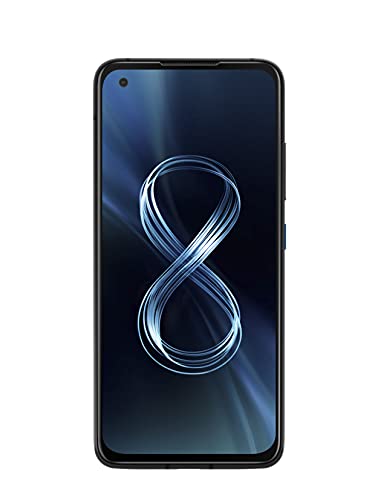
Asus Zenfone 8 (8GB + 128GB) review. Compare 197 technical specifications and user reviews to see how this product ranks in the Smartphones category and whether it is worth buying.
Overall score
What it is: An overall evaluation of the smartphone's quality, based on technical analyses and user reviews.
When it matters: When you need a quick reference to identify the best smartphones on the market.
Score components:
90.0%
Technical Score
10.0%
User score
Technical Score
What it is: An assessment of the smartphone's technical performance, covering eight key areas: performance & hardware, software, camera, connectivity, display, battery, audio, and design.
When it matters: When you want to compare smartphones based on technical performance and available features.
Score components:
25.0%
Performance & Hardware
18.0%
Camera
15.0%
Display
15.0%
Battery
10.0%
Software
10.0%
Connectivity
4.0%
Audio
3.0%
Design
User score
What it is: A rating that combines user reviews and the total number of reviews received by the smartphone
When it matters: When you want to know how a smartphone handles daily tasks and how reliable it remains over time according to user feedback.
Score components:
70.0%
User reviews
30.0%
Popularity
Available: ranking among products currently available (including other versions of this product).
All: ranking among all products in the database.
#19 in Best Asus Phones
#33 in Best Compact Smartphones
#38 in Best 6-Inch Smartphones
#221 in Best Mid-Range Smartphones
#384 in Best Smartphones Under £500
#532 in Best Android Smartphones
#536 in Best 5G Smartphones
#540 in Best NFC Smartphones
#568 in Best AI Smartphones
#569 in Best Smartphones
#791 in Best Battery Life Smartphones
#803 in Best Value Smartphones
What it is: An assessment of the smartphone's technical performance, covering eight key areas: performance & hardware, software, camera, connectivity, display, battery, audio, and design.
When it matters: When you want to compare smartphones based on technical performance and available features.
Score components:
25.0%
Performance & Hardware
18.0%
Camera
15.0%
Display
15.0%
Battery
10.0%
Software
10.0%
Connectivity
4.0%
Audio
3.0%
Design
What it is: A rating that combines user reviews and the total number of reviews received by the smartphone
When it matters: When you want to know how a smartphone handles daily tasks and how reliable it remains over time according to user feedback.
Score components:
70.0%
User reviews
30.0%
Popularity
What it is: An indicator that combines the smartphone's overall rating with its cost.
When it matters: When you are looking for a smartphone with a good balance between quality and price.
Score components:
60.0%
Overall score
40.0%
Price
Importance: LOW
Importance: HIGH
Importance: HIGH
Good value: >12 GB
Importance: MEDIUM
Good value: >256 GB
Importance: MEDIUM
Good value: >3.2 GHz
Importance: LOW
Importance: MEDIUM
Good value: >1500
Importance: LOW
Good value: >4000
Importance: LOW
Good value: 8+
Importance: LOW
Importance: LOW
Good value: >950 MHz
Importance: LOW
Good value: >700
Importance: LOW
Good value: >1000
Importance: LOW
Good value: >2500
Importance: MEDIUM
Good value: >6000
Importance: LOW
Good value: >8000
Importance: MEDIUM
Good value: >12000
Importance: LOW
Good value: >5000
Importance: LOW
Good value: >1800
Importance: LOW
Good value: >3200 MHz
Importance: LOW
Good value: 5
Importance: LOW
Good value: > 50 GB/s
Importance: LOW
Good value: 4
Importance: LOW
Good value: >16 GB
Importance: MEDIUM
Good value: <6 nm
Importance: MEDIUM
Good value: >9 W
Importance: LOW
Importance: LOW
Good value: >8192 KB
Importance: LOW
Good value: >2048 KB
Importance: LOW
Good value: >512 KB
Importance: LOW
Good value: >100000 million
Importance: LOW
Good value: 3.3
Importance: LOW
Good value: 3.2
Importance: LOW
Good value: 2.0/3.0
Importance: LOW
Importance: LOW
Importance: LOW
Importance: MEDIUM
Importance: LOW
Importance: LOW
Importance: LOW
Importance: LOW
Importance: LOW
Importance: LOW
Importance: LOW
Importance: LOW
Importance: LOW
Importance: LOW
Importance: LOW
Importance: LOW
Importance: LOW
Importance: LOW
Importance: LOW
Importance: LOW
Importance: LOW
Importance: LOW
Importance: LOW
Importance: LOW
Importance: LOW
Importance: LOW
Importance: LOW
Importance: LOW
Importance: LOW
Importance: LOW
Importance: LOW
Importance: LOW
Importance: LOW
Importance: LOW
Importance: LOW
Importance: LOW
Importance: LOW
Importance: MEDIUM
Good value: >50 MP
Importance: MEDIUM
Importance: HIGH
Good value: >60
Importance: LOW
Good value: ≥1.2 µm
Importance: MEDIUM
Good value: >2.5x
Importance: MEDIUM
Importance: LOW
Importance: LOW
Importance: LOW
Importance: LOW
Good value: ≥2
Importance: LOW
Importance: LOW
Importance: LOW
Importance: LOW
Good value: >16 MP
Importance: LOW
Importance: LOW
Importance: LOW
Importance: LOW
Importance: MEDIUM
Importance: LOW
Importance: LOW
Importance: LOW
Importance: LOW
Importance: LOW
Importance: LOW
Importance: LOW
Importance: LOW
Importance: LOW
Importance: LOW
Importance: LOW
Importance: LOW
Importance: LOW
Importance: LOW
Importance: LOW
Importance: LOW
Importance: LOW
Importance: LOW
Importance: LOW
Importance: LOW
Importance: LOW
Good value: >130
Importance: LOW
Good value: >120
Importance: LOW
Good value: ≥2
Importance: LOW
Importance: LOW
Importance: LOW
Importance: LOW
Importance: LOW
Importance: LOW
Good value: >5.2
Importance: LOW
Importance: LOW
Importance: LOW
Importance: LOW
Good value: 3.1/3.2
Importance: LOW
Importance: LOW
Importance: LOW
Good value: ≥2
Importance: LOW
Importance: LOW
Importance: LOW
Importance: LOW
Importance: LOW
Importance: LOW
Importance: LOW
Importance: LOW
Importance: LOW
Importance: LOW
Importance: LOW
Importance: LOW
Importance: LOW
Importance: LOW
Importance: LOW
Importance: LOW
Good value: ≥6.6 inches
Importance: MEDIUM
Importance: LOW
Good value: >400 ppi
Importance: MEDIUM
Importance: MEDIUM
Good value: ≥120 Hz
Importance: LOW
Importance: LOW
Good value: >300 Hz
Importance: LOW
Good value: >800 nits
Importance: LOW
Good value: >1300 nits
Importance: LOW
Good value: >1000 nits
Importance: LOW
Importance: LOW
Importance: LOW
Importance: LOW
Importance: LOW
Importance: LOW
Importance: LOW
Importance: LOW
Importance: HIGH
Good value: >5000 mAh
Importance: MEDIUM
Good value: >60 W
Importance: LOW
Importance: LOW
Good value: <45 min
Importance: LOW
Importance: LOW
Good value: >40 W
Importance: LOW
Importance: LOW
Good value: >10 W
Importance: LOW
Importance: LOW
Importance: MEDIUM
Importance: LOW
Good value: >800
Importance: LOW
Importance: LOW
Importance: LOW
Importance: LOW
Importance: LOW
Good value: ≥3
Importance: LOW
Importance: LOW
Importance: LOW
Importance: LOW
Importance: LOW
Importance: LOW
Importance: LOW
Good value: <162 mm
Importance: LOW
Good value: <75 mm
Importance: LOW
Good value: <8 mm
Importance: LOW
Good value: <190 g
Importance: LOW
Good value: <98cm³
Importance: LOW
Importance: LOW
Importance: LOW
Importance: LOW
Importance: LOW
Importance: LOW
Good value: ≥1.5 m
Importance: LOW
Importance: LOW
Good value: >8
Importance: LOW
Importance: LOW
Importance: MEDIUM
Importance: MEDIUM
Importance: LOW
Good value: 5
Importance: LOW
Importance: LOW
Importance: LOW
Good value: >400 ppi
Importance: LOW
Importance: MEDIUM
Good value: >50 MP
Importance: LOW
Good value: ≥6.6 inches
Importance: MEDIUM
Good value: >256 GB
Importance: HIGH
Good value: >5000 mAh
Importance: LOW
Importance: LOW
Good value: >800
Importance: LOW
Importance: MEDIUM
Importance: LOW
(Reviews last updated: August 2026)
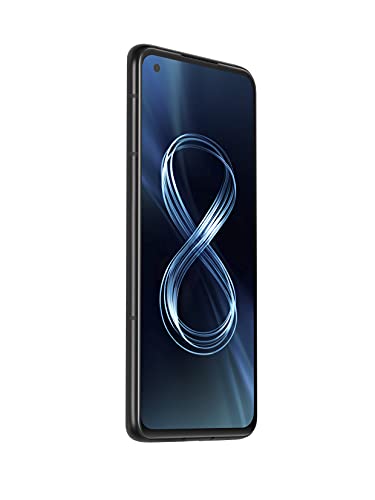
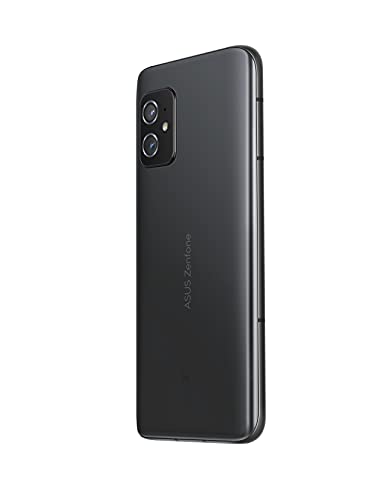
The ASUS Zenfone 8 is a compact 5.9-inch flagship offering top-tier performance with a Snapdragon 888 processor, 120Hz AMOLED display, and a sub-$700 price point. Praised for its manageable one-handed design, the device includes a 3.5mm headphone jack, though the "One-Handed Mode" software is considered buggy. Despite lacking a telephoto camera and wireless charging, the Zenfone 8 provides a solid 64MP main camera, making it a high-value, albeit compromise-filled, option.
The Asus Zenfone 8, as reviewed by The Verge, stands out as a rare, compact Android flagship featuring a 5.9-inch 120Hz display and a powerful Snapdragon 888 processor, making it a capable one-handed device. Key pros include a premium build with an IP68 rating, the inclusion of a 3.5mm headphone jack, and highly customizable battery management for its 4,000mAh cell. While the camera offers capable, natural-looking results, it is generally considered "good but not great". Conversely, the device faces trade-offs with "only okay" battery life and the absence of wireless charging, a telephoto lens, and microSD storage. US consumers face further limitations, specifically a lack of compatibility with Verizon's network and mmWave 5G. Finally, the review notes a shorter commitment to software updates compared to industry leaders.
The Asus Zenfone 8 is a powerful, compact Android flagship featuring a 5.9-inch, 120Hz AMOLED display and a Snapdragon 888 processor, offering a "no-compromise" performance experience in a smaller form factor. Key pros include its durable design with an IP68 rating, bright screen, and the inclusion of a 3.5mm headphone jack. The device delivers solid photo and 8K video capabilities from its 64MP primary and 12MP ultra-wide lenses, though it lacks a telephoto lens, resulting in poor zoom quality beyond 4x. Battery life is generally good, lasting roughly 10-11 hours, and the phone supports 30W fast charging. Major drawbacks highlighted in the review include the lack of wireless charging and limited 5G mmWave support in the U.S.. Furthermore, potential long-term software support from Asus is noted as a concern.
The Asus Zenfone 8 is a powerful 5.9-inch Android flagship that addresses the market gap for compact, one-handed devices. Key advantages include a 120Hz Super AMOLED display, a 3.5mm headphone jack, an IP68 rating, and high-end performance via the Snapdragon 888 chip. However, notable drawbacks consist of a lack of wireless charging, the absence of a telephoto camera lens, and an uncertain long-term software update policy.
The Asus ZenFone 8 is highlighted as a high-performance, compact Android flagship featuring a 5.9-inch 120Hz AMOLED display, a Snapdragon 888 processor, and a 3.5mm headphone jack, making it a rare, pocketable option. Pros include strong performance, an IP68 rating, and a 64MP camera that delivers high-quality photos, though it lacks a dedicated telephoto lens. Key cons include the lack of wireless charging, no microSD slot, and a limited two-year software update commitment, alongside poor compatibility with Verizon.
The Asus Zenfone 8 is a compact flagship featuring a 5.9-inch 120Hz AMOLED display and a high-performance Snapdragon 888 chipset, offering a rare combination of a 3.5mm headphone jack and IP68 water resistance. Pros include its manageable, pocket-friendly size, powerful performance, and clean software, though it lacks a telephoto lens, wireless charging, and expandable storage. While battery life is limited to around 5.5 hours with the 120Hz display, the device's competitive pricing makes it a top choice for those seeking a premium, small-format Android phone.
The Asus Zenfone 8 received an overall DXOMARK camera score of 120, placing it competitively within the premium segment. Pros include reliable still image quality, effective video stabilization, accurate video white balance, and fast autofocus in standard lighting. Cons are notable due to hardware limitations, primarily the absence of a telephoto lens, resulting in a low Zoom score. Exposure instabilities, slow autofocus in challenging light, and inaccurate outdoor colors were also observed. The phone scored 108 in video, excelling in detail and stabilization but showing limited dynamic range and noise in low light. Artifacts like the "judder effect" and color fringing were noted, indicating it trails the iPhone 12 in consistency.
Mashable's review describes the Asus Zenfone 8 as a compact phone offering flagship performance at a sub-$700 price, appealing to users preferring smaller Android devices despite some compromises compared to larger flagships. Its strengths include a 5.9-inch 120Hz AMOLED display, a Snapdragon 888 processor, a headphone jack, durable Gorilla Glass Victus, IP68 water resistance, and clean ZenUI software. Weaknesses include potentially poor battery life under heavy use, a "decent" camera system lacking a telephoto lens and struggling with low light, an ineffective one-handed mode, a bland design, and no microSD card slot or wireless charging.
According to TechRadar, the Asus Zenfone 8 is a compact flagship phone that offers high-end specifications at a competitive price but includes some notable compromises. Its strengths include a powerful processor, a 120Hz AMOLED display, a 3.5mm headphone jack, IP68 water resistance, and a near-stock Android experience. However, its weaknesses lie in its camera performance, particularly the lack of a telephoto lens and struggles in low light, as well as mediocre battery life, absence of wireless charging, and no expandable storage.
LaptopMedia reviews the ASUS Zenfone 8 as a compact Android flagship with a 5.9-inch 120Hz AMOLED display and premium build quality, including IP68 water resistance and a 3.5mm headphone jack. Key strengths are its Snapdragon 888 performance and impressive 64MP main camera, but it suffers from poor thermal management, easily overheating during heavy use, and has polarizing battery life that may deter some users. For more details, visit LaptopMedia.
According to a review by Twenty First Tech, the ASUS Zenfone 8 stands out as a compact smartphone with a high-quality build, IP68 water resistance, and a bright 5.9-inch 120Hz AMOLED display, although the display has a reflective ring around the punch-hole camera and can be slippery without a case. Powered by a Snapdragon 888 processor and up to 16GB of RAM, it delivers flagship-level performance but suffers from overheating and performance throttling during intensive use, and the ZenUI 8 interface, while clean, is limited to two years of OS updates. While the 64MP main camera captures excellent daytime photos, the fingerprint reader is inconsistent and battery life is only decent with significant standby drain.
HotHardware describes the Asus Zenfone 8 as a compact Android flagship offering high-end performance in a small design, praising its powerful internals and competitive price. Key pros include an IP68 rating, a 120Hz AMOLED display, a Snapdragon 888 processor, a 3.5mm headphone jack, stereo speakers, and a clean software experience. Cons include middling battery life at 120Hz, no wireless charging or microSD slot, a slow fingerprint sensor, and some camera limitations in low light.
CNET reviewed the Asus Zenfone 8, describing it as a compact Android phone with a 5.9-inch Samsung AMOLED display, a 120Hz refresh rate, and IP68 water and dust resistance. The phone is powered by a Qualcomm Snapdragon 888 chip and offers up to 16GB of RAM, performing well in benchmarks and including a 3.5mm headphone jack. Downsides include the lack of a telephoto lens, no wireless charging, and the removal of the microSD card slot, with the camera system deemed dependable but not top-tier for its price.
The ASUS Zenfone 8 offers a compact, flagship experience with a Snapdragon 888 processor, 120Hz AMOLED display, IP68 rating, 3.5mm headphone jack, and powerful stereo speakers. However, it lacks a telephoto lens and wireless charging, has a potentially unreliable fingerprint scanner, and its 4,000mAh battery can experience idle drain with features like Always-on Display. While ZenUI 8 provides a clean Android experience with useful features, long-term software support is limited, making the phone best suited for users prioritizing size and performance over camera versatility or advanced charging.
According to Tom's Guide, the Asus Zenfone 8 stands out as a compact, easy-to-handle Android phone with premium features like a 120Hz AMOLED display and IP68 water resistance, powered by a Snapdragon 888 processor for strong performance. However, compromises include the lack of a telephoto lens, inconsistent Portrait mode, no wireless charging or microSD slot, and average battery life when using the high refresh rate.
The NextPit review highlights the Asus Zenfone 8 as a rare compact Android flagship featuring a high-quality 120 Hz AMOLED display, a 3.5 mm headphone jack, and top-tier performance from its Snapdragon 888 processor. While praised for its comfortable one-handed design, the phone suffers from significant thermal throttling under heavy loads and below-average battery life due to its compact 4,000 mAh cell. The camera system is considered reliable but limited, lacking a telephoto lens and featuring a narrow-view ultra-wide sensor with noticeable distortion.
The SmartZone.de review identifies the Asus Zenfone 8 as a premier compact Android flagship, featuring a highly ergonomic 5.9-inch 120Hz AMOLED display, IP68 rating, and Gorilla Glass Victus. Key strengths include a high-performance Snapdragon 888 processor, inclusion of a 3.5mm headphone jack, and a notification LED, though the matte finish is noted as slippery. While the 4,000 mAh battery provides solid all-day longevity, a significant drawback for some users is the omission of wireless charging. Regarding the camera, the Zenfone 8 utilizes a 64MP main sensor with OIS and a 12MP ultra-wide lens, which offer natural, reliable imaging but lack a dedicated telephoto lens, placing them slightly behind the top-tier competition. Overall, the review positions the device as the best choice for users prioritizing one-handed usability and raw power over professional-grade photography.
The Asus Zenfone 8 review from RP Online identifies the device as a rare compact flagship, featuring a 5.9-inch 120Hz AMOLED display and the powerful Snapdragon 888 processor for one-handed operation. Key advantages include its excellent build quality with IP68 water resistance, a 3.5mm headphone jack, and a clean user experience with thoughtful one-handed modes. However, compromises to achieve this size include the lack of a telephoto lens, no wireless charging, no microSD support, and a 4,000 mAh battery that struggles under heavy use.
The Asus Zenfone 8 earns a 4 out of 5-star rating for its rare combination of a compact 5.9-inch 120Hz AMOLED display and high-end performance via the Snapdragon 888 chipset. Key pros include excellent one-handed usability, a clean ZenUI 8 interface, the inclusion of a 3.5mm headphone jack, and IP68 water resistance. However, the device is prone to heating during intense gaming sessions. The camera system is considered solid, featuring a 64MP main sensor with OIS and a 12MP ultra-wide lens, producing high-quality 4K/8K video and natural colors. While the performance is top-tier, the 4,000 mAh battery is described as merely average, often requiring daily charging, especially when utilizing the 120Hz refresh rate. Cons include a lack of wireless charging, no microSD card expansion, and the absence of a telephoto lens, limiting versatility. Furthermore, while the build quality is high, the design is noted as somewhat plain compared to other flagships.
The ASUS Zenfone 8 is a compact, 5.9-inch flagship device that combines high-end Snapdragon 888 performance with a 120Hz Samsung AMOLED display, offering an excellent one-handed experience with IP68 water resistance. Notable pros include its strong performance, bright screen, and the inclusion of a 3.5mm headphone jack, while cons feature potential heat generation, lack of wireless charging, and no microSD card support. The 64MP camera provides solid, natural-looking photos, though it lacks a dedicated telephoto zoom lens and battery life can be drained quickly by the high refresh rate.
The Asus Zenfone 8 review on Galaxus highlights the device as a rare, compact 5.9-inch flagship that successfully combines high-end performance with one-handed usability. Key features include a 120Hz Samsung Super AMOLED display, a 3.5mm headphone jack, and IP68 water resistance, although the design lacks the "wow factor" of more premium alternatives. Despite featuring the Snapdragon 888 processor and 16GB of RAM, the 4,000 mAh battery requires daily charging, and the device notably lacks wireless charging. While the camera provides above-average, natural photos and 8K video, the absence of a telephoto lens and concerns over long-term software updates are noted as drawbacks, with the clean, near-stock Android software, ZenUI, listed as a pro.
The Allround-PC review positions the Asus Zenfone 8 as a premier "compact flagship" that rivals the Pixel 5 and iPhone 12 mini with its 5.9-inch 120Hz Super AMOLED display, offering high brightness and a comfortable, hand-friendly design. It delivers top-tier performance via the Snapdragon 888 chipset and up to 16GB of RAM, while including desirable features like IP68 water resistance, stereo speakers, and a 3.5mm headphone jack. While lauded for its power, the device makes compromises; it lacks a telephoto camera lens, resulting in limited zoom capabilities, and lacks wireless charging. Additionally, the 4,000 mAh battery can struggle to last a full day under heavy usage, and the design is described as somewhat "bland" despite using premium Gorilla Glass Victus. Ultimately, the Zenfone 8 is praised as a powerful, near-stock Android device, making it an excellent choice for users demanding high performance in a small form factor.
The Asus Zenfone 8 is a 5.9-inch Android flagship that prioritizes a compact, one-handed design without compromising on high-end specifications. It features a 120Hz AMOLED display and the Snapdragon 888 processor, making it a powerful contender in a market of larger phones. Pros highlighted include the inclusion of a 3.5mm headphone jack, an IP68 water resistance rating, and loud stereo speakers. While the dual-camera system is capable, it lacks a dedicated telephoto lens. The primary drawback is the moderate 4,000mAh battery, which often struggles to last a full day under heavy, high-refresh-rate usage. Additionally, the device omits wireless charging, which is common among 2021 flagships. Running a clean version of ZenUI over Android 11, the phone offers a near-stock experience with useful customizations. Ultimately, it is considered a premier choice for users seeking a compact, high-performance Android device despite its thermal and battery limitations.
The ASUS Zenfone 8, analyzed by Omicrono, is positioned as a rare, high-performance "mini" Android flagship featuring a 5.9-inch 120Hz AMOLED display and a sturdy design with IP68 resistance. Pros highlighted include its compact, one-handed form factor, powerful Snapdragon 888 processor, excellent stereo speakers, and a 3.5mm headphone jack, though the design is noted as somewhat underwhelming. Key cons include the lack of a telephoto lens, absence of wireless charging, and potential overheating under heavy use. El Españ
The Asus Zenfone 8 is a compact 5.9-inch flagship designed to deliver high-end performance, featuring the Snapdragon 888 chipset and a 120Hz AMOLED display. It aims to provide a premium experience in a smaller form factor, catering to users who find modern, larger smartphones inconvenient. Key advantages include excellent build quality with Gorilla Glass Victus, an IP68 water-resistance rating, and the rare inclusion of a 3.5mm headphone jack. Additionally, the device offers a clean, near-stock Android experience, with solid photo quality from its 64MP main sensor. However, the 4,000mAh battery struggles to last a full day under heavy 120Hz usage, and the phone lacks wireless charging and a microSD card slot. Furthermore, the compact design is prone to overheating during demanding tasks, which can result in thermal throttling.
The Asus Zenfone 8 is recognized as a compact, high-performance "hand-friendly" flagship, featuring a 5.9-inch 120Hz AMOLED display and durable construction. It boasts a Snapdragon 888 processor, 16GB of RAM, and retains a 3.5mm headphone jack, though it lacks wireless charging and microSD storage. While it delivers 64MP flagship-quality photos, the device lacks a telephoto lens and does not support Verizon’s network.
The Asus Zenfone 8 distinguishes itself as a compact 5.9-inch flagship powered by the Snapdragon 888 processor and up to 16GB of RAM. Key advantages include its durable, one-handed design featuring Gorilla Glass Victus, an IP68 rating, a 120Hz Super AMOLED display, and a 3.5mm headphone jack. The device offers clean software and high-end performance, though it compromises on features like wireless charging, a telephoto lens, and expandable storage. While the cameras produce decent 64MP/12MP images, they fall short of top-tier competitors, and the 4,000 mAh battery can struggle under heavy 5G/120Hz usage. Overall, it is considered a strong, pocket-friendly option, as noted in the analysis by Undertec and other sources.
Andrea Galeazzi identifies the Asus Zenfone 8 as a top-tier compact smartphone, featuring a 5.9-inch 120Hz AMOLED display and high-end specs like the Snapdragon 888, while maintaining practical, often-removed features such as a 3.5mm jack and IP68 rating. Performance is exceptionally fluid thanks to clean software, though the device is prone to heating during intense use and offers moderate battery life that may not last all day for power users. The camera produces solid, though not top-tier, images, with pros including excellent daylight performance and cons being inconsistent white balance, no telephoto lens, and lacking wireless charging.
The ASUS Zenfone 8 is a compact, IP68-rated flagship featuring a 5.9-inch 120Hz AMOLED display and, for many, an improved one-handed design over its predecessors. Performance is driven by the Snapdragon 888, with highlights including a 3.5mm headphone jack, stereo speakers, and a capable 64MP main camera with OIS. Key advantages of this device include its pocket-friendly size, high-end, efficient performance, and user-focused features like the headphone jack. However, the camera system lacks a dedicated telephoto lens, limiting optical zoom capabilities. Drawbacks include a 4,000mAh battery that may struggle with all-day, 120Hz usage, alongside the lack of wireless charging and microSD expansion. Furthermore, the device offers a shorter software support cycle compared to competitors, and users might find the software features less comprehensive than rivals.
DDay.it praises the Asus Zenfone 8 as a rare, compact, high-end 5.9-inch smartphone that effectively rivals larger, oversized flagship devices. The review highlights its 120Hz AMOLED display, powerful Snapdragon 888 processor, 3.5mm headphone jack, and IP68 rating as key advantages, offering a complete, pocketable package. Conversely, limitations noted include a somewhat generic design, lack of a telephoto lens, no wireless charging, and concerns regarding long-term software support.
The ASUS Zenfone 8 (16/256GB) delivers flagship performance in a compact 5.9-inch design, featuring a 120Hz AMOLED display, Snapdragon 888 processor, 16GB RAM, a 3.5mm jack, and IP68 water resistance. The camera system utilizes a capable 64MP main sensor with OIS, though it lacks a telephoto lens and sometimes produces washed-out selfies, as noted in the review. Despite limited battery life under heavy use and no wireless charging, the device is considered a top compact choice.
The Asus Zenfone 8, as reviewed by TuttoAndroid.net, is a high-performance compact flagship featuring a 5.9-inch 120Hz AMOLED display and a Snapdragon 888 chipset. Key advantages include its IP68-rated design, 3.5mm headphone jack, and near-stock ZenUI 8 software, making it a powerful, ergonomic option. However, the compact form factor leads to compromises like a limited 4,000 mAh battery, lack of wireless charging, and no telephoto lens, according to the review.
The Asus Zenfone 8 offers a powerful, compact, one-handed experience featuring a 5.9-inch 120Hz AMOLED display and a robust Snapdragon 888 processor. Key advantages include its IP68 rating, a 3.5mm headphone jack, and flagship-level performance in a small form factor. However, the device faces limitations, specifically a lack of wireless charging, no dedicated telephoto lens, and tendency to run hot during intensive tasks. Battery life is adequate but average, and there are concerns regarding the long-term software support from Asus.
The Asus Zenfone 8 distinguishes itself as a premium, compact Android flagship, offering high-end performance with a Snapdragon 888 processor and a 120Hz AMOLED display within a 5.9-inch body suitable for one-handed use. Despite its small form factor, it boasts significant features like an IP68 rating and a 3.5mm headphone jack, though it omits wireless charging and a dedicated telephoto lens. While praised for its, camera, and speed, the device can suffer from battery drain under heavy use and potential thermal issues during intense tasks.
The Asus Zenfone 8, reviewed by Sky TG24, stands out as a "pocket flagship" featuring an ultra-compact 5.9-inch design, making it ideal for one-handed use. Despite its small form factor, it boasts a 120Hz AMOLED display and high-end performance, powered by the Snapdragon 888 processor. Key advantages include a 3.5mm headphone jack, IP68 water resistance, and a near-stock Android user interface. However, the compact design brings compromises, such as the absence of a telephoto lens, limited to a 64MP main and ultrawide camera, along with no wireless charging or microSD card slot. The 4,000 mAh battery offers decent, but not extraordinary, longevity, potentially struggling with heavy usage, and it lacks the versatility of larger, multi-lens camera systems. Ultimately, the Zenfone 8 excels at delivering top-tier performance in a small, ergonomic package. It is positioned as a direct competitor to larger phones, prioritizing usability and raw power over advanced, specialized camera hardware or excessive storage expansion options.
The Wired Italy review highlights the Asus Zenfone 8 as a rare "pocket-sized" powerhouse, featuring a 5.9-inch 120Hz AMOLED display that allows for effortless one-handed use. It delivers high-end performance with a Snapdragon 888 processor, IP68 water resistance, and a 3.5mm headphone jack, positioning it as a top-tier compact alternative to larger flagships. The device excels with a clean, near-stock Android experience, enhanced by useful software tools for battery management and specialized one-handed operation. Camera performance from the 64MP main and 12MP ultra-wide sensors is noted for producing detailed, natural images, making it a strong contender for photography in a small form factor. Cons include the absence of wireless charging and a dedicated telephoto lens, along with a lack of expandable storage. While the 4,000mAh battery provides decent longevity, the device can run warm under heavy, sustained loads, such as high-refresh-rate gaming.
The HWUpgrade review highlights the 2021 ASUS Zenfone 8 series as a strategic departure, offering two distinct flagship-tier, Snapdragon 888-powered devices. The ASUS Zenfone 8 (5.9-inch) is praised as a compact powerhouse with a 120Hz display, IP68 rating, and a 3.5mm jack, though it suffers from lacking wireless charging and overheating under load. Conversely, the ASUS Zenfone 8 Flip (6.67-inch) features a unique rotating camera for an uninterrupted display and a 5,000 mAh battery, but sacrifices OIS, water resistance, and display smoothness (90Hz).
The Asus Zenfone 8 is identified as a rare, compact flagship featuring a 5.9-inch 120Hz AMOLED display, a Snapdragon 888 chip, a 3.5mm headphone jack, and IP68 water resistance. Key drawbacks include the omission of wireless charging, lack of a telephoto lens, inconsistent low-light camera performance, and mediocre single-day battery life. Ultimately, it is considered a solid option for small-phone enthusiasts, though it lacks the standout features to compete with top-tier, larger devices.
The ASUS Zenfone 8 is a compact, high-end Android flagship featuring a 5.9-inch 120Hz Samsung AMOLED display and a durable design with Gorilla Glass Victus and IP68 water resistance. It delivers top-tier performance with a Snapdragon 888 chipset and includes premium features like stereo speakers and a 3.5mm headphone jack. While powerful, the device can run hot, and the 4,000mAh battery struggles with longevity, alongside a lack of wireless charging, no telephoto lens, and no expandable storage.
The Asus Zenfone 8, as reviewed on TechRadar, marks a shift toward a "mini" flagship design, featuring a 5.9-inch 120Hz AMOLED display, IP68 water resistance, and a durable glass build. It provides top-tier performance with a Snapdragon 888 chipset, clean ZenUI 8 software, a 3.5mm headphone jack, and competitive pricing, making it ideal for one-handed use. However, the compact form factor sacrifices a telephoto lens, wireless charging, and microSD storage, while the battery life can suffer under heavy 120Hz usage.

Compare