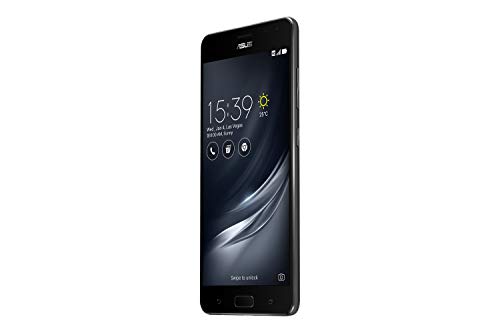
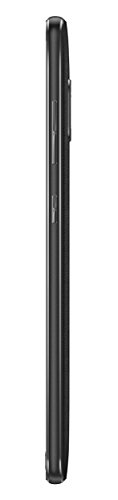
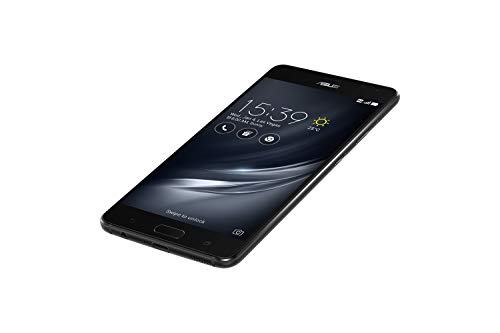
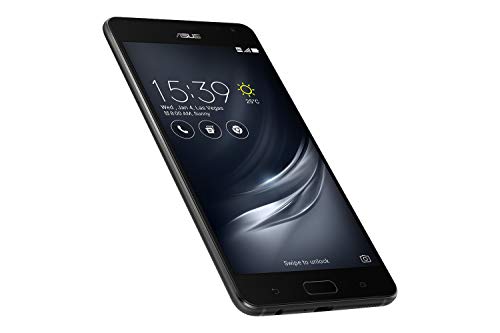
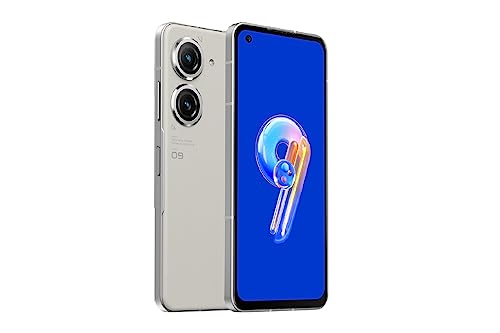
Asus Zenfone AR (8GB + 128GB) review. Compare 197 technical specifications and user reviews to see how it ranks among smartphones and if it's worth buying.
Overall score
What it is: An overall evaluation of the smartphone's quality, based on technical analyses and user reviews.
When it matters: When you need a quick reference to identify the best smartphones on the market.
Score components:
90.0%
Technical Score
10.0%
User score
Technical Score
What it is: An assessment of the smartphone's technical performance, covering eight key areas: performance & hardware, software, camera, connectivity, display, battery, audio, and design.
When it matters: When you want to compare smartphones based on technical performance and available features.
Score components:
25.0%
Performance & Hardware
18.0%
Camera
15.0%
Display
15.0%
Battery
10.0%
Software
10.0%
Connectivity
4.0%
Audio
3.0%
Design
User score
What it is: A rating that combines user reviews and the total number of reviews received by the smartphone
When it matters: When you want to know how a smartphone handles daily tasks and how reliable it remains over time according to user feedback.
Score components:
70.0%
User reviews
30.0%
Popularity

(Reviews last updated: Mar 2026)
Available: ranking among products currently available (including other versions of this product).
All: ranking among all products in the database.
#21 in Best Asus Phones
#71 in Best Compact Smartphones
#926 in Best NFC Smartphones
#993 in Best Android Smartphones
#1040 in Best AI Smartphones
#1043 in Best Smartphones
#1221 in Best Value Smartphones
What it is: An assessment of the smartphone's technical performance, covering eight key areas: performance & hardware, software, camera, connectivity, display, battery, audio, and design.
When it matters: When you want to compare smartphones based on technical performance and available features.
Score components:
25.0%
Performance & Hardware
18.0%
Camera
15.0%
Display
15.0%
Battery
10.0%
Software
10.0%
Connectivity
4.0%
Audio
3.0%
Design
What it is: A rating that combines user reviews and the total number of reviews received by the smartphone
When it matters: When you want to know how a smartphone handles daily tasks and how reliable it remains over time according to user feedback.
Score components:
70.0%
User reviews
30.0%
Popularity
(Reviews last updated: Mar 2026)
What it is: An indicator that combines the smartphone's overall rating with its cost.
When it matters: When you are looking for a smartphone with a good balance between quality and price.
Score components:
60.0%
Overall score
40.0%
Price
Importance: MEDIUM
Importance: HIGH
Importance: HIGH
Good value: >12 GB
Importance: HIGH
Good value: >256 GB
Importance: MEDIUM
Good value: >3.2 GHz
Importance: MEDIUM
Importance: HIGH
Good value: >1500
Importance: MEDIUM
Good value: >4000
Importance: MEDIUM
Good value: 8+
Importance: MEDIUM
Importance: MEDIUM
Good value: >950 MHz
Importance: MEDIUM
Good value: >700
Importance: MEDIUM
Good value: >1000
Importance: MEDIUM
Good value: >2500
Importance: MEDIUM
Good value: >6000
Importance: MEDIUM
Good value: >8000
Importance: HIGH
Good value: >12000
Importance: MEDIUM
Good value: >5000
Importance: MEDIUM
Good value: >1800
Importance: MEDIUM
Good value: >3200 MHz
Importance: MEDIUM
Good value: 5
Importance: MEDIUM
Good value: > 50 GB/s
Importance: LOW
Good value: 4
Importance: MEDIUM
Good value: >16 GB
Importance: HIGH
Good value: <6 nm
Importance: MEDIUM
Good value: >9 W
Importance: MEDIUM
Importance: LOW
Good value: >8192 KB
Importance: LOW
Good value: >2048 KB
Importance: LOW
Good value: >512 KB
Importance: MEDIUM
Good value: >100000 million
Importance: LOW
Good value: 3.3
Importance: LOW
Good value: 3.2
Importance: LOW
Good value: 2.0/3.0
Importance: LOW
Importance: MEDIUM
Importance: LOW
Importance: HIGH
Importance: LOW
Importance: HIGH
Importance: LOW
Importance: LOW
Importance: LOW
Importance: LOW
Importance: LOW
Importance: MEDIUM
Importance: LOW
Importance: LOW
Importance: LOW
Importance: LOW
Importance: LOW
Importance: MEDIUM
Importance: MEDIUM
Importance: MEDIUM
Importance: MEDIUM
Importance: MEDIUM
Importance: LOW
Importance: LOW
Importance: MEDIUM
Importance: MEDIUM
Importance: MEDIUM
Importance: MEDIUM
Importance: LOW
Importance: LOW
Importance: LOW
Importance: LOW
Importance: LOW
Importance: LOW
Importance: LOW
Importance: LOW
Importance: MEDIUM
Importance: HIGH
Good value: >50 MP
Importance: HIGH
Importance: HIGH
Good value: >60
Importance: MEDIUM
Good value: ≥1.2 µm
Importance: HIGH
Good value: >2.5x
Importance: HIGH
Importance: LOW
Importance: LOW
Importance: LOW
Importance: LOW
Good value: ≥2
Importance: LOW
Importance: LOW
Importance: HIGH
Importance: HIGH
Good value: >16 MP
Importance: MEDIUM
Importance: LOW
Importance: LOW
Importance: LOW
Importance: MEDIUM
Importance: MEDIUM
Importance: LOW
Importance: LOW
Importance: LOW
Importance: MEDIUM
Importance: LOW
Importance: MEDIUM
Importance: MEDIUM
Importance: MEDIUM
Importance: LOW
Importance: LOW
Importance: LOW
Importance: LOW
Importance: MEDIUM
Importance: LOW
Importance: LOW
Importance: LOW
Importance: LOW
Importance: LOW
Importance: LOW
Importance: MEDIUM
Good value: >130
Importance: MEDIUM
Good value: >120
Importance: MEDIUM
Good value: ≥2
Importance: LOW
Importance: MEDIUM
Importance: HIGH
Importance: HIGH
Importance: MEDIUM
Importance: LOW
Good value: >5.2
Importance: MEDIUM
Importance: LOW
Importance: MEDIUM
Importance: LOW
Good value: 3.1/3.2
Importance: LOW
Importance: LOW
Importance: LOW
Good value: ≥2
Importance: LOW
Importance: MEDIUM
Importance: LOW
Importance: HIGH
Importance: LOW
Importance: LOW
Importance: LOW
Importance: LOW
Importance: LOW
Importance: LOW
Importance: LOW
Importance: LOW
Importance: LOW
Importance: LOW
Importance: LOW
Importance: MEDIUM
Good value: ≥6.6 inches
Importance: HIGH
Importance: HIGH
Good value: >400 ppi
Importance: HIGH
Importance: HIGH
Good value: ≥120 Hz
Importance: HIGH
Importance: MEDIUM
Good value: >300 Hz
Importance: MEDIUM
Good value: >800 nits
Importance: MEDIUM
Good value: >1300 nits
Importance: MEDIUM
Good value: >1000 nits
Importance: MEDIUM
Importance: MEDIUM
Importance: LOW
Importance: LOW
Importance: MEDIUM
Importance: LOW
Importance: LOW
Importance: HIGH
Importance: HIGH
Good value: >5000 mAh
Importance: HIGH
Good value: >60 W
Importance: MEDIUM
Importance: MEDIUM
Good value: <45 min
Importance: MEDIUM
Importance: LOW
Good value: >40 W
Importance: LOW
Importance: LOW
Good value: >10 W
Importance: LOW
Importance: HIGH
Importance: MEDIUM
Importance: MEDIUM
Good value: >800
Importance: LOW
Importance: LOW
Importance: MEDIUM
Importance: LOW
Importance: MEDIUM
Good value: ≥3
Importance: LOW
Importance: LOW
Importance: MEDIUM
Importance: LOW
Importance: MEDIUM
Importance: LOW
Importance: LOW
Good value: <162 mm
Importance: LOW
Good value: <75 mm
Importance: LOW
Good value: <8 mm
Importance: MEDIUM
Good value: <190 g
Importance: LOW
Good value: <98cm³
Importance: LOW
Importance: LOW
Importance: LOW
Importance: LOW
Importance: MEDIUM
Importance: LOW
Good value: ≥1.5 m
Importance: LOW
Importance: MEDIUM
Good value: >8
Importance: LOW
Importance: LOW
Importance: HIGH
Importance: HIGH
Good value: >400 ppi
Importance: MEDIUM
Importance: MEDIUM
Importance: MEDIUM
Good value: <190 g
Importance: LOW
Good value: <8 mm
Importance: LOW
Importance: LOW
Importance: MEDIUM
Importance: MEDIUM
Importance: MEDIUM
Good value: >16 GB
Importance: HIGH
Good value: >5000 mAh
Importance: HIGH
Good value: <6 nm
Importance: MEDIUM
Good value: ≥6.6 inches
Importance: HIGH
Good value: >256 GB
Importance: MEDIUM
Good value: >800
(Reviews last updated: Mar 2026)
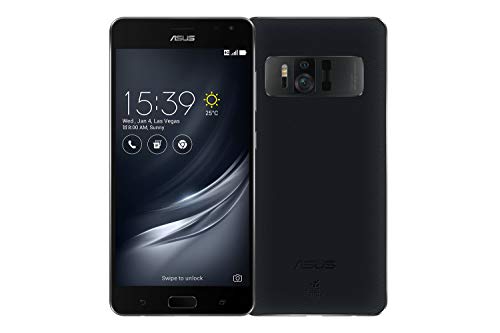
The Asus Zenfone AR is a high-end 5.7-inch Android phone distinguished as the first device to launch with integrated support for both Google Tango (AR) and Daydream (VR) platforms. It features a high-resolution 1440 x 2560 OLED display and a unique triple rear camera array designed specifically for depth sensing and motion tracking. While it offers a "leather-effect" synthetic back...Read more
The Asus ZenFone AR, reviewed by Ars Technica, is notable as the first smartphone to support both Google Tango augmented reality and Daydream VR. It boasts a significant design improvement over the Lenovo Phab 2 Pro, featuring a 5.7-inch 1440p Super AMOLED display and a functional faux-leather back. Key pros include 8GB of RAM to prevent memory issues and a more compact "Tri-Cam"...Read more
The ASUS ZenFone AR is a groundbreaking device, distinguished as the world's first smartphone to support both Google Tango (AR) and Google Daydream (VR). To handle these demanding platforms, it features a custom Snapdragon 821 processor and a high-end TriCam system consisting of a 23MP main sensor, motion tracking, and depth-sensing cameras. The hardware feels premium with its metal...Read more
The ASUS ZenFone AR functions as a high-end showcase for Google’s Tango and Daydream platforms, featuring a 5.7-inch Quad HD AMOLED display noted for excellent color balance and a sleeker, more pocketable design than its predecessor. While praised for its, the device is criticized for large bezels and a lack of water resistance. Powered by a Snapdragon 821 and 8GB of RAM, it handles...Read more
The Digital Citizen review describes the ASUS ZenFone AR as a unique, high-end device supporting both Google Tango and Daydream, tailored for AR and VR enthusiasts. Key strengths include a 5.7-inch Super AMOLED display, premium build with a faux leather back, and strong performance from a Snapdragon 821 processor and 8GB of RAM. Drawbacks, however, include poor battery life,...Read more
The ASUS ZenFone AR is a pioneering, high-end device featuring a 5.7-inch Quad HD Super AMOLED display, 8GB of RAM, and a Snapdragon 821 processor, making it a powerful, more manageable alternative to earlier AR phones. Its, pros include a premium design, excellent screen quality, and solid multitasking performance, though the experience is hindered by a heavy UI skin. Despite its,...Read more
The Asus ZenFone AR is a premium, slim-designed handset notable for being the first to support both Google Tango augmented reality and Daydream virtual reality. It features a 5.7-inch Super AMOLED QHD display, a 23MP "TriCam" camera system, and a leather-like back, delivering vibrant visuals and capable, though not class-leading, low-light photography. Powered by a Snapdragon 821...Read more
The Asus Zenfone AR is a high-end 5.7-inch Android phone distinguished as the first device to launch with integrated support for both Google Tango (AR) and Daydream (VR) platforms. It features a high-resolution 1440 x 2560 OLED display and a unique triple rear camera array designed specifically for depth sensing and motion tracking. While it offers a "leather-effect" synthetic back...Read more
The Asus ZenFone AR, reviewed by Ars Technica, is notable as the first smartphone to support both Google Tango augmented reality and Daydream VR. It boasts a significant design improvement over the Lenovo Phab 2 Pro, featuring a 5.7-inch 1440p Super AMOLED display and a functional faux-leather back. Key pros include 8GB of RAM to prevent memory issues and a more compact "Tri-Cam"...Read more
The Asus ZenFone AR is recognized as a pioneering device, notable as the first smartphone to support both Google Tango (AR) and Daydream (VR) platforms simultaneously. It features a 5.7-inch Quad HD Super AMOLED display, up to 8GB of RAM, and a Qualcomm Snapdragon 821 processor to handle intensive AR/VR applications. The phone's standout TriCam system includes a 23-megapixel main...Read more
The MIXED.de review positions the ASUS ZenFone AR as a pioneering, pocket-sized alternative to AR headsets like HoloLens, leveraging Google's Tango technology for precise, real-time spatial mapping. As the first phone to support both Tango AR and Daydream VR, it boasts a sharp 5.7-inch WQHD display and impressive 3D tracking capabilities, with pros including high-end specs like 8GB...Read more
The Asus Zenfone AR is recognized as a pioneering device, being the first to combine Google Tango AR and Daydream VR, backed by a 5.7-inch Super AMOLED WQHD display and a unique faux-leather design. It features a Snapdragon 821 processor and 8 GB of RAM to handle intensive applications, along with a specialized TriCam system that provides solid detail in good lighting. However, the...Read more
The Asus ZenFone AR is recognized as a pioneering device, notable as the first smartphone to support both Google Tango (AR) and Daydream (VR) platforms simultaneously. It features a 5.7-inch Quad HD Super AMOLED display, up to 8GB of RAM, and a Qualcomm Snapdragon 821 processor to handle intensive AR/VR applications. The phone's standout TriCam system includes a 23-megapixel main...Read more
The MIXED.de review positions the ASUS ZenFone AR as a pioneering, pocket-sized alternative to AR headsets like HoloLens, leveraging Google's Tango technology for precise, real-time spatial mapping. As the first phone to support both Tango AR and Daydream VR, it boasts a sharp 5.7-inch WQHD display and impressive 3D tracking capabilities, with pros including high-end specs like 8GB...Read more
The Asus ZenFone AR, reviewed by Les Numériques, is a specialized smartphone pioneering Tango (AR) and Daydream (VR) support with a vibrant 5.7-inch WQHD AMOLED display, though it suffers from thick bezels and a lack of water resistance. Powered by a Snapdragon 821 and 8GB of RAM, it handles AR tasks smoothly, yet experiences significant heat, processor throttling, and poor battery...Read more
The 01net review positions the Asus Zenfone AR as a technically advanced but ultimately disappointing device, as its core Tango augmented reality and Daydream VR features suffer from a critical lack of quality applications. While functioning as a high-end, capable smartphone, the AR experience fails to justify its premium price tag due to immature technology. Pros include a vibrant...Read more
The ASUS ZenFone AR, unveiled at CES 2017, is highlighted as the first smartphone to combine Google Tango AR and Daydream VR capabilities, boasting a much sleeker design and better usability compared to its predecessor. Packed with a Snapdragon 821, up to 8GB of RAM, and a 23MP "TriCam" system, the device excels in performance and spatial tracking, making AR applications highly...Read more
The Asus ZenFone AR is recognized as the first smartphone to support both Google Tango and Daydream, featuring a 5.7-inch Quad HD AMOLED display and a unique TriCam system. Performance is driven by a Snapdragon 821 processor and 8GB of RAM, enabling smooth multitasking, complemented by strong audio quality. However, drawbacks include a high price point, lack of water resistance, and...Read more
The ASUS ZenFone AR ZS571KL is a specialized smartphone designed to support Google Tango AR and Daydream VR, featuring a unique TriCam system and a premium, sturdy design. Powered by a Snapdragon 821 processor with 8GB of RAM, it offers strong performance and a vibrant 5.7-inch Super AMOLED display for immersive experiences. Key pros include the high-end display and excellent...Read more
The Asus ZenFone AR, reviewed by Les Numériques, is a specialized smartphone pioneering Tango (AR) and Daydream (VR) support with a vibrant 5.7-inch WQHD AMOLED display, though it suffers from thick bezels and a lack of water resistance. Powered by a Snapdragon 821 and 8GB of RAM, it handles AR tasks smoothly, yet experiences significant heat, processor throttling, and poor battery...Read more
The 01net review positions the Asus Zenfone AR as a technically advanced but ultimately disappointing device, as its core Tango augmented reality and Daydream VR features suffer from a critical lack of quality applications. While functioning as a high-end, capable smartphone, the AR experience fails to justify its premium price tag due to immature technology. Pros include a vibrant...Read more
The Asus ZenFone AR is positioned as a pioneering, premium smartphone designed to support both Google Tango augmented reality (AR) and Daydream virtual reality (VR) technologies. It features a 5.7-inch Super AMOLED QHD display, a 23MP rear camera, and an elegant design with a burnished leather back. The device is lauded for its specialized Tri-Cam system enabling unique depth...Read more
The ASUS ZenFone AR stands out as the first smartphone to integrate both Google Tango and Daydream, featuring a high-quality 5.7-inch Super AMOLED display and a unique design with a faux leather back. Its performance is driven by a Snapdragon 821 processor and 8GB of RAM, providing a solid experience for 3D rendering and multitasking, complemented by strong audio quality. While...Read more
The Asus ZenFone AR is positioned as a pioneering, premium smartphone designed to support both Google Tango augmented reality (AR) and Daydream virtual reality (VR) technologies. It features a 5.7-inch Super AMOLED QHD display, a 23MP rear camera, and an elegant design with a burnished leather back. The device is lauded for its specialized Tri-Cam system enabling unique depth...Read more
The ASUS ZenFone AR stands out as the first smartphone to integrate both Google Tango and Daydream, featuring a high-quality 5.7-inch Super AMOLED display and a unique design with a faux leather back. Its performance is driven by a Snapdragon 821 processor and 8GB of RAM, providing a solid experience for 3D rendering and multitasking, complemented by strong audio quality. While...Read more
Andrea Galeazzi's review positions the Asus Zenfone AR as a premium, niche pioneer for Project Tango and Daydream VR, boasting a 5.7-inch Super AMOLED QHD display, a solid metal frame, and a grippy faux leather back. Powered by a Snapdragon 821 and 6GB of RAM, the device delivers reliable performance, complemented by a rich retail package. However, the 23MP camera falls short of...Read more
Compare