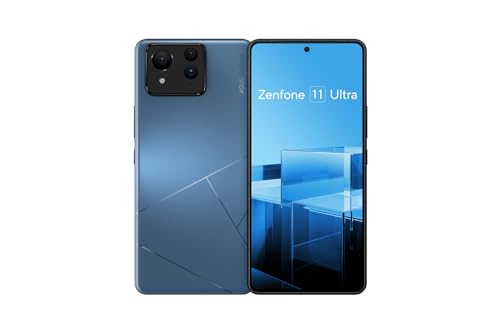
Asus Zenfone 11 Ultra (16GB + 512GB) review. Compare 197 technical specifications and user reviews to see how this product ranks in the Smartphones category and whether it is worth buying.
Overall score
What it is: An overall evaluation of the smartphone's quality, based on technical analyses and user reviews.
When it matters: When you need a quick reference to identify the best smartphones on the market.
Score components:
90.0%
Technical Score
10.0%
User score
Technical Score
What it is: An assessment of the smartphone's technical performance, covering eight key areas: performance & hardware, software, camera, connectivity, display, battery, audio, and design.
When it matters: When you want to compare smartphones based on technical performance and available features.
Score components:
25.0%
Performance & Hardware
18.0%
Camera
15.0%
Display
15.0%
Battery
10.0%
Software
10.0%
Connectivity
4.0%
Audio
3.0%
Design
User score
What it is: A rating that combines user reviews and the total number of reviews received by the smartphone
When it matters: When you want to know how a smartphone handles daily tasks and how reliable it remains over time according to user feedback.
Score components:
70.0%
User reviews
30.0%
Popularity

Available: ranking among products currently available (including other versions of this product).
All: ranking among all products in the database.
#5 in Best Asus Phones
#53 in Best Smartphones for Seniors
#81 in Best Android Smartphones
#87 in Best NFC Smartphones
#88 in Best Smartphones
#88 in Best 5G Smartphones
#88 in Best AI Smartphones
#121 in Best Camera Smartphones
#316 in Best Battery Life Smartphones
#364 in Best Value Smartphones
What it is: An assessment of the smartphone's technical performance, covering eight key areas: performance & hardware, software, camera, connectivity, display, battery, audio, and design.
When it matters: When you want to compare smartphones based on technical performance and available features.
Score components:
25.0%
Performance & Hardware
18.0%
Camera
15.0%
Display
15.0%
Battery
10.0%
Software
10.0%
Connectivity
4.0%
Audio
3.0%
Design
What it is: A rating that combines user reviews and the total number of reviews received by the smartphone
When it matters: When you want to know how a smartphone handles daily tasks and how reliable it remains over time according to user feedback.
Score components:
70.0%
User reviews
30.0%
Popularity
What it is: An indicator that combines the smartphone's overall rating with its cost.
When it matters: When you are looking for a smartphone with a good balance between quality and price.
Score components:
60.0%
Overall score
40.0%
Price
Importance: LOW
Importance: HIGH
Importance: HIGH
Good value: >12 GB
Importance: MEDIUM
Good value: >256 GB
Importance: MEDIUM
Good value: >3.2 GHz
Importance: LOW
Importance: MEDIUM
Good value: >1500
Importance: LOW
Good value: >4000
Importance: LOW
Good value: 8+
Importance: LOW
Importance: LOW
Good value: >950 MHz
Importance: LOW
Good value: >700
Importance: LOW
Good value: >1000
Importance: LOW
Good value: >2500
Importance: MEDIUM
Good value: >6000
Importance: LOW
Good value: >8000
Importance: MEDIUM
Good value: >12000
Importance: LOW
Good value: >5000
Importance: LOW
Good value: >1800
Importance: LOW
Good value: >3200 MHz
Importance: LOW
Good value: 5
Importance: LOW
Good value: > 50 GB/s
Importance: LOW
Good value: 4
Importance: LOW
Good value: >16 GB
Importance: MEDIUM
Good value: <6 nm
Importance: MEDIUM
Good value: >9 W
Importance: LOW
Importance: LOW
Good value: >8192 KB
Importance: LOW
Good value: >2048 KB
Importance: LOW
Good value: >512 KB
Importance: LOW
Good value: >100000 million
Importance: LOW
Good value: 3.3
Importance: LOW
Good value: 3.2
Importance: LOW
Good value: 2.0/3.0
Importance: LOW
Importance: LOW
Importance: LOW
Importance: MEDIUM
Importance: LOW
Importance: LOW
Importance: LOW
Importance: LOW
Importance: LOW
Importance: LOW
Importance: LOW
Importance: LOW
Importance: LOW
Importance: LOW
Importance: LOW
Importance: LOW
Importance: LOW
Importance: LOW
Importance: LOW
Importance: LOW
Importance: LOW
Importance: LOW
Importance: LOW
Importance: LOW
Importance: LOW
Importance: LOW
Importance: LOW
Importance: LOW
Importance: LOW
Importance: LOW
Importance: LOW
Importance: LOW
Importance: LOW
Importance: LOW
Importance: LOW
Importance: LOW
Importance: LOW
Importance: MEDIUM
Good value: >50 MP
Importance: MEDIUM
Importance: HIGH
Good value: >60
Importance: LOW
Good value: ≥1.2 µm
Importance: MEDIUM
Good value: >2.5x
Importance: MEDIUM
Importance: LOW
Importance: LOW
Importance: LOW
Importance: LOW
Good value: ≥2
Importance: LOW
Importance: LOW
Importance: LOW
Importance: LOW
Good value: >16 MP
Importance: LOW
Importance: LOW
Importance: LOW
Importance: LOW
Importance: MEDIUM
Importance: LOW
Importance: LOW
Importance: LOW
Importance: LOW
Importance: LOW
Importance: LOW
Importance: LOW
Importance: LOW
Importance: LOW
Importance: LOW
Importance: LOW
Importance: LOW
Importance: LOW
Importance: LOW
Importance: LOW
Importance: LOW
Importance: LOW
Importance: LOW
Importance: LOW
Importance: LOW
Importance: LOW
Good value: >130
Importance: LOW
Good value: >120
Importance: LOW
Good value: ≥2
Importance: LOW
Importance: LOW
Importance: LOW
Importance: LOW
Importance: LOW
Importance: LOW
Good value: >5.2
Importance: LOW
Importance: LOW
Importance: LOW
Importance: LOW
Good value: 3.1/3.2
Importance: LOW
Importance: LOW
Importance: LOW
Good value: ≥2
Importance: LOW
Importance: LOW
Importance: LOW
Importance: LOW
Importance: LOW
Importance: LOW
Importance: LOW
Importance: LOW
Importance: LOW
Importance: LOW
Importance: LOW
Importance: LOW
Importance: LOW
Importance: LOW
Importance: LOW
Importance: LOW
Good value: ≥6.6 inches
Importance: MEDIUM
Importance: LOW
Good value: >400 ppi
Importance: MEDIUM
Importance: MEDIUM
Good value: ≥120 Hz
Importance: LOW
Importance: LOW
Good value: >300 Hz
Importance: LOW
Good value: >800 nits
Importance: LOW
Good value: >1300 nits
Importance: LOW
Good value: >1000 nits
Importance: LOW
Importance: LOW
Importance: LOW
Importance: LOW
Importance: LOW
Importance: LOW
Importance: LOW
Importance: LOW
Importance: HIGH
Good value: >5000 mAh
Importance: MEDIUM
Good value: >60 W
Importance: LOW
Importance: LOW
Good value: <45 min
Importance: LOW
Importance: LOW
Good value: >40 W
Importance: LOW
Importance: LOW
Good value: >10 W
Importance: LOW
Importance: LOW
Importance: MEDIUM
Importance: LOW
Good value: >800
Importance: LOW
Importance: LOW
Importance: LOW
Importance: LOW
Importance: LOW
Good value: ≥3
Importance: LOW
Importance: LOW
Importance: LOW
Importance: LOW
Importance: LOW
Importance: LOW
Importance: LOW
Good value: <162 mm
Importance: LOW
Good value: <75 mm
Importance: LOW
Good value: <8 mm
Importance: LOW
Good value: <190 g
Importance: LOW
Good value: <98cm³
Importance: LOW
Importance: LOW
Importance: LOW
Importance: LOW
Importance: LOW
Importance: LOW
Good value: ≥1.5 m
Importance: LOW
Importance: LOW
Good value: >8
Importance: LOW
Importance: LOW
Importance: HIGH
Good value: >12 GB
Importance: MEDIUM
Good value: >2.5x
Importance: MEDIUM
Importance: MEDIUM
Good value: >9 W
Importance: LOW
Importance: MEDIUM
Good value: >256 GB
Importance: MEDIUM
Good value: >3.2 GHz
Importance: MEDIUM
Good value: >1500
Importance: MEDIUM
Importance: LOW
Importance: LOW
Importance: LOW
Importance: LOW
Importance: LOW
Importance: LOW
Good value: <190 g
Importance: LOW
Good value: >300 Hz
(Reviews last updated: August 2026)
(Reviews last updated: August 2026)
The Asus Zenfone 11 Ultra marks a major shift to a 6.78-inch design, powered by a Snapdragon 8 Gen 3 chipset and a 144Hz LTPO display. Pros include excellent battery life from the 5,500mAh cell, fast 65W charging, and the inclusion of a 3.5mm headphone jack. Its 50MP main camera features a 6-axis gimbal stabilizer for smooth video, though the 3x telephoto lens lacks detail and Night mode is slow. Key drawbacks highlighted by users include a limited software support policy (two OS updates) and the absence of a charger in the box. While designed for high performance, the phone experiences significant thermal throttling during intense gaming. The device is largely seen as a rebadged, less gaming-focused version of the ROG Phone 8, losing the compact appeal of its predecessors.
The Asus Zenfone 11 Ultra is a flagship phone praised for its exceptional battery life, large and vibrant AMOLED display, and strong performance driven by the Snapdragon 8 Gen 3 chip. Key features include a gimbal-stabilized main camera, a 3.5mm headphone jack, and loud stereo speakers. However, drawbacks include a limited software update policy, inconsistent camera performance in challenging conditions, potential thermal issues under heavy load, and the exclusion of a charger.
The ASUS Zenfone 11 Ultra marks a significant departure for the company, abandoning its traditional compact design for a larger 6.78-inch form factor that shares hardware with the ROG Phone 8 Pro but with a more mainstream look. While its performance with the Snapdragon 8 Gen 3, multiday battery life, 65W charging, LTPO AMOLED display, and inclusion of a 3.5mm headphone jack are notable strengths, it presents several key weaknesses. The camera system, despite a new telephoto lens and gimbal, is considered "so-so" compared to competitors, and the software support is limited to two OS upgrades and four years of security patches, falling short of industry leaders.
According to The Verge, the Asus Zenfone 11 Ultra is a good but unexciting large phone that abandons the compact size of previous models without distinguishing itself in the flagship market. While it offers strong performance and excellent battery life, its camera quality, limited software support, and the loss of its unique compact form factor are notable drawbacks compared to rivals.
The ASUS Zenfone 11 Ultra marks a major shift to a large-format design, featuring a bright 6.78-inch 144Hz AMOLED display and a rare 3.5mm headphone jack. While the Snapdragon 8 Gen 3 chipset and 5,500 mAh battery provide excellent performance and endurance, the increased size removes its former compact appeal. However, the camera system's mediocre telephoto performance, poor AI summary features, and short software update lifecycle are notable drawbacks.
In his review for Stadt-Bremerhaven, Felix Gräber notes that the Asus Zenfone 11 Ultra marks a significant shift from a compact niche to a large, mainstream "big phone". Based on a "repurposed" ROG Phone 8, the design is professional and features a 6.78-inch, 144Hz LTPO AMOLED display with up to 2,500 nits brightness. However, this change means the device loses the unique, small-factor appeal of its predecessors. Performance is a key strength, powered by the Snapdragon 8 Gen 3 chipset and up to 16GB of RAM. The 5,500 mAh battery offers excellent longevity, frequently lasting into a second day of use. Additional advantages include a rare 3.5mm headphone jack and a 32MP telephoto camera with enhanced 6-axis gimbal stabilization for superior video recording. Despite these strengths, the review highlights drawbacks such as the lack of an included charger, poor software support with only two promised OS updates, and a "hit or miss" experience with certain AI features. The device's new, larger form factor also makes it less appealing to those looking for a compact, one-handed phone.
The ASUS Zenfone 11 Ultra marks a departure from its predecessors' compact design, adopting a 6.78-inch form factor that mirrors the ROG Phone 8. While its large, sleek body makes one-handed use challenging, it boasts top-tier performance from the Snapdragon 8 Gen 3 chipset and a vibrant 144Hz AMOLED display. Despite solid battery life, the device faces limitations with only two years of OS updates and inconsistent, over-sharpened photo processing.
The Asus Zenfone 11 Ultra marks a major strategic shift, abandoning compact designs for a 6.78-inch LTPO AMOLED display with 144Hz refresh rate and 2,500 nits peak brightness. Powered by the Snapdragon 8 Gen 3, the device excels with a 5,500 mAh battery offering two-day endurance, alongside rare features like a 3.5mm headphone jack. However, the shift to a large form factor limits one-handed usability, and the phone suffers from disappointing, inconsistent telephoto camera quality and a brief two-year OS update promise.
The Asus Zenfone 11 Ultra marks a major shift for the series, replacing its compact form factor with a large 6.78-inch 144Hz LTPO AMOLED display capable of 2500 nits peak brightness. It features a recycled aluminum design and is powered by the Snapdragon 8 Gen 3, offering high-end performance alongside a 5,500 mAh battery that provides two-day battery life and 65W charging. The camera system, featuring a 50MP main sensor with 6-axis Hybrid Gimbal Stabilizer 3.0, excels in video stabilization but can suffer from over-sharpening and inconsistent lighting. While it boasts top-tier performance, drawbacks include limited software support (two years of major updates), a bulky size, and the exclusion of a charger in the box.
The Asus Zenfone 11 Ultra marks a major shift for the series, ditching its famous compact form factor for a massive 6.78-inch design that heavily borrows from the ROG Phone 8 Pro, powered by the Snapdragon 8 Gen 3 chipset and up to 16GB of RAM. It features a 144Hz AMOLED display with 2,500 nits peak brightness and a 5,500 mAh battery that offers up to two days of use. While featuring a new 32MP telephoto lens, the cameras suffer from over-processing, and the phone only offers two major Android OS updates, trailing industry standards. Key pros include top-tier performance, excellent battery life, and a 3.5mm headphone jack, while cons include its large size, limited software support, and inconsistent camera performance.
The Asus Zenfone 11 Ultra marks a significant shift to a larger, premium format, featuring a 6.78-inch LTPO AMOLED display with 144Hz refresh rates and 2,500 nits peak brightness. Powered by the Snapdragon 8 Gen 3 processor, the device delivers top-tier performance for gaming and demanding tasks. Battery life is a major strength, with a 5,500 mAh cell providing over a full day of heavy use, supported by 65W fast charging. The camera system is upgraded with a 32MP telephoto lens and a 6-axis Hybrid Gimbal Stabilizer 3.0 for superior stabilization. However, the phone is weighed down by a less competitive software policy, offering only two major Android updates. Additionally, its heavy 224-gram build and lack of mmWave 5G support may deter some users.
The Asus Zenfone 11 Ultra marks a strategic shift to a 6.78-inch "Maxi" format, offering top-tier performance with the Snapdragon 8 Gen 3 processor, a vibrant 144Hz LTPO display, and exceptional two-day battery life. While the camera system, featuring a 32MP telephoto lens and 6-axis gimbal stabilization, provides good versatility, it falls short of premium competitors like the iPhone 15 Pro Max due to occasional over-processing. Key compromises include a disappointing two-year major Android update policy and a hefty 224g design that moves away from the series' compact roots.
The Asus Zenfone 11 Ultra departs from its compact predecessors, offering a 6.78-inch 144Hz AMOLED display powered by the Snapdragon 8 Gen 3 chipset and a near-stock Zen UI. Pros include a 5,500mAh battery supporting two-day usage, 65W charging, and a 50MP main camera with exceptional 6-axis gimbal stabilization. Notable drawbacks, or cons, include the lack of a compact option, limited two-year software support, and mediocre telephoto zoom quality.
The Asus Zenfone 11 Ultra marks a major shift for the brand, abandoning compact designs for a large 6.78-inch form factor that shares DNA with the ROG Phone 8, according to Les Numériques. The device shines with a high-performance Snapdragon 8 Gen 3 processor, up to 16GB of RAM, and a 144Hz AMOLED display, offering top-tier speed and excellent, well-calibrated visuals. Notable pros include exceptional two-day battery life, the inclusion of a 3.5mm headphone jack, and a solid camera system, though it is slightly behind top-tier competitors. The main cons highlighted are its bulky 224g weight, limited two-year Android software support, and a lack of a charger in the box.
The Asus Zenfone 11 Ultra marks a strategic shift to a 6.78-inch design, offering a powerful, large-screen experience reminiscent of the ROG Phone 8 Pro. It features a 144Hz LTPO OLED display, Snapdragon 8 Gen 3 chipset, and a large 5,500 mAh battery, delivering top-tier performance and longevity. Despite these upgrades, the device suffers from a limited two-year OS update policy, mediocre ultra-wide camera performance, and a lack of eSIM support. Pros include an exceptionally bright display, excellent battery life, the inclusion of a 3.5mm jack, and efficient 6-axis gimbal video stabilization. Conversely, cons involve inconsistent photo processing, thermal throttling under heavy load, and the abandonment of the compact form factor. Overall, the Zenfone 11 Ultra is a high-performance, large-format device that acts as a strong contender in battery and display, but it falls short in long-term software support and specialized camera capabilities.
The ASUS Zenfone 11 Ultra shifts from a compact design to a 6.78-inch LTPO AMOLED display with a 144Hz refresh rate, featuring a premium build with Gorilla Glass Victus 2. Performance is driven by the Snapdragon 8 Gen 3 chipset and 16GB of RAM, supported by a 5500 mAh battery that offers up to three days of usage, along with 65W charging and a 3.5mm jack. However, the device is limited by a short, two-year Android update policy, underwhelming camera performance in low-light, and delayed AI features.
The Asus Zenfone 11 Ultra abandons its compact roots for a 6.78-inch design heavily influenced by the ROG Phone 8 Pro, featuring a premium matte glass finish and a powerful Snapdragon 8 Gen 3 chipset. It offers top-tier performance with a 144Hz LTPO display, catering to high-end mobile needs. Key strengths include excellent battery life from the 5,500 mAh cell, fast 65W charging, and the retention of a 3.5mm headphone jack. The camera system is upgraded with a 6-axis gimbal stabilizer and a 3x telephoto lens, while the ZenUI software provides a clean user experience. However, the shift to a large form factor removes its unique market niche, making it a competitor to established giants. Significant drawbacks include a subpar two-year OS update policy, potential, and inconsistent low-light camera performance.
The ASUS Zenfone 11 Ultra marks a major shift to a 6.78-inch LTPO AMOLED display, offering high brightness (2,500 nits) and a 144Hz refresh rate. Driven by the Snapdragon 8 Gen 3 processor, it delivers top-tier performance, though its large size departs from the previous compact series. The camera system is improved with a 50MP sensor featuring 6-axis gimbal stabilization for smooth video, alongside a 32MP 3x telephoto lens. However, photo processing shows inconsistencies, with occasional over-sharpening and limited dynamic range. Battery life is a strong point, with a 5,500 mAh cell supporting over a day of heavy use, complemented by 65W charging and a 3.5mm headphone jack. Significant drawbacks include limited software support (two major Android updates) and the removal of the charger from the box.
The Asus Zenfone 11 Ultra marks a major shift by abandoning its compact roots for a 6.78-inch LTPO AMOLED display, featuring 2,500 nits peak brightness and a 144Hz refresh rate. While the screen quality is a major pro, the increased size and 224g weight represent a con for those preferring one-handed devices. The device functions as a top-tier performer, boasting a Snapdragon 8 Gen 3 processor, a 5,500 mAh battery with two-day lifespan, and a 6-axis Gimbal Stabilizer on the main 50MP camera. However, shortcomings include limited two-year OS update support and aggressive image processing, along with a design that lacks a unique identity compared to its predecessor.
Andrea Galeazzi defines the Asus Zenfone 11 Ultra as a "civilized" version of the ROG Phone 8 Pro, shifting from the compact design of its predecessor to a large, 6.78-inch form factor featuring a high-quality matte glass finish and a 144Hz LTPO AMOLED display. Key pros include top-tier performance from the Snapdragon 8 Gen 3 processor, a robust 5500 mAh battery, and the rare inclusion of a 3.5mm headphone jack. However, the device faces cons regarding limited software support (only two major Android updates) and, despite featuring a 3x telephoto lens and excellent gimbal stabilization, the camera suffers from over-sharpening and inconsistent dynamic range.
The Asus Zenfone 11 Ultra marks a strategic shift from compact to a 6.78-inch, 144Hz display, utilizing the Snapdragon 8 Gen 3 chipset for high-end performance. Key pros include exceptional battery life from a 5,500 mAh cell, a 6-axis gimbal camera stabilizer, and the retention of a 3.5mm headphone jack. However, the device's 224g weight limits one-handed usability, it suffers from minor thermal throttling, and it offers limited software support with only two major Android updates.
The Asus Zenfone 11 Ultra marks a strategic shift for the brand, abandoning its compact form factor for a large 6.78-inch LTPO AMOLED display with 144Hz refresh rate, housed in a sustainable aluminum frame. Pros include top-tier performance from the Snapdragon 8 Gen 3 chipset and a "monster" 5,500 mAh battery that easily lasts over a day. However, the design is quite slippery and lacks an included charger in the box. Equipped with a 50MP main sensor featuring 6-axis hybrid gimbal stabilization, the phone excels in video, though the camera system sometimes suffers from over-sharpening and inconsistent dynamic range. The device retains the 3.5mm headphone jack, a significant advantage for audio enthusiasts. It operates with modern AI features but faces stiff competition in the flagship market. A major drawback is the limited software support policy, offering only two major Android updates, which trails competitors. Despite the lack of a compact identity, the Zenfone 11 Ultra is positioned as a powerful, versatile, and large-screen flagship.
The Asus Zenfone 11 Ultra marks a major shift for the brand, replacing its compact predecessor with a large 6.78-inch AMOLED display, a 144Hz refresh rate, and a "calm" design featuring a matte glass back and Gorilla Glass Victus 2. Driven by the Snapdragon 8 Gen 3 chipset and up to 16GB of RAM, this model acts as a premium powerhouse, with notable pros including exceptional battery life from a 5500 mAh cell and a 50MP main camera equipped with a 6-axis gimbal stabilizer. Additionally, it stands out by retaining a 3.5mm headphone jack.
The HLN review highlights the Google Pixel 8 Pro for its AI capabilities and 7-year software support, though notes mediocre battery life and inconsistent auto-dimming. The Xiaomi 14 Ultra is recognized for its photography-focused, 1-inch sensor and fast 90-watt charging, but is criticized for excessive bloatware and a high price point. Finally, the ASUS Zenfone 11 Ultra brings top-tier performance and a 3.5mm jack, yet suffers from a subpar camera system compared to rivals.
The Asus Zenfone 11 Ultra abandons its previous compact design for a 6.78-inch form factor, acting as a "friendly giant" focused on power, multimedia, and a bright 144Hz LTPO AMOLED display. Key pros include the top-tier Snapdragon 8 Gen 3 performance, exceptional battery life with 65W charging, and the inclusion of a 3.5mm headphone jack. However, notable cons include a limited two-year OS update policy, inconsistent camera performance in low light, and a size that breaks from the series' legacy.
The ASUS Zenfone 11 Ultra abandons its compact roots for a 6.78-inch design that functions as a highly capable gaming device with Snapdragon 8 Gen 3 performance and a 144Hz AMOLED display. Key advantages include the return of a 3.5mm headphone jack, excellent battery life from the 5,500 mAh cell, and a 50MP main sensor with superior 6-axis gimbal stabilization. However, the increased size may not appeal to previous users, and the software update policy is limited to two major OS upgrades.
The ASUS Zenfone 11 Ultra marks a major shift to a large, 6.78-inch design based on the ROG Phone 8, featuring a premium matte glass build and a bright 144Hz LTPO display. Pros include the high-performance Snapdragon 8 Gen 3 chipset and the inclusion of a 3.5mm headphone jack, though the 224g weight is quite substantial. The device features a 5,500mAh battery capable of lasting up to two days, with 65W wired and 15W wireless charging, though a charger is not included in the box. The triple-camera system, featuring a 50MP main sensor with a 6-axis gimbal, offers significantly improved versatility, though it struggles with lens flare in backlit scenarios. Running Android 14, the software offers a clean interface with several new AI features like real-time call translation. A key drawback is the limited software support, guaranteeing only 2 major Android OS updates, alongside minor frustrations like a lack of eSIM and off-center USB-C placement.
The Androidworld.nl review characterizes the Asus Zenfone 11 Ultra as a "friendly giant" that departs from the series' compact roots for a 6.78-inch flagship design, similar to the ROG Phone 8. Pros include a bright 144Hz LTPO AMOLED display, sustainable 100% recycled aluminum frame, and a large 5,500 mAh battery supporting 65W charging, though it loses the compact form factor and no longer includes a charger. Performance is top-tier with the Snapdragon 8 Gen 3 chipset, while the camera receives a boost from a 32MP telephoto lens and 6-axis gimbal, despite occasional oversharpening and backlight issues. The device offers a choice between stock Android and ZenUI, but is limited by a short, two-year major OS update policy.
The Android Planet review of the ASUS Zenfone 11 Ultra highlights a major shift from a compact to a 6.78-inch, 144Hz flagship, featuring top-tier Snapdragon 8 Gen 3 performance. Key strengths include an exceptionally long-lasting 5,500mAh battery, a bright display, and the rare inclusion of a 3.5mm headphone jack. However, the device loses its unique selling point, faces stiff competition in the large phone market, and is hampered by a disappointing two-year OS update policy.

Compare