
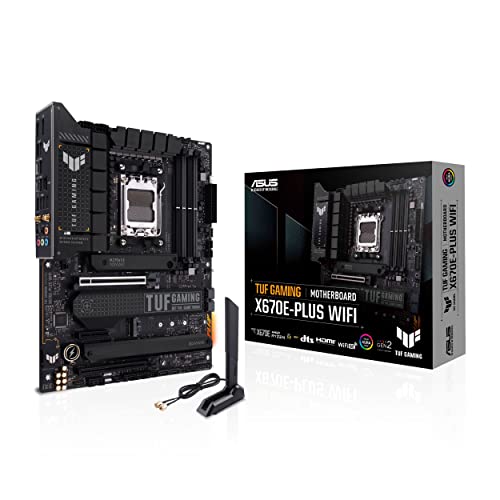
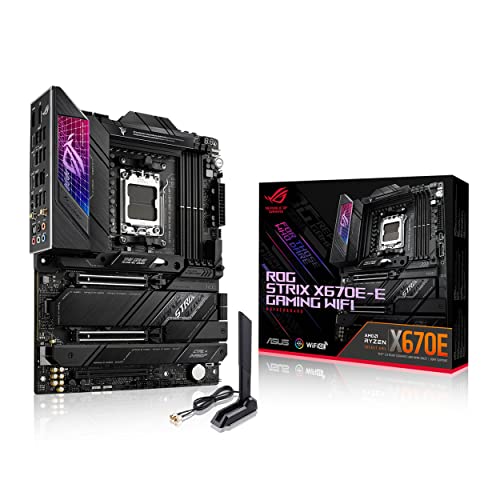
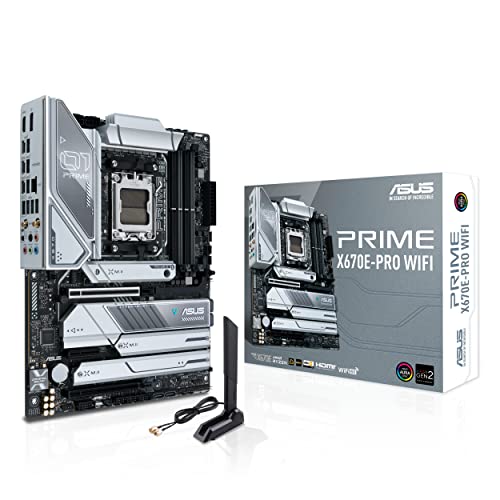
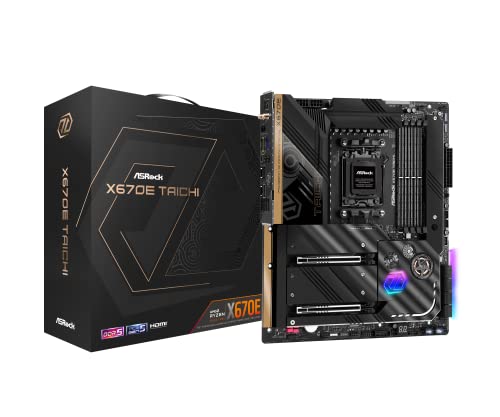
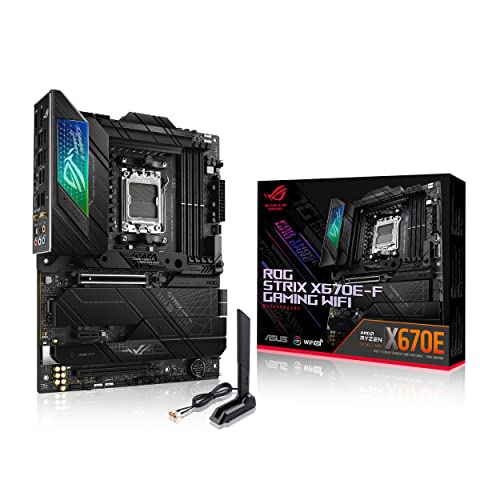
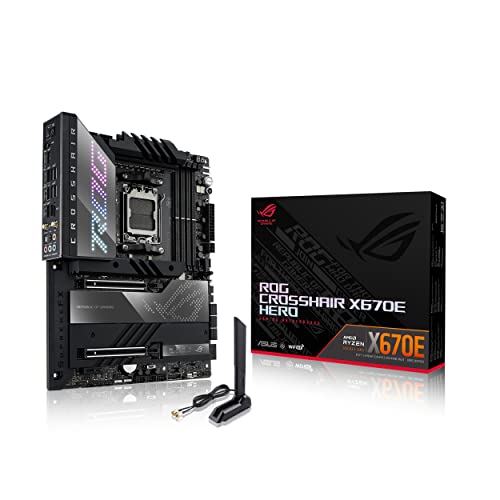
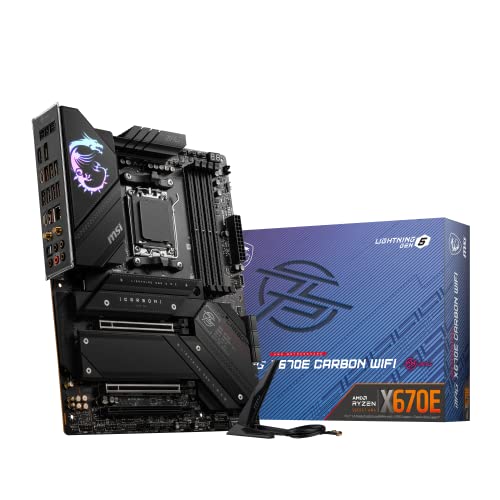
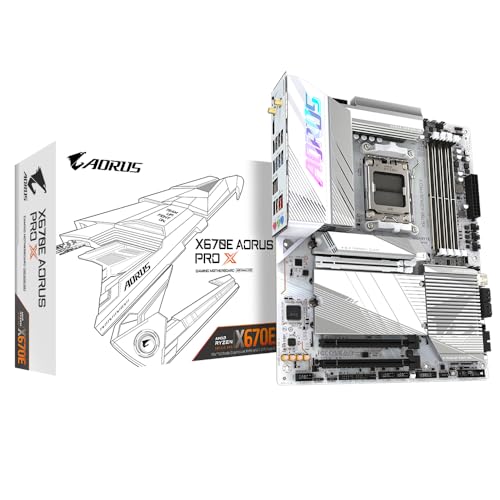
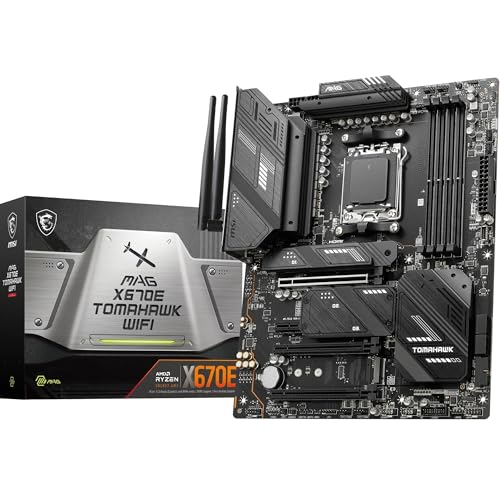
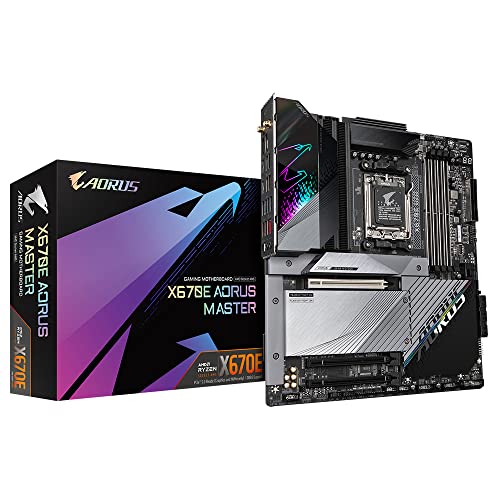
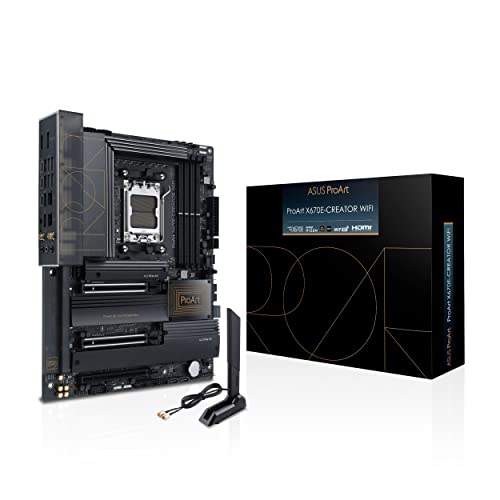
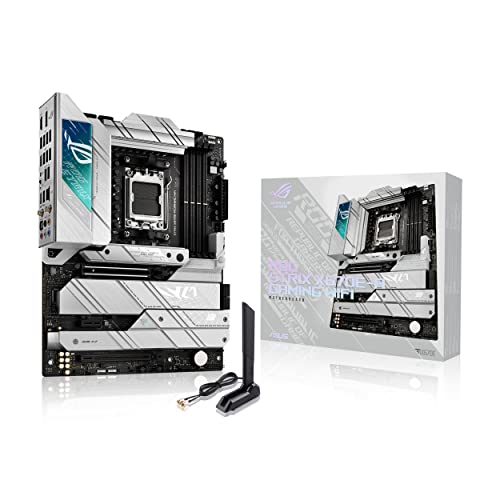
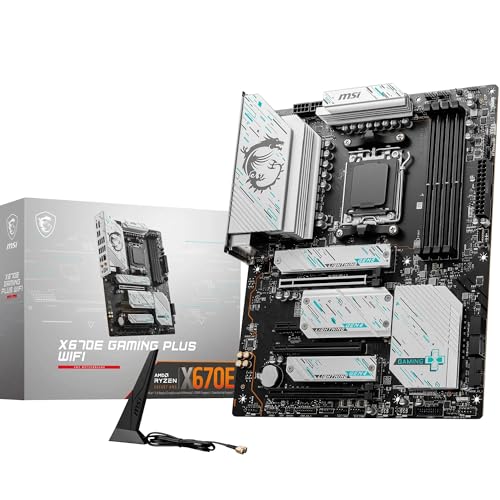
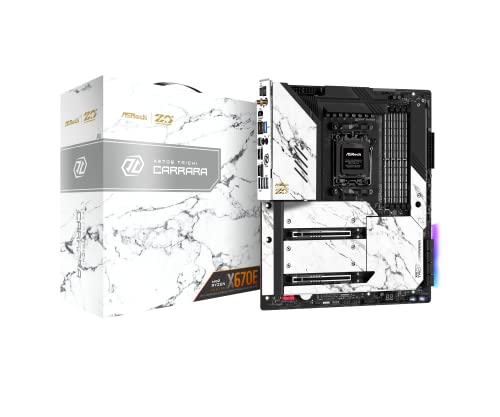
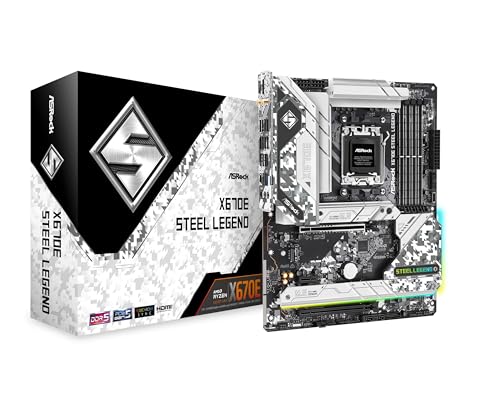
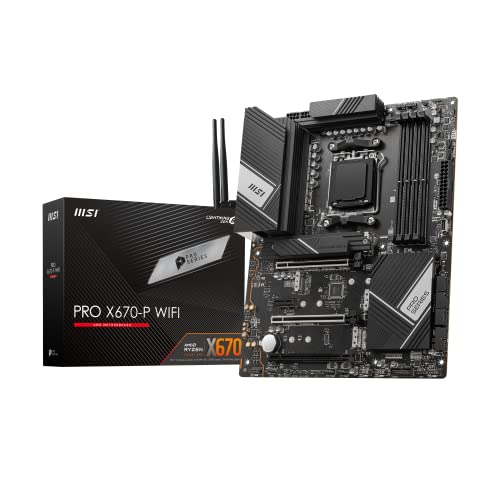
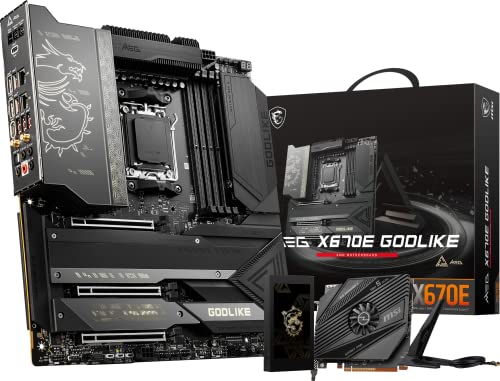
What is an X670 motherboard?
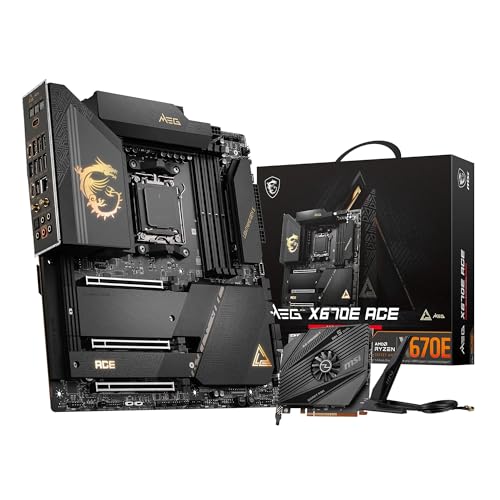
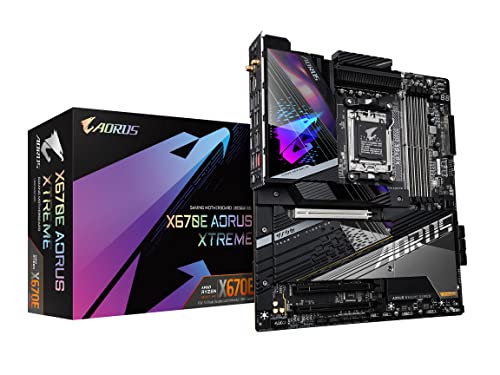
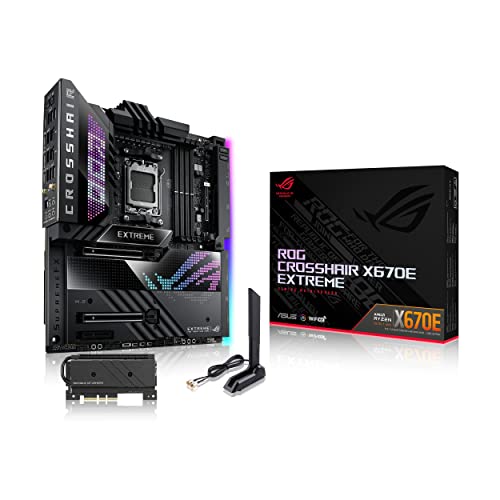
An X670 motherboard is a high-end chipset from AMD designed primarily for Ryzen processors on the AM5 socket. It supports the latest generation of CPUs and is aimed at enthusiasts and power users who want access to cutting-edge technologies.
One of its standout features is support for DDR5 memory, which provides higher bandwidth and efficiency compared to DDR4, along with PCIe 5.0 lanes for next-generation graphics cards and storage devices. These boards are typically built with robust power delivery systems, premium components, and expanded connectivity options to handle demanding workloads and overclocking.
Compared to lower-tier chipsets, X670 motherboards usually include more USB ports, multiple PCIe expansion slots, and better networking options such as 2.5G or even 10G Ethernet alongside Wi-Fi 6E.
They also tend to come with advanced BIOS features, enhanced cooling solutions, and higher-quality onboard audio. Because of their extensive feature sets and focus on future-proofing, X670 motherboards are often more expensive and are best suited for gamers, content creators, and professionals who want a platform capable of handling both current and upcoming hardware advancements.
Which brands make the best X670 motherboards?
The best X670 motherboard brands are as follows.
- ASUS (Overall score: 8.7 points)
- MSI (Overall score: 8.7 points)
- GIGABYTE (Overall score: 8.7 points)
The chart below ranks X670 motherboard brands by average overall score.
[horizontal-chart-03635614711020402367168359493524261233691337685961]
How much do X670 motherboards cost?
X870 motherboards cost between £220 and £550 depending on the model, chipset features, and manufacturer.
Entry-level boards start around £220 and target users who want access to the X870 platform at a lower price, while mid-range models usually fall in the £300 to £390 range. High-end variants reach £550 because they integrate stronger power delivery, additional connectivity, and premium components.
The price difference comes from the number of PCIe lanes, support for DDR5 memory, and extra features such as advanced cooling systems or faster networking. Boards designed for overclocking and multi-GPU setups cost more, while simpler models aimed at mainstream users remain closer to the lower end of the range.
The following chart shows the price distribution of X670 motherboards.
[vertical-chart-03036767152887036795133354158142077263721944488856]
What should you consider while choosing the best X670 motherboard?
Choosing the best X670 motherboard requires careful evaluation of following key technical considerations:
- CPU socket and processor compatibility: The X670 chipset uses the AM5 socket and supports all Ryzen 7000, 8000, and 9000 series processors. This LGA-style socket has pins on the motherboard rather than the CPU, which reduces damage risk during installation. The AM5 socket supports up to 170 watts TDP, accommodating high-performance processors.
- Power delivery system: X670 motherboards feature robust VRM configurations with 14+2+2 to 20+2 phase power solutions. These systems use Smart Power Stages rated for 105-110 amps, which provide stable power delivery for overclocking and high-core-count processors. Advanced power delivery designs handle thermal output better and maintain system stability under heavy workloads.
- PCIe lane configuration and expansion slots: X670 chipset provides 44 PCIe lanes compared to 36 in B650 chipset. X670 motherboards include PCIe 5.0 x16 slots for graphics cards and multiple PCIe 5.0 M.2 slots for storage devices. The dual bandwidth of PCIe 5.0 over PCIe 4.0 supports faster GPUs and NVMe SSDs.
- Memory support and DDR5 compatibility: X670 motherboards support DDR5 memory with speeds 50% faster than DDR4. These motherboards feature four DIMM slots with AMD EXPO and Intel XMP support for memory overclocking. DDR5 provides higher bandwidth, faster speeds, and better power efficiency for memory-intensive applications.