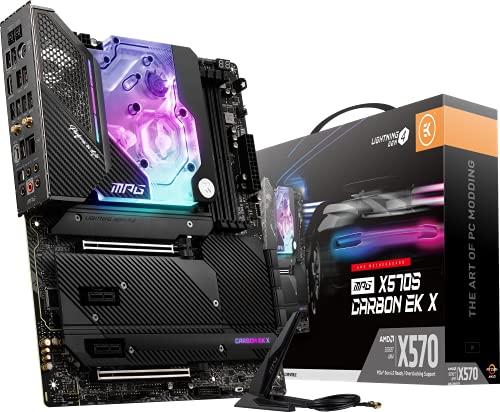
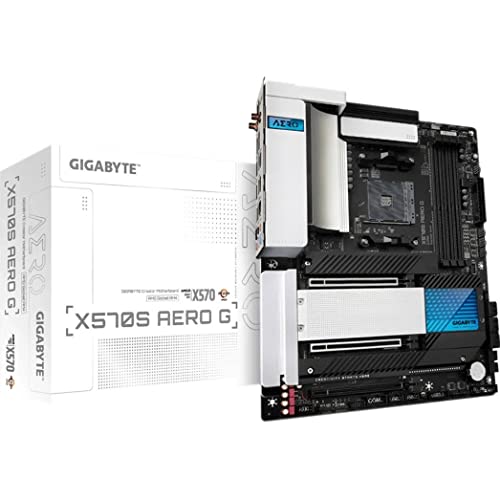
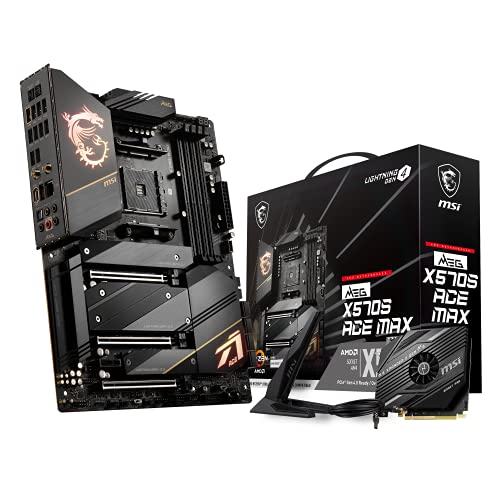
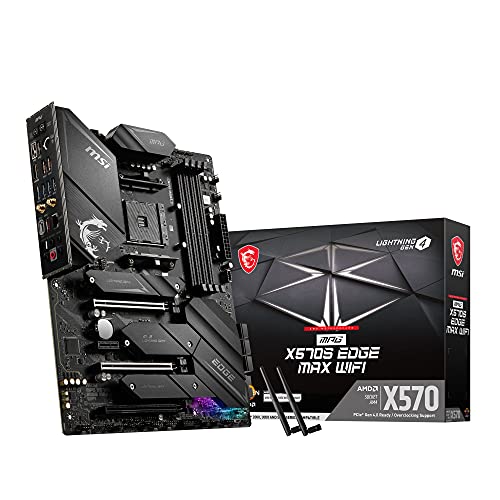
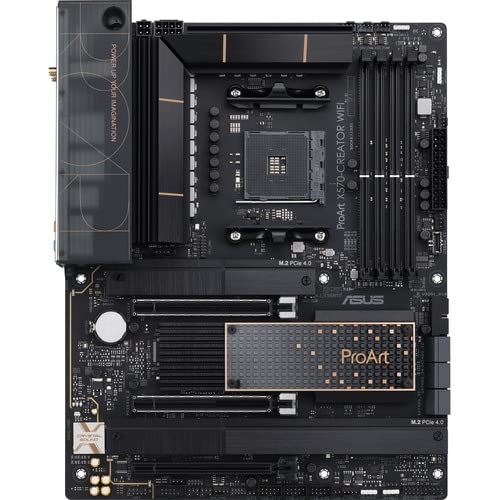
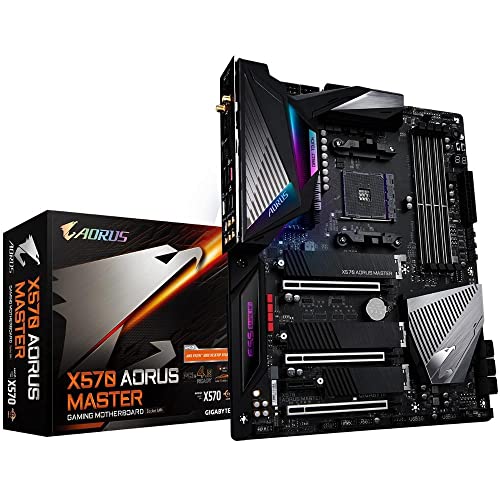
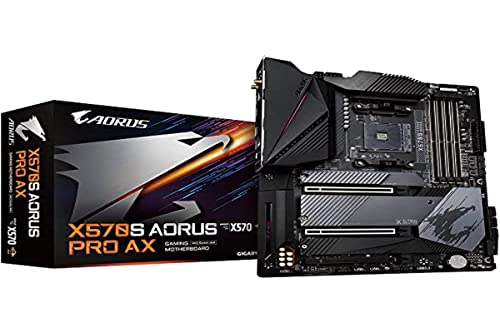
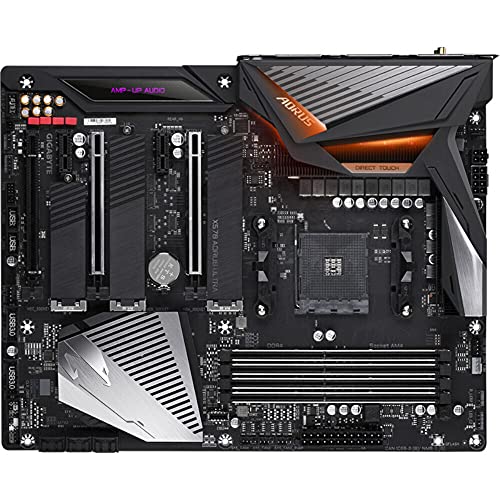
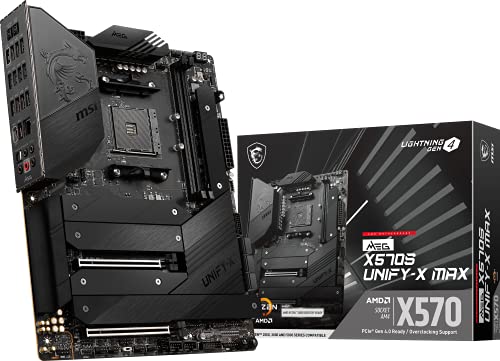
What is an X570 motherboard?
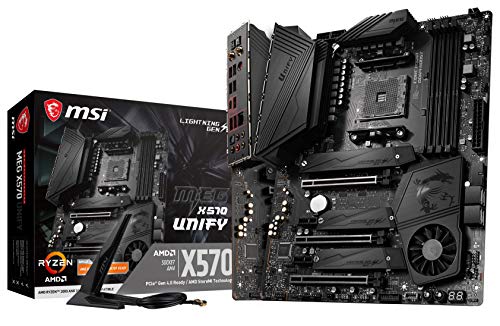
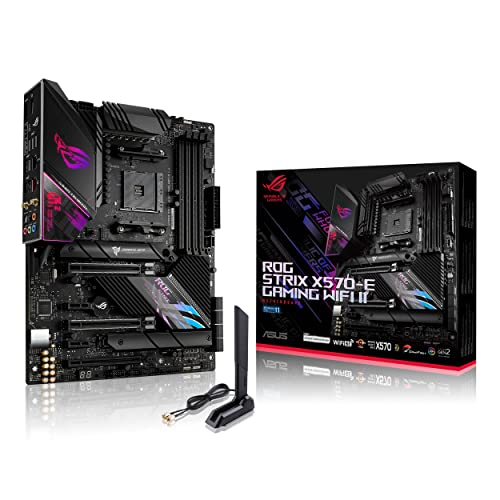
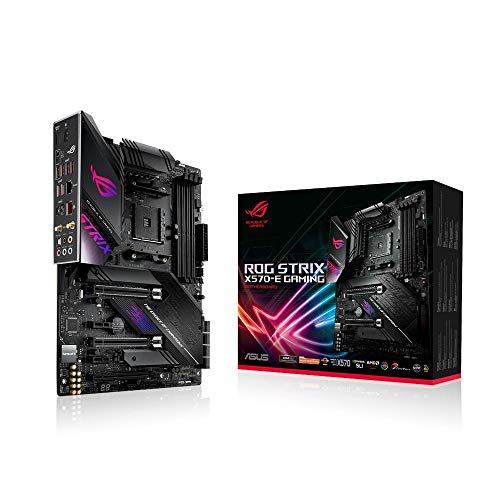
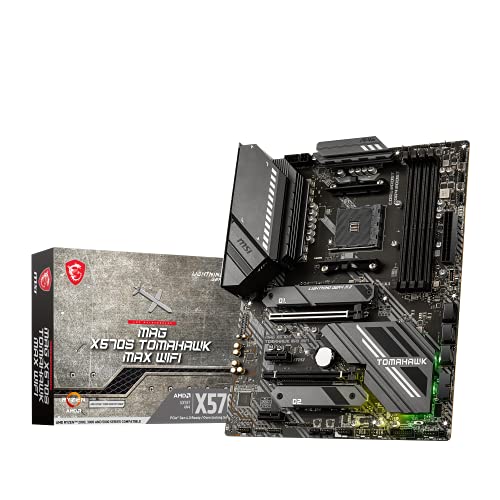
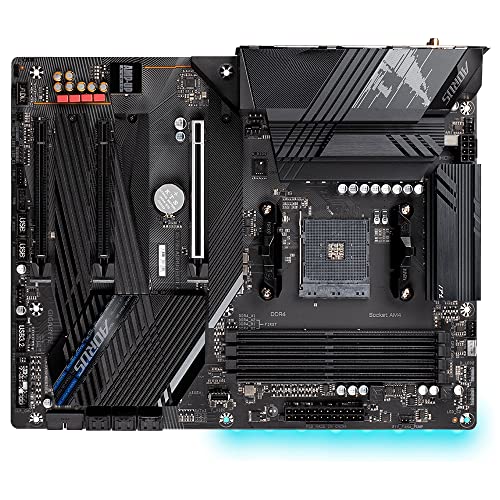
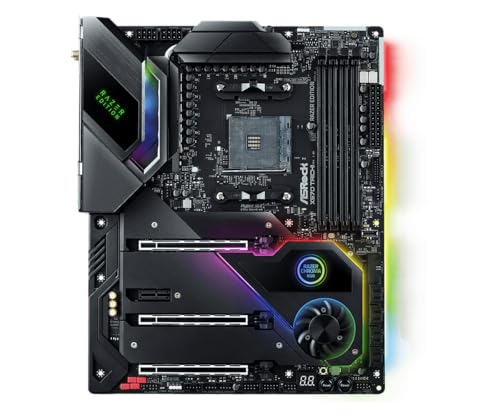
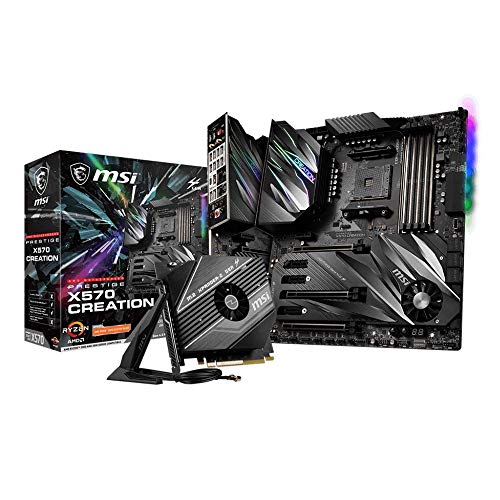
An X570 motherboard is a chipset designed by AMD for its Ryzen processors, particularly the third and fourth generation models built on the AM4 socket.
It was the first AMD desktop platform to fully support PCIe 4.0, giving access to faster data transfer speeds for graphics cards and NVMe storage devices. X570 boards typically include a wide range of connectivity options, such as multiple USB 3.2 ports, high-speed M.2 slots, and support for higher memory frequencies, making them well-suited for enthusiasts and performance-focused users.
Compared to mid-range chipsets like B450 or B550, X570 motherboards generally have stronger power delivery systems, more PCIe lanes, and better overclocking capabilities. They often come with active chipset cooling, as the additional bandwidth and features generate more heat. These boards are popular among gamers, creators, and overclockers who want long-term support for Ryzen CPUs and advanced expansion options.
Which brands make the best X570 motherboards?
The best X570 motherboard brands are as follows.
- MSI (Overall score: 7.5 points)
- GIGABYTE (Overall score: 7.4 points)
- ASUS (Overall score: 7 points)
The chart below ranks X570 motherboard brands by average overall score.
[horizontal-chart-14841069834478701121038861741249798963390902888104]
How much do X570 motherboards cost?
X570 motherboards cost between £130 and £340 depending on the brand, chipset features, and build quality.
Entry-level models usually start near £130 and include basic connectivity, while premium boards from ASUS, MSI, and Gigabyte can reach £340 with stronger VRM design, Wi-Fi 6, and PCIe 4.0 support across more slots.
The average price for a well-balanced X570 motherboard stays around £170 to £220, which gives stable performance for Ryzen CPUs and solid expansion options. High-end versions above £260 target enthusiasts that want overclocking headroom, multiple GPU setups, and extra storage lanes.
The following chart shows the price distribution of X570 motherboards.
[vertical-chart-18010877921130961054103657795495321293953182186697]
What should you consider while choosing the best X570 motherboard?
Choosing the best X570 motherboard requires careful consideration of several key technical factors as follows:
- VRM design and power delivery: The motherboard must feature a robust VRM system to handle high-end Ryzen processors effectively. Modern X570 boards typically include 12+2 phase digital VRM solutions with DrMOS technology. This design supports stable power delivery for demanding CPUs like the Ryzen 9 5950X and enables reliable overclocking performance. Quality VRM components prevent thermal throttling and extend component lifespan during intensive workloads.
- PCIe 4.0 support and slot configuration: X570 motherboards deliver native PCIe 4.0 compatibility across all slots and M.2 connections. This feature doubles the bandwidth compared to PCIe 3.0, reaching up to 2GB/s per lane. Users gain access to faster NVMe SSDs with speeds up to 7.9GB/s and future-proof graphics card support. Multiple PCIe 4.0 slots allow dual GPU configurations and high-performance storage arrays without bandwidth limitations.
- Memory support and overclocking Capability: High-quality X570 boards support DDR4 speeds up to 4,133MHz through overclocking. This matches the Ryzen 5000 series performance sweet spot and maximizes system responsiveness. Four DIMM slots accommodate large memory configurations while maintaining stability. Advanced memory topology and trace design minimize signal interference at higher frequencies.
- Connectivity and I/O features: X570 chipsets provide native USB 3.1 Gen2 ports and modern connectivity options. Built-in Wi-Fi 6, Bluetooth 5.0, and Gigabit Ethernet deliver comprehensive networking capabilities. Front-panel USB Type-C headers and multiple USB ports accommodate diverse peripheral requirements. Some boards include 10Gb Ethernet for professional applications requiring high-speed networking.
- Thermal management system: Effective cooling solutions handle the X570 chipset's higher power consumption compared to previous generations. Enlarged heatsinks with thermal guards protect M.2 drives from thermal throttling. Active chipset cooling fans maintain optimal temperatures during heavy I/O operations. Quality thermal design extends component reliability and maintains consistent performance under load.