
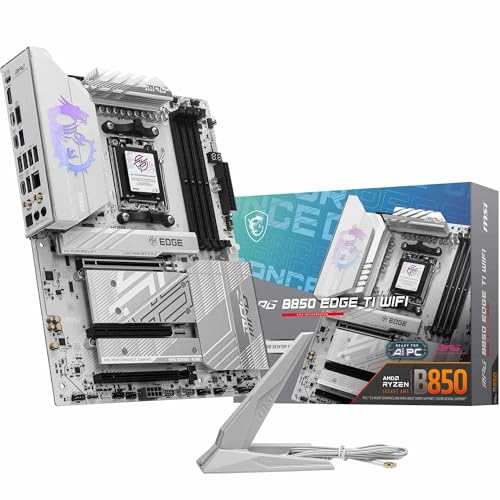
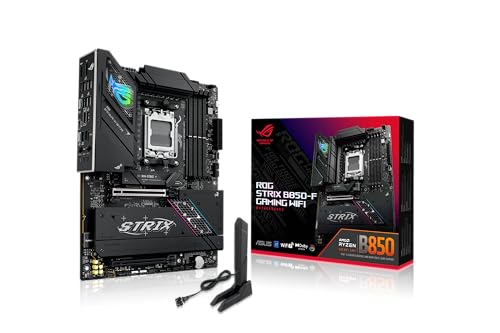
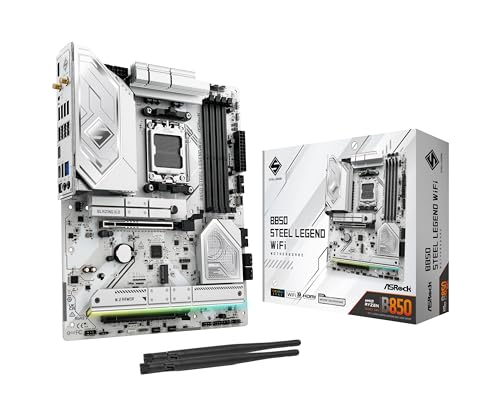
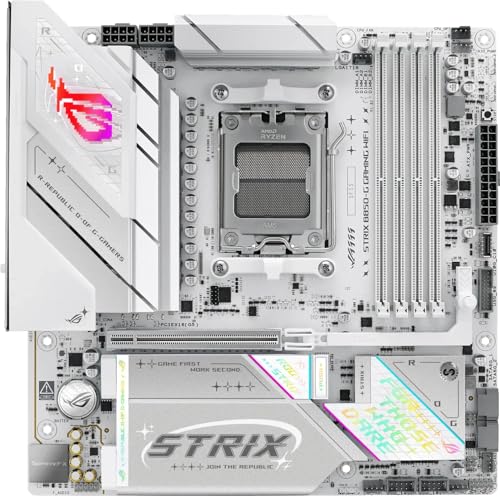
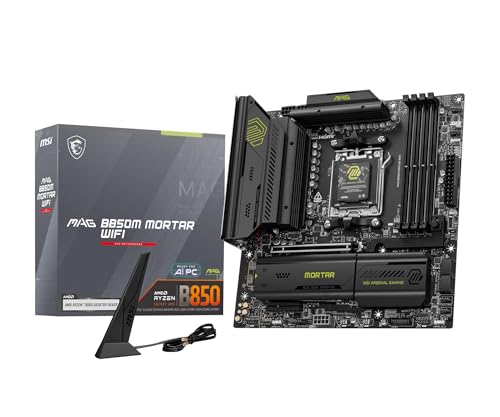
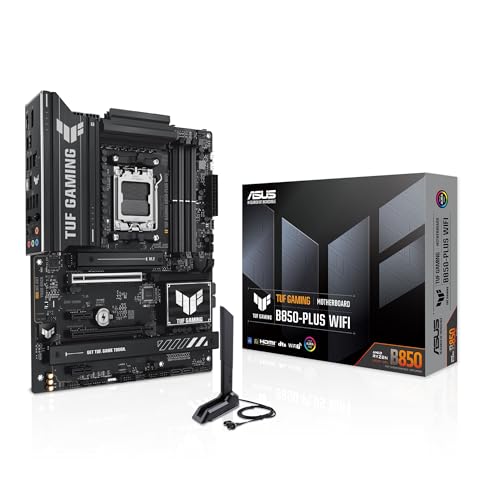
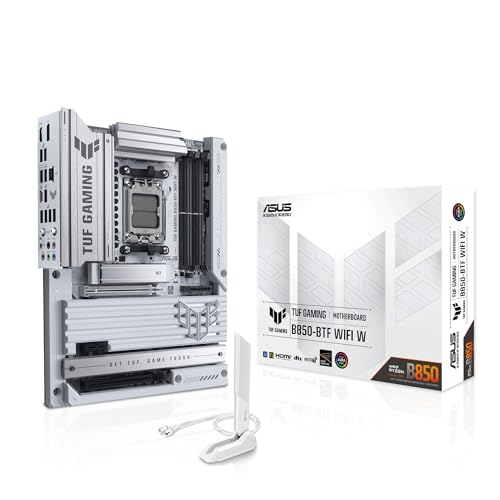
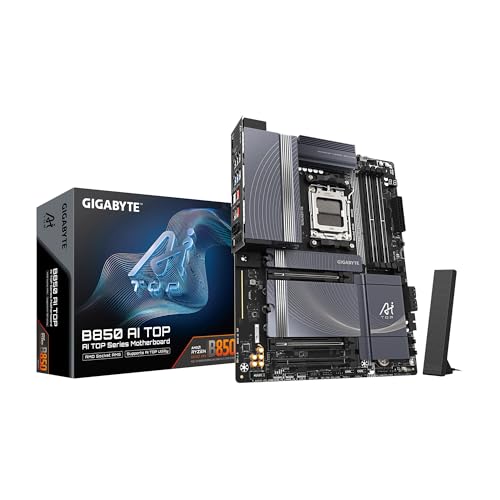
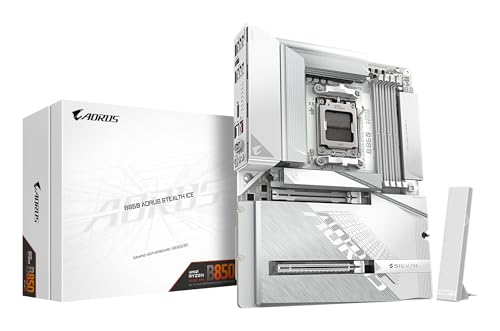
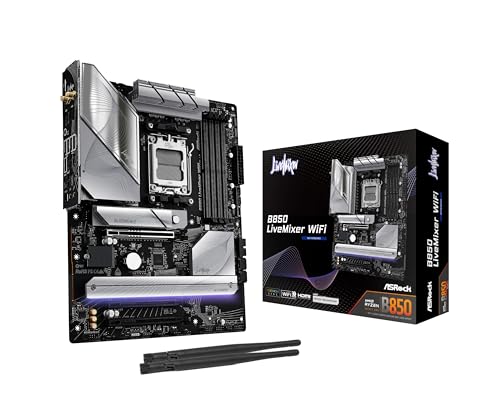
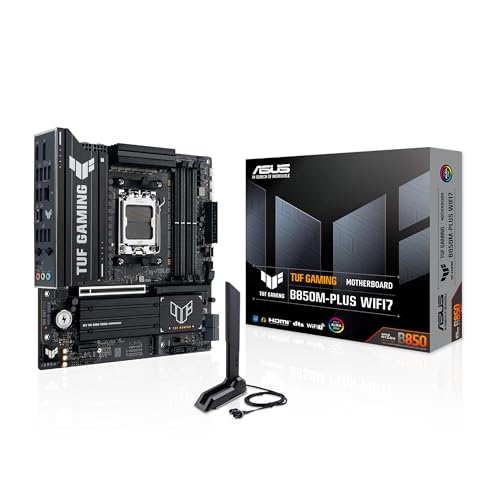
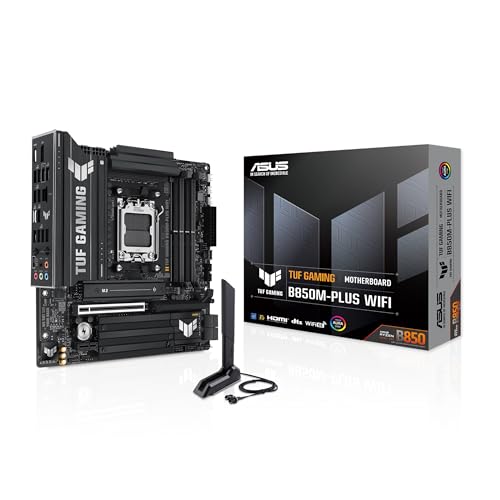
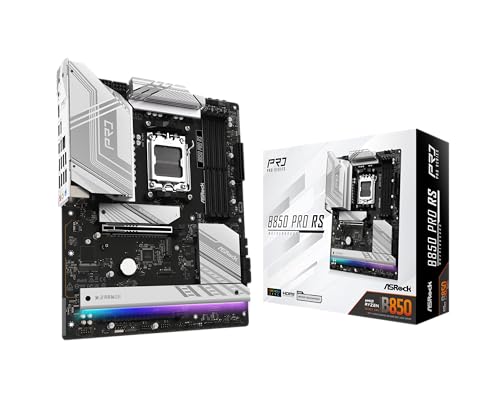
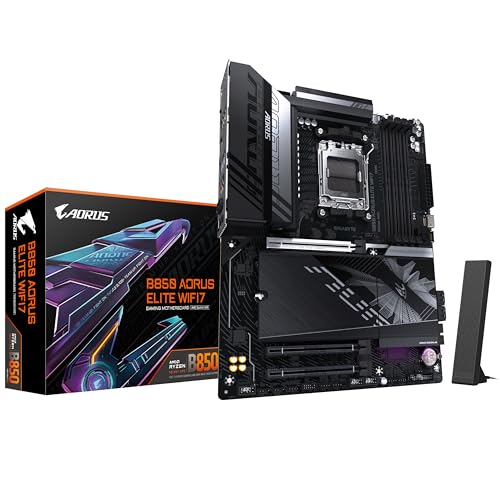
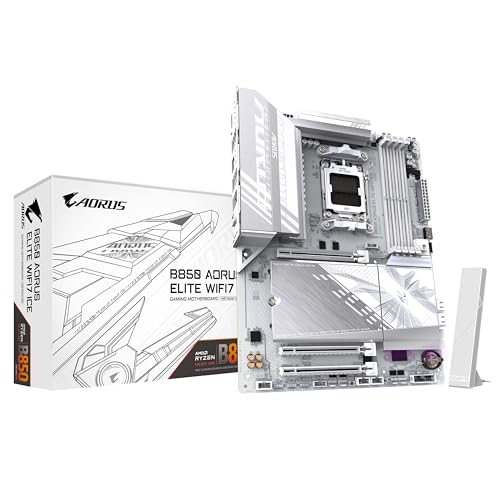
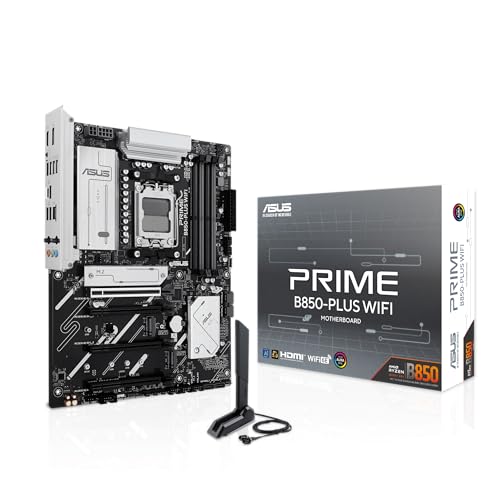
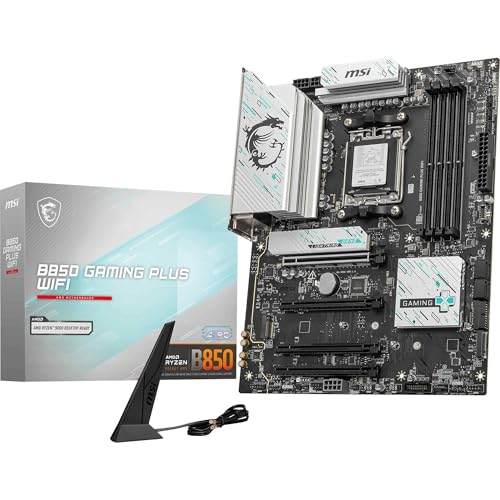
What is an B850 motherboard?
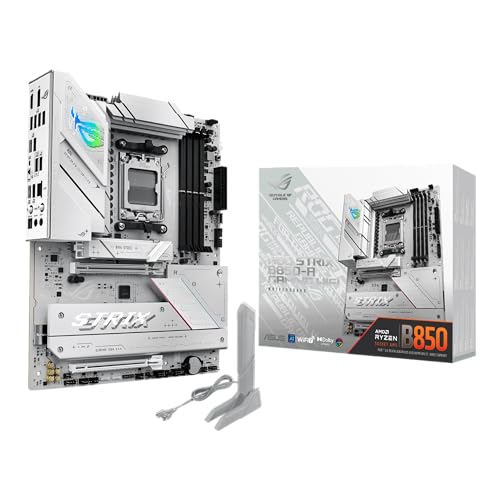
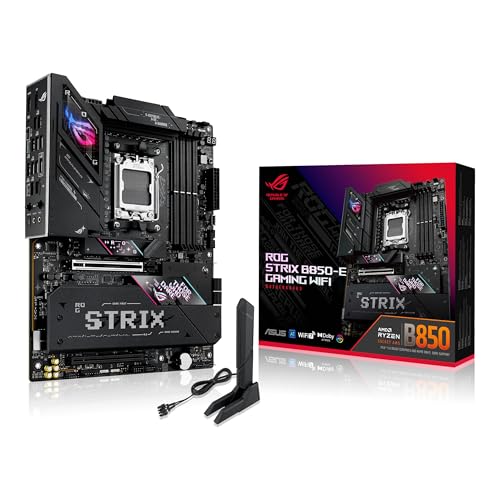
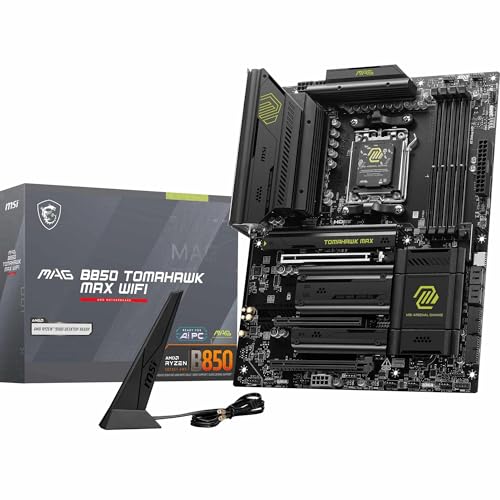
A B850 motherboard is part of Intel’s mainstream chipset line, designed for users who want a balance between cost and functionality. It sits in the mid-range segment, typically offering support for the latest generation of Intel processors, DDR5 memory, PCIe 5.0 lanes, and fast storage options like NVMe drives.
Unlike entry-level chipsets, it usually comes with more connectivity, such as multiple M.2 slots, higher USB bandwidth, and better networking features like 2.5G LAN or optional Wi-Fi modules. This makes it suitable for gaming PCs, productivity systems, and even light workstation use without moving into the higher cost territory of enthusiast chipsets.
Compared to Z-series boards, a B850 motherboard often lacks full CPU overclocking support, which is reserved for the top-tier chipsets, but it still allows memory overclocking and strong power delivery for stable performance.
It’s targeted at users who want modern features, reliable build quality, and expandability, but don’t necessarily need the advanced tweaking and multi-GPU setups found in higher-end motherboards.
Which brands make the best B850 motherboards?
The best B850 motherboard brands are as follows.
- ASUS (Overall score: 8.4 points)
- MSI (Overall score: 8.1 points)
- ASRock (Overall score: 8.1 points)
The chart below ranks B850 motherboard brands by average overall score.
[horizontal-chart-15207457240467760203043480556697830550370611307791]
How much do B850 motherboards cost?
B850 motherboards cost between £130 and £240 depending on brand, chipset features, and build quality.
Entry-level models with basic connectivity and fewer expansion slots start near £130, while mid-range versions with stronger VRMs, PCIe 5.0 support, and faster memory compatibility reach around 200–£200. Premium designs with more ports, better cooling, and reinforced slots go up to £240.
The B850 series sits below X870 motherboards but above budget H-class boards, so its prices reflect a balance of performance and features. Buyers who want good gaming performance or solid productivity support without paying for flagship extras usually select this range.
The following chart shows the price distribution of B850 motherboards.
[vertical-chart-03951736828425906596018720181286376681973331775608]
What should you consider while choosing the best B850 motherboard?
While choosing the best B850 motherboard, you should consider the following factors.
- CPU socket compatibility: The B850 chipset uses AMD Socket AM5 which supports AMD Ryzen 9000, 8000, and 7000 series processors. You need to verify your chosen processor matches this socket type since it determines the entire system foundation.
- Memory support and speed: B850 motherboards support DDR5 memory with speeds up to 8000+ MT/s through overclocking and feature dual-channel architecture with 4 DIMM slots supporting up to 256GB total capacity. The boards include AMD EXPO technology which optimizes memory performance automatically for Ryzen processors.
- Storage configuration: Modern B850 boards typically feature 3-5 M.2 slots with at least one PCIe 5.0 x4 slot and additional PCIe 4.0 x4 slots for NVMe SSDs. You should also check for SATA 6Gb/s ports if you plan to use traditional hard drives or older SSDs.
- VRM design and power delivery: The voltage regulation module configuration varies significantly between models, with higher-end B850 boards featuring 14+2+2 phase digital VRM solutions compared to basic 8+2+2 phase designs. A robust VRM system supports stable overclocking and handles high-end processors like the Ryzen 9950X without thermal throttling.
- Connectivity features: B850 motherboards offer different networking options including 2.5GbE or 5GbE Ethernet and Wi-Fi 7 support, plus USB 4 ports on premium models and multiple USB Type-C connections. You should select based on your specific connectivity requirements since these features vary greatly between budget and premium B850 options.