
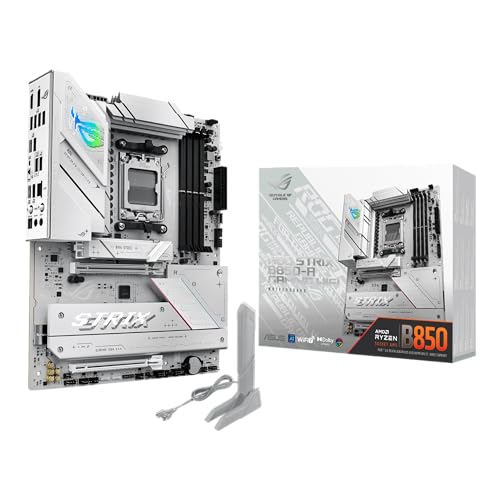
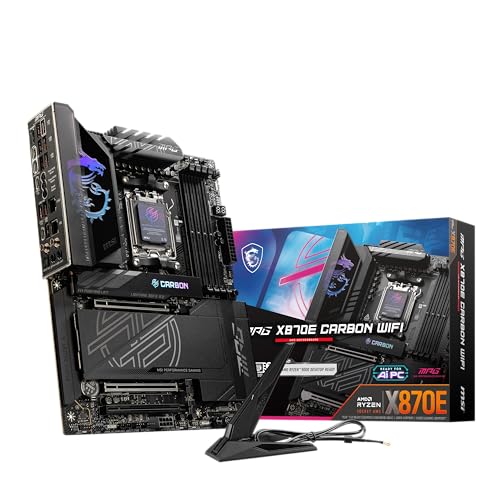
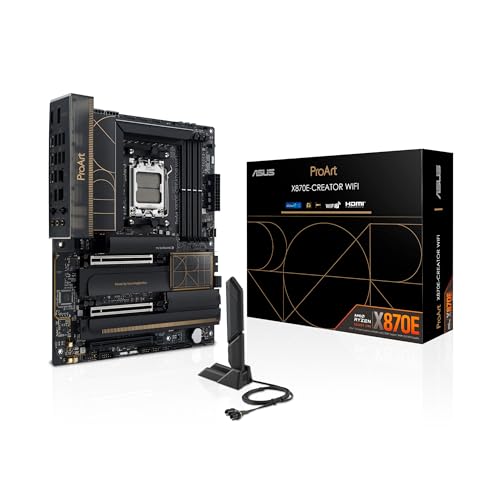
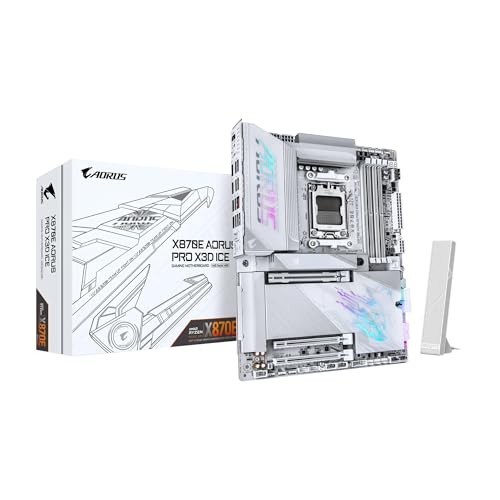
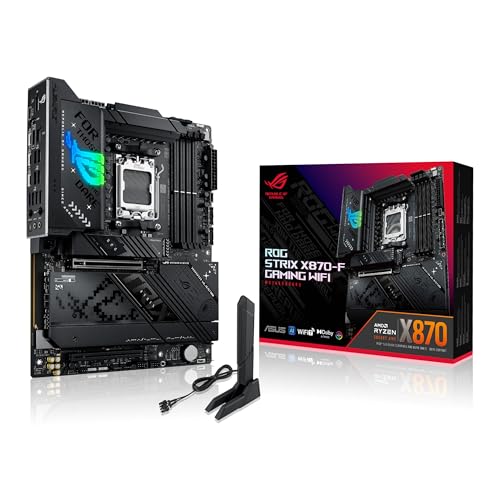
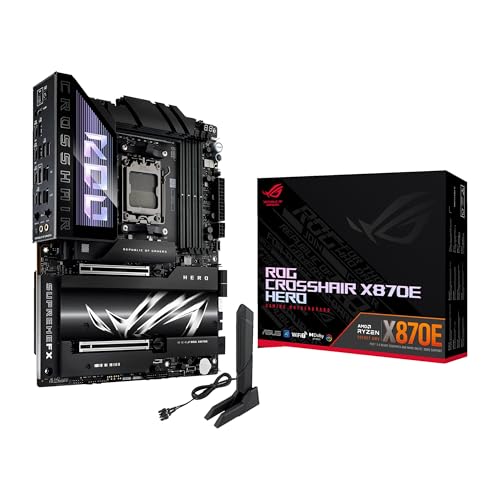
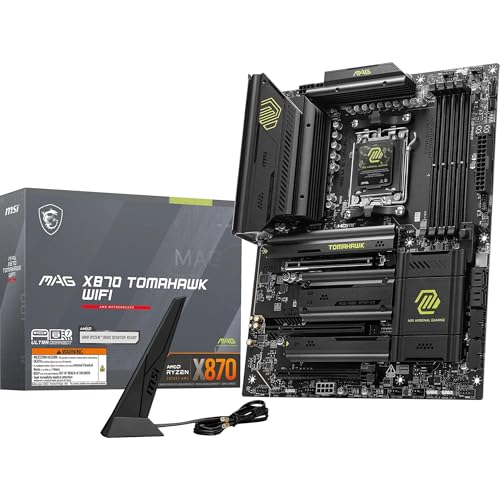
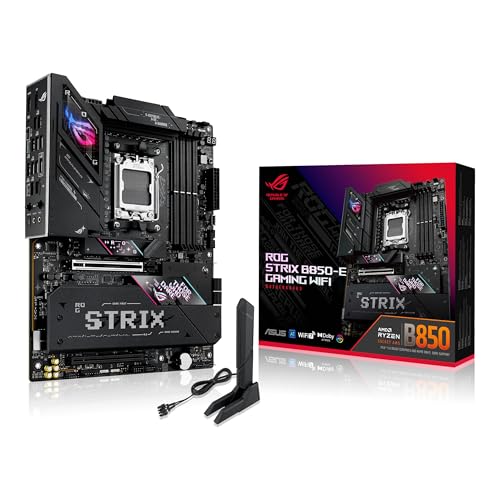
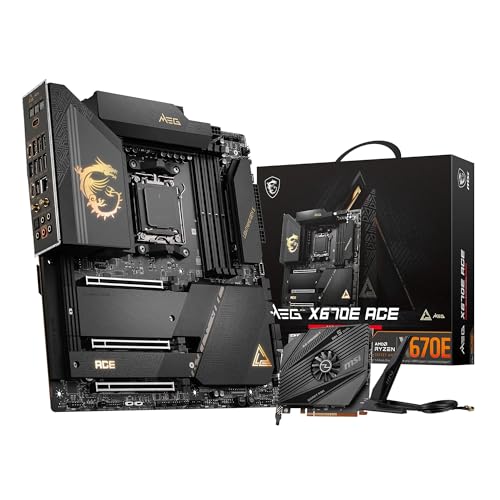
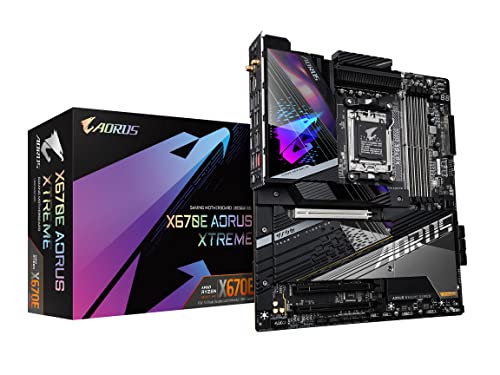
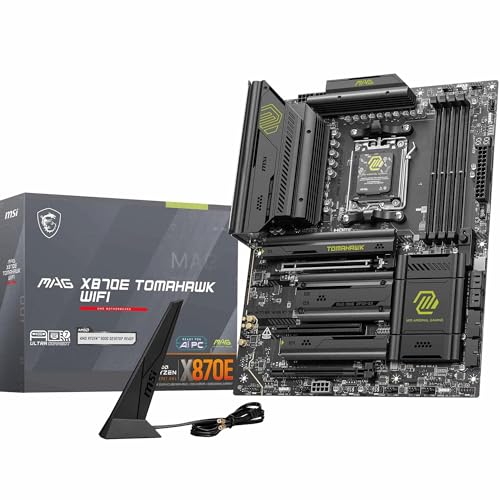
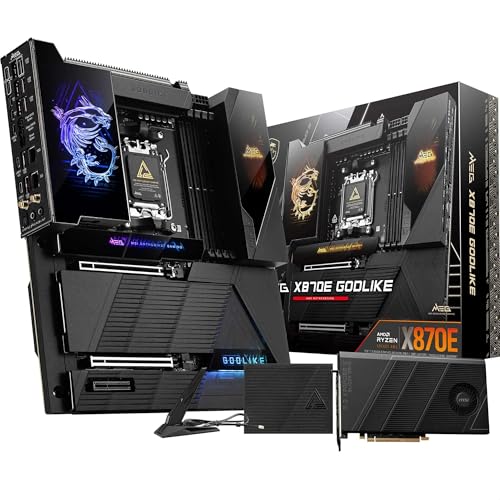
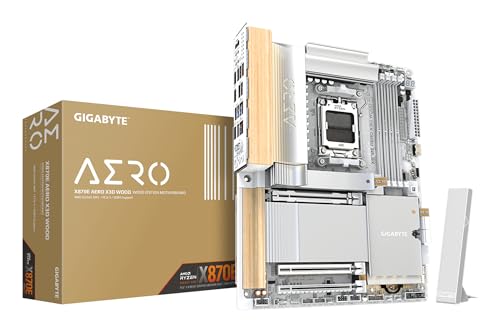
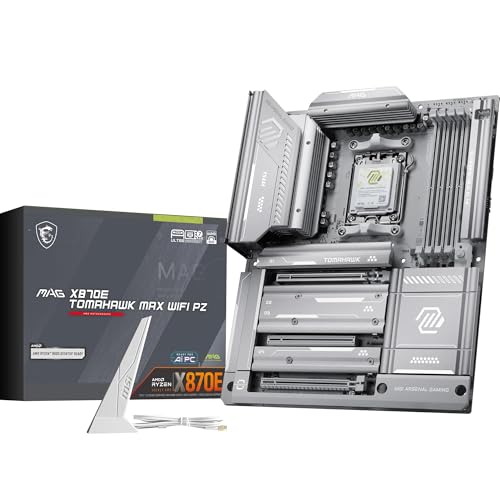
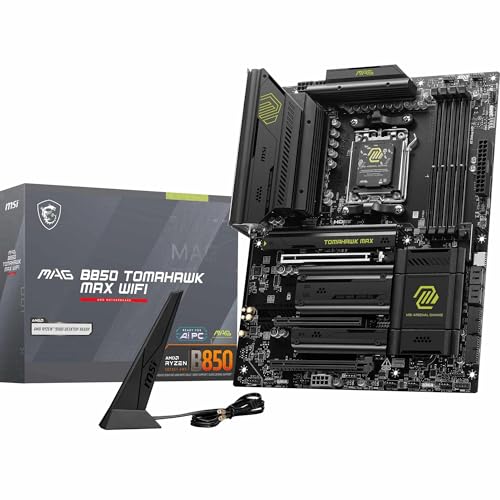
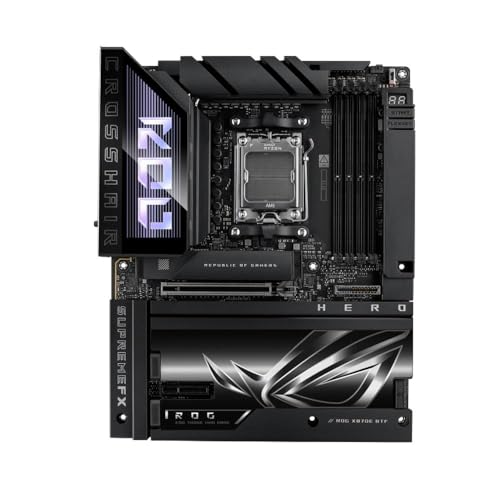
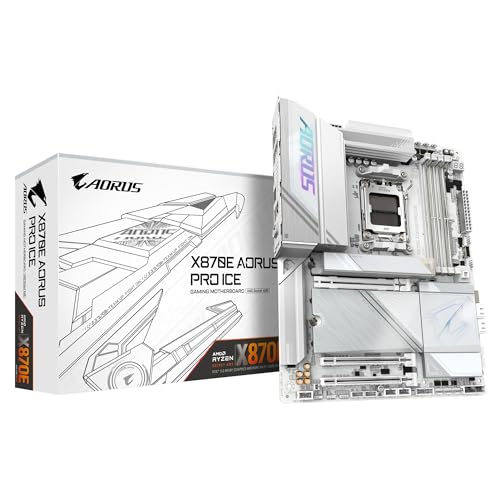
What is an AMD motherboard?
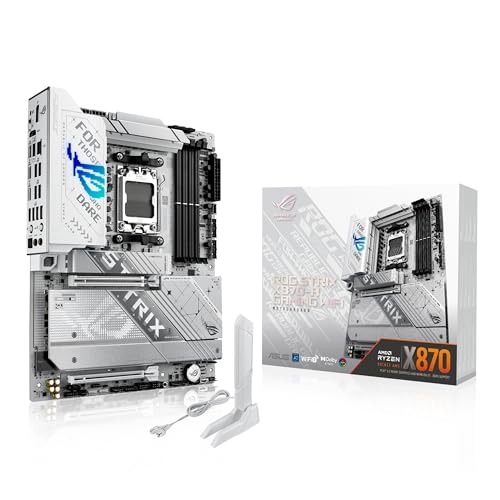
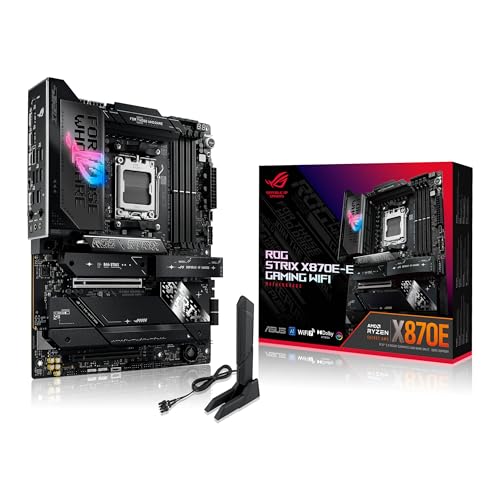
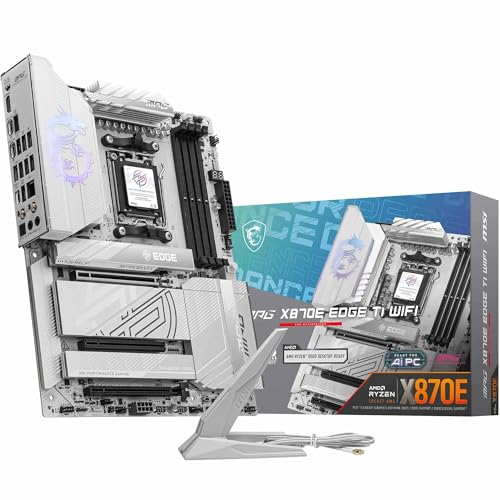
An AMD motherboard is a motherboard that supports AMD processors and related technologies. It serves as the main circuit board in a computer where the CPU, memory, storage, and expansion cards connect.
The design of AMD motherboards matches the company’s processor sockets (such as AM4 or AM5) so users can install compatible CPUs without issues.
What makes AMD motherboards different from Intel motherboards?
AMD motherboards differ from Intel motherboards in chipset design, socket type, and platform compatibility.
AMD motherboards usually use AM4 or AM5 sockets, while Intel motherboards rely on sockets such as LGA1200 or LGA1700. This difference defines which CPUs each platform supports and limits cross-compatibility between brands. Chipsets also vary, as AMD boards often support multiple generations of processors on the same socket, while Intel boards usually require newer sockets more often with each CPU generation.
Another difference lies in PCIe and memory support. AMD motherboards adopted PCIe 4.0 and PCIe 5.0 early, which increased bandwidth for graphics cards and storage devices, while Intel adopted these standards later. Memory compatibility also diverges, since Intel motherboards tend to support higher maximum speeds earlier, while AMD platforms rely on BIOS updates for stability and broader support. Both brands include chipsets that control USB ports, storage interfaces, and expansion options, but the number of lanes, overclocking features, and upgrade flexibility differ between them.
In practice, users choose AMD motherboards if they want longer socket support and competitive PCIe adoption, while Intel motherboards focus on faster updates in memory support and chipset-specific performance features.
Which brands make the best AMD motherboards?
The best AMD motherboard brands are as follows.
- ASUS (Overall score: 9 points)
- GIGABYTE (Overall score: 8.9 points)
- MSI (Overall score: 8.8 points)
The chart below ranks AMD motherboard brands by average overall score.
[horizontal-chart-08604340235897489387177203817842232669824008275987]
What CPU sockets do AMD motherboards use?
AMD motherboards use different CPU sockets depending on the processor generation and series. The most common socket in recent years is AM4, which supports Ryzen processors from the first to the fifth generation. AM4 covers a wide range of CPUs, from entry-level Athlon chips to high-end Ryzen 9 models, so it became the standard socket for desktop platforms for several years.
Newer motherboards introduced the AM5 socket, which supports Ryzen 7000 series processors that use DDR5 memory and PCIe 5.0. AM5 is not compatible with older AM4 CPUs, so upgrading requires both a new motherboard and processor.
For high-end desktop and workstation processors, AMD uses the TR4 and sTRX4 sockets for Threadripper CPUs, which have more cores and higher bandwidth support.
Which chipsets do AMD motherboards use?
AMD motherboards use different chipset series based on their socket type and target market. The current generation AM5 motherboards feature eight chipset variants: X870E, X870, B850, B840, X670E, X670, B650E, and B650 chipsets.
The X-series chipsets like X870E and X670E target enthusiasts and overclockers with advanced features and dual PCIe x8 graphics support, while B-series chipsets such as B850 and B650 serve mainstream users with balanced performance and features. The A620 chipset represents the entry-level option for budget-conscious users.
AMD motherboards are available in several form factors that define their size, layout, and expansion capacity. The most common form factor is ATX, which supports multiple expansion slots and full features. Micro-ATX (mATX) is smaller but still supports most hardware needs, while Mini-ITX is compact and suited for small builds. Extended ATX (E-ATX) is larger than ATX and gives space for additional slots and high-end components.
What memory types do AMD motherboards support?
AMD motherboards support different memory types depending on the platform and generation. Most modern AMD motherboards use DDR4 or DDR5 memory, as these are the current industry standards. DDR4 has been the standard for AM4 motherboards, while AM5 motherboards support DDR5, although some entry-level AM5 boards also support DDR4 to maintain compatibility. This distinction matters because DDR5 provides higher bandwidth and efficiency, but DDR4 remains cheaper and widely available.
How much RAM can AMD motherboards handle?
AMD motherboards can handle different amounts of RAM depending on the platform and chipset. Consumer AM4 motherboards usually support up to 128 GB of DDR4 memory across four DIMM slots, which is enough for most gaming and productivity systems. High-end AM5 motherboards with DDR5 support can reach 192 GB or even 256 GB, as they use newer memory modules with higher density.
What PCIe versions do AMD motherboards support?
AMD motherboards support different PCIe versions depending on the chipset and CPU generation. Older boards with AM3+ sockets and early chipsets use PCIe 2.0, while most AM4 motherboards moved to PCIe 3.0 as the standard. With the launch of Ryzen 3000 series CPUs on AM4, AMD introduced PCIe 4.0 support, but this only works with compatible chipsets such as X570 and B550. Entry-level chipsets like A520 continue to rely on PCIe 3.0 even with newer processors.
How many expansion slots do AMD motherboards provide?
AMD motherboards provide multiple expansion slots, and the number depends on the chipset and form factor.
ATX boards usually include three or more PCIe x16 slots and several PCIe x1 slots, while microATX and Mini-ITX boards have fewer. The larger the board, the more slots it supports, so ATX boards suit users who need multiple GPUs or add-on cards, and compact boards fit smaller systems with limited expansion.
The slots on AMD motherboards use the PCI Express interface, which comes in different versions such as PCIe 3.0, PCIe 4.0, and PCIe 5.0. A high-end board can include several PCIe x16 slots for graphics cards, PCIe x1 slots for network or sound cards, and in some cases even legacy PCI slots. Not all slots run at full speed; bandwidth depends on how many lanes the CPU and chipset allocate, so a second or third x16 slot may run at x8 or x4.
How much do AMD motherboards cost?
AMD motherboards cost anywhere from £60 to over £550, depending on the chipset, form factor, and supported features.
Entry-level boards with chipsets like A320 or A520 usually stay at the lower end of the range, while mid-range options with B550 or B650 chipsets typically range between £110 and £220. High-end motherboards with X570, X670, or similar chipsets can reach £340 or more, as they support advanced features and stronger power delivery for top-tier CPUs.
The price also changes with the form factor, as ATX boards usually cost more than micro-ATX or Mini-ITX, and with the inclusion of extra slots, PCIe versions, and RAM capacity support.
The following chart shows the price distribution of AMD motherboards.
[vertical-chart-15016590919606279690049764585650650796963934868336]