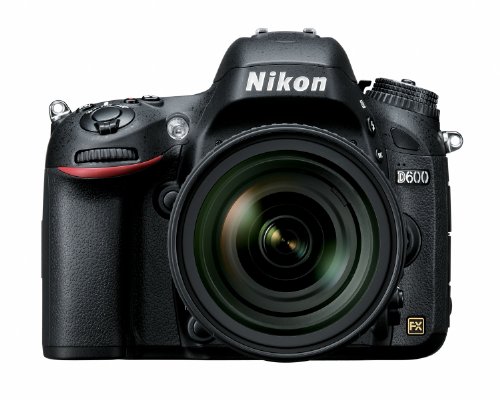
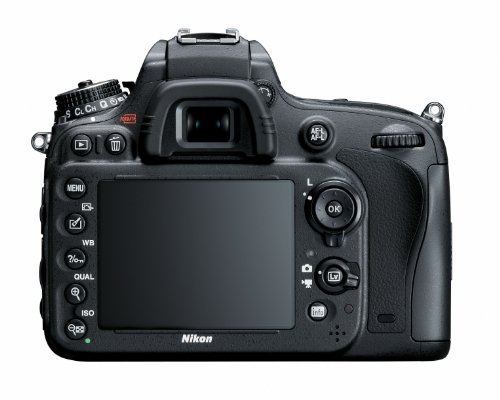
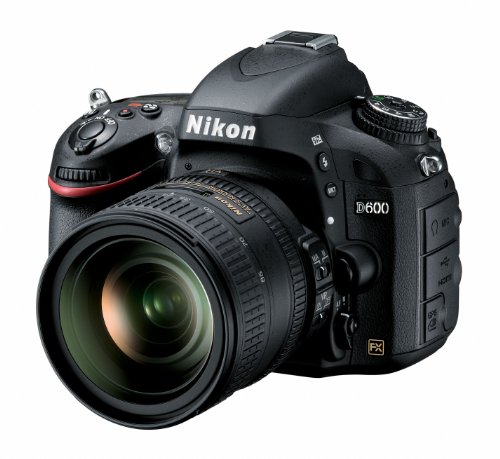
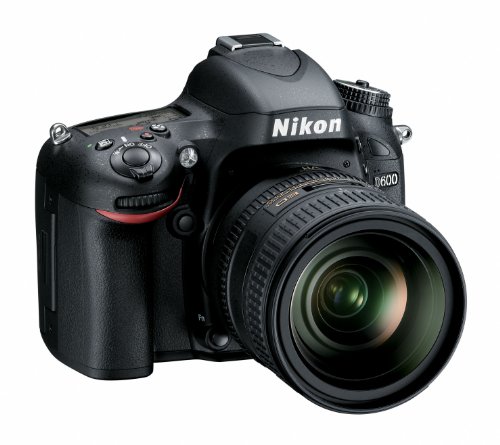
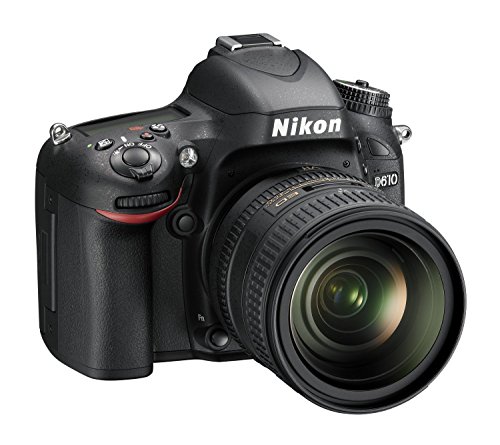
Nikon D600 Review | 108 Data compared

double-arrow
  • Avg. price in UK: ~£320
  • Avg. price in US: ~$350
  • Sensor size: full frame
  • Lens mount: Nikon F
  • Main camera pixel size: 5.97 µm
  • Weight: 850 g
  • Battery life (CIPA): 900 shots

Nikon D600 review. Compare 108 technical specifications and user reviews to see how it ranks among cameras and if it is worth buying.

6.5

Overall score

What it is: An overall evaluation of the camera's quality, based on technical analyses and user reviews.

When it matters: When you need a quick reference to identify the best cameras on the market.

Score components:

90.0%

6.2

Technical Score

10.0%

8.7

User score

Good
6.2

Technical Score

What it is: An assessment of the camera's technical performance, covering eight key areas: image quality, autofocus, video features, stabilization, lens compatibility, connectivity, battery, and design.

When it matters: When you want to compare cameras based on technical performance and available features.

Score components:

28.0%

7.5

Sensor & Image

25.0%

5.2

Photo Features

18.0%

6.1

Video & Audio

14.0%

5.1

Display & Design

8.0%

8.9

Battery & Power

7.0%

4.2

Connectivity & Storage

Good
8.7

User score

What it is: A rating that combines user reviews and the total number of reviews received by the camera.

When it matters: When real-world owner satisfaction and review volume matter to your decision.

Score components:

70.0%

8.2

User reviews

30.0%

10

Popularity

User score:
United Kingdom
amazon
4.1
(104)
United States
Amazon_logo.png
4.1
(123)

(Reviews last updated: July 2026)

Excellent
  • 8.3
    Professional photography

    Score components:

    25.0%

    9.7

    Sensor size

    20.0%

    7.4

    Main camera megapixels

    20.0%

    10

    Dual card slots

    15.0%

    2.6

    N. of focus points

    10.0%

    10

    RAW photo capture

    10.0%

    10

    Phase-detection autofocus (photos)

  • 4.2
    Travel

    Score components:

    35.0%

    2.3

    Weight

    30.0%

    10

    Battery life (CIPA)

    20.0%

    1.0

    Sensor-shift stabilization

    15.0%

    1.0

    GPS

  • 7.2
    Beginners

    Score components:

    30.0%

    8.8

    Price

    20.0%

    2.3

    Weight

    20.0%

    10

    AF tracking

    20.0%

    10

    Battery life (CIPA)

    10.0%

    1.0

    Touchscreen

  • 7.8
    Landscape photography

    Score components:

    30.0%

    7.4

    Main camera megapixels

    25.0%

    9.7

    Sensor size

    20.0%

    10

    Main camera pixel size

    15.0%

    1.0

    Sensor-shift stabilization

    10.0%

    10

    RAW photo capture

  • 3.2
    Street photography

    Score components:

    30.0%

    2.3

    Weight

    25.0%

    3.8

    Thickness

    20.0%

    6.7

    AF low-light sensitivity

    15.0%

    1.0

    Sensor-shift stabilization

    10.0%

    1.0

    Eye detection AF (human)

  • 6.8
    Portraits

    Score components:

    30.0%

    9.7

    Sensor size

    25.0%

    10

    Main camera pixel size

    20.0%

    1.0

    Eye detection AF (human)

    15.0%

    7.4

    Main camera megapixels

    10.0%

    1.0

    Sensor-shift stabilization

  • 4.0
    Hiking

    Score components:

    30.0%

    2.3

    Weight

    25.0%

    10

    Battery life (CIPA)

    20.0%

    2.8

    Min operating temperature

    15.0%

    1.0

    Sensor-shift stabilization

    10.0%

    1.0

    GPS

  • nikon-d600
  • nikon-d600
  • nikon-d600
  • nikon-d600
nikon-d600
nikon-d600
nikon-d600
nikon-d600

Best prices in UK

Best rankings

?

Available: ranking among products currently available (including other versions of this product).
All: ranking among all products in the database.

Verdict

The Nikon D600 is a compact, enthusiast-level DSLR featuring a 24.3-megapixel FX-format full-frame CMOS sensor and the EXPEED 3 image processor. Key specifications include an ISO range of 100–6400 (expandable from 50 to 25,600), a 39-point autofocus system with 9 cross-type sensors, and 1080p Full HD video recording at up to 30fps. Main pros include its relatively lightweight, weather-sealed magnesium alloy body, excellent dynamic range, and dual SD card slots for flexible storage. However, cons include a central-heavy autofocus point cluster, the inability to adjust aperture during movie recording, and a widely reported issue with sensor dust/oil spots in early production units.

Technical Specifications of Nikon D600

Technical Score

What it is: An assessment of the camera's technical performance, covering eight key areas: image quality, autofocus, video features, stabilization, lens compatibility, connectivity, battery, and design.

When it matters: When you want to compare cameras based on technical performance and available features.

Score components:

28.0%

7.5

Sensor & Image

25.0%

5.2

Photo Features

18.0%

6.1

Video & Audio

14.0%

5.1

Display & Design

8.0%

8.9

Battery & Power

7.0%

4.2

Connectivity & Storage

6.2
Nikon D600 has a technical score of 6.21 points, which is higher than 76.1% of cameras.
User score

What it is: A rating that combines user reviews and the total number of reviews received by the camera.

When it matters: When real-world owner satisfaction and review volume matter to your decision.

Score components:

70.0%

8.2

User reviews

30.0%

10

Popularity

User score:
United Kingdom
amazon
4.1
(104)
United States
Amazon_logo.png
4.1
(123)

(Reviews last updated: July 2026)

8.7
Nikon D600 has a user score of 8.74 points, which is higher than 76% of cameras.
Popularity
What it is: An indicator based on the number of reviews received by the camera.
When it matters: When you want to see which cameras attract the most buyer attention and review activity.
10
Nikon D600 has a popularity of 10 points, which is higher than 66.1% of products in this category.
Ratio quality/price

What it is: An indicator that combines the camera's overall rating with its cost.

When it matters: When you want to know how much overall quality you get for the price.

Score components:

60.0%

6.5

Overall score

40.0%

8.8

Price

7.2
Nikon D600 has a quality-to-price ratio of 7.2 points, which is higher than 92.4% of products in this category.
Sensor size
What it is: The sensor format value describes the physical light-collecting area.
When it matters: When you shoot in more difficult lighting.

Importance: HIGH

Good value: Full frame or larger

full frame
Nikon D600 uses a sensor classified as full frame; it is larger than the sensor in 83.7% of cameras and the same size as the sensor in 14% of cameras.
Main camera megapixels
What it is: The effective resolution of the camera sensor, measured in megapixels (MP). Higher megapixels can capture more detail.
When it matters: When you want high-resolution photos that allow more cropping or larger prints.

Importance: HIGH

Good value: At least 20 MP

24.3 MP
Nikon D600 has a main camera resolution of 24.3 MP, which is higher than that of 84.2% of cameras and equal to that of 2.5% of cameras.
Main camera pixel size
What it is: The physical size of individual pixels on the camera sensor, measured in micrometers. Larger pixels typically capture more light for better low-light performance.
When it matters: When you shoot in low light and want reduced noise in your photos.

Importance: HIGH

Good value: At least 3.5 µm

5.97 µm
Nikon D600 has a main camera pixel size of 5.97 µm which is larger than in 91.6% of cameras and equal to the size in 0.9% of cameras.
Base ISO
What it is: The native ISO setting that delivers the sensor’s standard balance of image quality and dynamic range.
When it matters: When you want the best native image quality and compare cameras at their most optimal sensitivity setting.

Importance: LOW

100
Nikon D600 has a base ISO of 100 which is higher than that of 20.3% of cameras and equal to that of 52% of cameras.
Max ISO
What it is: The ISO ceiling shows the highest sensor sensitivity available for darker scenes.
When it matters: When you shoot in more difficult lighting.

Importance: MEDIUM

Good value: At least ISO 25,600

6,400
Nikon D600 reaches a maximum sensitivity of ISO 6,400, which is higher than that of 37.3% of cameras and equal to that of 16.2% of cameras.
Show more
Lens mount
What it is: The mechanical and electronic interface that determines which interchangeable lenses the camera can use.
When it matters: When lens availability, upgrade options, and long-term system compatibility are central to your buying decision.

Importance: LOW

Nikon F
Built-in focus motor
What it is: Indicates whether the camera body includes an internal autofocus motor for driving compatible lenses.
When it matters: When you plan to use older or budget lenses that depend on the camera body for autofocus drive.

Importance: LOW

yes
Nikon D600 has a built-in focus motor. 10.9% of cameras have a built-in focus motor.
N. of focus points
What it is: The total number of selectable autofocus points available for positioning and tracking focus.
When it matters: When you want more flexibility in placing focus precisely or tracking subjects across the frame.

Importance: HIGH

Good value: At least 200 points

39
Nikon D600 has 39 focus points, more than the number offered by 58.7% of cameras and equal to the number offered by 0.8% of cameras.
Phase-detection autofocus (photos)
What it is: Autofocus technology that measures phase differences to lock focus quickly and accurately for still photography.
When it matters: When you want faster and more reliable autofocus for still photos, especially with moving subjects.

Importance: HIGH

yes
Nikon D600 supports phase-detection autofocus for photos. 37.3% of cameras support phase-detection autofocus for photos.
AF tracking
What it is: An autofocus mode that continuously follows a moving subject to keep it sharp during shooting.
When it matters: When your subjects move unpredictably and you need the camera to keep focus on them automatically.

Importance: MEDIUM

yes
Nikon D600 supports AF tracking. This feature is available on 88% of cameras.
Show more
Max video resolution
What it is: The highest video resolution the camera can record, defining the maximum level of captured image detail.
When it matters: When you care about recording the highest level of detail for cropping, editing, or future-proof video work.

Importance: HIGH

Good value: At least 3840 px

1920 px
Nikon D600 supports 1920 px video recording which is higher quality than that of 28.7% of cameras and equal to that of 47.1% of cameras.
Video bitrate
What it is: The amount of video data recorded per second, which affects file size and potential recording quality.
When it matters: When you compare potential video quality and want fewer compression artifacts in demanding scenes.

Importance: MEDIUM

Good value: At least 200 Mbps

24 Mbps
Nikon D600 has a video bitrate of 24 Mbps which is lower than that of 62.5% of cameras and equal to that of 7% of cameras.
Video bit depth
What it is: The number of bits used per color channel in recorded video, affecting gradation smoothness and editing flexibility.
When it matters: When you color grade video and want smoother gradients with fewer banding issues.

Importance: MEDIUM

Good value: At least 10-bit

8 bit
Nikon D600 supports video at 8 bit, a bit depth higher than that of 7.8% of cameras and equal to that of 80.6% of cameras.
HDMI
Video chroma subsampling
What it is: The color sampling format used in video recording, indicating how much color detail is retained relative to brightness detail.
When it matters: When color grading, keying, or serious post-production work is important in your video workflow.

Importance: LOW

4:2:2
Nikon D600 supports 4:2:2 video chroma subsampling which is more advanced than that of 77.9% of cameras and equal to that of 22.1% of cameras.
HDMI
Video codecs
What it is: The video compression formats the camera can use when recording, affecting compatibility, efficiency, and workflow.
When it matters: When compatibility, editing performance, and file efficiency matter in the way you handle video.

Importance: LOW

H.264
Show more
Type
What it is: The camera type identifies the overall design, such as mirrorless, DSLR, compact, or bridge.
When it matters: When you want a camera style that matches how you shoot, carry, and swap lenses.

Importance: LOW

dslr
Weight
What it is: The total weight of the camera body, which affects comfort while carrying and shooting.
When it matters: When you carry the camera all day, travel often, or prefer a lighter setup.

Importance: MEDIUM

Good value: 500 g or less

850 g
Nikon D600 weighs 850 g which is heavier than 91.7% of cameras and equal to the weight of 0.1% of cameras.
Width
What it is: The width of the camera body, measured from side to side.
When it matters: When compact packing, grip comfort, or bag fit matters to you.

Importance: LOW

141 mm
Nikon D600 has a width of 141 mm which is wider than 88.8% of cameras and equal to that of 0.2% of cameras.
Height
What it is: The height of the camera body, measured from top to bottom.
When it matters: When you care about how compact the camera feels in a bag or in hand.

Importance: LOW

113 mm
Nikon D600 has a height of 113 mm which is taller than 93.5% of cameras and equal to that of 0.4% of cameras.
Thickness
What it is: The depth of the device profile, excluding the camera bump unless specified.
When it matters: When you prefer a sleek, slim profile that slides easily into tight pockets.

Importance: LOW

82 mm
Nikon D600 has a thickness of 82 mm which is thicker than 80.4% of cameras and equal to that of 0.4% of cameras.
Show more
Battery life (CIPA)
What it is: The official battery endurance estimate measured under CIPA test methodology, usually expressed in shots per charge.
When it matters: When you need realistic expectations for how many shots you can take before carrying a spare battery.

Importance: MEDIUM

Good value: At least 400 shots

900 shots
Nikon D600 has a CIPA-rated battery life of 900 shots, which is longer than that of 94% of cameras and equal to that of 0.5% of cameras.
Battery capacity
What it is: The amount of electric charge the battery can hold, measured in milliampere-hours (mAh).
When it matters: When you want a general idea of how large the battery is physically.

Importance: LOW

Good value: At least 1,500 mAh

1900 mAh
Nikon D600 has a battery capacity of 1900 mAh which is larger than the batteries in 86.2% of cameras and equal to those in 2.1% of cameras.
Removable battery
What it is: Indicates whether the flight battery can be removed and swapped by the user.
When it matters: When you want to swap batteries quickly between flights.

Importance: LOW

yes
Nikon D600 has a removable battery, and 98.7% of cameras include one.
USB Power Delivery (PD)
What it is: Support for the USB Power Delivery standard for higher-power charging or external power supply over USB-C.
When it matters: When you want faster USB-C charging or the ability to power the camera externally for longer sessions.

Importance: LOW

no
Nikon D600 does not support USB Power Delivery. 10.1% of cameras support USB Power Delivery.
Wi-Fi connectivity
What it is: Indicates whether the camera has built-in Wi-Fi for image transfer, remote control, or network features.
When it matters: When you want to transfer photos wirelessly, control the camera from a phone, or use supported network workflows.

Importance: LOW

no
Nikon D600 does not support Wi-Fi. 47.9% of cameras include this feature.
Wi-Fi version
What it is: The specific generation of Wi-Fi standards supported (e.g., Wi-Fi 6, Wi-Fi 7), determining maximum speed and efficiency.
When it matters: When you have a high-speed router and want faster downloads with less congestion.

Importance: LOW

N/A
Bluetooth connectivity
What it is: Indicates whether the camera supports Bluetooth for pairing, remote control, or file transfer.
When it matters: When you want quick wireless pairing with a phone, remote control, or location syncing.

Importance: LOW

no
Nikon D600 does not have Bluetooth. 22.7% of cameras support Bluetooth.
Bluetooth version
What it is: The Bluetooth version supported by the camera for wireless pairing and low-power connections.
When it matters: When you want more efficient wireless pairing, better range, or newer Bluetooth features.

Importance: LOW

N/A
USB Type-C
What it is: A modern, reversible connector used for charging, data transfer, and sometimes audio or video output.
When it matters: When you want a reversible cable that handles charging, data, and accessories universally.

Importance: LOW

no
Nikon D600 does not include USB Type-C. 14.6% of cameras use USB-C.
Show more

Nikon D600 vs the average camera

  • Phase-detect AF for photos
    Nikon D600 supports phase-detection autofocus for photos, the average camera does not.
    What it is: Autofocus technology that measures phase differences to lock focus quickly and accurately for still photography.
    When it matters: When you want faster and more reliable autofocus for still photos, especially with moving subjects.

    Importance: HIGH

    Nikon D600 supports phase-detection autofocus for photos, the average camera does not.
  • 2.63 µm larger main-camera pixels
    Nikon D600 has a higher main camera pixel size than the average camera (6 µm vs 3.34 µm). The average camera has a main camera pixel size of 3.34 µm.
    What it is: The physical size of individual pixels on the camera sensor, measured in micrometers. Larger pixels typically capture more light for better low-light performance.
    When it matters: When you shoot in low light and want reduced noise in your photos.

    Importance: HIGH

    Good value: At least 3.5 µm

    Nikon D600 has a higher main camera pixel size than the average camera (6 µm vs 3.34 µm). The average camera has a main camera pixel size of 3.34 µm.5.97 µm vs 3.34 µm
  • 570 shots longer battery life
    Nikon D600 has longer battery life than the average camera (900 shots vs 330 shots). The average camera delivers 330 shots per charge.
    What it is: The official battery endurance estimate measured under CIPA test methodology, usually expressed in shots per charge.
    When it matters: When you need realistic expectations for how many shots you can take before carrying a spare battery.

    Importance: MEDIUM

    Good value: At least 400 shots

    Nikon D600 has longer battery life than the average camera (900 shots vs 330 shots). The average camera delivers 330 shots per charge.900 shots vs 330 shots
  • Dual card slots
    Nikon D600 offers dual card slots, the average camera does not. 13.3% of cameras offer them.
    What it is: Indicates whether the camera offers two memory card slots for backup, overflow, or file separation.
    When it matters: When you want backup recording, overflow capacity, or separate file handling for more demanding shoots.

    Importance: LOW

    Nikon D600 offers dual card slots, the average camera does not. 13.3% of cameras offer them.
  • Includes headphone output
    Nikon D600 includes a headphone output, the average camera does not.
    3.5 mm headphone jack
    What it is: Indicates whether the camera has a headphone output for direct audio monitoring.
    When it matters: When you record video and want to monitor audio live while shooting.

    Importance: LOW

    Nikon D600 includes a headphone output, the average camera does not.
  • Has microphone input
    Nikon D600 has microphone input, the average camera does not.
    3.5 mm mic input
    What it is: Indicates whether the camera has a microphone input for connecting an external mic.
    When it matters: When you record video and want better audio than the built-in microphones can provide.

    Importance: LOW

    Nikon D600 has microphone input, the average camera does not.
  • 2,138 points higher DxOMark Sports score
    Nikon D600 has a higher DxOMark sports score than the average camera (2,980 points vs 842 points). The average camera has a DxOMark sports score of 842 points.
    What it is: The DxOMark low-light score, reflecting how well the sensor performs at higher sensitivities.
    When it matters: When low-light sensor performance is especially important for the way you shoot.

    Importance: MEDIUM

    Nikon D600 has a higher DxOMark sports score than the average camera (2,980 points vs 842 points). The average camera has a DxOMark sports score of 842 points.2980 points vs 842 points
  • 8.1 MP higher resolution on the main camera
    Nikon D600 has a higher main camera resolution than the average camera (24.3 MP vs 16.2 MP). The average camera has a main camera resolution of 16.2 MP.
    What it is: The effective resolution of the camera sensor, measured in megapixels (MP). Higher megapixels can capture more detail.
    When it matters: When you want high-resolution photos that allow more cropping or larger prints.

    Importance: HIGH

    Good value: At least 20 MP

    Nikon D600 has a higher main camera resolution than the average camera (24.3 MP vs 16.2 MP). The average camera has a main camera resolution of 16.2 MP.24.3 MP vs 16.2 MP
  • 0.2 in larger screen
    Nikon D600 has a larger screen than the average camera (3.2 in vs 3 in). The average camera has a screen size of 3 in.
  • Better viewfinder type
    Nikon D600 uses a more advanced viewfinder than the average camera (optical vs none).
  • 3 more customizable buttons
    Nikon D600 has more customizable buttons than the average camera (3 vs 0). The average camera offers 0 customizable buttons.
  • 2.63 µm larger main-camera pixels
    Nikon D600 has a higher main camera pixel size than the average camera (6 µm vs 3.34 µm). The average camera has a main camera pixel size of 3.34 µm.
  • 2,138 points higher DxOMark Sports score
    Nikon D600 has a higher DxOMark sports score than the average camera (2,980 points vs 842 points). The average camera has a DxOMark sports score of 842 points.
  • 8.1 MP higher resolution on the main camera
    Nikon D600 has a higher main camera resolution than the average camera (24.3 MP vs 16.2 MP). The average camera has a main camera resolution of 16.2 MP.
  • Larger sensor
    Nikon D600 has a larger sensor than the average camera (full frame vs APS-C).
  • Sensor cleaning system
    Nikon D600 includes a sensor cleaning system, the average camera does not.
  • Higher DxOMark landscape score
    Nikon D600 has a higher DxOMark landscape score than the average camera (14.2 vs 12.4). The average camera scores 12.4.
  • 21 points higher DxOMark sensor score
    Nikon D600 has a higher DxOMark sensor score than the average camera (94 points vs 73 points). The average camera has a DxOMark sensor score of 73 points.
  • Higher DxOMark portrait score
    Nikon D600 has a higher DxOMark portrait score than the average camera (25.1 vs 23.0). The average camera scores 23.0.
  • Phase-detect AF for photos
    Nikon D600 supports phase-detection autofocus for photos, the average camera does not.
  • Built-in AF motor
    Nikon D600 has a built-in focus motor, the average camera does not.
  • Lossless compressed RAW
    Nikon D600 supports lossless compressed RAW, while the average camera does not.
  • 50,000 more shutter cycles
    Nikon D600 has a higher shutter durability than the average camera (150,000 vs 100,000). The average camera is rated for 100,000 shutter cycles.
  • 16 more AF points
    Nikon D600 has more focus points than the average camera (39 vs 23). The average camera offers 23 focus points.
  • Includes headphone output
    Nikon D600 includes a headphone output, the average camera does not.
  • Has microphone input
    Nikon D600 has microphone input, the average camera does not.
  • More complete chroma subsampling
    Nikon D600 supports better video chroma subsampling than the average camera (4:2:2 vs 4:2:0). The average camera supports 4:2:0 video chroma subsampling.
  • Clean HDMI output
    Nikon D600 offers clean HDMI output, the average camera does not.
  • Supports live streaming
    Nikon D600 supports live streaming, the average camera does not.
  • Built-in timelapse
    Nikon D600 includes timelapse capture, the average camera does not.
  • Supports 24p cinema mode
    Nikon D600 supports 24p cinema mode, the average camera does not. 44% of cameras support this mode.
  • 570 shots longer battery life
    Nikon D600 has longer battery life than the average camera (900 shots vs 330 shots). The average camera delivers 330 shots per charge.
  • 780 mAh larger battery capacity
    Nikon D600 has a higher battery capacity than the average camera (1900 mAh vs 1,120 mAh). The average camera has a battery capacity of 1,120 mAh.
  • Dual card slots
    Nikon D600 offers dual card slots, the average camera does not. 13.3% of cameras offer them.
  • 2.15x heavier
    Nikon D600 is heavier than the average camera (850 g vs 395 g). The average camera weighs 395 g.
  • 39.1 mm taller body
    Nikon D600 is taller than the average camera (113 mm vs 73.9 mm). The average camera has a height of 73.9 mm.
  • 21.1 mm wider
    Nikon D600 is wider than the average camera (141 mm vs 119.9 mm). The average camera has a width of 119.9 mm.
  • 36 mm thicker
    Nikon D600 is thicker than the average camera (82 mm vs 46 mm). The average camera has a thickness of 46 mm.
  • 10.3% lower magnification
    Nikon D600 has a lower viewfinder magnification than the average camera (0.7x vs 0.78x). The average camera has a viewfinder magnification of 0.78x.
  • Lower RAW bit depth
    Nikon D600 supports lower RAW bit depth than the average camera (12/14-bit vs 14-bit). The average camera supports 14-bit RAW capture.
  • 1 older
    Nikon D600 is older than the average camera (2012 vs 2013). The average camera was released in 2013.
    September 2012
  • Worse low-light autofocus
    Nikon D600 has a worse low-light AF sensitivity than the average camera (-1 EV vs -4 EV). The average camera reaches a low-light AF sensitivity of -4 EV.
  • No manual exposure control
    Nikon D600 does not support manual exposure, the average camera does. 72% of cameras support manual exposure controls.
  • 1 fewer microphones
    Nikon D600 has fewer microphones than the average camera (1 vs 2). The average camera has 2 microphones.
  • 20% lower video bitrate
    Nikon D600 has a lower video bitrate than the average camera (24 Mbps vs 30 Mbps). The average camera records at 30 Mbps.
  • Older HDMI version
    Nikon D600 uses HDMI 1.3, while the average camera uses HDMI 1.4.
  • Worse low-light autofocus
    Nikon D600 has a worse low-light AF sensitivity than the average camera (-1 EV vs -4 EV). The average camera reaches a low-light AF sensitivity of -4 EV.
    What it is: The lowest light level at which the autofocus system is rated to work reliably.
    When it matters: When you shoot in dim environments and need autofocus that still locks confidently after dark.

    Importance: MEDIUM

    Nikon D600 has a worse low-light AF sensitivity than the average camera (-1 EV vs -4 EV). The average camera reaches a low-light AF sensitivity of -4 EV.-1 vs -4
  • 2.15x heavier
    Nikon D600 is heavier than the average camera (850 g vs 395 g). The average camera weighs 395 g.
    What it is: The total weight of the camera body, which affects comfort while carrying and shooting.
    When it matters: When you carry the camera all day, travel often, or prefer a lighter setup.

    Importance: MEDIUM

    Good value: 500 g or less

    Nikon D600 is heavier than the average camera (850 g vs 395 g). The average camera weighs 395 g.850 g vs 395 g
  • 1 fewer microphones
    Nikon D600 has fewer microphones than the average camera (1 vs 2). The average camera has 2 microphones.
    What it is: The number of built-in microphones used to capture audio while recording video.
    When it matters: More built-in microphones can capture broader, clearer sound when you record without an external microphone.

    Importance: LOW

    Good value: At least 2 microphones

    Nikon D600 has fewer microphones than the average camera (1 vs 2). The average camera has 2 microphones.1 vs 2
  • No manual exposure control
    Nikon D600 does not support manual exposure, the average camera does. 72% of cameras support manual exposure controls.
    What it is: Gives the user control over the overall brightness of the image by adjusting exposure compensation values.
    When it matters: When the automatic settings make the image too bright or too dark for your taste.

    Importance: LOW

    Nikon D600 does not support manual exposure, the average camera does. 72% of cameras support manual exposure controls.
  • 39.1 mm taller body
    Nikon D600 is taller than the average camera (113 mm vs 73.9 mm). The average camera has a height of 73.9 mm.
    What it is: The height of the camera body, measured from top to bottom.
    When it matters: When you care about how compact the camera feels in a bag or in hand.

    Importance: LOW

    Nikon D600 is taller than the average camera (113 mm vs 73.9 mm). The average camera has a height of 73.9 mm.113 mm vs 73.9 mm
  • Lower RAW bit depth
    Nikon D600 supports lower RAW bit depth than the average camera (12/14-bit vs 14-bit). The average camera supports 14-bit RAW capture.
    What it is: The number of bits used to encode color and tonal information in RAW files captured by the camera.
    When it matters: When you heavily edit RAW photos and want more tonal information for aggressive adjustments.

    Importance: MEDIUM

    Good value: At least 14-bit

    Nikon D600 supports lower RAW bit depth than the average camera (12/14-bit vs 14-bit). The average camera supports 14-bit RAW capture.12/14-bit vs 14-bit
  • 10.3% lower magnification
    Nikon D600 has a lower viewfinder magnification than the average camera (0.7x vs 0.78x). The average camera has a viewfinder magnification of 0.78x.
    What it is: The apparent size of the image seen through the viewfinder relative to the real scene.
    When it matters: When you want a larger, more immersive view through the finder for easier composition and manual focus.

    Importance: LOW

    Nikon D600 has a lower viewfinder magnification than the average camera (0.7x vs 0.78x). The average camera has a viewfinder magnification of 0.78x.0.7 x vs 0.78 x
  • 36 mm thicker
    Nikon D600 is thicker than the average camera (82 mm vs 46 mm). The average camera has a thickness of 46 mm.
    What it is: The depth of the device profile, excluding the camera bump unless specified.
    When it matters: When you prefer a sleek, slim profile that slides easily into tight pockets.

    Importance: LOW

    Nikon D600 is thicker than the average camera (82 mm vs 46 mm). The average camera has a thickness of 46 mm.82 mm vs 46 mm

Graphic comparison of Nikon D600 and

Attribute category
Attribute
No results found

Third-party reviews

United Kingdom
United States

(Reviews last updated: July 2026)

What customers like about Nikon D600?

  • Excellent 24.3MP full-frame sensor quality with high detail
  • Exceptional dynamic range and low-light performance (ISO up to 6400)
  • Lightweight and compact weather-sealed body for a full-frame DSLR
  • Dual SD card slots for backup or overflow storage
  • Fast 5.5 fps continuous shooting rate
  • 100% viewfinder coverage

What customers dislike about Nikon D600?

  • Widespread issue with oil and dust spots accumulating on the sensor
  • Inability to change aperture while in Live View or movie recording mode
  • Small autofocus (AF) point coverage area clustered in the center of the frame
  • Maximum shutter speed limited to 1/4000th of a second
  • Rear LCD screen is fixed (not tilting) and difficult to see in direct sunlight
  • Green color shift issues reported on the LCD screen for some units

Expert reviews

D
dpreview.com
13/11/2012

The DPReview in-depth review of the Nikon D600 highlights it as a high-end, full-frame DSLR offering exceptional, detailed image quality with outstanding low/high ISO performance and wide dynamic range for its time. The camera features robust weather-sealing, dual SD slots, and a 100% viewfinder, providing excellent, ergonomic handling and high-quality video capabilities with...Read more

C
cnet.com
09/10/2012

The CNET review of the Nikon D600 identifies the camera as a smartly designed, highly responsive "budget" full-frame DSLR offering excellent photo quality and value. Pros include a comfortable D7000-style design, a robust feature set, and clean JPEG output with efficient noise reduction at lower ISOs. Conversely, the analysis notes significant high-contrast performance issues,...Read more

S
slrlounge.com
23/10/2014

The Nikon D600 is a compact, full-frame DSLR priced at $2095 that offers exceptional, film-like image quality and dynamic range. It is highly recommended for landscape, adventure, and portrait photographers due to its rugged, weather-sealed design and lightweight magnesium body. Key pros include a built-in time-lapse/intervalometer, a wireless pop-up commander flash, and backwards...Read more

T
travelcaffeine.com
21/01/2013

Executive Summary Despite its standout performance, the review highlights several intentional limitations designed by Nikon to prevent it from competing directly with the higher-end D800. The most significant hardware flaw is the autofocus layout; though fast, the 39 AF points are clustered tightly in the center, frequently forcing shooters to focus and recompose. Strobists and...Read more

F
focus-review.com
20/02/2013

The Nikon D600 is a full-frame digital SLR camera featuring a 24.3-megapixel FX CMOS sensor built into a compact, lightweight body inspired by the Nikon D7000. It is highly praised for offering exceptional image quality, high-ISO performance, and a stunning 12.5-stop total dynamic range at ISO 100, which matches the tier of the more expensive Nikon D800E. The camera operates...Read more

I
ishootshows.com
09/04/2013

In his review on iShootShows.com, photographer Todd Owyoung highlights the Nikon D600 as a capable, affordable full-frame DSLR, praising its 24.3-megapixel sensor for producing exceptional image quality and very clean, usable high-ISO performance up to ISO 6400. The camera is noted for its fast, confident 39-point autofocus system and a robust video feature set that includes...Read more

W
whatdigitalcamera.com
28/09/2012

The What Digital Camera review awards the Nikon D600 an overall score of 92%, praising it as a compact, competitively priced full-frame DSLR featuring a 24.3-megapixel FX-format CMOS sensor and EXPEED 3 processor. The camera is lauded for delivering exceptional image quality, including excellent resolution, robust colour, and impressive noise control up to high ISO sensitivities,...Read more

L
luminous-landscape.com
20/09/2012

The Nikon D600 is a highly capable 24-megapixel full-frame DSLR that offers state-of-the-art image quality and excellent low-light performance with minimal noise up to ISO 3200. Built with a robust magnesium alloy shell and weather sealing, it inherits a high-end physical build and specific features from the D800—such as an AF/MF lever, dual SD card slots, a built-in flash trigger,...Read more

P
photographylife.com
17/04/2020

The Photography Life review identifies the Nikon D600 as a high-value, entry-level full-frame DSLR, praising its 24.3 MP sensor for exceptional dynamic range and low-light performance, which rivals more expensive models. Key advantages include a 5.5 fps shooting speed, a 100% viewfinder, robust weather sealing, and excellent battery life. Conversely, the review highlights...Read more

E
ephotozine.com
02/10/2012

The ePHOTOzine review highlights the Nikon D600 as a capable, entry-level full-frame DSLR featuring a 24.3-megapixel sensor and EXPEED 3 processor that deliver excellent image quality, deep tonal details, and impressive dynamic range. Key pros include outstanding high-ISO noise performance, a rugged weather-sealed body, a large 3.2-inch screen, and reliable handling with a deep...Read more

V
venturephotography.com.au
18/10/2012

The Nikon D600 Test Drive Review portrays the camera as a highly impressive, "prosumer" full-frame DSLR that bridges the gap between consumer crop-sensor bodies and high-end professional models. The reviewer praises its 24.3 MP full-frame sensor for delivering an outstanding, versatile tonal range and excellent raw file management without overloading hard drives. Major pros...Read more

D
digitalkamera.de
12/10/2012

The Digitalkamera.de review characterizes the Nikon D600 as a high-value, entry-level full-frame DSLR boasting a 24.3-megapixel FX sensor with exceptional image quality and high ISO performance. Key strengths include excellent ergonomics with dual control dials, a sharp 3.2-inch display, dual SD card slots, and full compatibility with older AF lenses. Conversely, the review...Read more

C
chip.de
23/10/2012

summary of the Nikon D600: Review Summary The Nikon D600 is an impressive, high-end full-frame DSLR designed to appeal to both professional photographers and advanced amateurs by offering an affordable entry into full-frame photography under €2,000. It features a 24-megapixel full-frame sensor that delivers exceptional image quality with minimal noise, performing remarkably well at...Read more

S
spiegel.de
21/12/2012

The Nikon D600 is a compact and lightweight full-frame DSLR tailored for enthusiast photographers, praised for its outstanding low-light performance and minimal image noise even at high ISO levels like 3200. It features a 24-megapixel sensor that delivers highly detailed images, a built-in flash, 19 scene modes, and intuitive menu handling. While the camera provides exceptional...Read more

G
gwegner.de
22/09/2012

The review evaluates whether upgrading from the 16-megapixel DX crop-sensor Nikon D7000 to the 24-megapixel FX full-frame Nikon D600 is worth the investment. A major pro for the Nikon D600 is its modern, full-frame sensor which provides a better signal-to-noise ratio and superior low-light performance, especially when testing long exposures up to ISO 6400 and above with noise...Read more

N
neunzehn72.de
22/09/2012

summary of the Nikon D600: Review Summary The Nikon D600 delivers exceptional image quality centered around a highly impressive 24-megapixel full-frame (FX) sensor, which the reviewer notes offers a great compromise regarding file size and processing power compared to the massive 36-megapixel D800. The sensor excels in low-light environments, showcasing superb sharpness, massive...Read more

D
dkamera.de
31/03/2013

The Nikon D600 is a highly capable entry-level full-frame (FX-format) DSLR featuring a 24.2-megapixel CMOS sensor that delivers excellent image quality and high detail reproduction up to ISO 1,600, with very usable results up to ISO 6,400. It outperforms expectations for an entry-level model by offering a fast continuous shooting speed of 5.6 frames per second, a rapid start-up time...Read more

N
nikon-fotografie.de
09/10/2012

A Nikon-Fotografie community forum review of the Nikon D600 by user Sans Ear highlights a significant upgrade in image quality, dynamic range, and high-ISO performance when transitioning from a DX-format camera. The reviewer specifically praises the camera's 3.2-inch display, a robust mode dial lock, and a quiet, high-quality shutter mechanism. YouTube · Conversely, the field test...Read more

L
lesnumeriques.com
27/09/2012

The Nikon D600 is an advanced DSLR that makes full-frame (24x36 mm) photography highly accessible, serving as a functional link between the enthusiast D7000 and the professional D800. It features a 24-megapixel CMOS sensor that delivers outstanding overall image quality, excellent depth-of-field control, and fully usable JPEGs at high ISO ranges up to 6400. The camera is built with...Read more

L
lesnumeriques.com
18/10/2012

The French review from Les Numériques concludes that the Nikon D600 is an exceptional full-frame (24x36) digital SLR camera, praised as a flagship release of late 2012. A major pro highlighted in the testing is its high-performing 24.3-megapixel full-frame sensor, which delivers outstanding dynamic range and excellent electronic noise management at high sensitivities, keeping images...Read more

0
01net.com
29/05/2013

The Nikon D600 is evaluated as an excellent entry-level full-frame DSLR that delivers exceptional value, offering a highly capable 24.3-megapixel CMOS sensor in a serious, robust body. On the positive side, its sensor yields magnificent, detail-rich image quality with remarkable high-ISO noise control up to ISO 6,400. Additionally, it features a remarkably large and luminous...Read more

P
phototrend.fr
17/05/2013

This review evaluates the Nikon D600 full-frame DSLR through two distinct user experiences: Roman, upgrading from an APS-C D7100 during a weekend trip to Berlin, and Emmanuel, making a major transition from an older D40x. Both reviewers highlight that the camera delivers exceptional full-frame image quality with impressive low-light performance, maintaining excellent usability even...Read more

M
marc-charbonnier.fr
26/11/2012

This detailed field review evaluates the Nikon D600 digital reflex camera as a highly anticipated entry-level full-frame camera priced around €2,000. The reviewer notes that its body resembles a compact D7000 but delivers exceptional build solidity. Its 24-megapixel sensor delivers superb high-ISO performance, producing clean, organic film-grain-like images up to ISO 3200 and...Read more

P
photoetmac.com
09/12/2012

In this initial field review of the Nikon D600, Jean-François Vibert expresses great enthusiasm for what was then the first "amateur" full-frame DSLR, praising its ability to balance a compact, lightweight body with powerful high-end features. The pros highlighted include its highly ergonomic, rubber-coated grip and a well-designed, lockable mode dial that prevents accidental...Read more

N
nikonpassion.com
13/09/2012

The Nikon D600 is highlighted as a compact and lightweight 24×36 full-frame DSLR that mirrors the form factor of the DX-format Nikon D7000. A major advantage is its highly comfortable, travel-friendly ergonomics, delivering a significantly lighter body than older heavyweights like the Nikon D700. On the technical side, it boasts a built-in focus motor to maintain compatibility with...Read more

L
lesnumeriques.com
27/09/2012

Review Overview This review of the Nikon D600 evaluates the full-frame (24x36mm) DSLR camera as a successful, lightweight, and affordable entry-level option that satisfies photographers transitioning from APS-C systems. Featuring a 24.3-megapixel CMOS sensor paired with an excellent 100% coverage optical viewfinder, it delivers exceptional image quality marked by low electronic...Read more

C
clubic.com
10/10/2012

Nikon D600 Review Summary The Nikon D600 is a highly reactive and precise full-frame camera featuring a 24.3-megapixel FX CMOS sensor managed by an Expeed 3 processor, delivering incredible image details and a stunningly shallow depth of field. Its low-light performance is excellent, maintaining clean imagery up to 6,400 ISO, with raw files pushing effectively to 12,800 ISO. Key...Read more

X
xatakafoto.com
17/02/2013

Nikon D600 Review Summary The Nikon D600 is a highly capable full-frame camera that bridges the gap between consumer and professional models. Built with a robust magnesium alloy chassis and professional weather sealing, it mirrors the ergonomics and 95% of the menu settings of the DX-format D7000,,. Key advantages highlighted in the review include its highly portable, lightweight...Read more

X
xataka.com
18/02/2013

The Nikon D600 review by Xataka highlights the camera as a standout option for amateur photographers looking to enter the full-frame market. The evaluation notes that the camera is comfortable to handle and relatively small for a Full Frame body, while still incorporating excellent features like weather sealing that differentiate it from more expensive professional models. At its...Read more

R
radojuva.com
29/03/2013

The Radojuva review characterizes the Nikon D600 as a highly capable, lightweight, and affordable entry-level full-frame camera boasting a 24.3 MP FX sensor, dual SD card slots, and an 100% viewfinder. Key performance advantages highlighted include excellent low-light capability and compatibility with a wide range of older, non-motorized lenses. However, the review identifies a...Read more

N
nikonistas.com
Sin fecha (Lanzamiento 2012)

The Nikon D600 serves as a highly capable and affordable entry point into full-frame (FX) photography, bridging the gap between DX-format cameras like the D7000 and the high-end D800. Boasting a powerful 24MP sensor, it offers exceptional pixel count and excellent high-ISO performance for clean low-light imagery. Key strengths include a 100% viewfinder coverage, a 5.5fps continuous...Read more

R
rescognita.com
31/10/2012

In this review, photographer Román Montesinos details his hands-on transition from the Nikon D700 to the Nikon D600, praising it as an exceptionally agile tool for studio, portrait, and landscape photography rather than just a trendy gadget. The prominent pros highlighted in the text focus heavily on the camera's remarkable image quality, driven by its 24.3-megapixel sensor and the...Read more

F
fotografidigitali.it
21/11/2012

The Nikon D600 is a compact, entry-level full-frame DSLR that targets photographers transitioning from APS-C systems by packing a 24.3-megapixel FX sensor into a lightweight, weather-sealed magnesium alloy body similar in size to the Nikon D7000. Powered by the EXPEED 3 processor, it supports a native ISO range of 100–6400 (expandable to 50–25,600) for both photos and Full HD video...Read more

S
saggiamente.com
17/02/2013

The Saggiamente review highlights the Nikon D600 as a capable entry-level full-frame DSLR, praising its 24.3-megapixel sensor for exceptional dynamic range and high-ISO low-light performance. Key advantages include a durable, ergonomic body with weather-sealing similar to the D800, dual SD card slots, and a 100% coverage viewfinder. Conversely, the review notes drawbacks, including...Read more

N
nikonschool.it
23/07/2026

The review evaluates the video capabilities of the Nikon D600 full-frame DSLR camera during a field test in the scenic Italian coastal locations of Camogli and Portofino. The author highlights the camera's compact and lightweight design as a major advantage, making it highly portable while still housing a powerful 24.7-megapixel FX sensor and an Expeed 3 processor. This hardware...Read more

F
fotografidigitali.it
21/11/2012

The Fotografi Digitali review focuses heavily on the real-world imaging capabilities of the 24.3-megapixel full-frame Nikon D600, highlighting that shooting in RAW (.NEF) is essential to unlock its maximum potential. A major pro identified in the review is the sensor's exceptional dynamic range, which balances high-contrast scenes efficiently and permits extensive shadow recovery...Read more

N
nikonschool.it
15/10/2012

The Nikon D600 is a compact, robust, and lightweight full-frame FX camera that proves highly capable for cinematic video production despite its primary identity as a still camera. Key advantages highlighted in the review include its excellent ergonomics, dual SD card slots for continuous recording, exceptional battery life (requiring only two batteries for a full day), and a...Read more

T
tweakers.net
05/10/2012

The Nikon D600 is evaluated as a highly capable, entry-level full-frame DSLR designed primarily for advanced amateurs and prosumers upgrading from APS-C bodies like the D7000 or D90. Borrowing heavily from the design language of the D7000, it features a lighter, more compact body with a comfortable, contoured rubber grip, a locking mode dial, and robust weather sealing equivalent to...Read more

P
photofacts.nl
15/09/2013

Nikon D600 Despite these strengths, the review notes several design flaws and operational drawbacks. A major complaint is that the camera's LCD screen requires the user to fully zoom out of a picture before they can scroll to the next image. When using live-view, changing the f-number does not dynamically update the screen preview unless the mode is turned off and back on....Read more

F
forum.nikon-club-nederland.nl
27/09/2012

This Nikon Club Nederland forum thread features an initial review of the Nikon D600 by user Hans Braakhuis, who frames it as Nikon's first 24x36mm (FX full-frame) digital SLR camera tailored for amateur photographers. The reviewer notes that the camera effectively bridges the gap between advanced amateur layouts and professional bodies by combining top-tier elements from the premium...Read more

Video reviews

Compare Nikon D600 with

VS
VS

Compare